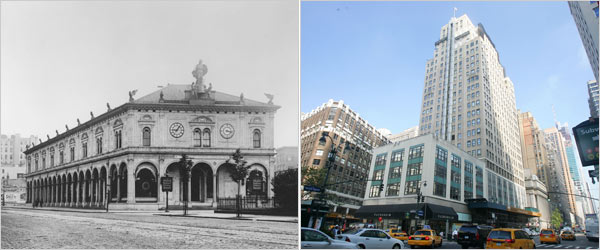
FRIDAY NIGHT FEVER: The Slide / Kenny’s Castaways

To get you in the mood for the weekend, every Friday we’ll be celebrating ‘FRIDAY NIGHT FEVER’, featuring an old New York nightlife haunt, from the dance halls of 19th Century Bowery, to the massive warehouse spaces of the mid-90s. Past entries can be found HERE.

The rapid transitional personality of a New York City building tends to write over the juicier bits of its past. Will we remember CBGBs 20 years from now when it’s a fashion boutique? Do the college students down at the Palladium NYU dormitory in the East Village know what their building’s named after?

When Patrick Kenny opened Kenny’s Castaways in 1967 at 157 Bleeker Street, he certainly knew he was settling down onto the equivalent of an burial ground of early Village debauchery. And without obscuring the establishment quite seedy origins he would create a bit of history himself.

Patrons slipping into a bar at that address less than a hundred years before would be stepping into what the New York Press (a 19th Century news rag) called “the wickedest place in New York.” Being New York in 1890, I suspect there were a few places more ‘wicked’ in the city; yet The Slide won this notorious title for being a flaunting homosexual dive bar.

You can’t trust police blotters and morality crusader sheets like the Press to give an accurate depiction of what The Slide was really like. But even an attempt to peel back the hyperbole gives you a sight that would rival the bawdier Village gay bars of today.

Dive lord Frank Stephenson seemed to specialize in lubricating the underground fringes of society. His Black and Tan bar down the street from the Slide catered to non-white patrons who preferred the flirtation of ‘amoral’ white ladies (sometimes prostitutes, often thieves). The Slide went a step further, with open displays of men in drag, ‘one to three hundred people, most of whom are males, but are unworthy the name of men’, performing ‘fairies’ on pianos, and backrooms of male prostitution.

Homosexual behavior of any stripe would have been condemned in this era; such flagrant and open displays would have been unthinkable. The clientele were ‘effeminate, degraded, and addicted to vices which are inhuman and unnatural’. A bar today would be honored to be strapped with such description!

Some of the Slide’s patrons went by such names as Princess Toto, Madam Fisher, Maggie Vickers, Phoebe Pinafore and Queen of the Slide. Female prostitutes mingled with the men to create what must have been a dizzying stew of genders, the air filled with cheap booze, wild sex (‘orgies beyond description’) and tunes banged out on an old piano.

Flash forward almost 75 years. The Slide was closed down by police in 1892 and the building took on a host of different identities. In preparing for opening of Kenny’s Castaways, the Kenny family would find the basement cellars — with largely intact evidence of its use as a brothel — almost preserved. Many of the bars floors and fixtures hearken to the 19th century. What Patrick Kenny planned, however, would definitely influence the 20th. Kenny would return the space to its former glory as a raucous bar and host to a very different set of over-the-top characters, while leaving the basic layout of the bar mostly intact.
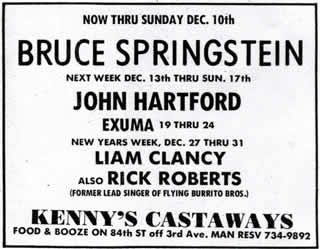
Instead of mincing drag queens, Kenny’s Castaways would host up-and-coming rockers and superstars longing to return to barroom performance spaces. Patti Smith, the New York Dolls, Blues Traveler and Aerosmith have all played Kenny’s worn stage early in their careers. Two Ramones, DeeDee and Joey, are purported to have first met at a Dolls show here in the 70s.

A young singer Bruce Springsteen performed for a week here in 1973 with his new band the E Street Band. Seven years later Kenny’s would hire a house band the Smithereens. Even today the bar hosts a mix of big stars and local cover bands, and all rather discreetly, at least in New York terms. The bar rarely advertises, yet everybody knows Kenny’s.

Patrick died three years ago, but the family continues to run it. This year is Kenny’s 40th anniversary. I can’t help but think that the ghost of Princess Toto sidles up to the bar every night to lord over the festivities with satisfaction.
Categories
Podcasts

PODCAST: Radio City Music Hall & the Rockettes

Behind the glamour of New York’s greatest stage Radio City Music Hall is a story involving a toothpaste tube designer, an allergy to Brazil nuts, a hydraulic lift protected from the Nazis, and a man named Roxy. PLUS: The Bowery Boys go backstage (well, figuratively) with the Rockettes.

Listen to it for free on iTunes or other podcasting services. Or you can download or listen to it HERE

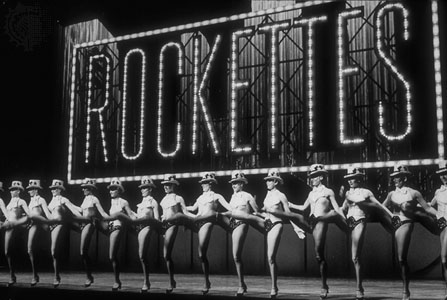
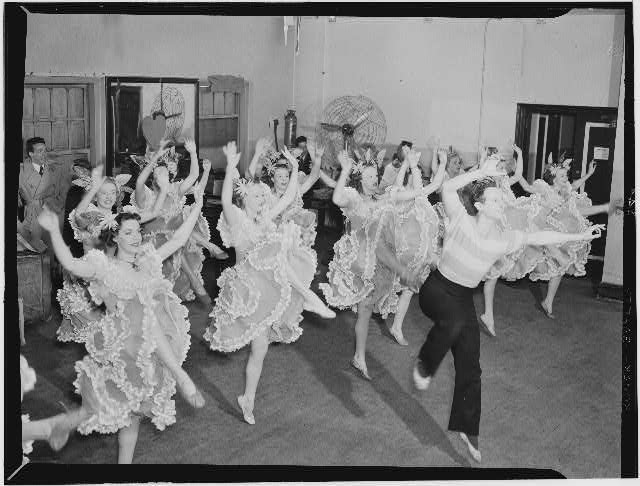
The Rockettes in practice:

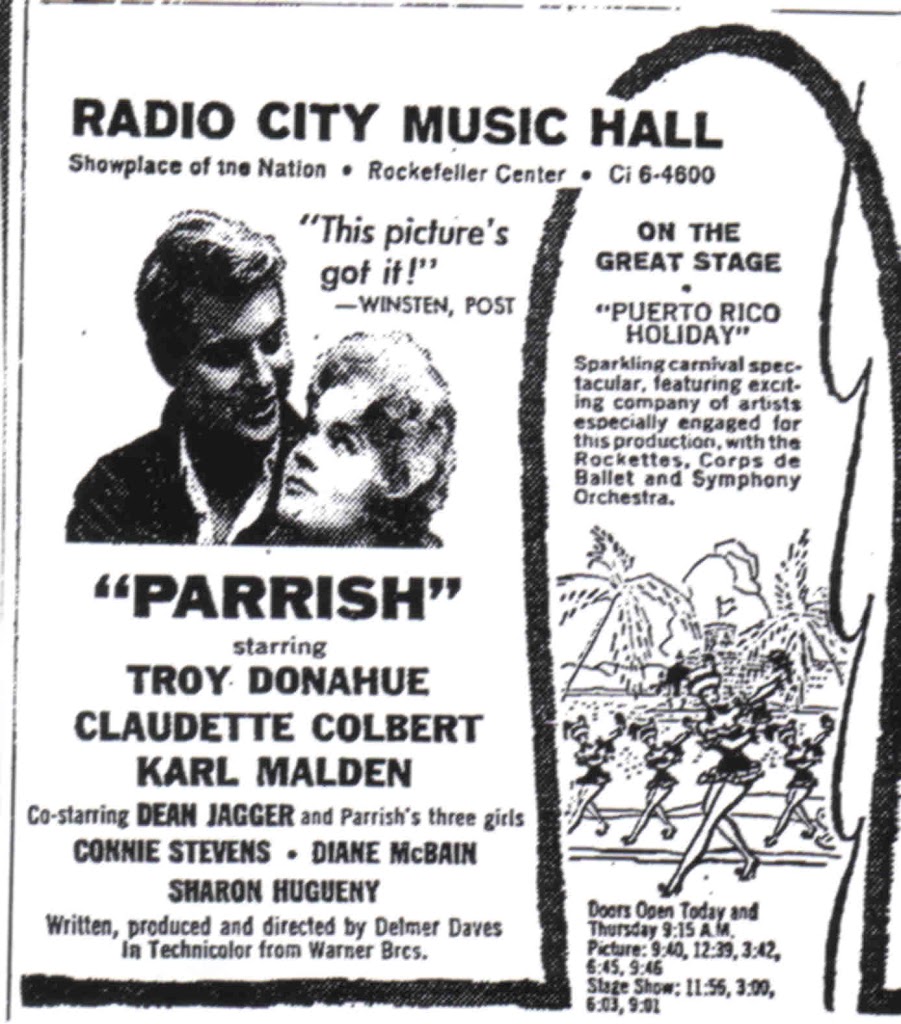
Radio City’s movie / stage extravaganza combo:

By the way, a couple of our richer anecdotes are from one of my favorite books about New York City — Great Fortune: the Epic of Rockefeller Center by Daniel Okrent. On top of being well written, Okrent gives delicious insight and lush description to a story that could have been bogged down in uninteresting details.

The History of (Destroying) New York City


I apologize for the second post in a row about films, but I had to ask the question, when did destroying New York become hot again?

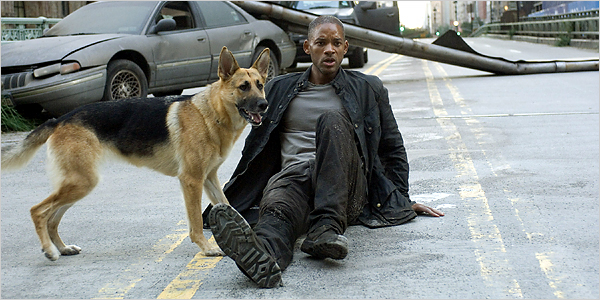
This Friday is the opening of I Am Legend, an adaptation of Richard Matheson’s classic thriller about the last non-zombiefied human being alive. In this case, he resides in New York City, the population wiped out by a virus. Nice to know that the last representative of the human race is charming, witty, and a former rapper.

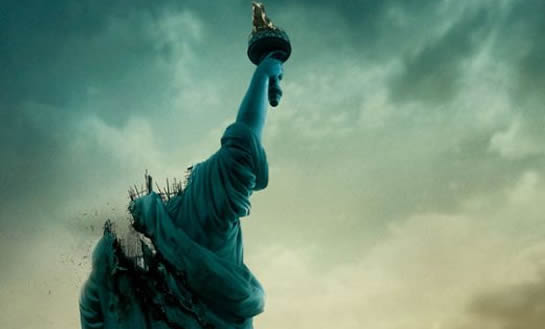
If that’s not enough doomsday for you, JJ Abrams brings us Cloverfield next month, about a sea monster ‘the size of a skyscraper’ ravaging New York. I almost breathed a sigh of relief when I found out that M. Night Shyamalan’s The Happening releasing next spring, takes out Philadelphia.

Tokyo may be the one with the most movie monsters attacking it in film history, but New York has taken it pretty hard from a variety of fictional sources. Here’s the top ten (I left out films that actually destroy the whole earth):

1. King Kong (1933)
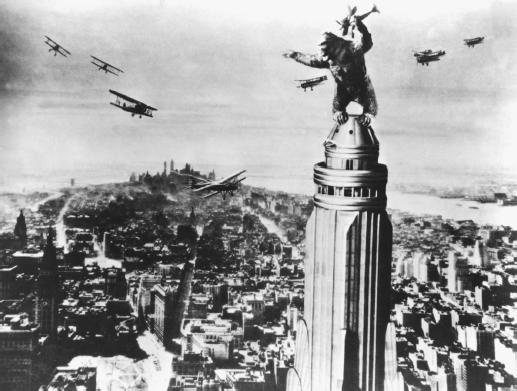
Sure, they destroy more in a run-of-the-mill Fantastic Four or Spider-man movie these days than ole Kong does here, but the sheer novelty at the time of urban carnage was enough to petrify audiences. His attack on the elevated train is still terrifying. Thank God he merely climbs the Empire State Building.

2. Beast From 20,000 Fathoms (1953)
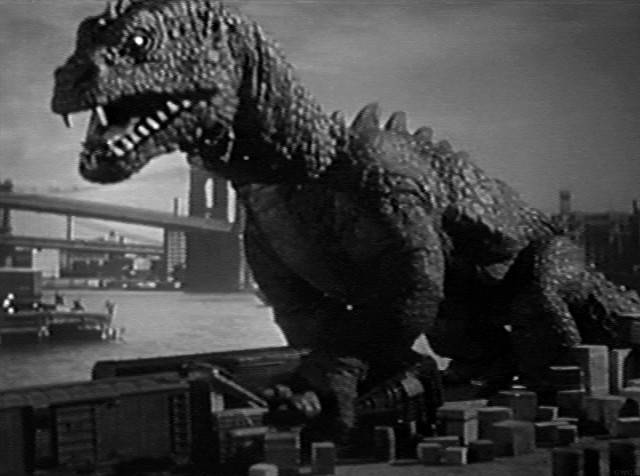
Atomicly-woken prehistoric beastie with germ-infested blood plays tourist in Manhattan, eventually finding a suitable lodging at a roller-coaster in Coney Island. The movie is flat and plotless, but love that Ray Harryhousen stop-motion monster. If it wasn’t so destructive, the monster might be a little lovable.

3. Planet of the Apes (1968)
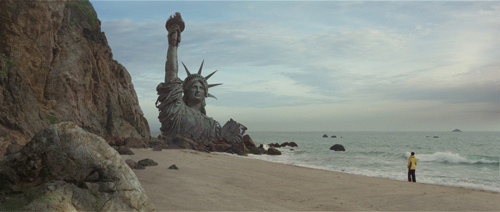
By placing it on this list, I suppose I’ve spoiled the ending for you.

4. Escape From New York (1981)
John Carpenter takes a different approach to the Manhattan destruction theme — turning it into a gigantic prison — and along the way, makes a potent comment about New York in the late 70s.

5. Ghostbusters (1984)
New York City has seen its share of monsters. From the skies, we’ve had Q: the Winged Serpent. From below, C.H.U.D. And in our elevators, those damned Gremlins! Even Godzilla‘s taken a snack by the Flatiron Building, years before the opening of the Shake Shack. But no big baddie comes closer to the hearts of New Yorkers than the sugary goodness of this sweet ectoplasmic ogre, successfully dispatched by Dan Ackroyd and Bill Murray.

6.Independence Day (1996)
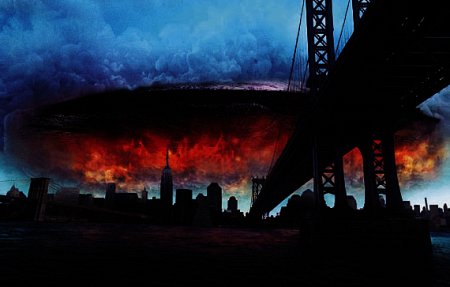
Destroying New York City really came into its own cinematically in the 90s. The unease at seeing our fair city blown to smithereens by alien blasts is offset by the cries of joy of future architects and city planners at the alien’s first target — the Pan Am/Met Life building. It is sort of awful seeing Park Avenue South wiped away by flames. Some great restaurants, gone in a flash!

7. The Siege (1998)
Technically the only movie on the list that really ‘could’ happen, however the filmmakers glee is killing off mass groups of New Yorkers is just plain sadistic. The bombing of a Broadway theater — look, that rich woman is missing her arm! — is of particular poor taste. Maybe it would have been easier to swallow had the movie been actually, you know, good.


8. AI: Artificial Intelligence (2001)
Steven Spielberg creates some graceful carnage — waterfalls and flocks of birds among toppled buildings — and includes a vision of a destroyed Twin Towers in a rather unfortunate year of release. Don’t get too depressed however; his recollection of the city is hardly too accurate. One of the buildings is literally just a Apple computer subwoofer dressed up to look like a building.

9. Deep Impact (1998) and Day After Tomorrow(2004)
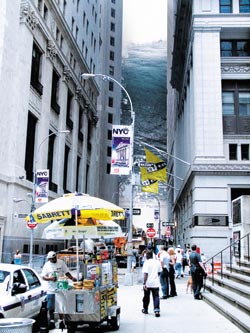
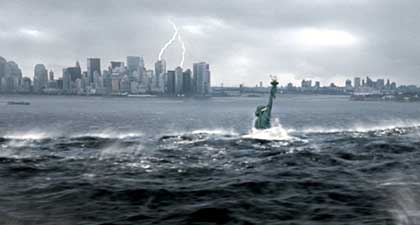
These two films are pretty abysmal, but the creative ways in which they treat New York City like children’s toys in the hands of natural catastrophe is at least notable. Heck, and even I’ll throw in the meteor madness of Armageddon (1998), which dares to take specific note to flatten the Chrysler Building along with everything else. And for the sheer cheese factor, I cant forget to mention the 1999 made for TV Aftershock: Earthquake in New York.

*sigh* Lady Liberty, just can’t catch a break…

10. King Kong (2005)
In the rather campy remake from 1976, Kong tackles the World Trade Center. By the time Peter Jackson got around to remaking it, he’s back on top of the Empire State and wrecking a bit more havoc than his prior incarnation.

Honorable Mention: New Yorkers should be honored to know that in the Japanese monster classic Destroy All Monsters (1968) set in the future (aka 1999), New York City is in fact destroyed by Godzilla before he gets to Tokyo.

Still ‘Burning’ after all these years

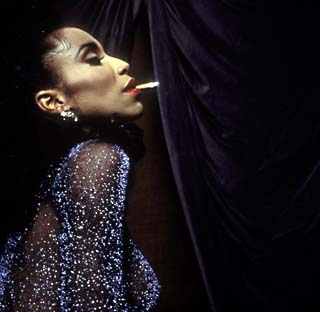
Above: the phenomenal Willi Ninja

BOWERY BOYS RECOMMEND is an occasional feature whereby we find an unusual movie or TV show that — whether by accident or design — uniquely captures an era of New York City better than any reference or history book. Other entrants in this particular film festival can be found HERE.

The Savoy Ballroom in Harlem saw the birth of the Swing-era ‘Lindy hop’ during the late 20s, a hip-swiveling dance named after Charles Lindburgh which became a regular move on dance floors. The Savoy would see a more radical mix of dance styles — and a decidedly more adventurous clientele — in the late 70s with the Harlem drag balls. The rest of the world was let in on this little secret in the cult classic 1990 documentary Paris Is Burning by Jennie Livingston.

‘Paris’ woke up many open-minded Americans — and rankled just about everybody else — to a community even further out of the spotlight than the ‘mainstream’ gay and lesbian community of that time. (Mainstream, of course, being relative in 1990.) Here were groups of primarily young black and Latino gay men and transgenders, with little evidence of stable home environment, enjoying the freedom of glamour and high fashion, elegance and performance on display on dancefloors in late 80s Harlem.

‘Paris Is Burning’ displayed the New York ‘house’ culture, groups of men under the aegis of various fashion houses — featured in the movie are the houses of LaBeija, Ninja and Xtravaganza — that serve practically as unofficial families. They meet on the dancefloor in competitions to emulate feminine and masculine stereotypes with just that extra added component of glamour. Fashion models, banji boys, military. Watching the competitions of ‘realness’ — the ability to pass ones self in the real world as ‘normal’ — has almost amusing relevance filmed as it was before the era of hyper-masculine gay appearances and culture of the ‘down low’.

New York City looks drab next to the colorful and fabulous personalities. You can catch a glimpse of how the West Village piers once looked, but who’s paying attention when Venus Extravaganza is talking? She’s the most heartbreaking character — I won’t spoil why — and has always been my favorite; faced with insurmountable obstacles, you still root for her as she describes her fantasy life to be a kept housewife and a fashion model. Livingston cleverly intercuts with pictures of at-the-time current models, images which are even more strikingly absurd now. Venus might be happy to know she looks more like a model of today than any of those women.

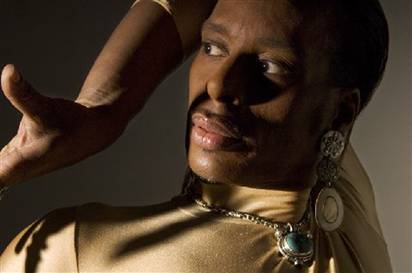
Many of the greatest personalities in ‘Paris’ are no longer with us, giving the movie an even more depressing weight. However, one of the featured stars Octavia St. Laurent (pictured above) is still looking great — although she now calls herself Heavenly Angel Octavia St. Laurent. Like the Lindy hop, another dance borne from the floors of the Savoy, voguing, as infiltrated modern pop music, from Madonna to Britney Spears.

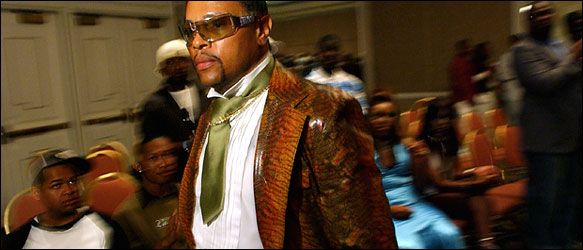
And some members of the houses have gone on to mainstream success. Willi Ninji, who passed away last year, became a recording artist and dance coach, notably to Paris Hilton. Another member of the house of Ninja, Benny Ninja, is a frequent guest on America’s Next Top Model.

And while the visibility of the Harlem ballroom danceoffs may have peeked with ‘Paris Is Burning’, they’re still going strong, particularly in other cities like Atlanta and Los Angeles. The House of Ultra-Omni recently celebrated their 25th anniversary. While the younger generation now ‘perform’ as modern stars like Jay Z, there’s still plenty of glamour and confidence to go around.

If you haven’t seen ‘Paris Is Burning’ in a few years, I highly recommend another viewing and maybe a little private voguing in your living room.

Below: The style of Kevin Ultra-Omni, at his house’s anniversary party

Above photo: Ann Johansson for The New York Times

FRIDAY NIGHT FEVER: Coyote Ugly Saloon

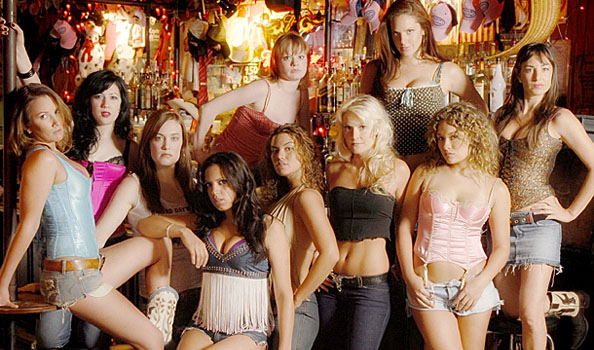
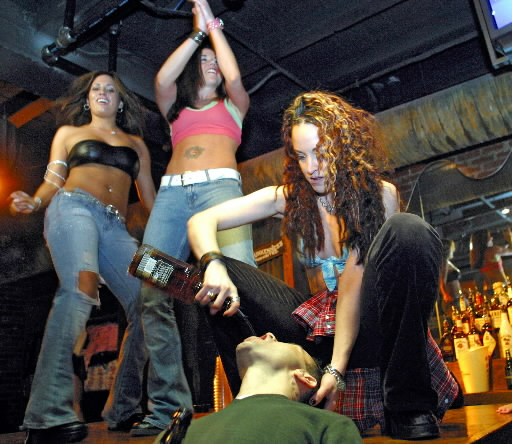
Above: From the official website — the girls of Coyote Ugly

To get you in the mood for the weekend, every Friday we’ll be celebrating ‘FRIDAY NIGHT FEVER’, featuring an old New York nightlife haunt, from the dance halls of 19th Century Bowery, to the massive warehouse spaces of the mid-90s. Past entries can be found HERE.

Studio 54. The Cotton Club. The Copacabana. Coyote Ugly.

If you’re thinking to yourself, “Is this a game of ‘one of these things is not like the other'”, you would be wrong. These four storied institutions have something very key about them — they are the four members of New York nightlife that have been the subject of their very own Hollywood film. (Please email me if I’ve missed any!)

In fact, of the four, only the Copacabana and Coyote had films made about them while the bars themselves were still in operation. The Copacabana film had Groucho Marx and Carmen Miranda. Coyote Ugly has Bud Cort and Leann Rimes.

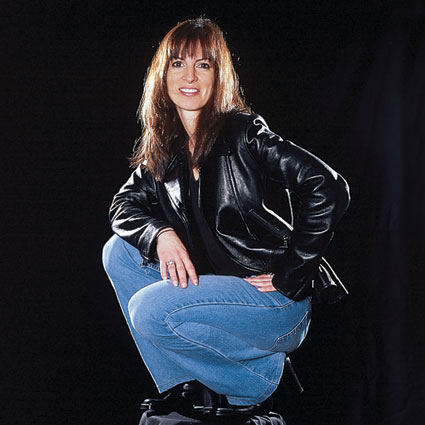
Okay, I may be giving a lot of credit to this East Village saloon, 1st Ave and 9th Street, named after the term for waking up with an unattractive partner after a raucous night of beer-goggled imbibing. But you have to admire the gumption and savvy of its creator Liliana Lovell (pictured below) in turning the traditional notion of a dive bar into a kerosene-soaked, carnival-like Hooters.

In the early 90s, Lovell was a two-jobber — an intern at an investment firm by day, a bartender at The Village Idiot by night. With a degree from NYU in psychology and communications, she soon found bartending more rewarding and lucrative. In particular, she admired the style of Village Idiot owner Tom McNeill; that bar, formerly a block away from the current location of Coyote Ugly, was known for loud 70s country music, swaggering drink contest and pretty bartenders in low cut tops — almost a camp variation on a Southern hard-drinkin’ saloon.

Lovell eventually saved enough to buy an Italian restaurant down the street and refit it with familiar Village Idiot decor but with a twist that would make P.T Barnum blush — a phalanx of female bartenders who could sing, dance and (most importantly) literally blow fire like a sideshow freak. The notion turned mid 90s feminism on its head — a surface objectification of themselves tied into their roles as circus masters — while making a steady profit from frat boys and curiosity seekers.

It would have remained a quaint anomaly of New York college fantasies if not for bartender and writer Elizabeth Gilbert, who turned her experiences into an amusing GQ article that was then quickly spun into a Hollywood feature in 2000, with Maria Bello as playing the brassy, sassy Lovell.

Lovell was quick to take advantage of the films rusty-glam depiction of her establishment. Not exactly the most austere or critically acclaimed concept to begin with, Lovell had no qualms about spinning Coyote Ugly into a franchise, starting (naturally) in Las Vegas in 2001, then to New Orleans in 2003, arguably two places where it could reach its fullest potential.

She’s now up to thirteen locations around the country (and one in Panama City) and thanks to a reality show the Ultimate Coyote Ugly Search, may continue to become America’s feisty madam of flaming cocktails. Although she might have gone corporate, she’s still an East Village institution whenever she’s in town (she lives in New Orleans now). Texas Guinan would be so, so proud.

Categories
Podcasts

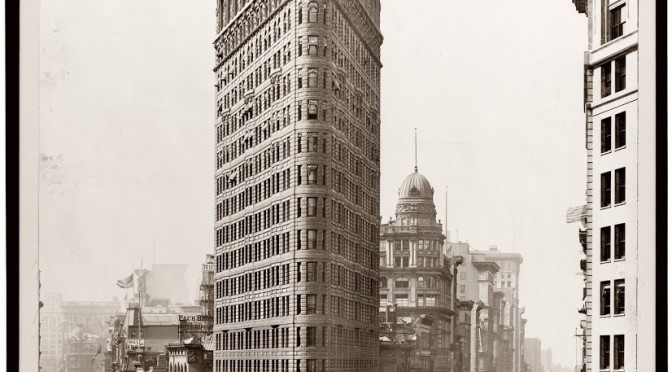
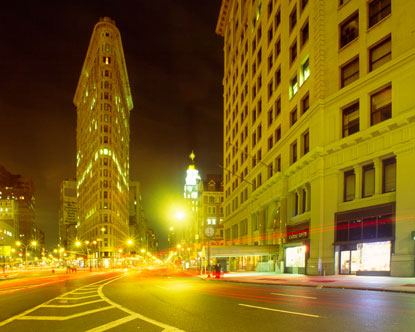
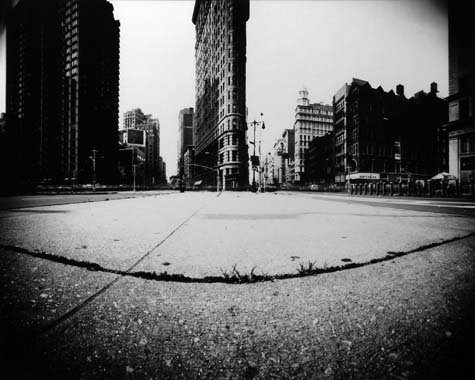
PODCAST: The Flatiron Building

What are the Bowery Boys doing in Chicago? Just a little detour in our search for the origins of the Flatiron Building, the wedge shaped, wind producing oddity — built as an office space in a department store neighborhood which grew to become one of the most romantic, elegant buildings in New York City.

Listen to it for free on iTunes or other podcasting services. Or you can download or listen to it HERE

This is the place where I usually put up a lot of pictures related to the podcast. However, I don’t think I could do as good a job as NYC Architecture’s great coverage of the Flatiron. Check out their site for a lot of great pictures, including some of the construction.
For more information on the Worth Monument — the odd obelisk sitting in the traffic island in front of the Flatiron — read this.

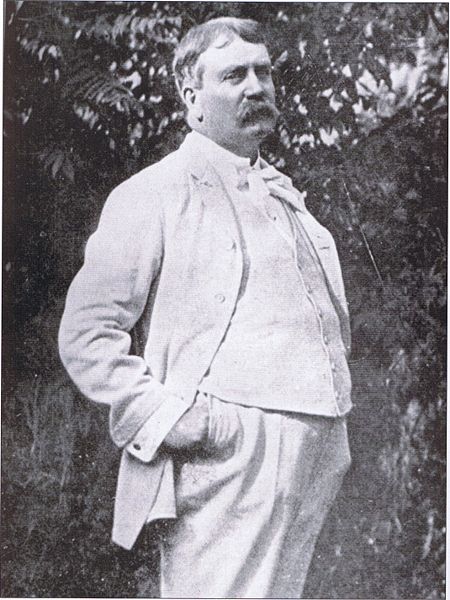
Daniel Burnham, the Flatiron’s architect and planner of Chicago’s White City, among a great many other things.

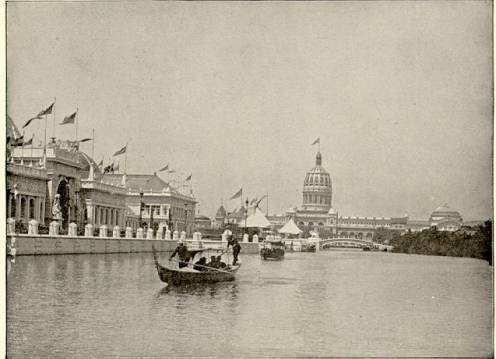
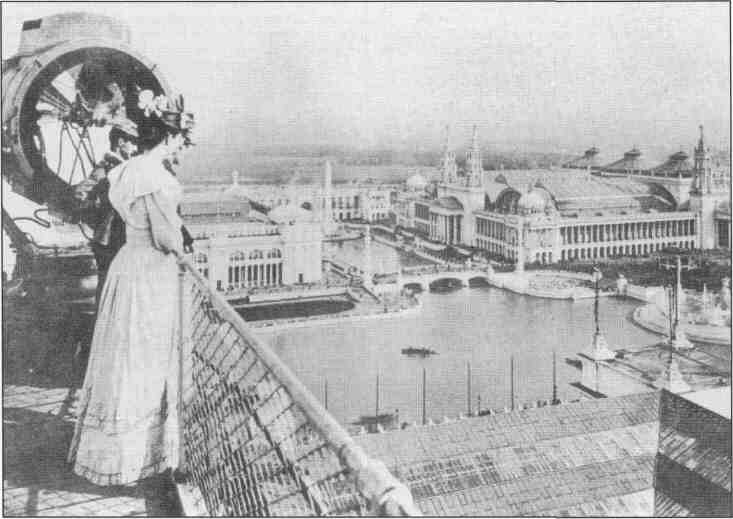
Burnham’s greatest challenge — the World’s Columbian Exposition

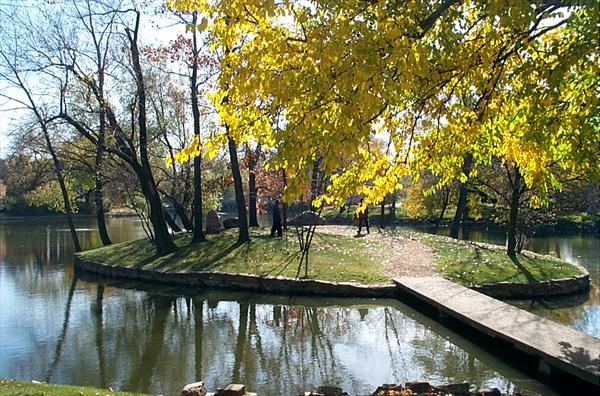
Burnham’s final resting place, at Graceland Cemetery in Chicago:

What about the old New Museum?

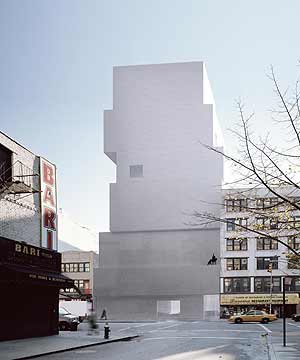
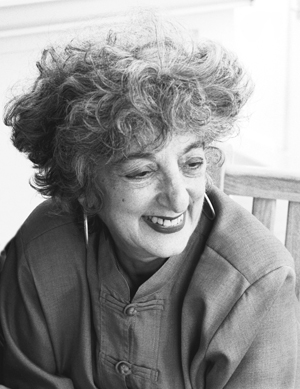
The oddest thing to ever peek its head above the Bowery, the brand new New Museum of Contemporary Art, captured the culture headlines last week during its week-long opening. Critics, even the toughest ones, praised its architecture by Kazuyo Sejima and Ryue Nishizawa of the Japanese firm Sanaa, admired its open gallery spaces glowing with natural light, and generally liked the art displays from around the world. The only thing missing from the downtown hoopla is the woman who started it all — Marcia Tucker.

Brooklynite Tucker might have greeted the success of the new New Museum as mixed bag: thrilled at reaching new audiences, wary of how such attention might censure the core philosophy — presenting new international voices in art, artists that might not find their footing in the current ‘modern art’ world.

Tucker was a curator at the Whitney Museum of Art from 1969 until 1977, when poor critical reception of her exhibit on artist Richard Tuttle got her fired. She then opened the first New Museum, on a single modest floor of the New School’s social research building, at Fifth Avenue and 14th St. You had to walk through a lobby and over book-burdened students to get to the gallery, yet even then, according to a critic in 1981, the artist displayed were unconventional, and “by any imaginable objective standard they vary enormously in the degree of their success.”

Tucker was fascinated in giving spaces to the artistic voices underneath the radar of traditional galleries. Her obituary describes her philosophy succinctly: Tucker “wanted the museum to welcome art that was excluded elsewhere because it was difficult, out of fashion, unsalable or made by artists who were not white or male or straight.”

In the 80s, she naturally moved to the heart of the world’s art scene, Soho, to a basement gallery in the Astor Building at 583 Broadway, between Prince and Houston. Although larger than the typical Soho gallery, its unglamorous basement locale allowed for peculiar gallery spaces perfectly in line with selections of art from around the world — Cameroon, Chile, Bulgaria, Cuba, Turkey, Poland and dozens of other countries. In 2000, the New Museum opened a then-unprecedented gallery to digital artwork.

The plans for the new space were unveiled in 2004, at a cost of $35 million dollars. New Yorkers have been anxious for the opening ever since the building’s clean, alien-like facade started hovering above the Bowery streets. Tucker never got to see the spectacular final product; she died in California on October 17, 2006 of cancer. At an affectionate memorial service held in January of this year, artist John Baldessari paid her the ultimate compliment: ““I thought I was pretty wiggy, but she was wiggier than I was.”

FRIDAY NIGHT FEVER: Gerde’s Folk City

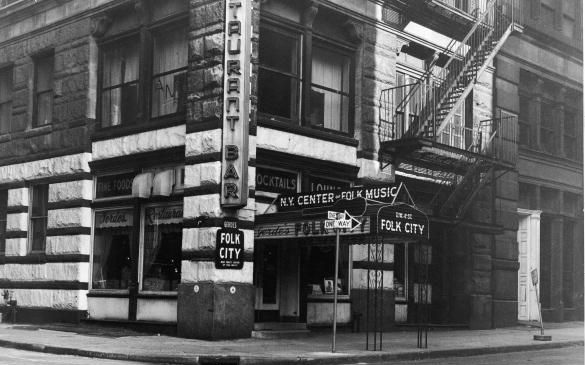
ABOVE: Gerde’s in its original location, circa 1960

To get you in the mood for the weekend, every Friday we’ll be celebrating ‘FRIDAY NIGHT FEVER’, featuring an old New York nightlife haunt, from the dance halls of 19th Century Bowery, to the massive warehouse spaces of the mid-90s. Past entries can be found HERE.

Few streets in Greenwich Village have more history than West 4th Street, which runs along the south side of Washington Square and became a lifeline to New York’s art and bohemian culture. The teahouse Mad Hatter at 150 W. 4th was an influential artist destination, later becoming the lesbian bar Pony Stable Inn, where Allan Ginsberg first met close friend and fellow beat poet Gregory Corso. (It’s now the ever reliable Washington Square Diner. I heartily endorse their grilled cheese.)

The Whitney Studio Club sprang up at 147 W. 4th in 1910, presenting Edward Hopper’s first exhibit of his works, and later became the bohemian hangout Ristorante Volare. The Washington Square Methodist Church, a lovely Romanesque church built in 1860, on 135 W. 4th gave refuge to draft dodgers in the 60s and was appropriately called ‘Peace Church’.

And we can’t forget the notorious Golden Swan Café, a 19th century saloon formerly on the corner of W. 4th and Sixth Avenue, which Eugene O’Neil immortalized in ‘The Iceman Cometh’.

But for music lovers, no place on this tiny street is more revered than the former location (now gone) of Gerde’s Folk City.

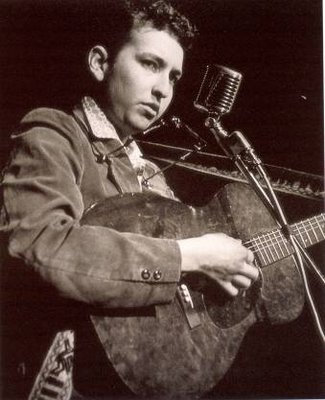
You won’t find the strange but fabulous Todd Haynes film ‘I’m Not There’ anywhere near West Fourth Street — it was filmed in Canada! — but this is the street where Bob Dylan, the artist, was born. The mousey Minnesota born musician arrived in 1961 and quickly caught the attentions of Village habitues. Although he performed in various places up and down the street — including the NYU Loeb Student Center (once at 61 W. 4th) — Gerde’s was his best known haunt.

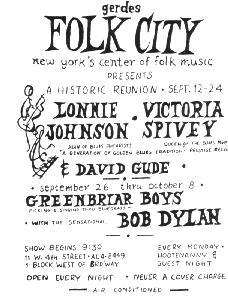
Owner Mike Porco took over Gerde’s restaurant in 1952 and refashioned it as a coffeehouse with Monday night ‘hootenannys’, amateur nights for local musicians. However, when you’re in Greenwich Village, the talent pool at Gerde’s would be filled with future stars — Judy Collins, Arlo Guthrie, Tom Paxton. And of course, Dylan, who approached Porco and began performing in April of 1961, on a ticket that night with John Lee Hooker.

He threw the clientele for a loop. Dylan Roots quotes Happy Traum as saying, “I remember watching him, thinking ‘This boy’s unbelievable, he’s going to become another Woody Guthrie.’ I also thought that he would not become known outside of Greenwich Village.”

He would become quite known, however, thanks to a performance at Gerde’s in September that was reviewed by the New York Times critic Robert Sheldon. Dylan wasn’t even headlining that night; he opened that night for a bluegrass outfit the Greenbriar Boys. By October, Dylan had a record deal with Columbia Records. Sheldon, by the way, would go on to write ‘No Direction Home’, a biography on Dylan that would be made into Martin Scorcese film.

Gerde’s would move in 1970 to 130 West 3rd Street. Its now the home of the Village Underground, another great Village music venue.

I would suggest going on an ultimate Dylan excursion through the Village, even if you’re not really into Dylan. Go check out ‘I’m Not There’ at the Film Forum, then walk up to Fourth Street to the other addresses associated with Dylan. On top of the previously mentioned Gerde’s and Loeb Student Center, his former apartment is in 161 W. 4th and he snarfed down bagels at 168 w. 4th. New Pony has an entire map of Dylan-themed locations in downtown Manhattan!

I think we can conclude what Bob’s ‘Positively Fourth Street’ was about.

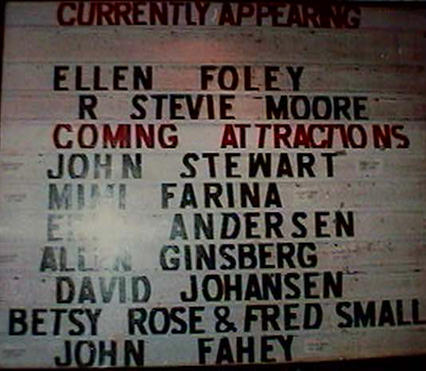
Below: from R. Stevie Moore, a billboard from latterday Gerde’s (1984) listing some of the headliners that month:

Categories
Podcasts

PODCAST: The Original Bowery Boys / B’hoys

For our very special 25th episode, we give you all sorts of Bowery boys — the cultural and fashion trend of the 1840s, the notorious enemy of the Five Points gangs, and that slapstick bunch of New York actors from the 1930s and 1940s. And of course, a little bit about us!

LISTEN HERE:

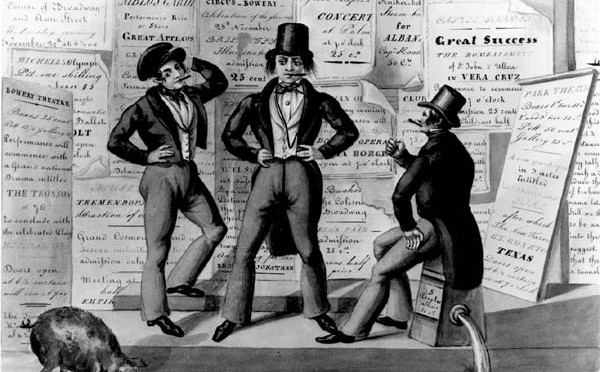
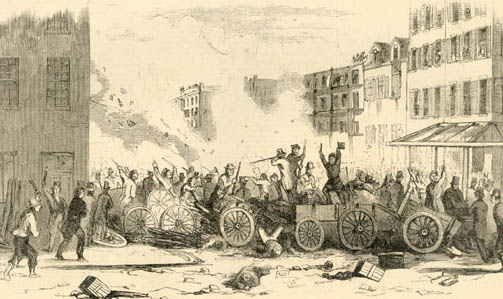
The Bowery Boys, on their way to battle the Dead Rabbits (or is that the Roach Guards?)

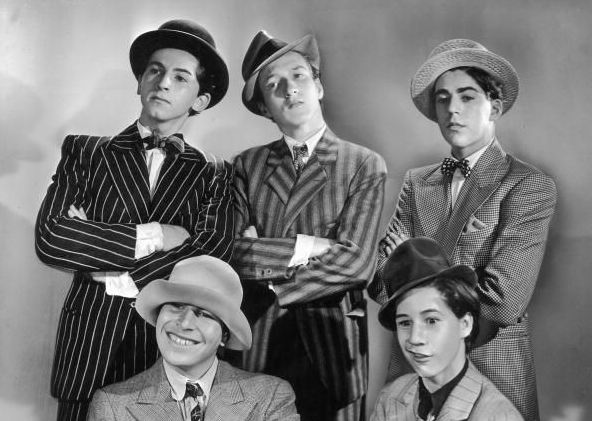
The ‘Dead End Kids’, circa 1938, fresh from their fame in ‘Dead End’ and ‘Angels With Dirty Faces’

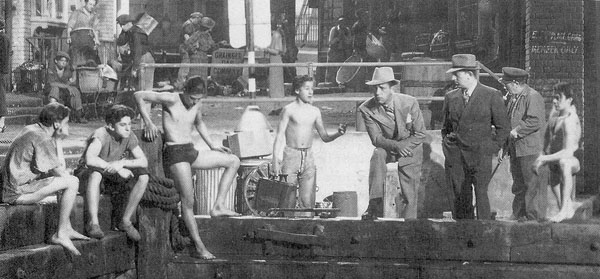
From the film ‘Dead End’

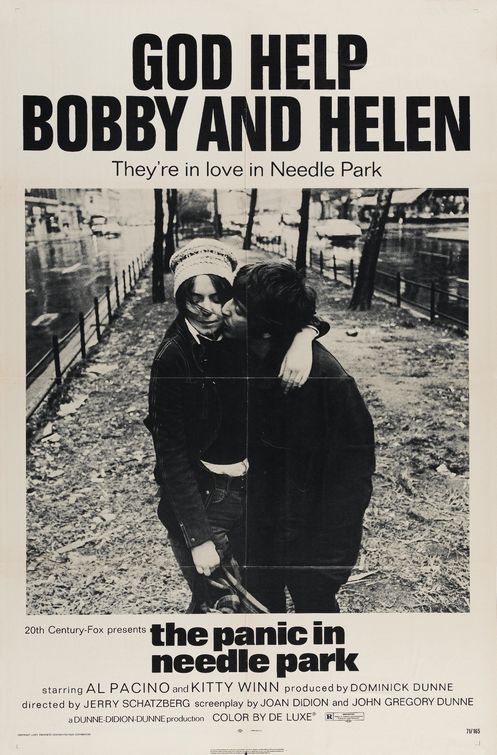
Ah, the bad ole days of Needle Park

BOWERY BOYS RECOMMEND is an occasional feature whereby we find an unusual movie or TV show that — whether by accident or design — uniquely captures an era of New York City better than any reference or history book.

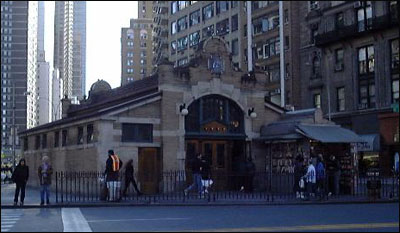
The traffic island at 72nd and Broadway has always been one of the Upper West Side’s most distinctive, with its vintage subway control houses on either side of the street sitting in two distinct ‘parks’ — Verdi Square with its lovely shady patches and statue of composer Giuseppe Fortunino Francesco Verdi; and Sherman Square, a virtually barren traffic triangle that honors nothing in the way of its namesake, Civil War hero William Tecumseh Sherman.

It was a different world 35 years ago, when this area was known by another name — Needle Park, your friendly uptown destination for junkies and dope fiends. The 1972 docudrama Panic In Needle Park vividly depicts this.

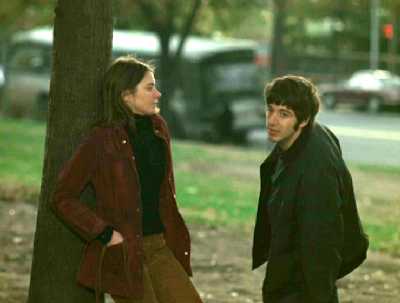
The film is primarily known as the breakthrough role of Al Pacino — it’s actually his second film — and its easy to see why. He plays Bobby, a deal who continually fails to break the habit, and even lures his innocent sweet girlfriend Helen (Kitty Winn) into a world of dope scores and prostitution.
More surprising than finding Pacino here is the film’s other contributors — Joan Didion and John Gregory Dunne wrote the screenplay, Dominic Dunne produced it, and showing up in early roles are Raul Julia and Paul Sorvino (as Helen’s hapless john!)

The film is seen through Helen’s eyes who clearly has a few opportunities to escape via a handsome police detective who has seemingly been assigned exclusively to her.

It’s fascinating to see this now-clean stretch of Broadway through a lens of grit, a depiction of New York as a hopeless metropolis sinking into ever-stewing pools of urban decay. Most striking is the scene where Pacino attempts to score from a dealing in front of the Museum of Natural History*.

The raw, early indie style of director Jerry Schatzberg would go on to influence other films, although some of its techniques have been rendered into cliche. However, for lovers of 1970s New York cinema, this sobering and rather exhausting film is a must-see.

Below: a picture of the Sherman Square subway station today:

And Verdi Square:

*One could write an entire book about the depiction of the Natural History museum in film. See the last Bowery Boys Recommends article about Q: the Winged Serpent.

Categories
It's Showtime

Broadway’s first musical: The Black Crook

The Broadway theater season begins again with another new batch of musicals hitting the boards — from an unusual adaptation of War And Peace to a stage version of a Robert DeNiro drama.  Some believe that this musical tradition begins all the way back in September 12, 1866, back when musicals based on movies and popular Founding Fathers weren’t much of a consideration.
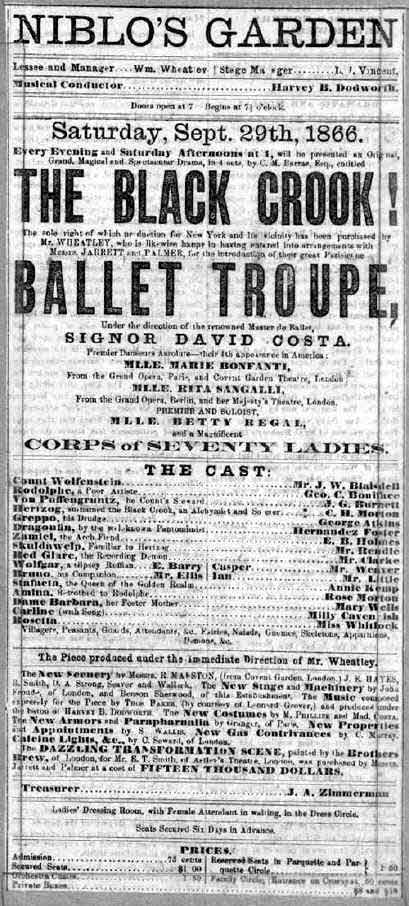
At a time when the largest theaters in Manhattan were all below 14th Street, the 3,200-seat Niblo’s Garden on Prince and Broadway was one of the largest and most popular. In fact, it wasn’t merely a theater but an entertainment park of mid-19th century fancies. William Niblo, an upper class PT Barnum of sorts, opened his version of a showy Las Vegas hotel in 1828, with elaborate gardens, gaslight illumination shows, vivid dioramas, traveling circuses, fireworks displays, and plenty of open saloons to keep his patrons happy. A theater was included in this complex, for many years one of the most popular amusements in the city.

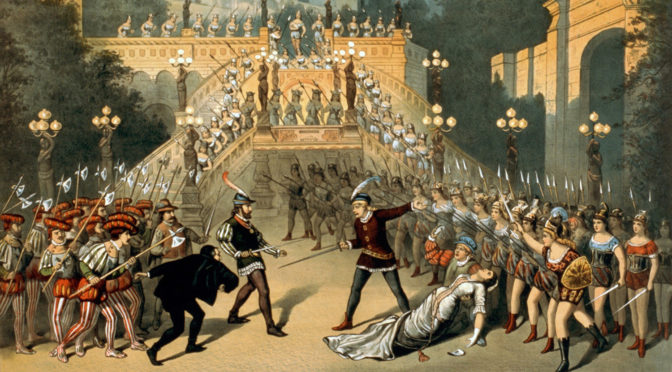
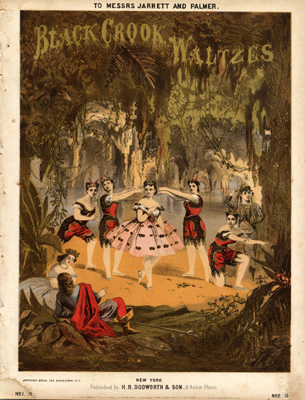
In 1866, a variation on the usual theatrical spectacle debuted at Niblo’s that soon proved to be his most popular offering. Plays had featured popular songs in the past, and variants of operas (or rather, sung plays or ‘ballad-operas’) were popular. But in September, The Black Crook debuted, with odd traits at the time that have now come to typify the modern musical.

It’s considered the first American musical by many scholars for three reasons: 1) it included newly written songs with previously adapted music; 2) it included a flashy chorus of leggy dancers; 3) its success spawned a slew of ‘extravaganzas’ that evolve right into today’s modern musical productions. By most accounts, it was also, from our perspective, really, really awful.

Evokative of German melodrama, Crook was really just a terrible play by Charles M. Barras that Niblo manager William Wheatley had refitted with a troupe of recently unemployed French dancers from another show that had the fortune (in William’s eyes) of being booked in a theater that had just burned down.
The plot was all fainting spells and sulfur smoke. Young Rodolphe is enslaved by a sorceror Hertzog, who must grant the Devil the soul of one innocent every New Years Eve. Rodolphe saves a white dove from peril which just happens to be a good witch in disguise — Stalacta, Fairy Queen of the Golden Realm — who rescues him and sends all the bad guys straight to Hell. Damn it, why hasnt this thing been revived? I smell Tonys! [2016 Ed: Guess what? It is being revived!]
Well, for one, if you can believe it, the musical ran five and a half hours long each night. Despite this, it was a huge success, running 263 performances and, in a proud American tradition, spawning a sequel, The White Fawn.

The key to its success wasn’t the drama, but all those sexy girls in flesh colored garments and a bevy of dazzling light and shadow effects that were lavish and magical. From a review from the New York Tribune: “One by one curtains of mist ascend and drift away. Silver couches, on which fairies loll in negligent grace, ascend and descend amid a silver rain.” Although I’m sure they’re nothing compared to the scandalous vamps of Chicago, they must have been spectacular at the time.

And, in keeping with perspective of our current strike, according to Mark Caldwell’s New York Night, the show employed 80 carpenters and “twenty gasmen” just to run the elaborate mechanics.

Categories
Podcasts

PODCAST: The Copacabana

To get you in the mood for the weekend, every Friday we’ll be celebrating ‘FRIDAY NIGHT FEVER’, featuring an old New York nightlife haunt, from the dance halls of 19th Century Bowery, to the massive warehouse spaces of the mid-90s. Past entries can be found HERE.

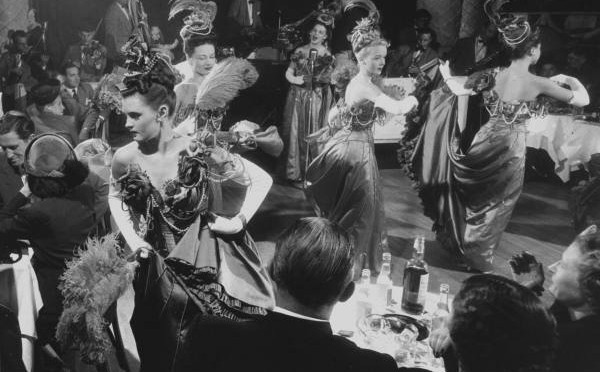
During the 40s and 50s, any celebrity worth their weight in fame either frequented or performed at the Copacabana, a swanky nightclub known for its showgirls, its Chinese food and its mafia ties. On this mini-podcast, we take you on a night on the town with Frank Sinatra, Sammy Davis Jr and a rowdy table of New York Yankees.

Listen to it for free on iTunes or other podcasting services. Or you can download or listen to it HERE

Two corrections to the podcast this week:

— FREUDIAN SLIP — I refer to Frank Costello as New York’s leading ‘media don’. Clearly, he’s a ‘mafia don’.
— JUST PLAIN MISSPEAK — The current Copacabana has closed to make way for the extension of the 7 train, not the 4 train.

—-

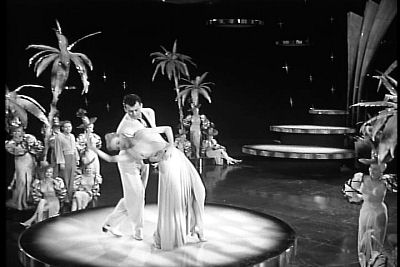
To boost popularity of the club, first Copa owner Marty Proser helped produce a film called ‘Copacabana’ in 1947, starring Groucho Marx and Carmen Miranda. The film was not a hit, however it gave some of the Copa Girls a chance at appearing on the big screen:

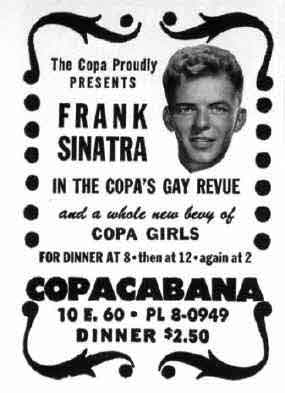
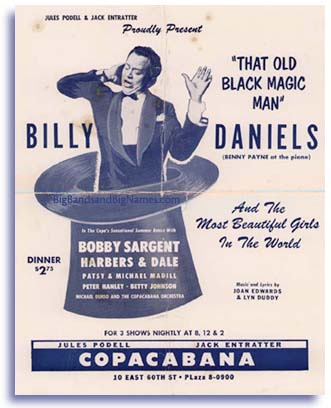
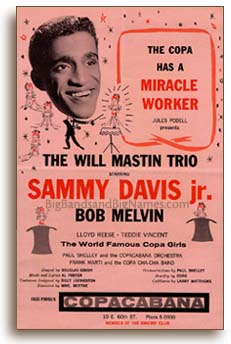
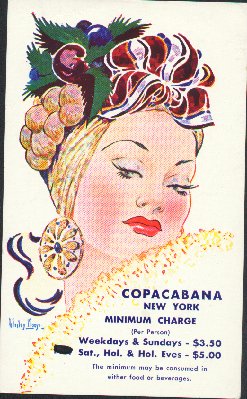
Some peppy flyers for the Copa:

I found some of these nostalgic flyers at a cool website calledBig Bands And Big Names.)

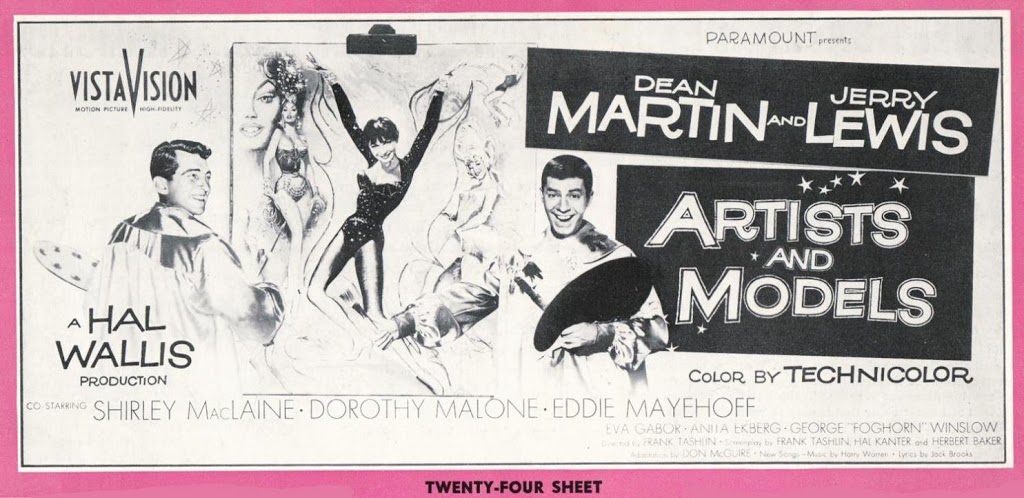
Dean Martin and Jerry Lewis spun off their fame from the Copa to make corny movies like this one:

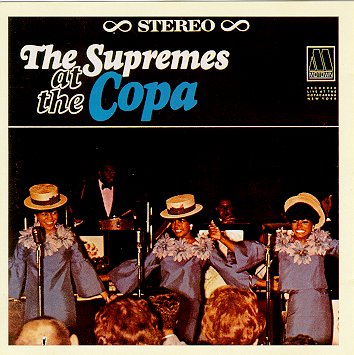
Although the Copa began to wane in popularity in the 1960s, artists like Marvin Gaye, the Temptations, and the Supremes recorded live albums there.

FRIDAY NIGHT FEVER: the Palladium Ballroom

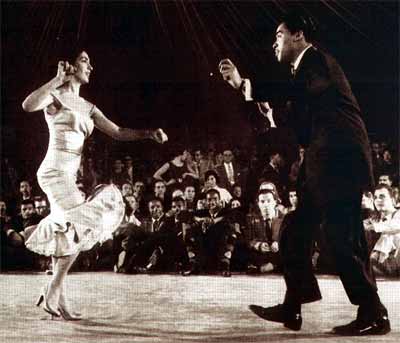
ABOVE: Millie Donay and Cuban Pete, the queen and king of Latin dance, cuttin’ it up at the Palladium

To get you in the mood for the weekend, every Friday we’ll be celebrating ‘FRIDAY NIGHT FEVER’, featuring an old New York nightlife haunt, from the dance halls of 19th Century Bowery, to the massive warehouse spaces of the mid-90s. Past entries can be found HERE.

It’s become almost cliche for me to bring up a New York nightclub with the credentials of popularizing a world renown dance style. The Peppermint Lounge has the twist, the Roxy breakdancing. But those moves are with us only as retro vestiges. The mambo, on the other hand, is still a popular ballroom dance, and it’s around thanks to the lithe and lovely hoofers that frequented the Palladium Ballroom.

This is not the former Palladium nightclub on 14th and 3rd Avenue, a concert venue turned Peter Gatien-owned nightclub from the 90s (which, incidentally, in now a New York University dormitory!) Nothing is left of this Palladium, a former second floor ballroom on the corner of 53rd and Broadway, near the Ed Sullivan Theatre. Nothing, that is, except for an international dance craze.

The Palladium opened in 1947 just as the bittersweet residuals of a finished war were hitting the country. New York’s Latin population boomed after the war, facilitating the need for larger entertainment venues outside of traditional Latin neighborhoods. This massive influx of people from Cuba, the Caribbean, Puerto Rico, Mexico and other South American countries inlaid bursts of different cultures into traditionally white — and whitebread– notions of nightlife. The Palladium would not follow in the relatively sedate footsteps of New York’s burgeoning 40s dance scene.

The epicenter of Afro-Cuban music would begin with a Jewish tailor Maxwell Hyman, owner of the Palladium, who introduced Latin music to his ballroom on a Sunday night, where it instantly caught fire. Hyman quickly filled every night with Hispanic and Caribbean entertainers and dancers, scouted from smaller venues and snatched up to fill the Palladium schedule.

As the club grew in popularity, it became the natural nesting ground for a new music craze jelling Cuban rhythms with African folk beats — the mambo.

While composer brothers Oresto and Cachao López are considered the inventors of the style in the 30s, it was the Cuban-born Perez Prado who coined the phrase for American audiences. His RCA recordings brought the sounds to national prominence, particularly through his hit ‘Mambo No. 5’. (Yes, that Mambo No. 5.)

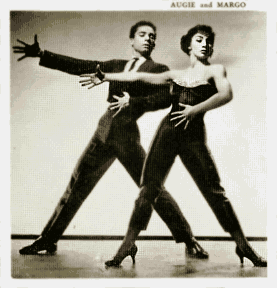
It hardened into a sexy and athletic — but somehow accessible — dance at the Palladium. Those perfecting it at the ballroom fused the skills of ballet dancers and acrobats into acts of statuesque sweep and grace. Augie & Margo Rodriguez (seen below) were frequent performers here, dipping some flamenco into their mambo, and later touring the world to perform with Harry Belafonte and Sammy Davis Jr.

Then there was Millie Donay and Pete Aguilar. To the sounds of ‘house band’ Los Ases del Ritmo, Millie and Pete would pack in capacity crowds on Wednesday night, hypnotizing them with Aguilar’s mambo swagger and Donay’s gyrating chachacha’s. Aguilar would become so famous that Desi Arnez would write a song for him — “Cuban Pete.” The name would stick with him forever. Cuban Pete is now considered the father of mambo, and at 80 years old still trains dancers today. (Donay died in July of this year.)

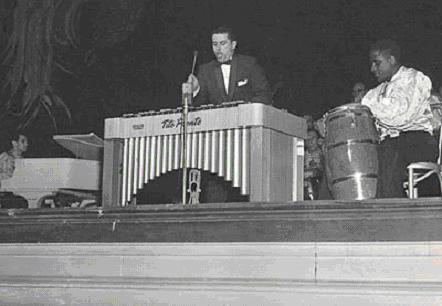
At the Palladium the orchestras and music performers would threaten to overshadow the dancers. Popular artist Arsenio Rodríguez and his band would help define the mambo sound further with the introduction of conga beats and brass instruments into the mix. The ballroom platform saw the likes of Celia Cruz, Beny Moré, La Lupe, Tito Rodriguez, Machito and Tito Puente (pictured below).

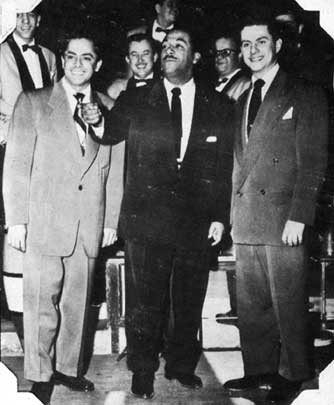
In fact, the ‘two Titos’ were to have a vicious onstage Palladium rivalry — playing out in musical barbs aimed at each other, such as “Que Pena Me Da (I Pity You)” — that must have delighted crowds almost as much as the two disliked each other. Despite this, they and Machito were often referred to as ‘the Big Three’ and would tour with each other, obviously swallowing their contempt. They seem to be getting along in the picture below:

And, yes, like any New York sensation, the celebrities would soon come to fill the floors too; frequenters included Marlon Brando, Lena Horne, Henry Fonda and Bob Hope (!).

The popularity of the mambo and the cha-cha would spread other clubs, particularly to the influential La Bamba nightclub just around the corner, and to the Tropicana in the Bronx.

Although the Palladium closed in 1966, the results of years of amazing dancing there can probably best be seen on Dancing With the Stars. Methinks Millie and Pete would have swept the floor with those clowns.

And finally, this glorious picture from the final days of the Palladium —

Categories
Holidays Podcasts

PODCAST: Macy’s – the Man, the Store, the Parade

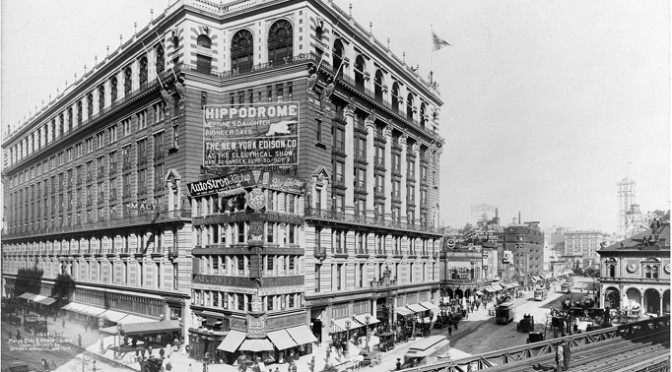
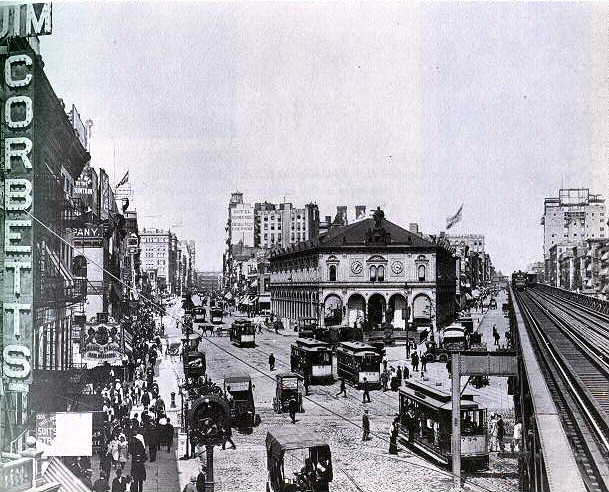
What year is this picture taken? (Click on it to view details.) Note the elevated rail line, no automobiles, and the New York Herald building still standing. You can also tell that the building’s later additions have not yet extended it down towards 7th Avenue. A little research on the Hippodrome and when the shows ‘Neptune’s Daughter’ and ‘Pioneer Days’ performed there reveals this picture was taken in Feb-March 1907 — a little over one hundred years ago.

PODCAST Did you know that the man whose name adorns one of the most successful department stores in the world was a sailor turned failed businessman? Or why Macy’s Department Store ALMOST takes up an entire city block? Or how many clowns have been in the Macy’s Thanksgiving Day parade? The Bowery Boys let you in on those answers and lots of other fun facts about one of New York City’s premier retailers.

Listen to it for free on iTunes or other podcasting services. Or you can download or listen to it HERE

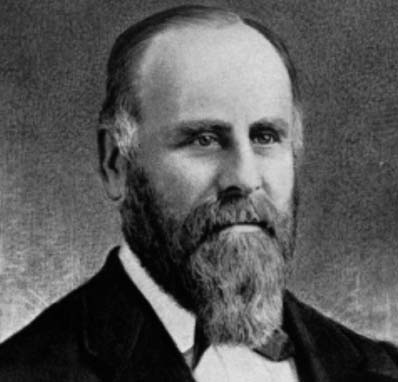
The man who started it all — Rowland Hussey Macy

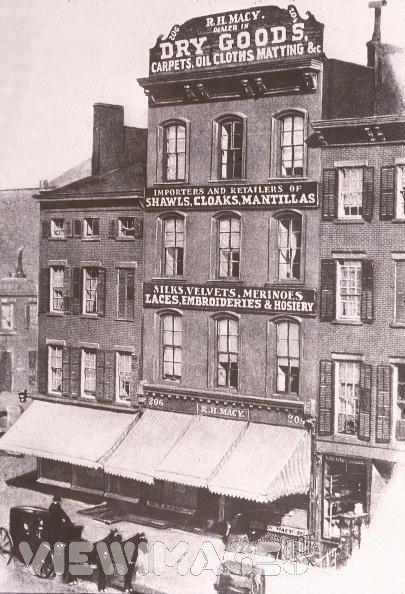
The first Macy’s store in Manhattan — 204-206 14th street, near 6th Avenue

Herald Square….before Macy’s, circa 1893. The Sixth Avenue elevated train dominates the right and a cable car cuts down Broadway. What we know as the park in Herald Square is nothing but a traffic triangle; however the Bell Ringer’s monument sits anew on top of the New York Herald building. Macy’s would soon sit wheter that sign with the coat of arms hangs.

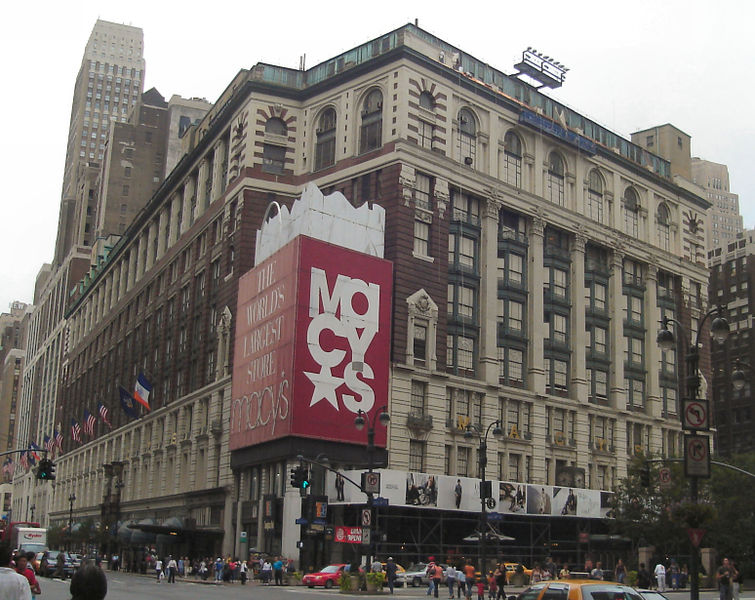
A gigantic Macy’s bag conceals the building which prevented the Straus brothers from expanding the store over the entire city block. It is probably the most advantageously placed Sunglass Hut in the entire world.

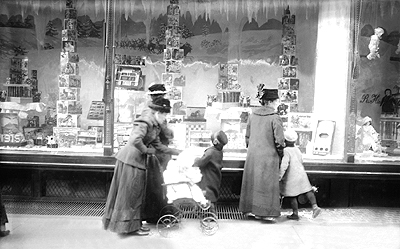
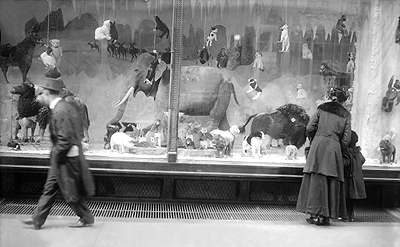
Macy’s holiday windows, circa 1915

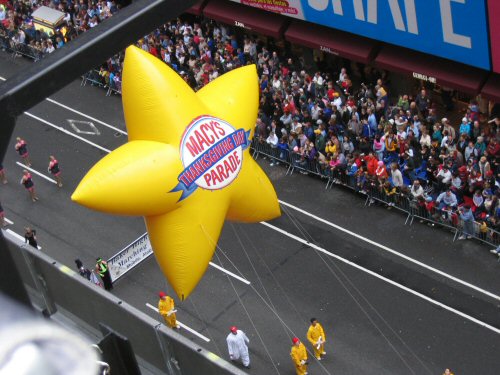
The Macy’s famous star logo — derived from the tattoo that founder Rowland Macy received during his stint as a sailor

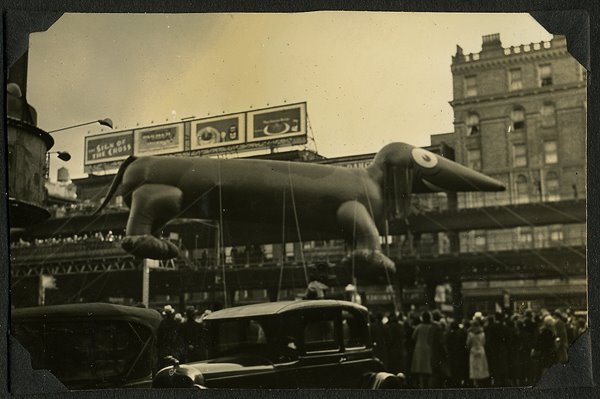
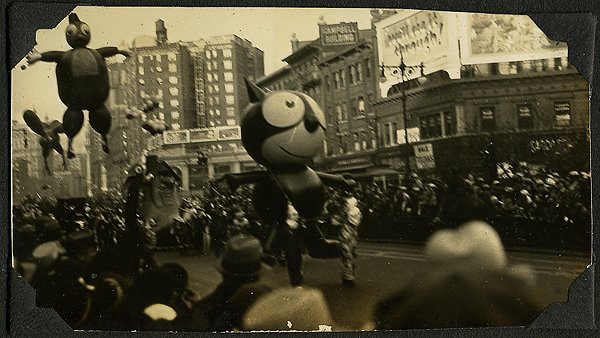
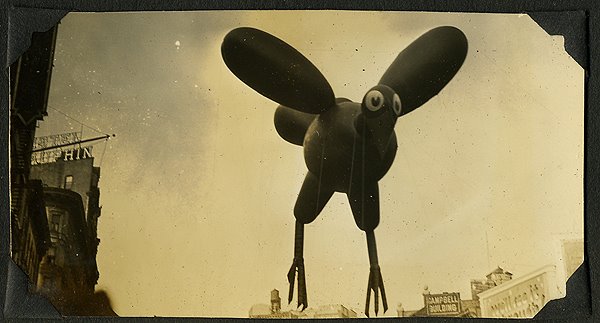
Below, some funky looking balloons from the 1932 parade. Swapatorium has many, many more from this period that are simply breathtaking.

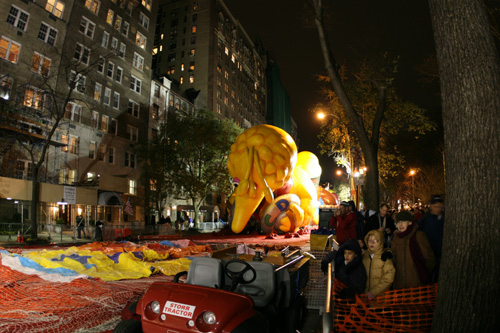
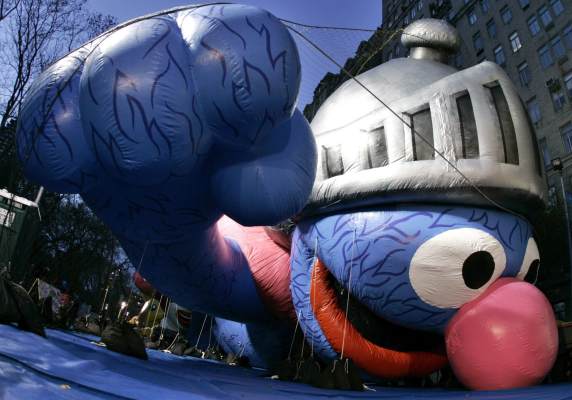
A wonderful tradition that we forgot to mention happens the night before the parade, in the grounds of the Natural History museum, as hundreds gather to watch the balloons being inflated. (Here’s Grover and Big Bird being blown up.)

Forgotten NY explores the remnants of Macy’s first store, as well as the gives you a birds eye view on Macy’s wooden escalators. We talk more about some of the more dog-shaped parade balloons in this podcast. The Macy’s Parade website has the details on times and route.

The City Room reports that this year’s balloons got a trial run in Queens this week. Meanwhile, some people aren’t happy with Macy’s swallowing up the Marshall Field’s department store brand.

Fun fact: Wartime demand in the 1940s halted the production of women’s nylon pantyhose. When retailers were allowed to resell them, Macy’s restocked their shelves with almost 50,000 pairs, all of which were sold in six hours.

A goddess in Herald Square gets a makeover

Lovely Herald Square once again becomes the center of manic activity next week for next week’s Macy’s Thanksgiving Day Parade. Few realize that Santa Claus, the Rockettes, and a throng of tourists share the square with a Roman goddess and two fellows named after Hebrew demons. Or that this year, said goddess and demons will probably be the best looking partygoers there.

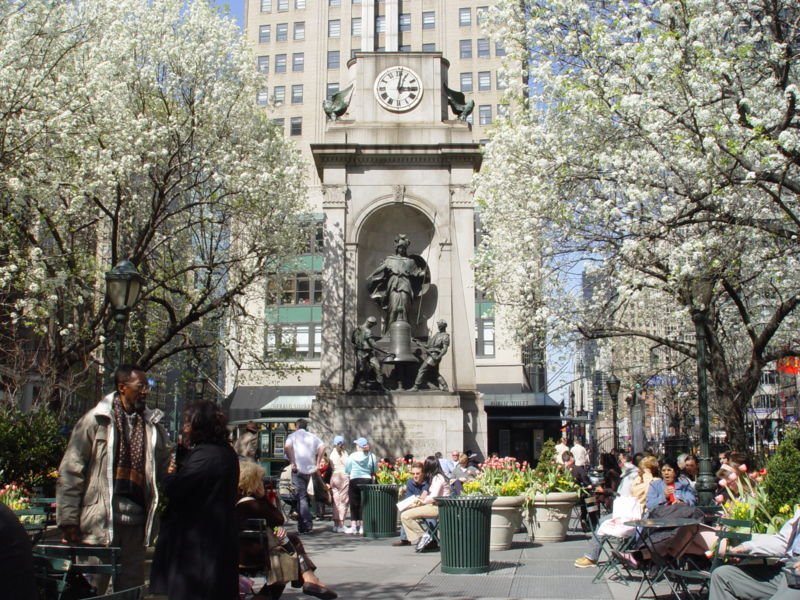
The James Gordon Bennett monument, or Bell Ringer’s Monument as it’s often called, with illuminated clock, friendly bell that chimes on the hour and owls with glowing eyes, has been a solid fixture of Herald Square since November 1940.

Bennett Jr. was the publisher of the New York Herald in 1894 — Bennett Sr. actually founded the paper in 1835 — when they moved from downtown Park Row up to 35th Street, immediately north to where the monument now stands. The two story Herald building, in an Italian palazzo style by the great McKim, Mead & White, was topped by the sculpture designed by French sculptor Jean-Antonin Carles. The Herald later merged with another newspaper the New York Tribune, and the Herald building was torn down in 1921. But the monument, popular with New Yorkers due to its glowing timepiece, was reinstalled in the park below.

The primary figure is the goddess Minerva, Roman deity of poetry and music, often analogous to the Greek goddess Athena. More curiously are the bell ringer’s below her, who have two sets of names. Stuff and Guff are the cutesy names; Gog and Magog, also known as early demonic beings from the Old Testement, are rather less cute. Minerva’s companions in classical literature are owls, which explain the birds with eyes that glow upon the hour, as though lasers are about to incinerate passers-by below.

The monument has always been a mystery for some. A mysterious door on the 35th side is inscribed with the phrase “La Nuit Porte Conseil(‘Nighttime Brings Advice’ or ‘Let’s Sleep On It’)” which has never been adequetely explained. A website on magic maintains the Herald Square statuary is loaded with mystical, even demonic iconography.

The bell ringers don’t actually ring the bell but merely go through the motions, with a mallet inside timed to make the hourly chime. That is, the ringers never did until a few years ago. The condition of the monument had deteriorated to an extent that one of the ringer’s mechanisms were beginning to actually scrape the side of the bell. The overall condition of the monument was pitiful, covered in bird droppings and weakened by the elements. Its granite base has even begun to crack.

So just this year, the Municipal Arts Society funded an impressive $200,000 restoration, encasing the monument in scaffolding for four months to repair it in time for its annual showcase to the world during the parade. It was unveiled in September, and Minerva and her pals look as good as new.

Below: The Herald building (with Minerva on top) and how it looks today, photo from the New York Times