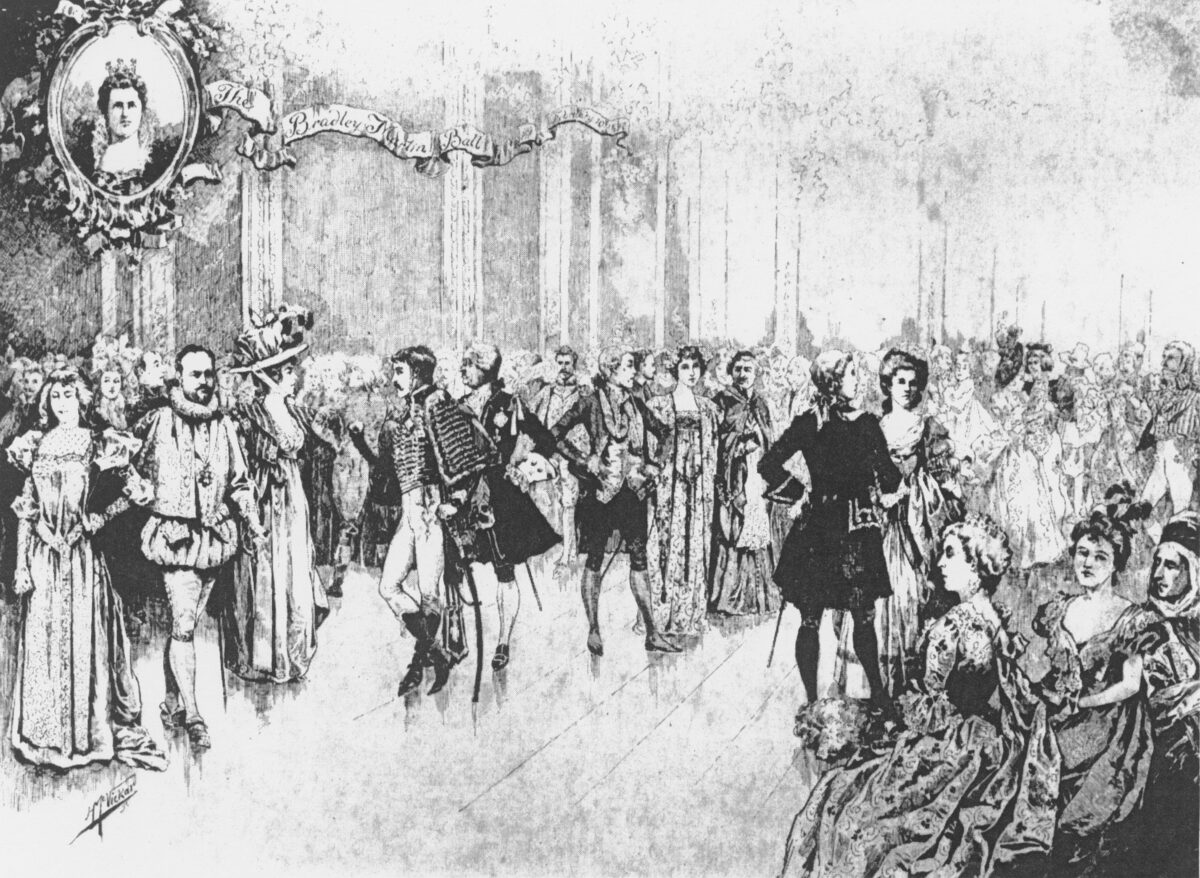
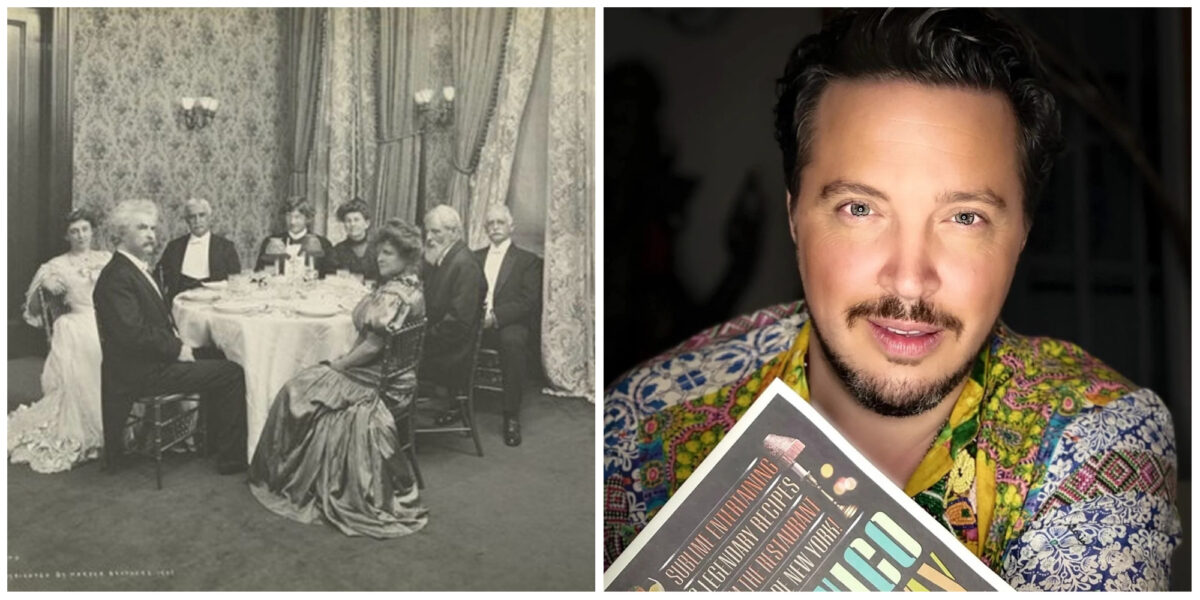
Bradley-Martin Ball of 1897 from the Harper's Weekly Illustrated Newspaper
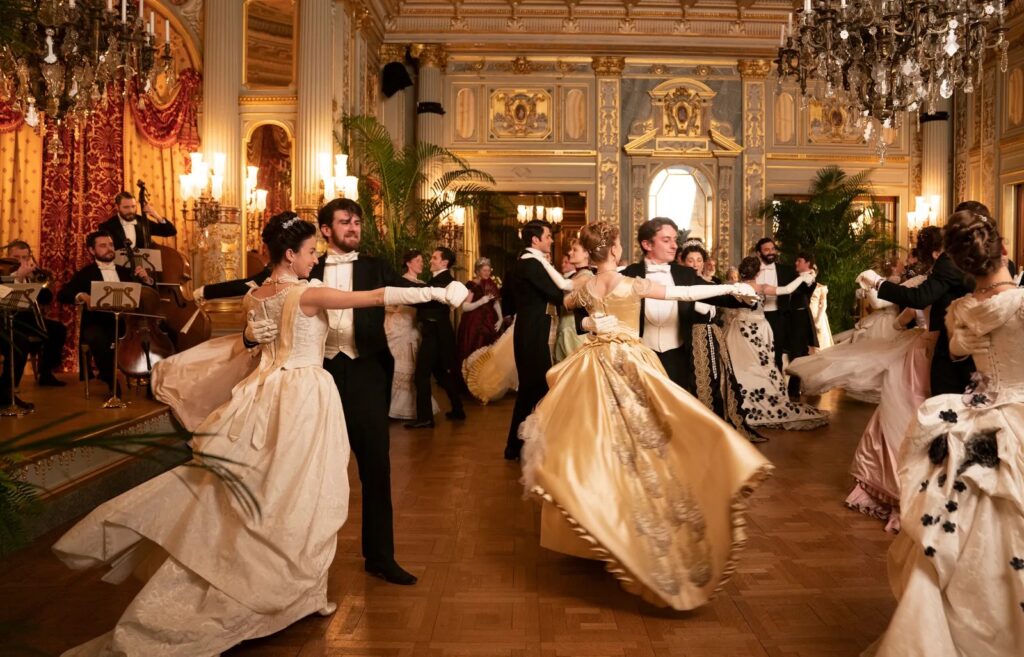
The second season of HBO’s The Gilded Age arrives in September but you don’t have to wait that long to revel in the opulence and the scandal of the era.
The Gilded Gentleman podcast has been investigating this era’s cultural significance, and in his two newest episodes, host Carl Raymond hits the historic dance floor to explore the real drama behind the Gilded Age ball.
Season Two of HBO’s The Gilded Age will whisk you away starting in September. ALISON COHEN ROSA/HBO.
Having a Ball: The Gilded Age’s Most Outrageous Parties
The grand ball was in many ways the battlefield upon which these social skirmishes were enacted. In this show, Carl takes a look at just what going to the ball meant in the Gilded Age (whether you were invited or not) and just what it was like once you got there.
The show delves into several of the Gilded Age’s most famous balls, from Alva Vanderbilt‘s costume ball of 1883 to Mrs. Astor’s annual Opera Ball to the ultimately disastrous ball thrown by James Hazen Hyde in 1905.
This episode also details the fashion and the jewels and shares some examples of what happened when it the party went careening off the rails.
The Bradley Martin Ball 1897: The Gilded Age’s Greatest Party
Of all the balls and parties thrown during the Gilded Age, the extravagant evening hosted by Bradley and Cornela Martin at the Waldorf in 1897 was perhaps the most legendary, but also perhaps the most filled with misconceptions.
This episode shares the story of the Bradley-Martins and explains the fascinating background of the ball that makes this a true tale of the Gilded Age.
The Gilded Gentleman’s guest for this special episode is Richard Jay Hutto, the great-grandson-in-law of the Bradley Martins. He shares the story of the Bradley Martins, how the ball came to be, and what really happened the morning after.
Within the New York City of Edward Hopper‘s imagination, the skyscrapers have vanished, the sidewalks are mysteriously wide and all the diners and Chop Suey restaurants are sparsely populated with well-dressed lonely people.
In this art-filled episode of the Bowery Boys, Tom and Greg look at Hopper’s life, influence and specific fascination with the city, inspired by the recent show Edward Hopper’s New Yorkat the Whitney Museum of American Art.
Hopper, a native of the Hudson River town of Nyack, painted New York City for over half a decade. In reality, the city experienced Prohibition and the Jazz Age, two world wars and the arrival of automobiles. But not in Hopper’s world.
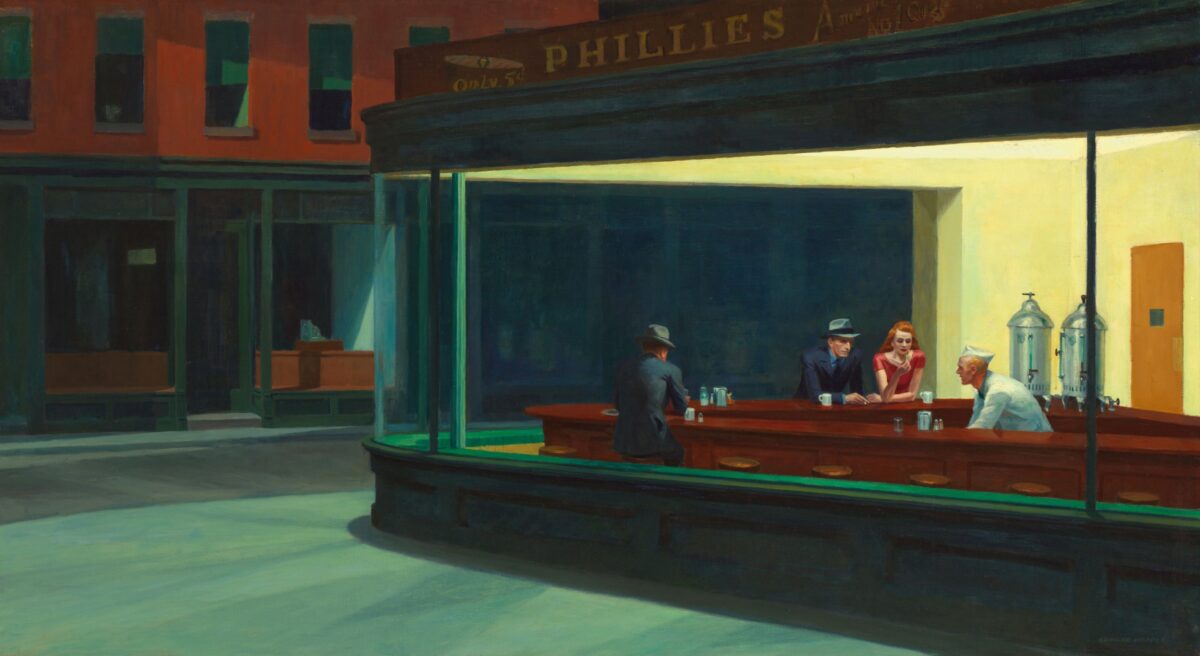
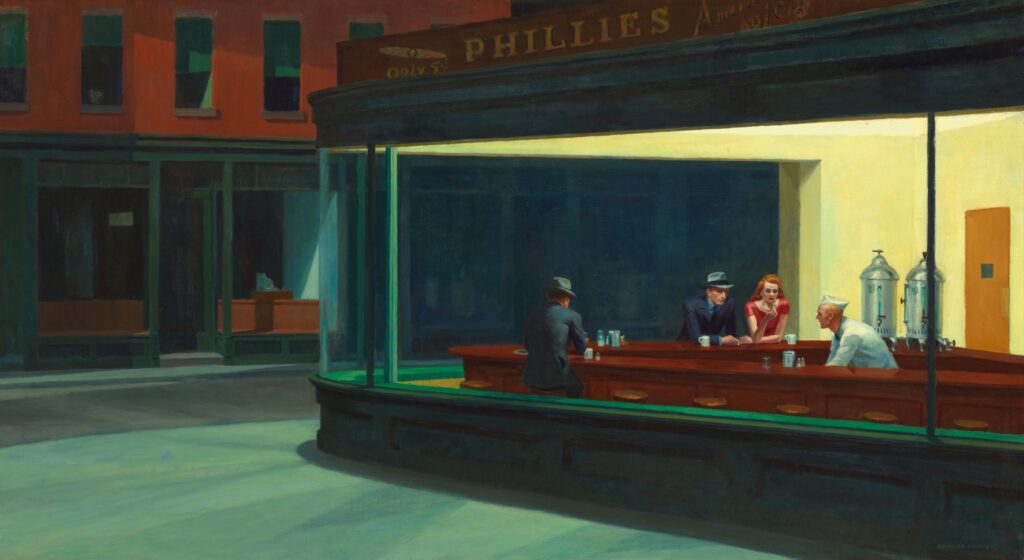
In his most famous work Nighthawks (1942), figures from a dreamlike film appear trapped in an aquarium-shaped diner. But Hopper has captured something else in this iconic painting: fear and paranoia. No wonder he’s considered a huge influence on Hollywood film noir and detective stories.
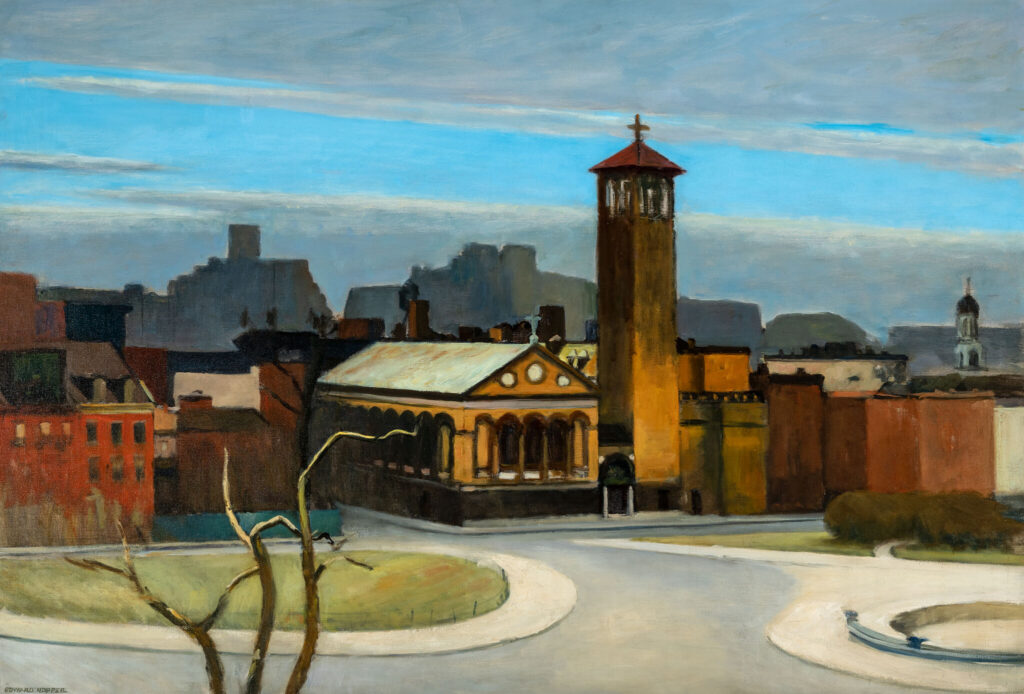
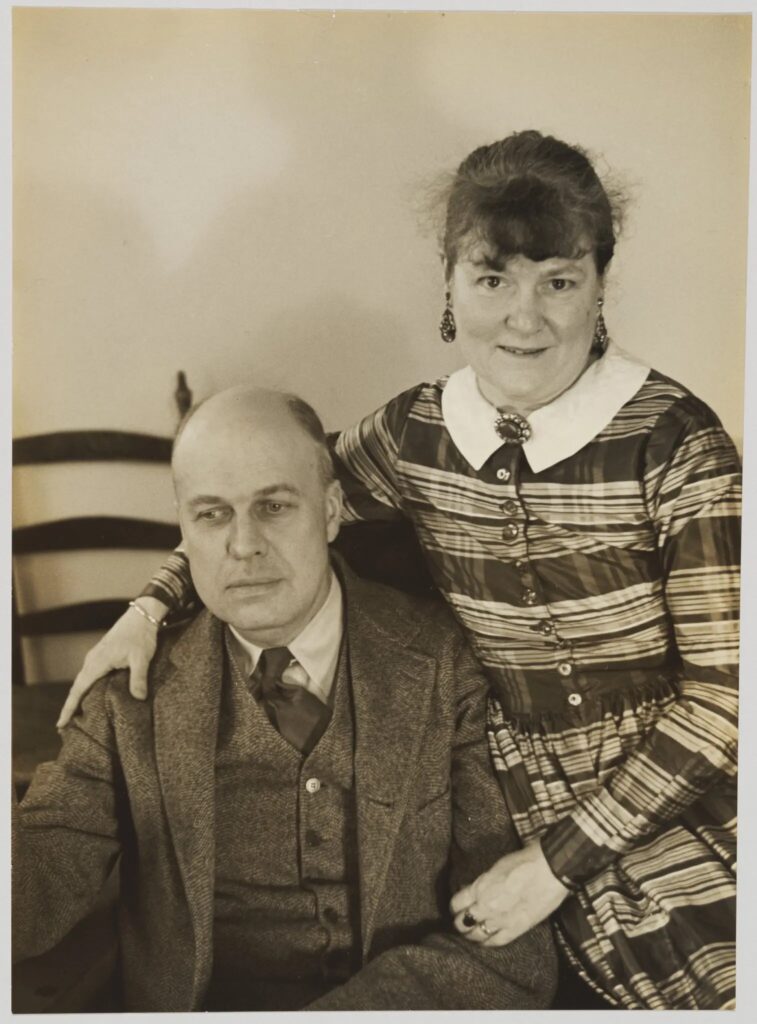
Hopper painted New York from his studio overlooking Washington Square Park, and both he and his wife Josephine Nivison Hopper would become true fixtures of the Greenwich Village scene.
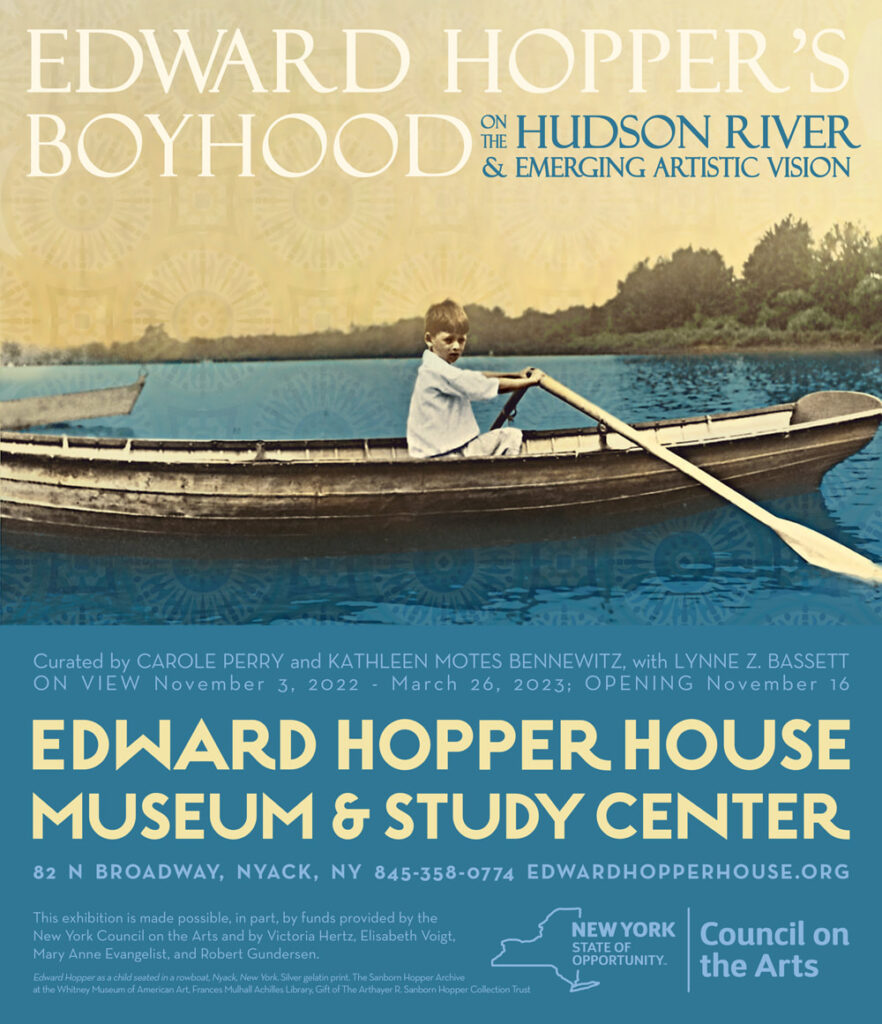
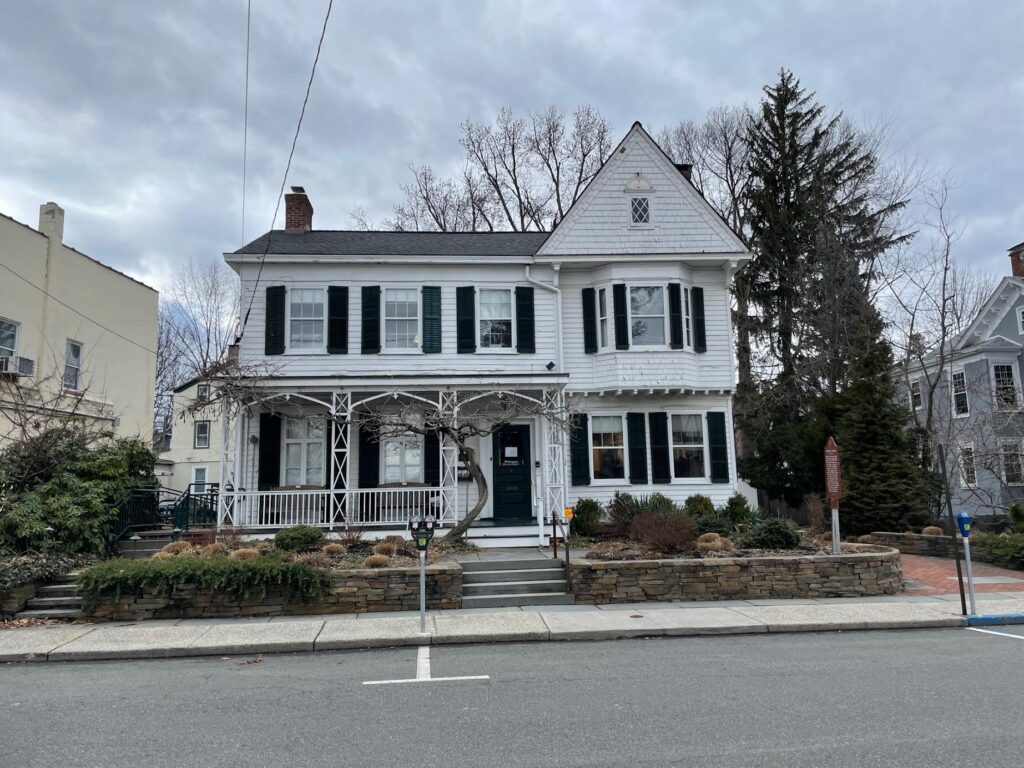
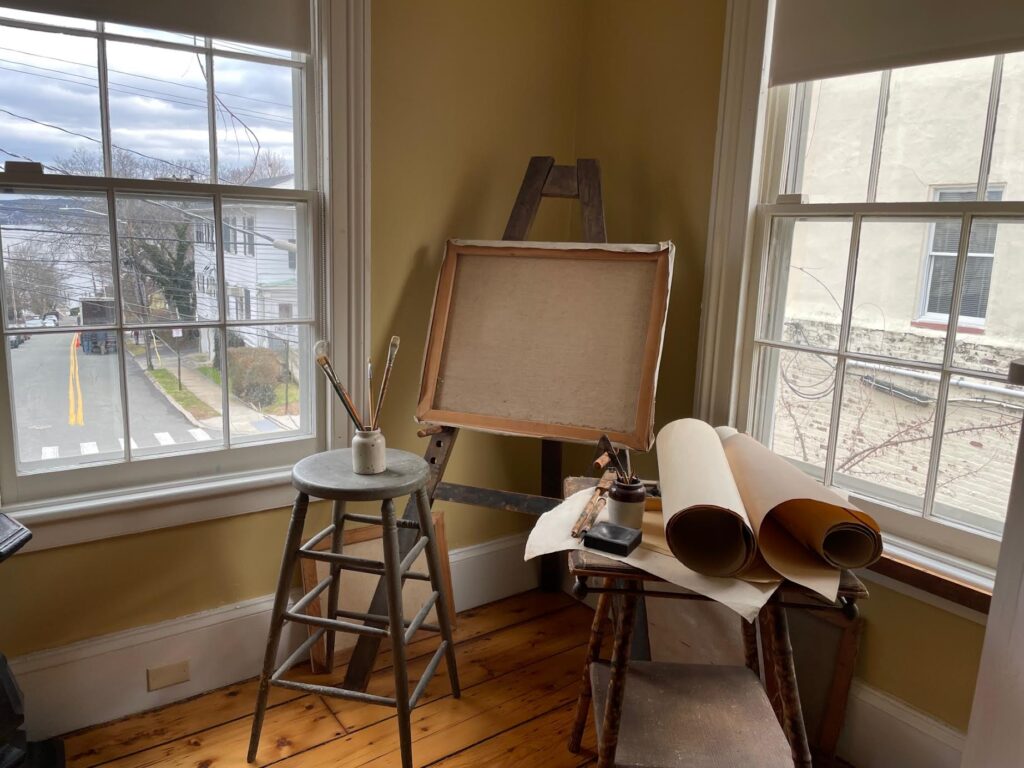
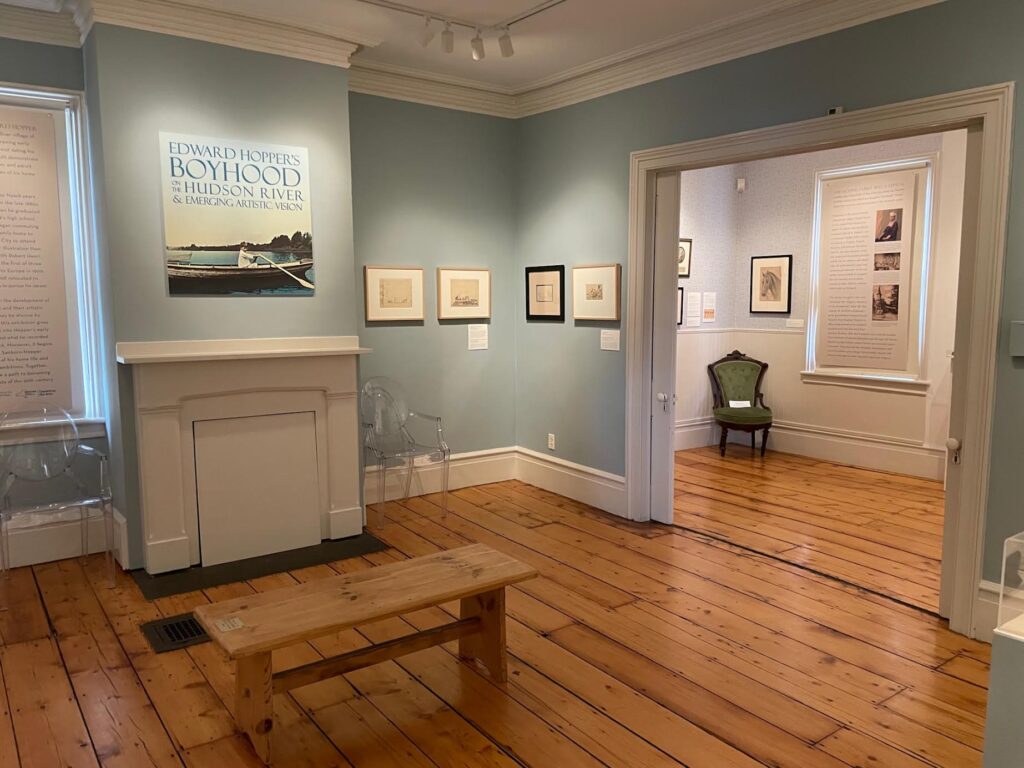
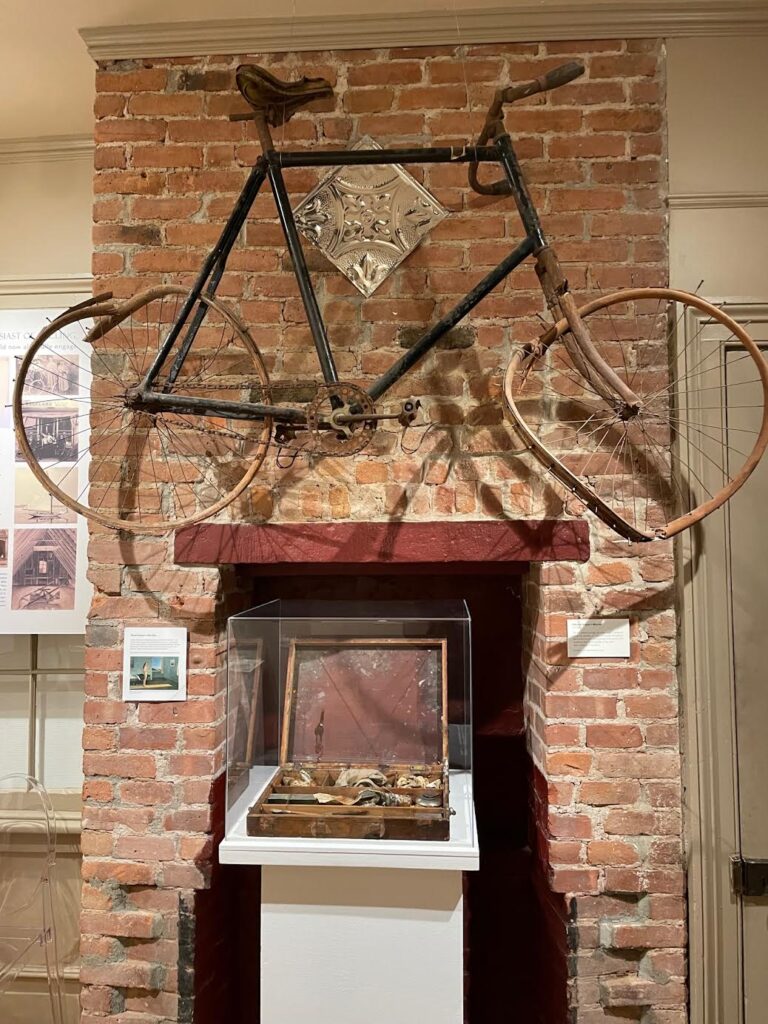
PLUS: Tom visits the Edward Hopper House Museumin Nyack, New York, to talk the artist’s early life with executive director Kathleen Motes Bennewitz. And Greg finds some of the hidden meanings in Hopper’s paintings thanks to American art historian Rena Tobey.
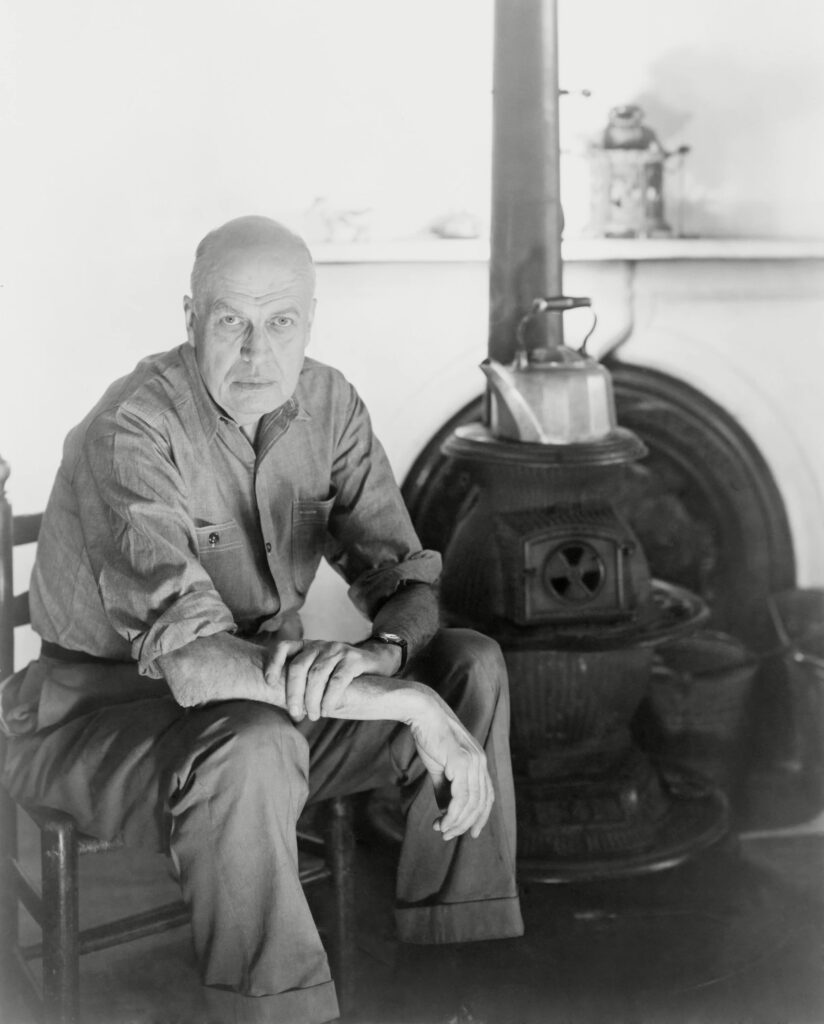
Edward Hopper in his studio. Courtesy Everett/ShutterstockCirca 1947. Photo courtesy Whitney Museum of American Art
From the Edward Hopper House Museum in Nyack, NY:
Photos by Tom Meyers
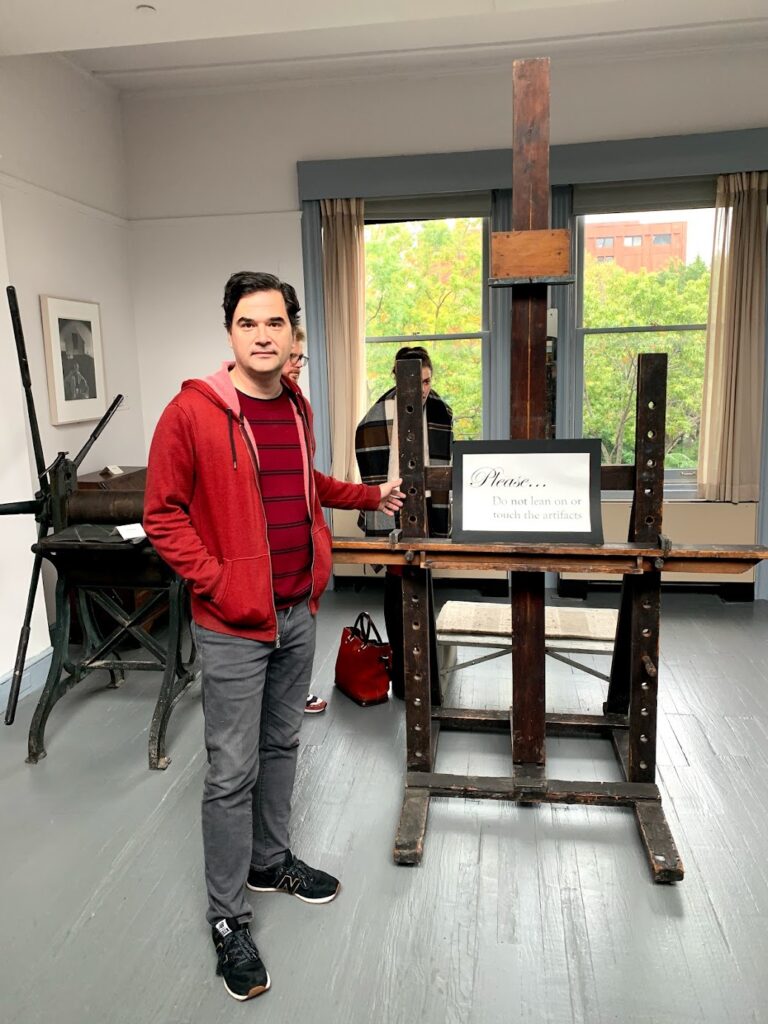
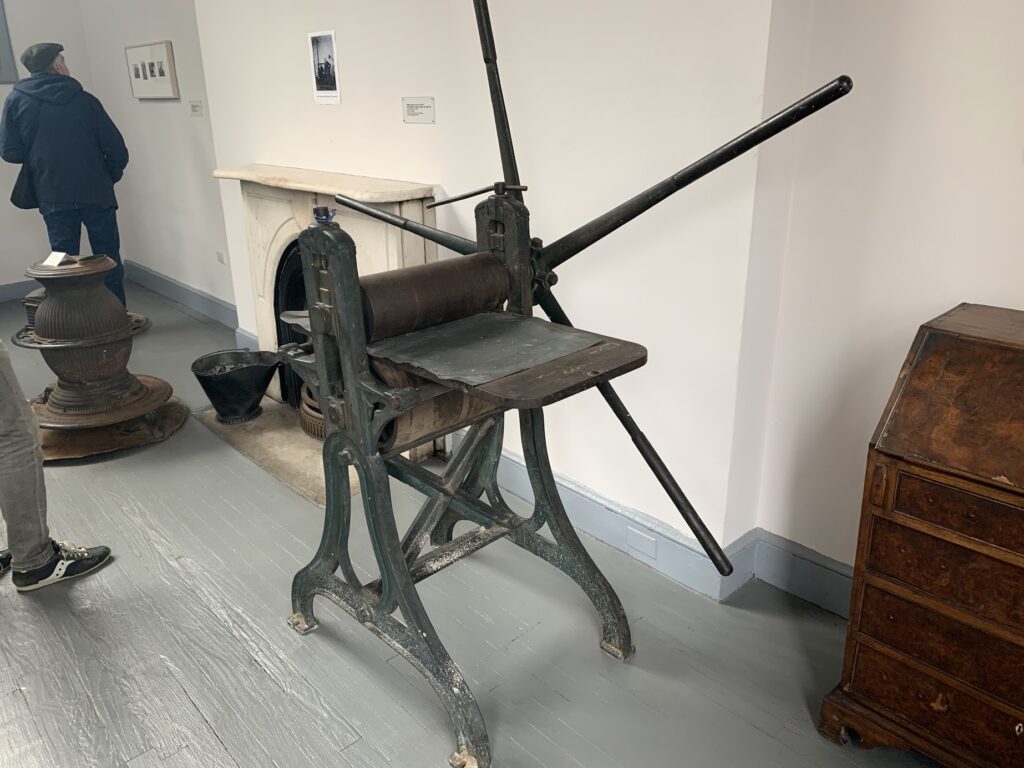
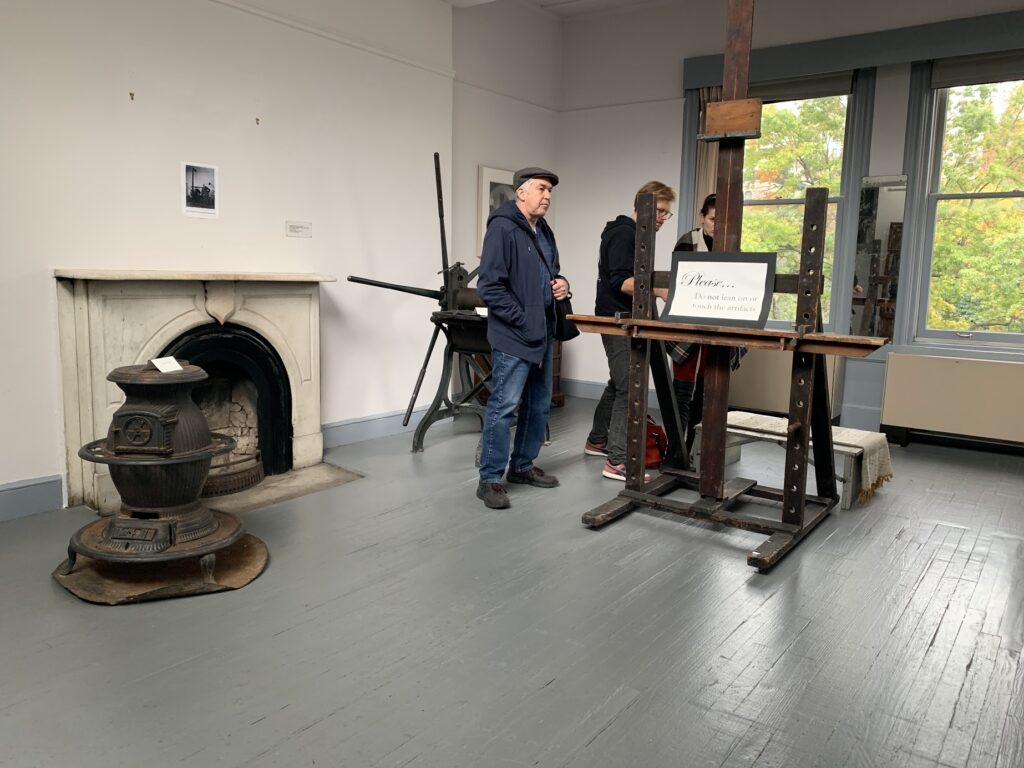
From inside Edward Hopper’s studio at 3 Washington Square North (from Open House NY 2019). Information on the studio here.
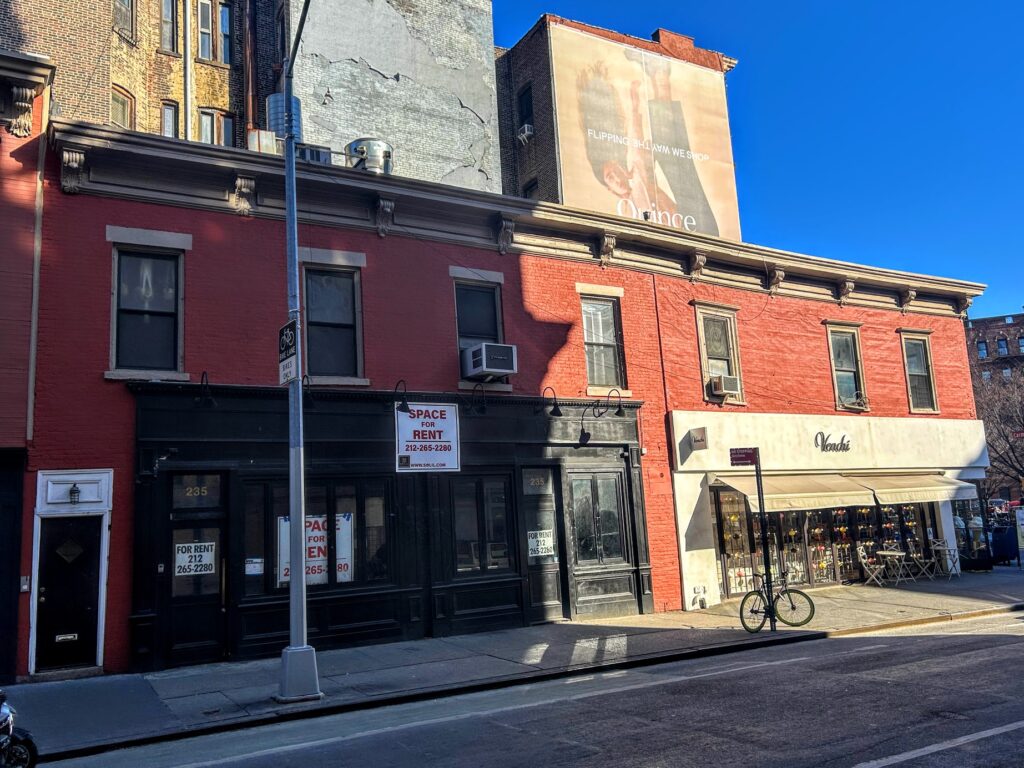
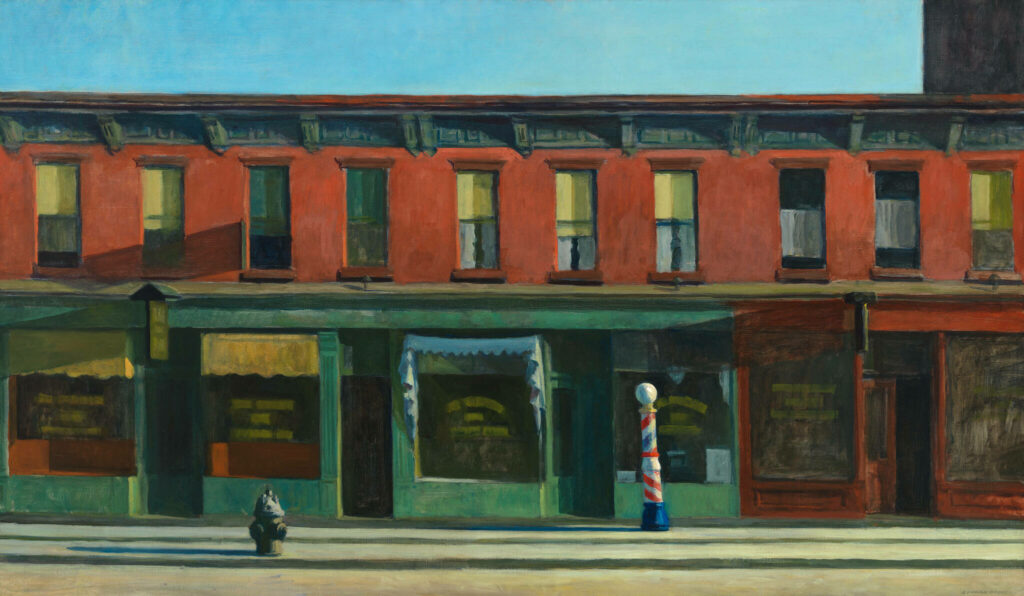
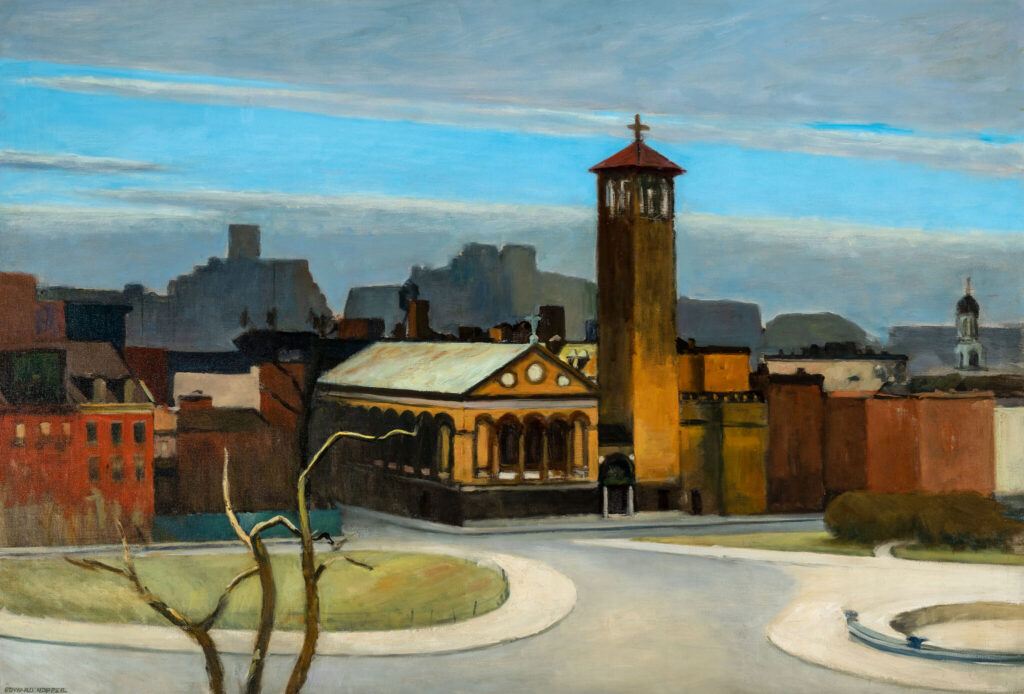
Although Hopper’s painting are mostly from the domain of his imagination, you can see some of his architectural subjects on the streets today. For more information, visit this interesting article posted at Village Preservation.
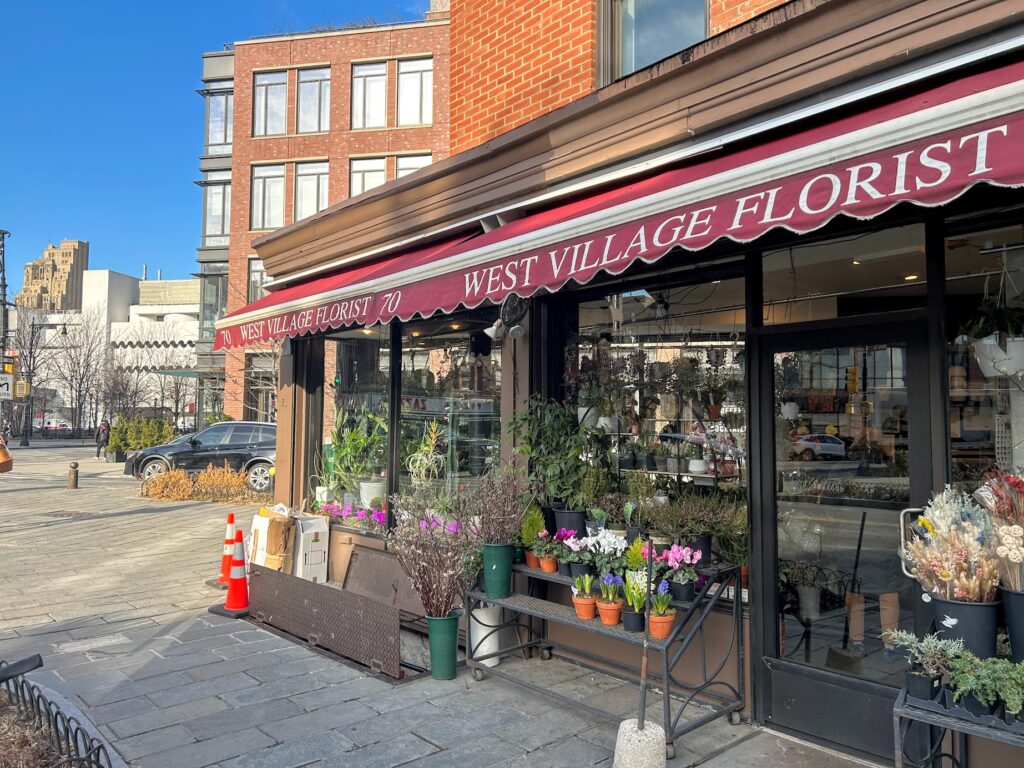
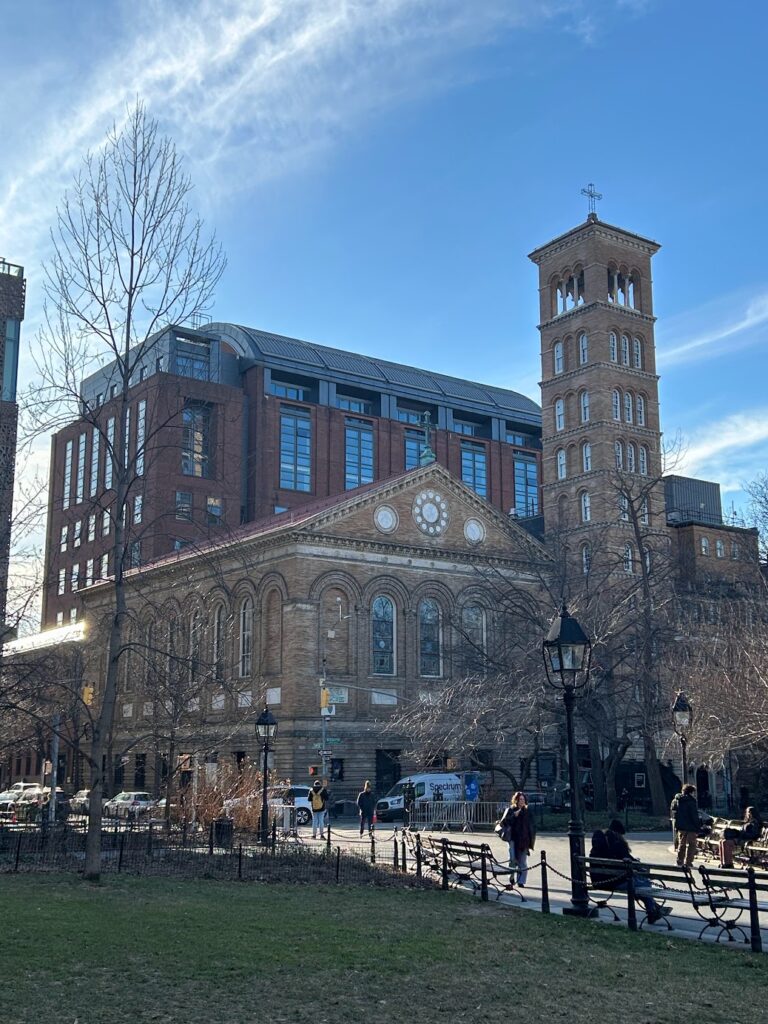
Bleecker and Carmine StreetEarly Sunday Morning, 1930Greenwich Avenue and Seventh AvenueNighthawks, 1942Judson Memorial ChurchNovember, Washington Square
FURTHER LISTENING
After finishing this show on Edward Hopper, dive back into our back catalog and experience other shows related to Hopper and his subjects:
Photo by Jim Henderson, taken 2020, courtesy Wikimedia Commons
SIDE STREETS is the new Bowery Boys Patreon-exclusive podcast, available to those who support the show via Patreon at any of the listed levels.
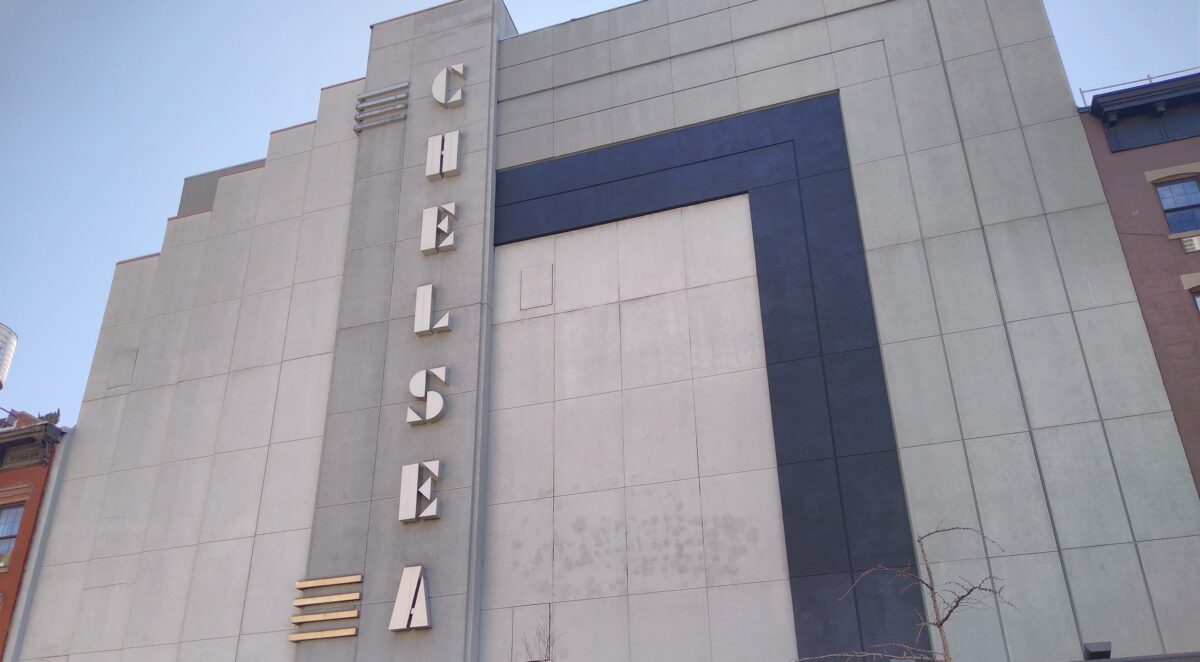
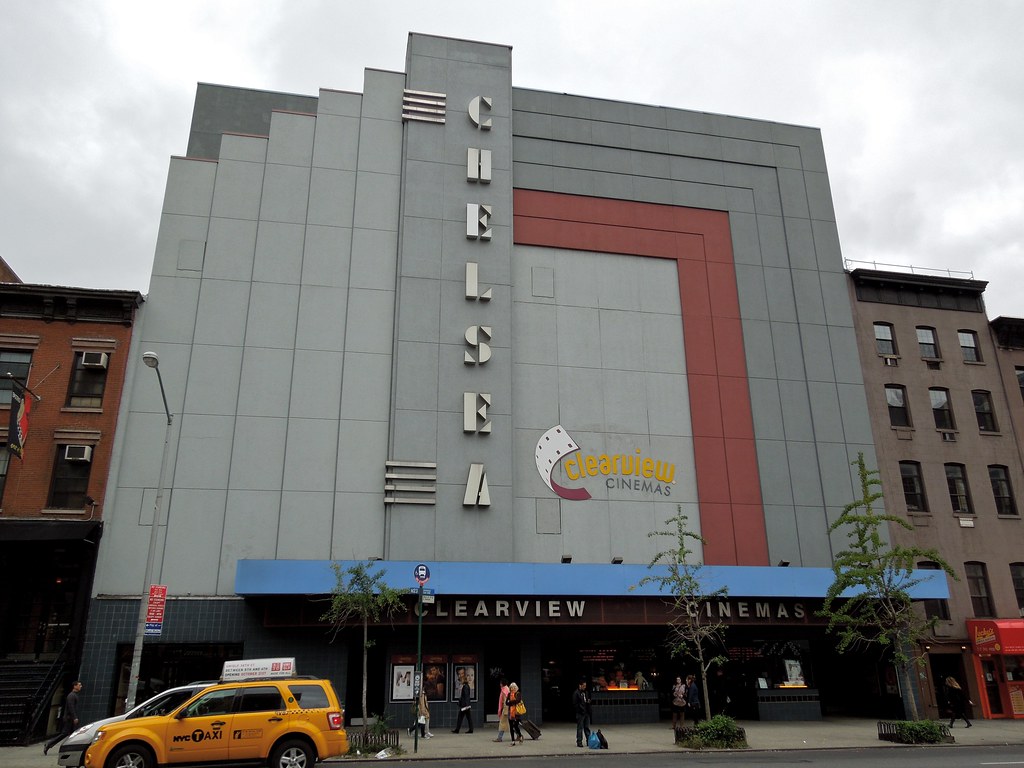
New York City was once famed for its cinemas, but habits in watching movies in a post-pandemic world have forced the closure of many of the city’s most interesting and memorable screens.
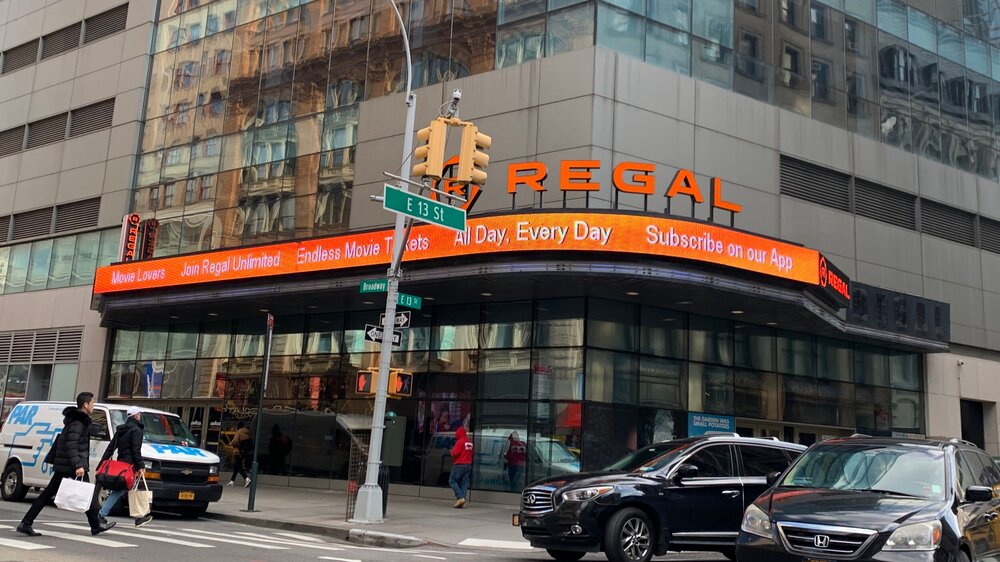
Upon hearing news that the Cineplex Chelsea Cinema (once New York’s largest multiplex) has closed, Greg and Tom race back to their microphones to lament the disappearance of their favorite movie screens and fondly recall their most interesting times at the movies. (Since recording this last week the Regal Union Square Stadium 14 has also announced its closure.)
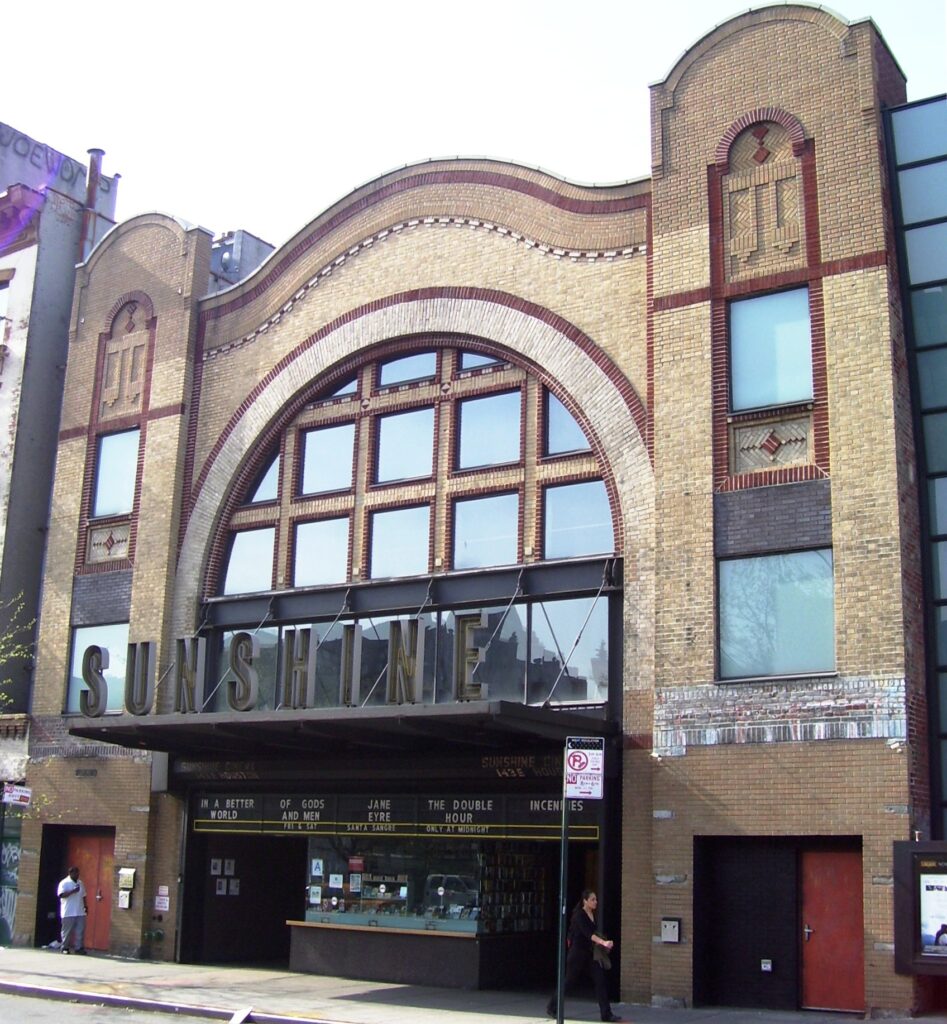
Among the fallen stars: The Ziegfeld Theatre, classic Lower East Side screens as the Sunshine Cinema, creaky revival houses such as La Cinematheque and rather fragrant Loews Astor Plaza in Times Square
But it’s not all gloom on this show. The Bowery Boys also celebrate the city’s most classic screens that are still open — from the Film Forum to the Paris Theatre. And many, many more!
What is your favorite place in New York City to watch a movie?
Photo by Anomalous_A/FlickrImage via Union Square PartnershipPhoto by Beyond My Ken/Wikimedia Commons
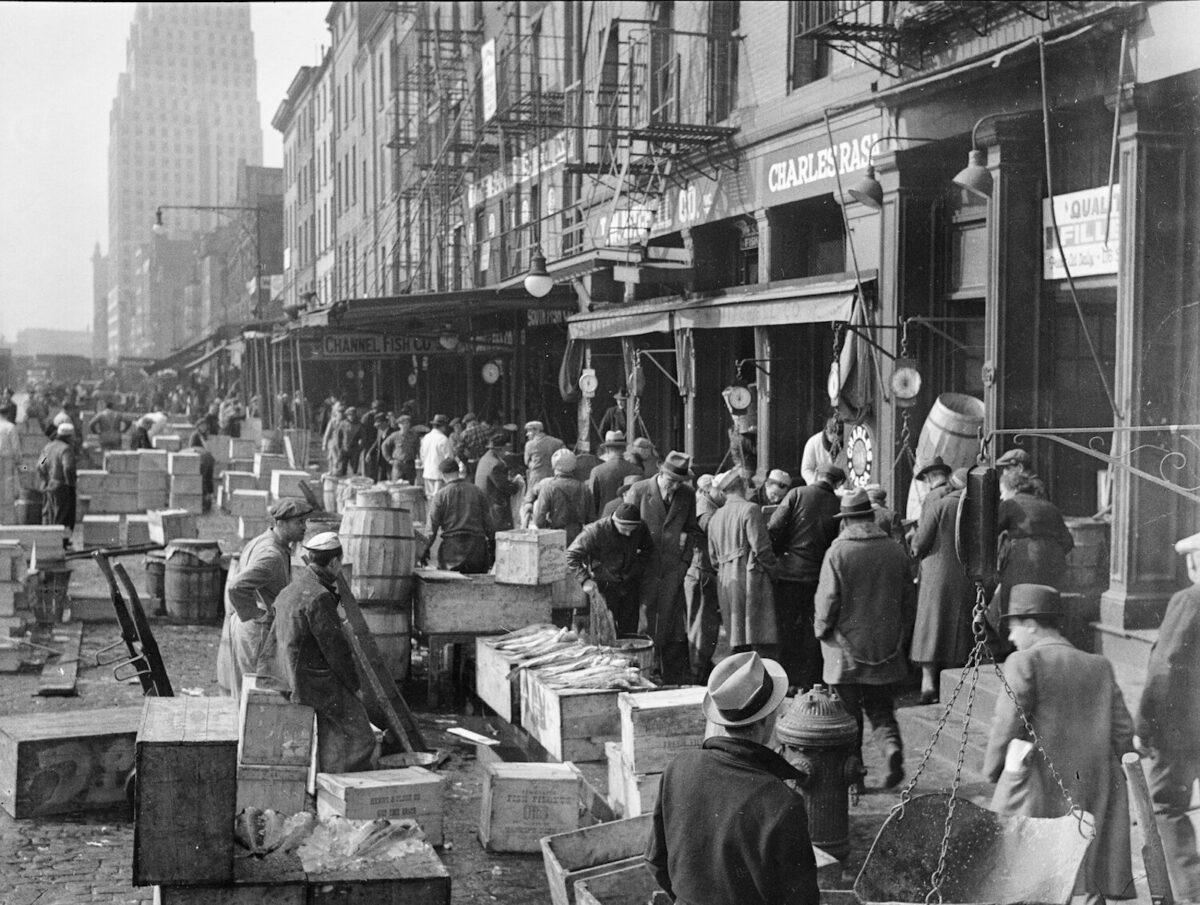
Fish vendors, South Street, ca. 1937. WPA Federal Writers’ Project Photograph. Photographer: Clifford Sutcliffe. Courtesy Municipal Archives.
In the 19th century, the Fulton Fish Market in downtown Manhattan was to seafood what Chicago stock yards were to the meat industry, the primary place where Americans got fish for their dinner tables.
Over the decades it went from a retail market to a wholesale business, distributing fish across the country – although that was a bit tricky in the days before modern refrigeration.
Today its former home is known by a more familiar name — the South Street Seaport, a historical district that has undergone some incredible changes in just the past half century. The fish market, once a awkward staple of this growing tourist destination, moved to the Bronx in 2005.
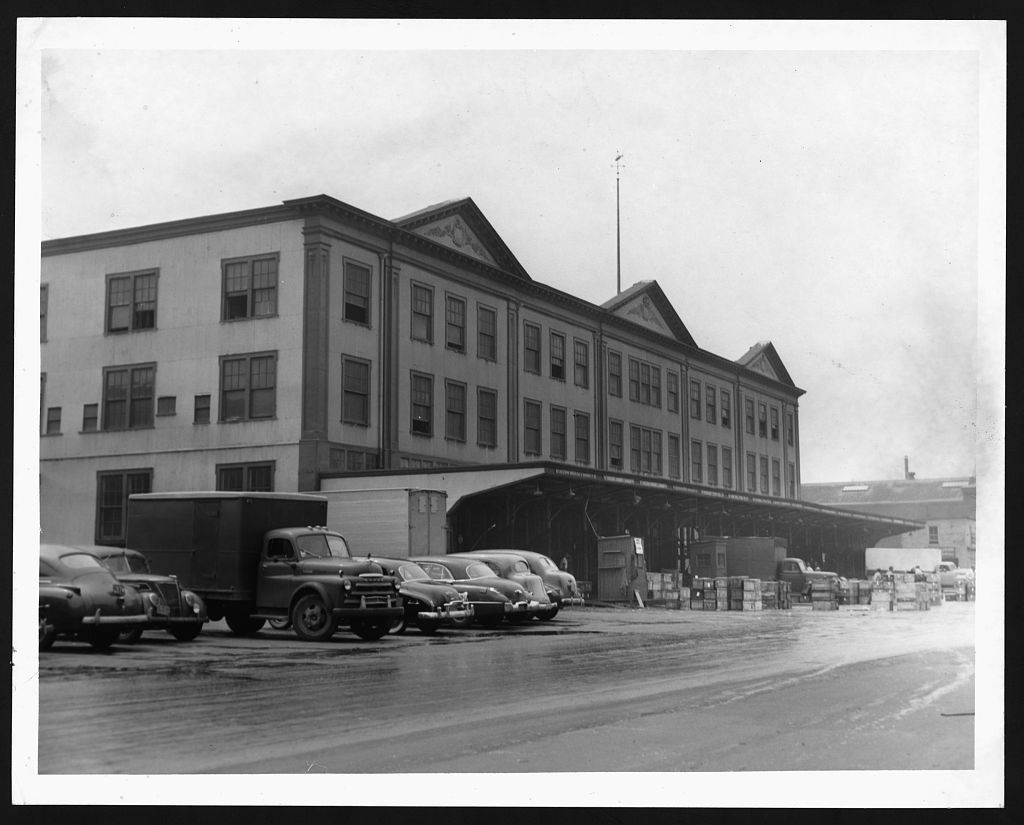
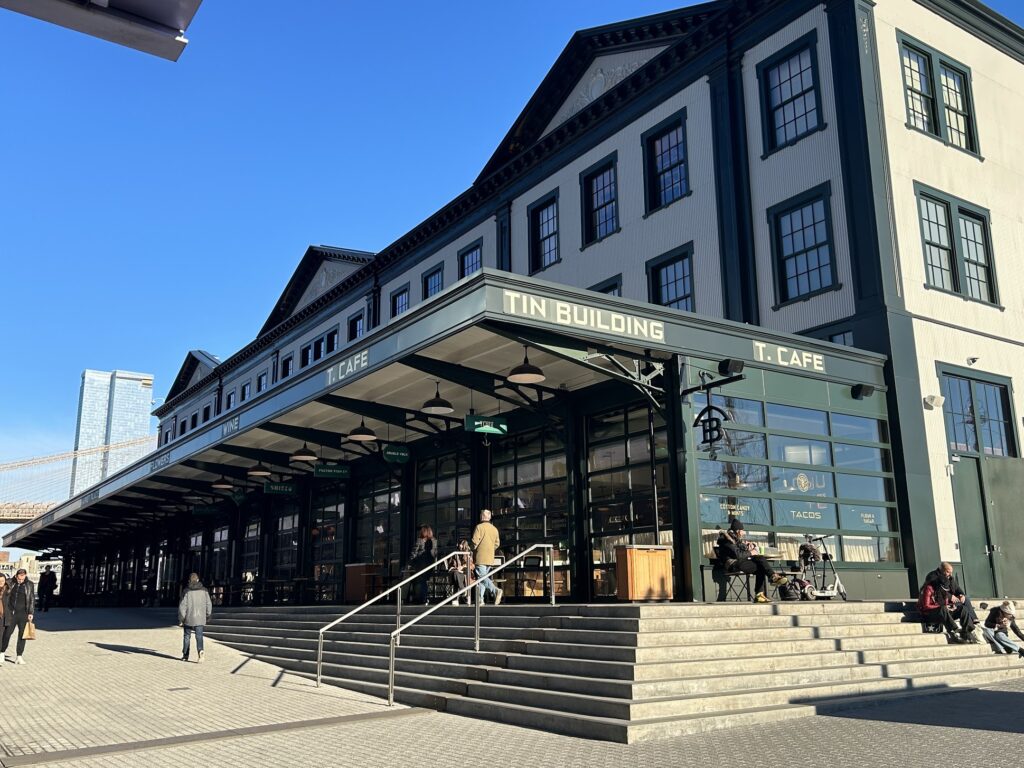
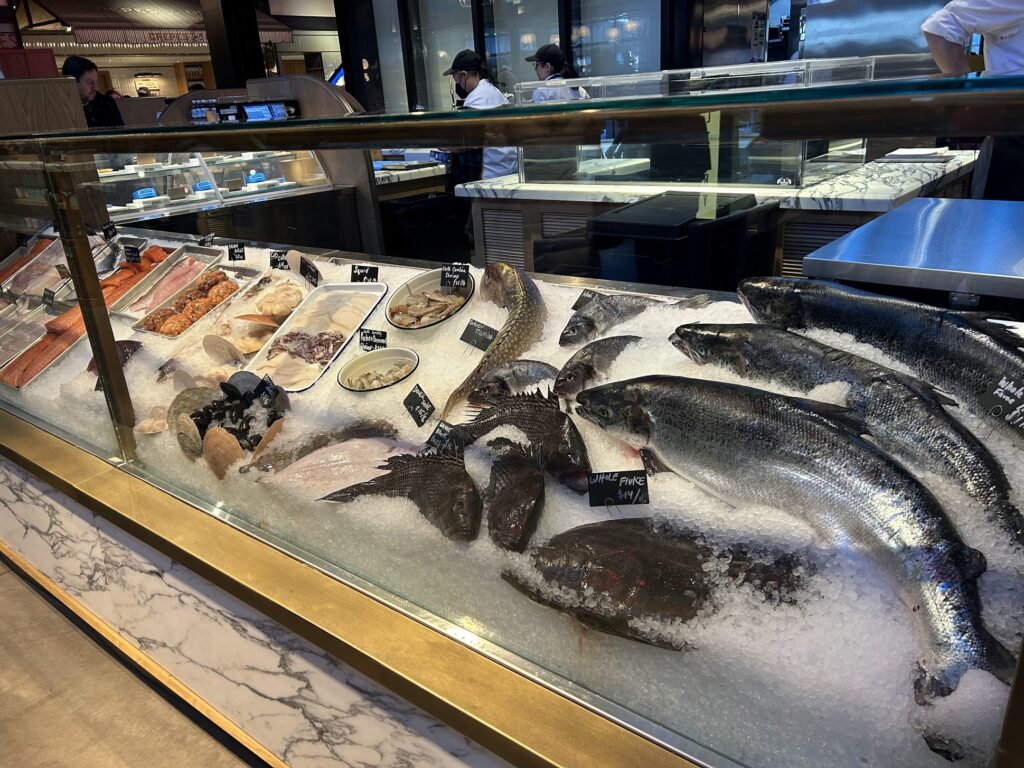
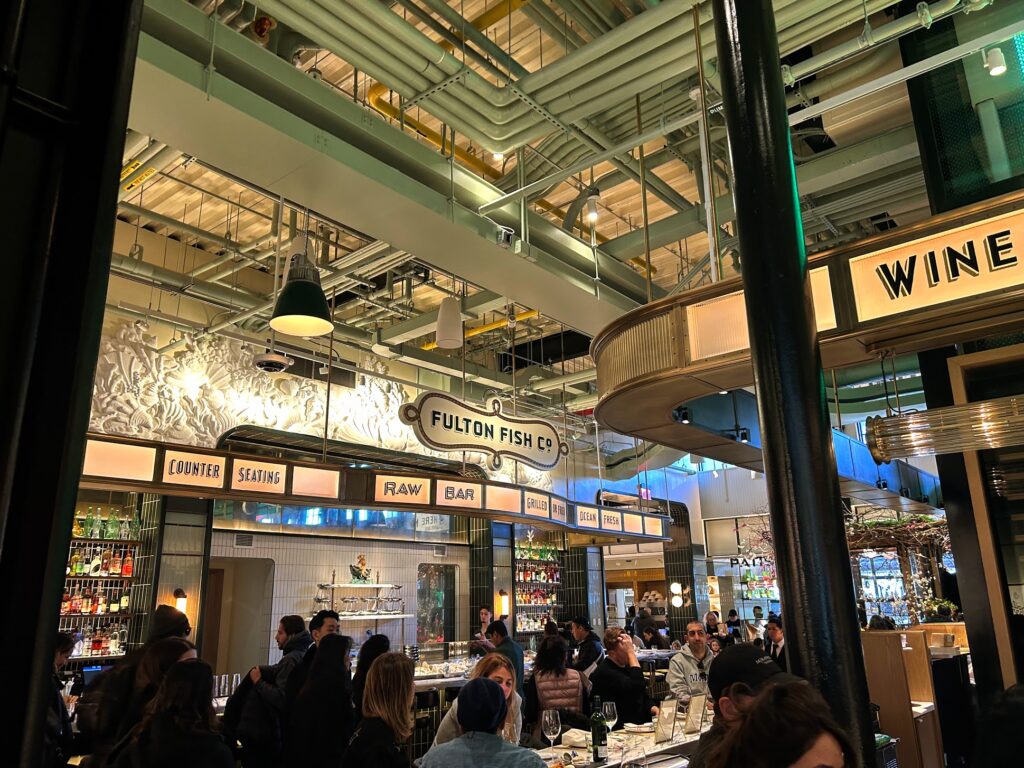
You can still find delicious seafood at the Seaport — lobster rolls, grilled octopus, steamed bass, buttery scallops and other offerings of the many fine restaurants of the Seaport area. And the Tin Building has taken dining in the neighborhood to the next level, literally in the architectural remains of a former fish market building.
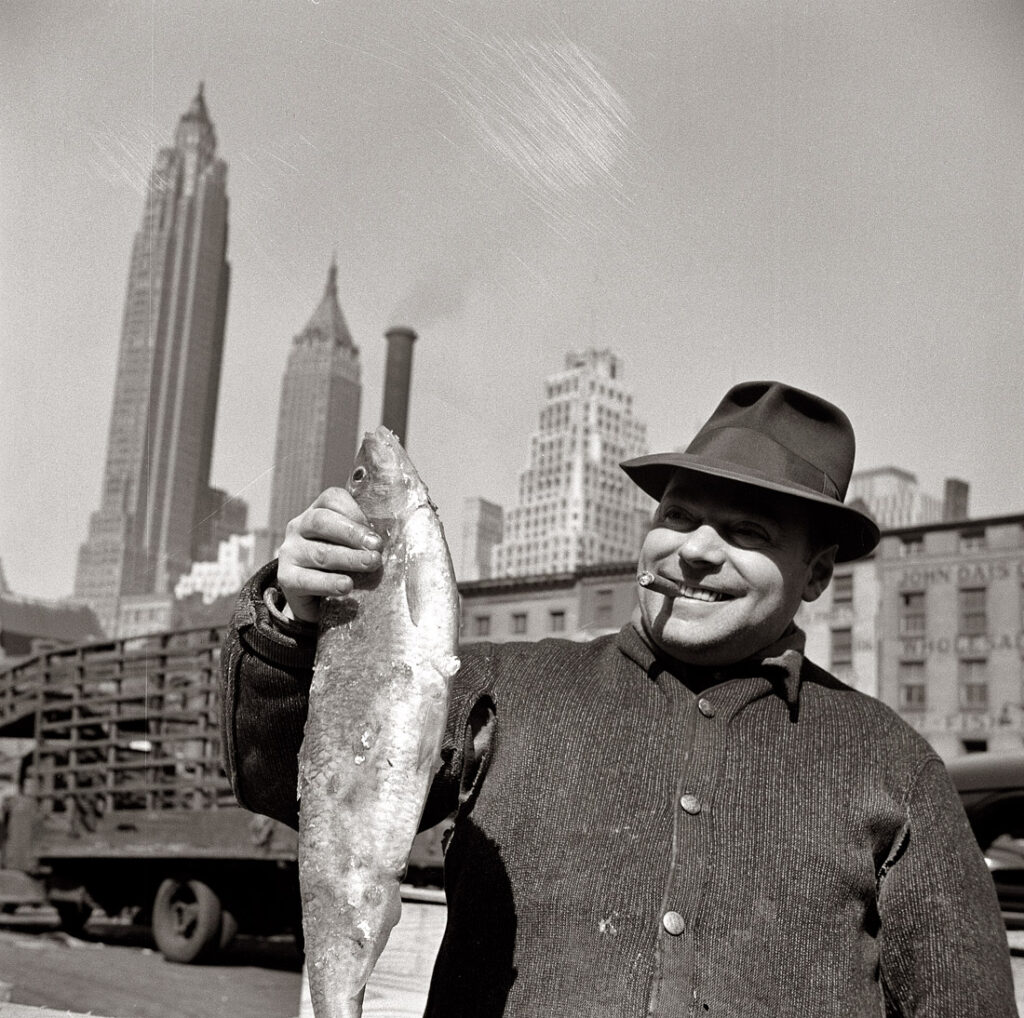
Photo by Gordon Parks, courtesy Library of Congress
Maybe you have parents or grandparents who once worked at the Market in the 20th century. They might have stories about rusty, old architecture or bizarre new sea creatures for sale. Or maybe they have tales about the mobsters who kept certain aspects of the market’s distribution process under their control.
Why did the Fulton Fish Market appear at this very specific spot in New York City? How did it become so important? How did people manage to successful sell thousands of tons of seafood in the 19th century and keep it delicious and fresh?
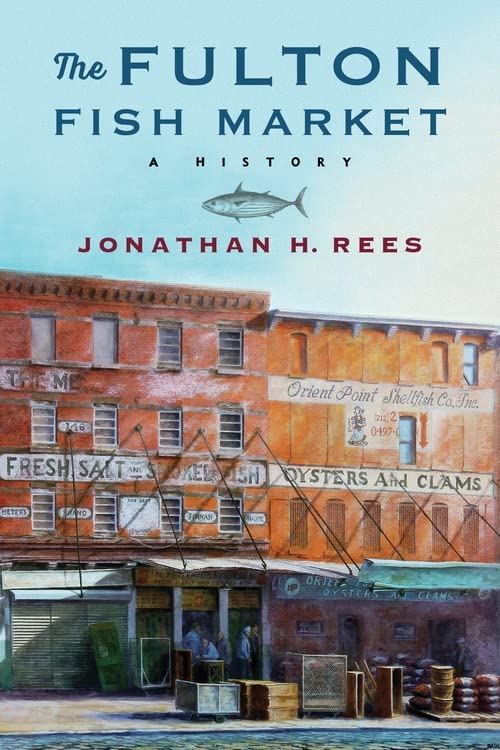
On this show, we’ll be joined by professor Jonathan H. Rees, a professor of history at Colorado State University–Pueblo, author of the new book The Fulton Fish Market: A History.
By the end of our conversation today, we’re confident that you’ll never look at the fish section of your local grocer in the same way.
LISTEN NOW: THE FULTON FISH MARKET
Tin Building, 1951, Library of CongressPhoto by Greg Young
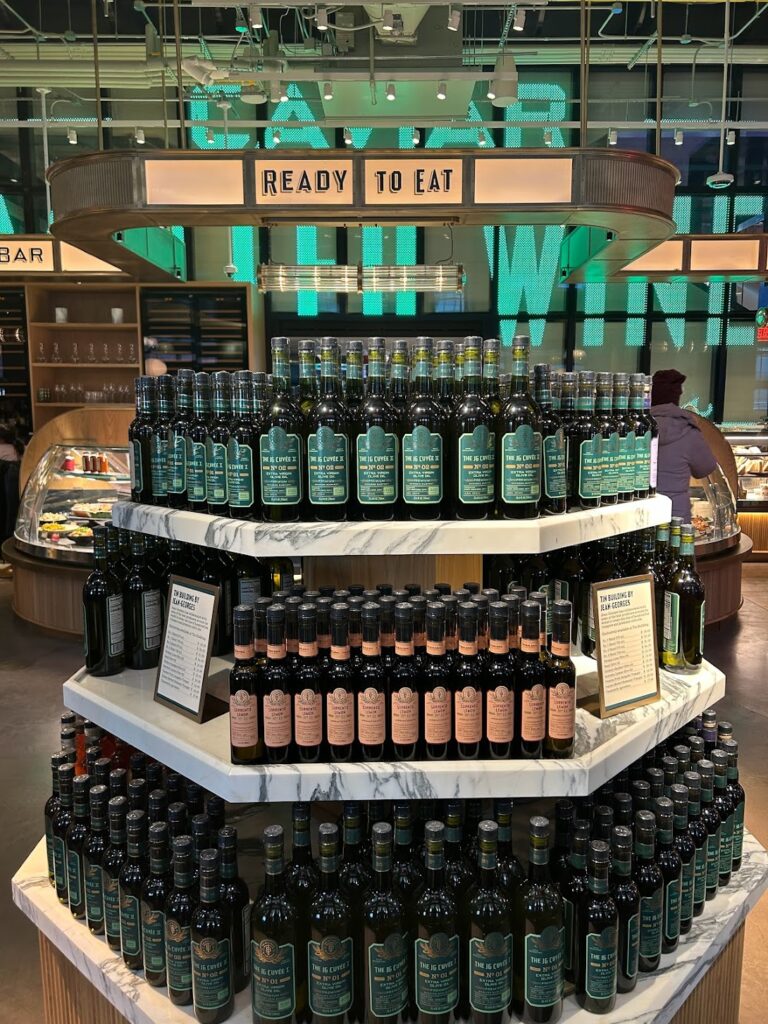
Some views inside the new chic Tin Building:
Photo by Greg Young
FURTHER LISTENING
After listening to this week’s show on the Fulton Fish Market, you’ll want to re-visit these shows from the back catalog for additional context
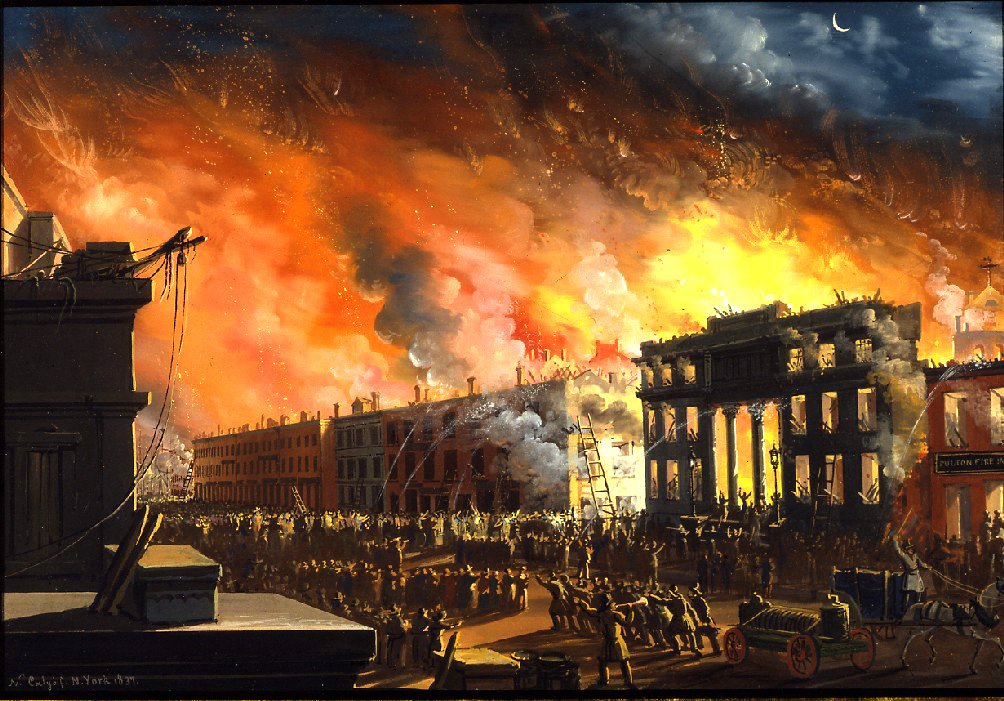
If you’re into radio dramas, historical epics and intriguing tales about New York City, we think you’ll like Burning Gotham, the new podcast produced by The Wallbreakers, weaving the biographies of several real-life New York City figures into a speculative tale leading to the Great Fire of 1835.
On the frigid blustery night of December 16th, the worst fire in city history sweeps through Manhattan
The East River is frozen solid. The undermanned team of volunteer firefighters are no match. Everything south of Maiden Lane and east of Broad Street—the chief merchant district with the highest property value—turns to ash.
The fire causes the modern equivalent of $500 million in damage. The investigation finds the cause to be a leaky gas valve near a lit coal stove at the office of Comstock & Andrews.
But what if New York’s greatest accidental fire was no accident?
The eight-part first season is now available with a new season planned for later this year.
In addition, for a look behind the history of each episode, there are four episodes of Beyond Burning Gotham, providing historical context for the narrative. Episode two of Beyond Burning Gotham even features Greg Young from the Bowery Boys!
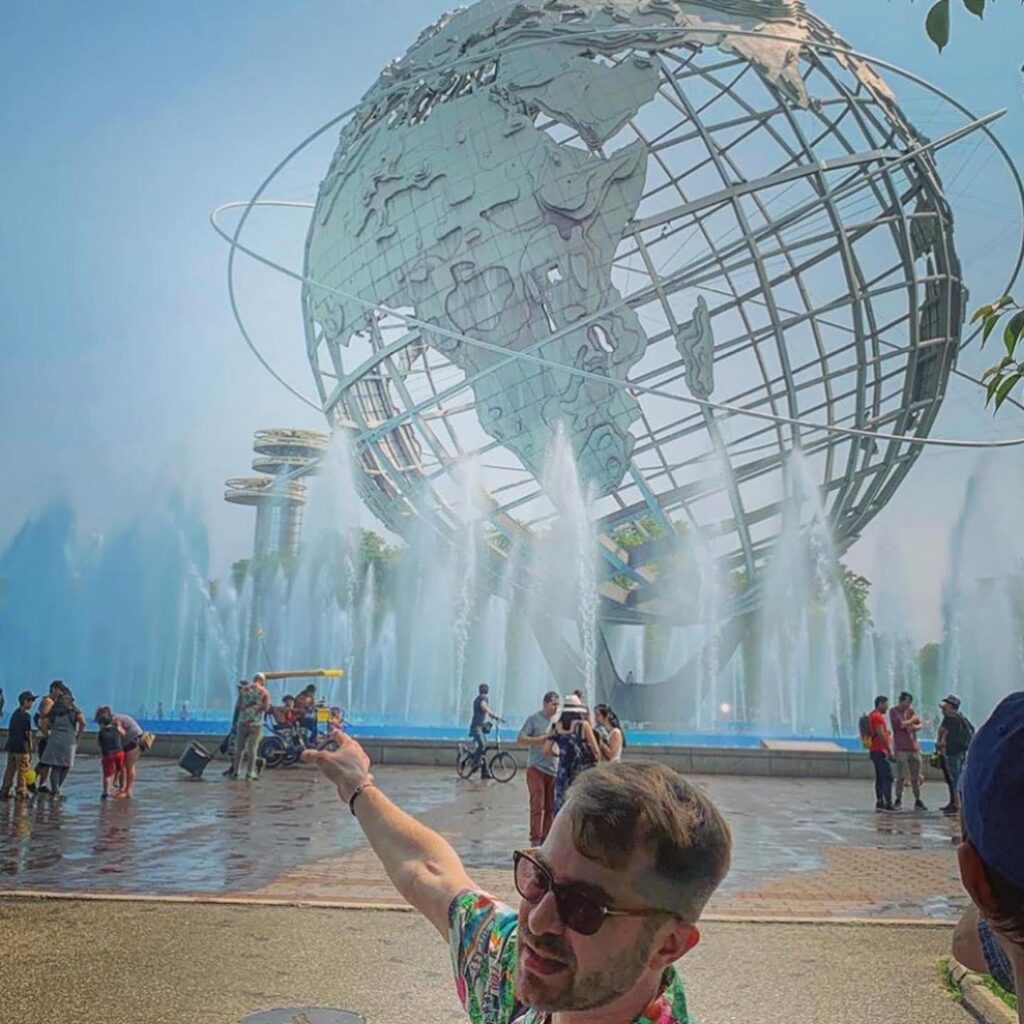
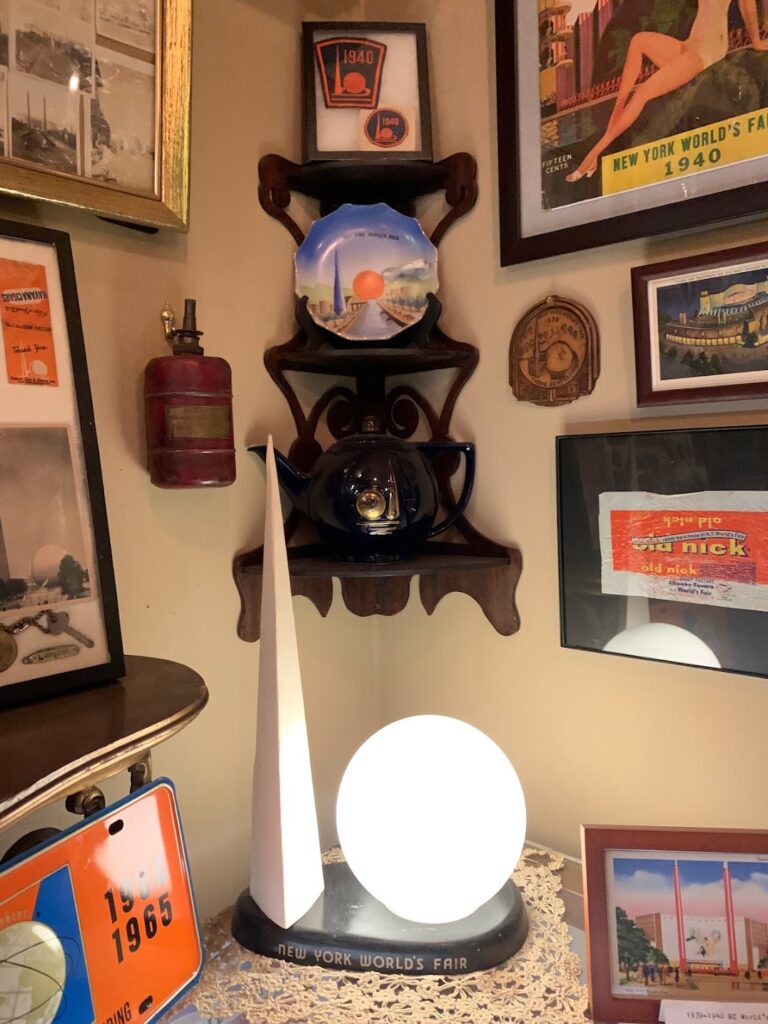
Flushing-Meadows Corona Park in the borough of Queens is the home of the New York Mets, the U.S. Open, the Queens Zoo, the Hall of Science and many other recreational delights.
But it will always be forever known as the launching pad for the future as represented in two extraordinary 20th century world’s fairs.
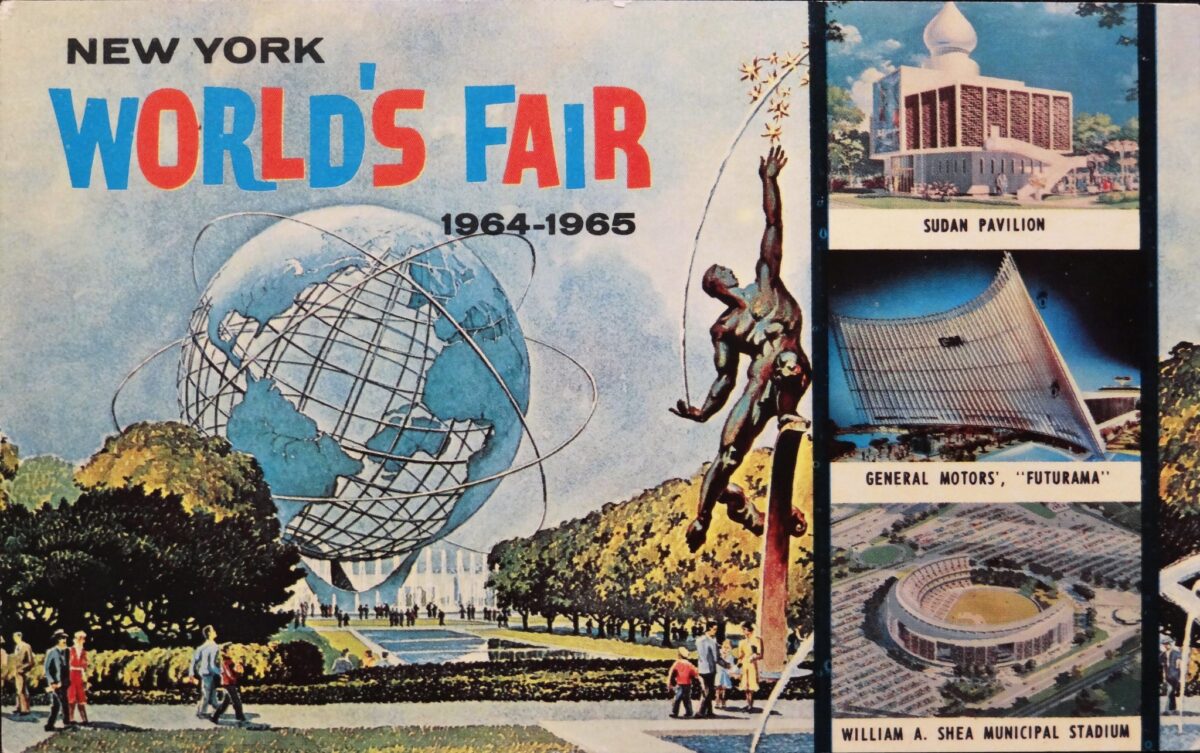
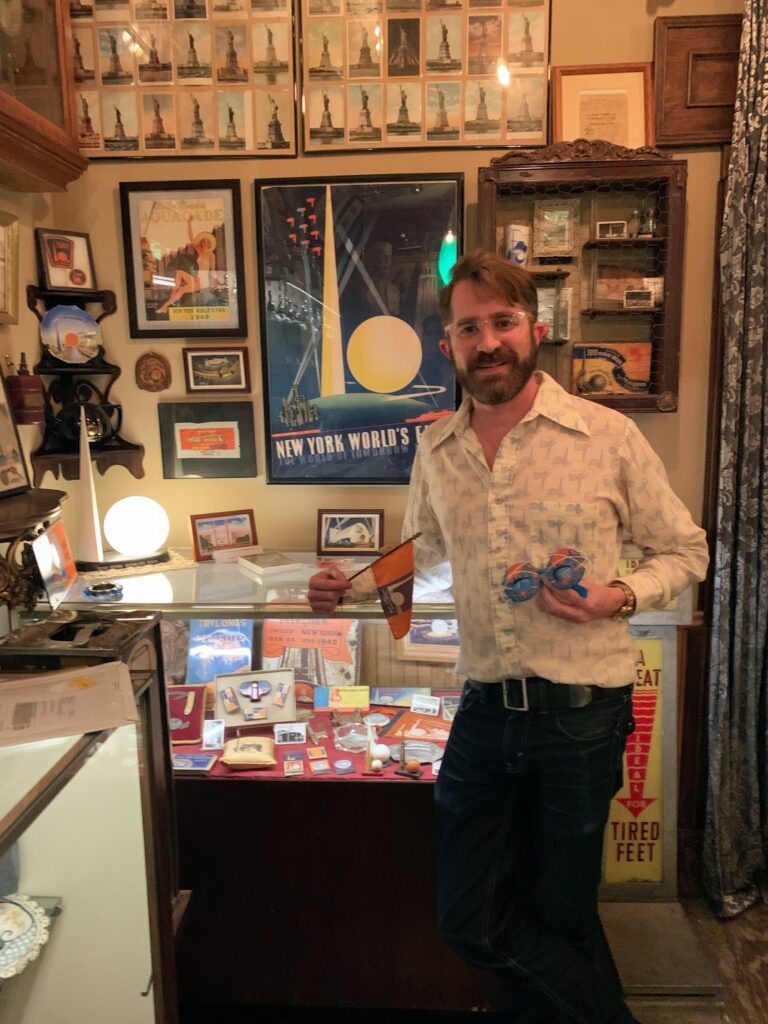
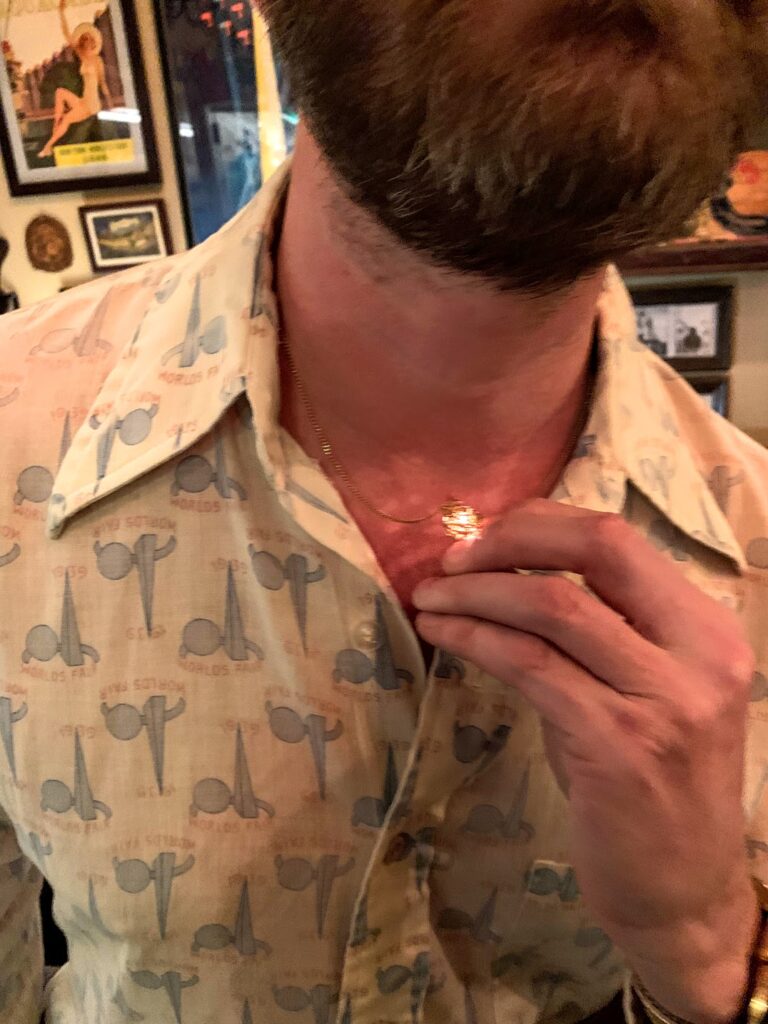
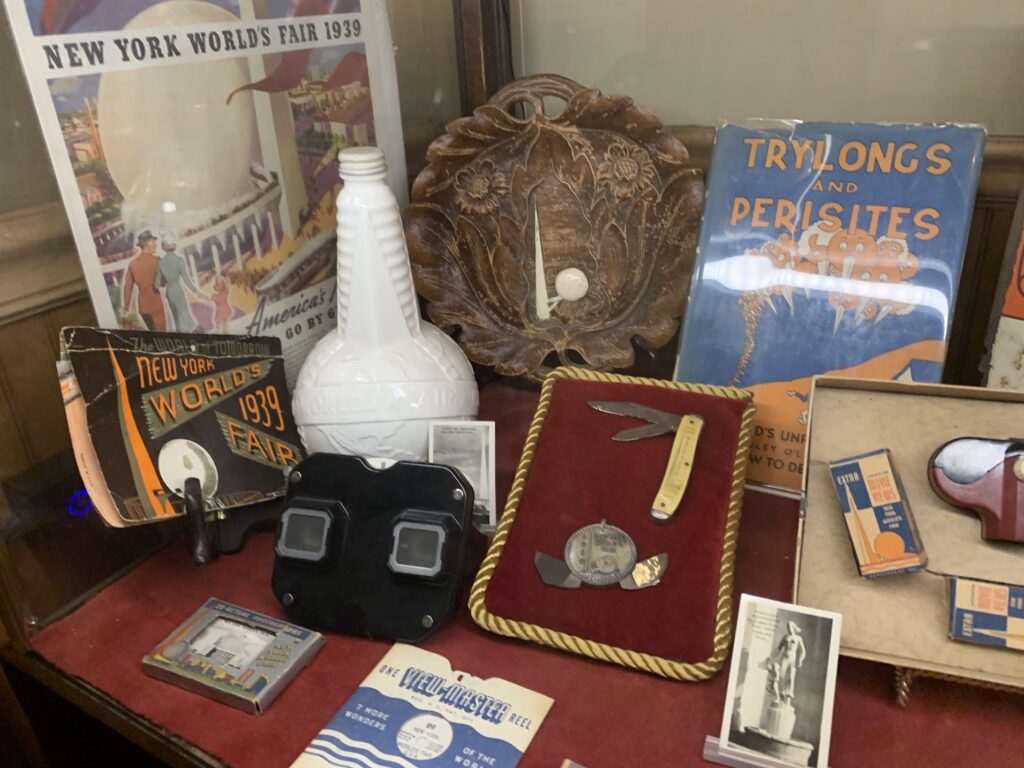
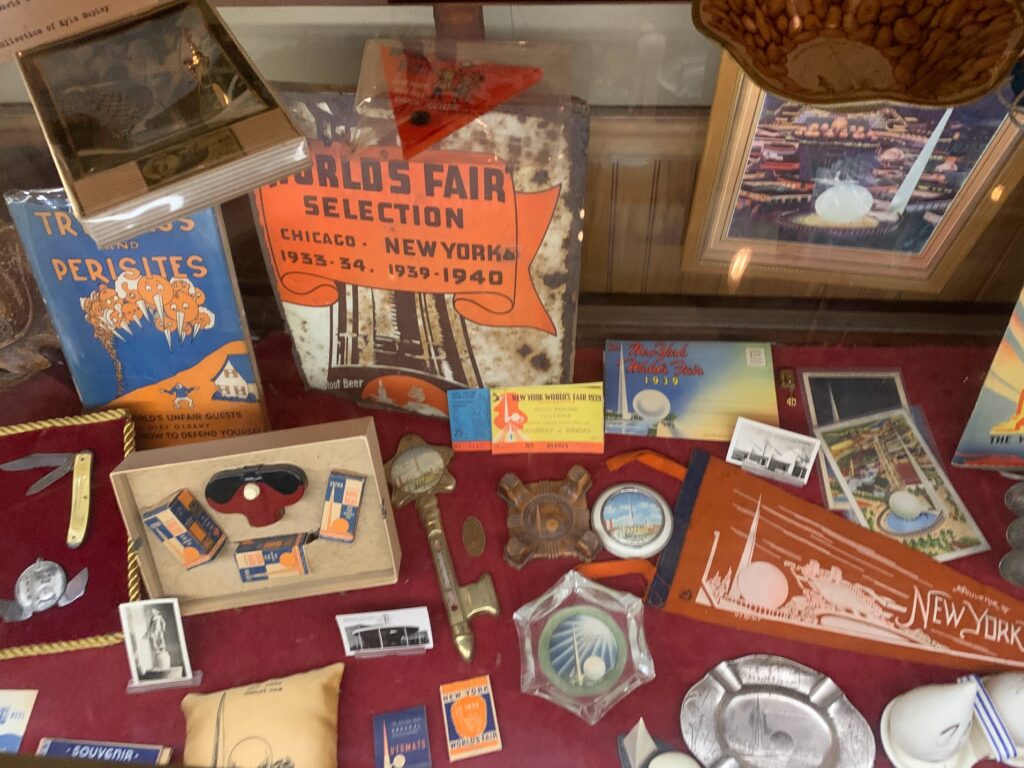
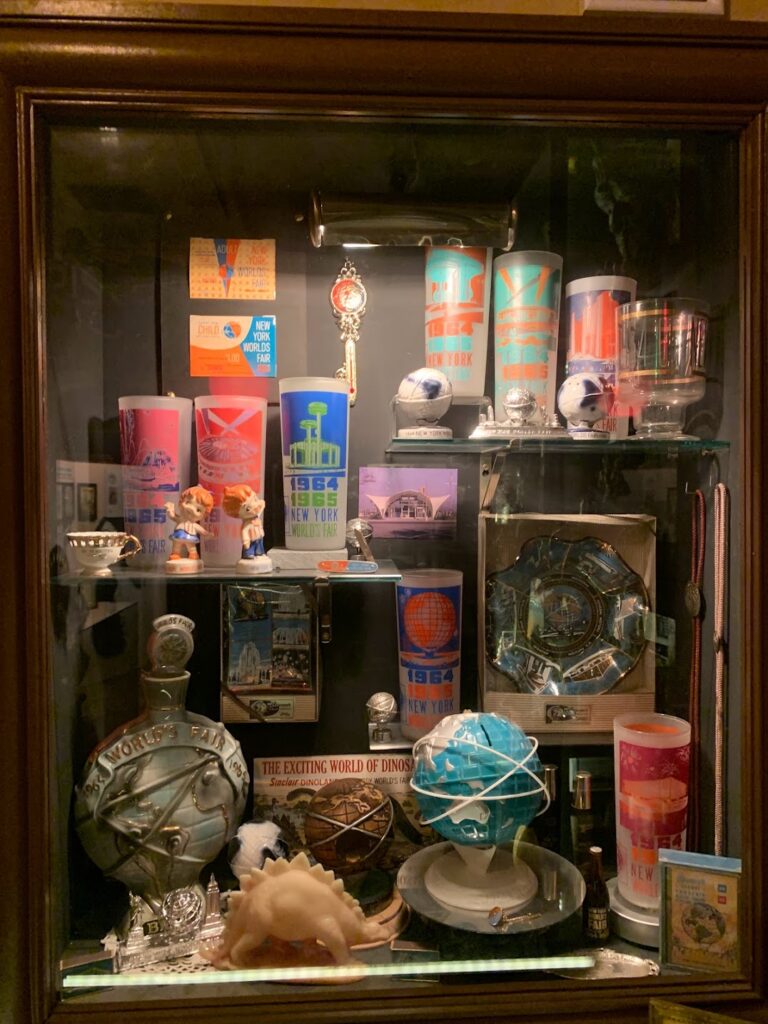
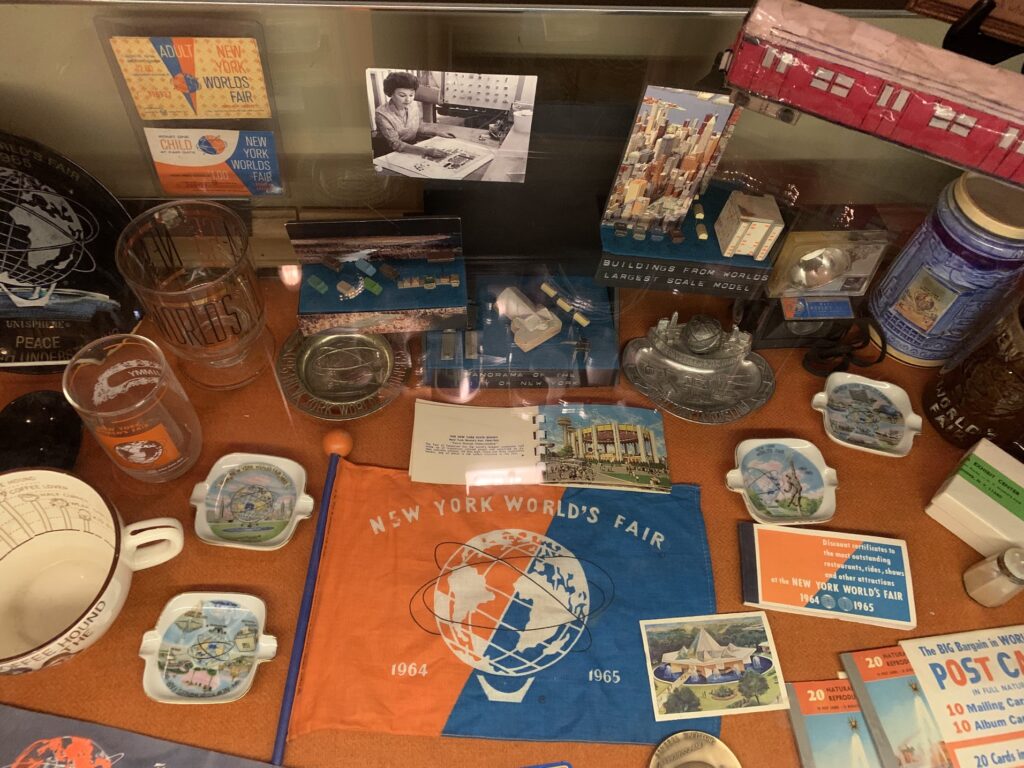
There is so much nostalgia today for the 1939-1940 World’s Fair and its stranger, more visually chaotic 1964-65 World’s Fair. And that nostalgia has fueled a thriving market for collectables from these fairs — the souvenirs and other common household items branded with the two fairs’ striking visual symbols.
The Trylon and Perisphere represented the dreams of 1930s America after the Great Depression, the strange symbols of “the World of Tomorrow.” A quarter century later the Unisphere depicted its theme — “Peace Through Understanding” — as a space-age fantasy.
Millions of souvenirs were manufactured and sold at these two fairs. And those very treasured items which survive — in the hands of collectors, at flea markets and antique shops — are nearly all that remain of these special, ephemeral events.
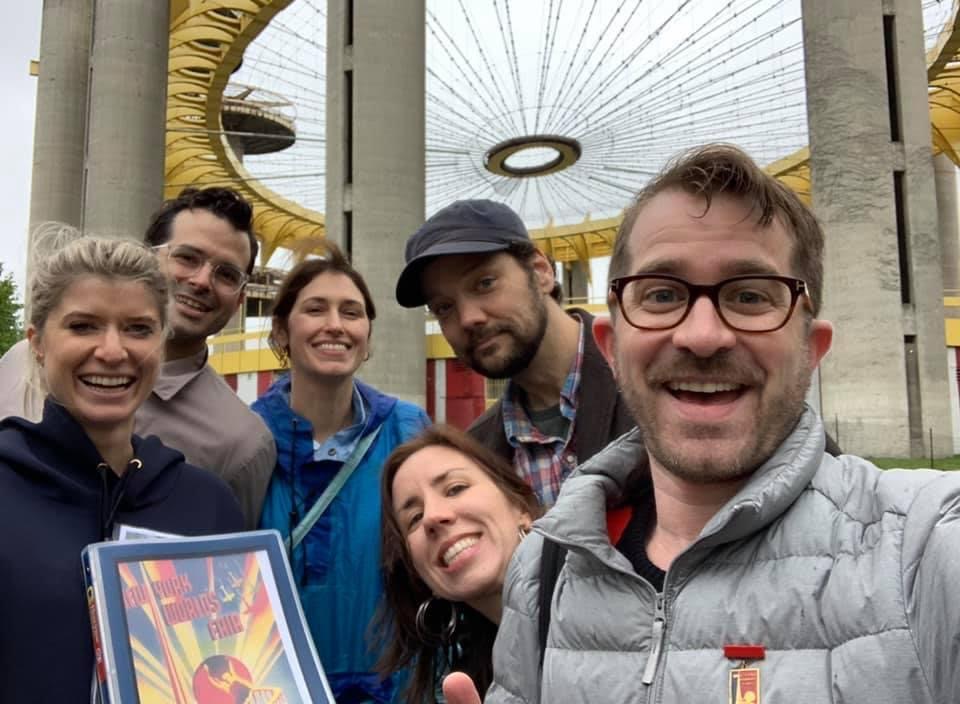
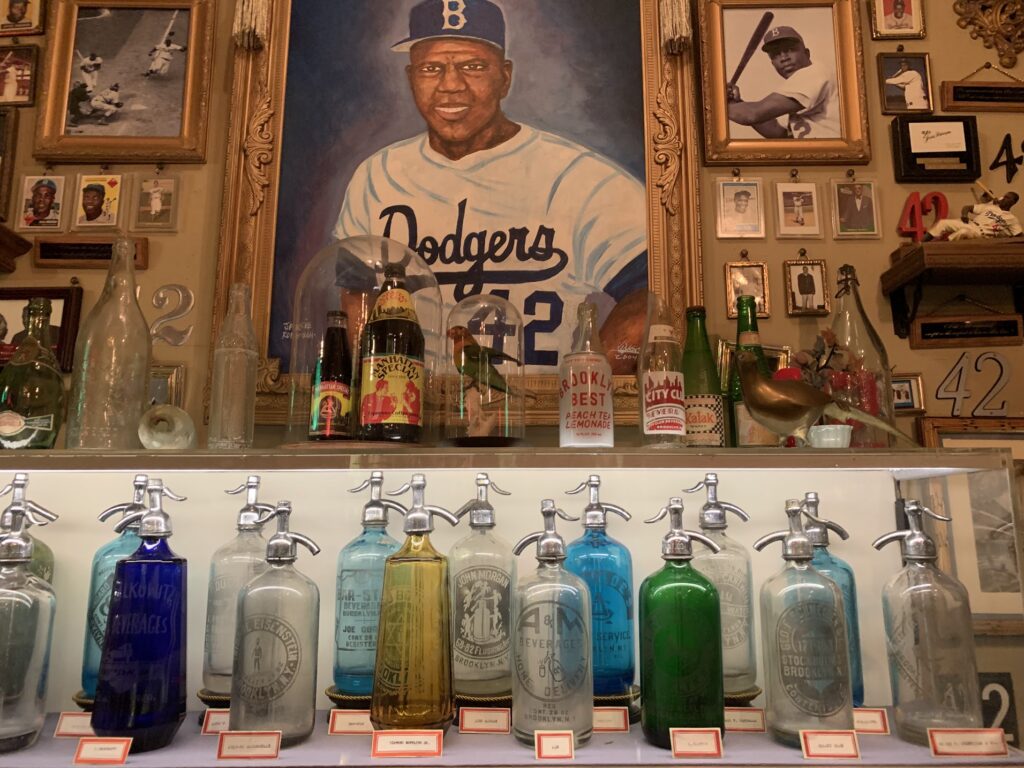
In this show, Greg is joined by design and cultural historian Kyle Supley, recorded at Brooklyn’s City Reliquary where Supley’s own collection of World’s Fair has found a permanent home.
How do such souvenirs allow us to visit the past? And what do they say about our world today?
LISTEN NOW: TREASURES FROM THE WORLD’S FAIR
Kyle Supley is a historian, curator and preservationist with a focus on Mid-Century American culture, consumer products, architecture, and design.
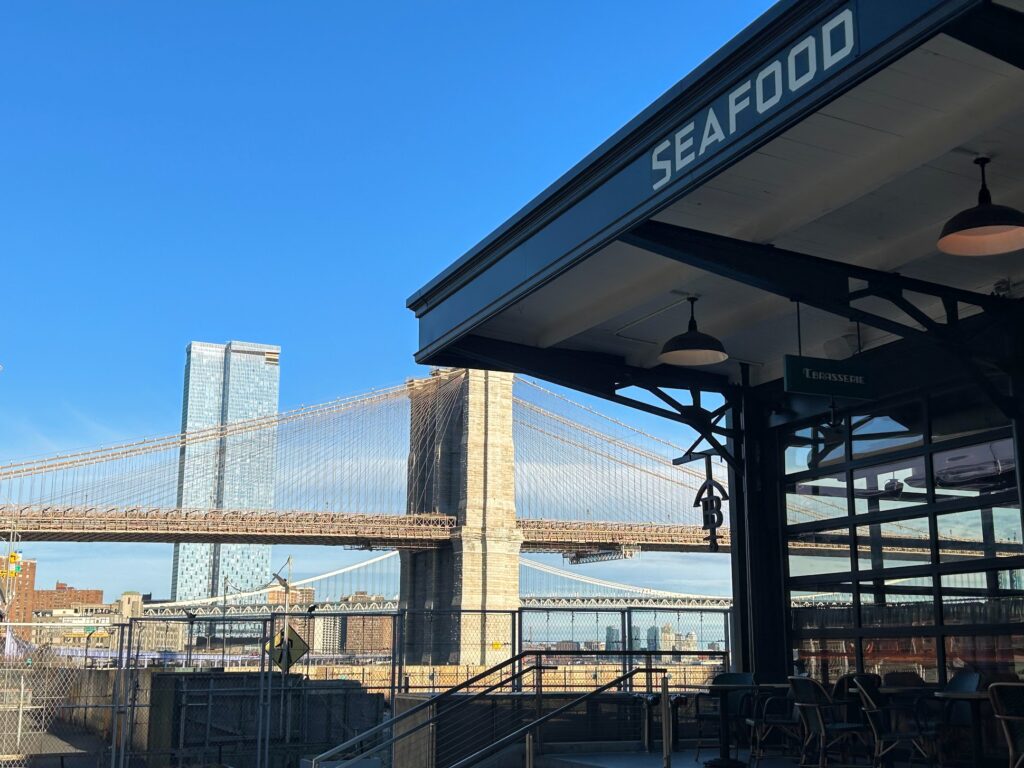
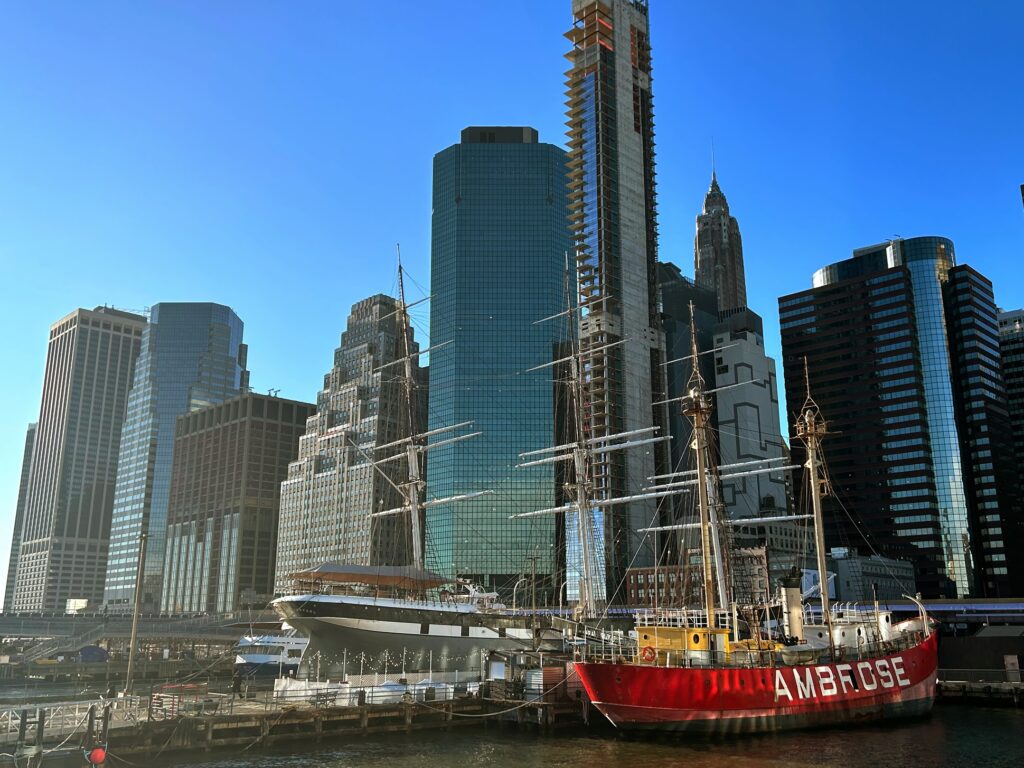
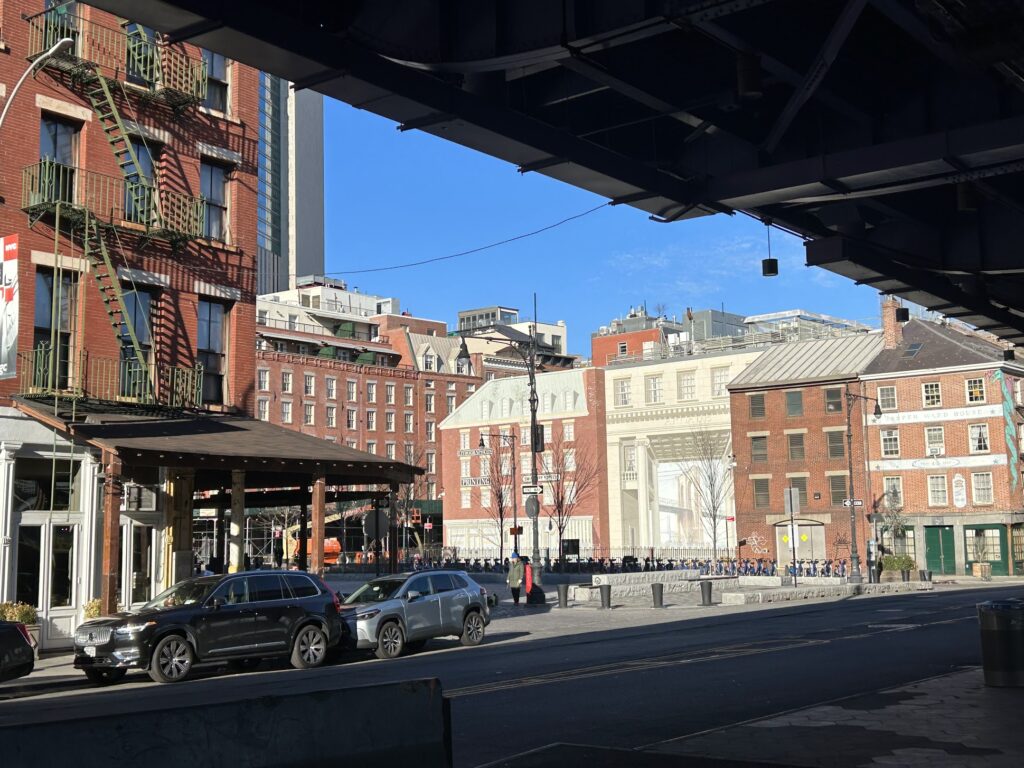
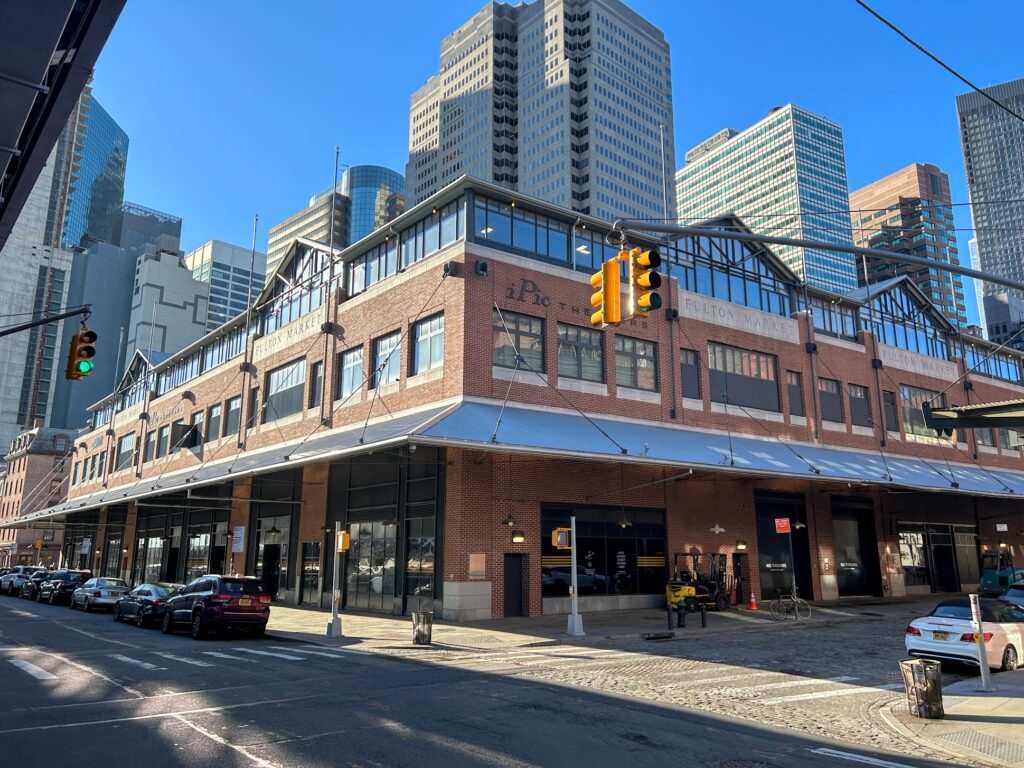
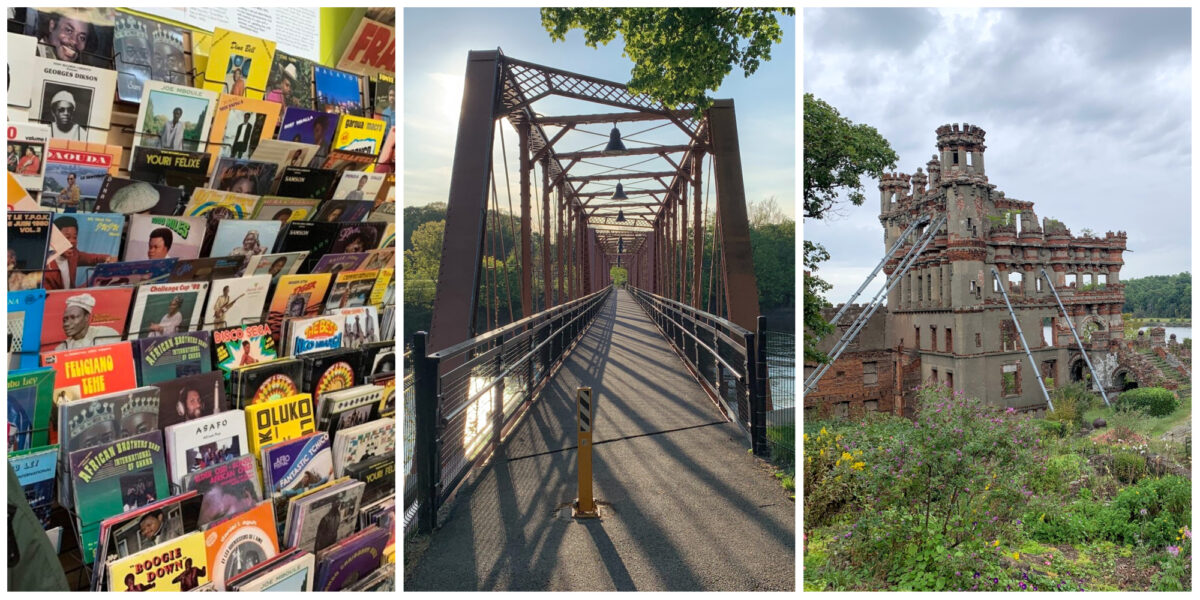
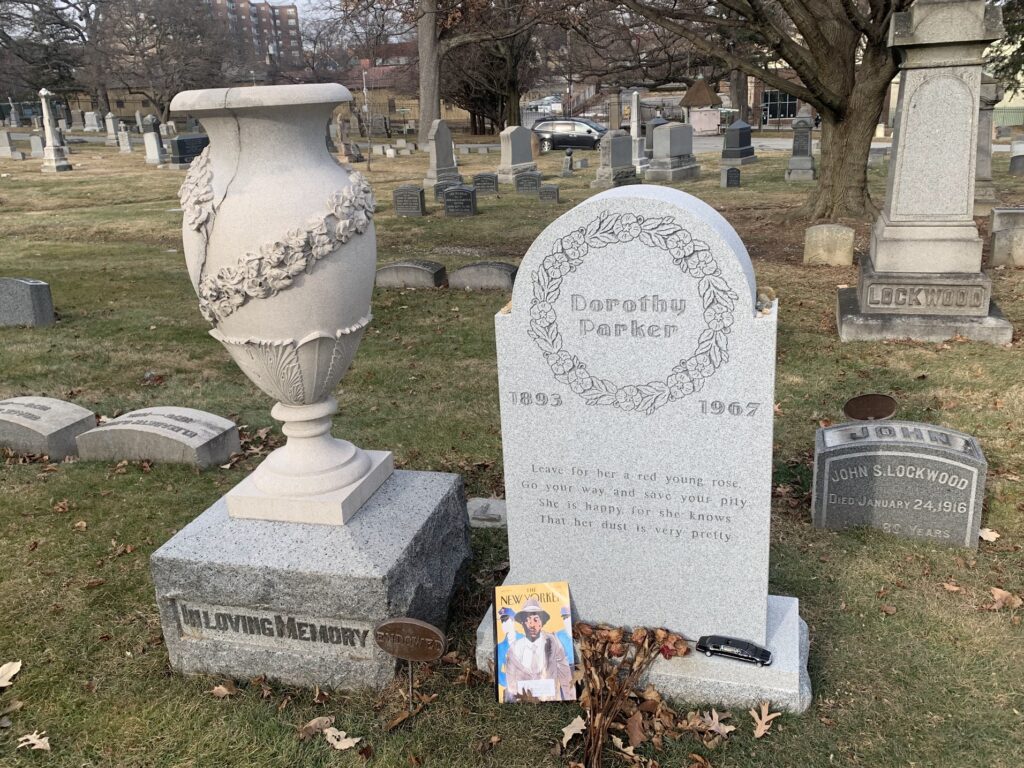
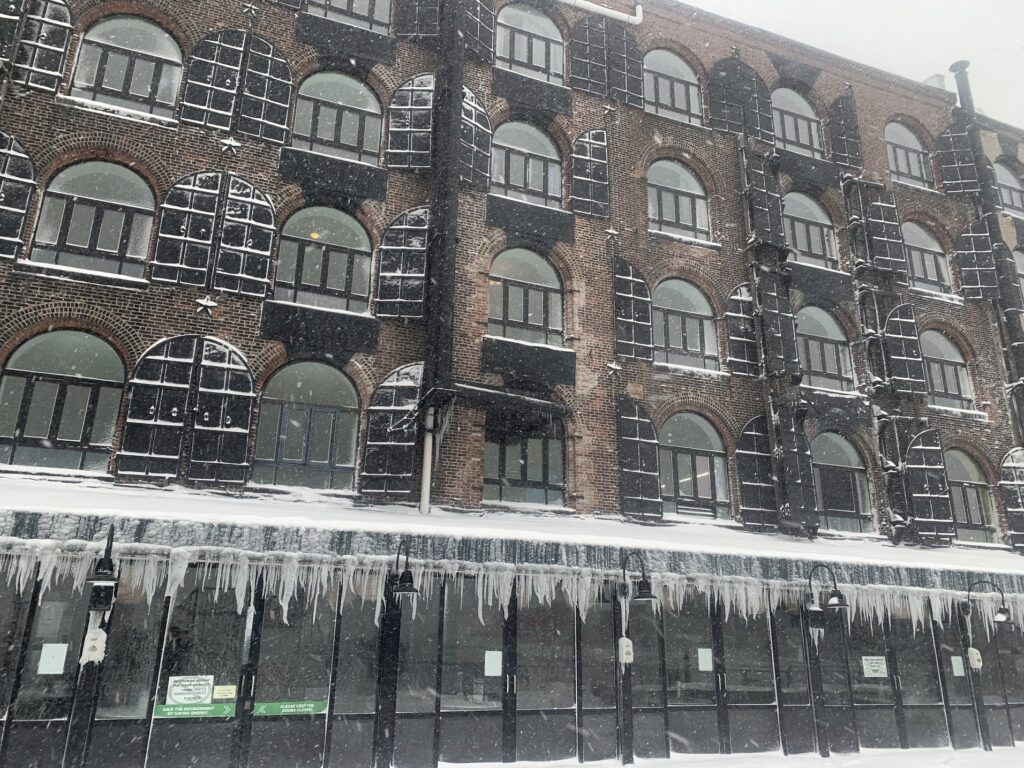
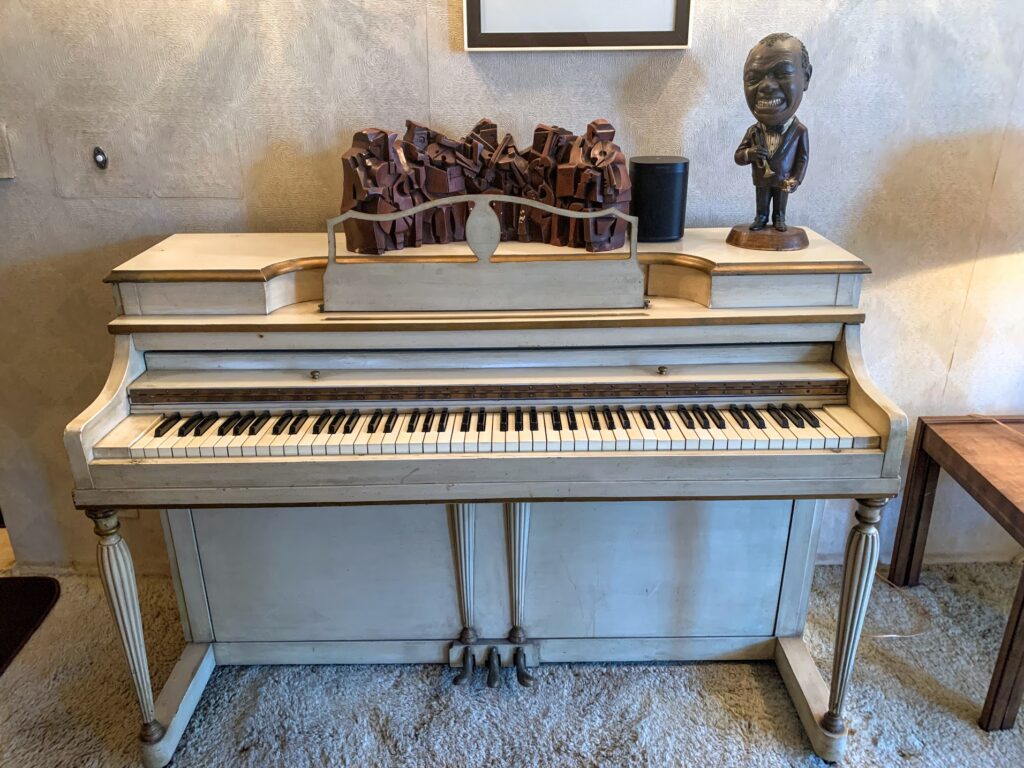
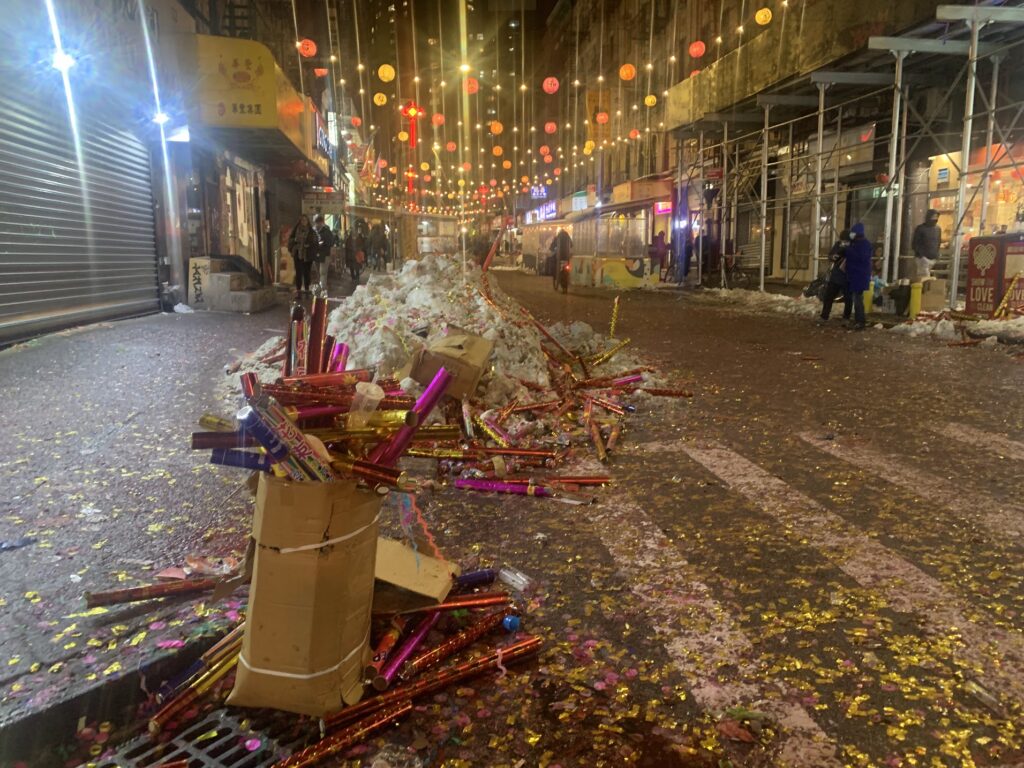
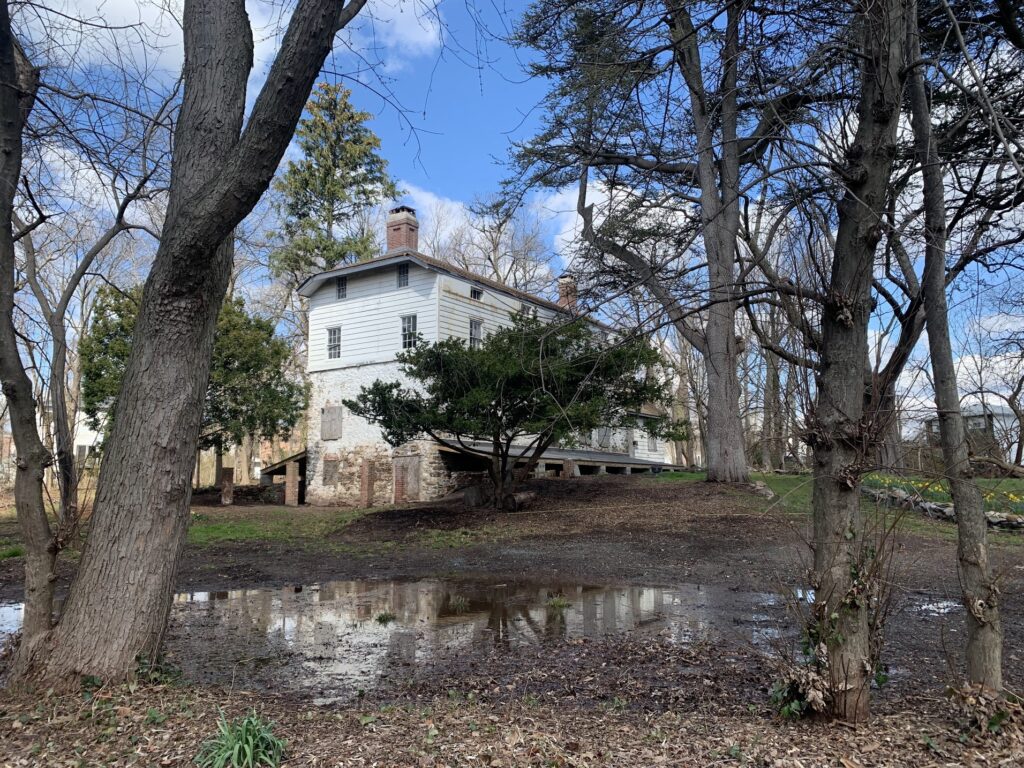
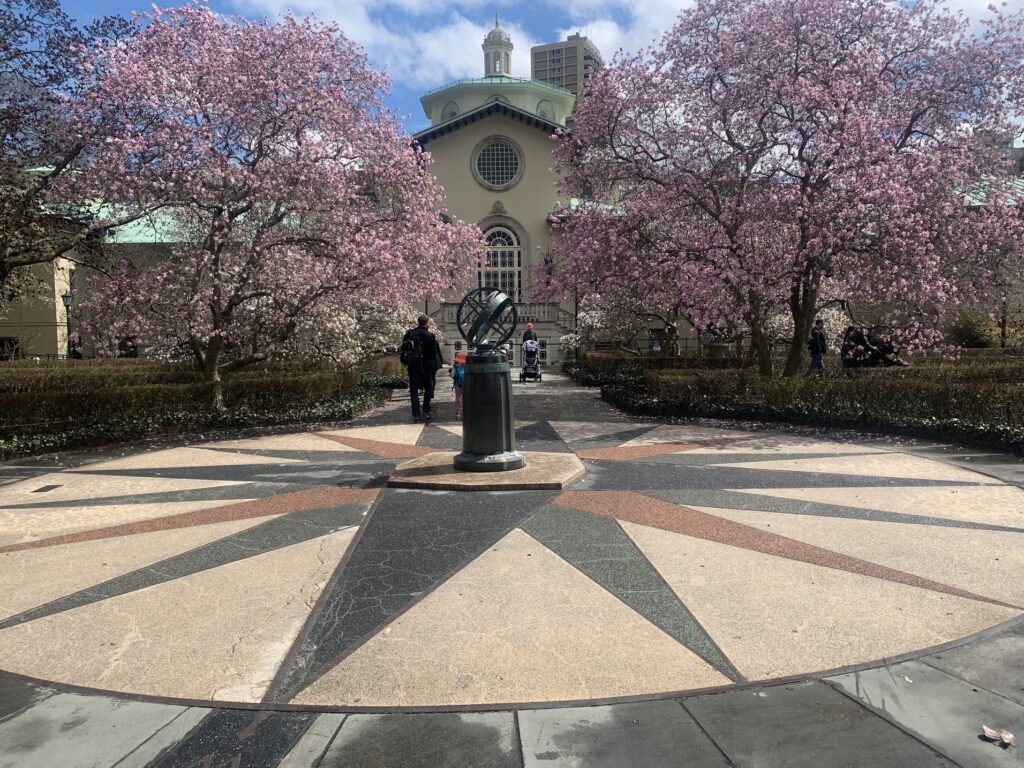
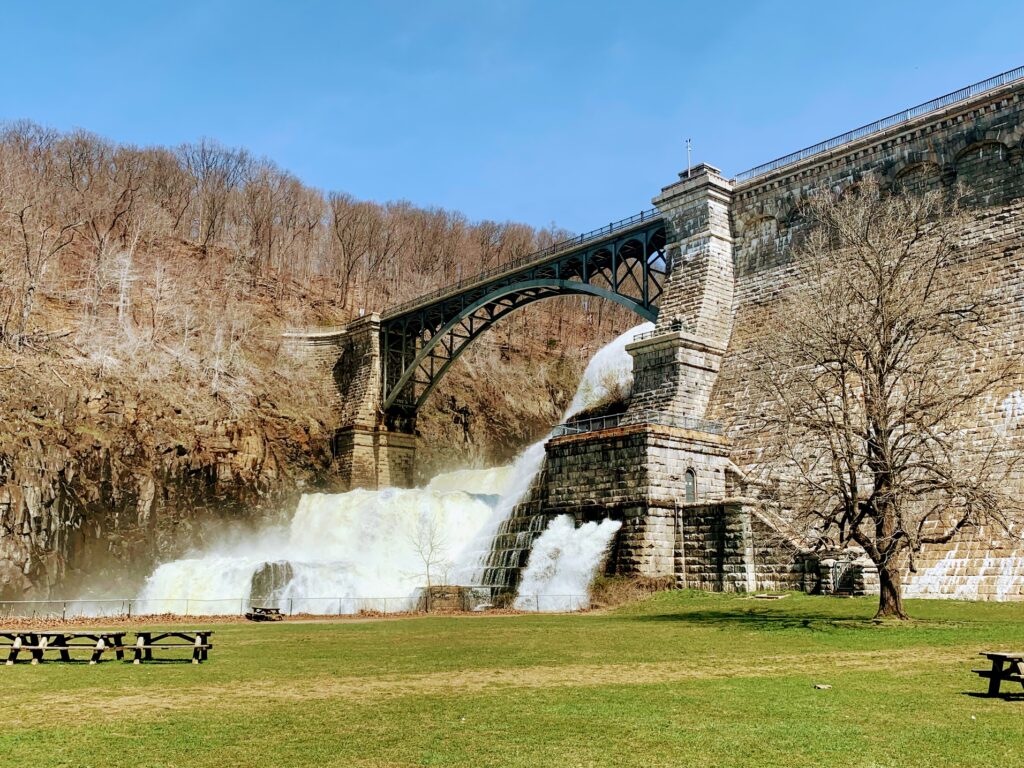
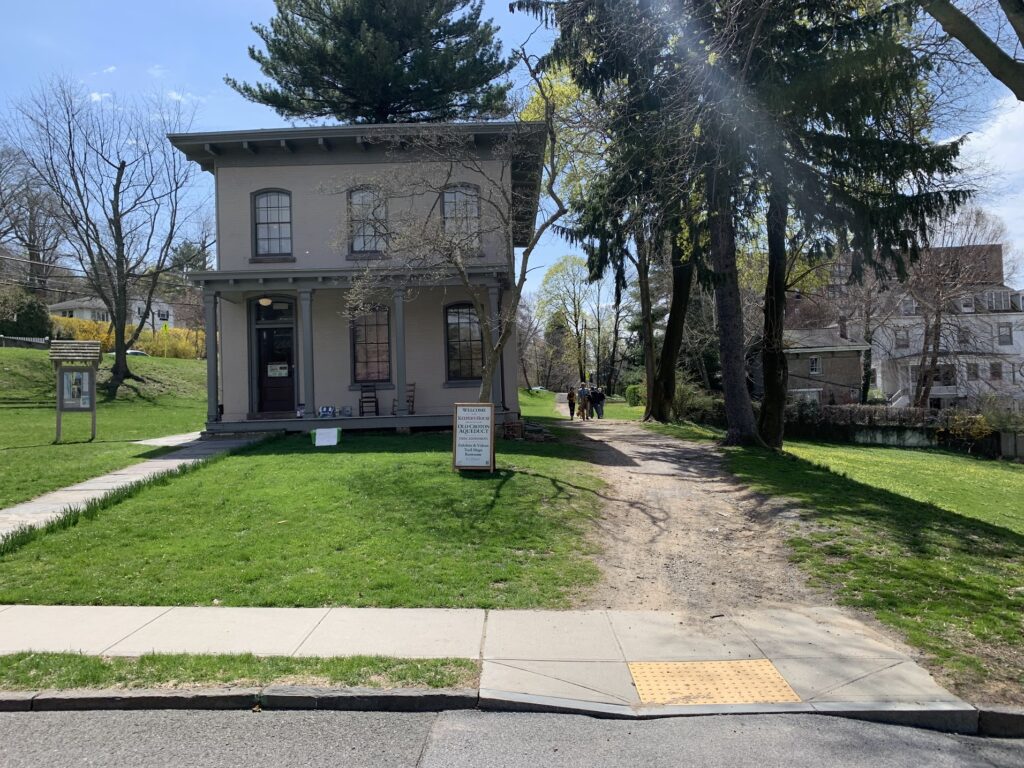
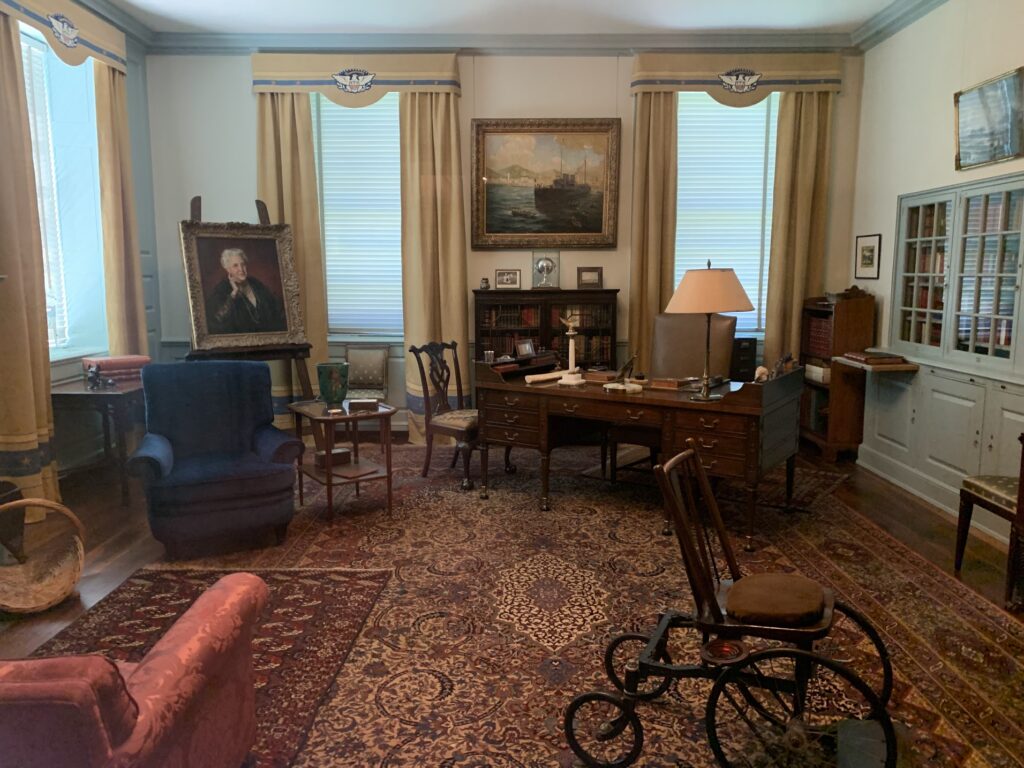
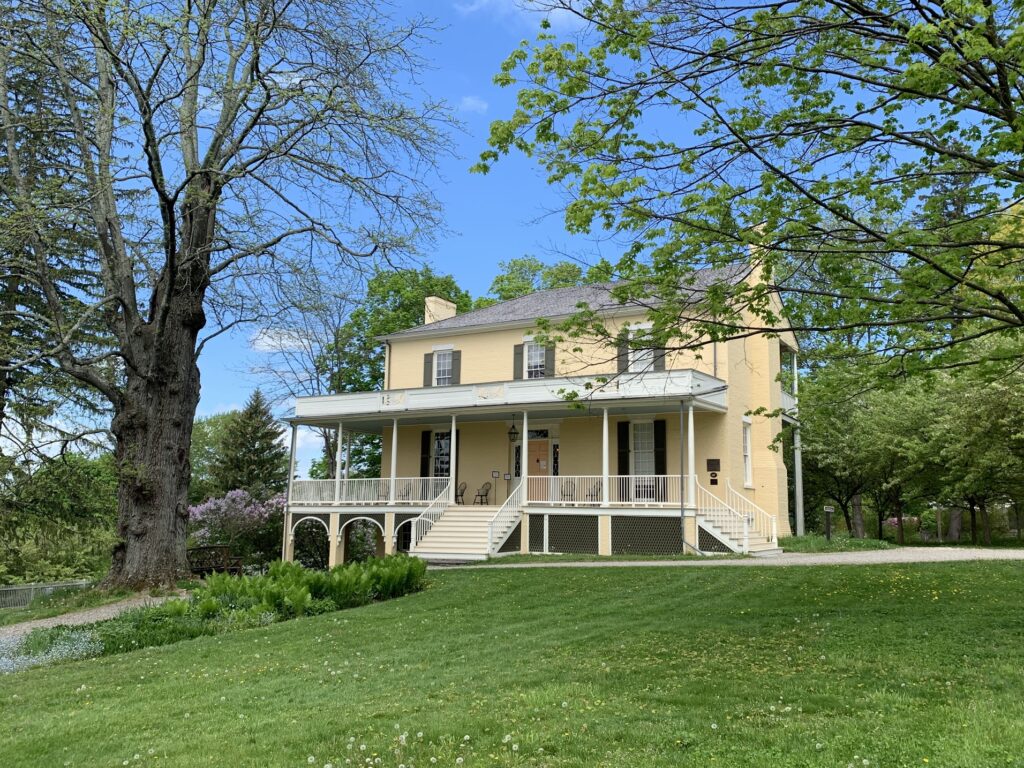
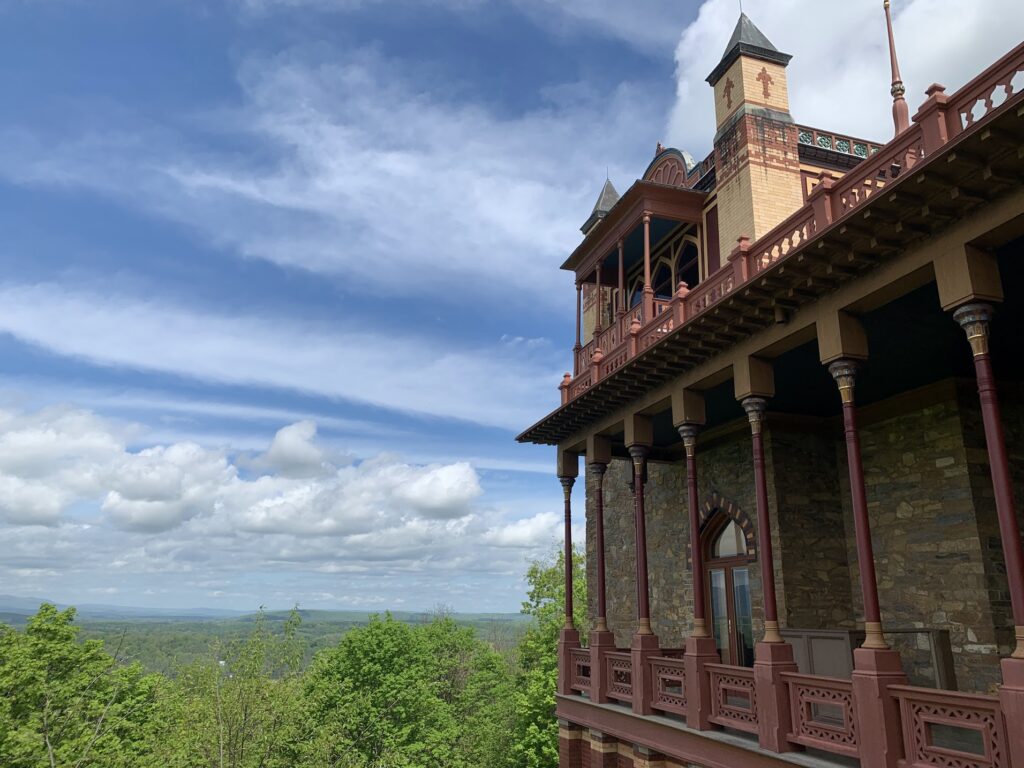
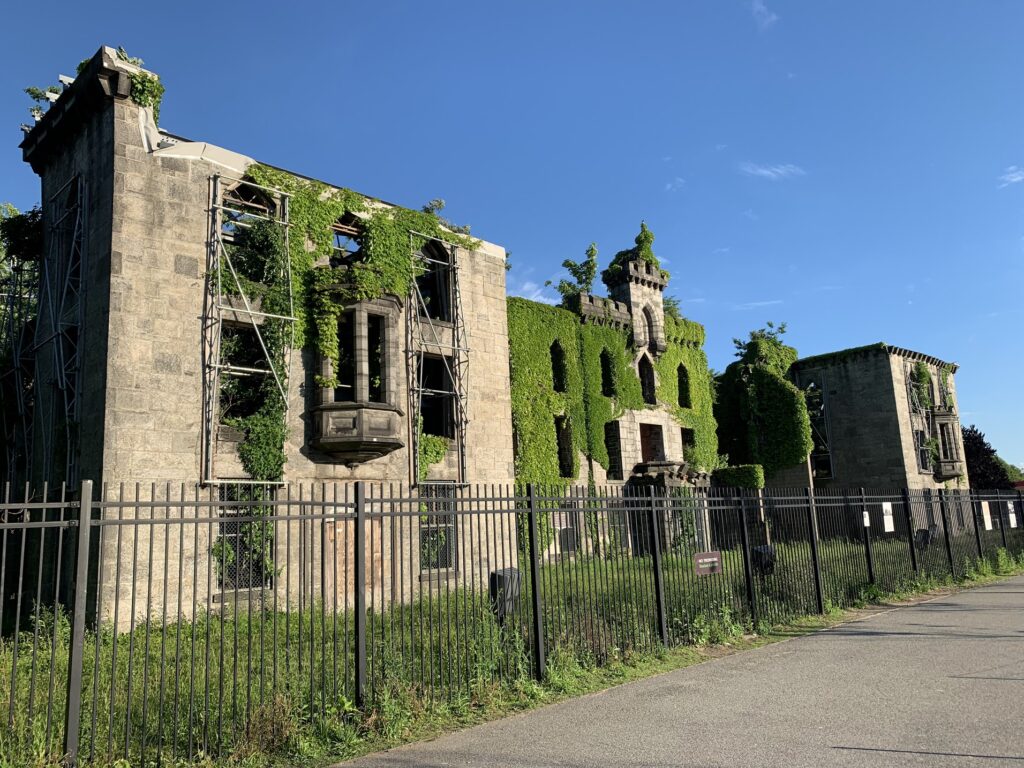
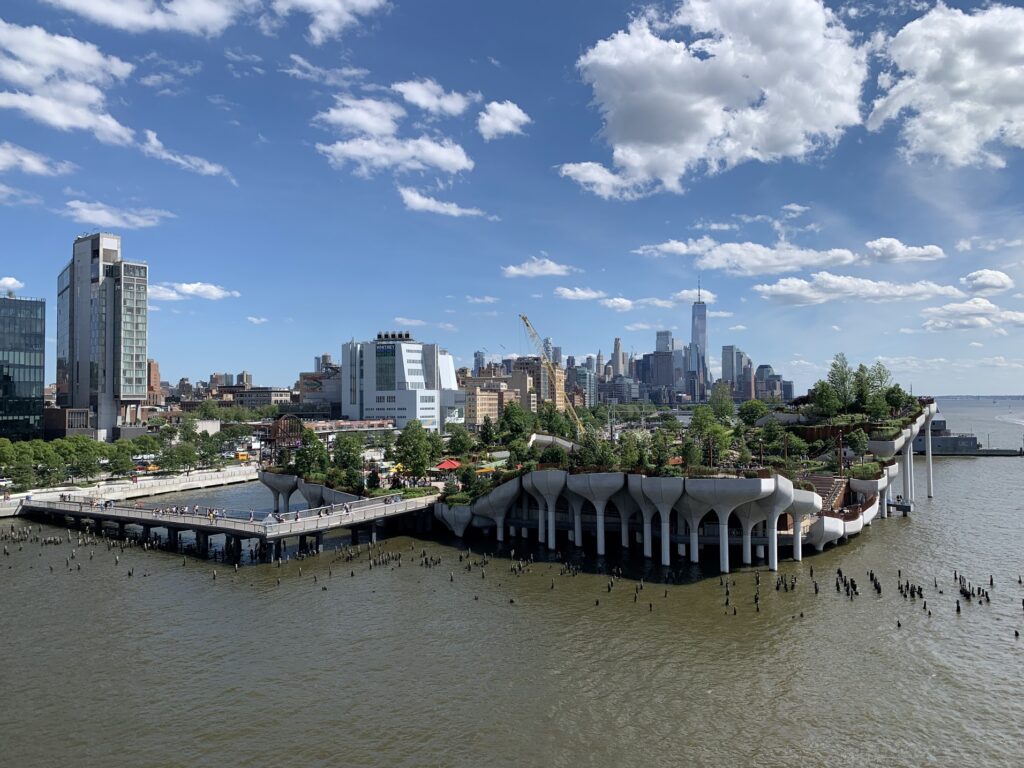
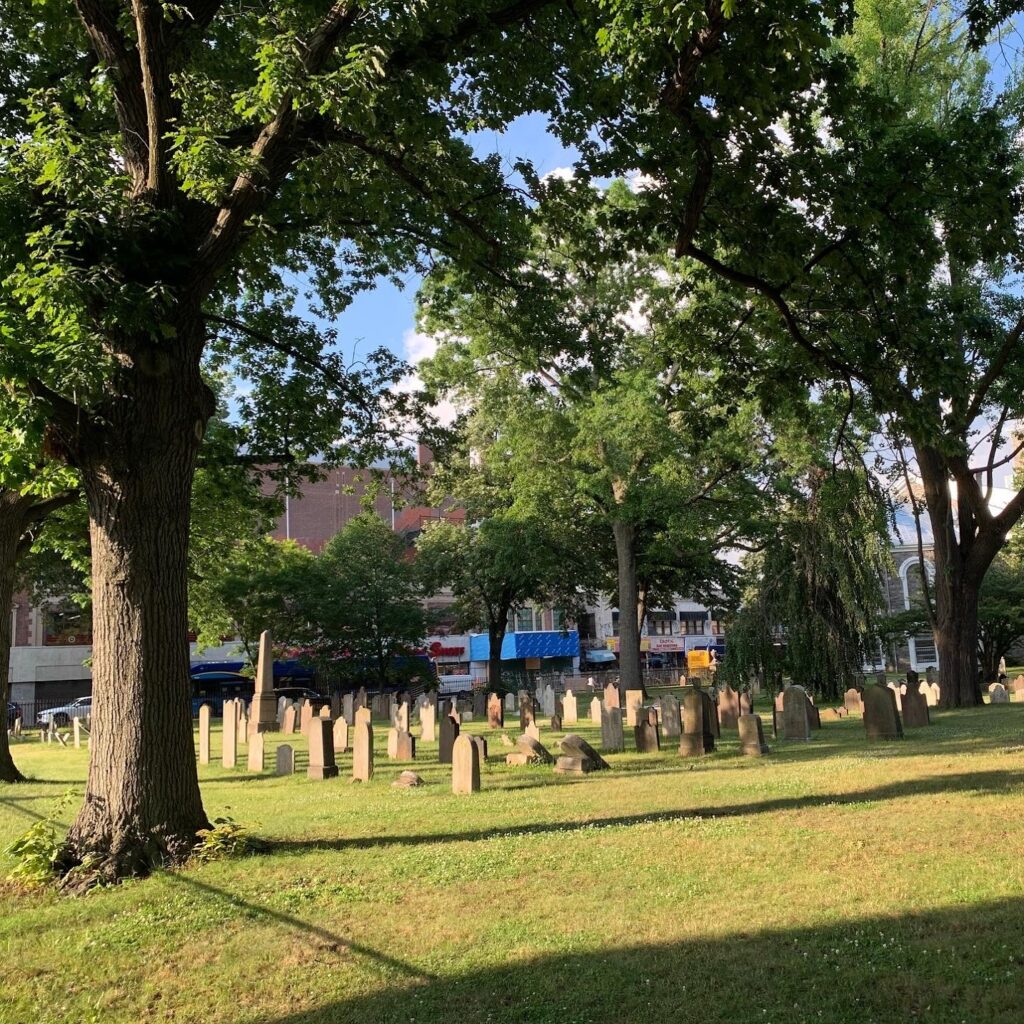
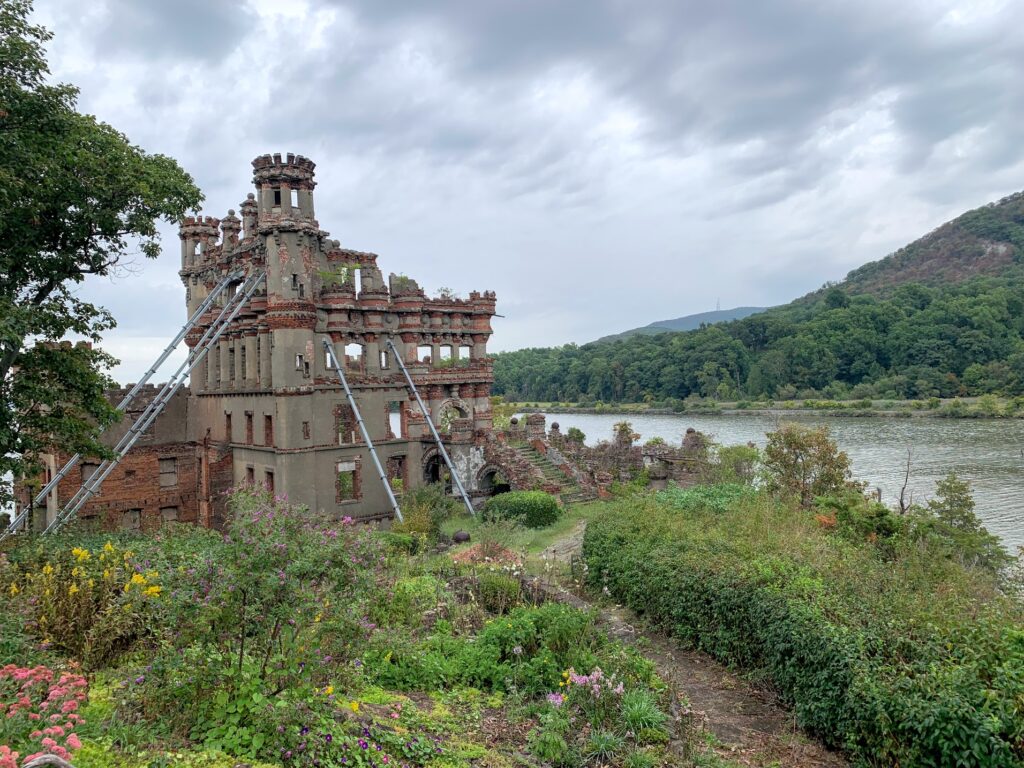
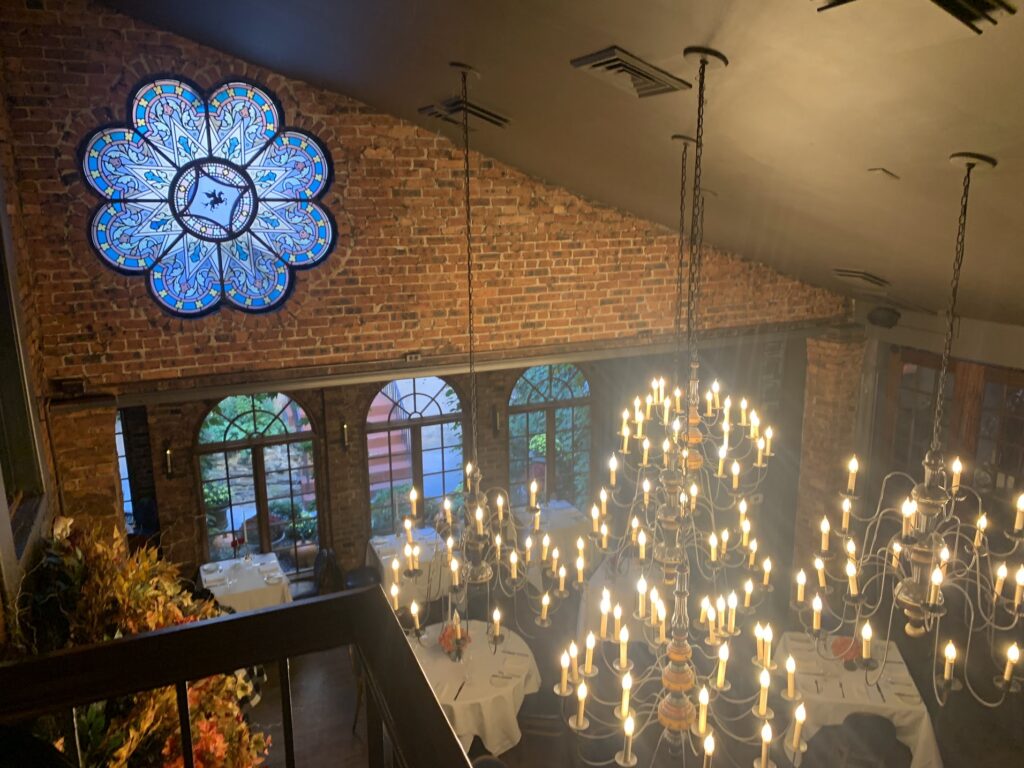
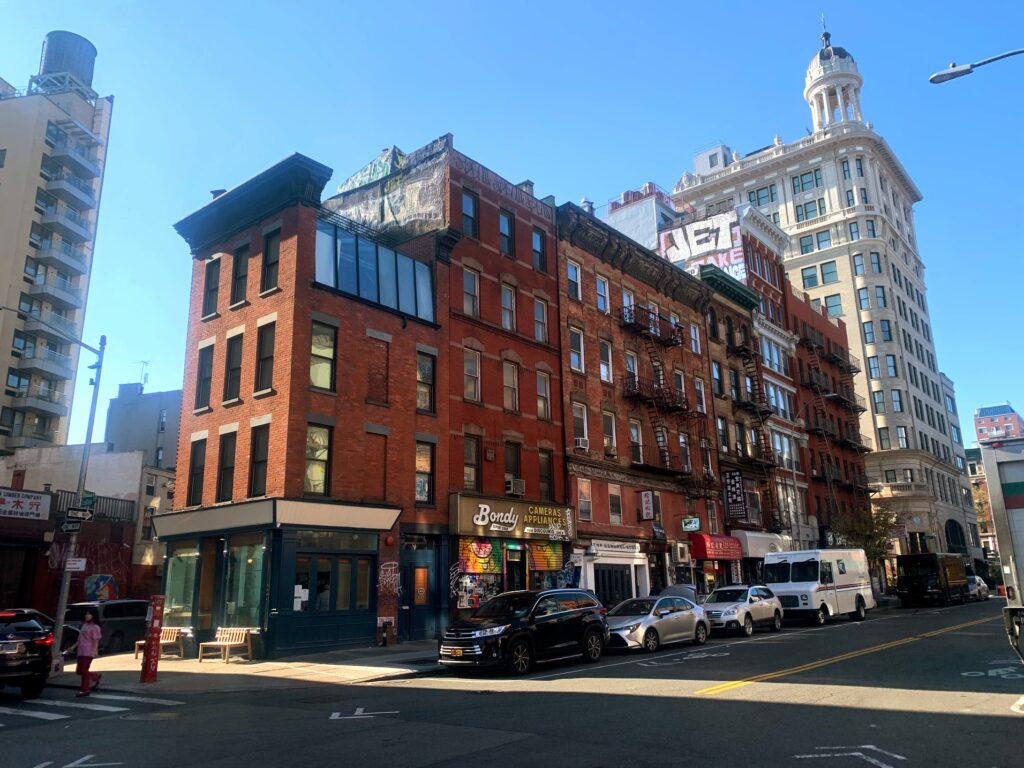
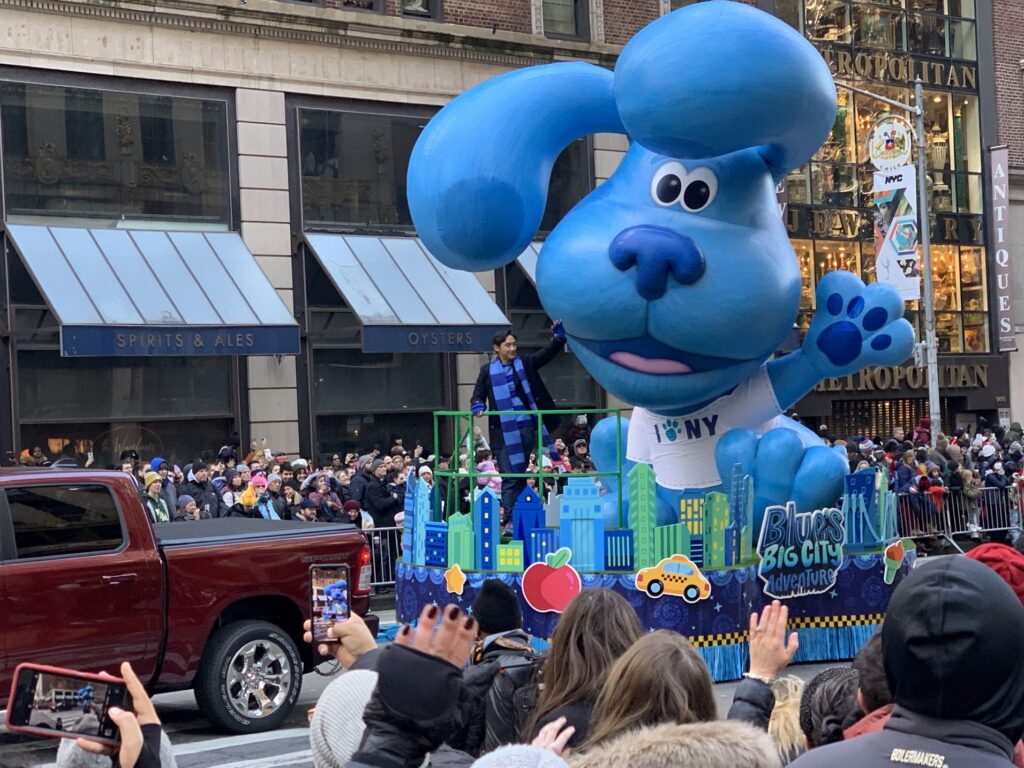
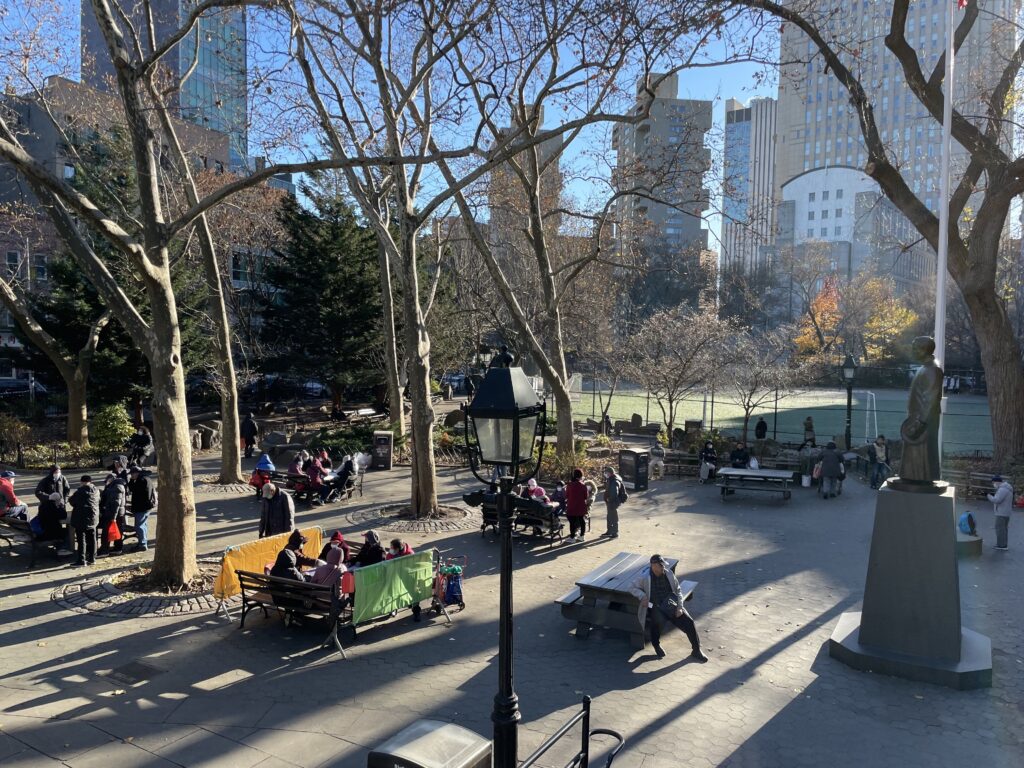
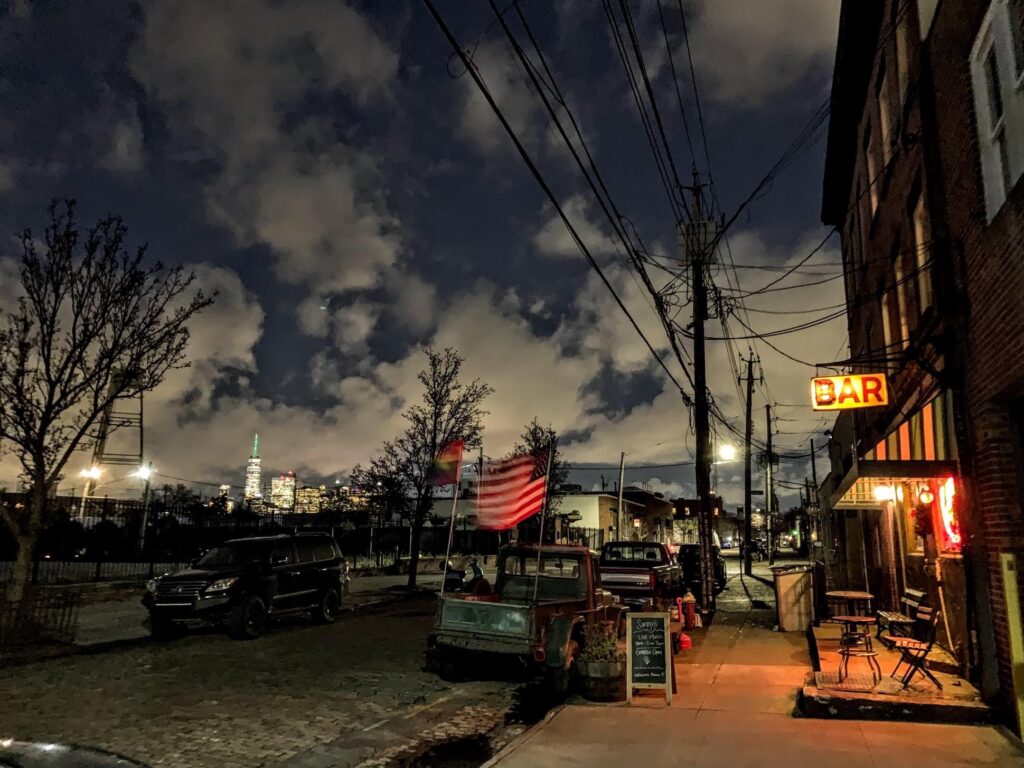
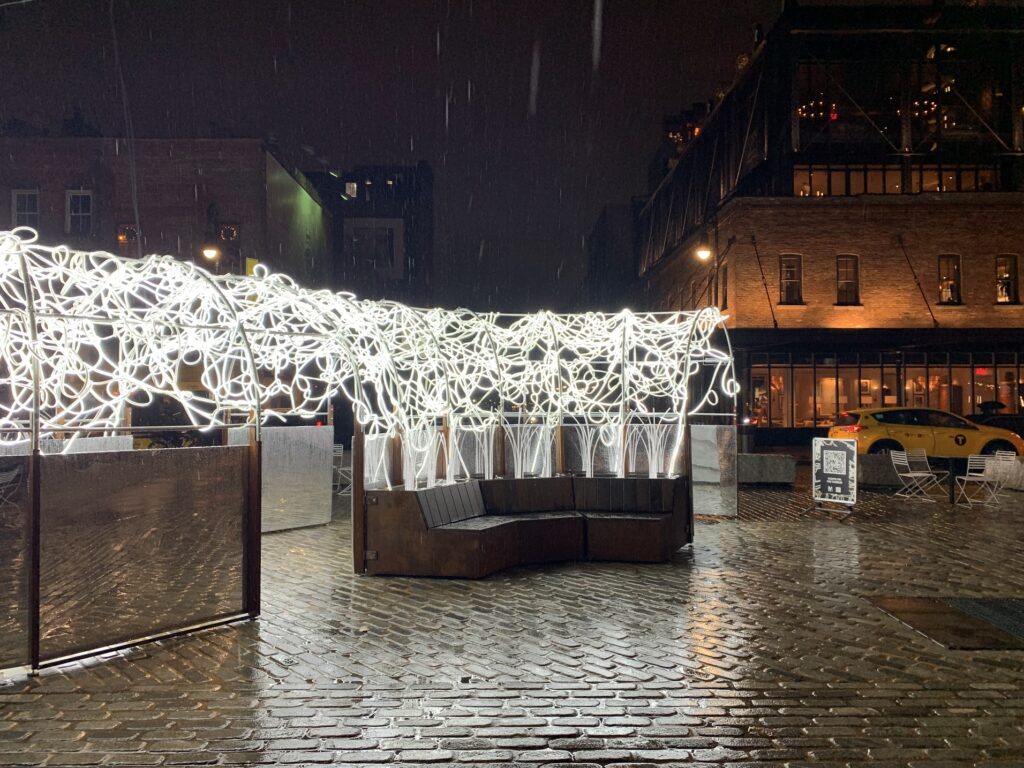
Had a wonderful time wandering the city researching shows for the Bowery Boys podcast. Here are a few of my favorite images from New York City and the Hudson River Valley in 2022. Happy New Year! — Greg
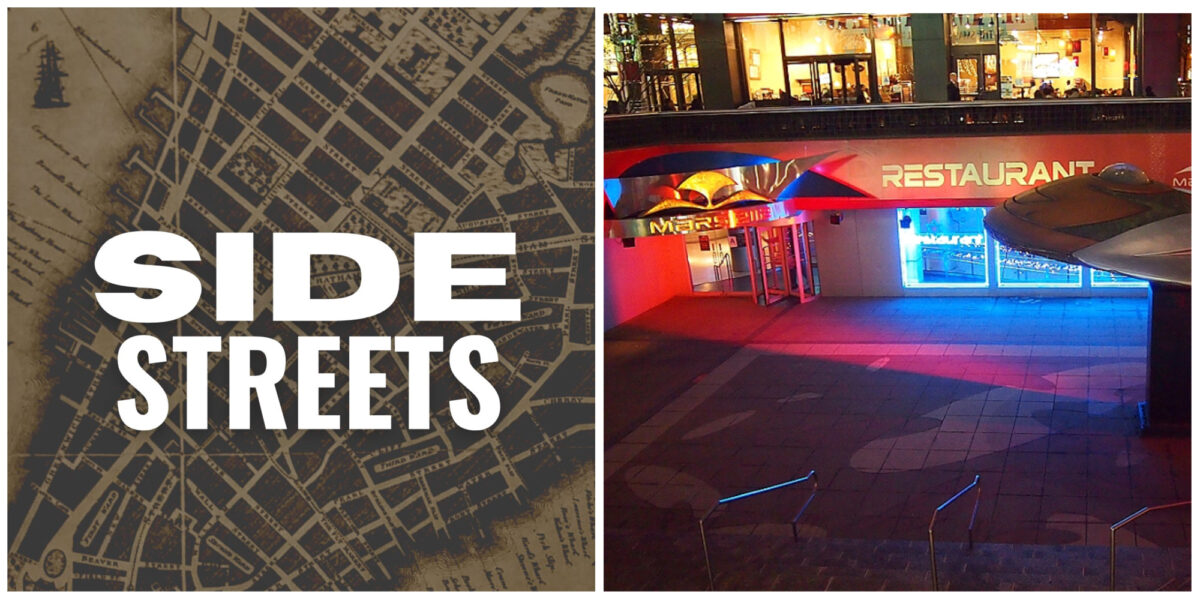
We’ve just debuted a new podcast series — Side Streets, available only to those who support the Bowery Boys Podcast on Patreon, featuring conversation about all sorts of New York City related subjects.
And the first episode is all about food!
Greg and Tom — with some help from producer Kieran Gannon — reflect nostalgically upon old New York City restaurants from the 1990s (Mars 2112, anyone?), wonder what it was like to eat at a chop suey restaurant, praise the strange wonders of Chez Josephine and Congee Village and reveal their favorite diners in the city.
PLUS: Where do the Bowery Boys go to have a delicious slice of pizza? (Hint: Head to Brooklyn.)
Photo by Greg Young
Side Streets will be an every-other-week show, available to patrons at any level. To listen to the show and support the Bowery Boys podcast, just sign up at Patreon.
And check out the various Patreon support tiers for additional benefits such as ad-free episodes, patron-only merchandise, early notice of live events and other fun things.
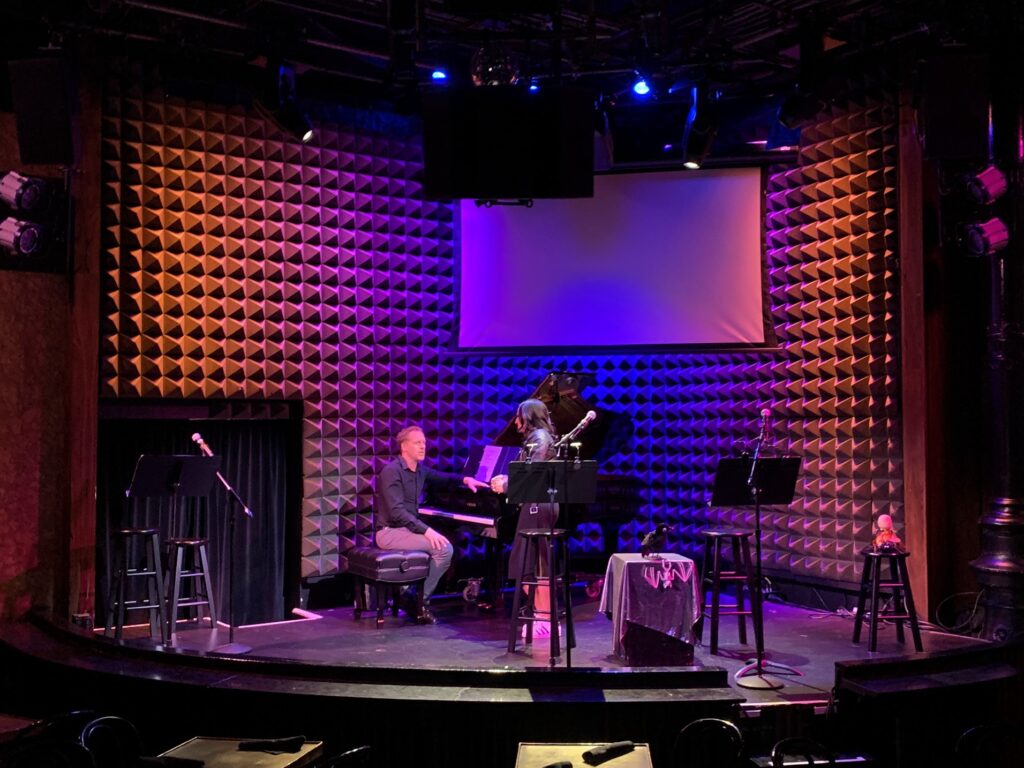
What a way to spend our 15th year of podcasting! You’ve helped make it another fantastic year. Over the past twelve months, we’ve released 24 brand new episodes and even went back to the live stage twice (at Caveat and Joe’s Pub).
And speaking of a Gilded good time, Tom spent a few weeks co-hosting The Official Gilded Age Podcast with Alicia Malone — who then came on the Bowery Boys in November to discuss the life of Marilyn Monroe.
A extra, extra special thank you to those who support us Patreon. We were able to produce these shows because of your support and encouragement. PLUS we just started up a new Patreon-only show called Side Streets.
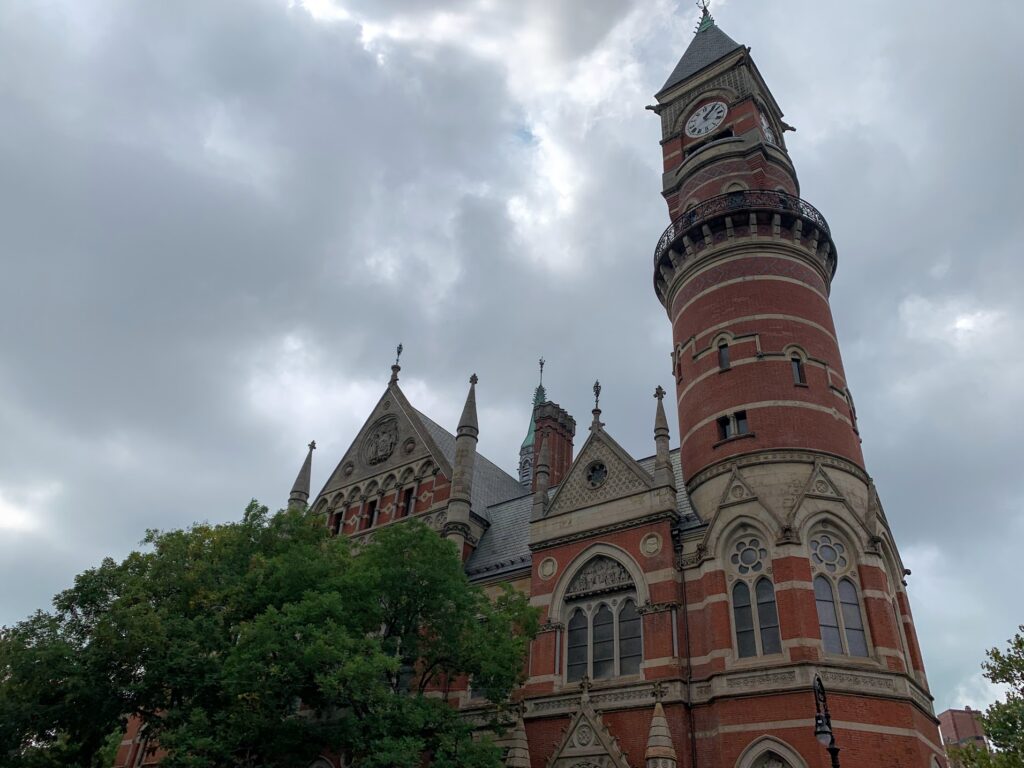
And thanks to guest Hugh Ryan, we saw Jefferson Market in a very different way with an exploration into the place known as the Women’s House of Detention.
But you especially loved the following ten shows — the most listened-to Bowery Boys episodes of 2022.
Looking forward to 2023 — we’ve got LOTS of surprises planned for January and February, plus a new upcoming mini-series for the spring.
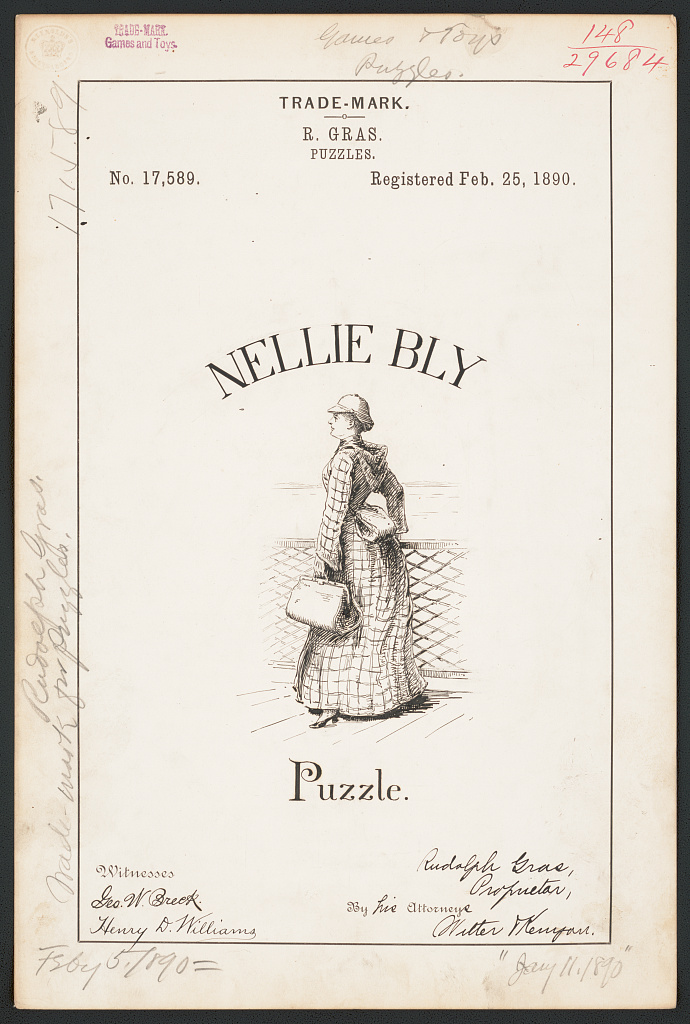
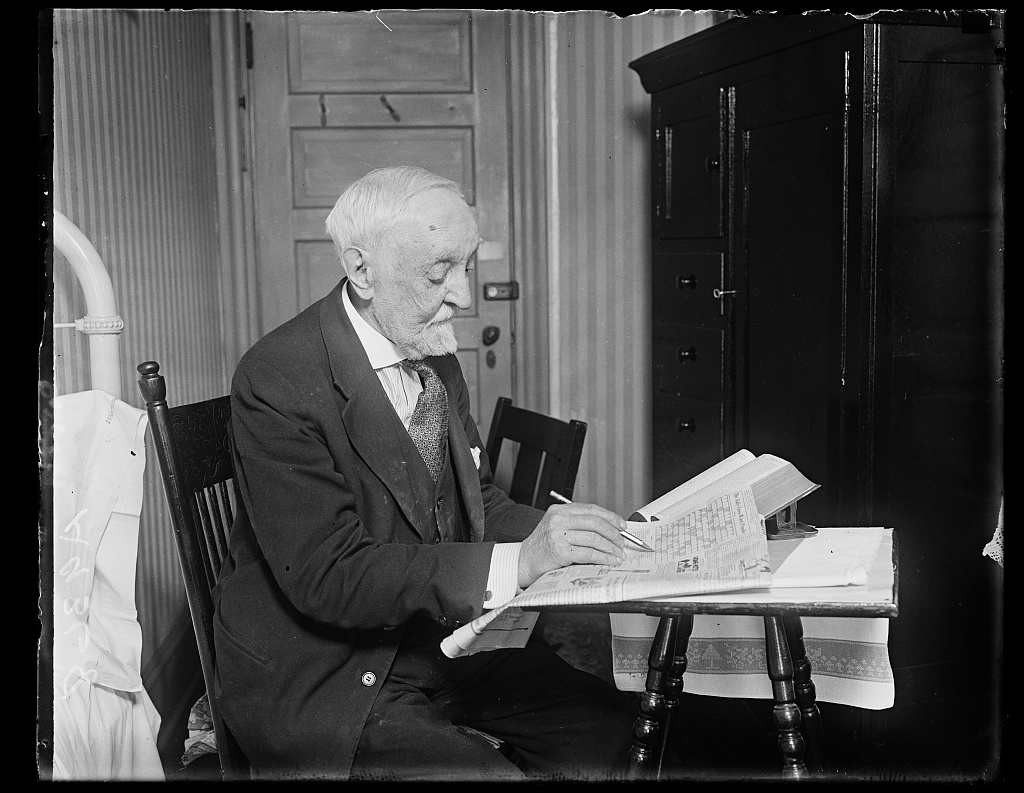
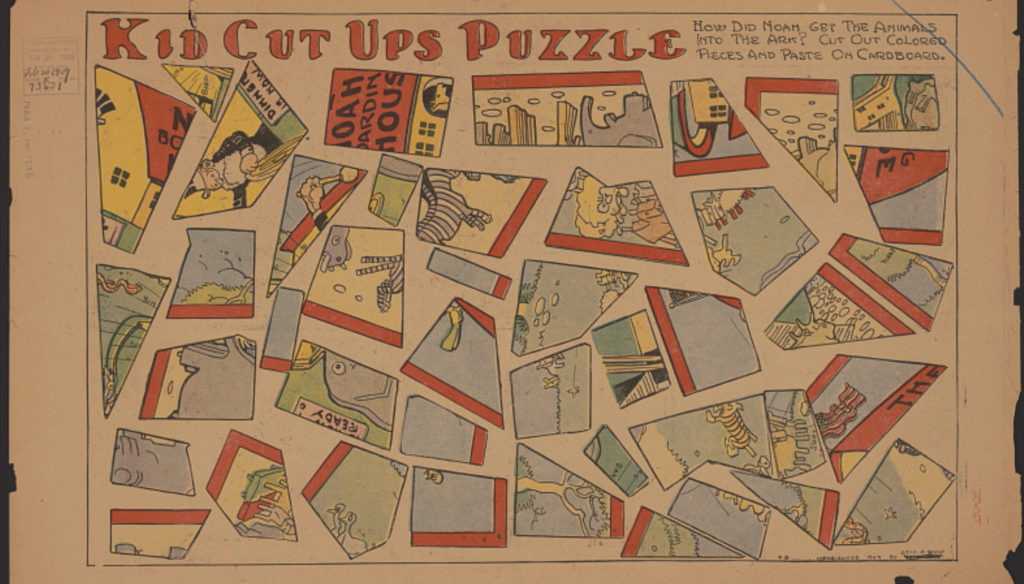
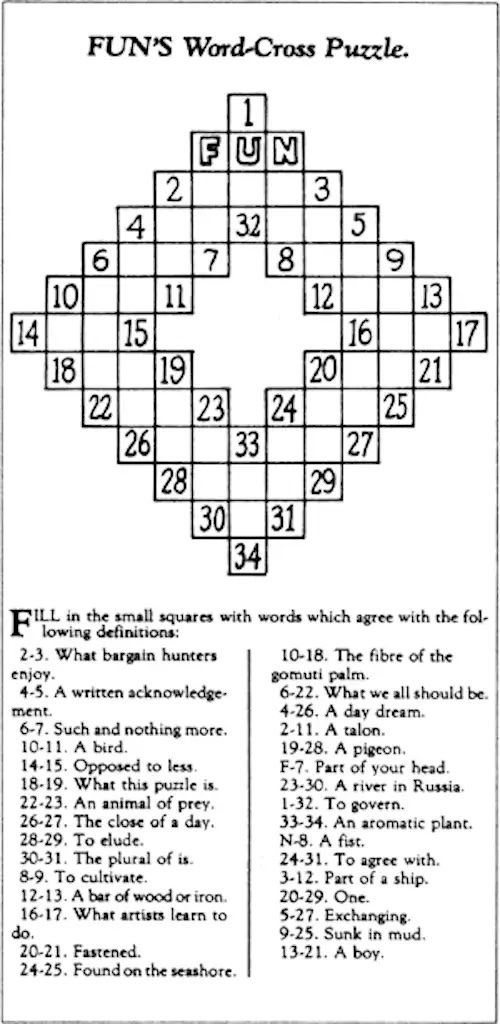
Crosswords, jigsaws, mazes, rebuses, Rubik’s cubes, Myst, Words With Friends — and now Wordle? Not only have people loved puzzles for centuries, they’ve actually gone wild for them. Every few years, a new puzzle comes along to captivate the nation.
But each of these little games has an extraordinary history and for this special show, we have the “the puzzler” himself to help us unravel these unique mysteries.
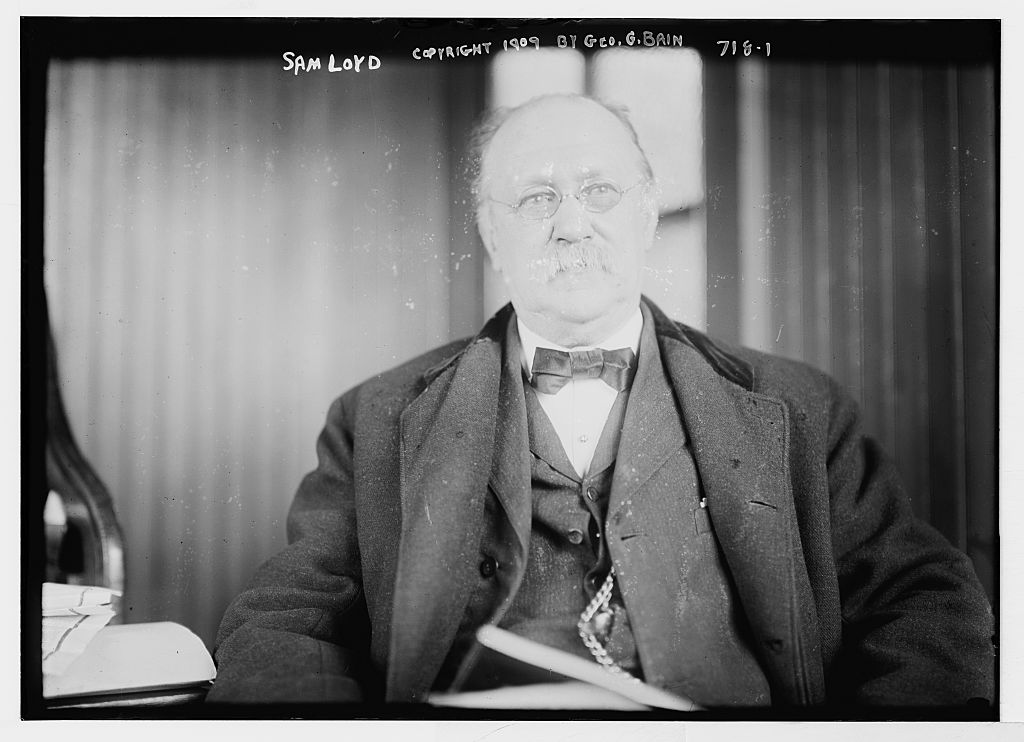
— Sam Loyd, the ultimate puzzle huckster — The utterly madcap Rebus Craze of 1937 — The Secretand the possible treasure buried underneath New York’s very streets — Stephen Sondheim‘s glorious contributions to the puzzling world
PLUS: A special New York City-themed anagram game!
LISTEN NOW — TALKING PUZZLES WITH A.J. JACOBS
Would you like to solve the Puzzler‘s secret puzzles? Find them here.
Bain News Service, Publisher. Sam Loyd. [No Date Recorded on Caption Card] Photograph. Courtesy Library of CongressTrademark listing for a Nellie Bly puzzle game, 1890Harris & Ewing, photographer. Old age versus the cross word puzzle. They don’t come too hard for Ambrose Hines… D.C., who just celebrated his one hundredth … “Bring on the hard ones,” says Mr. Hines. “I’ve … dictionaries, time and pencils necessary.” And he … too. [January or February] Photograph. Courtesy the Library of Congress. Kid cut ups puzzle, How did Noah get the animals into the ark? , 1909. Pittsburgh, Retrieved from the Library of Congress
The first crossword (or word-cross) puzzle, 1913, from the New York World.
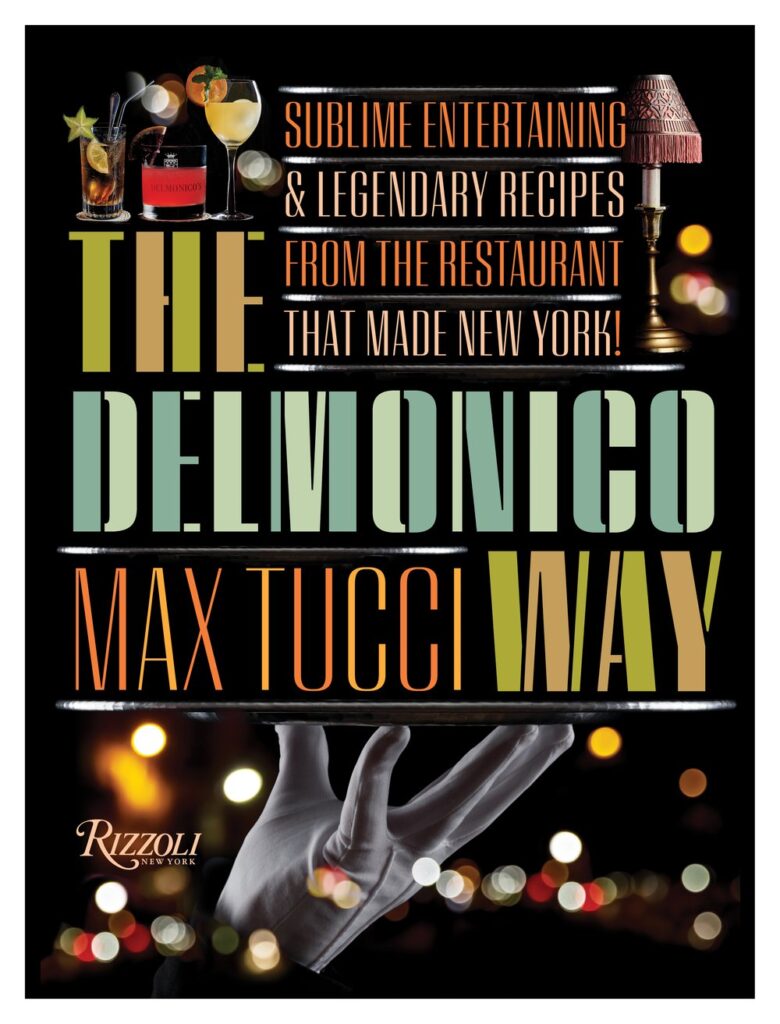
In celebration of his new book “The Delmonico Way: Sublime Entertaining and Legendary Recipes From The Restaurant That Made New York,” author Max Tucci joins The Gilded Gentleman for a talk about food, family history and the real meaning of hospitality.
Delmonico’s! Just the name was legendary. Edith Wharton mentioned it in her fiction set in the Gilded Age. The dining room hosted royalty and heads of state along with, in later years, Hollywood’s most famous stars. And then there was the equally legendary food.
Max Tucci is the grandson of Oscar Tucci who reopened the legendary restaurant in the 1920s after the original – in business since 1827 – had been closed due to Prohibition.
Oscar and his family built an empire that established Delmonico’s as the gold standard of American fine dining and hospitality from the 1920s through the 1980’s.
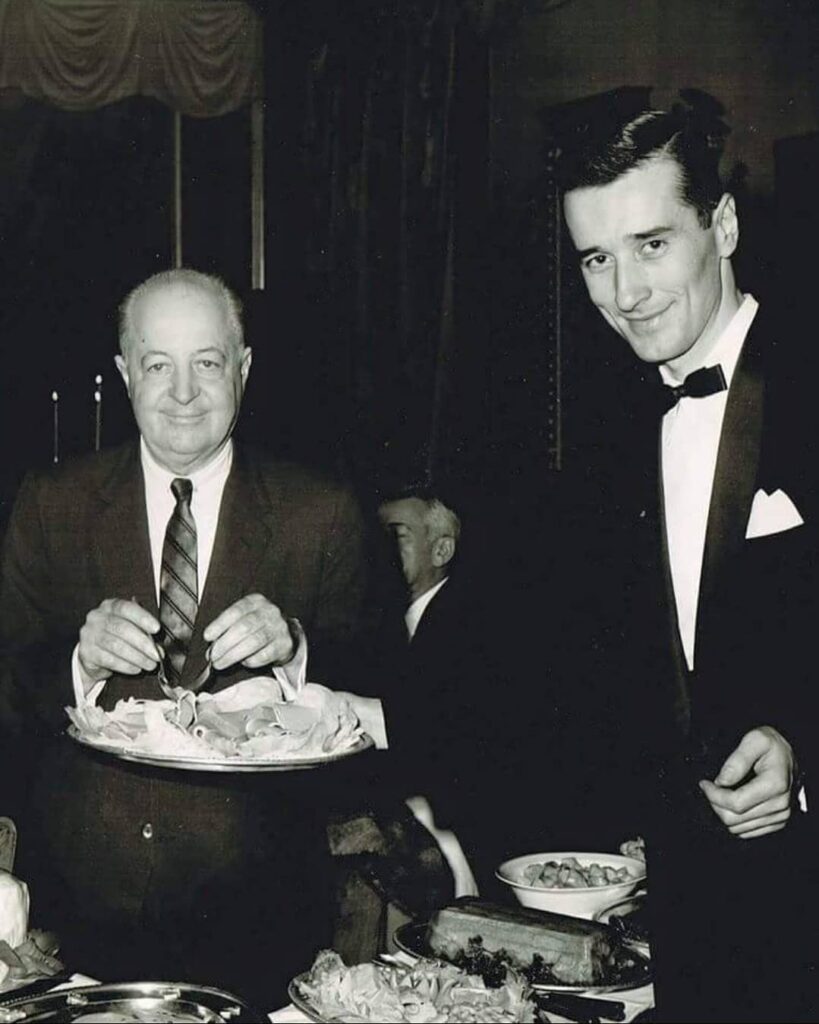
Oscar Tucci with another famed restaurateur, Sirio Maccioni of Le Cirque. Courtesy of Oscar’s Delmonico Facebook page
Max, who holds the largest collection of Delmonico’s memorabilia of his family’s famous establishment, shares his memories, family history and anecdotes about the incomparable hospitality, fine dishes and famous clientele of America’s first truly grand restaurant.
Mentioned on the show — the culinary genius behind these dramatic dishes was Delmonico’s celebrity chef — the Frenchman Charles Ranhofer — who guided their kitchens from 1862 to 1896.
Ranhofer left us with his extraordinary cookbook published at the height of the Gilded Age in the 1890’s, called The Epicurean, detailing the ingredients and preparations of Delmonico’s classic dishes.
Back in 2008 (!) the Bowery Boys did a podcast about the history of Delmonico’s. A little rudimentary but good background information for when you’ve finished with this show:
Everything you’ve ever wanted to know about one of the most mysterious alcoholic spirits in the world.
This week we’re running one of our favorite shows of the year from our spin-off podcast The Gilded Gentleman.
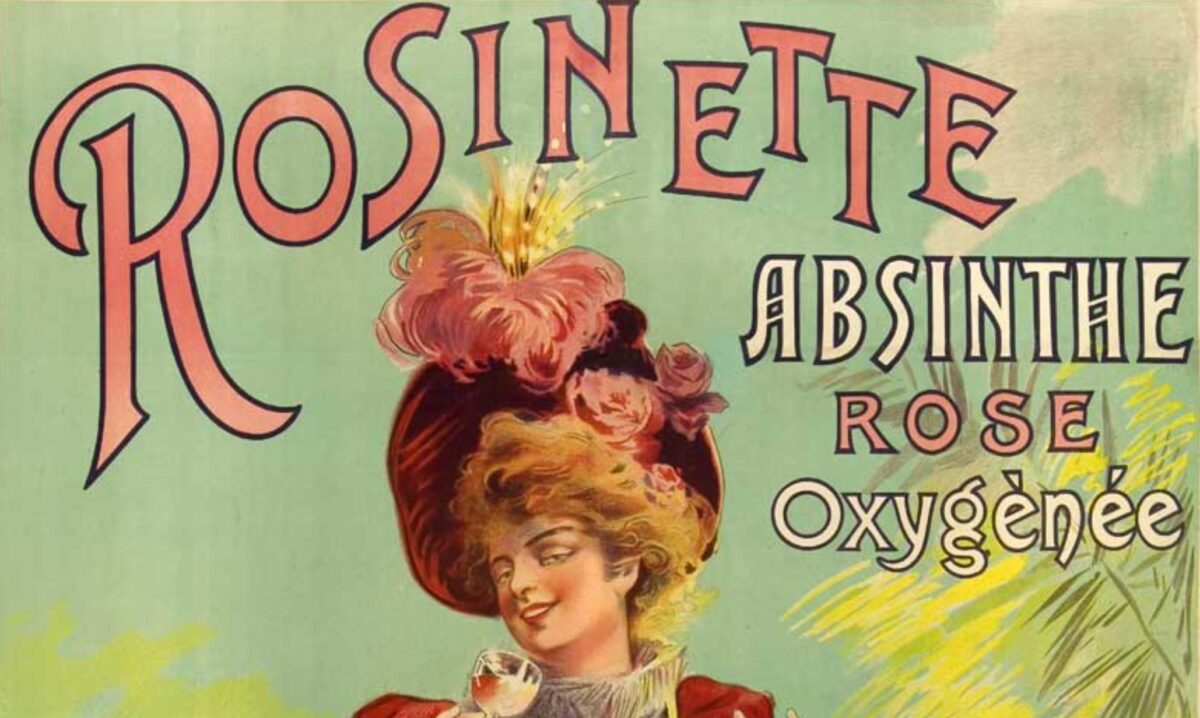
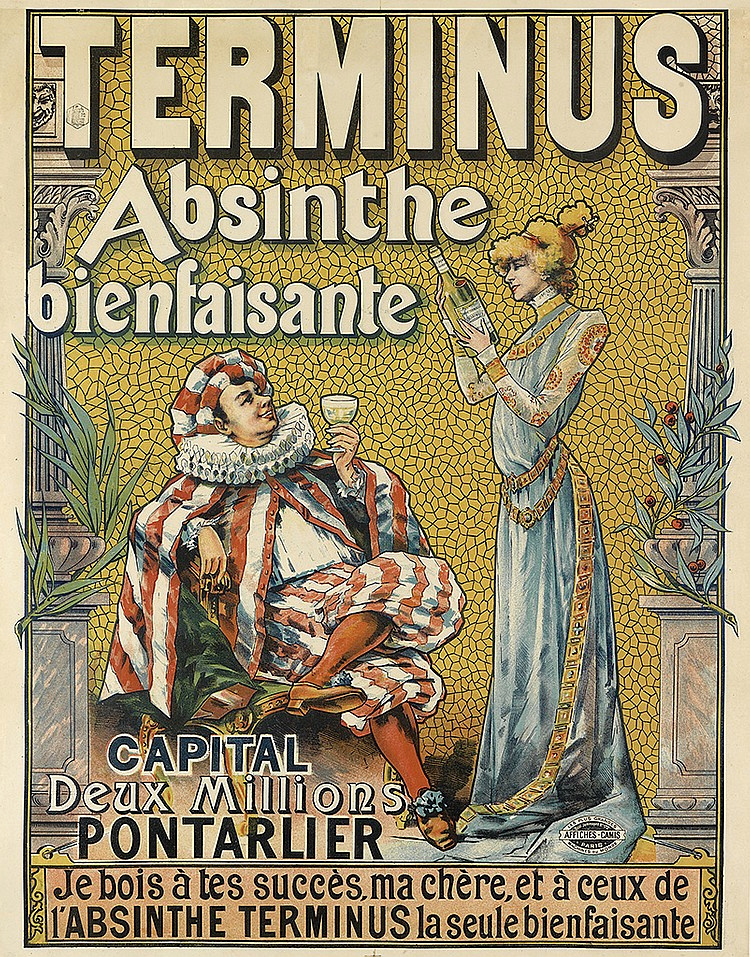
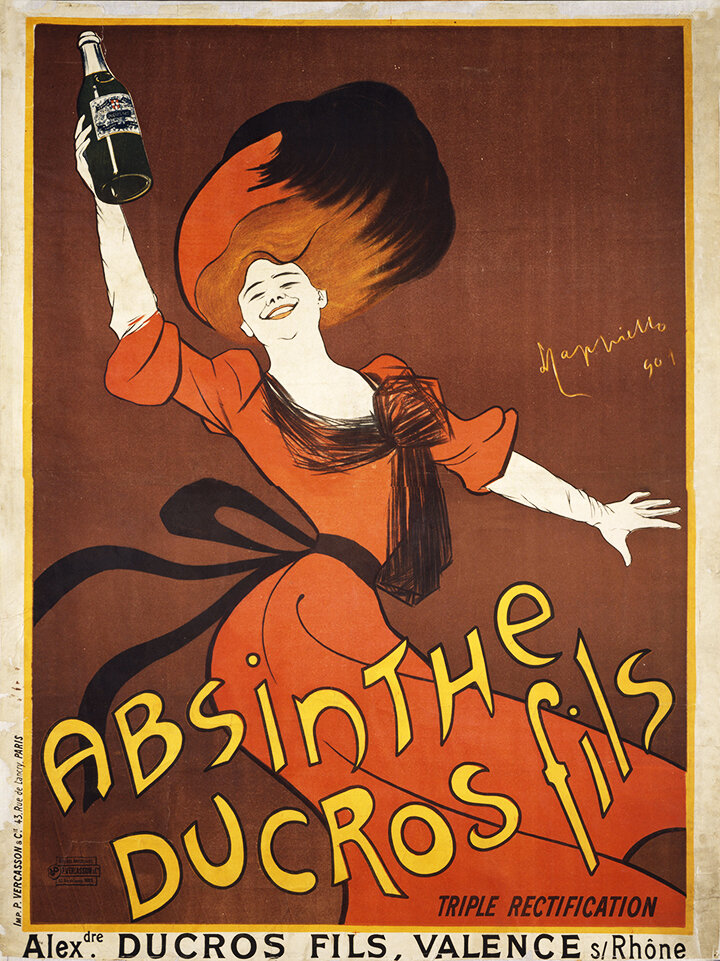
Absinthe was one of the most popular and most mysterious drinks that fueled Paris and London’s cafe society and artistic circles in the Belle Epoque and late Victorian and Edwardian worlds.
Artists and writers from Henri Toulouse-Lautrec to Marcel Proust and Oscar Wilde were proponents along with members of the upper classes as well as everyday workers.
Poster Absinthe Terminus by Tamagno, 1897
Myths sprang up that the elixir created dramatic hallucinations and even provoked ghastly crimes. And it was even banned throughout most of Europe and even in the United States by the early 20th century.
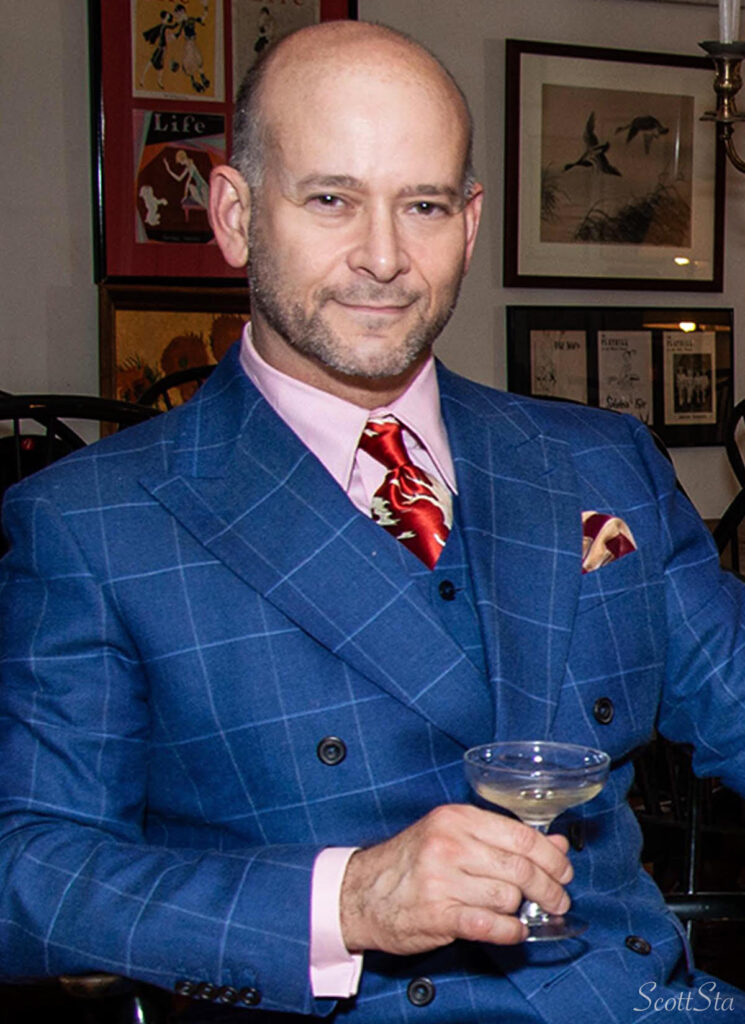
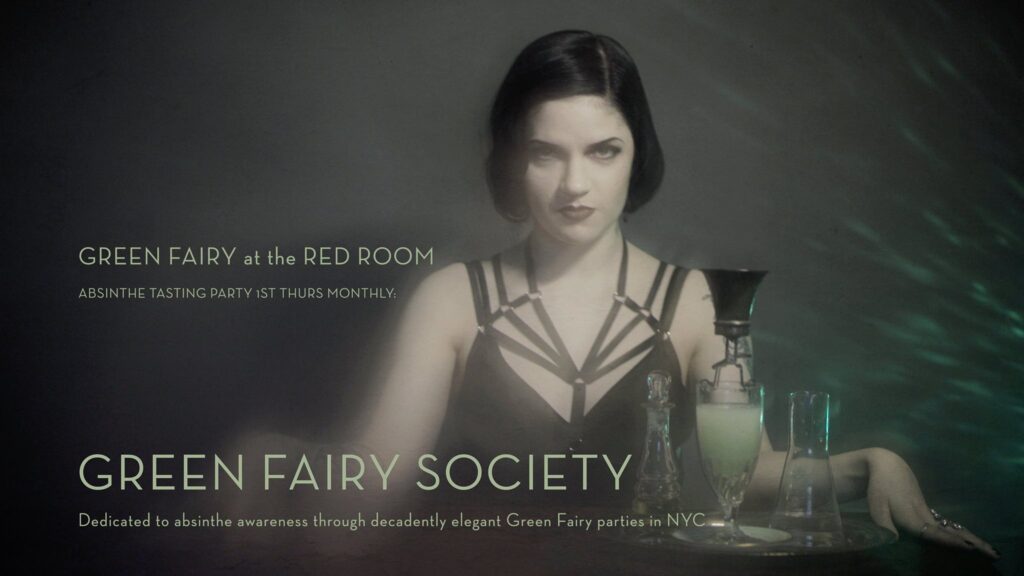
Join Carl and his guest Don Spiro, creator of New York’s Green Fairy Society to discuss and demystify the myths and legends of this most evocative of spirits.
PLUS: A great new absinthe cocktail recipe to make at home!
Don Spiro, creator of New York’s Green Fairy Society. For more information on upcoming events, find them on Instagram and on Facebook
And make sure you’re subscribed to The Gilded Gentleman so you don’t miss an episode!
The Gilded Gentleman Podcast is available wherever you listen to podcasts including Apple Podcasts, Spotify and Overcast
Whether you’re baking, wrapping presents or just staring in wonder at your Christmas tree decorations, take a break from the Christmas music and dive into these holiday themed podcasts from the Bowery Boys. Celebrating many aspects of New York City during the holiday season — from Rockefeller Center, Dyker Heights and beyond….
The Rockefeller Center Christmas tree has brought joy and sparkle to Midtown Manhattan since the early 1930s. The annual festivities may seem steady and timeless but this holiday icon actually has a surprisingly dramatic history.
There’s a special kind of magic to Christmas in New York City — from Rockefeller Centerto the fanciful holiday displays in department store windows.
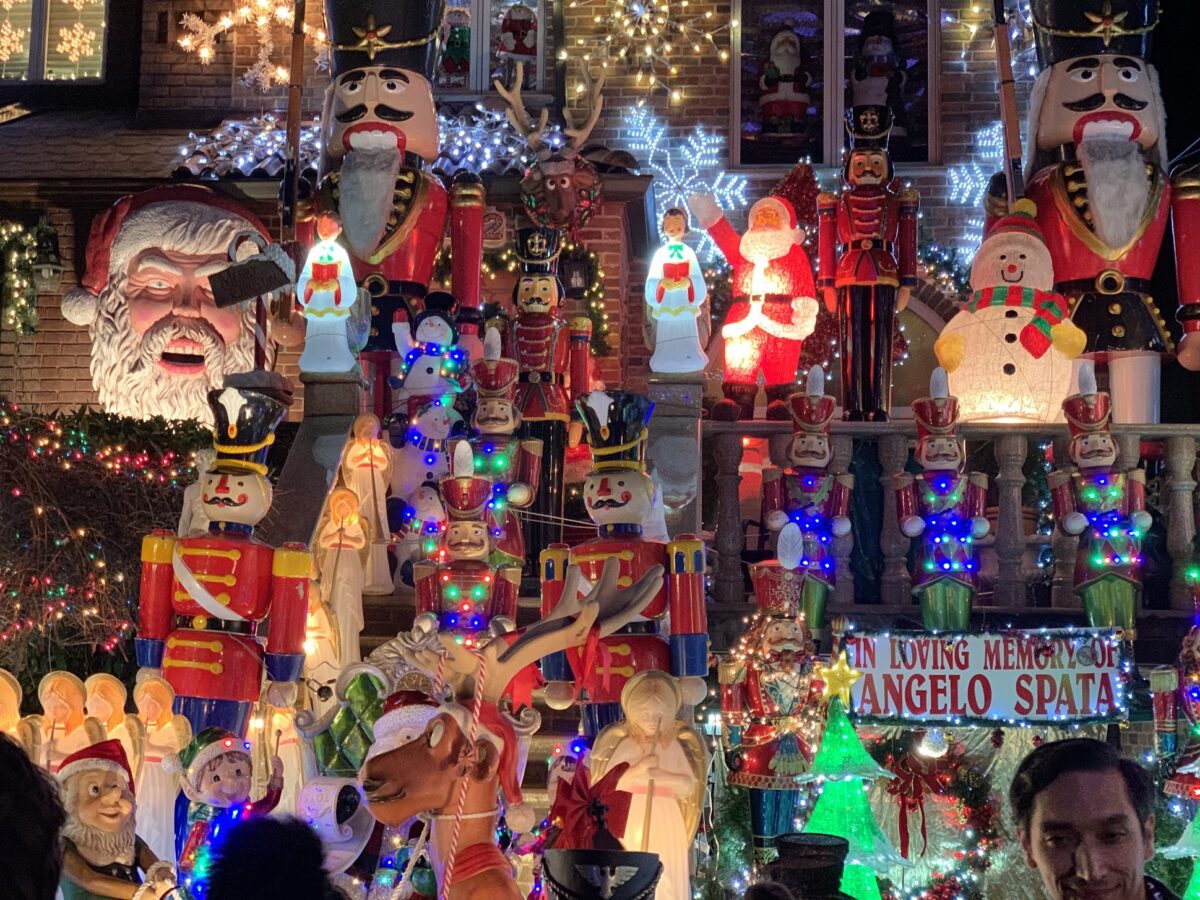
But in the past three decades, a new holiday tradition has grown in popularity and in a surprising quarter — the quiet residential neighborhood of Dyker Heights in Brooklyn which becomes Christmas Central for the borough.
The Rockettes are America’s best known dance troupe — and a staple of the holiday season — but you may not know the origin of this iconic New York City symbol. For one, they’re not even from the Big Apple!
Discover the place where Clement Clarke Moore wrote “A Visit to St. Nicholas/Twas the Night Before Christmas” and how his home gave rise to the neighborhood of Chelsea:
PLUS one for Hanukkah….
The Eldridge Street Synagogue is one of the most beautifully restored places in the United States, a testament to the value of preserving history when it seems all is lost to ruin.
… and New Year’s Eve! And the Chinese New Year.
The ultimate history of New Year’s celebrations in New York City — from Times Square to Chinatown.
And now add these shows from The Gilded Gentleman to the list:
A festive episode tracing the history of Christmas and holiday celebrations over 19th century New York City history, plus a very special look at Charles Dickens’s beloved work, “A Christmas Carol”.
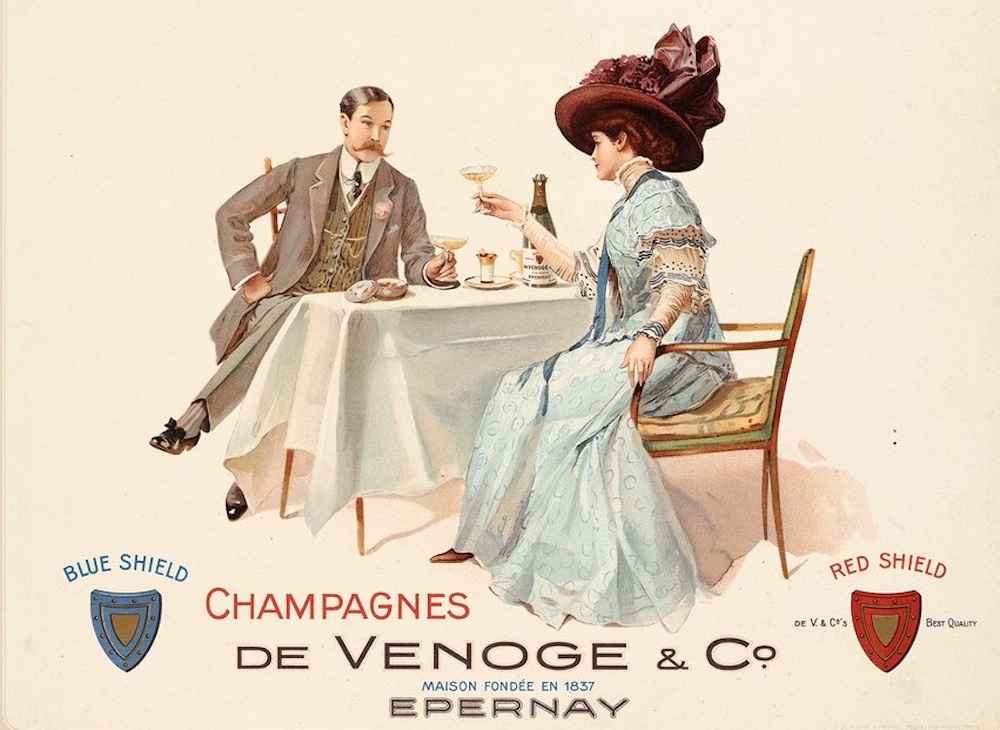
Carl and his vintage cocktail event curator Don Spiro take a look at the myths and magic of champagne, the world’s most elegant drink.
This year it’s going to be a very merry holiday season in the podcasting world — courtesyThe Gilded Gentleman, the Bowery Boys spin-off podcast hosted by Carl Raymond.
Through the month of December, The Gilded Gentleman will feature brand new, holiday-themed shows with special guests. These episodes are perfect for getting you in the seasonal spirit, whether you’re wrapping presents, baking cookies or just enjoying some eggnog or champagne (which, it turns out, is the subject of an entire show!)
So pull on a woolly sweater and join The Gilded Gentleman to launch the holiday season. Now available on your favorite podcast player.
Here’s a sneak preview of the entire festive month:
Christmas in Old New York and A Chat with Charles Dickens — OUT NOW
A special festive double episode tracing the history of Christmas and holiday celebrations over 19th-century New York City history and a very special look at Charles Dickens’ beloved A Christmas Carol.
Licensed New York City tour guide and speaker Jeff Dobbins joins Carl for a look at the city’s holiday traditions dating back to the early Dutch days of New Amsterdam up to the Gilded Age and the early 20th century.
And then Carl welcomes actor John Kevin Jones who has been performing an annual one-man adaptation of Charles Dickens’A Christmas Carol at the Merchant’s House Museum, now in its 10th season. Kevin discusses the origins of Dickens’ famous story and how he adapted it for the stage.
Tasting Stars: The Sparkling History of Champagne — December 13
Champagne is unquestionably the world’s most glamorous drink and has been used for centuries to celebrate everything from weddings and birthdays to royal coronations. But there’s so much more to understanding champagne than just enjoying the bubbles and the fizz.
Join Carl and guest Don Spiro as they discuss champagne history,
The Delmonico Way: A Conversation with Max Tucci — December 20
A very special episode in which Max Tucci, grandson of Oscar Tucci who owned Delmonico’s from the 1920’s through the 1970’s, discusses food, family and history of his family’s iconic New York institution.
And start your 2023 right with an extra-special show arriving in the new year:
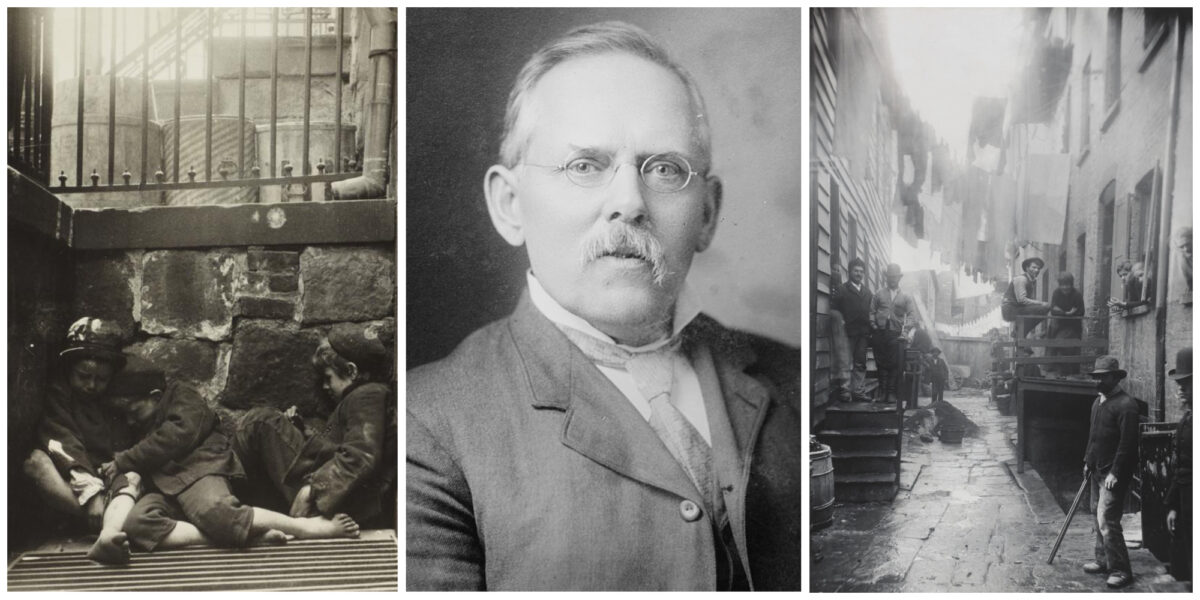
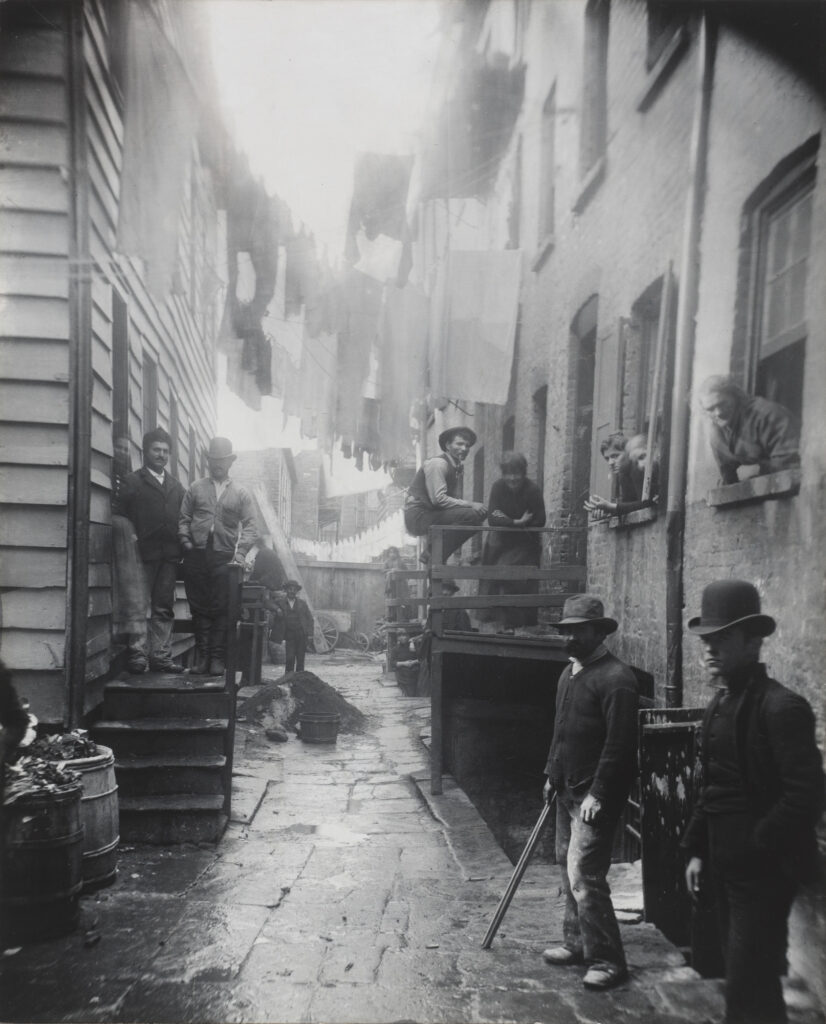
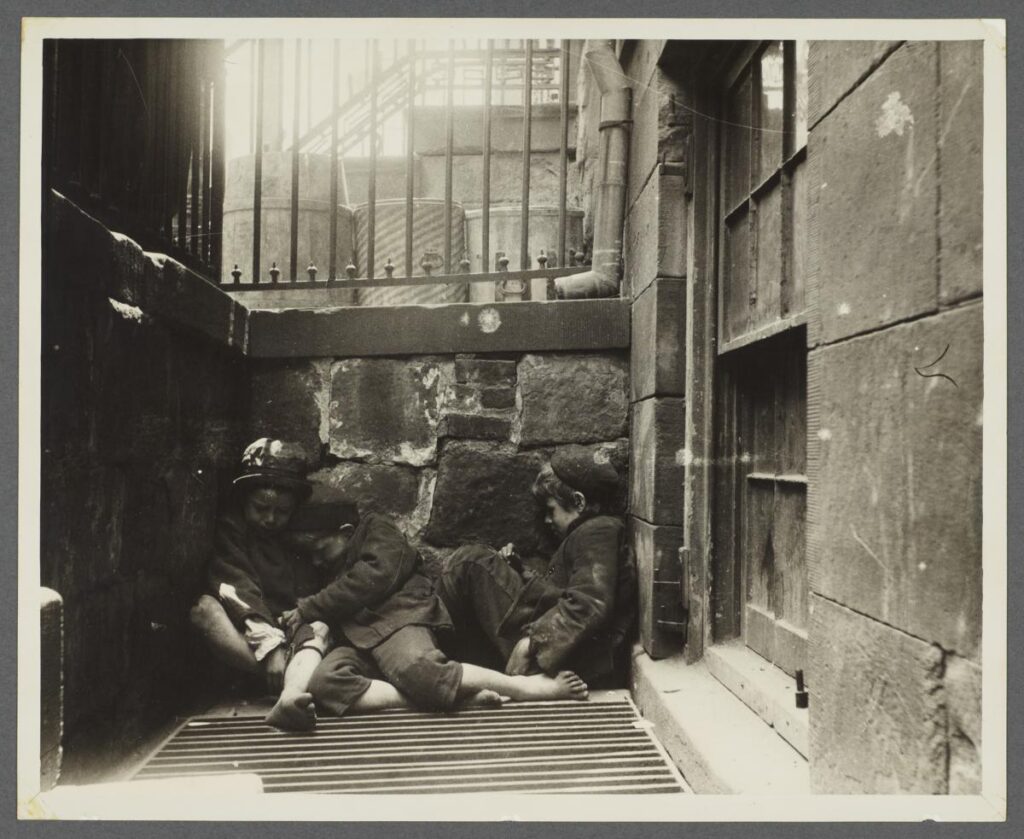
In 1890 the Danish-American journalist Jacob Riis turned his eye-opening reporting and lecture series into a ground-breaking book called How The Other Half Lives, a best seller which awoke Americans to the plight of the poor and laid the groundwork for the Progressive Era.
Bandits Roost, taken by Jacob Riis (and associates, 1888
Riis exposed more than a humanitarian crisis. He laid bare the city’s complacent Gilded Age divide in revolutionary ways, most notably with the use of a new tool — documentary photography.
For our 400th episode, following our tradition of exploring the legacies of urban planners in past centennial shows (#100 Robert Moses, #200Jane Jacobs, #300Andrew Haswell Green), we finally look at the life of the crusading police reporter and social reformer who forced upper and middle class New Yorker to examine the living conditions within the city’s poorest neighborhoods.
Riis was himself an immigrant who spent his first years in the United States drifting from place to place, living on the street, his only companion a faithful dog. Journalism quite literally saved Riis, providing him with both a stable living and a purpose, especially after he became a police reporter for the New York Tribune in 1877.
But it was his fascination with visual media — magic lantern shows and later flash photography — which set him apart from other crusading writers of the period like Nellie Bly (who we only wish had a camera with her!)
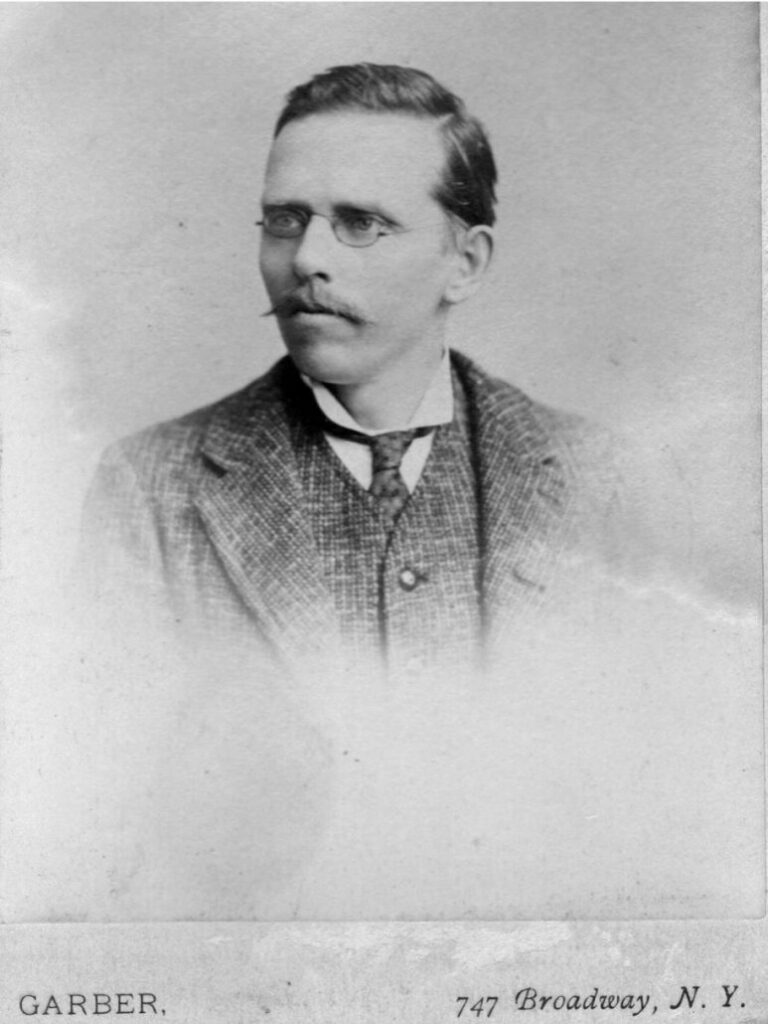
Portrait of Jacob A. Riis, David Garber Photos, Broadway
Jacob Riis’ culminating work How The Other Half Lives made him one of America’s most famous writers — his friend Theodore Roosevelt called Riss “the model American citizen” — but the book has an imperfect legacy today, with Riis’ broad characterizations of the people he was writing about undercutting the book’s noble purposes.
LISTEN NOW: JACOB RIIS AND ‘THE OTHER HALF’ OF GILDED AGE NEW YORK
FURTHER READING
The Battle with the Slum / Jacob Riis The Children of the Poor / Jacob Riis How The Other Half Lives / Jacob Riis The Making Of An American / Jacob Riis
The Other Half: The Life of Jacob Riis and the World of Immigrant America / Tom Buk-Swienty Jacob A. Riis and the American City / James B. Lane Jacob Riis: Reporter and Reformer / Janet B. Pascal Rediscovering Jacob Riis: Exposure Journalism and Photography in Turn-of-the-Century New York / Bonnie Yochelson and Daniel Czitrom