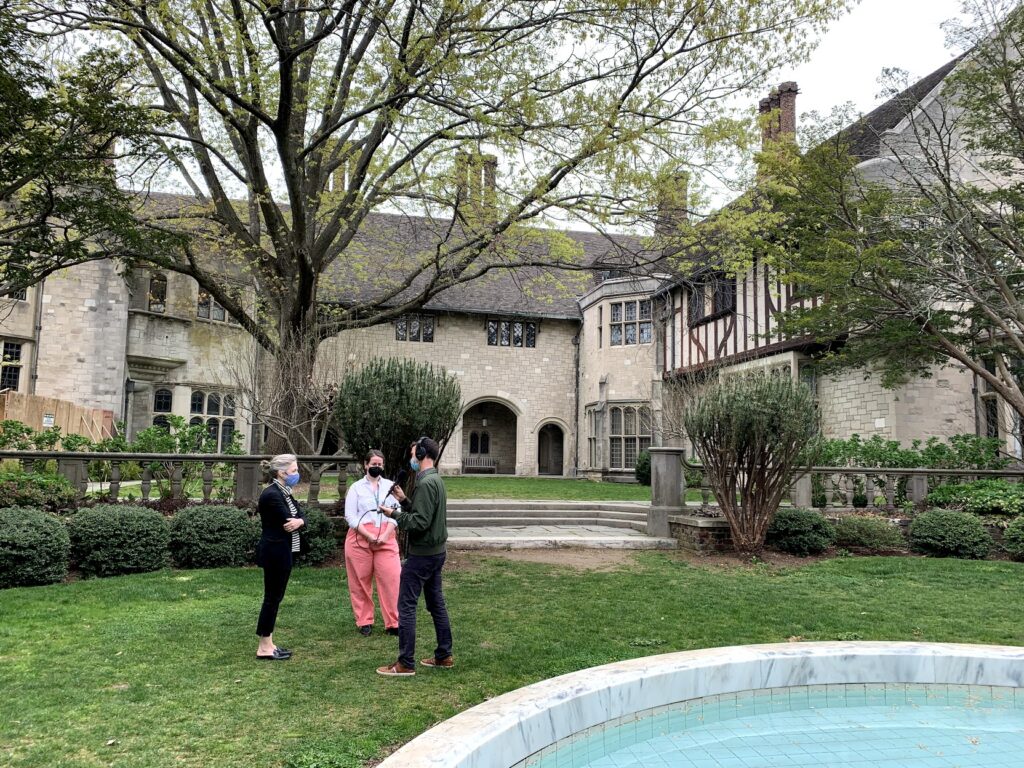
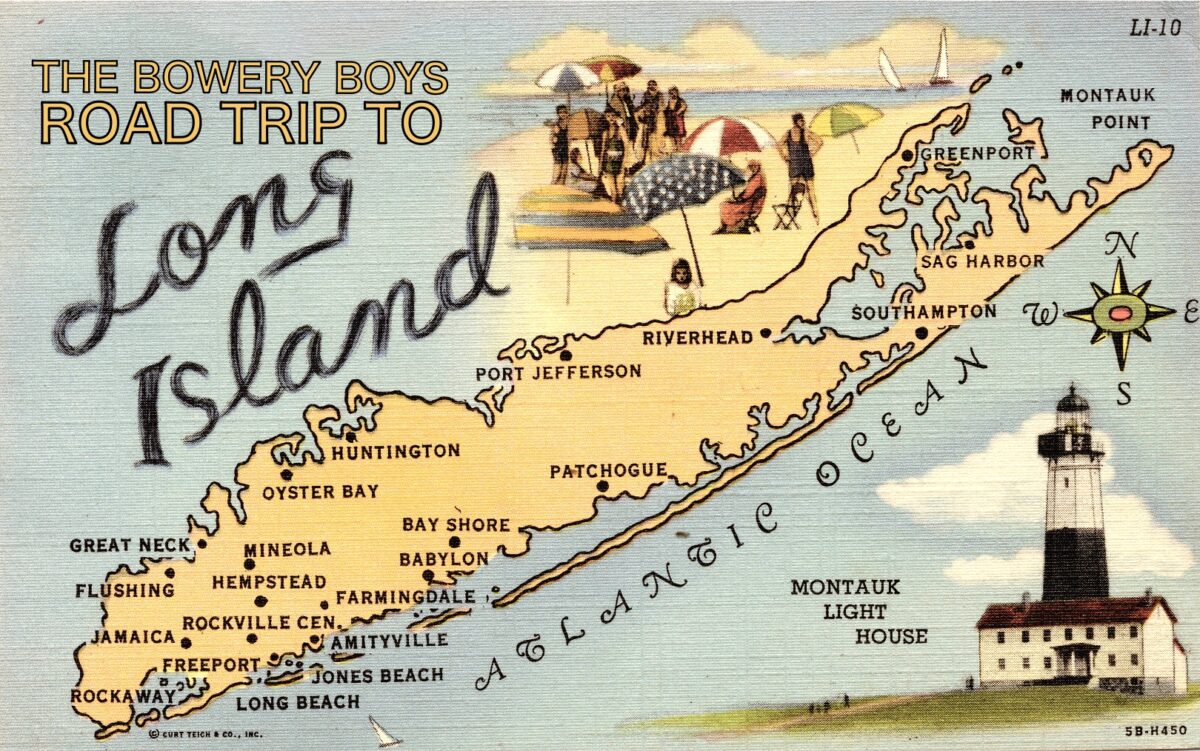
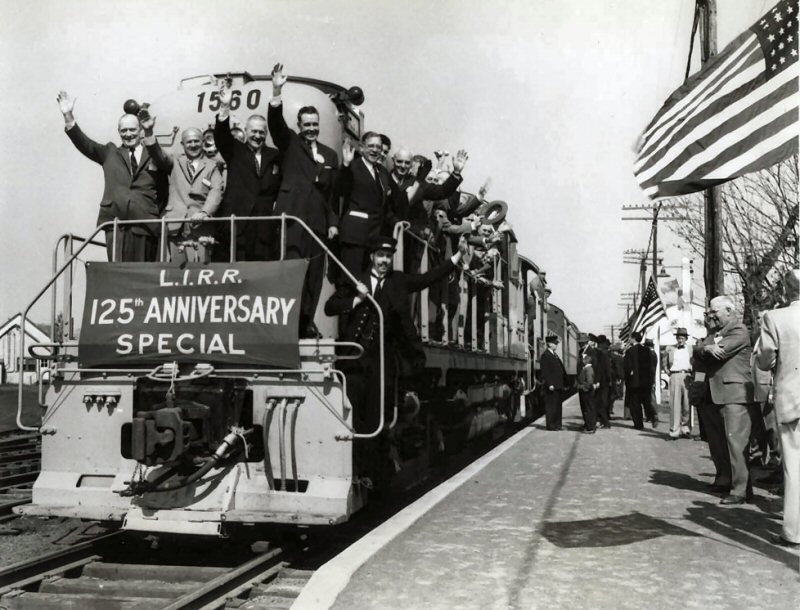
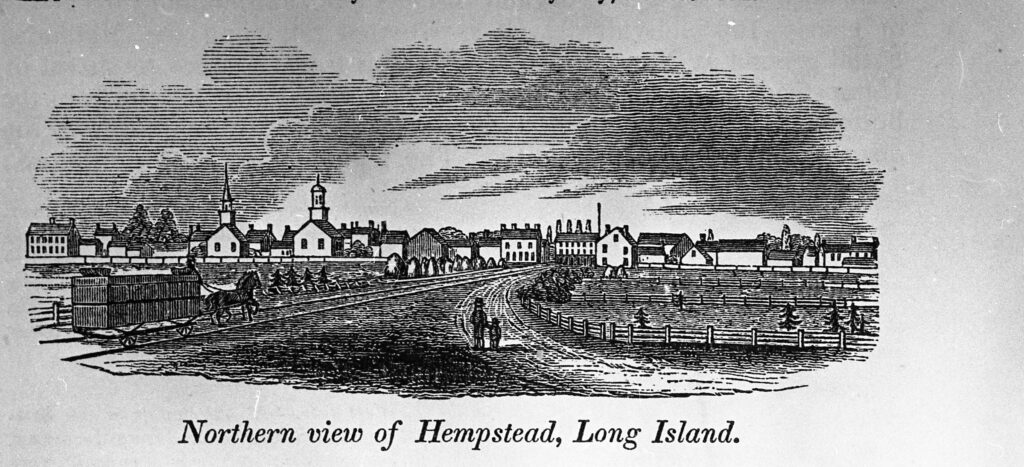
The Bowery Boys Podcast’s new mini-series Road Trip to Long Island featuring tales of historic sites outside of New York City.
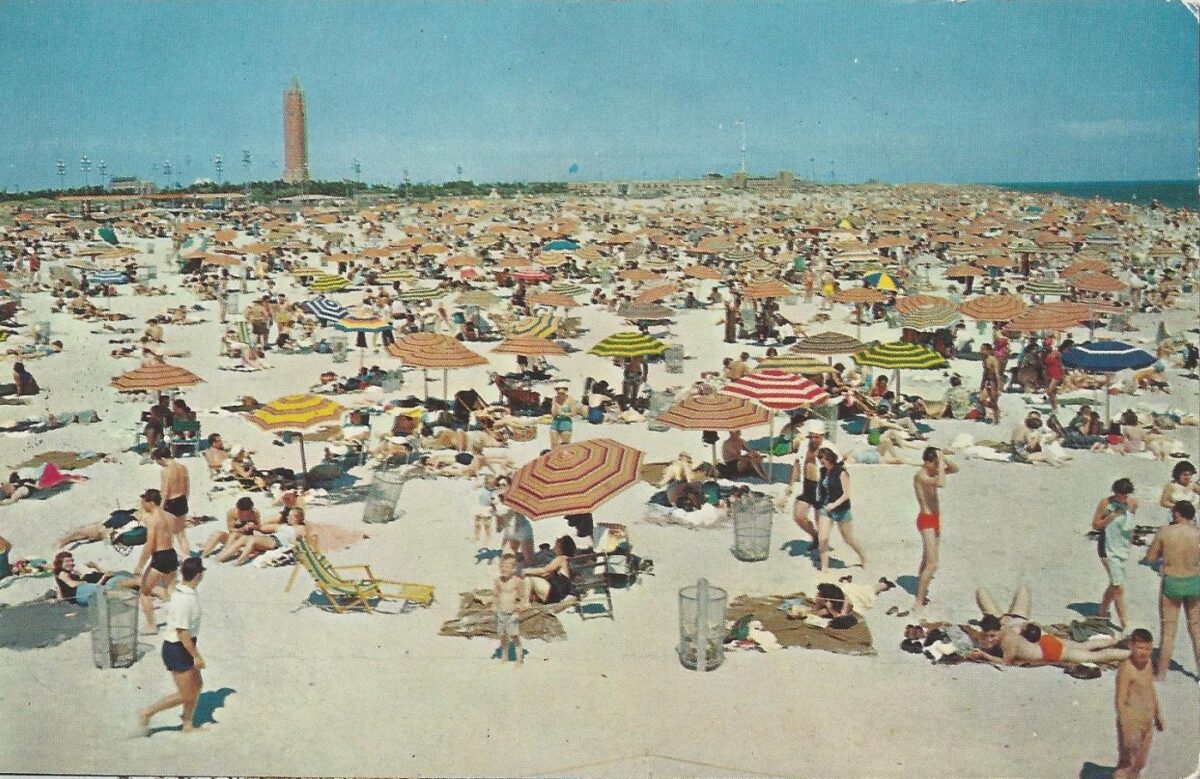
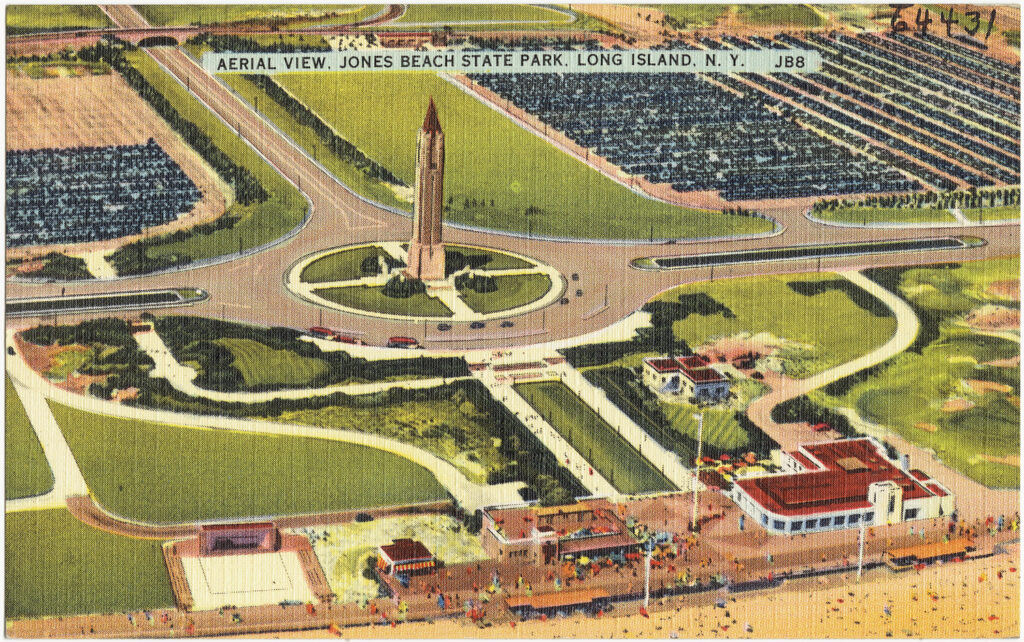
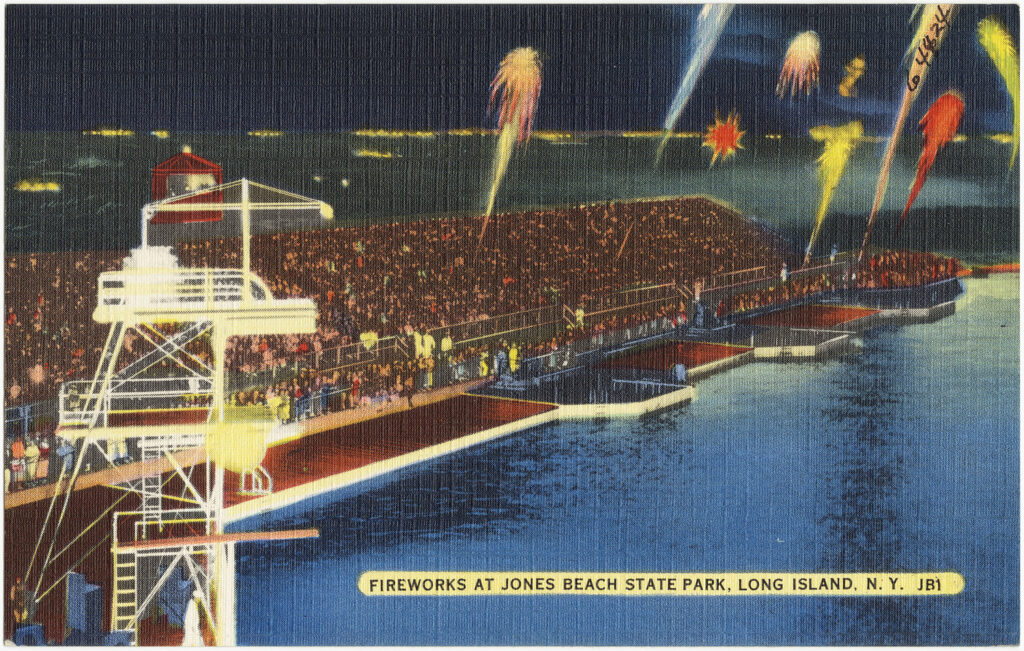
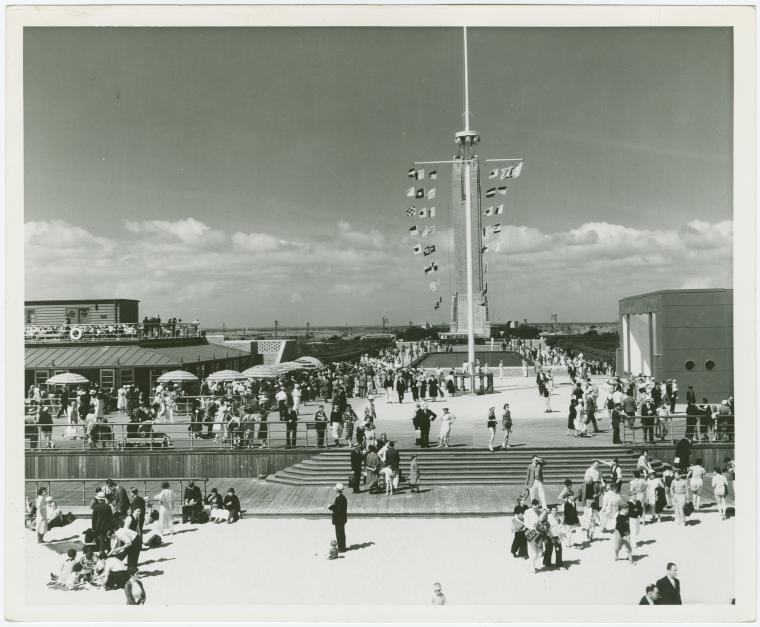
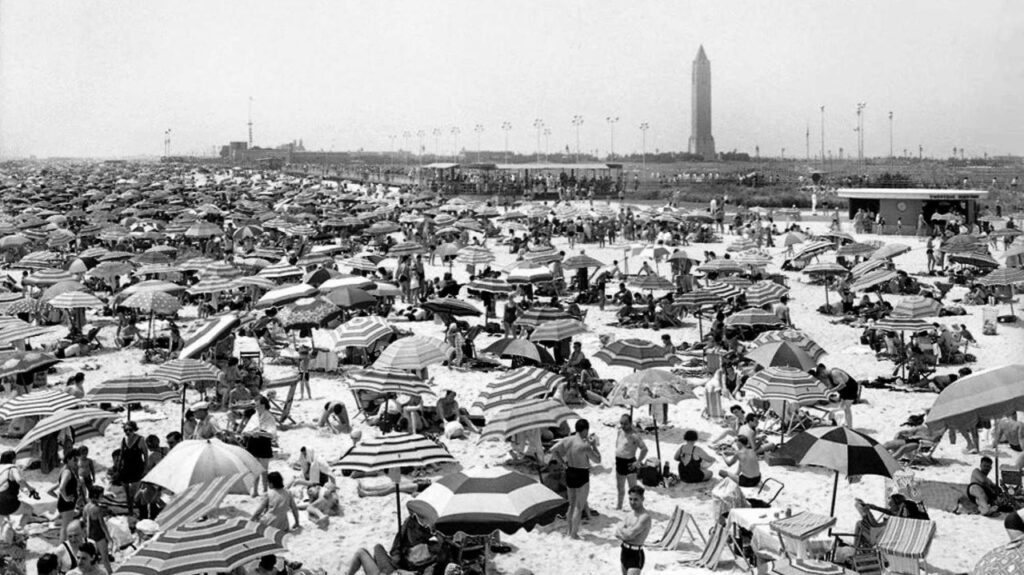
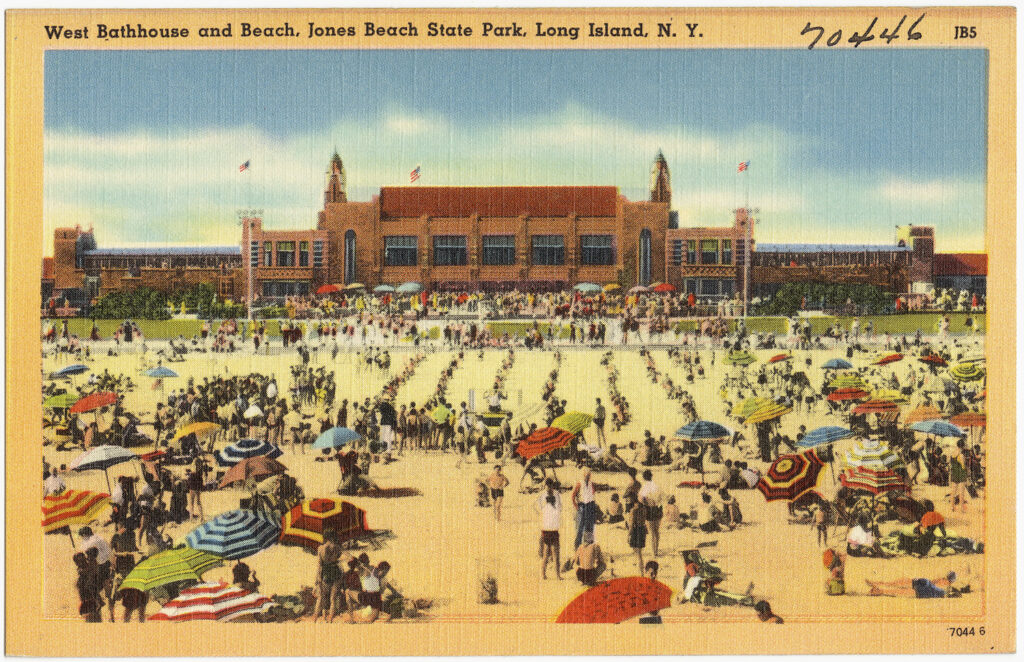
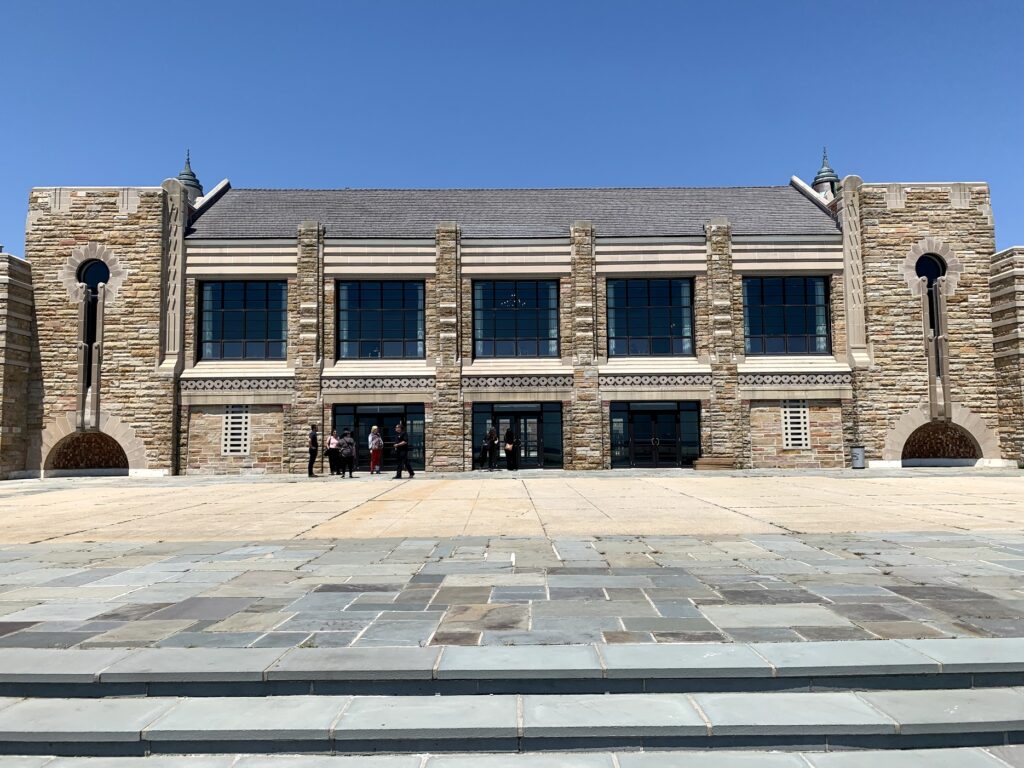
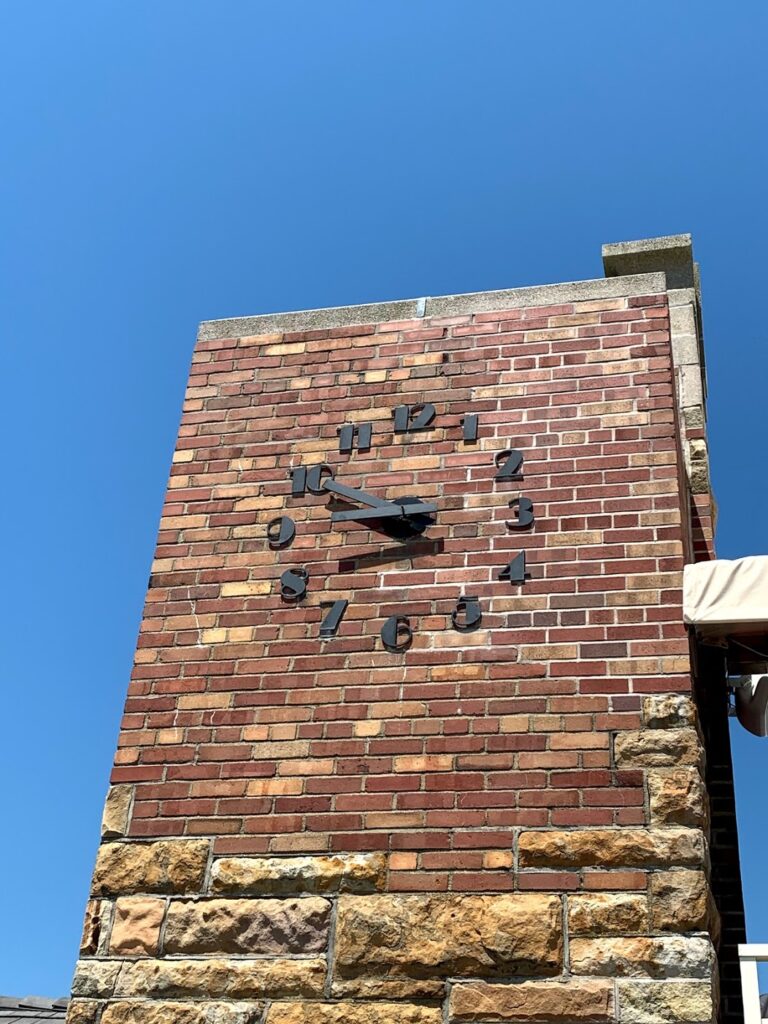
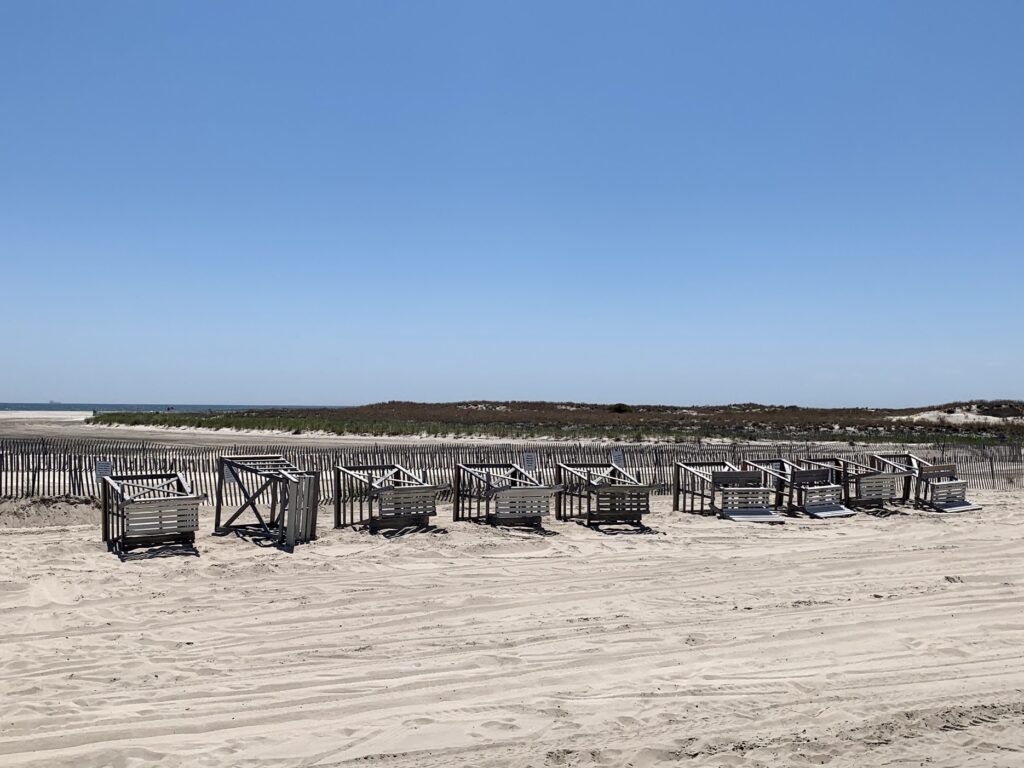
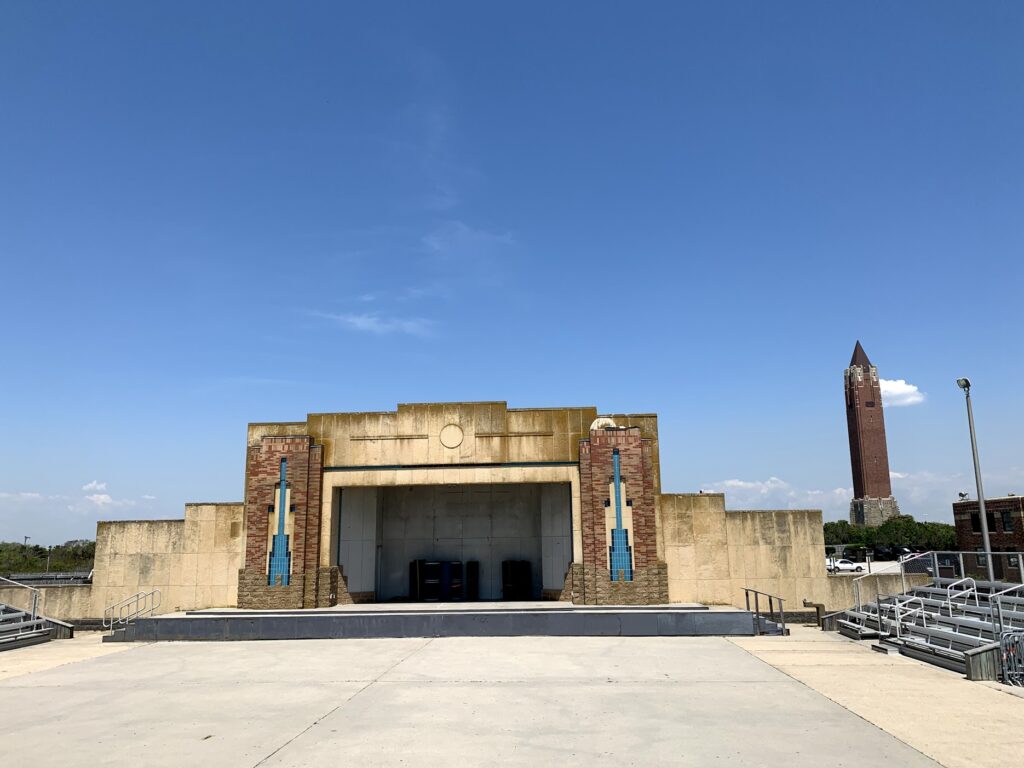
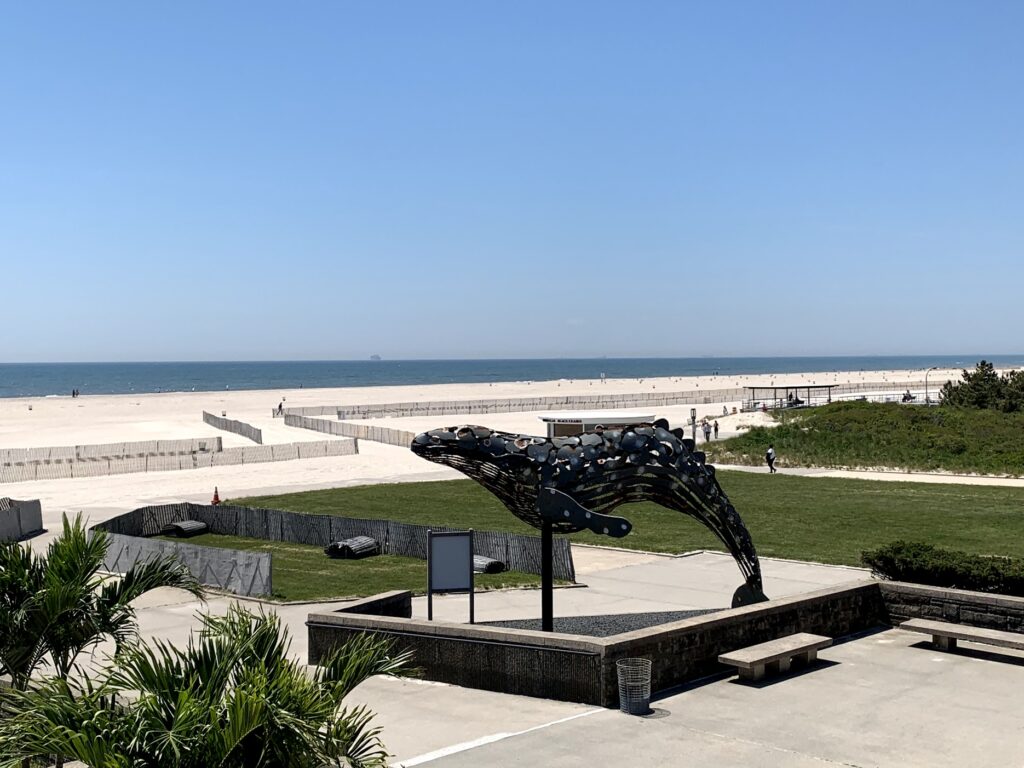
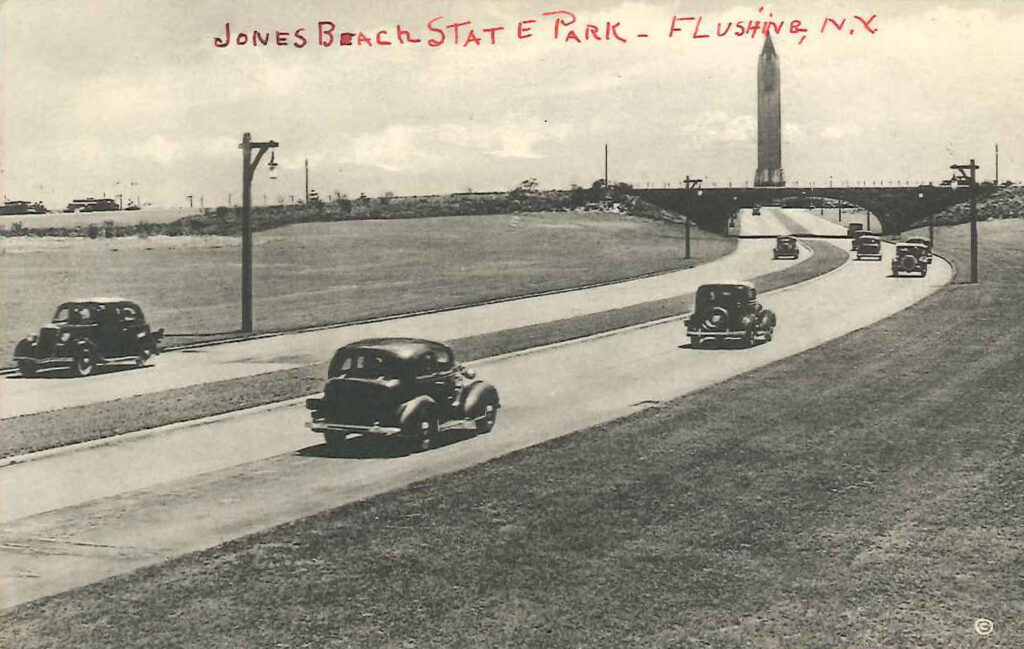
In the next leg of our journey, we visit Jones Beach State Park, the popular beach paradise created by Robert Moseson Long Island’s South Shore.
Well before he transformed New York City with expressways and bridges, Robert Moses was an idealistic public servant working for new governor Al Smith.
In 1924 he became president of the Long Island State Parks Commission, tasked with creating new state parks for public enjoyment and the preservation of the region’s natural beauty.
But preserving, in the mind of Moses, often meant radical reinvention. The new Jones Beach State Park featured glamorous bathhouses, proper athletic recreations (no rollercoasters here!), an endless boardwalk and even new sand, anchored to the coast with newly grown beach grass.
Sometimes called ‘the American Riviera’, Jones Beach made Moses’ reputation and became one of the most popular beachfronts on the East Coast. But more than that, Moses and the Jones Beach project transformed the fate of Long Island’s highways (or should we say parkways).
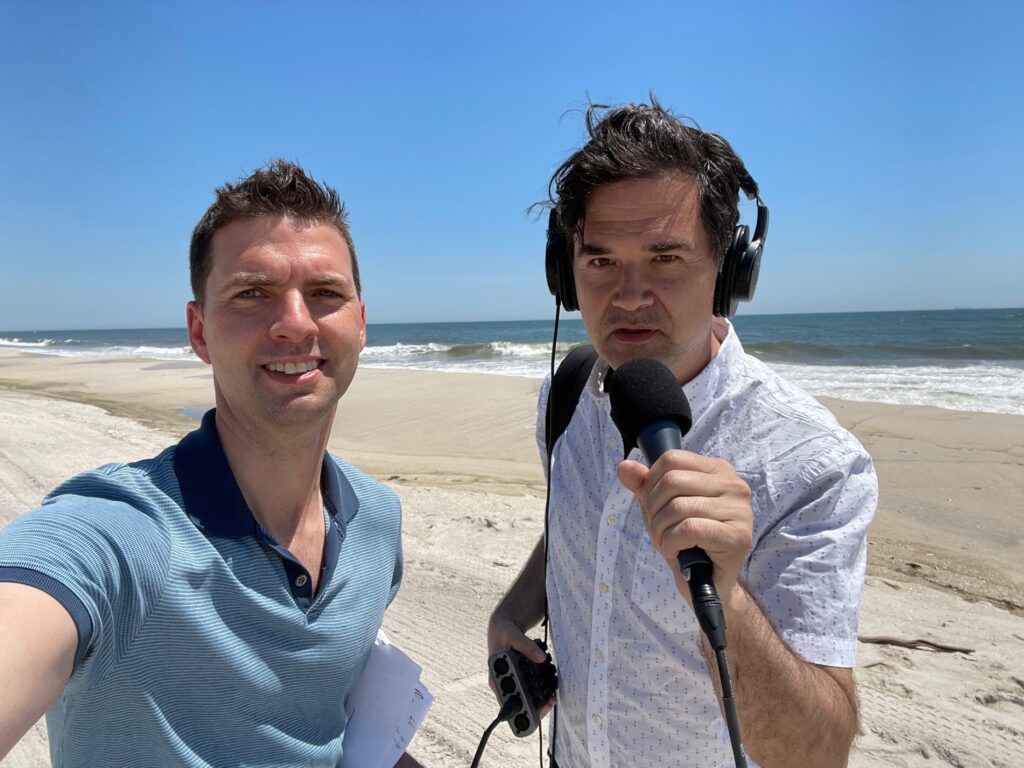
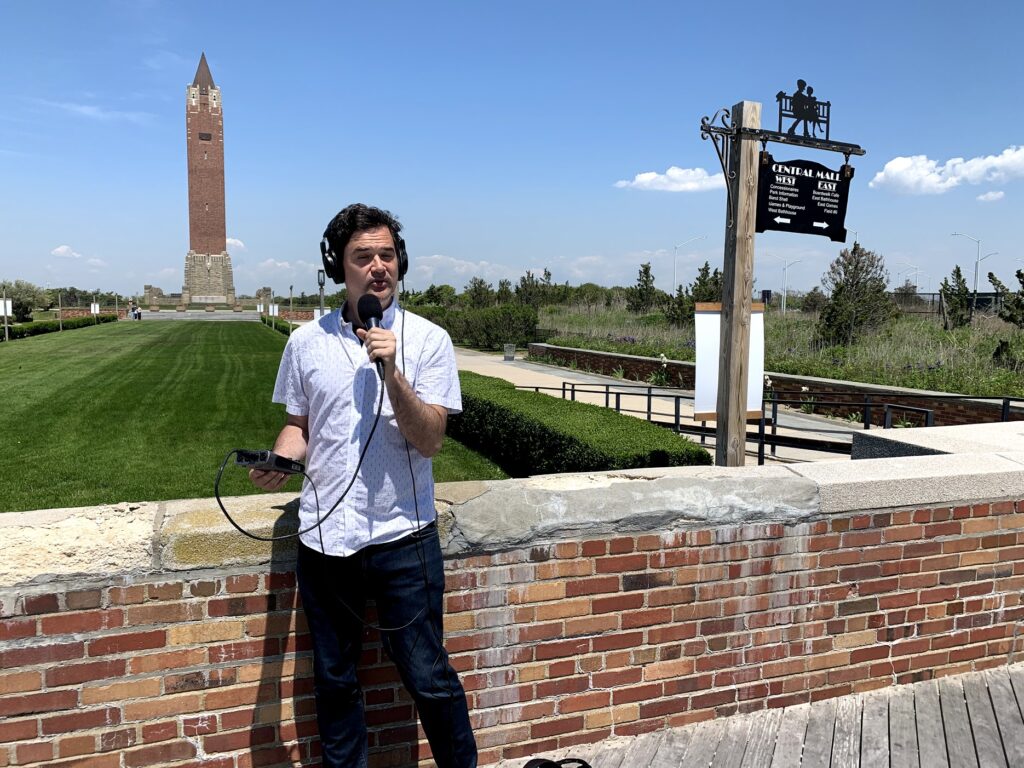
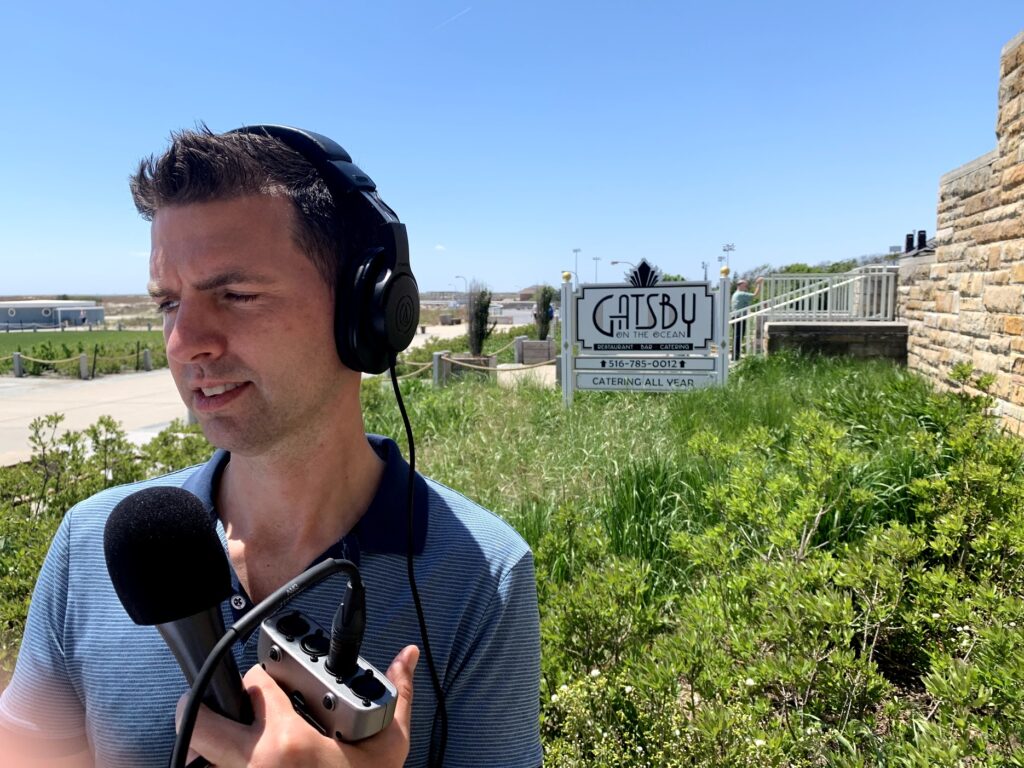
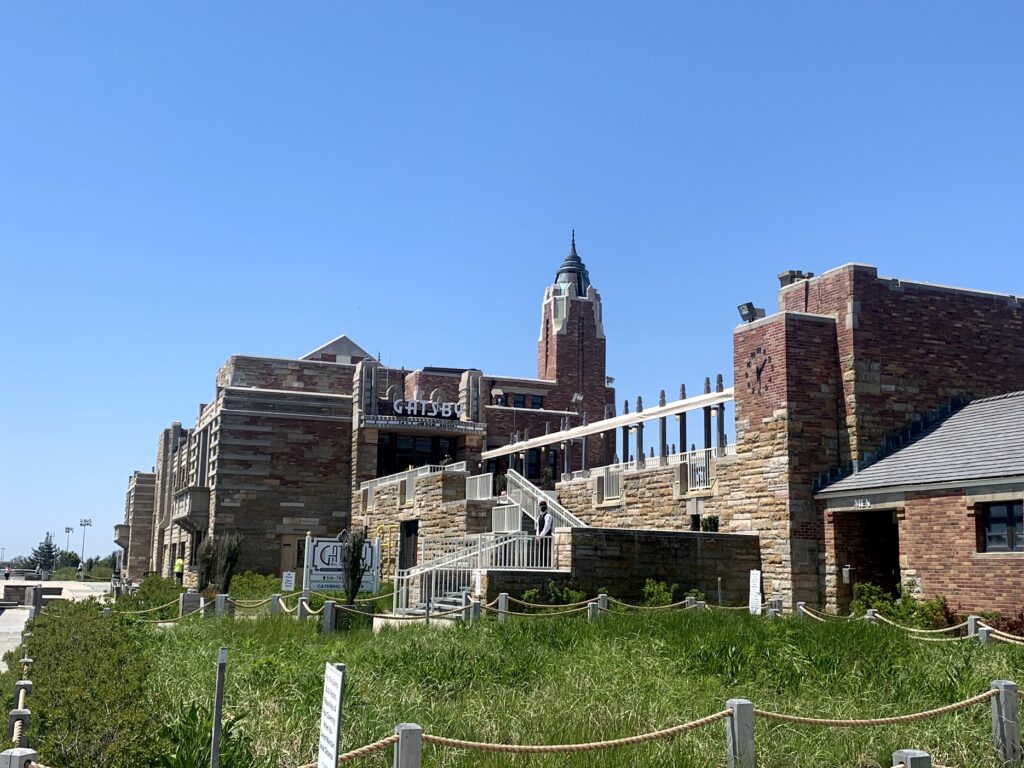
PLUS: Greg and Tom hit the road to give you a tour of Jones Beach up close — from one end of the boardwalk to the other!
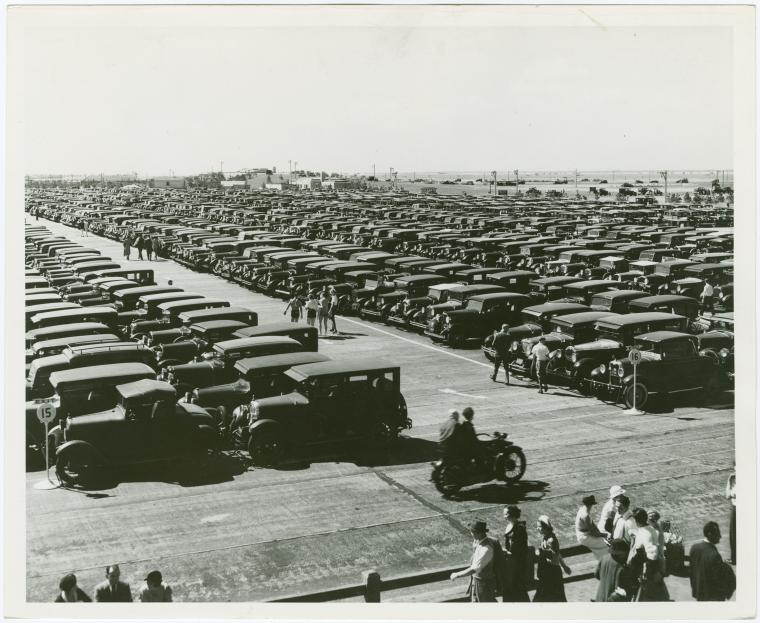
AND Those controversial overpass bridges of Southern State Parkway. Did Moses develop them with low overhead clearance to prevent buses (i.e. transportation for low income families) from coming to Jones Beach?
Listen Now: The Sunny Saga of Jones Beach
Library of CongressLibrary of Congress
FURTHER LISTENING:
After listening to this show on the history of Jones Beach, check out these shows with similar themes and historical figures:
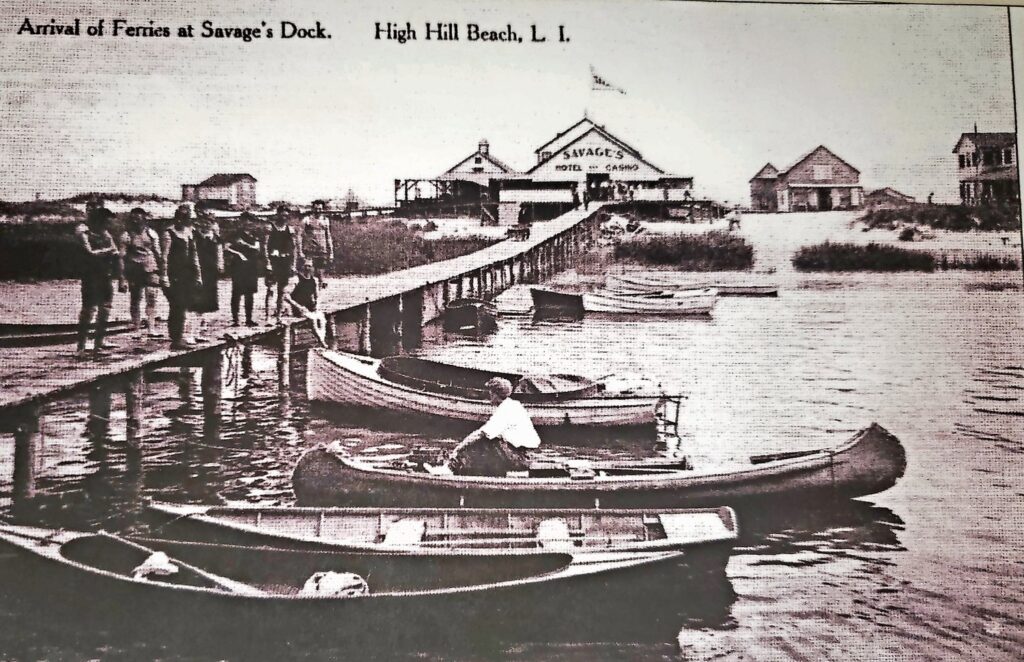
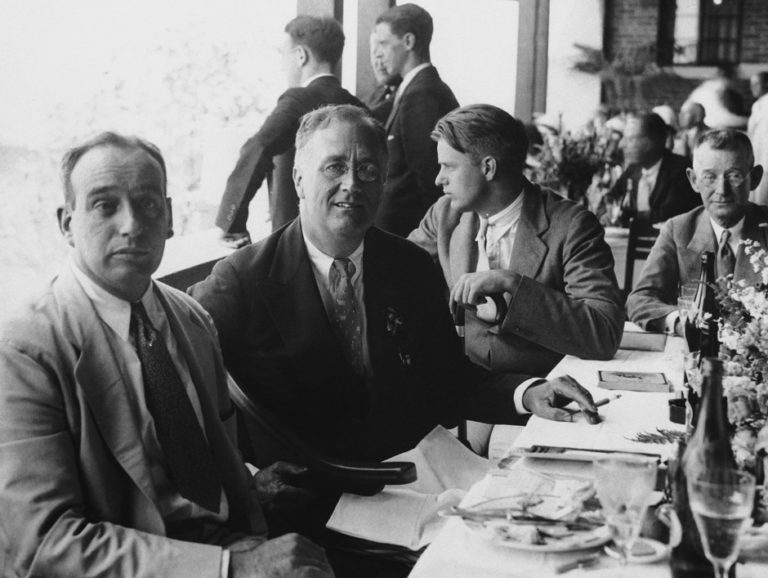
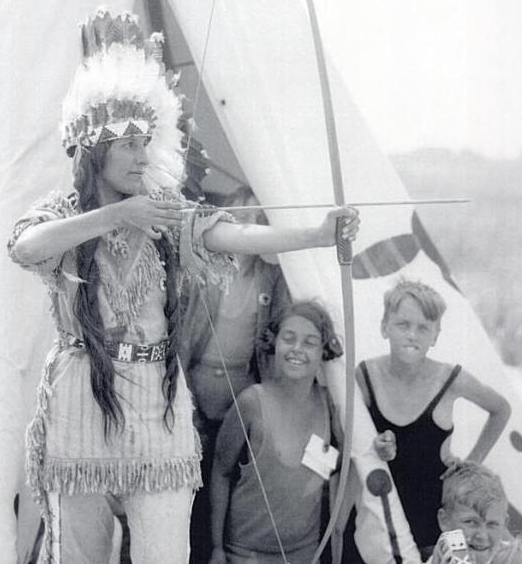
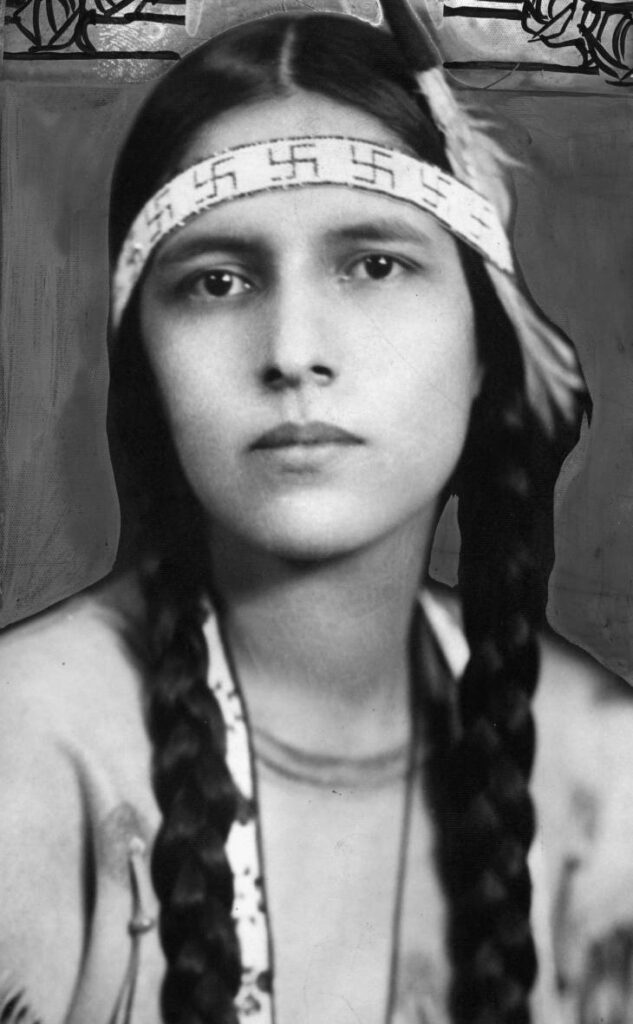
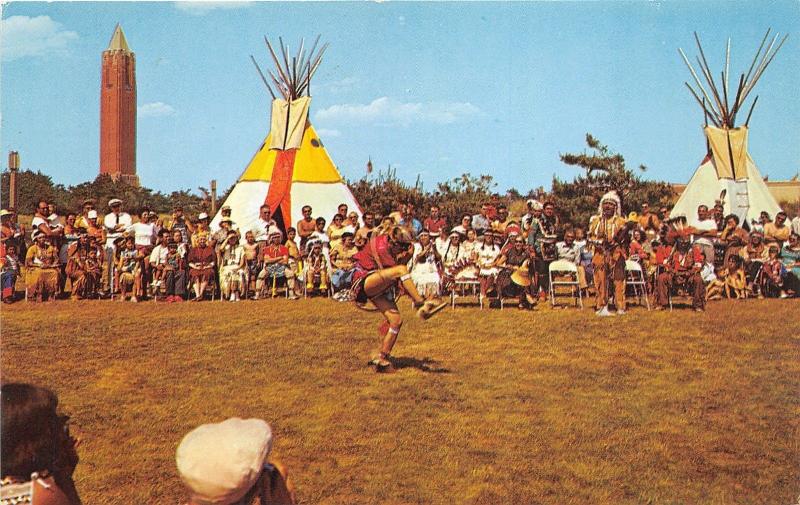
High Hill Beach 1910. Courtesy the Long Island HeraldGovernor Franklin D. Roosevelt of New York, was the luncheon guest of Robert Moses, president of the Long Island Park Commission when he visited on July 26, 1931 in Jones Beach, on his tour of Long Island. (AP Photo)Jones Beach in 1940. New York State ParksRosebud Yellow Robe at Indian Village, 1933Yellow Robe, photographed in 1927, a few years before getting her Jones Beach job. (Courtesy Denver Public Library)Postcard of an Indian Village ceremony with the water tower in the background.
Vintage videos of Jones Beach
https://www.youtube.com/watch?v=EfQTiF2aFuA
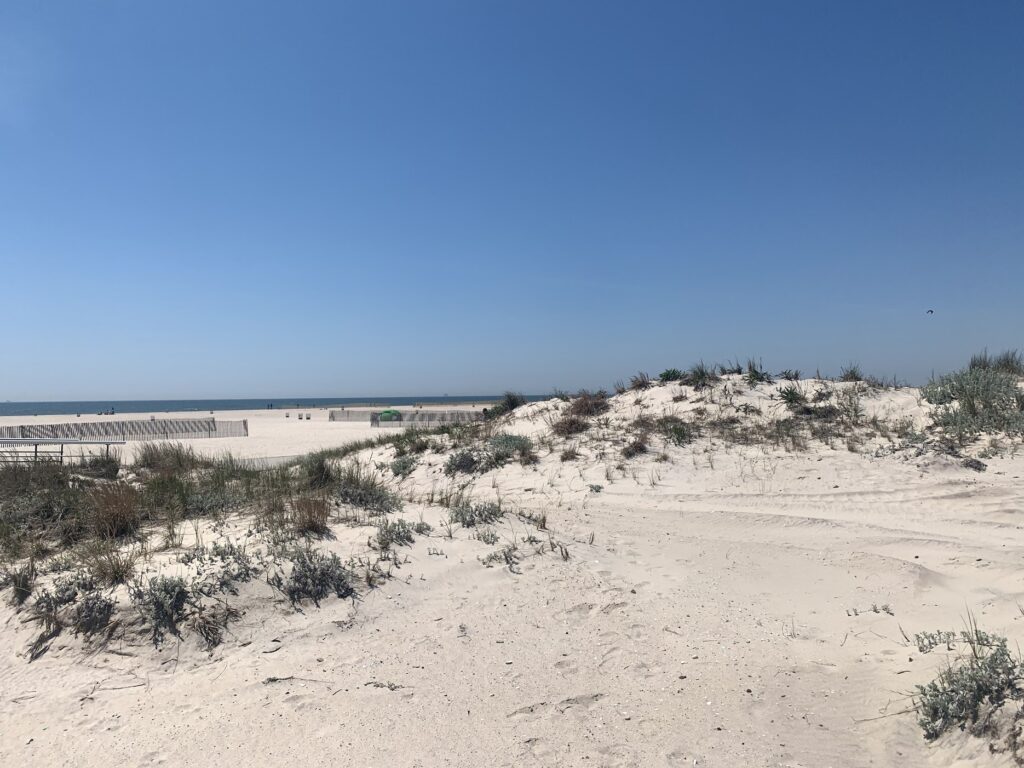
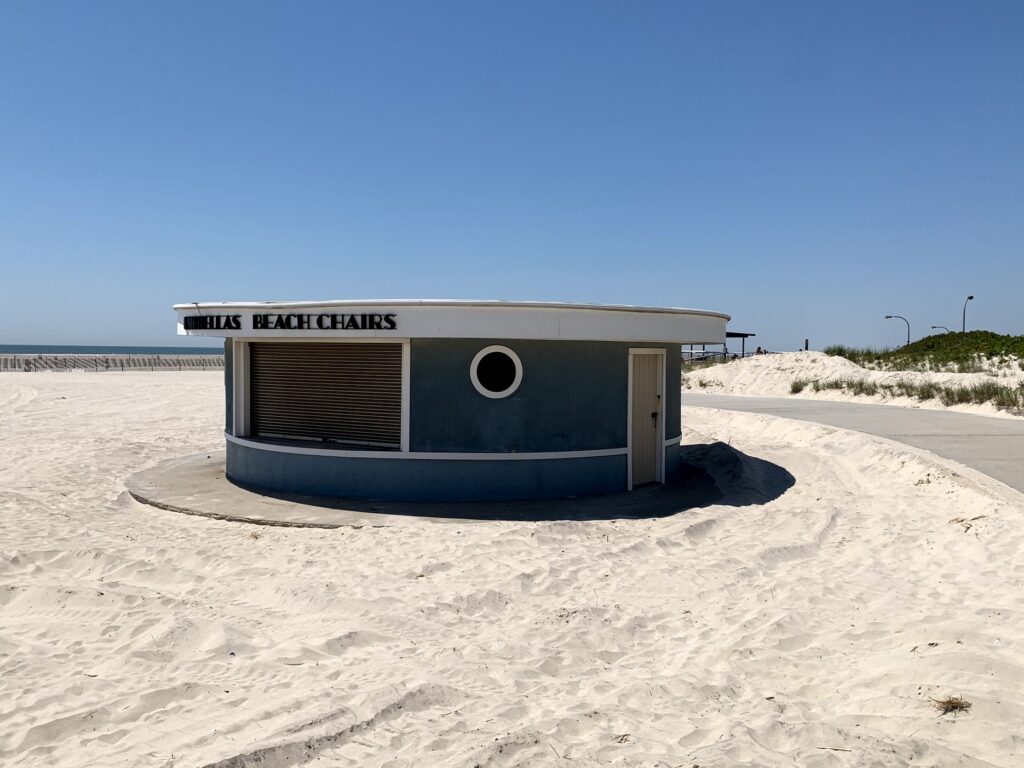
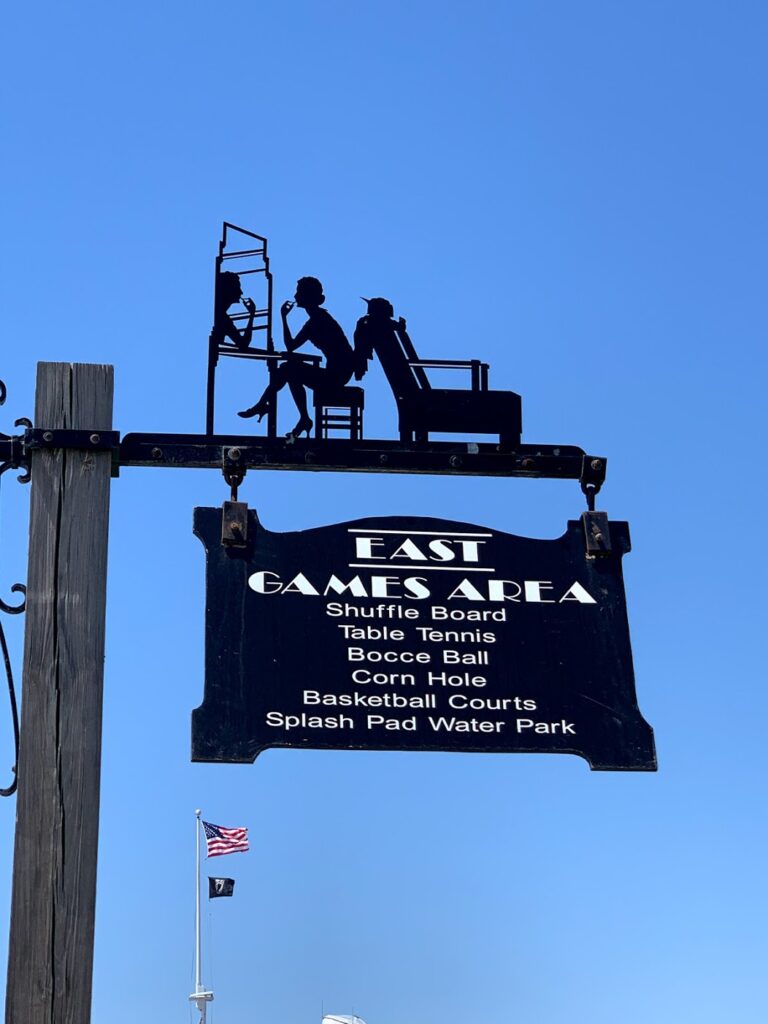
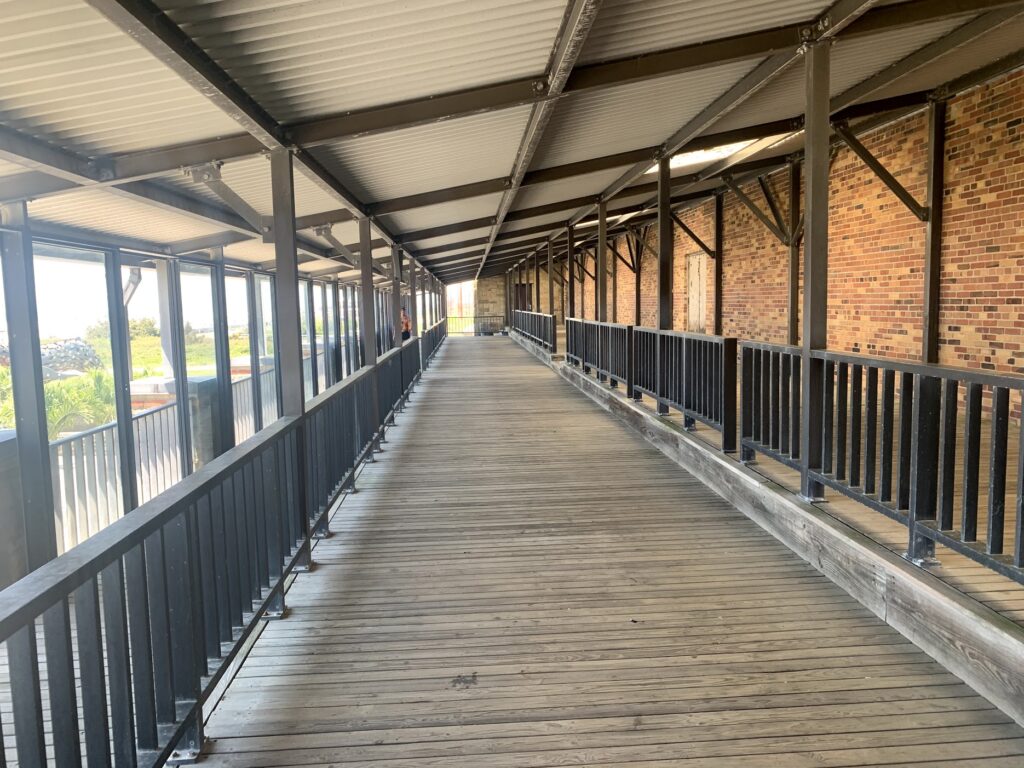
Images from our day at the beach
The Bowery Boys: New York City History podcast is brought to you …. by you!
We are now producing a new Bowery Boys podcast every other week. We’re also looking to improve and expand the show in other ways — publishing, social media, live events and other forms of media. But we can only do this with your help!
We are now a creator on Patreon, a patronage platform where you can support your favorite content creators.
Please visit our page on Patreon and watch a short video of us recording the show and talking about our expansion plans. If you’d like to help out, there are six different pledge levels. Check them out and consider being a sponsor.
We greatly appreciate our listeners and readers and thank you for joining us on this journey so far.
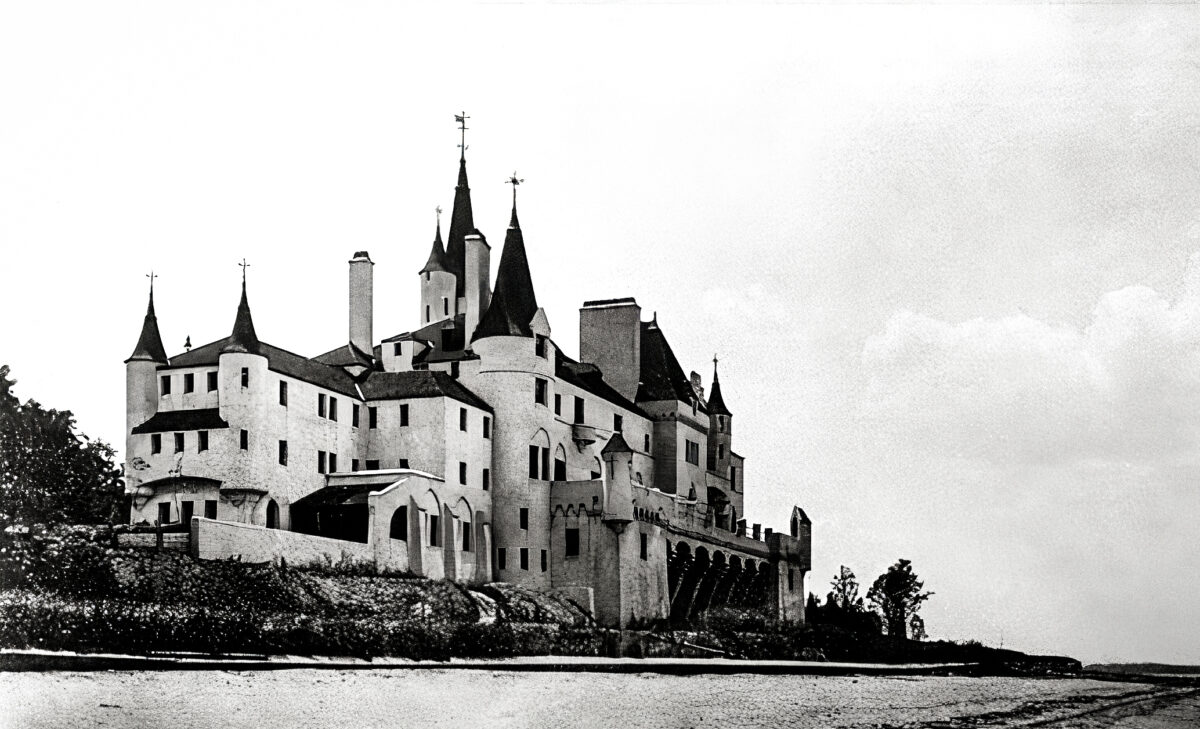
Beacon Towers 1920 (from Spur Magazine), later the home of William Randolph Hearst
PODCAST Relive a little Jazz Age luxury by escaping into the colossal castles, manors and chateaus on Long Island’s North Shore, the setting for one of America’s most famous novels.
This is the first part of our new mini-series Road Trip to Long Island featuring tales of historic sites outside of New York City.
Many of you are quite familiar with Long Island; you might have grown up there or you may be a frequent visitor to its most famous recreational sites — The Hamptons, Fire Island or Long Island wine country.
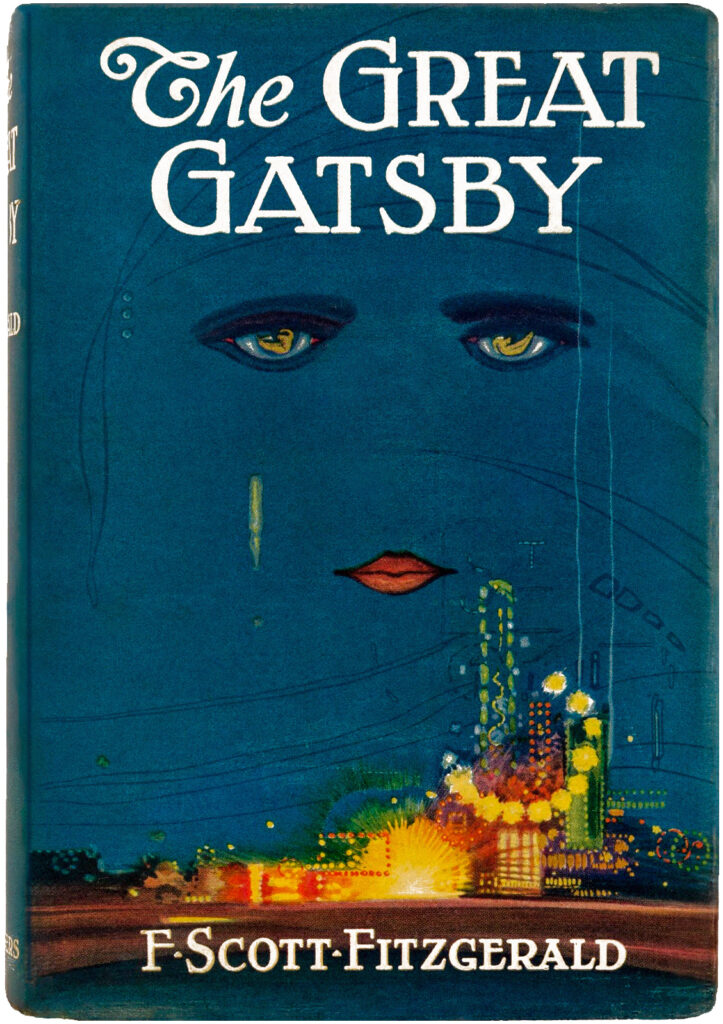
But the world is perhaps most familiar with Long Island thanks to the 1925 classic novel The Great Gatsby by F. Scott Fitzgerald, a tale of romantic yearning and social status during the Jazz Age — set specifically in the year 1922, in the grand and opulent manor of its mysterious anti-hero Jay Gatsby.
A house so large and so full of luxury that it doesn’t seem like it could even be real.
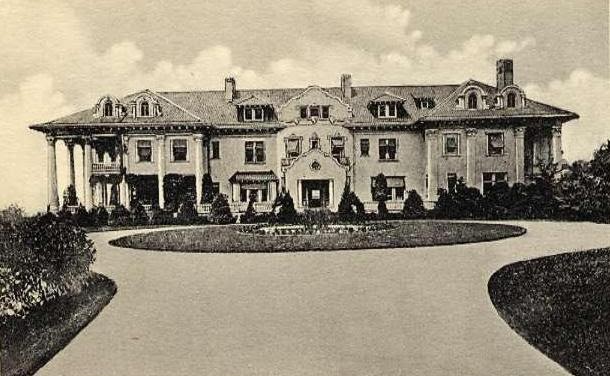
And yet hundreds of these types of mansions dotted the landscape of Long Island in the early 20th century, particular along the north shore. This area was known as the Gold Coast.
In this episode, we present the origin of the Long Island Gold Coast and stories from its most prominent (and unusual) mega-mansions. Lifestyles of the Long Island rich and famous!
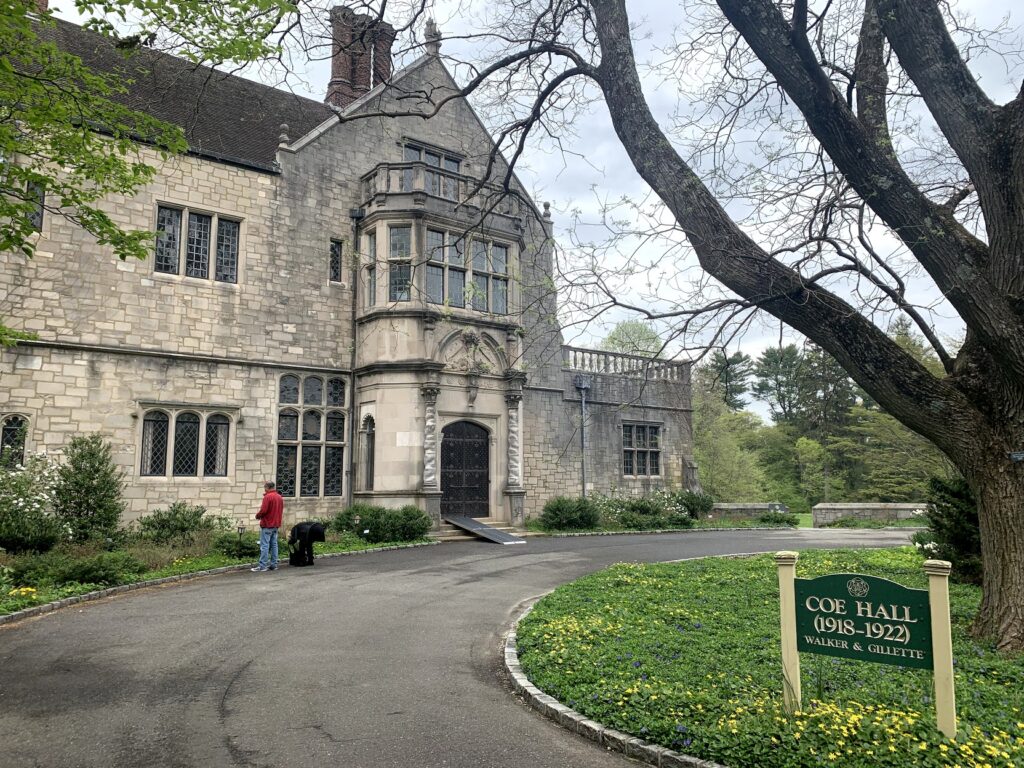
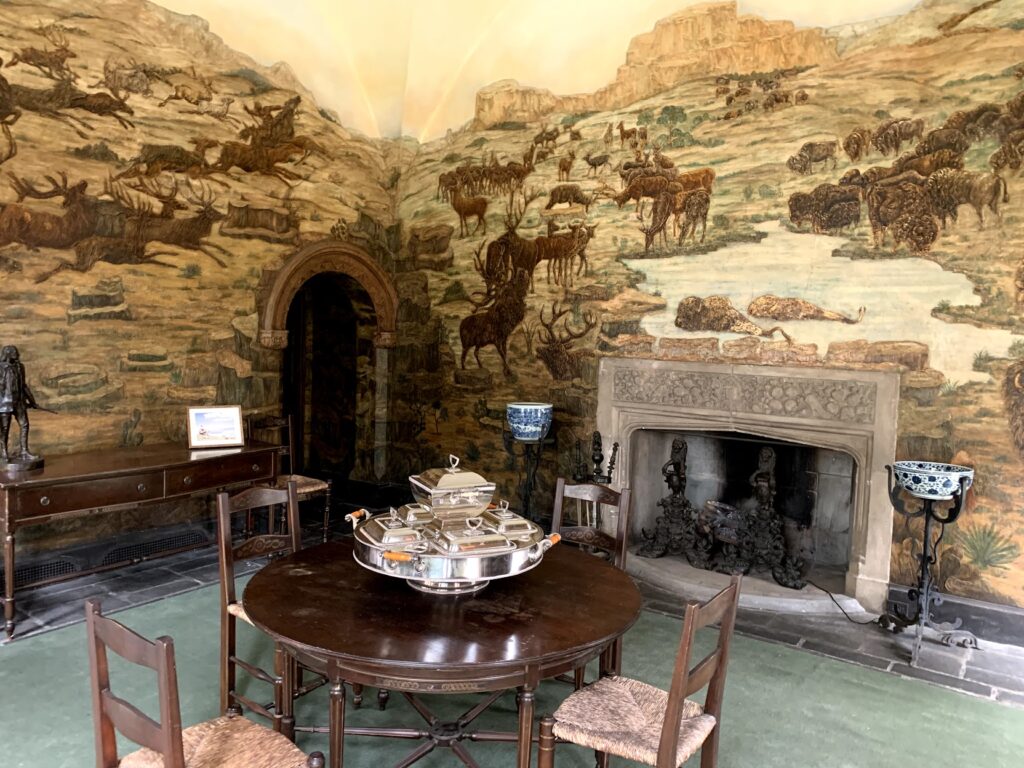
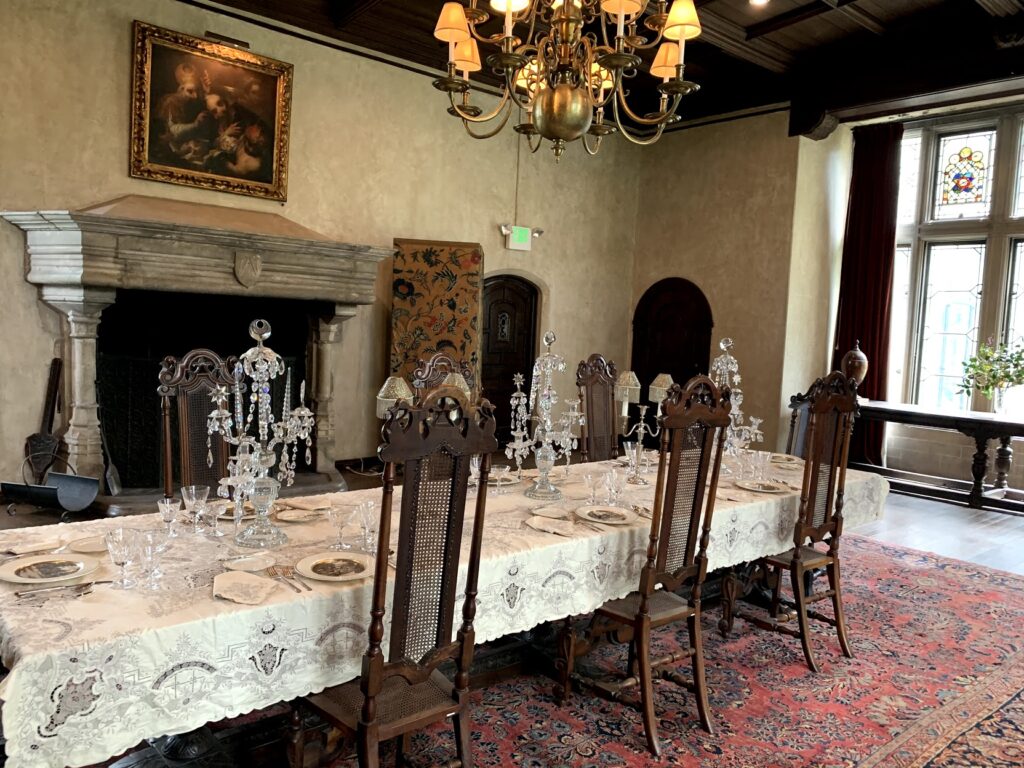
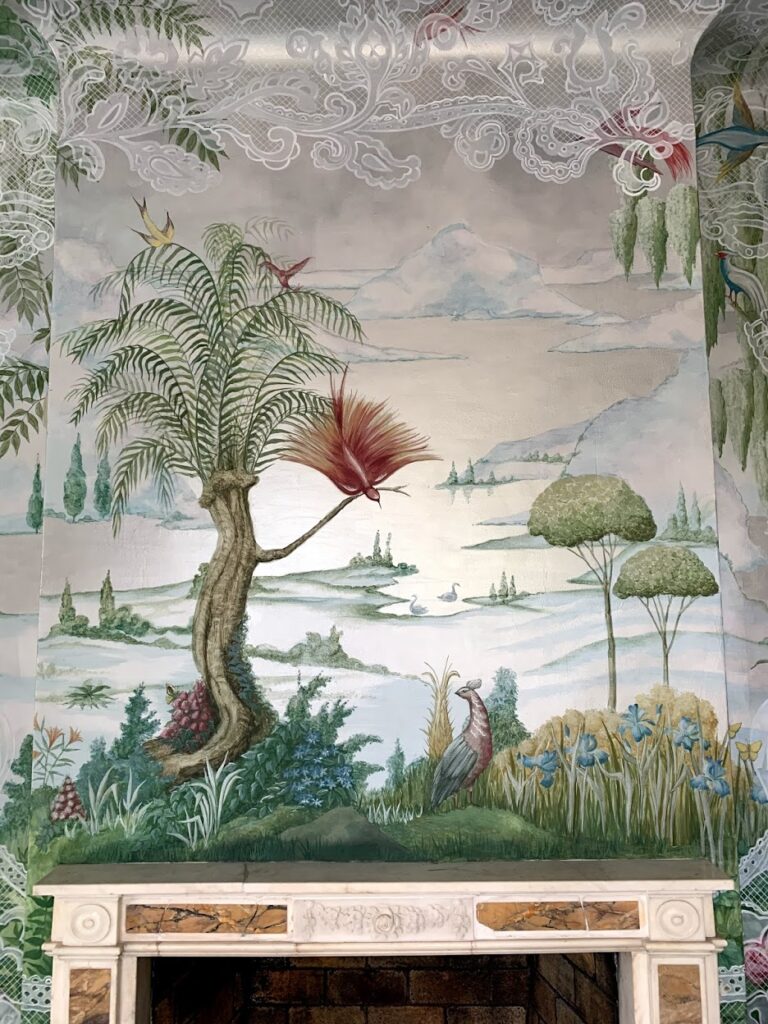
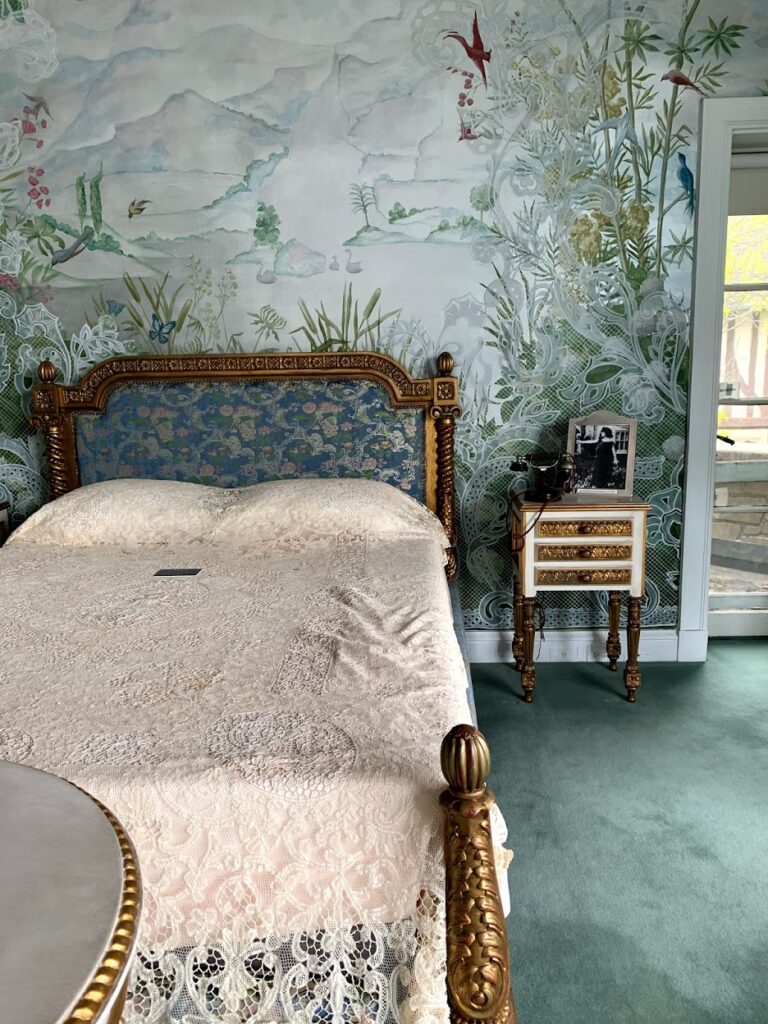
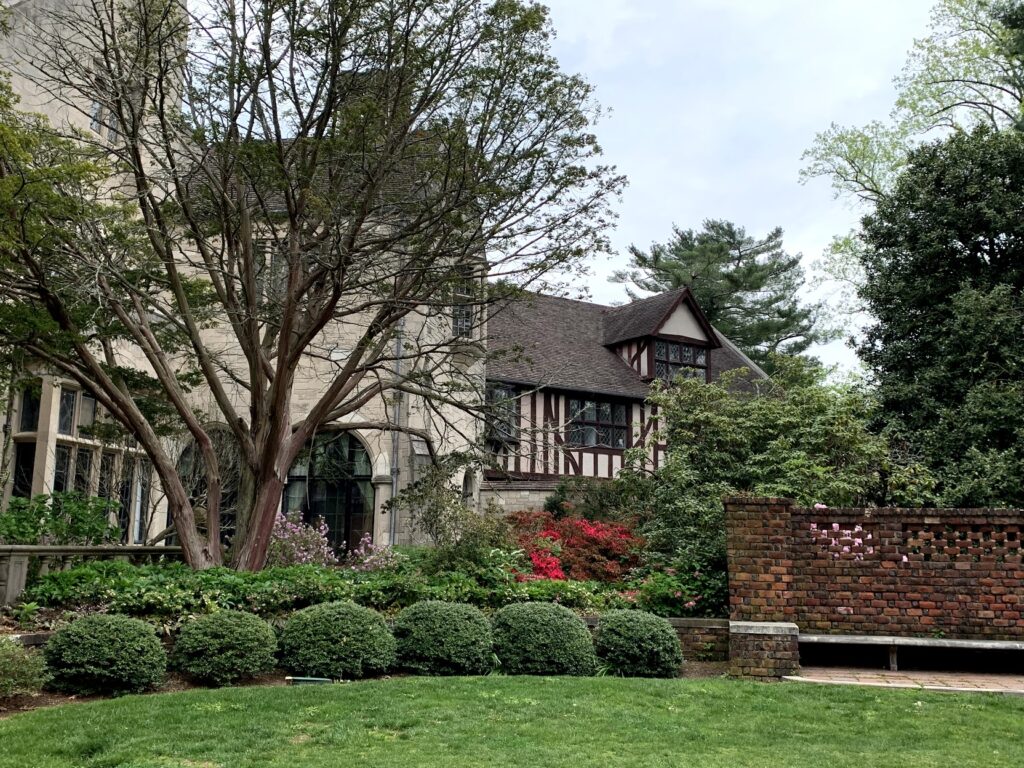
PLUS: A road trip to Planting Fields Arboretum, the lavish grounds of the old W.R. Coe estate. Hidden rooms, bizarre murals and curious gardens!
Listen Now: Gatsby and the Mansions of the Gold Coast
Places to Visit:
Just a few of the surviving places that we mentioned on the show. But there are so many more to explore! Visit the website Gold Coast Mansions for information on tours. There’s also this wonderfully in-depth Wikimapia resource to check out.
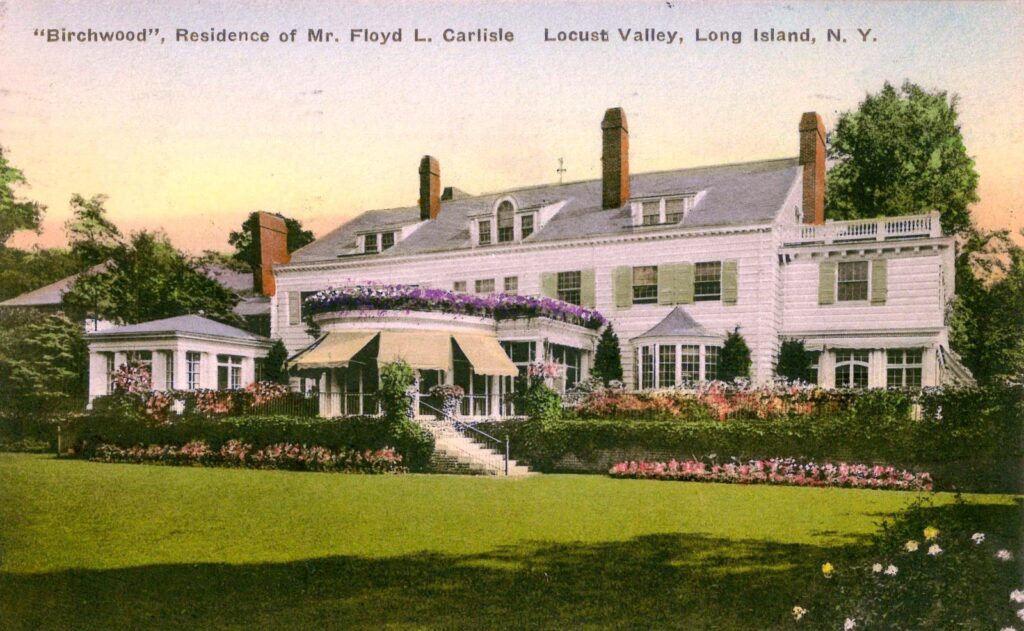
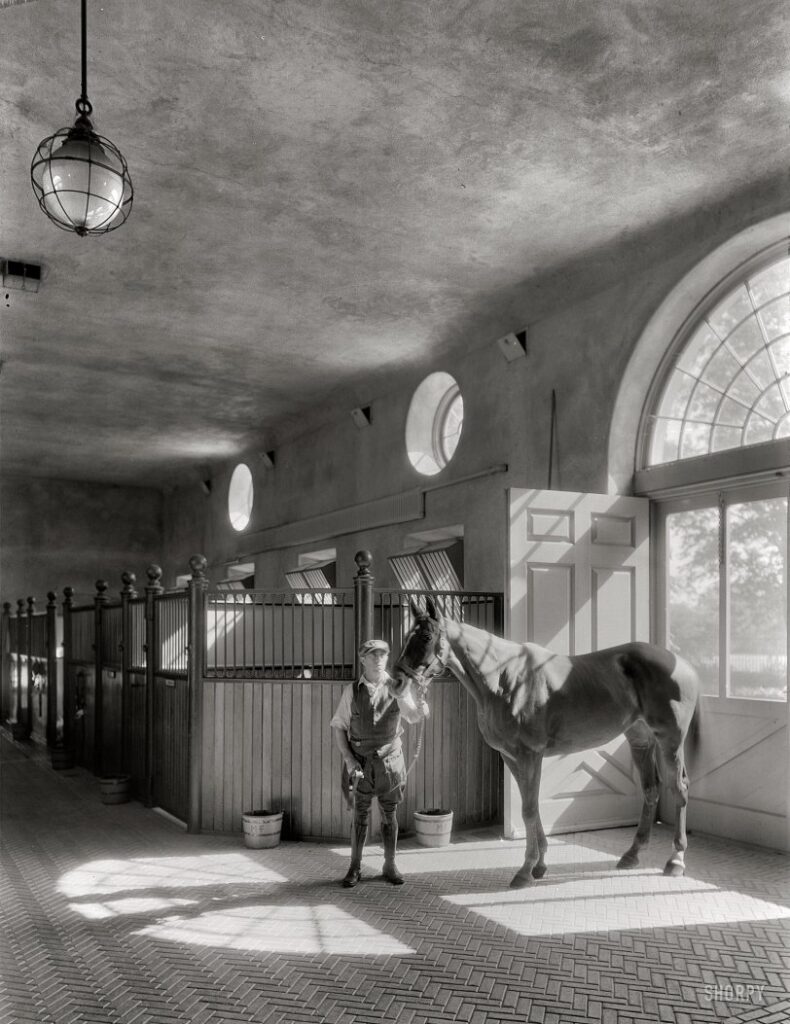
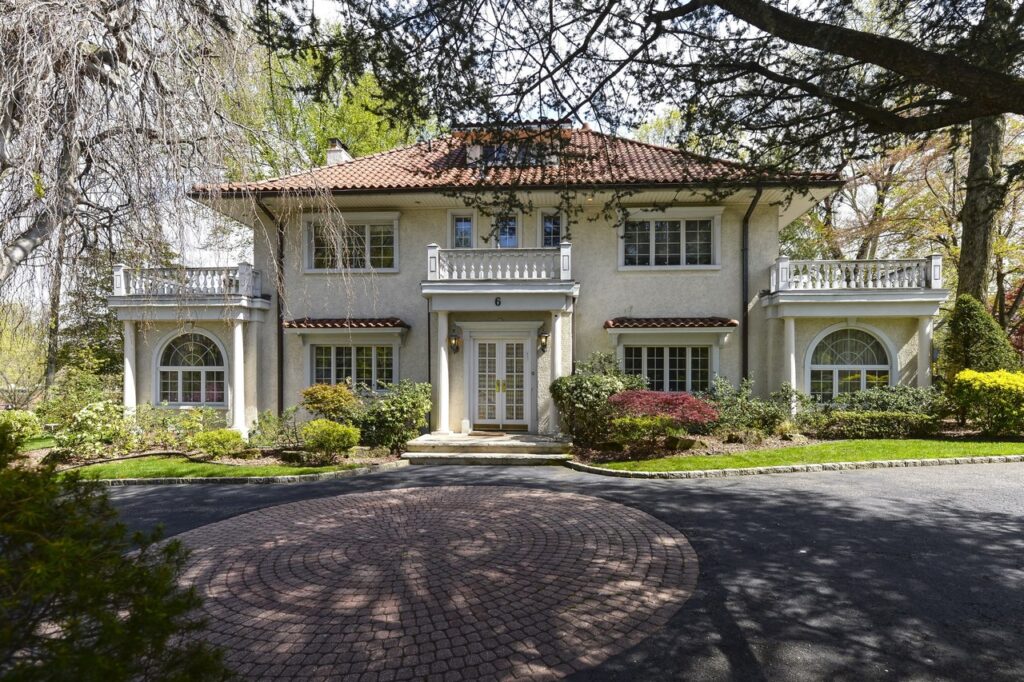
The old Woolworth manor Winfield Hall. As you might expect, like many Gold Coasts mansions, this one is reportedly haunted. (courtesy Old Long Island)The Carlisle manor (courtesy Mansions of the Gilded Age)Caumsett Manor, the Marshal Field estate. 1933 (Image courtesy Shorpy)The Fitzgeralds lived in this house in Great Neck in 1922. It went on the market for sale back in 2015. (Photo by Wall Street Journal)
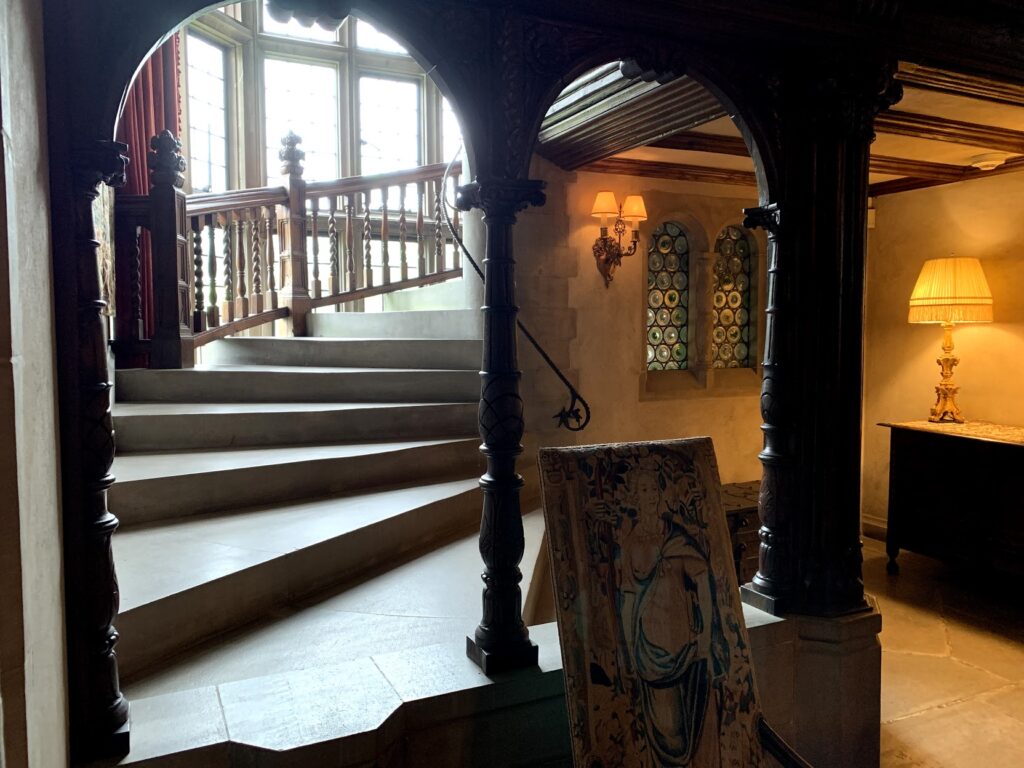
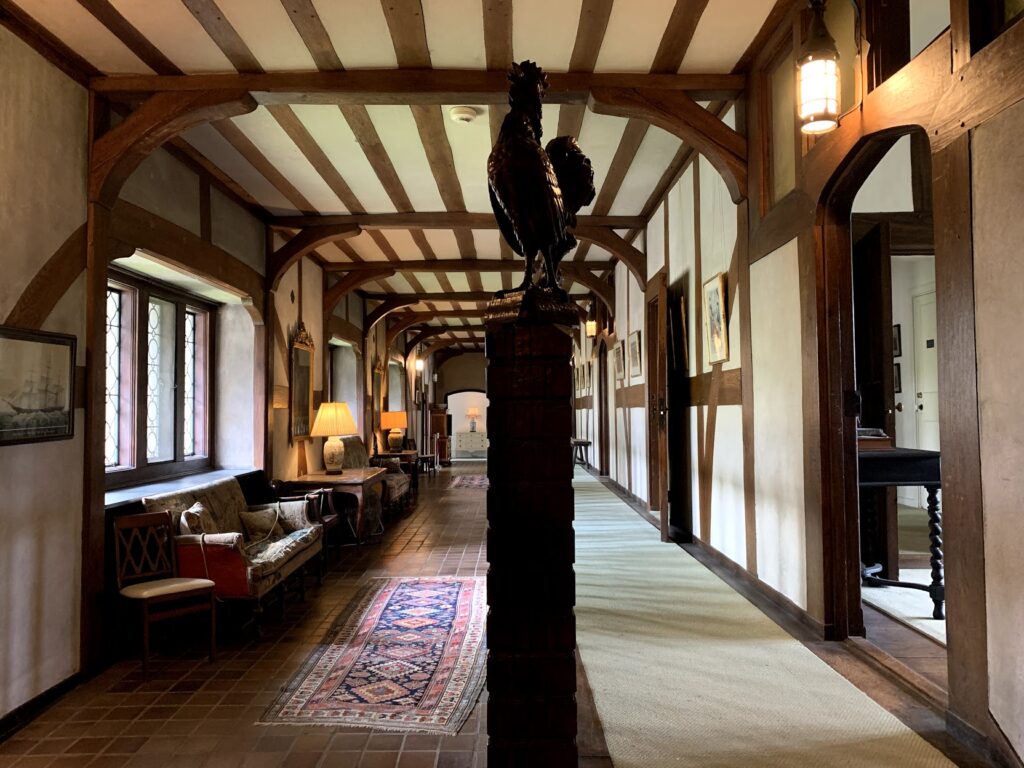
Images from Planting Fields/Coe Hall:
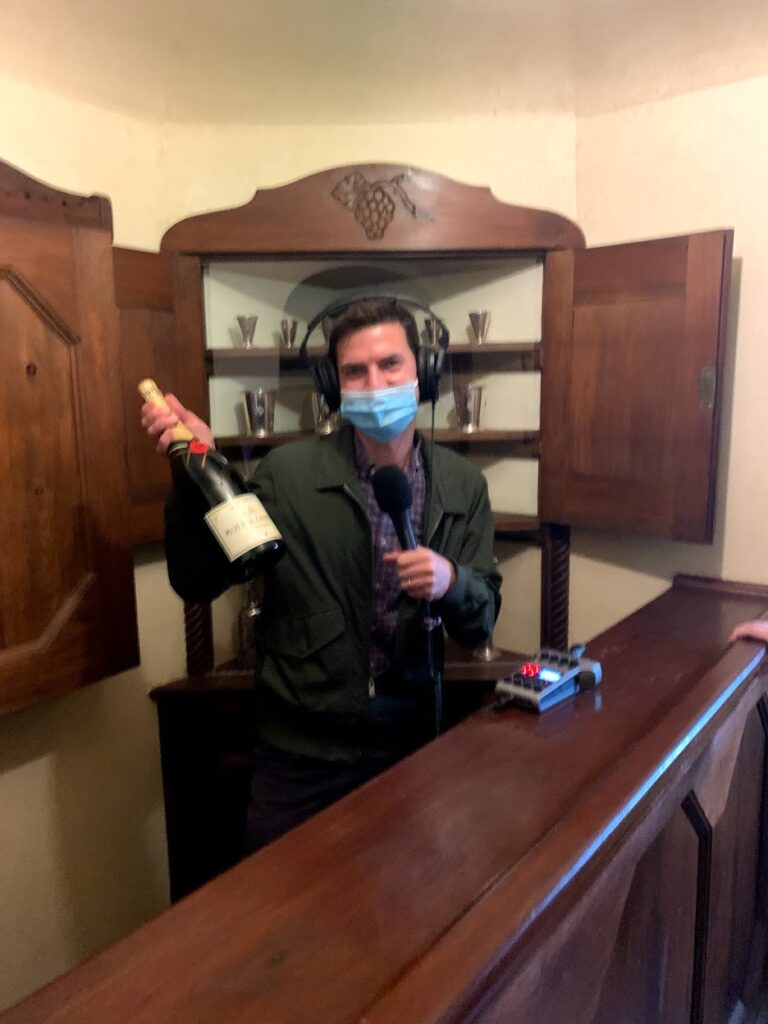
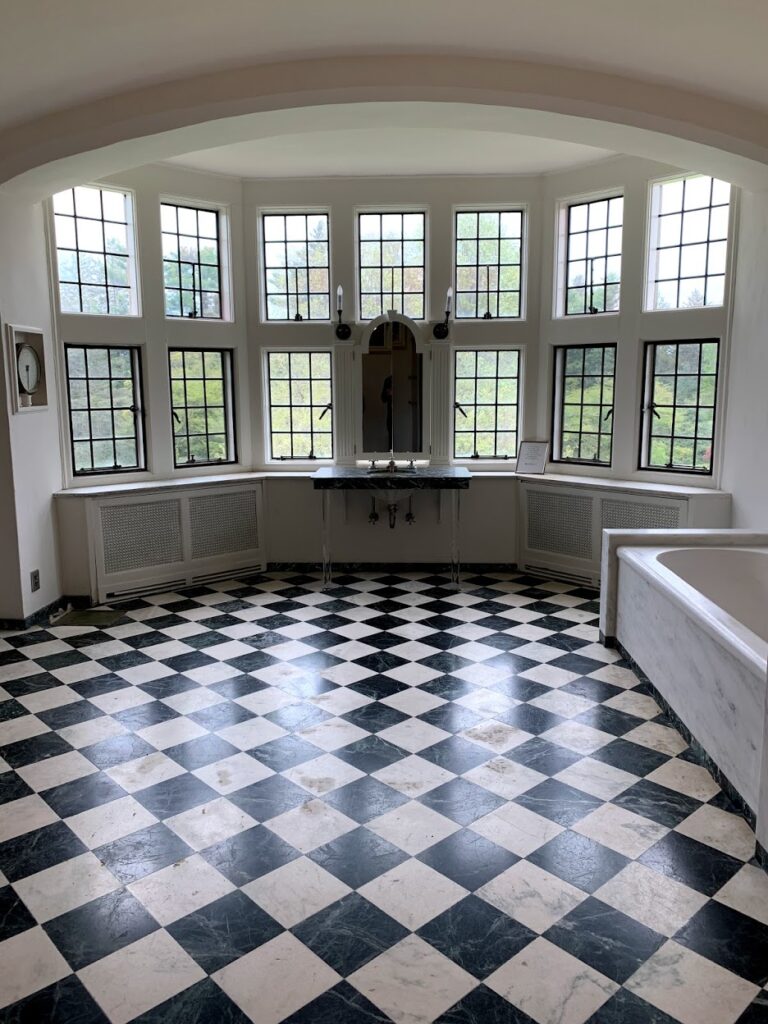
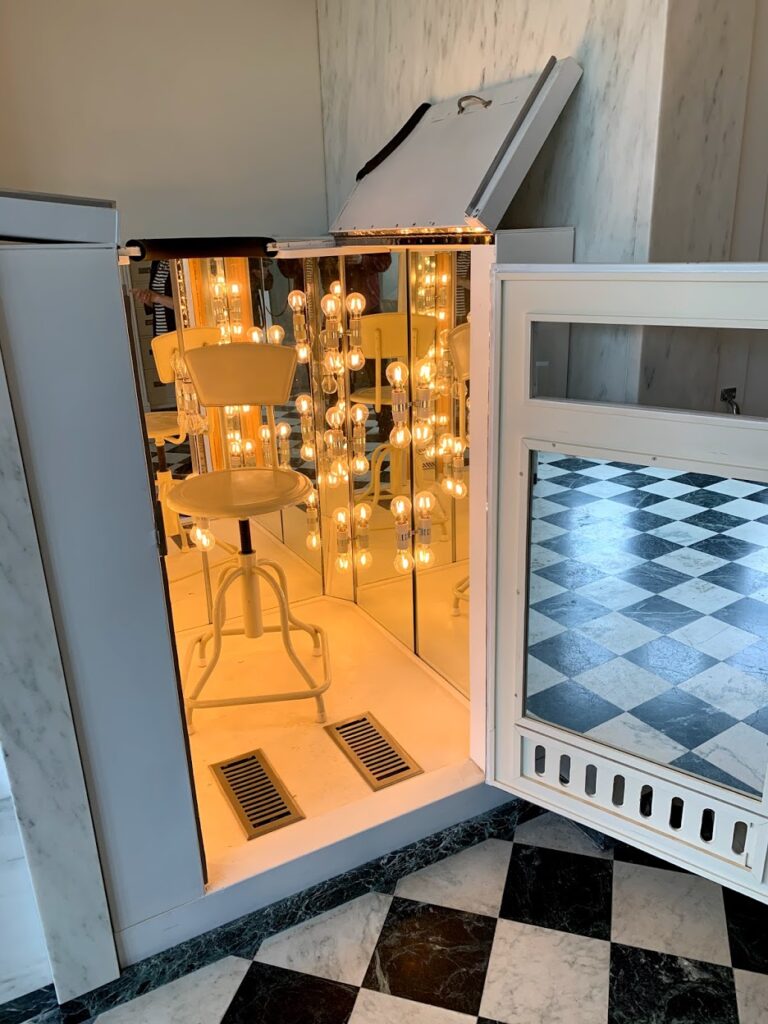
All photos by Greg YoungTom in the secret bar behind the wall.Mr. Coe’s bathroomMr. Coe’s light bath — like a sauna but for light rays.
The Bowery Boys: New York City History podcast is brought to you …. by you!
We are now producing a new Bowery Boys podcast every other week. We’re also looking to improve and expand the show in other ways — publishing, social media, live events and other forms of media. But we can only do this with your help!
We are now a creator on Patreon, a patronage platform where you can support your favorite content creators.
Please visit our page on Patreon and watch a short video of us recording the show and talking about our expansion plans. If you’d like to help out, there are six different pledge levels. Check them out and consider being a sponsor.
We greatly appreciate our listeners and readers and thank you for joining us on this journey so far.
We’re headed to the lands beyond Brooklyn and Queens on that island (or is that a peninsula?) of rich history and natural beauty.
Crank up some Billy Joel cause we’re braving the traffic on the Long Island Expressway to explore three historic sites of this beautiful and richly interesting area of New York State.
These shows begin this Friday and run through the first of June.
And what three historic sites will we exploring? You’ll have to tune-in to find out.
The Bowery Boys Road Trip to Long Island, coming soon to your podcast feed.
PODCAST Nature and history intertwine in all five boroughs — from the Bronx River to the shores of Staten Island — in this special episode about New York City’s many gardens.
A botanical garden is more than just a pretty place; it’s a collection of plant life for the purposes of preservation, education and study. But in an urban environment like New York City, botanical gardens also must engage with modern life, becoming both a park and natural history museum.
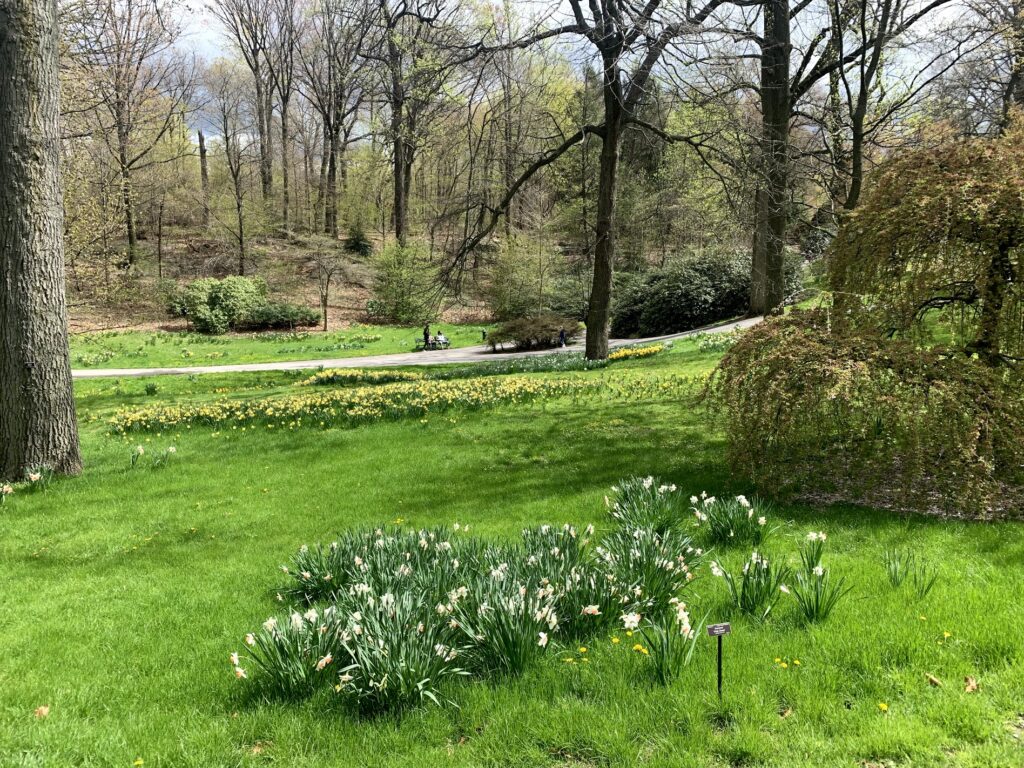
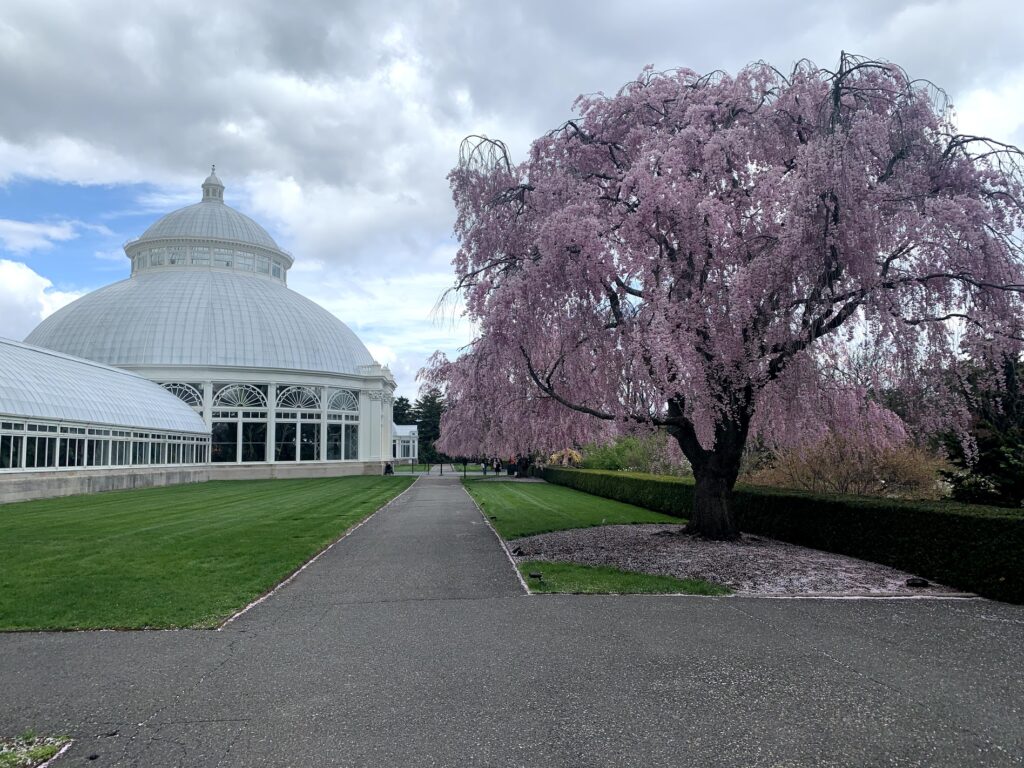
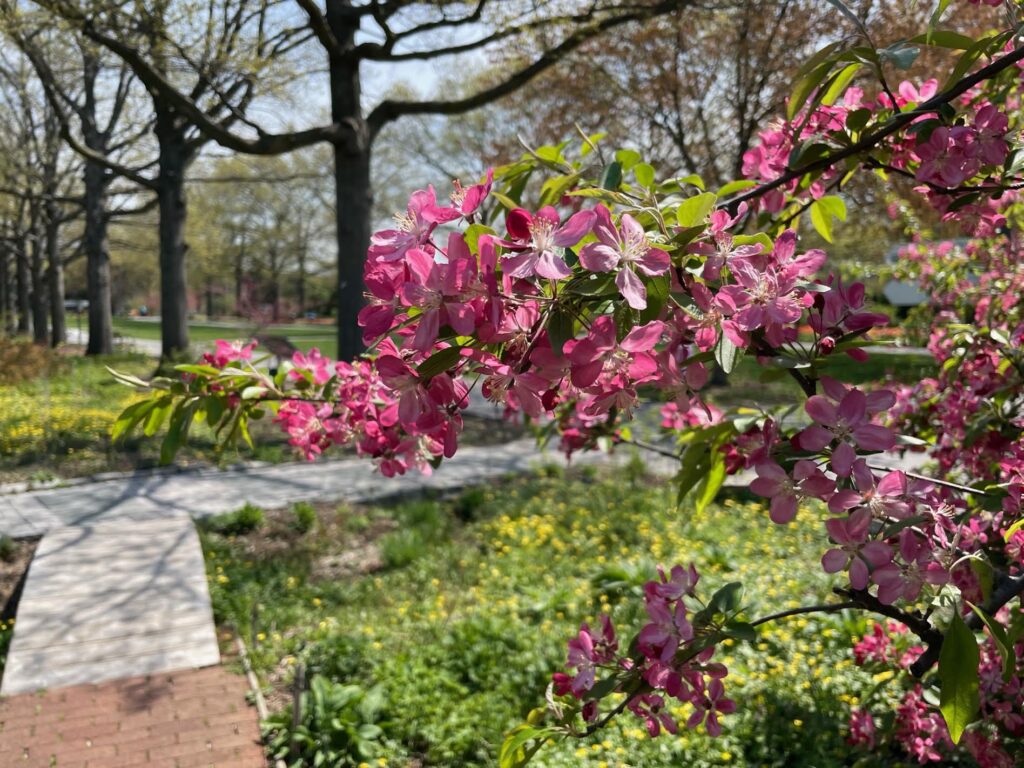
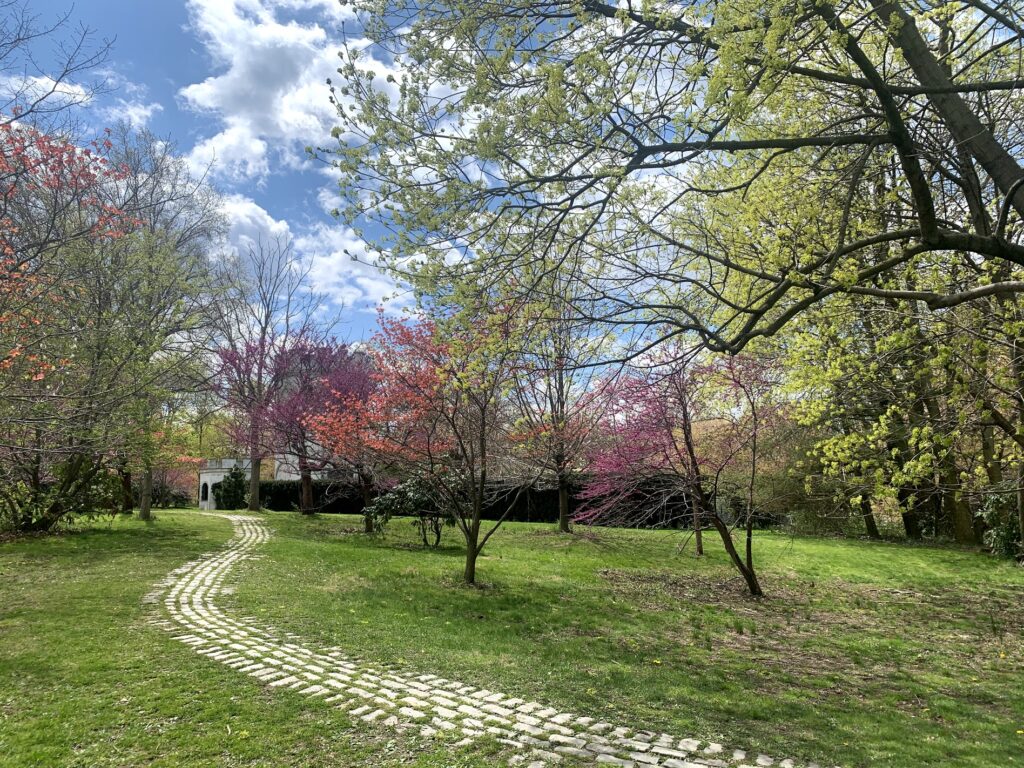
Spring at the New York Botanical Garden / Photo by Greg Young
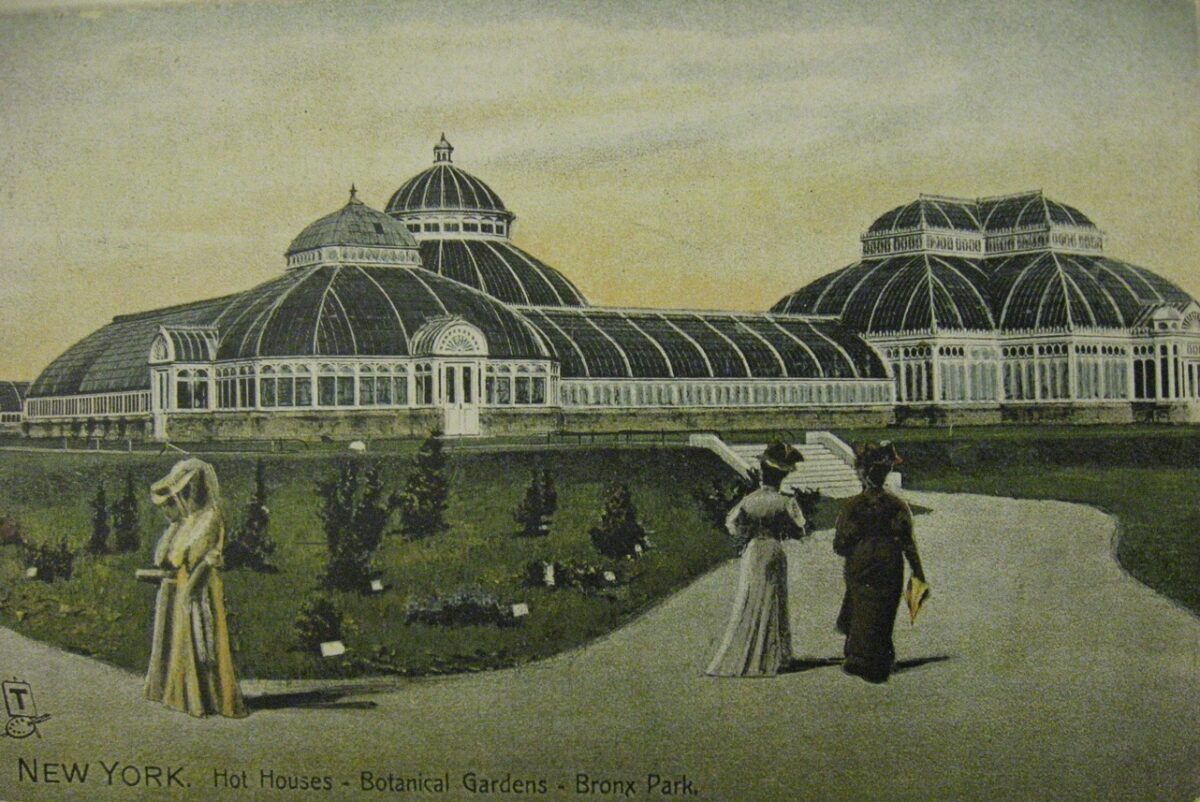
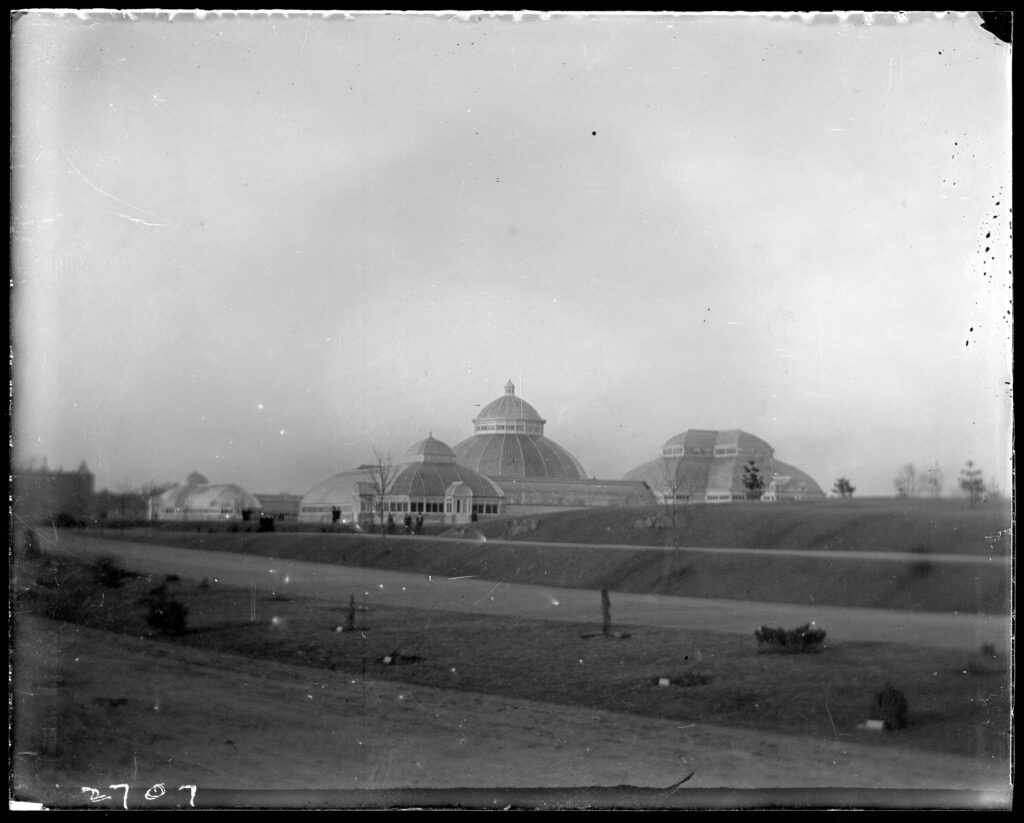
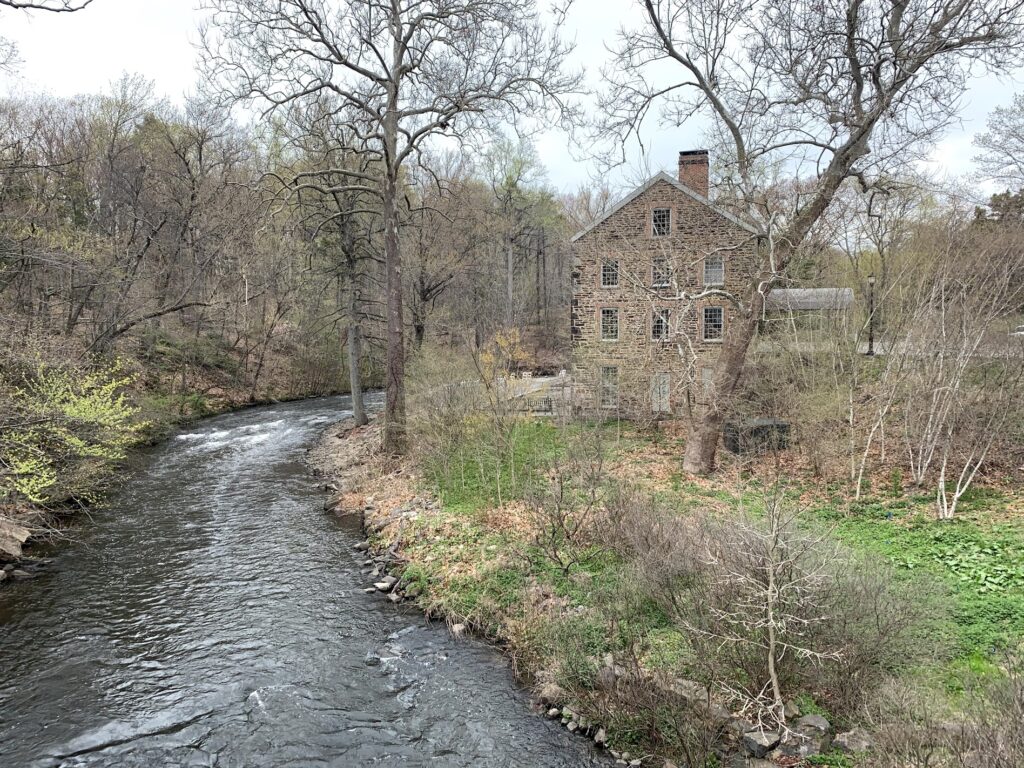
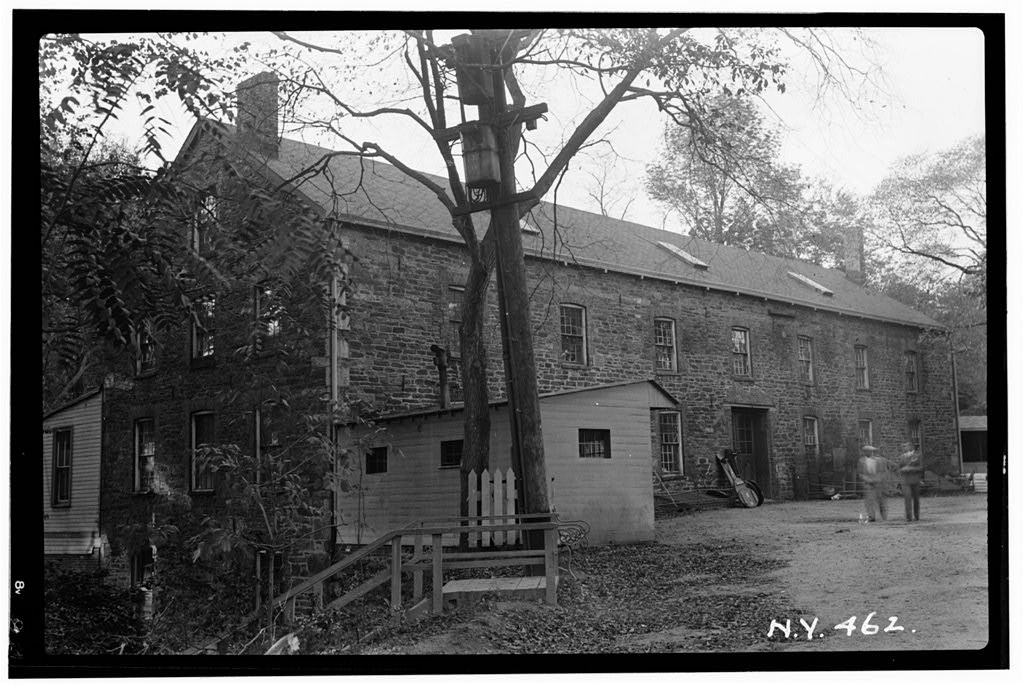
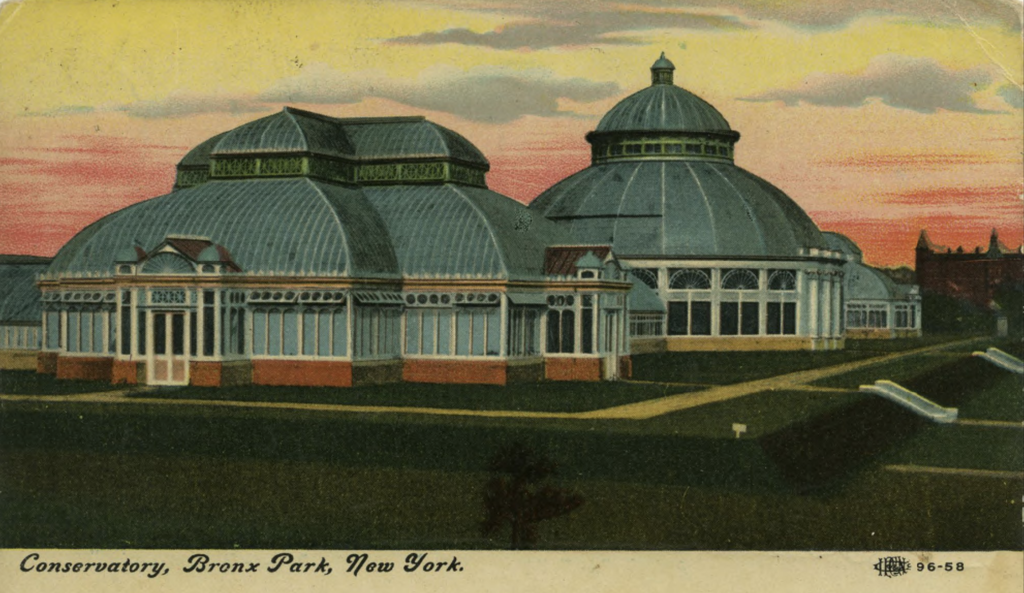
The New York Botanical Garden, established in 1891, became a sort of Gilded Age trophy room for exotic trees, plants and flowers, astride the natural features of The Bronx (and an old tobacco mill).
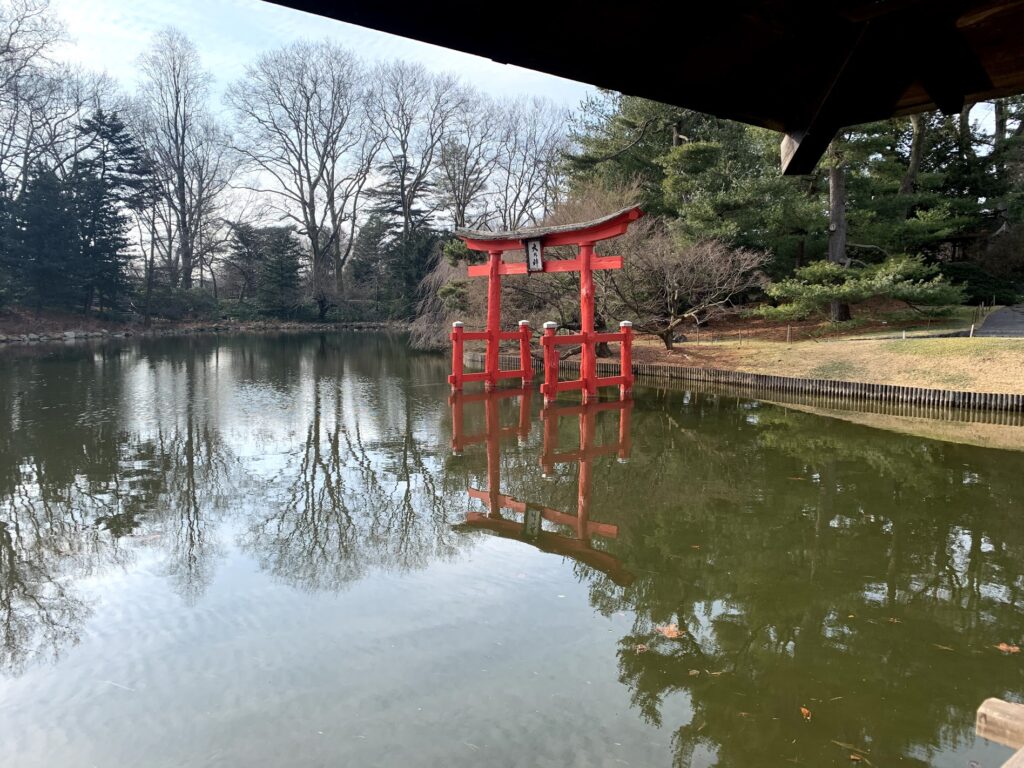
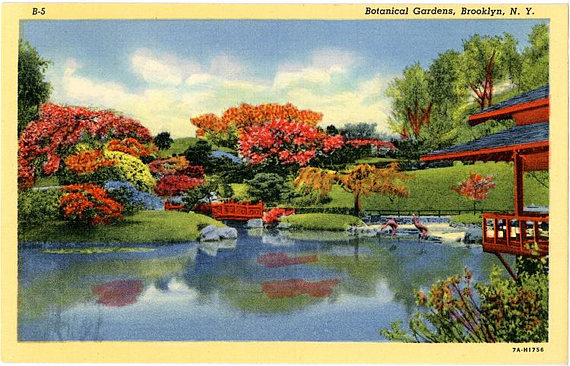
When the Brooklyn Botanic Garden opened next to the Brooklyn Museum in 1911, its delights included an extraordinary Japanese garden by Takeo Shiota, one of the first of its kind in the United States.
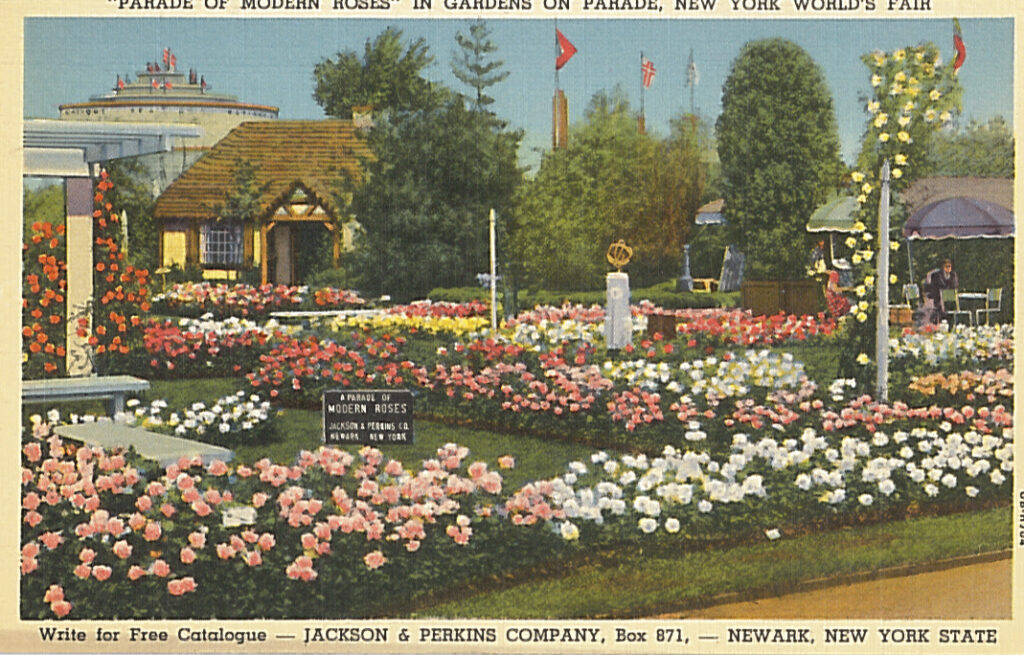
The World’s Fair of 1939-40 also brought an international flavor to New York City, and one of its more peculiar exhibitions — called Gardens on Parade — stuck around in the form of the Queens Botanical Garden.
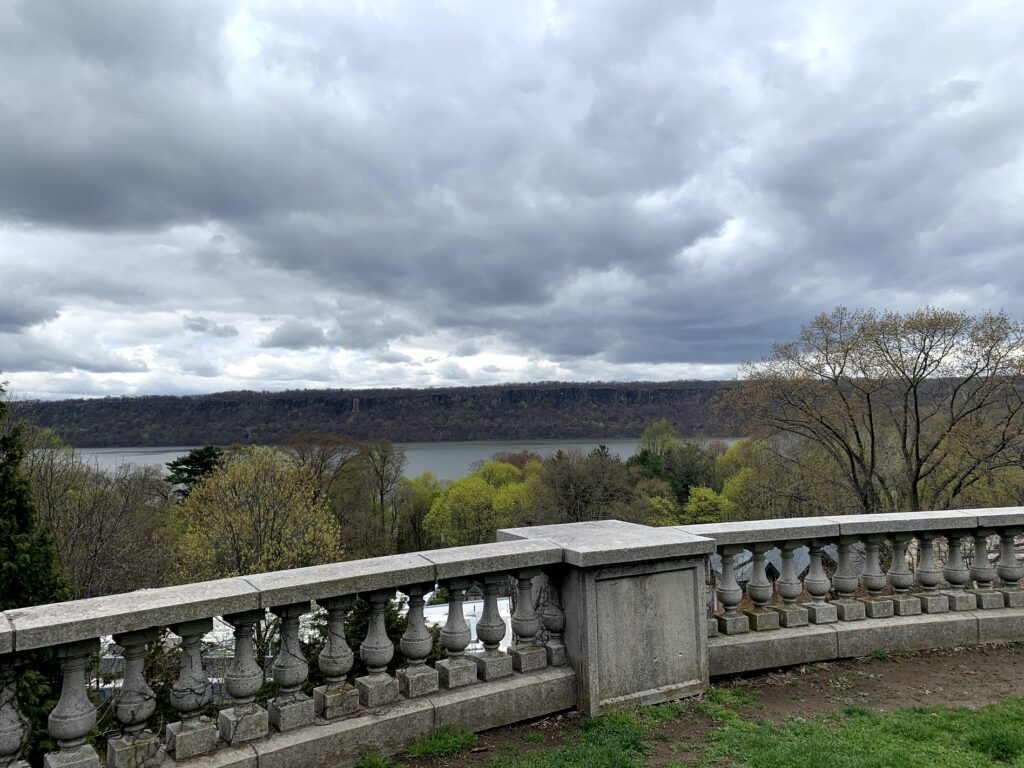
PLUS: Gardens help save New York City landmarks — from an historic estate overlooking the Hudson River to a stately collection of architecture from the early 19th century in Staten Island.
Listen now on your favorite podcast player:
To visit the sites mentioned in this podcast, please visit their websites for hours, exhibitions and safety practices:
Photo by Greg YoungThe New York Botanical Garden conservatory under construction, 1900 (courtesy New-York Historical Society)
The Lorillard Snuff Mill, a 19th century industrial treasure located inside the New York Botanical Garden.
Site of the former Lorillard Snuff Mill, New York Botanical Garden / Photo by Greg YoungLibrary of Congress
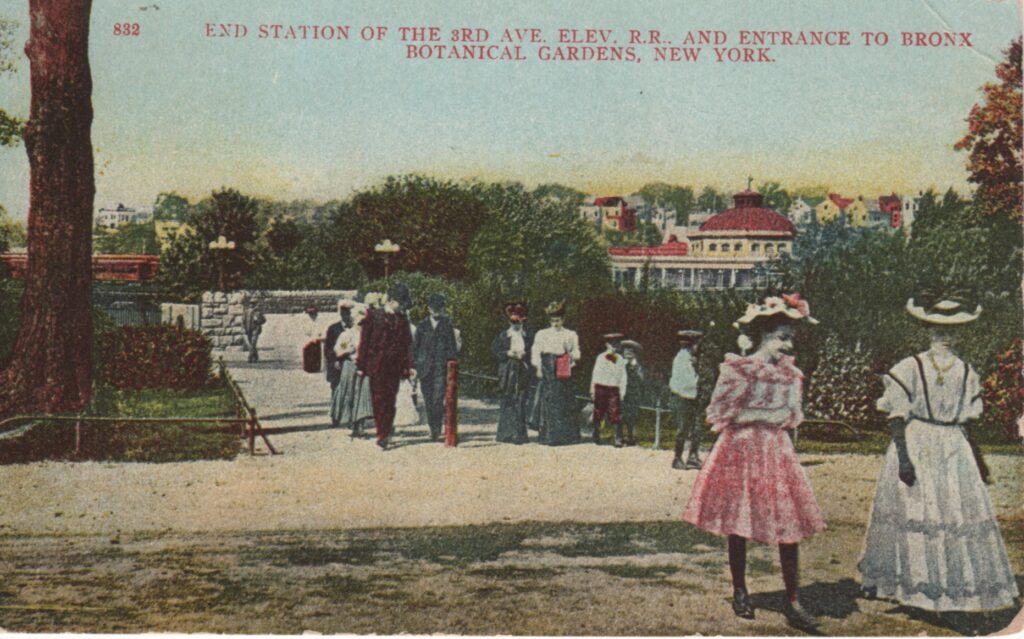
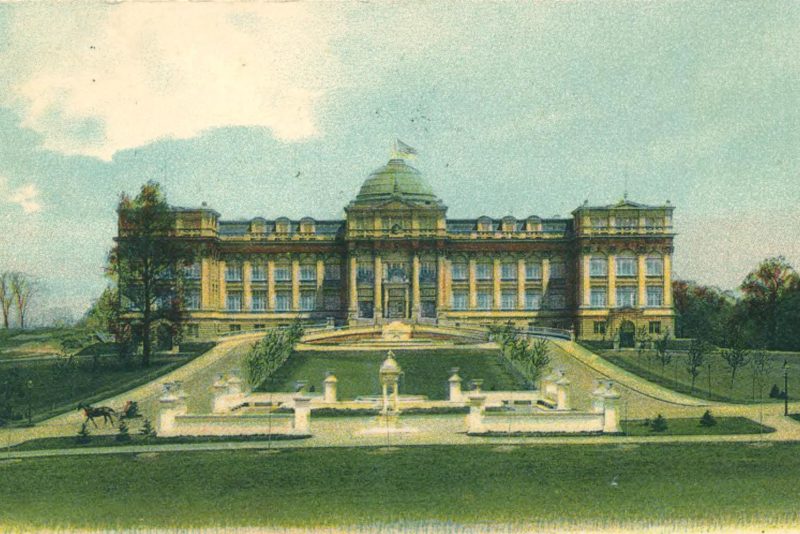
A few photomechanical postcards of some of the stars of this week’s show.
FURTHER LISTENING
After taking in the history of botanical gardens in New York, check out these related episodes from our back catalog:
The Bowery Boys: New York City History podcast is brought to you …. by you!
We are now producing a new Bowery Boys podcast every other week. We’re also looking to improve and expand the show in other ways — publishing, social media, live events and other forms of media. But we can only do this with your help!
We are now a creator on Patreon, a patronage platform where you can support your favorite content creators.
Please visit our page on Patreon and watch a short video of us recording the show and talking about our expansion plans. If you’d like to help out, there are six different pledge levels. Check them out and consider being a sponsor.
We greatly appreciate our listeners and readers and thank you for joining us on this journey so far.
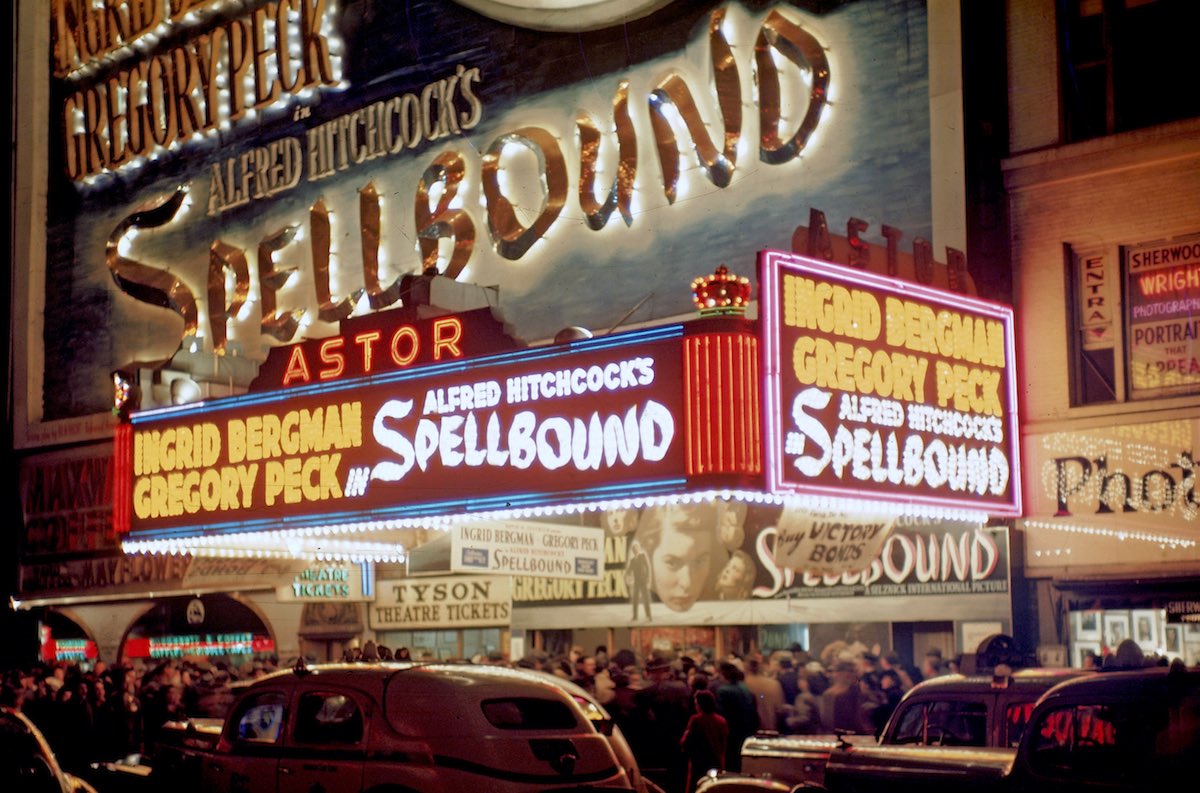
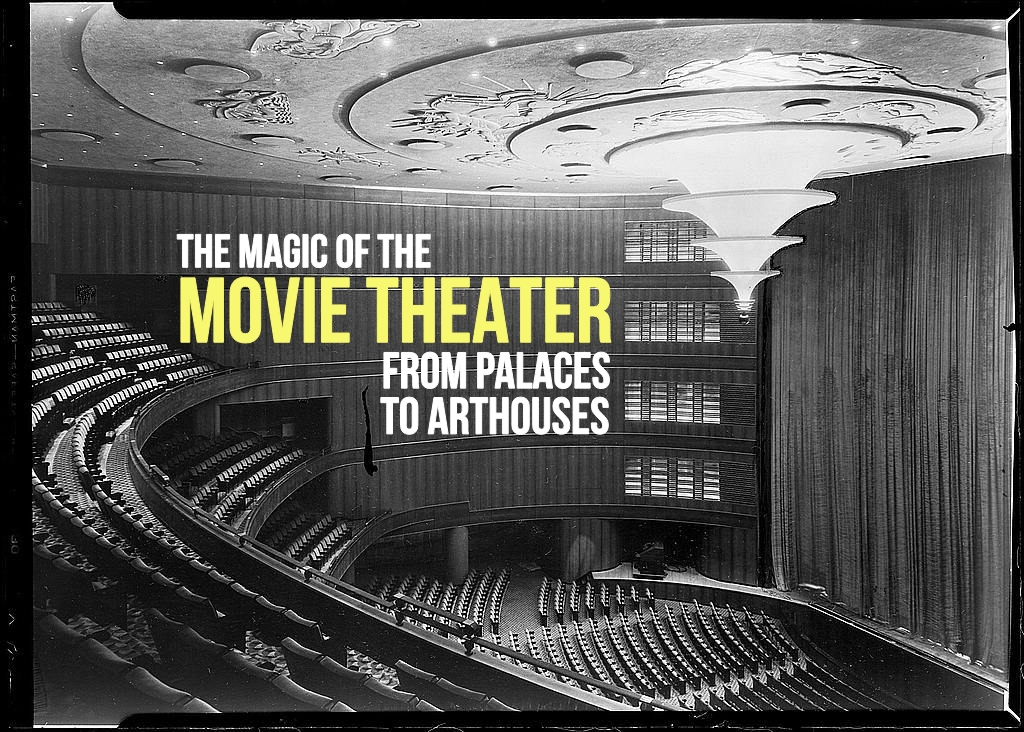
PODCAST In celebration of 125 years of movie exhibition in New York City — from vaudeville houses to movie palaces, from arthouses to multiplexes.
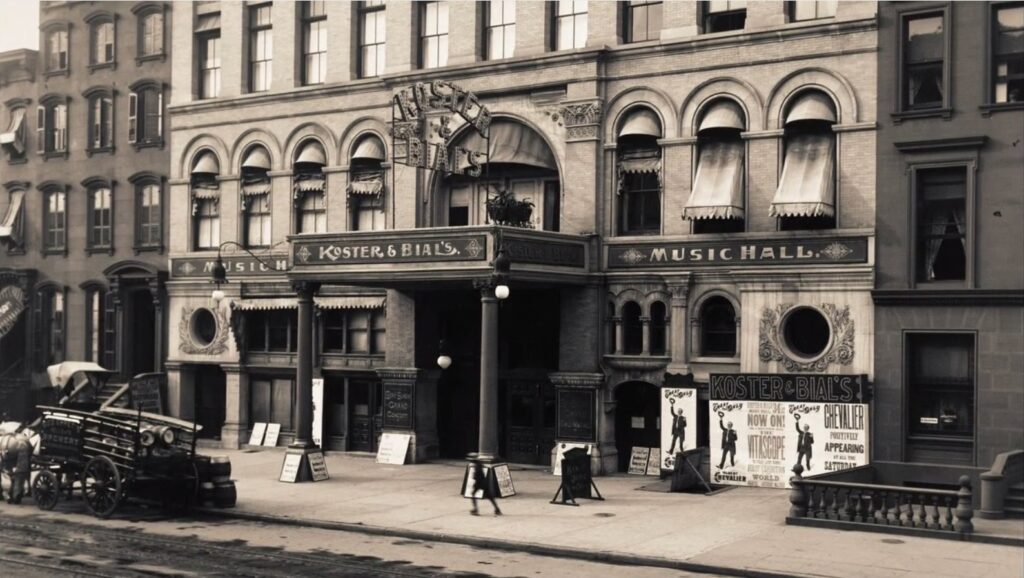
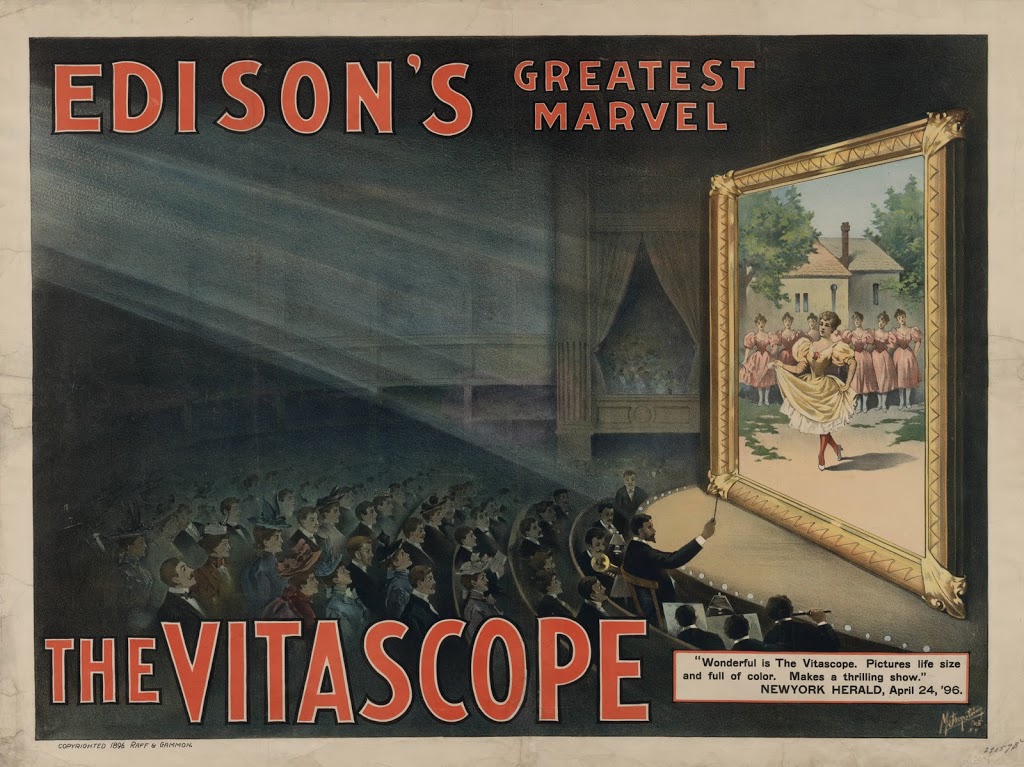
On April 23, 1896 an invention called the Vitascope projected moving images onto a screen at a Midtown Manhattan vaudeville theater named Koster and Bial’s Music Hall.
The business of movies was born.
By the late 1910s, the movies were big, but the theaters were getting bigger! Thanks to men like architect Thomas Lamb and the impresario Samuel ‘Roxy’ Rothafel, movie theaters in New York City grew larger and more opulent.
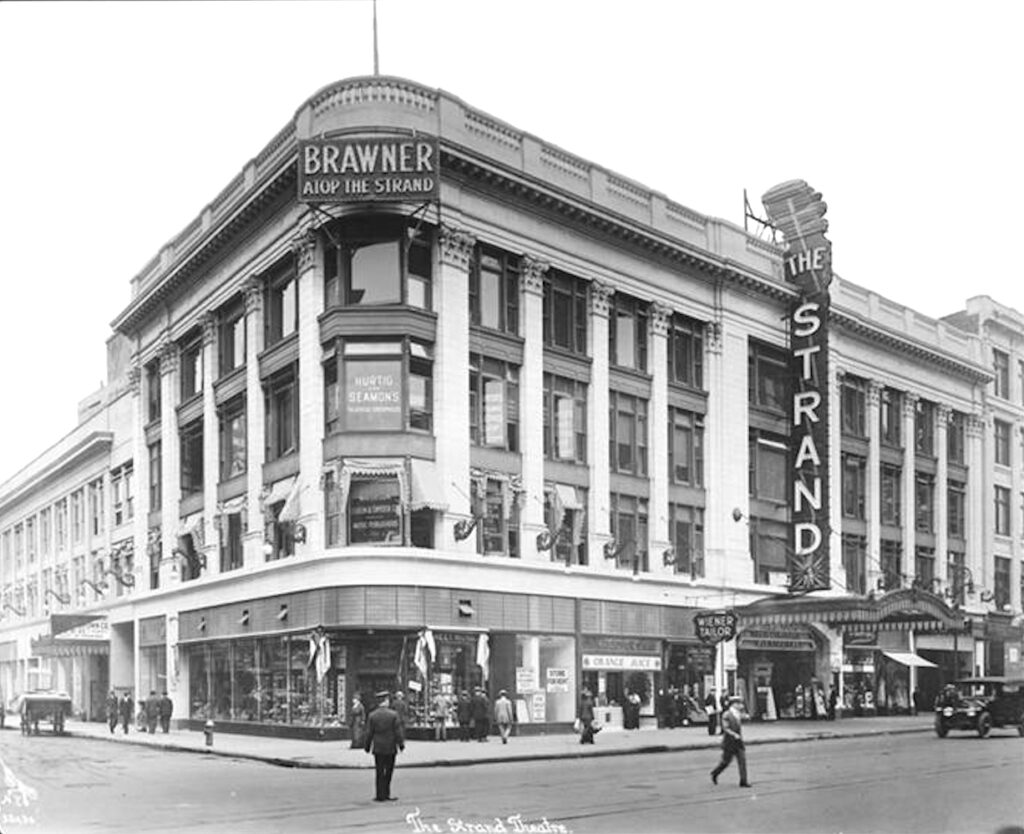
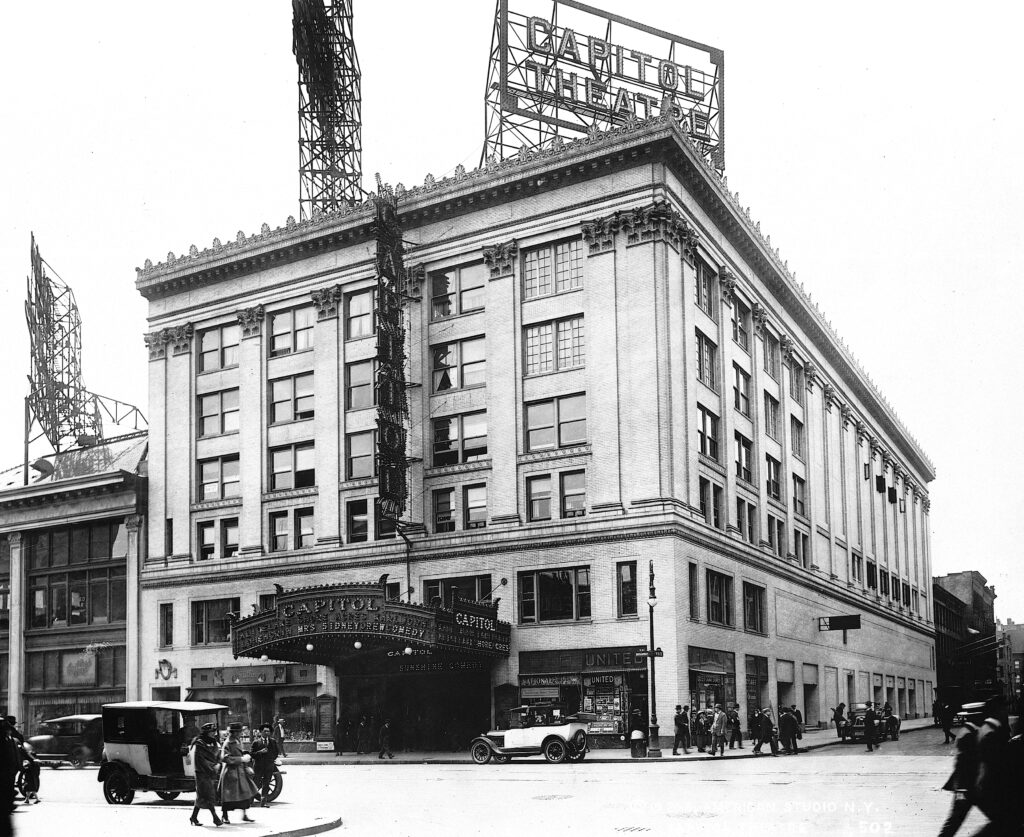
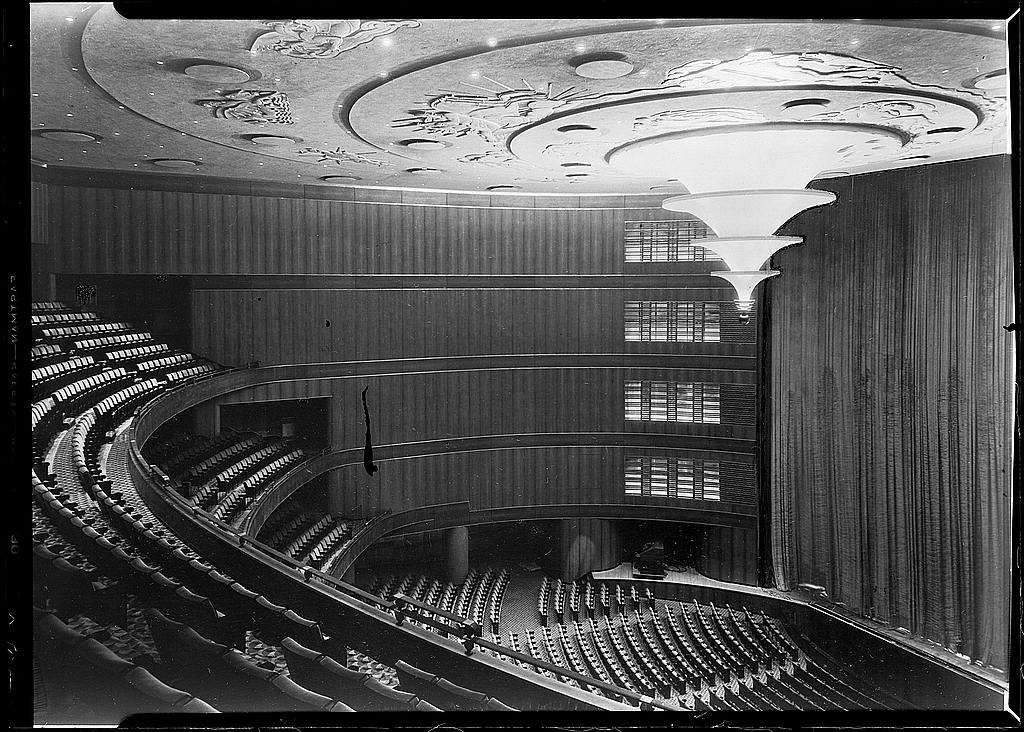
And in Times Square, they were so large that the became known as palaces — the Capitol, the Rialto, the Rivoli, the Strand, the Roxy. They were soon joined by the granddaddy of them all: Radio City Music Hall.
Even by the 1940s, movie theaters were a mix of film and live acts — singers, dancers, animal acrobats and the drama of a Wurlitzer organ!
But a major case at the Supreme Court brought a change to American film exhibition and diversity to the screen — both low brow (grindhouse) and high brow (foreign films and ‘art’ movies).
Today’s greatest arthouse cinemas trace their lineage back to the late 1960s/early 1970s and the new conception of movies as an art form.
Can these theaters survive the perennial villain of the movies (i.e. television) AND the current challenges of a pandemic?
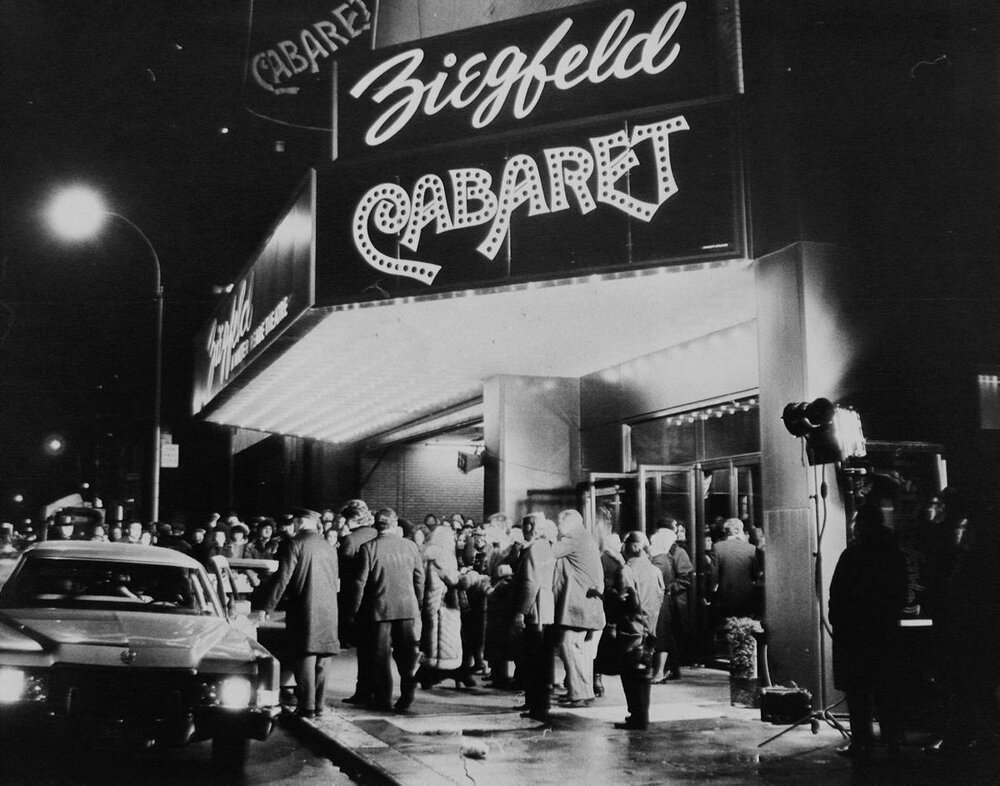
FEATURING: All your favorite New York City movie theaters from A (Angelika) to Z (Ziegfeld).
Listen now on your favorite podcast player:
A special thanks to the website Cinema Treasures for inspiring us for many years and sending us out on many journeys, looking for the great old movie theaters of yore.
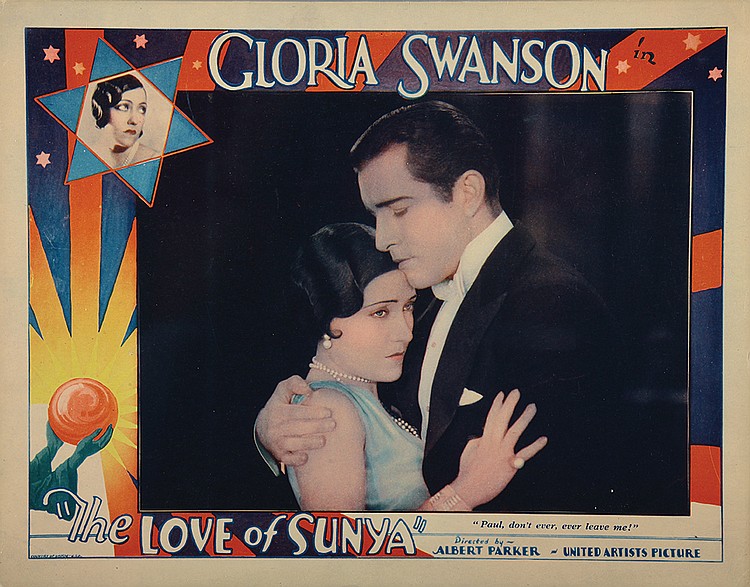
Gloria Swanson in The Love of Sunya, which played on the Roxy’s opening night — March 11, 1927.
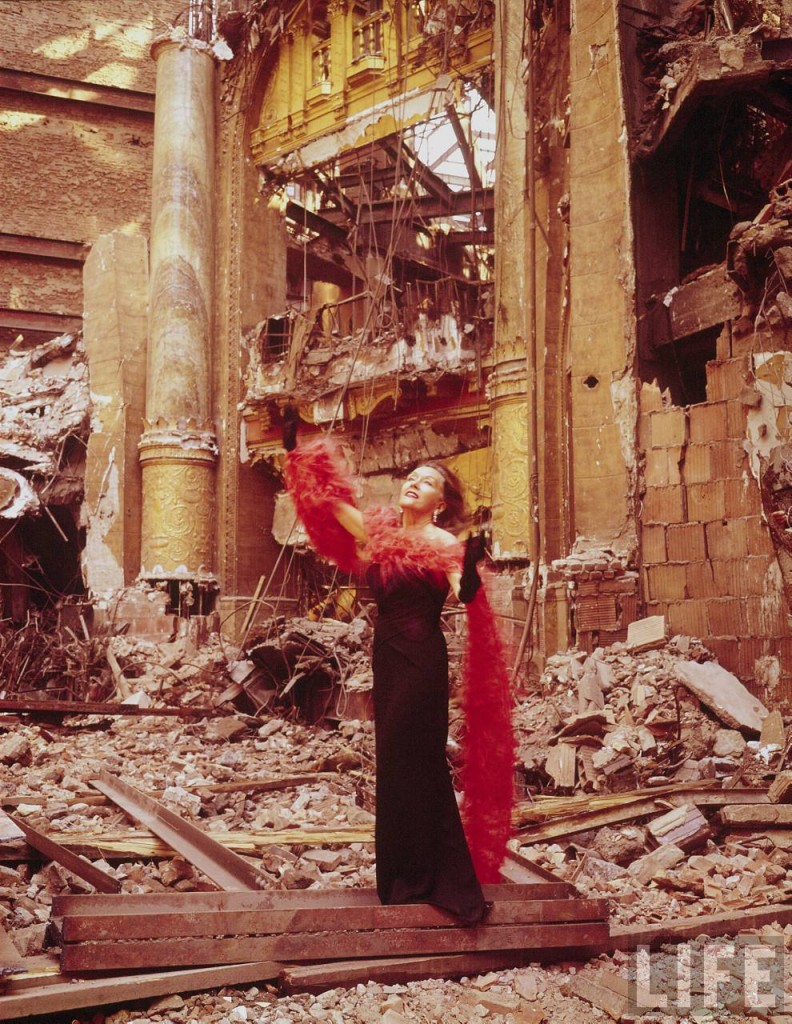
Gloria Swanson in the ruins of the Roxy Theatre, October 1960.
Eliot Elisofon for Life MagazineKoster and Bials at 34th Street — location of the first projected movie program for theatrical audiences in the United States.As with many of his ‘inventions’, Edison did not actually invent the Vitascope. But he bought the rights to say he did!
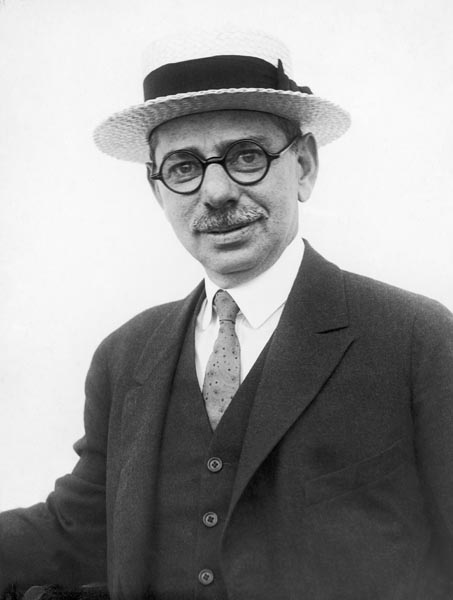
UNITED STATES – CIRCA 1925: Marcus Loew, Founder Of Loews Cinemas, In 1925, Usa. (Photo by Keystone-France/Gamma-Keystone via Getty Images)
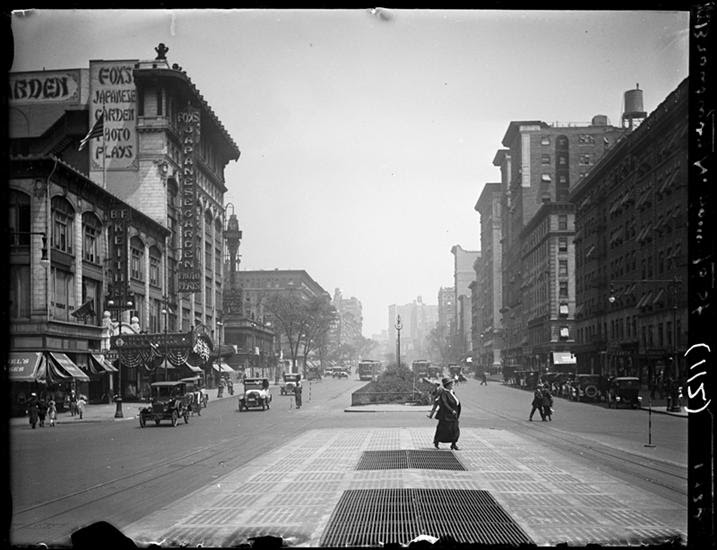
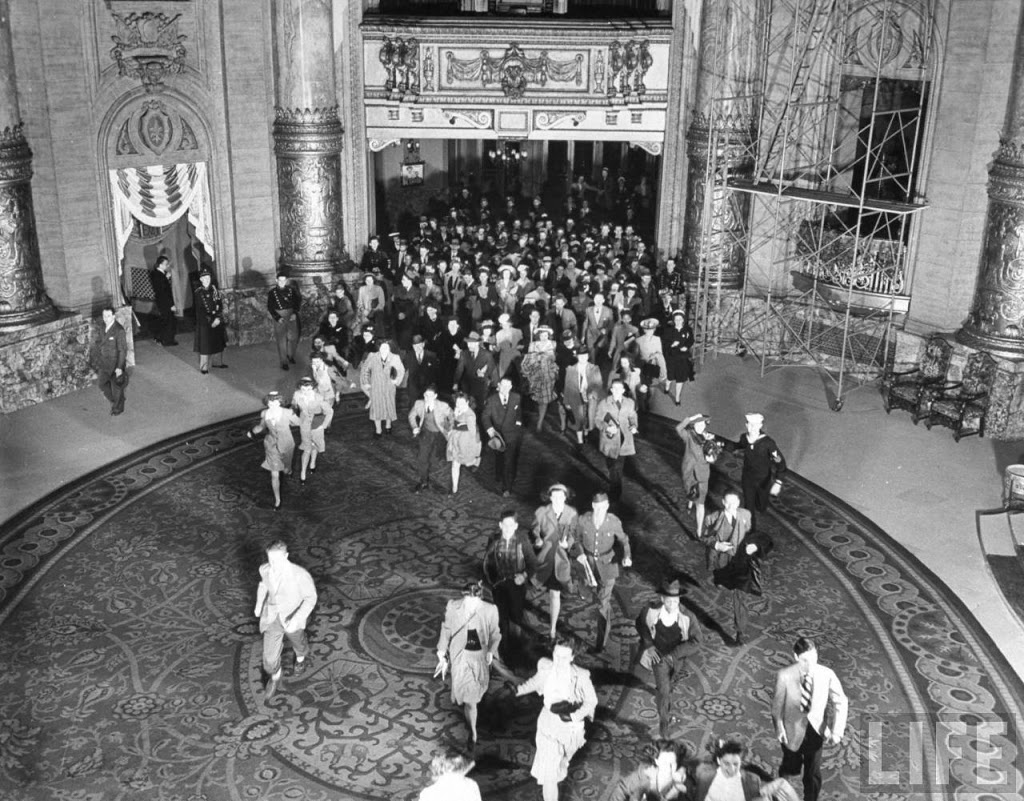
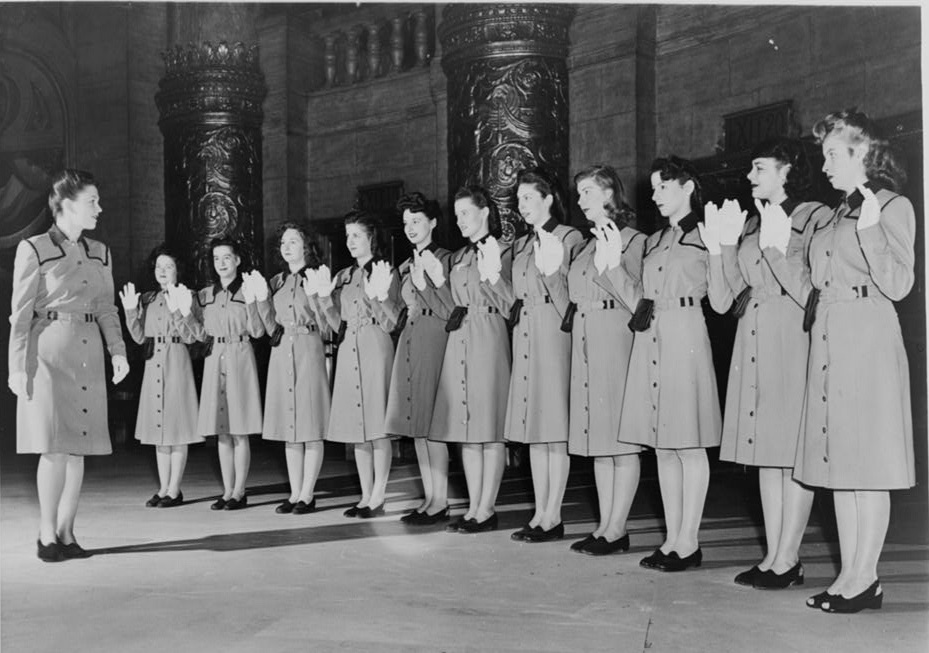
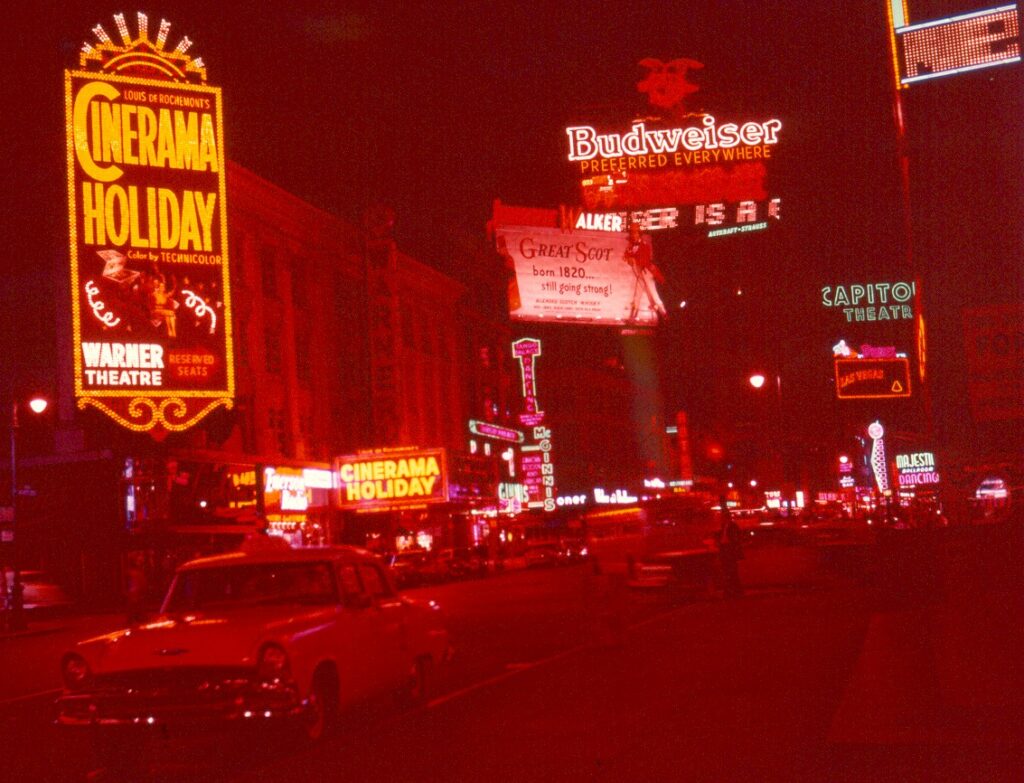
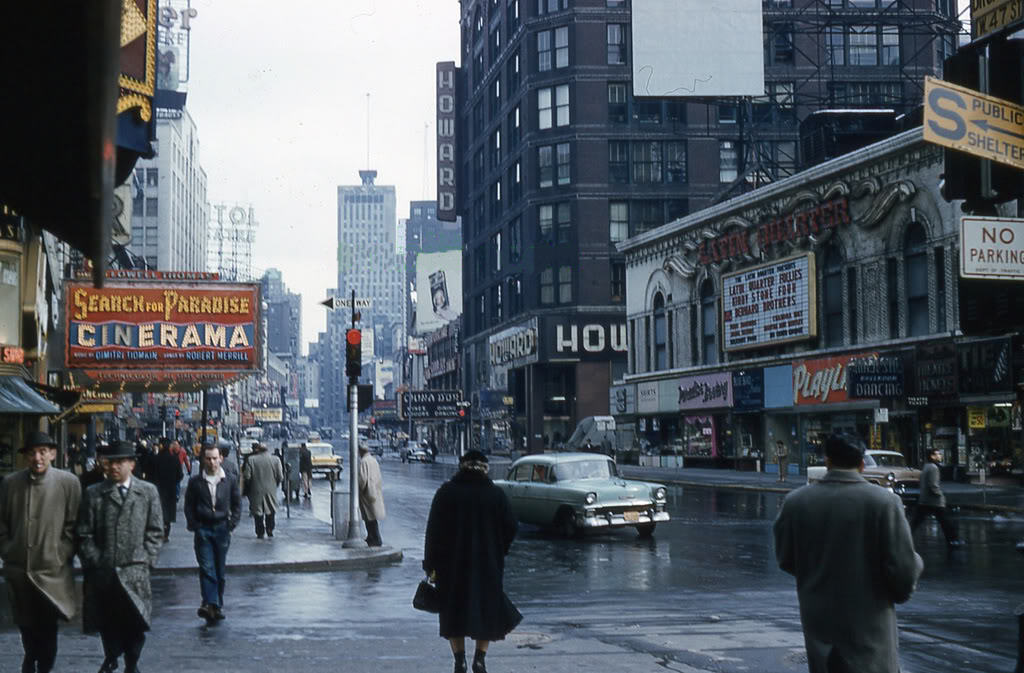
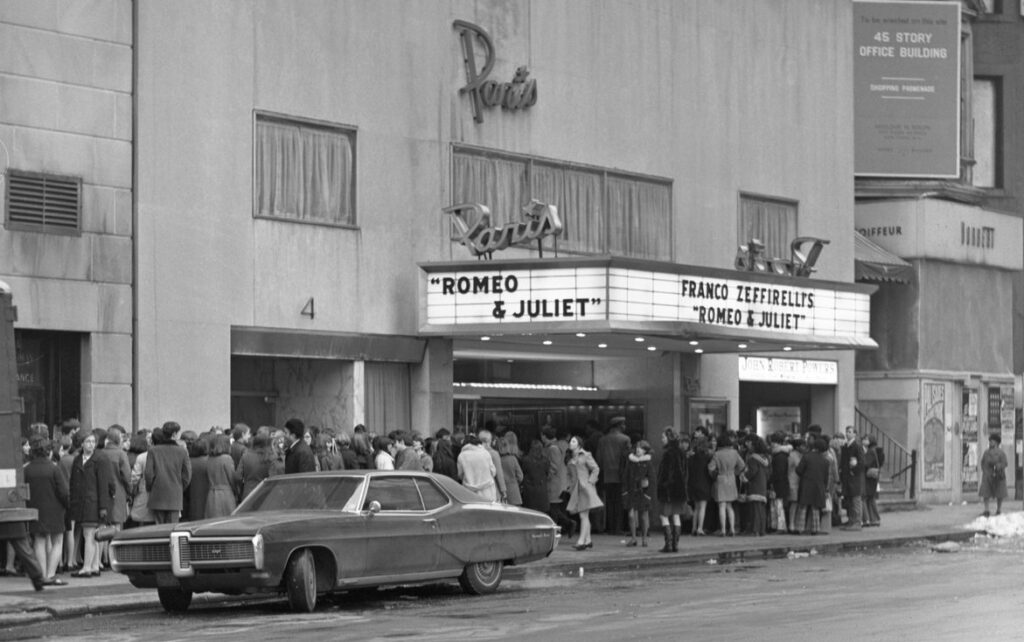
The Strand Theatre, 1914The Capitol Theater, 1920Fox’s Japanese Garden Theatre, at Broadway and 96th Street on the Upper West Side, 1920. Courtesy Museum of the City of New YorkSatisfied New York filmgoers at the Roxy exit into the lobby, May 1943. The 6,000-seat Roxy Theatre, at 153 W. 50th Street, “often cited as the most impressive movie palace ever built” according to Cinema Treasures. Movies at the Roxy were presented with live orchestras and vocals. In this case, the film was the Tyrone Power war thriller ‘Crash Dive’, accompanied by Jimmy Dorsey and His Orchestra and vocalists Bob Eberly and Kitty Kallen.The interior of the Roxy Theater 1932 (Library of Congress)1945 — Head usherette Capt. Rosemary Smith inspects line of uniformed usherettes who are holding gloved hands up to be examined, Roxy Theater, New York City. (Al Ravenna/Library of Congress)Courtesy In Cinerama In CineramaMore information on the Paris Theatre here. Courtesy the Paris TheatreMore information on the Ziegfeld Theater here. (Photo courtesy Ziegfeld Ballroom)
The Bowery Boys: New York City History podcast is brought to you …. by you!
We are now producing a new Bowery Boys podcast every other week. We’re also looking to improve and expand the show in other ways — publishing, social media, live events and other forms of media. But we can only do this with your help!
We are now a creator on Patreon, a patronage platform where you can support your favorite content creators.
Please visit our page on Patreon and watch a short video of us recording the show and talking about our expansion plans. If you’d like to help out, there are six different pledge levels. Check them out and consider being a sponsor.
We greatly appreciate our listeners and readers and thank you for joining us on this journey so far.
Over one hundred years ago, a Brooklyn-based movie impresario named William Fox helped shape the direction of the nascent motion picture industry, building a film-production empire in New Jersey and New York and operating a string of theaters that would introduce millions to the possibilities of moving pictures.
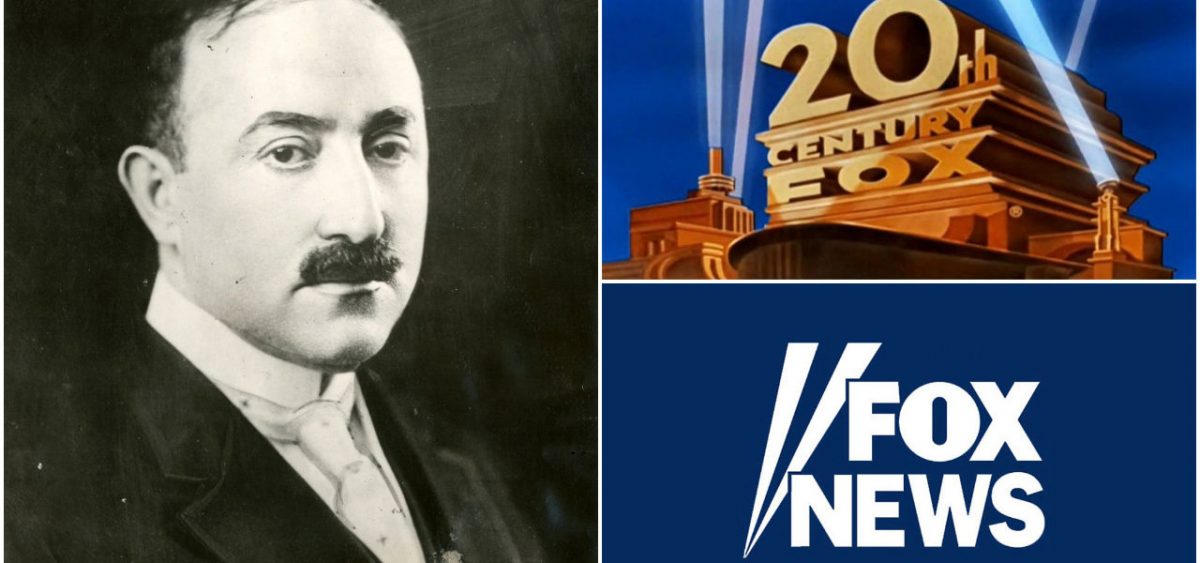
Fox died almost 70 years ago but his name has perpetually lived on within the titles of media properties derived from his early businesses — 20th Century Fox, Fox Searchlight, Fox Network, Fox Sports and, yes, Fox News.
But in the era of corporate mega-mergers and broadcast political propaganda, Fox’s name has become something of a distraction and an inconvenience. Last year, Disney — who owns the film vestige of William Fox’s former empire — has scrubbed his name from the company.
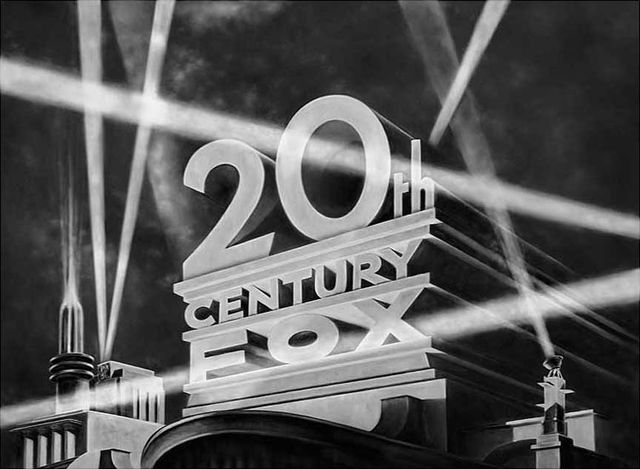
Courtesy Justin CaydCourtesy 20th Century Studios
20th Century Fox, the result of a 1930 merger between Fox’s Fox Films and 20th Century Pictures (led by Joseph Schenck and Darryl F. Zanuck) which has produced some of the world’s greatest films, is now just 20th Century Studios.
Fox Searchlight, the production company which has delivered Oscar winners as Slumdog Millionaire and 12 Years A Slave, is now simply Searchlight Pictures.
As a result, the Fox legacy now has nothing to do with film. In fact, drop the Fox name into any conversation and images of The Simpsons and FOX 5 New York (or Sean Hannity and Fox and Friends) are conjured.
It’s a world that William Fox — who wasn’t even born a Fox — would have hardly recognized.
William Fox Albemarle Theatre (973 Flatbush Avenue, Brooklyn) Courtesy Museum of the City of New York
Opening Credits
His name was actually Vilmos Fuchs, born in 1879 in Hungary, his name changed that same year when his parents immigrated to America through the Castle Garden Emigrant Depot, located in the Battery.
They settled, like millions of other Jewish immigrants to come, on the Lower East Side. He was already working in New York’s thriving garment industry by age 10 — disturbingly young, even for a city with virtually no child-labor restrictions.
By the 1890s Fox was a young man attuned to the rising activism of the Lower East Side, political movements driving by work and living conditions. According to author Vanda Krefft in her book The Man Who Made The Movies, Fox “began to question capitalism and for three years became a socialist.”
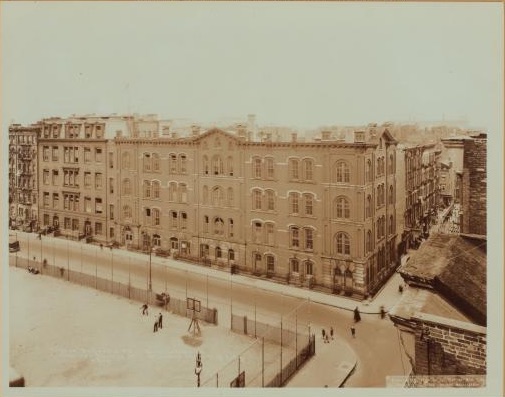
Stanton and Sheriff Street in the Lower East Side, pictured here in 1920. Young Fox and his family lived on this block. Courtesy New York Public LIbrary
But entertainment was more his forte — first as one-half of a comedy troupe called the Schmaltz Brothers, then as a theater owner from his new home in Brooklyn. (He moved to 1055 Myrtle Avenue less than two years after Brooklyn consolidated with New York.)
Fox’s first theater — purchased in 1904, at 700 Broadway in Williamsburg — was a nickelodeon, filled with arcade amusements and an exciting new form of entertainment: moving pictures. These early pictures were usually three minutes in length, visual trifles that people paid a nickel to view.
Fox found exhibition spaces like Manhattan’s Eden Musee inspiring models to emulate, an exotic mix of sideshow, vaudeville and curiosity. And these new moving pictures, so novel and captivating, were being produced rapidly — sometimes in his own backyard. (The first film ever produced in Brooklyn, for instance, was made only a few miles away from 700 Broadway.)
Success at his nickelodeon allowed Fox to greatly expand throughout New York City and into more legitimate theatrical venues such as the 1,600-seat vaudeville Comedy Theater at 194 Grand Street. (In an accidental tribute, Williamsburg Cinemas sits on the same block today.) Small films were soon shuffled into the vaudeville lineup; he charged ten cents for the added entertainment.
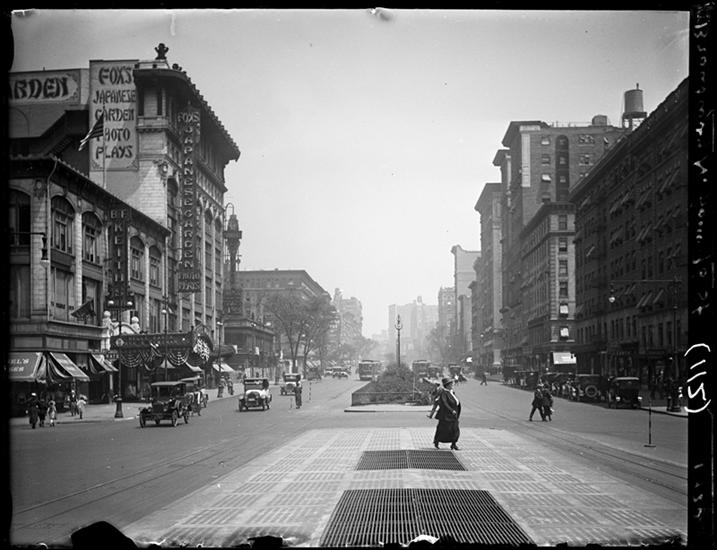
At left — Fox’s Japanese Garden Theatre, at Broadway and 96th Street on the Upper West Side, 1920. Courtesy Museum of the City of New York
Coming Attractions
By 1910 Fox owned several theaters in the New York City area and almost all of them presented moving pictures in some form. He never considered himself a provocateur. But Fox was on the forefront of a movement that polite society considered vulgar and amoral.
He forcefully led a group of local theater owners as head of the Moving Pictures Association, battling the city for the right to exhibit films.
But it wasn’t just morality squads who took aim at the impresario. Fox soon owned his own film rental company, battling Thomas Edison, Eastman Kodak and other members of the so-called Edison Trust for the rights to produce movies.
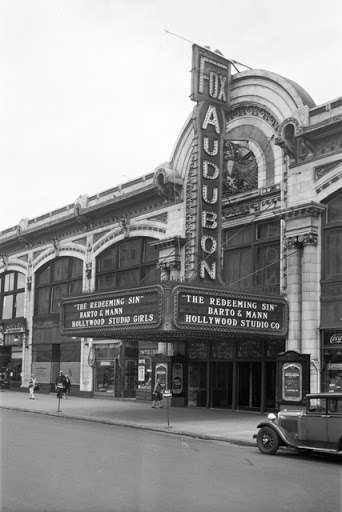
Fox Audubon Theatre – August 3, 1929
The trusts and the moralists were responding to inevitability; the allure of the moving image was so intoxicating that it appeared poised to take over the world. (Spoiler alert: it did.) Fox understood this and planned for a future of unlimited, unrestricted film enjoyment by the general public.
He would need to collaborate with politicians to achieve his ambitions.
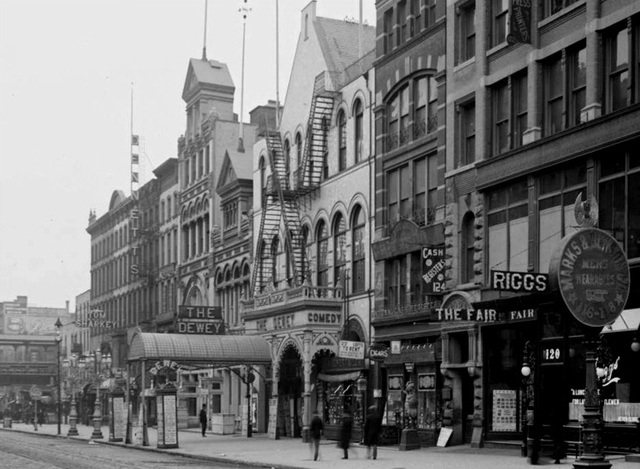
For instance, thanks to his associations with Tammany Hall and Big Tim Sullivan, Fox bought the Dewey Theatre on 126 East 14th Street and transformed it into one of New York’s most lavish stages — and screens.
The Dewey Theatre, courtesy Cinema Treasures
Later rebuilt by Fox, the Dewey would be renamed the Academy of Music and later the Palladium. (Later he would even rent out the actual Academy of Music — the famed cultural center of New York’s elite — across the street.)
Fox soon would take over the 14th Street entertainment corridor, his chief competitor being Marcus Loew (another Jewish immigrant-turned-theater owner). Together, Fox and Loew would craft the early American movie-going experience and help invent the movie palace.
Opening Night
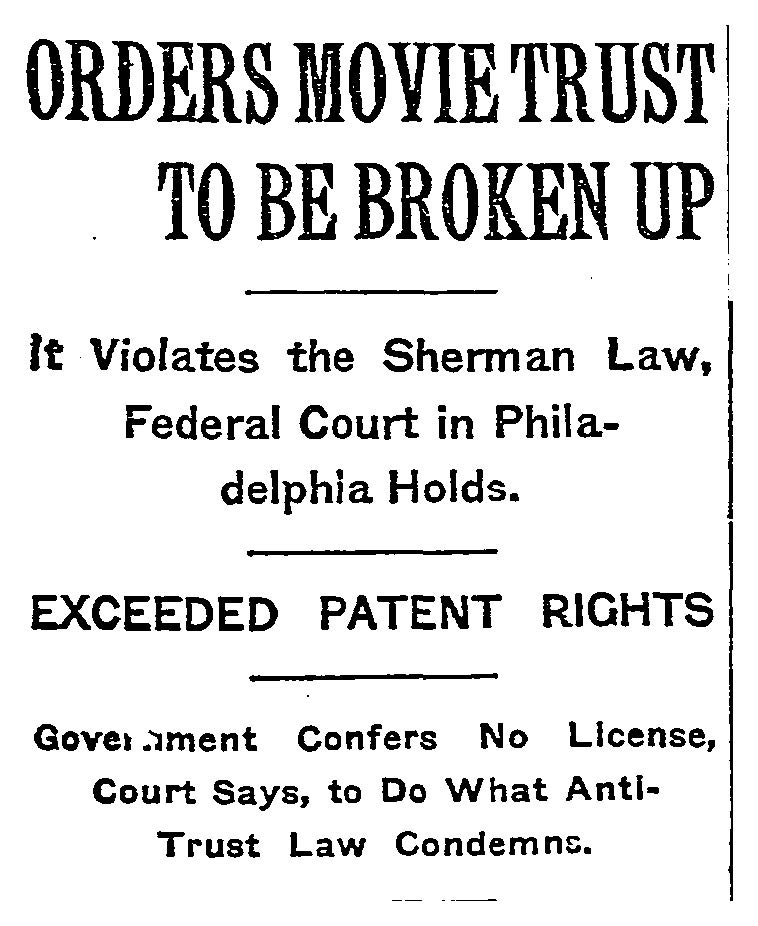
Facilitating the growth of the American movie industry was the Supreme Court case United States v. Motion Picture Patents Co. which dissolved the Edison Trust stranglehold upon the industry. The case grew from a lawsuit by the one film distributor who refused to bow to the Edison Trust’s demands. That distributor was Fox.
Writes Krefft,”The end of the MPPC opened a new chapter in film history. Now, anyone in the United States who wished to make movies could do so legally. Thanks largely to Fox, the foundation had been laid for the American movie studio system.”
And no surprise, William Fox decided to dive right in.
Fox Films studio, courtesy Fort Lee Film Commission
Think of all the entertainment properties made under his name in the 105 years since then. The Fox entertainment production juggernaut begins here — the Fox Film Corporation, founded on February 1, 1915, funded with money from New Jersey investors and centered in Fort Lee, New Jersey.
“The Fox Film Corporation has forged to the front of picture making concerns since its inception as a producing company,” said the Buffalo Courier. [April 1915]
Box Office Gold
Fox Studios were located in Fort Lee, New Jersey. But their first Manhattan office — 130 West 46th Street — was situated just one block away for the location of the current headquarters of Fox News — 1211 Avenue of the Americas.
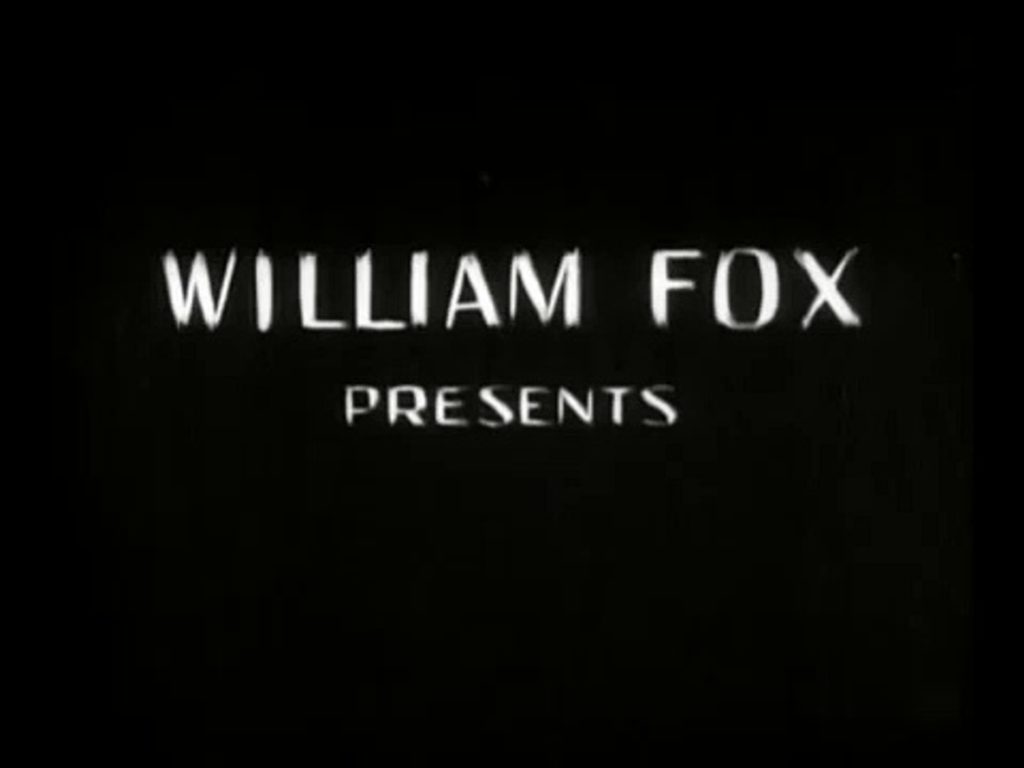
The first Fox logo:
William Fox was directly involved with film production in the early years, often dreaming up the movie concepts himself. “Fox never intended to shake up the movie industry,” writes Krefft. “[H]e was and would always be a social conservative who wanted to change nothing except his own status from outsider to insider.”
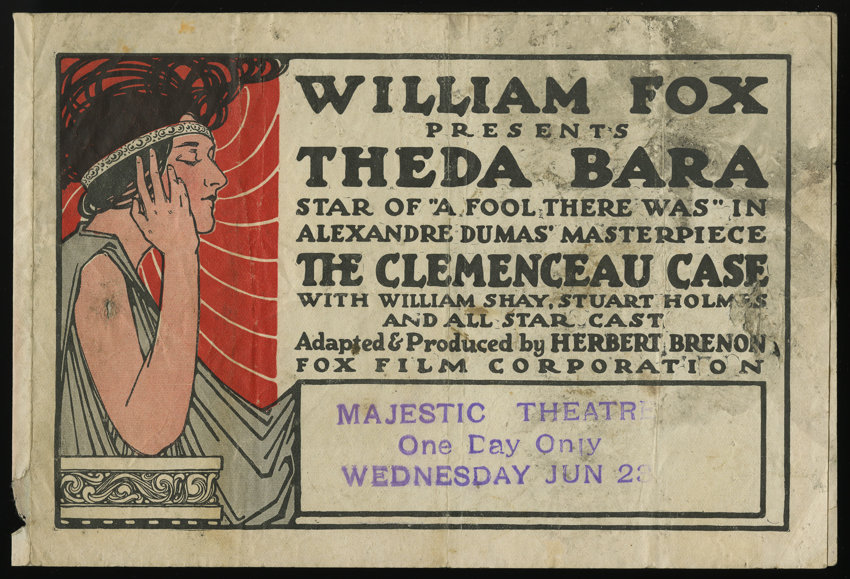
And yet Fox Films’ first major film star was anything but conventional — Theda Bara, the intense raven-locked seductress who quickly embodied the late 1910s stereotype of the vamp. Bara made dozens of films for Fox; almost all of them were destroyed in a 1937 fire.
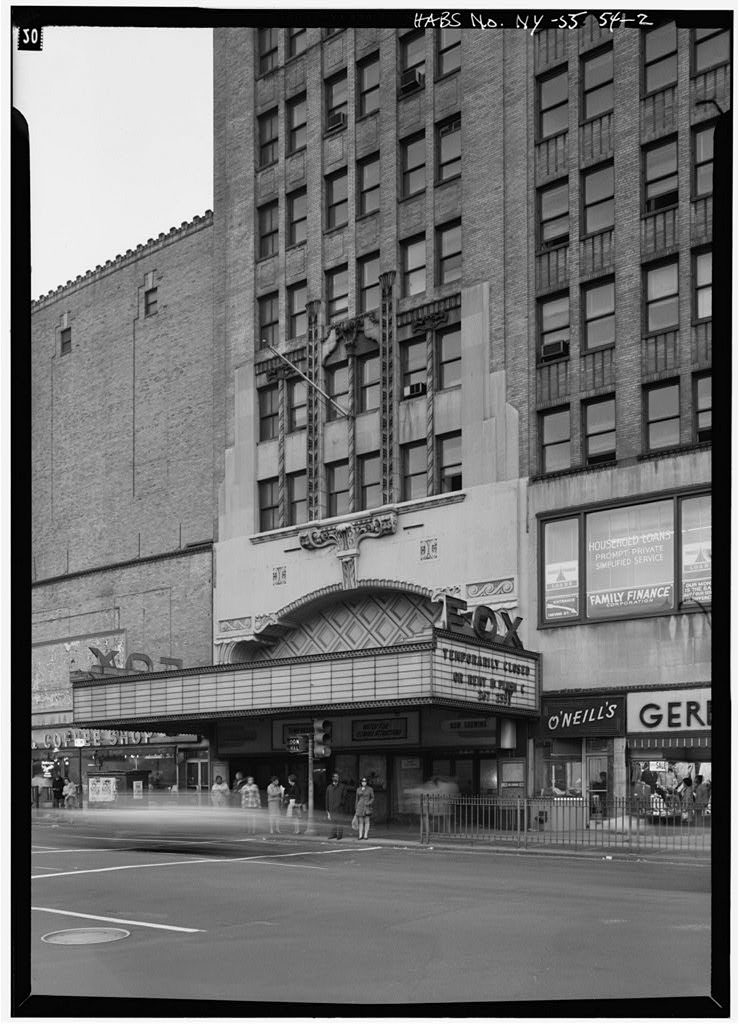
By the 1920s, Fox Films — as well as most film production companies in the region — would move out to Hollywood. But Fox would leave his name on hundreds of theaters across the country. And many of New York City’s finest movie palaces would wear the name FOX.
Brooklyn’s Fox Theatre at Flatbush and Nevins in Downtown Brooklyn. Demolished in 1971. Courtesy Library of Congress
The End
In 1930, however, Fox was essentially severed from the industry that would continue to bear his name.
He lost most of his fortune in the 1929 stock market crash, then lost control of his production company in a hostile takeover the following year. By 1935, the struggling Fox Films was acquired by Twentieth Century Pictures.
By the 1940s, the name Fox was essentially represented a set of assets, a reputation — a ghost. It made sense for the new film merger to become Twentieth Century Fox because the Fox name still hung from hundreds of movie theaters across the country.
New owner Rupert Murdoch oversaw the studio’s transition into television in the 1980s — the Fox Broadcasting Company. By the 1990s, the successful broadcast network (of Simpsons and X-Files fame) gave birth to a further iteration — the Fox News Channel.
All of this traces back to that one Brooklyn nickelodeon, William Fox’s risky venture at 700 Broadway in Williamsburg, Brooklyn.
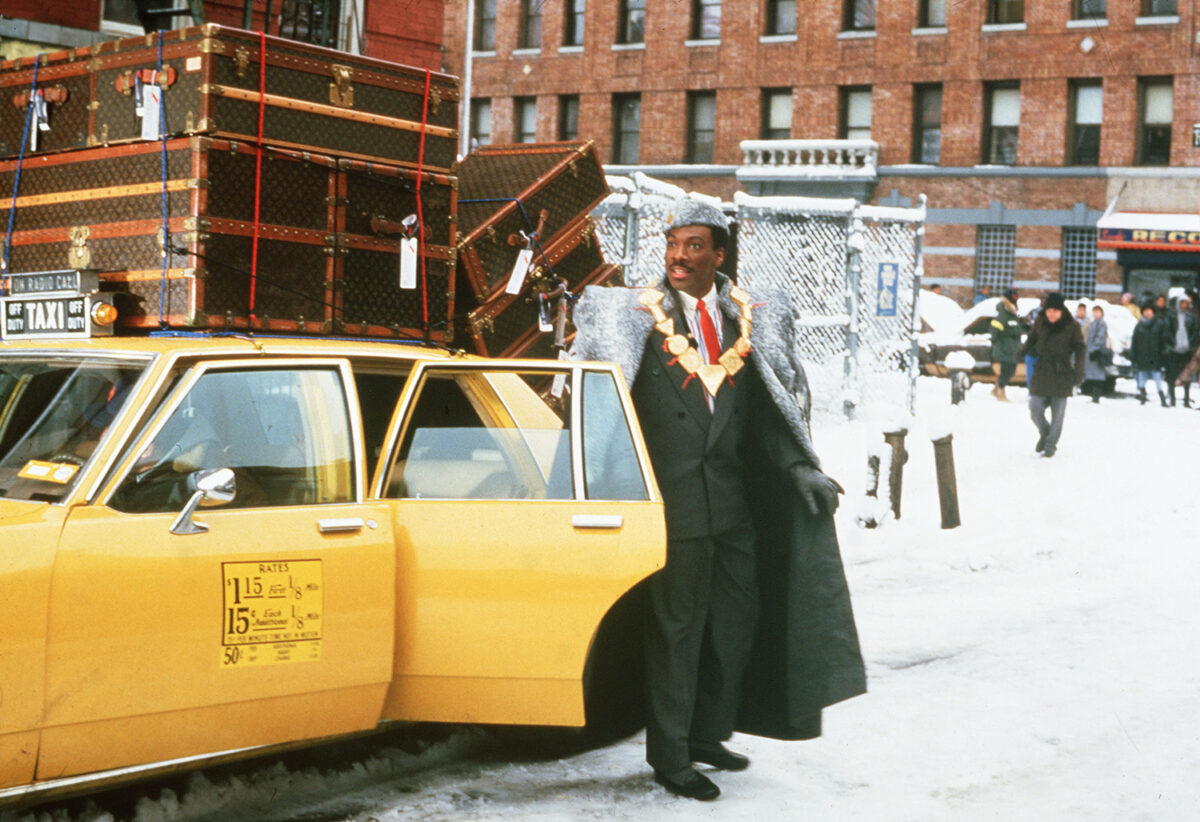
Eddie Murphy plays an optimistic African prince looking for the love of his life in the 1988 film Coming to America, a surprising entry in the New York City film canon — a mix of beautifully transformed locations and well-decorated famous faces.
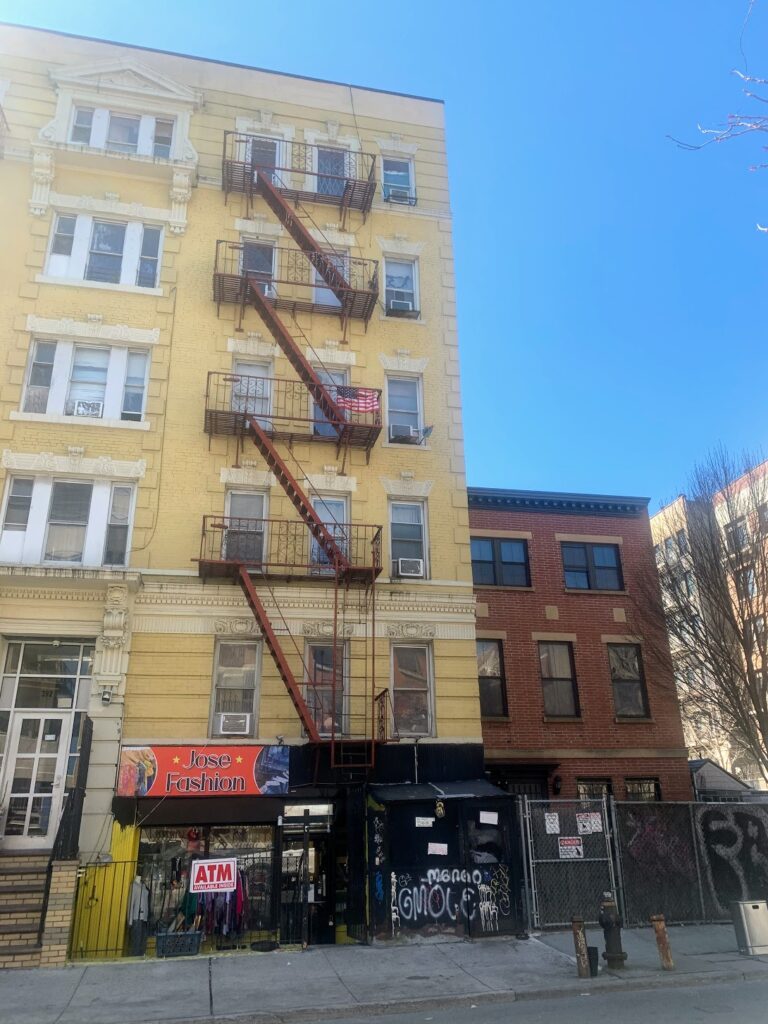
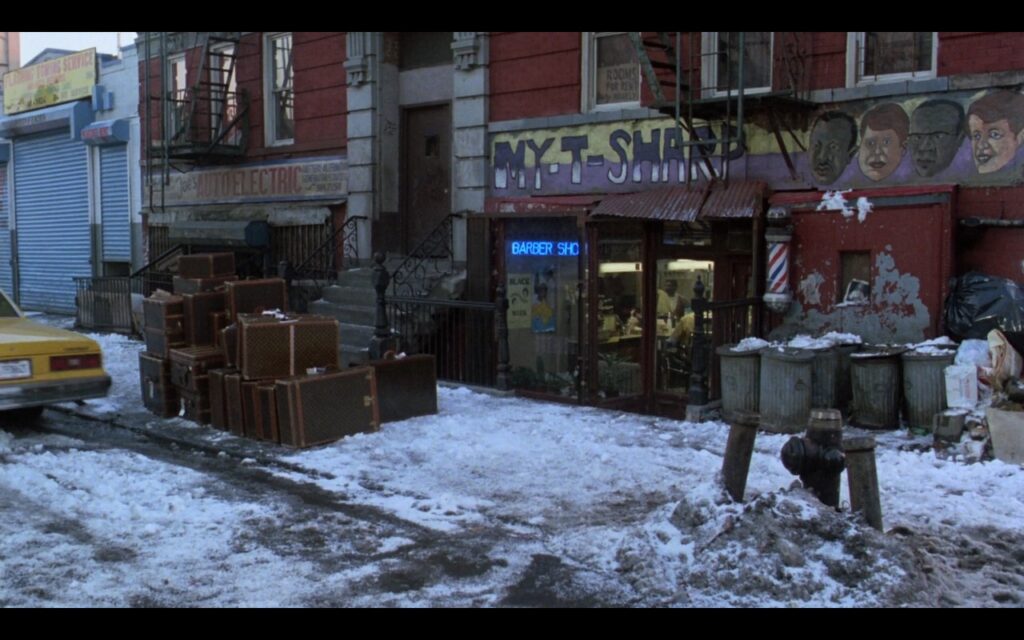
In this movie directed by John Landis, not every filming location is authentic — Williamsburg, Brooklyn, plays the role of Queens, for instance — but this fast-paced ’30s-inspired comedy creates a very familiar city, from romantic strolls along the Brooklyn waterfront to the wacky discoveries at a character-filled discotheque.
Listen in as Greg and Tom recap the story and explore some of the historical context for the film. Featuring an unusual cavalcade of New York City places, from a fast food restaurant on Queens Boulevard to the crowded bathrooms of Madison Square Garden.
PLUS: Just let your Soul Glo!
HowdoIlistentheBoweryBoysMovieClub? Once you’re signed in on Patreon, you’ll see a private RSS link that can be put directly into your favorite podcast player. Even easier, it can also be played directly from the Patreonapp if you’re signed in.
Your support on Patreon assists us in producing our podcast and website and it helps as we endeavor to share our love of New York City history with the world.
Shouldyouwatchthemoviebeforeyoulistentothisepisode? This podcast can be enjoyed both by those who have seen the film and those who’ve never even heard of it.
We think our take on Coming to America might inspire you to look for the film’s many fascinating (but easy to overlook) historical details, so if you don’t mind being spoiled on the plot, give it a listen first, then watch the movie! Otherwise, come back to the show after you’ve watched it.
Where can you watch Coming to America? It’s available to rent on all movie streaming services, as well as a free stream on Amazon Prime. (There’s also the sequel Coming 2 America.)
One of the central locations of the film — not in Queens but in Williamsburg, Brooklyn.
PODCAST New York’s upper class families of the late 19th century lived lives of old-money pursuits and rigid, self-maintained social restrictions — from the opera boxes to the carriages, from the well-appointed parlors to the table settings. It was leisure without relaxation.
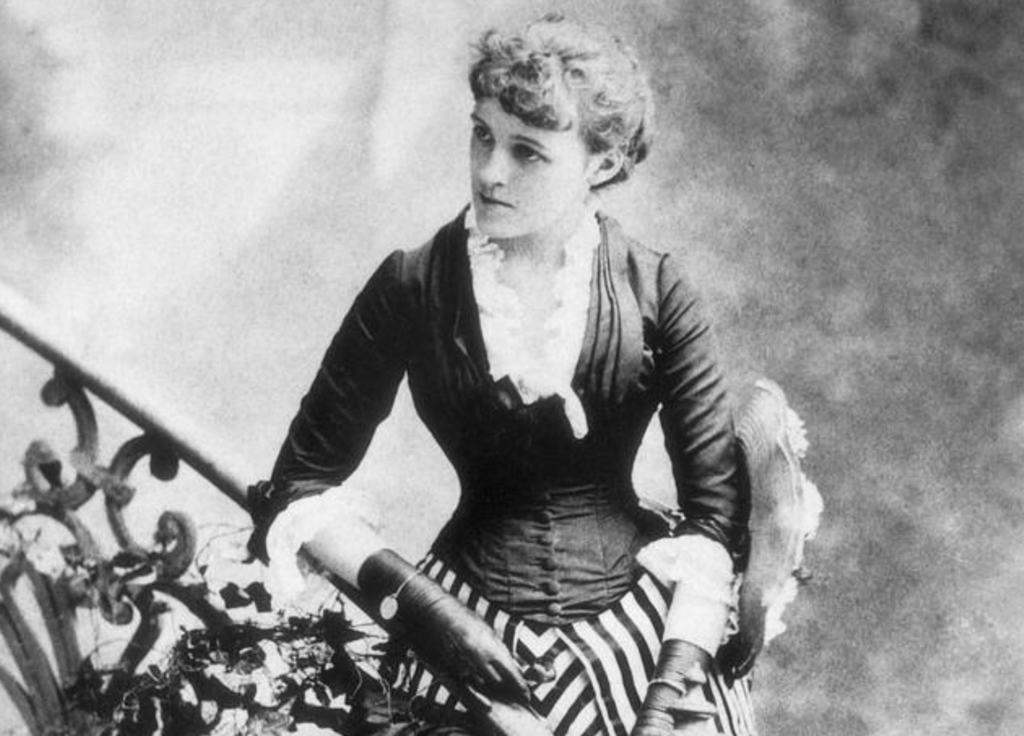
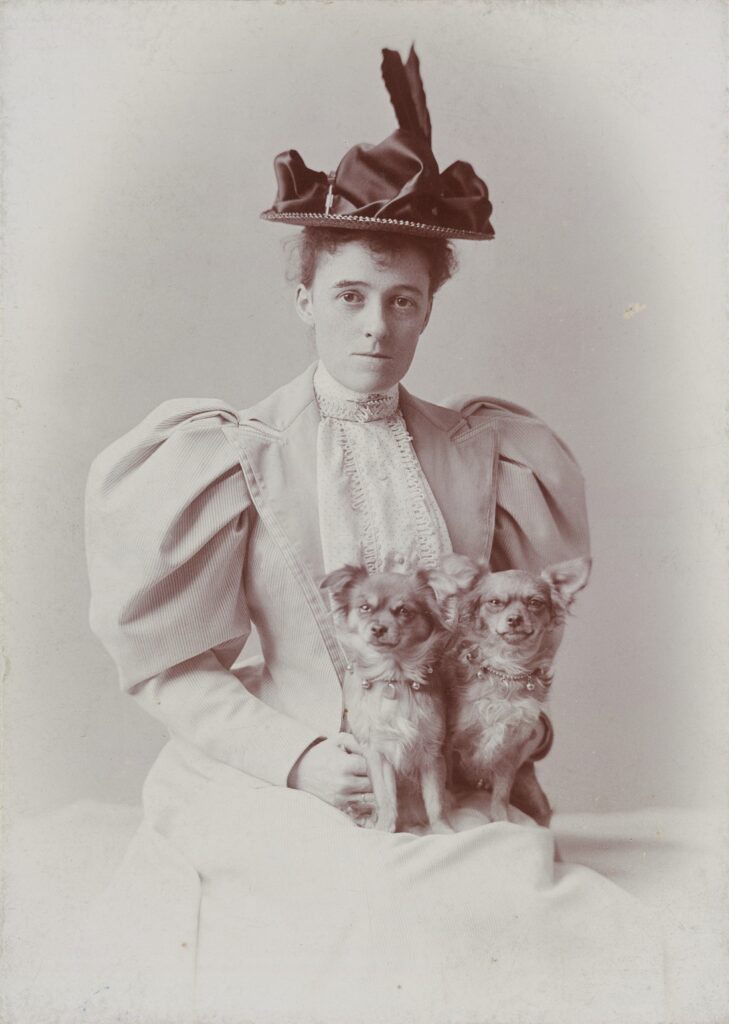
EPISODE 357 In this show we examine the story of Edith Wharton — the acclaimed American novelist who was born in New York City and raised inside this very Gilded Age social world that she would bring to life in her prose.
She was a true ‘insider’ of New York’s wealthy class — giving the reader an honest look at what it was like to live in the mansions of Fifth Avenue, to attend an elite dinner soiree featuring tableaux vivant and to carry forth an exhausting agenda of travels to Hudson River estates, grand Newport manors and gardened European villas.
We can read her works today and enjoy them simply as wonderful fiction — and incredible character studies — but as lovers of New York City history, we can also read her New York-based works for these recreations of another era.
Is it possible to glimpse a bit of Edith Wharton’s New York in the modern city today?
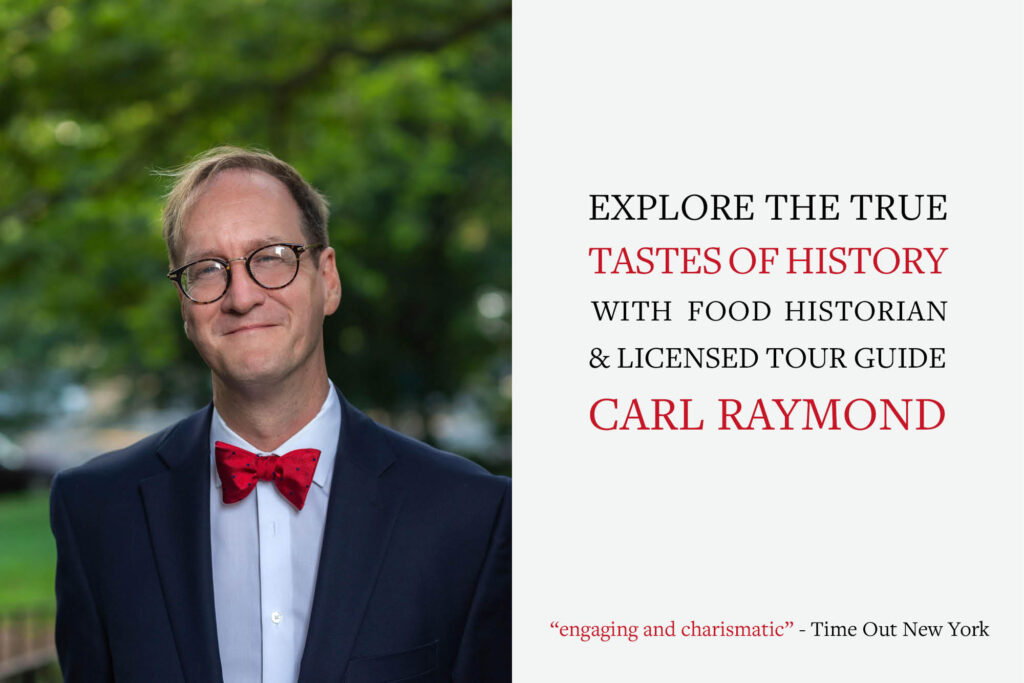
Tom and Greg are joined by Wharton lecturer and tour guide Carl Raymond, a historian who has traced her footsteps many times on the streets of New York (and through the halls of her country home The Mount in Lenox, MA.)
Listen now on your favorite podcast player:
A big THANK YOU to Carl Raymond for joining us on the show this week. Visit his website for more information on his lectures, tours and classes.
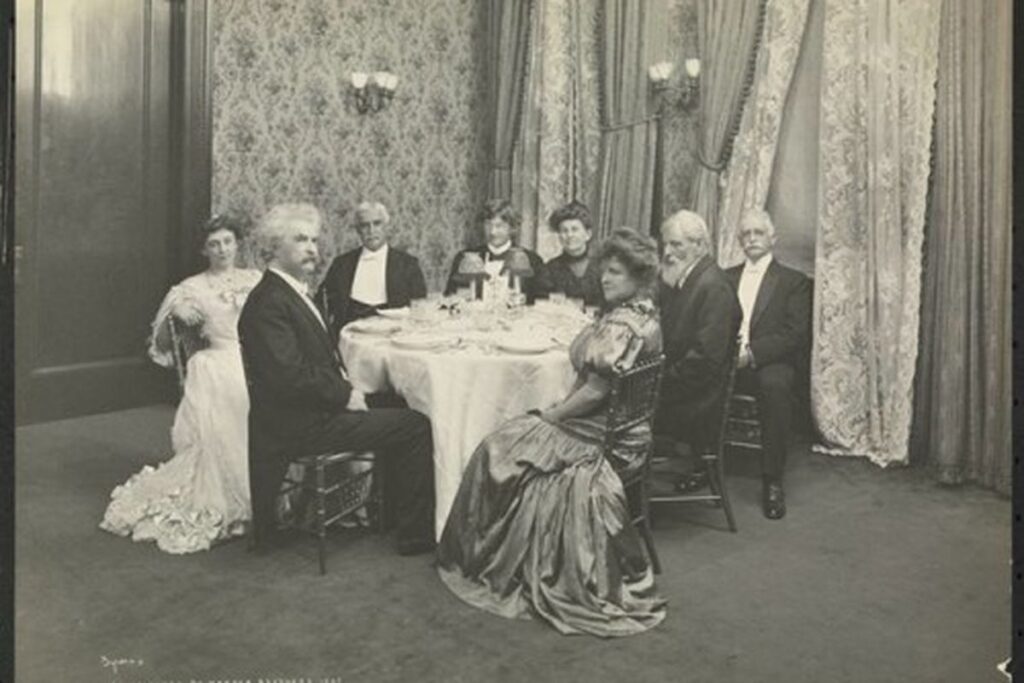
YOU ARE CORDIALLY INVITED to join us for a Gilded Age dinner party — virtually.
It’s no secret that dining during the height of New York’s Gilded Age was nothing if not ostentatious and outrageous.
From the 1870s into the early 20th century, the wealth of America’s new elite knew no bounds, and they wanted to show it on their gold and silver-laden dinner tables.
Join the Bowery Boys, Tom Meyers and Greg Young, as they welcome and toast the evening’s host, culinary historian and Bowery Boys Walks guide, Carl Raymond. Take an inside look at the recipes and restaurants, along with the chefs and the caterers who brought the dinner tables of this city to a whole new level.
DATE: Tuesday, April 13, 2021 at 5 pm (EST)
Find more information on this special event and get your tickets here.
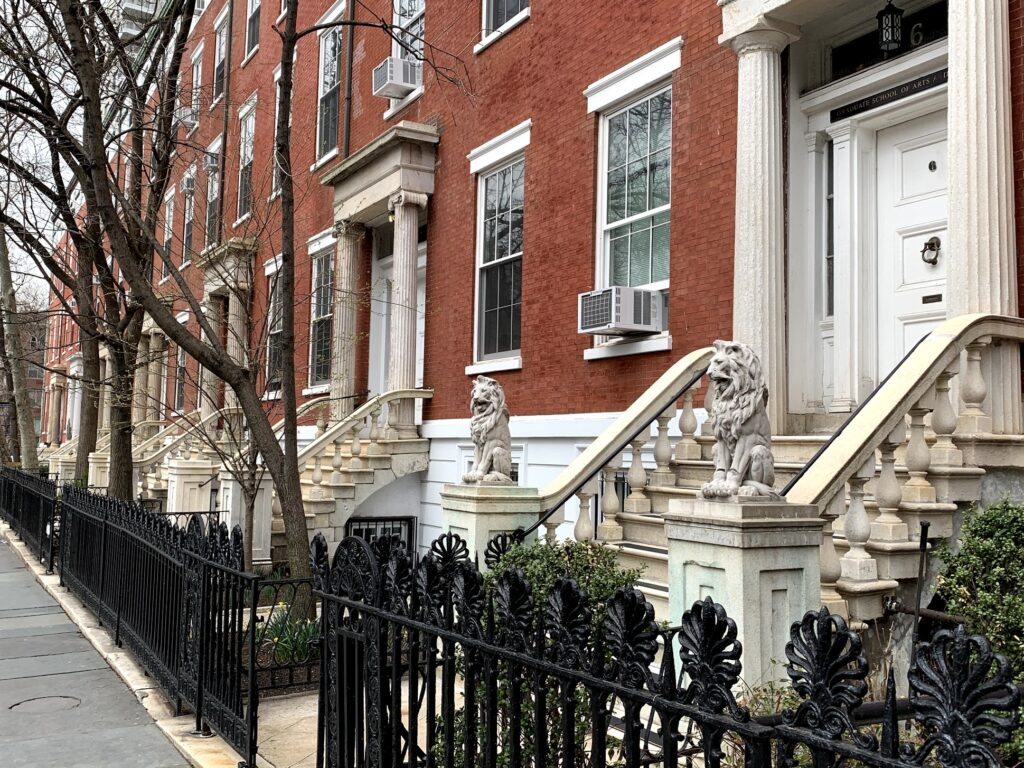
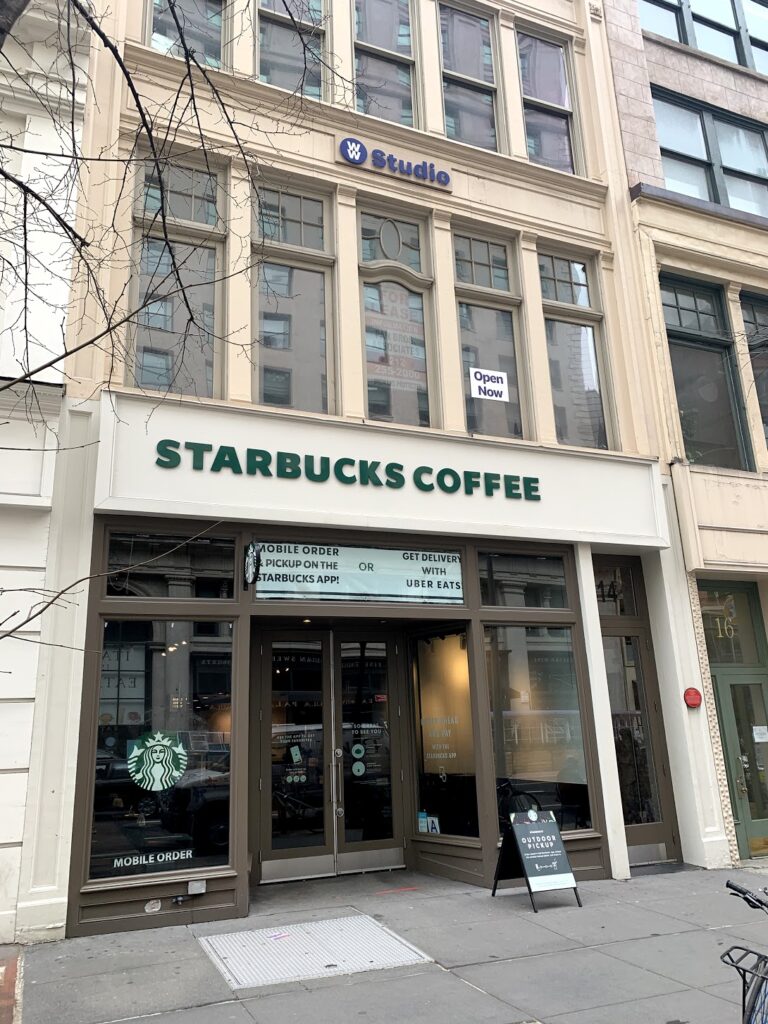
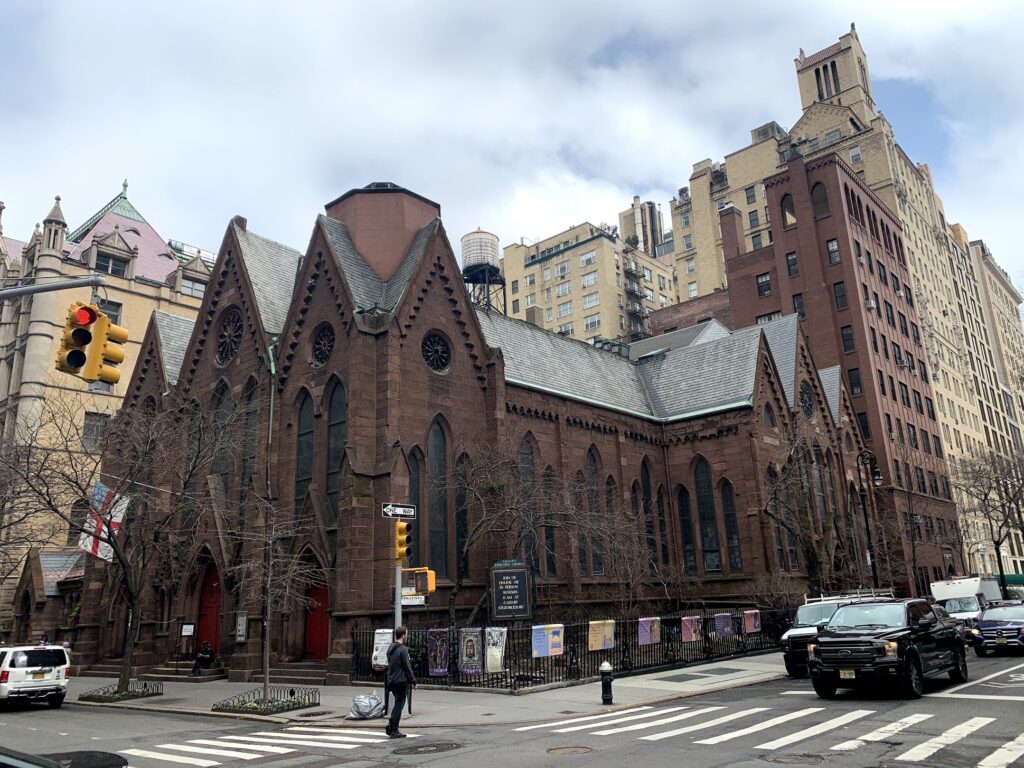
Photograph of writer Edith Wharton, taken by E. F. Cooper, 1895, at Newport, Rhode Island. Cabinet photograph. Courtesy of the Beinecke Rare Book & Manuscript Library, Yale University.7 Washington Square North where Edith and her mother lived in 1882. (Photo by Greg YoungThe 23rd Street building where Edith Wharton lived as a child is still around; it’s a Starbucks! (Photo Greg Young)Calvary Church on Park Avenue South (and 21st Street) was the Edith’s church as a child.
FURTHER LISTENING
After listening to Edith Wharton’s New York, check out these similar themed shows from our back catalog:
The Bowery Boys: New York City History podcast is brought to you …. by you!
We are now producing a new Bowery Boys podcast every other week. We’re also looking to improve and expand the show in other ways — publishing, social media, live events and other forms of media. But we can only do this with your help!
We are now a creator on Patreon, a patronage platform where you can support your favorite content creators.
Please visit our page on Patreon and watch a short video of us recording the show and talking about our expansion plans. If you’d like to help out, there are six different pledge levels. Check them out and consider being a sponsor.
We greatly appreciate our listeners and readers and thank you for joining us on this journey so far.
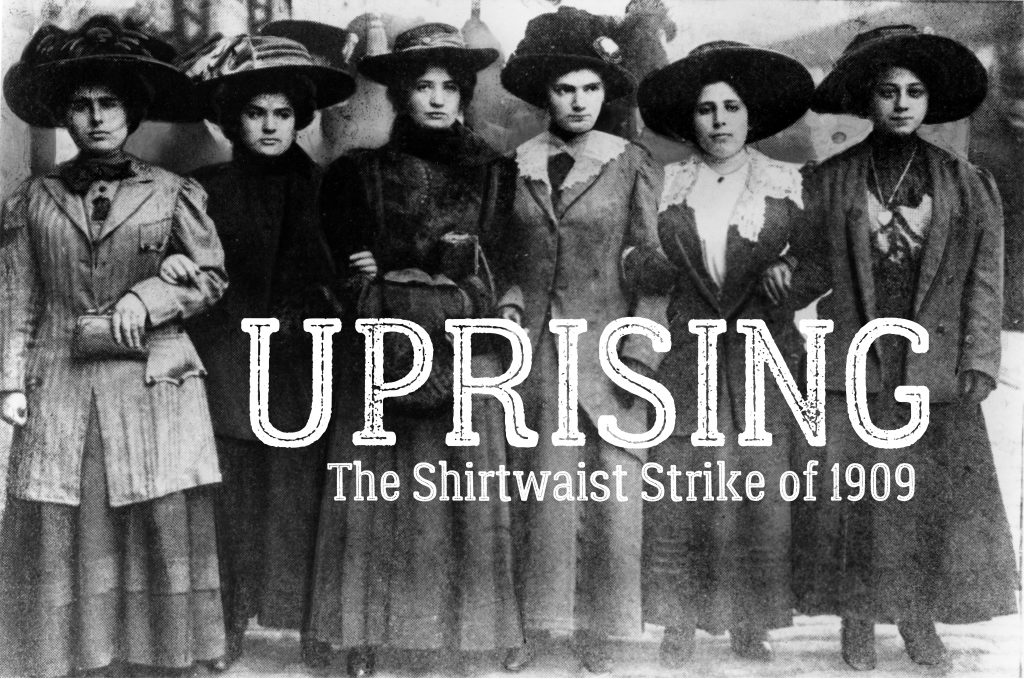
EPISODE 311 Nobody had seen anything quite like it.
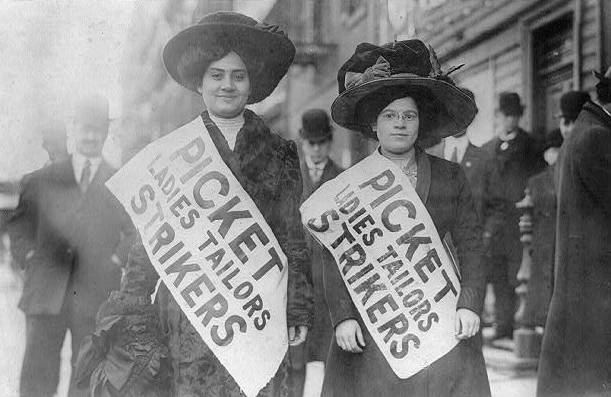
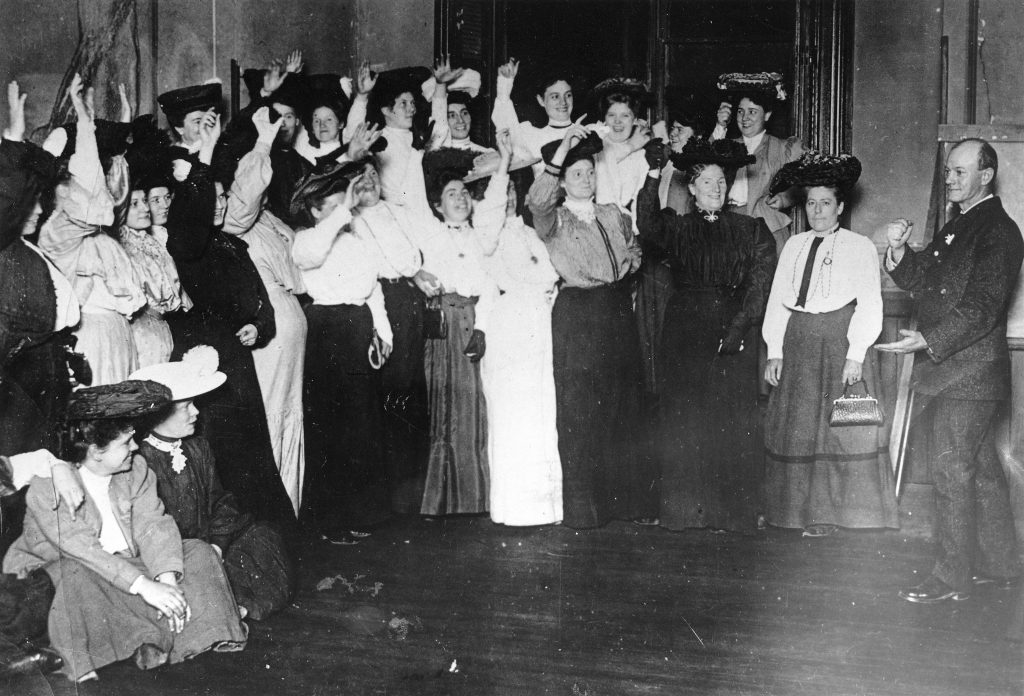
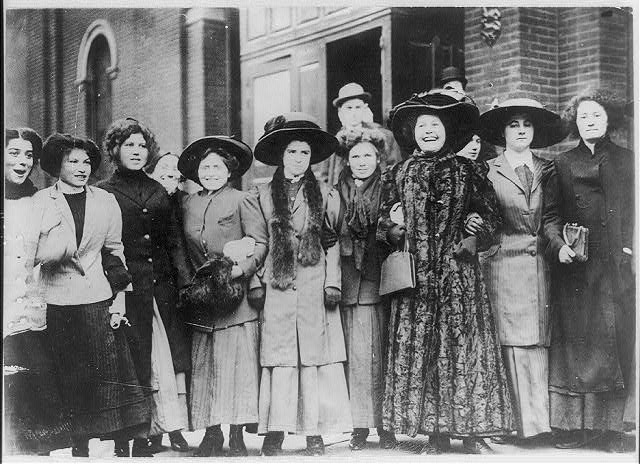
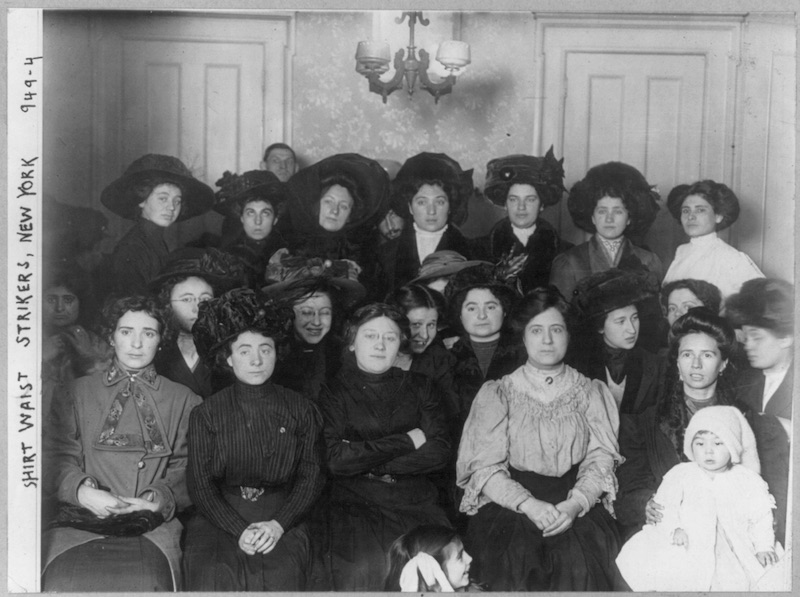
In late November 1909, tens of thousands of workers went on strike, angered by poor work conditions and unfair wages within the city’s largest industry.
New York City had seen labor strikes before, but this one would change the city forever.
The industry in question was the garment industry or ‘the needle trades’. The manufacture of clothing — and, in the case of this strike, the manufacture of shirtwaists, the fashionable blouse worn by many American women.
The strikers in question were mostly young women and girls, mostly Eastern European Jewish and Italian immigrants who were tired of being taken advantage of by their male employers.
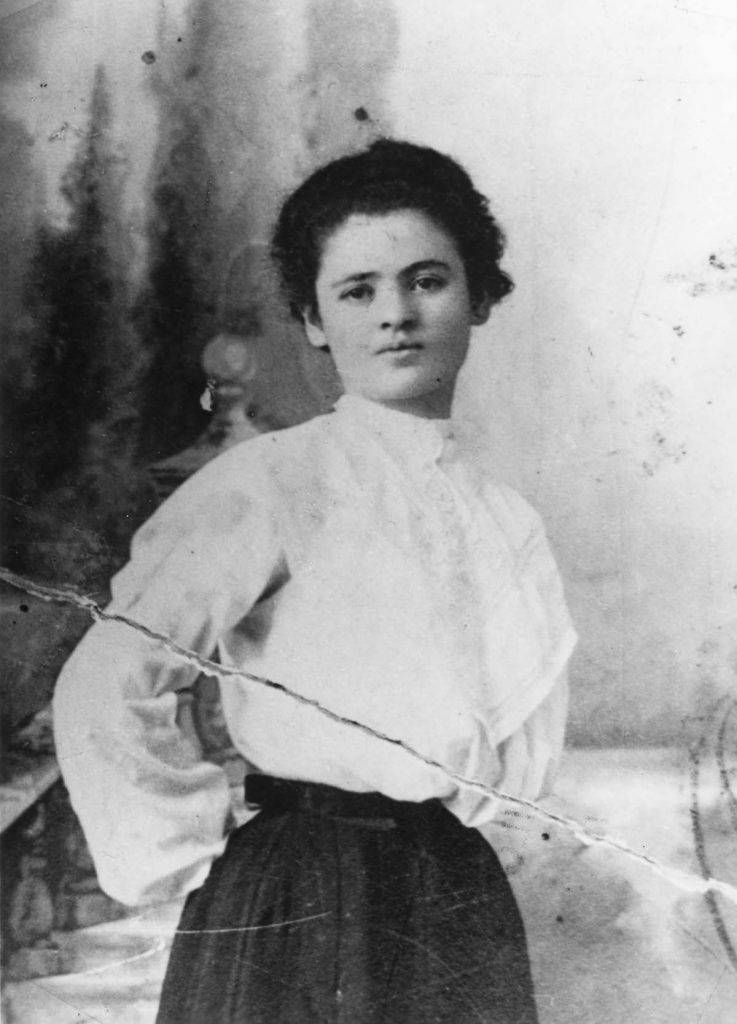
Leading the charge were labor leaders and activists. And in particular, one young woman named Clara Lemlich would inspire a crowd of thousands at Cooper Union with a rousing speech that would forever echo as a cry of solidarity for an underpaid and abused workforce.
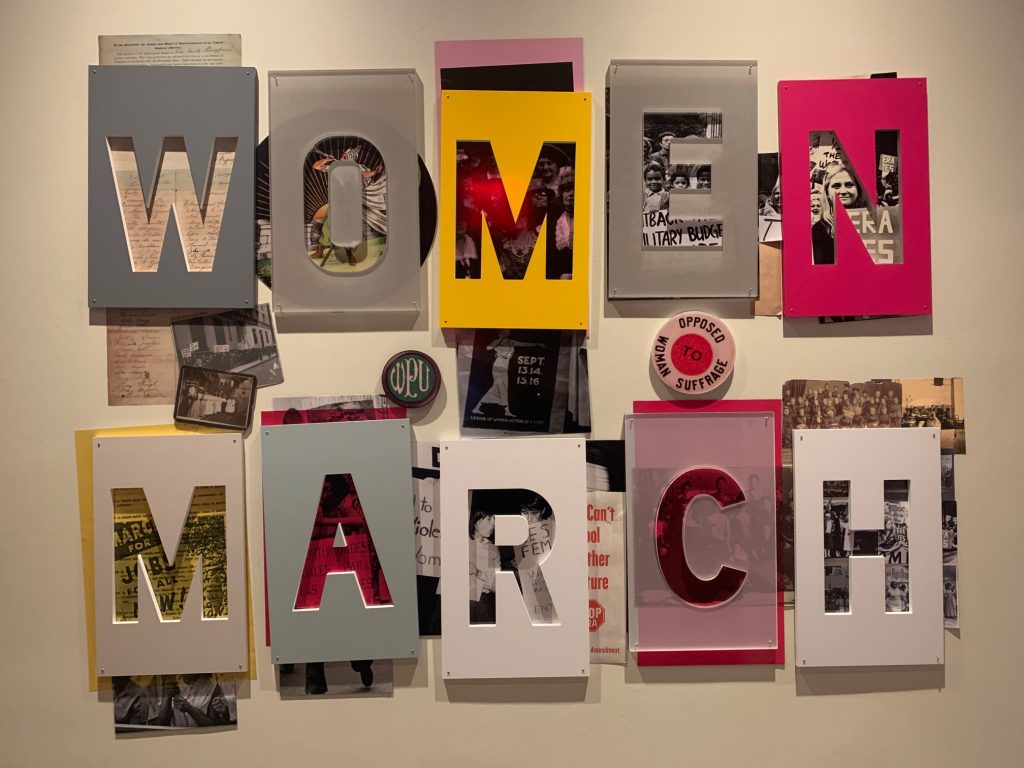
PLUS: A visit to the New-York Historical Society‘s new exhibition Women March and an interview with Valerie Paley,co-curator and director at the Historical Society’s Center for Women’s History.
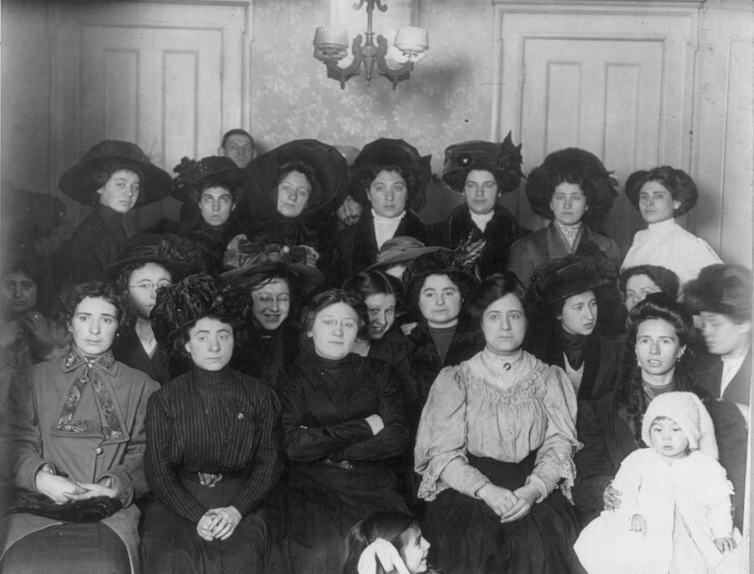
Clara Lemlich, 1910, Courtesy ILR School at Cornell UniversityFebruary 10, 1910, Bain News ServiceWomen pledging to strike 1909, courtesy Kheel Center, Cornell UniversityLibrary of CongressJanuary 1910, Library of Congress
After taking in the story of the Shirtwaist Strike of 1909, revisit these past Bowery Boys episodes for a fuller context of the events recounted on this program.
Triangle Factory Fire
Greg’s original show from 2008 on the Triangle Factory Fire.
Ready to Wear: A History of the Garment District
Uprising: The Shirtwaist Strike of 1909 really ends where this show begins, with the birth of the modern Garment District, now located primarily in Midtown Manhattan
Saving the City: Women of the Progressive Era
The shirtwaist strike and the labor movement in general was part and parcel of the larger reforms of the Progressive Era. And no surprise — women were there on the forefront, particularly in areas of health and social reform.
FURTHER READING
Beaten Down, Worked Up by Steven Greenhouse Common Sense and A Little Fire by Annelise Orleck Greater Gotham by Mike Wallace A History of America in Ten Strikes by Erik Loomis There Is Power In A Union by Philip Dray Triangle: The Fire That Changed America by David von Drehle U.S. Women In Struggle: A Feminist Studies Anthology
The Bowery Boys: New York City History podcast is brought to you …. by you!
We are now producing a new Bowery Boys podcast every other week.
We’re also looking to improve and expand the show in other ways —
publishing, social media, live events and other forms of media. But we
can only do this with your help!
We are now a creator on Patreon, a patronage platform where you can support your favorite content creators.
Please visit our page on Patreon
and watch a short video of us recording the show and talking about our
expansion plans. If you’d like to help out, there are six different
pledge levels. Check them out and consider being a sponsor.
ALL patrons at all levels will receive many benefits include the next episode of the Bowery Boys Movie Club,
an exclusive podcast (released every 6-8 weeks) celebrating New York
City in the movies. And patrons at the Five Points ($5) level and up
will get our other exclusive podcast — The Bowery Boys: The Takeout — released every two weeks.
We greatly appreciate our listeners and readers and thank you for joining us on this journey so far.
PODCAST Welcome to your tour of New York City nightlife in the 1890s, to a fantasia of debauchery, to a “saturnalia of crime,” your journey to a life of amoral delights!
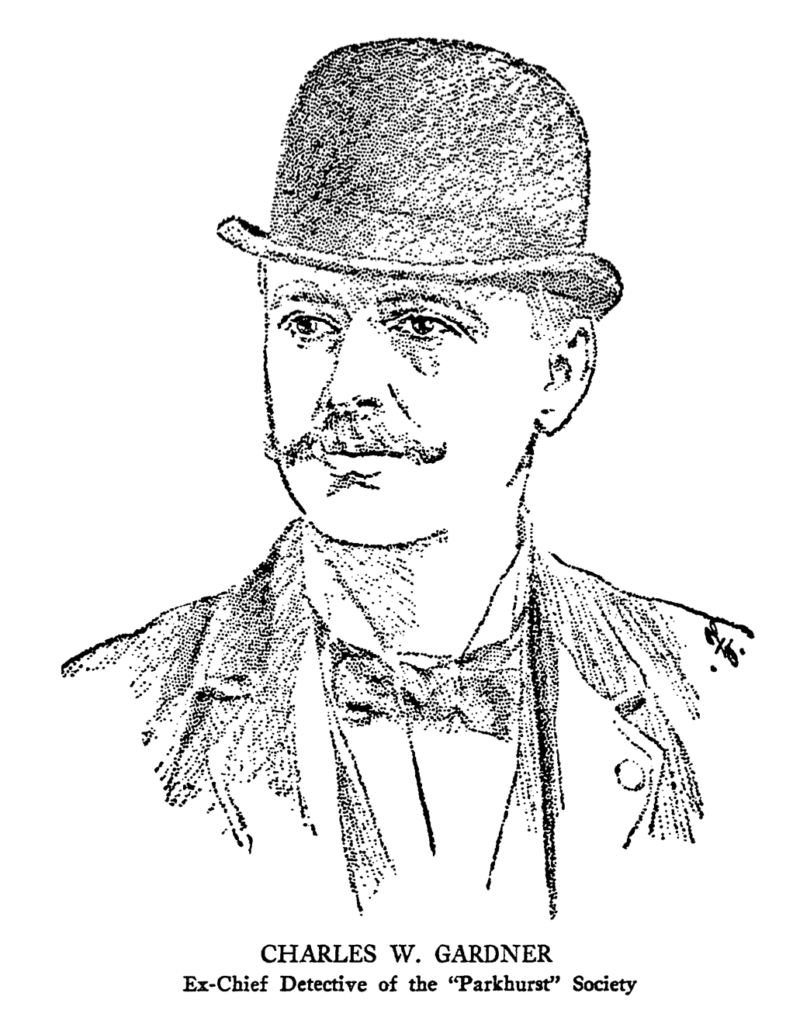
Courtesy a private detective, a blond-headed naif nicknamed “Sunbeam” and — a prominent Presbyterian minister.
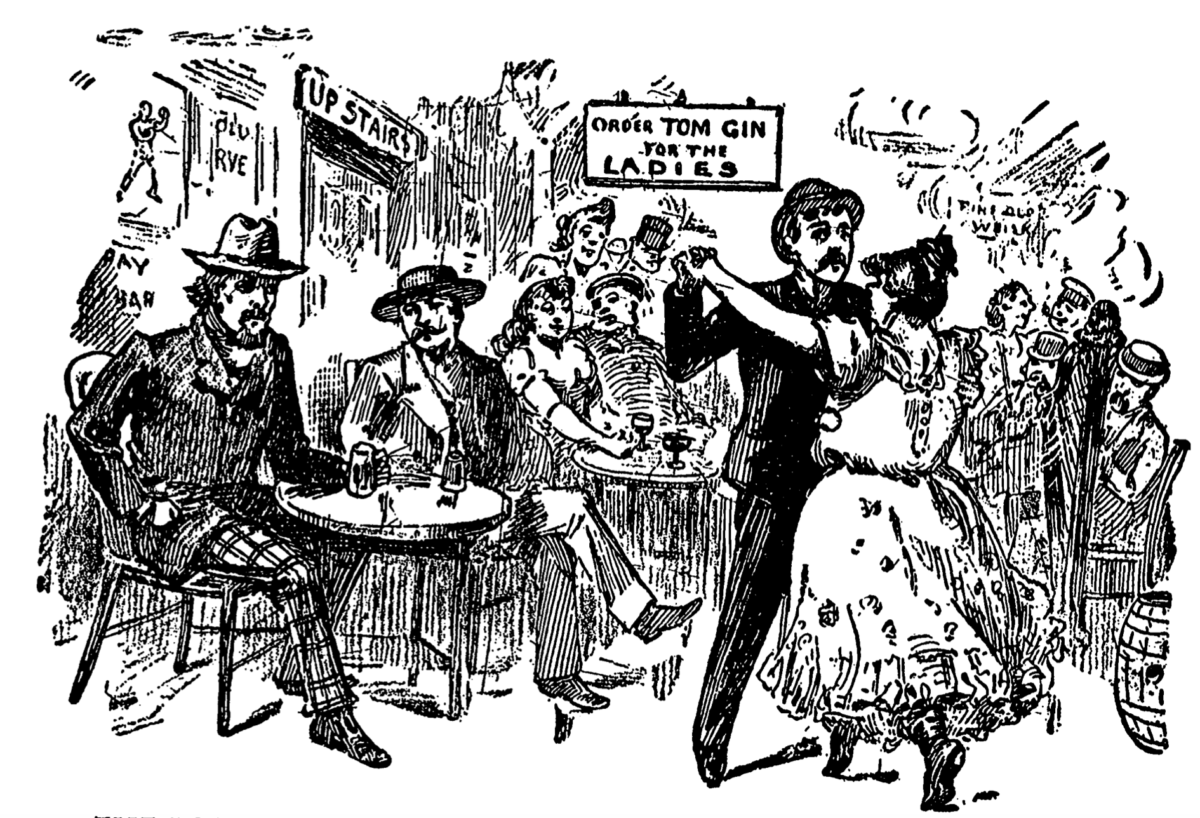
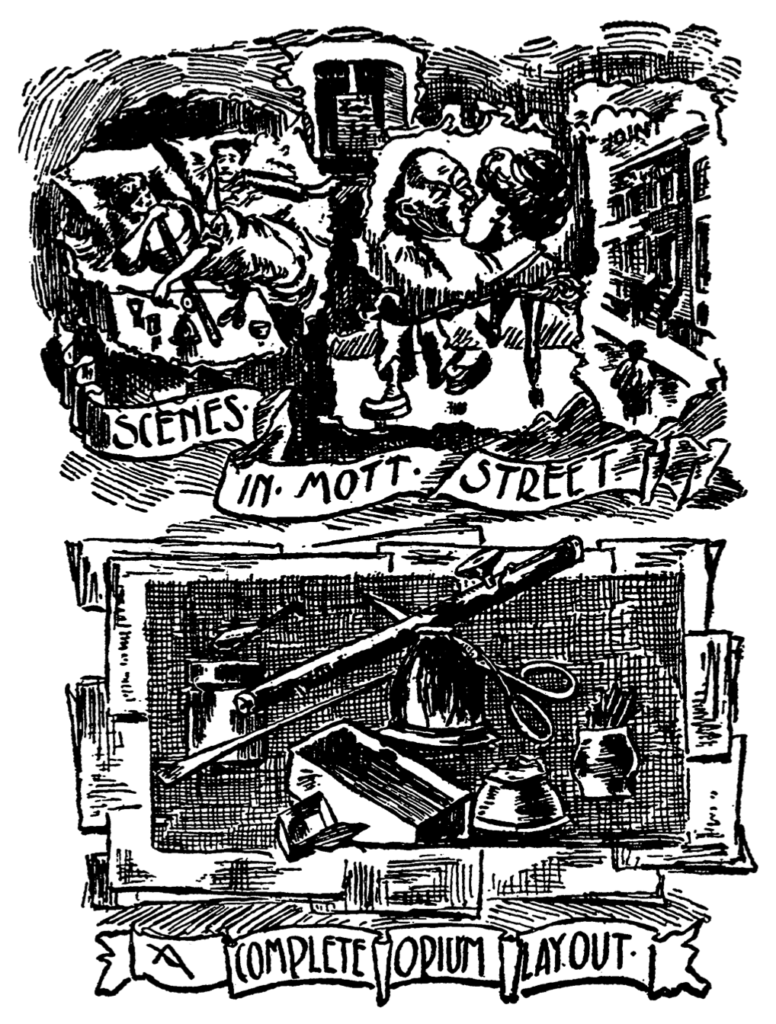
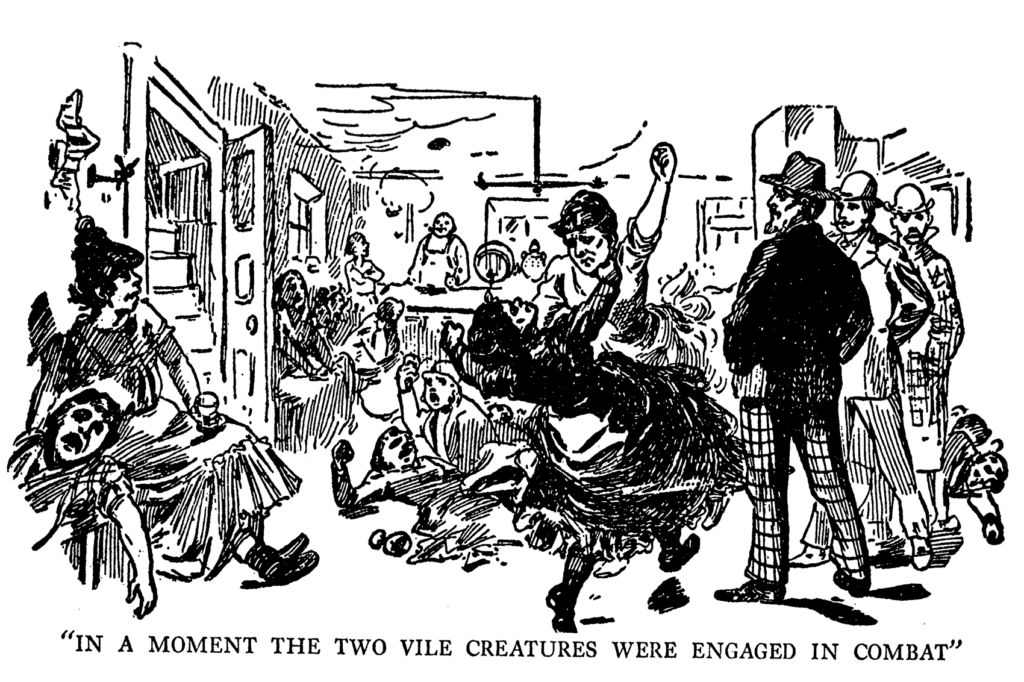
In this episode, we’re going to Sin City, the New York underworld of the Gilded Age — the saloons, dance halls, opium dens, prostitution houses and groggeries of Old New York. Depicted in the sensationalist media of the day as a sort of urban Hades, a hellish landscape of vice and debauchery.
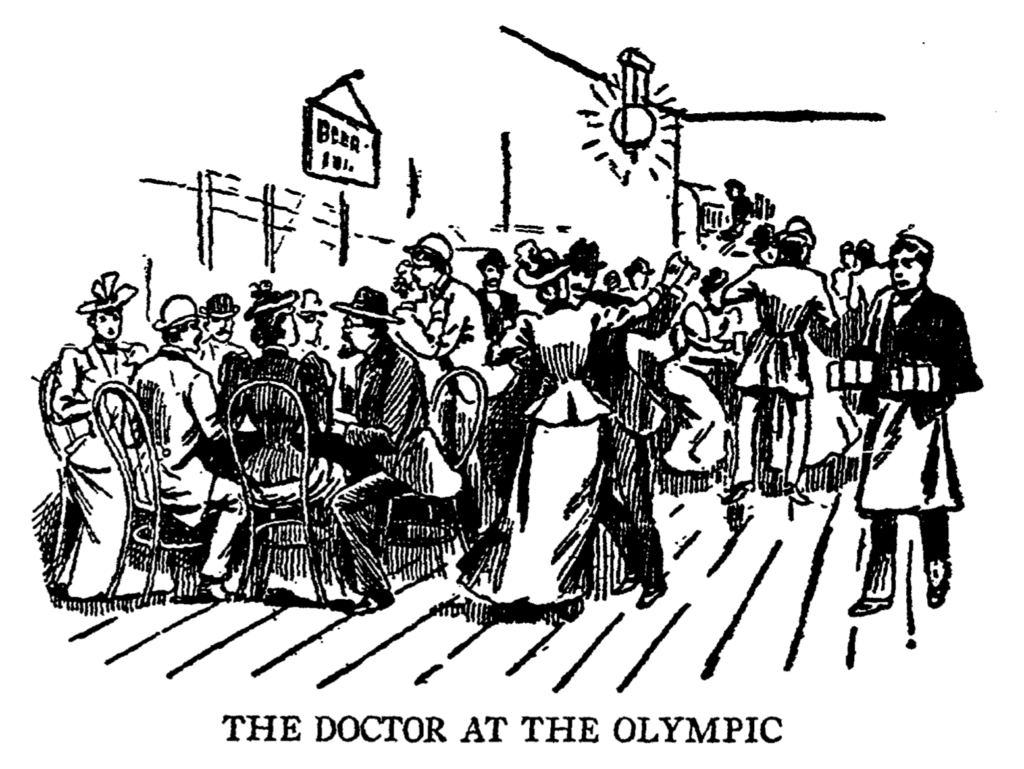
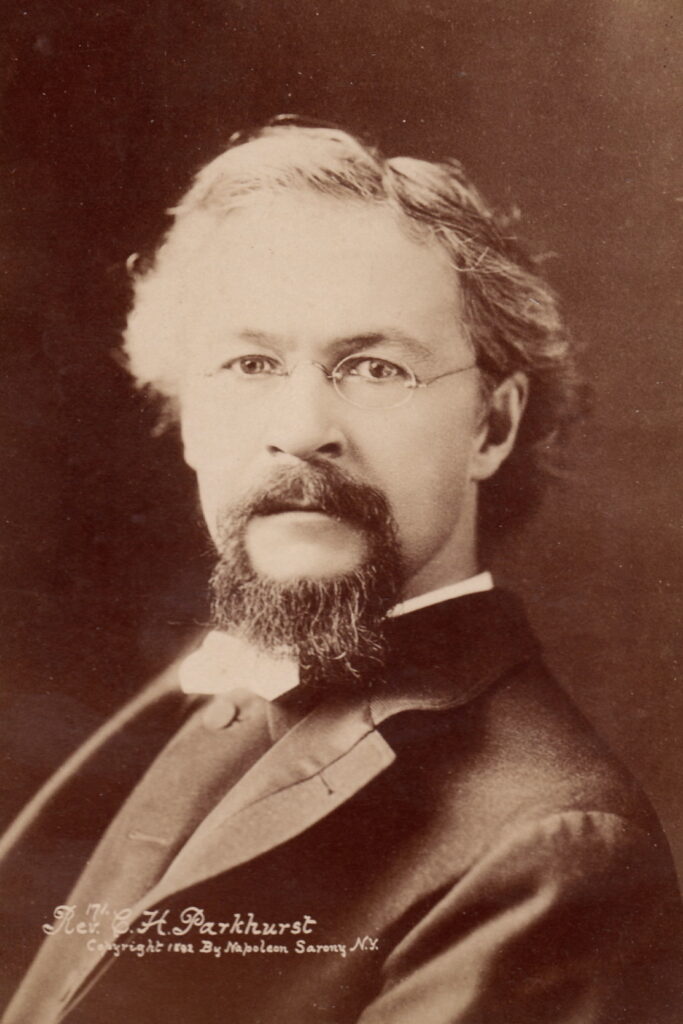
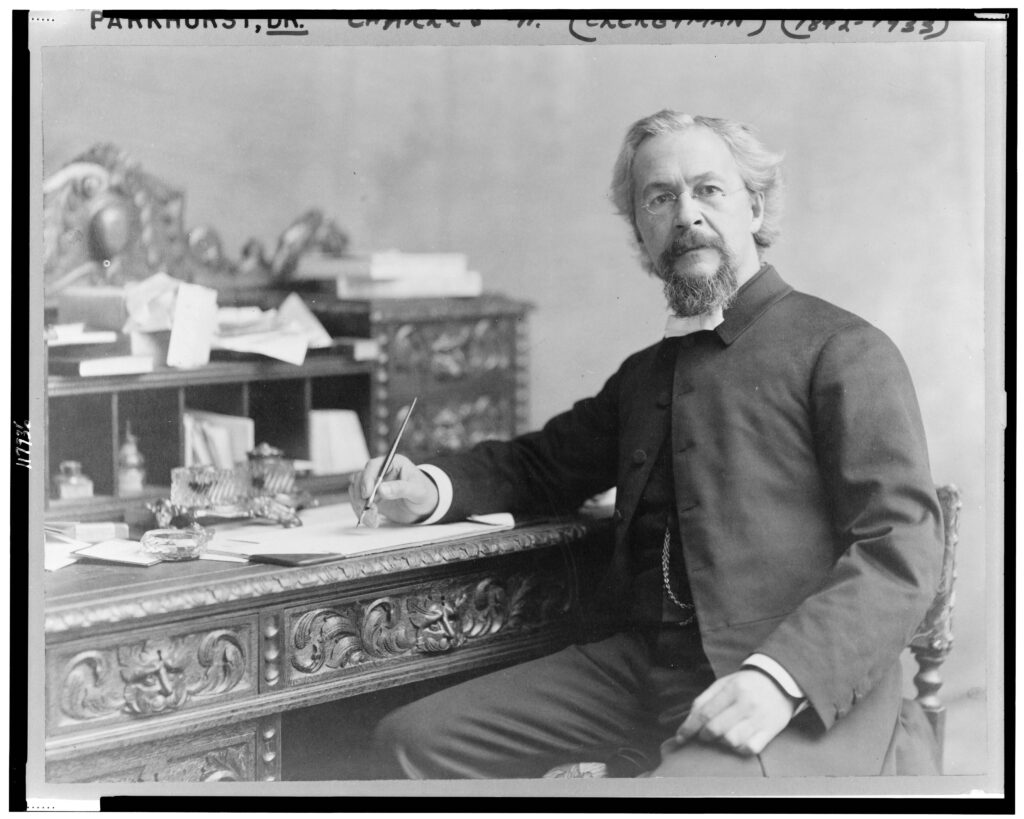
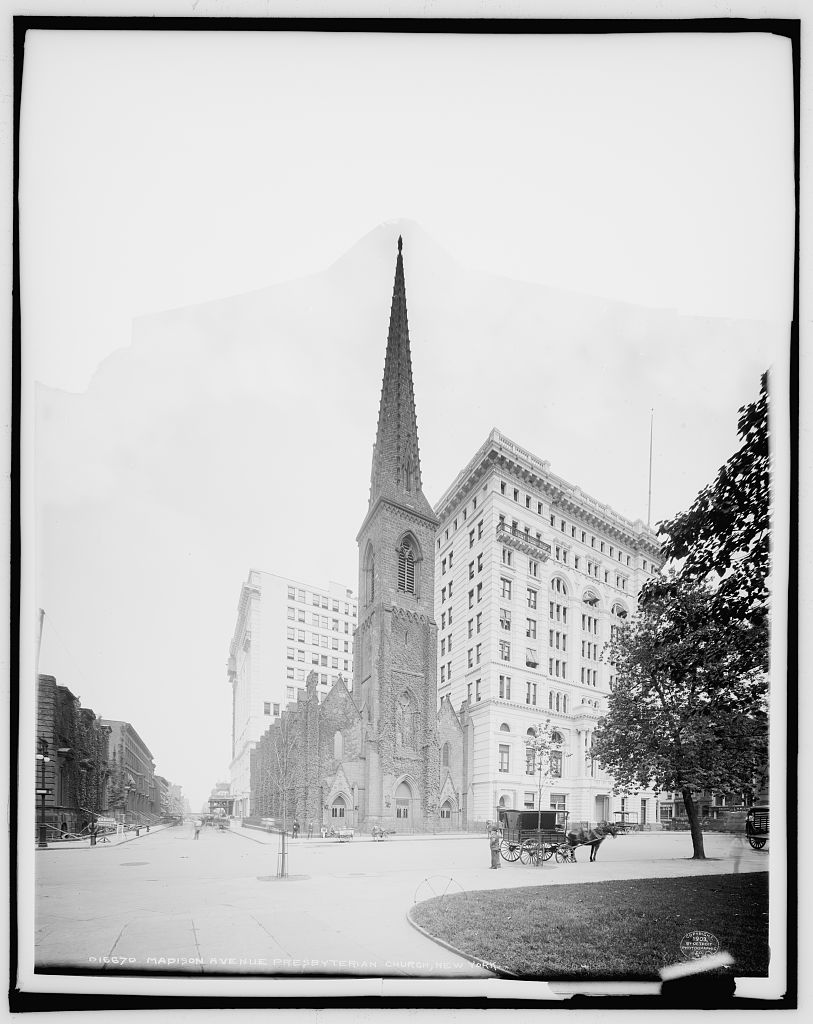
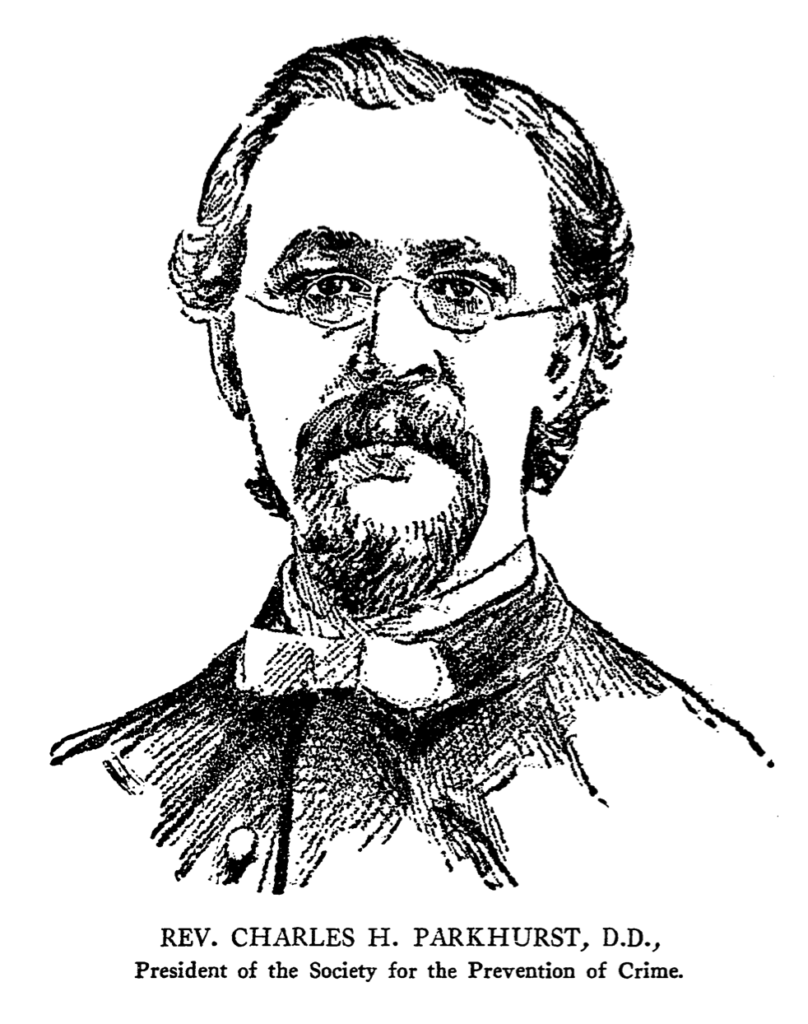
So you might be surprised that our tour guide into this debauched landscape is the respected minister Dr. Charles Parkhurst of the Madison Square Presbyterian Church.
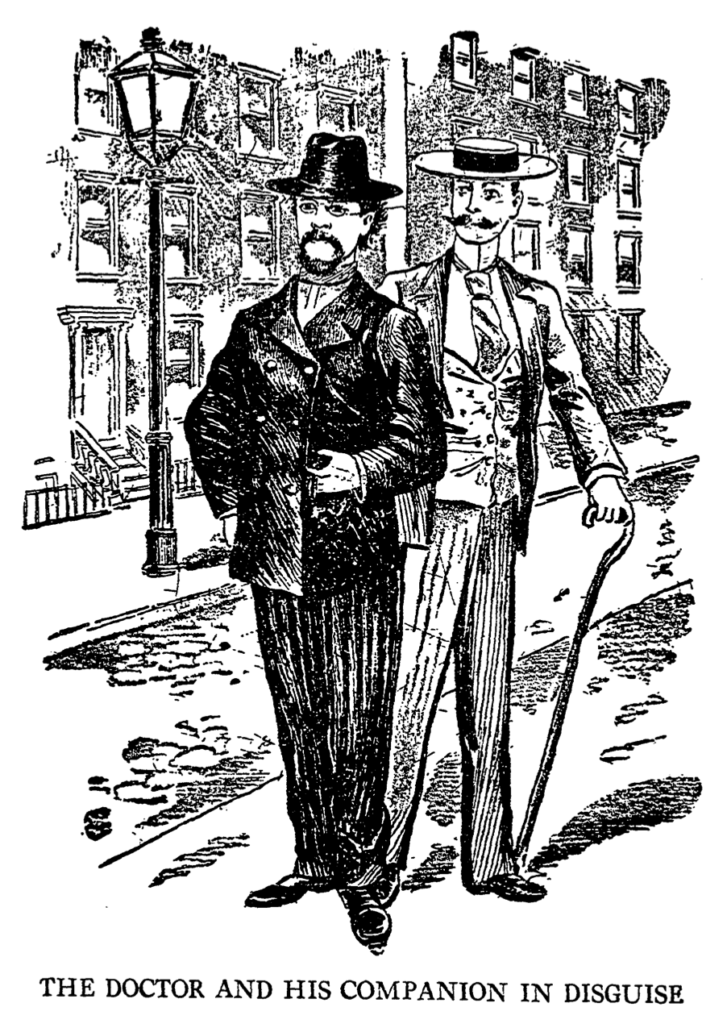
The point of Parkhurst’s sacrilegious voyage was to expose police corruption and New York law enforcement’s willingness to look the other way at illegal behavior and decrepit social situations.
This two-week dive into New York’s most sinful establishments was meant to expose the hold of corrupt law enforcement over the powerless. But did it also expose the cravings and hypocrisy of its ringleader?
What you may hear in this episode may genuinely shock you — and change your opinion about New York City nightlife forever.
FEATURING: Stale beer dives, tight houses, a most sinful game of leap frog and something called “the French Circus.”
Listen now on your favorite podcast player:
Charles Parkhurst in 1892.
Parkhurst, circa 1896, courtesy the Library of Congress
The Madison Avenue Presbyterian Church, 1903
Library of Congress
Illustrations from the book The Doctor and The Devil: The Midnight Adventures of Doctor Parkhurst:
FURTHER LISTENING
The Bowery Boys: New York City History podcast is brought to you …. by you!
We are now producing a new Bowery Boys podcast every other week. We’re also looking to improve and expand the show in other ways — publishing, social media, live events and other forms of media. But we can only do this with your help!
We are now a creator on Patreon, a patronage platform where you can support your favorite content creators.
Please visit our page on Patreon and watch a short video of us recording the show and talking about our expansion plans. If you’d like to help out, there are six different pledge levels. Check them out and consider being a sponsor.
We greatly appreciate our listeners and readers and thank you for joining us on this journey so far.
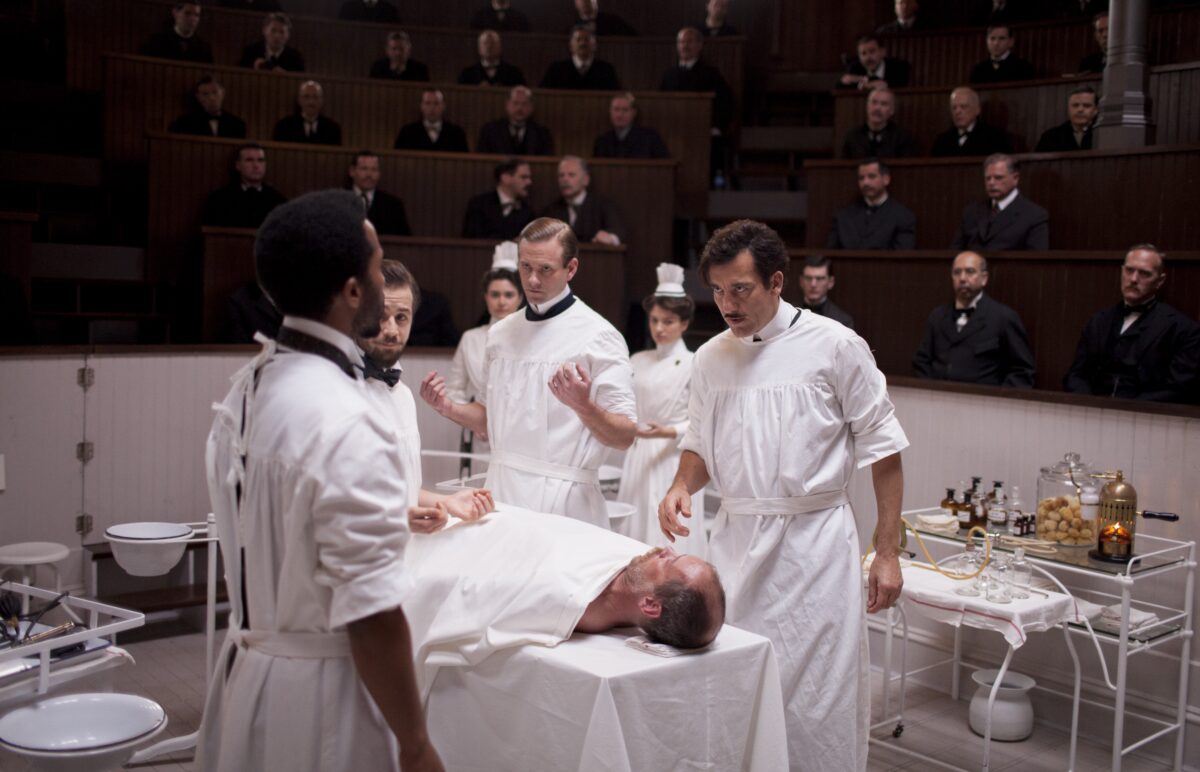
The grim, bloody wonderful business known as The Knick — primarily set in a New York City hospital at the start of the 20th century — only got two seasons but they were great fun.
This virtuoso dark drama, created by Jack Amiel and Michael Begler, was directed by Steven Soderbergh in a shadowy and often experimental style, somewhere between Grey’s Anatomy and the Twilight Zone.
Originally made for Cinemax, The Knick has is now available on HBO Maxwhere I hope it finds a very warm welcome with pandemic-weary viewers (even as the show pretty much dives into a macabre assortment of diseases and bodily horrors.)
The show was unusually precise when it came to accurate depictions of historical events, famous figures and — with no lack of gruesome detail — medical practices of its day.
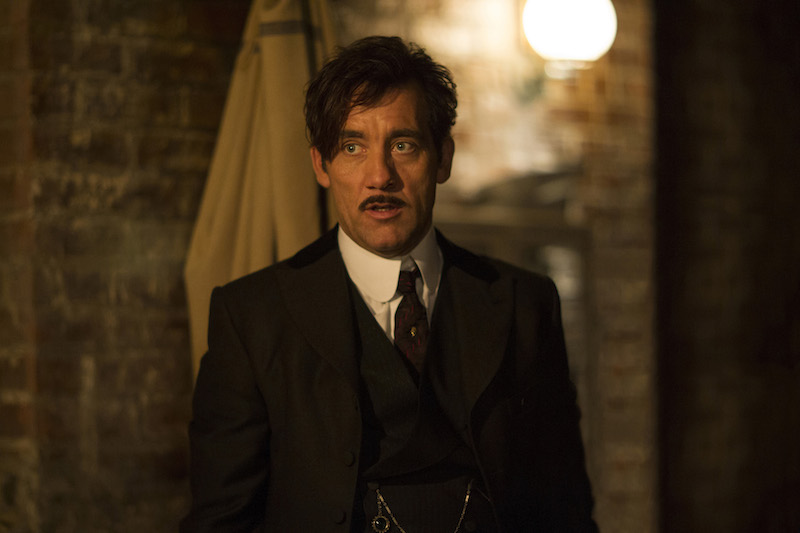
At its center was Clive Owen as Dr. John W. Thackery, as dark and brooding as his surroundings, as brilliant and inventive as he was drug-addled.
Through his adventures, we got to enter New York’s finest restaurants and foggiest opium dens, often within five minutes of each other.
Back in 2014 and 2015, we were very, very on The Knick beat here at the Bowery Boys: New York City History website.
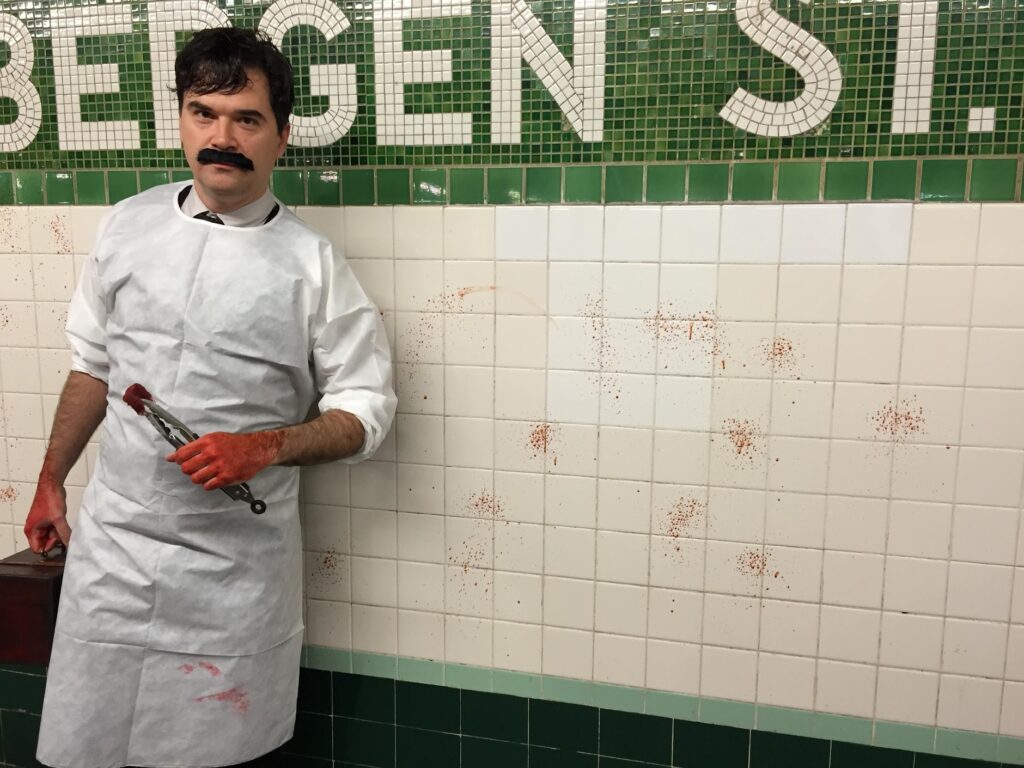
My Clive Owen/The Knick Halloween costume in 2014. Don’t worry, I washed the wall after the picture.
We highly suggest you take a dive into this series or take a second look if you binged the first two seasons — after checking out these resources from our podcast and website
The inspiration for the original Knick:
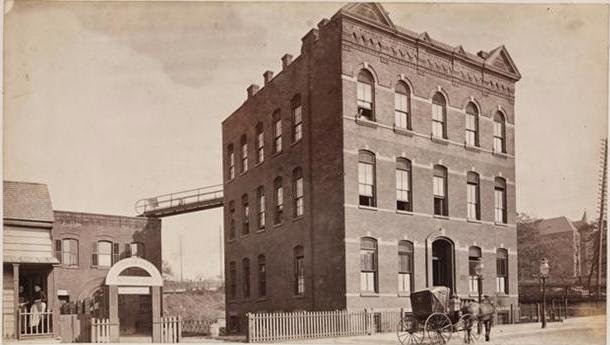
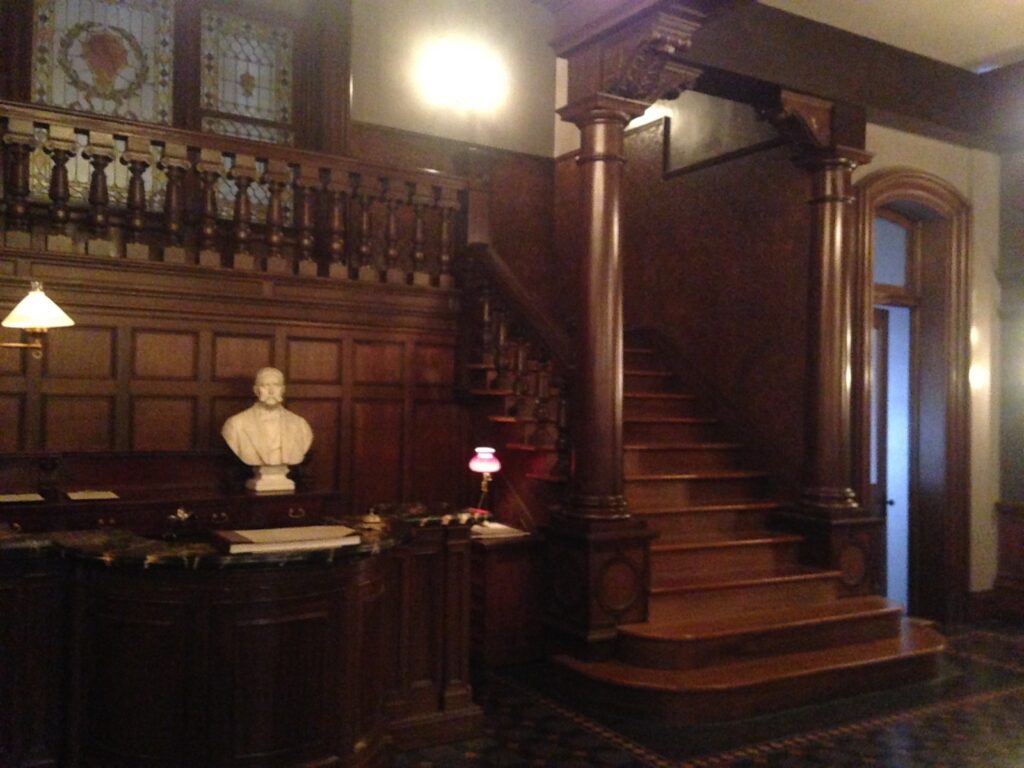
Knickerbocker Hospital “Location: Covent Avenue and 131st Street The hospital depicted in The Knick is much, much further downtown. However, with the arrival of elevated trains and, later, the subway, some new immigrants would have settled in upper Manhattan to escape the crowded tenements. So the types of patients treated at these institutions would have been similar.”
Purpose: According to the 1914 Directory of Social and Health Agencies, “Gives free surgical and medical treatment to the worthy sick poor of New York City. Incurable and contagious diseases and alcoholic, maternity and insane patients not admitted. Emergency cases received at any hour.”
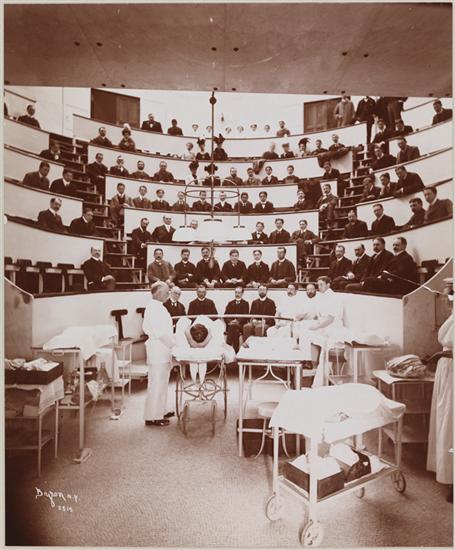
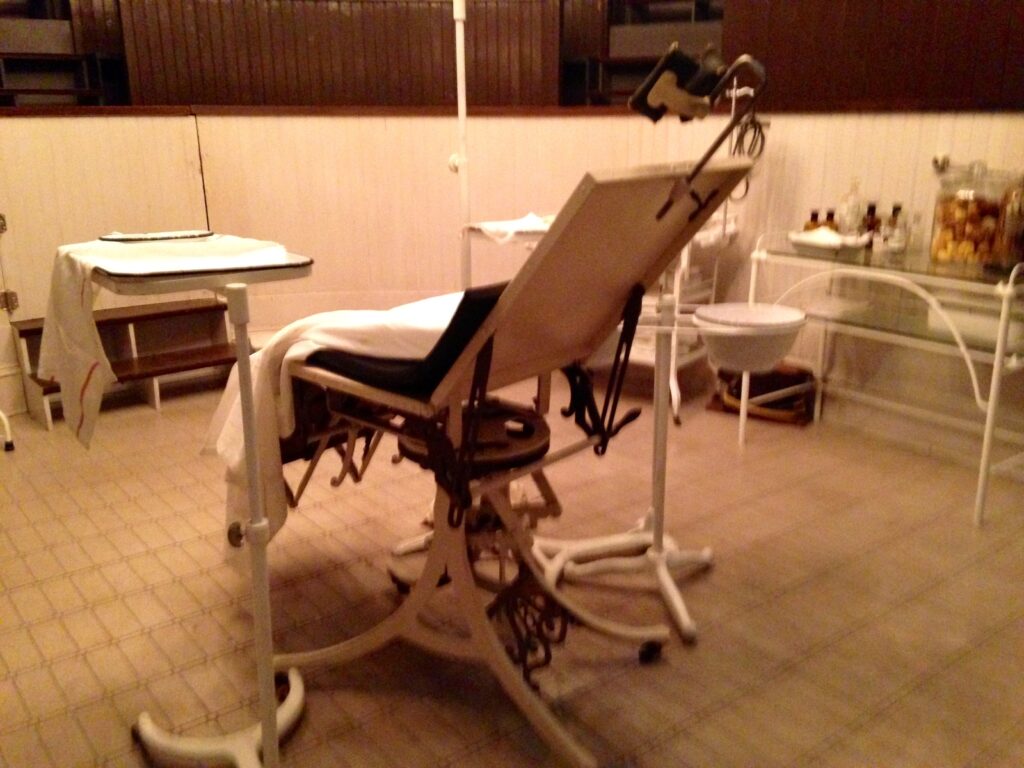
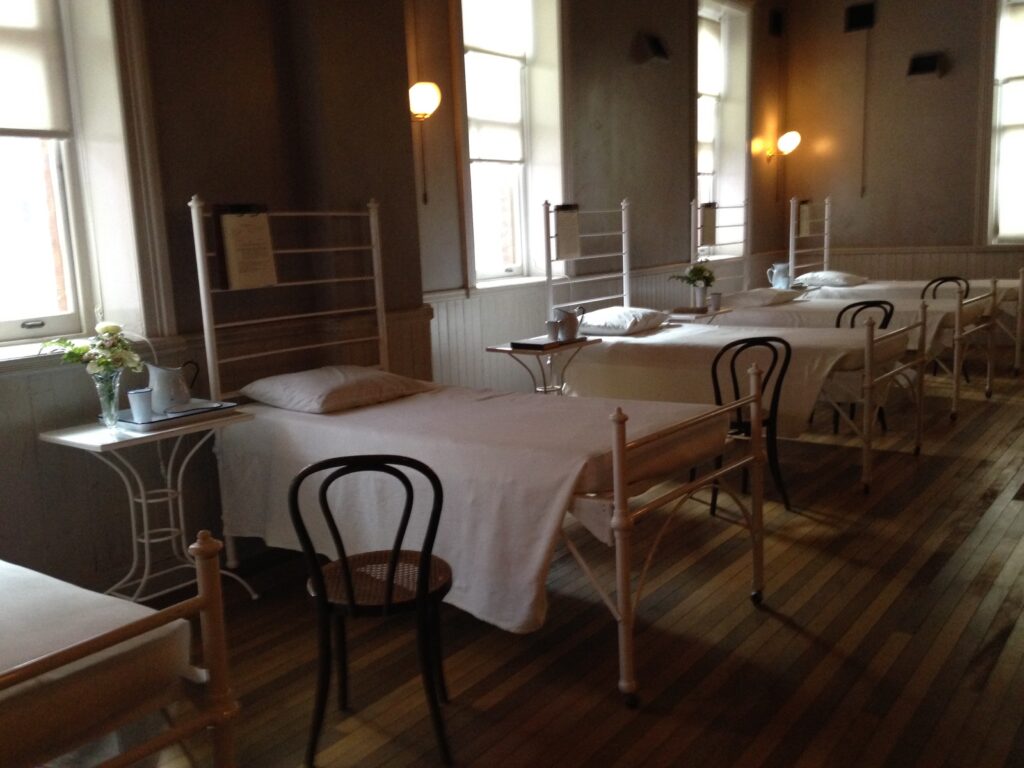
A look at Syms Operating Theaterat Roosevelt Hospital and Long Island College Hospital:
“The administrators at Long Island College Hospital could not have been thrilled when they picked up the New York Times on April 27, 1895.
Right there on the front page was a horror story with their historic institution as a backdrop.
“It is from this upper floor that foul and inexpressibly nauseating odors are wafted through the operating theater at all times, because it is there that the students of the college and hospital practice anatomy on eighteen or twenty decomposing cadavers.”“
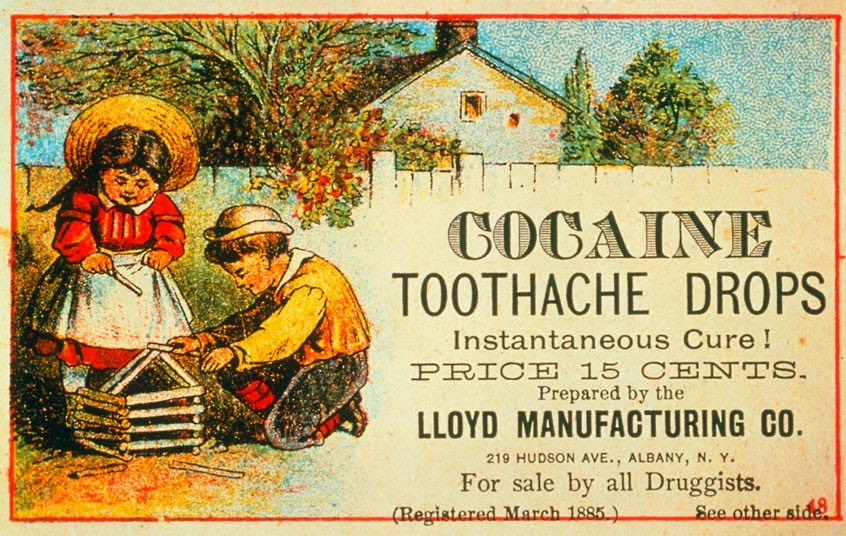
The wonders of cocaine in medicine: “Cocaine was the wonder drug of the early 1880s. Not only could it cure disease; it could also dampen the senses.
“In 1884, a doctor presented his findings at the College of Physicians and Surgeons (23rd/Park Avenue), heralding the successes of “anesthetic cocaine” in numbing patients during ear and eye surgeries. It was even given as a pain reliever to horses.“
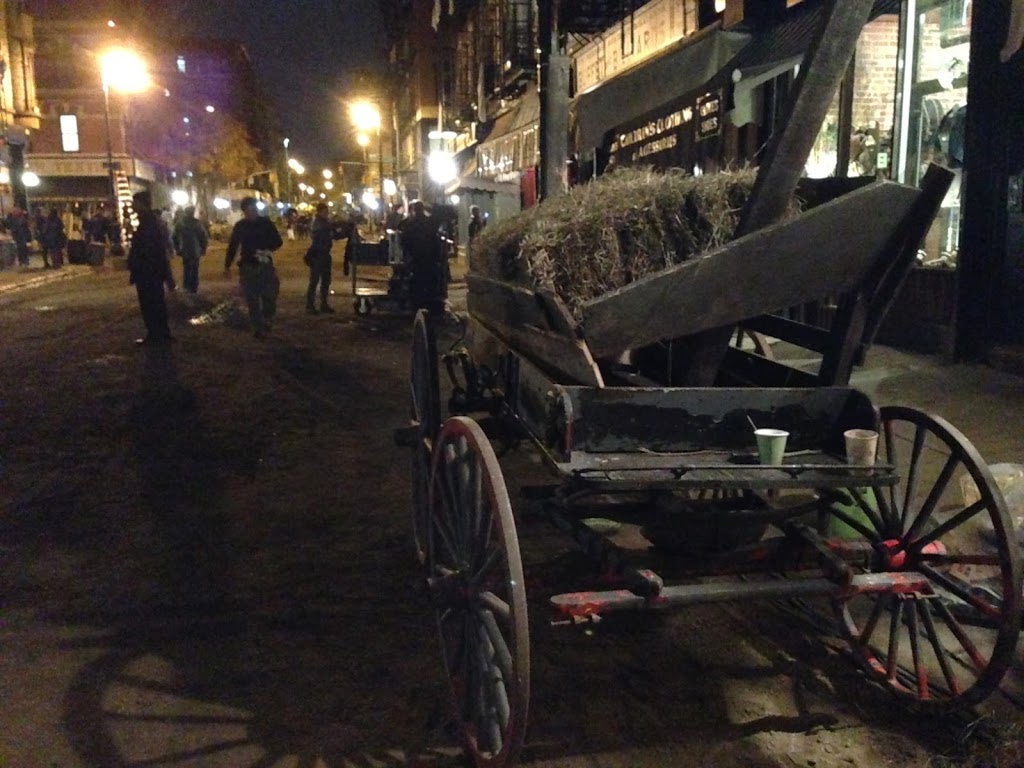
In 2013 we happened to stumble upon the outdoor sets that were used in The Knick — portions of the Lower East Side, transformed into the year 1900. See more pictures here.
For a good recap of themes from Season Two — and a look at tweets from the Bowery Boys Podcast about The Knick — check out this article: A history recap from the brothel to the freak show. Here’s an excerpt:
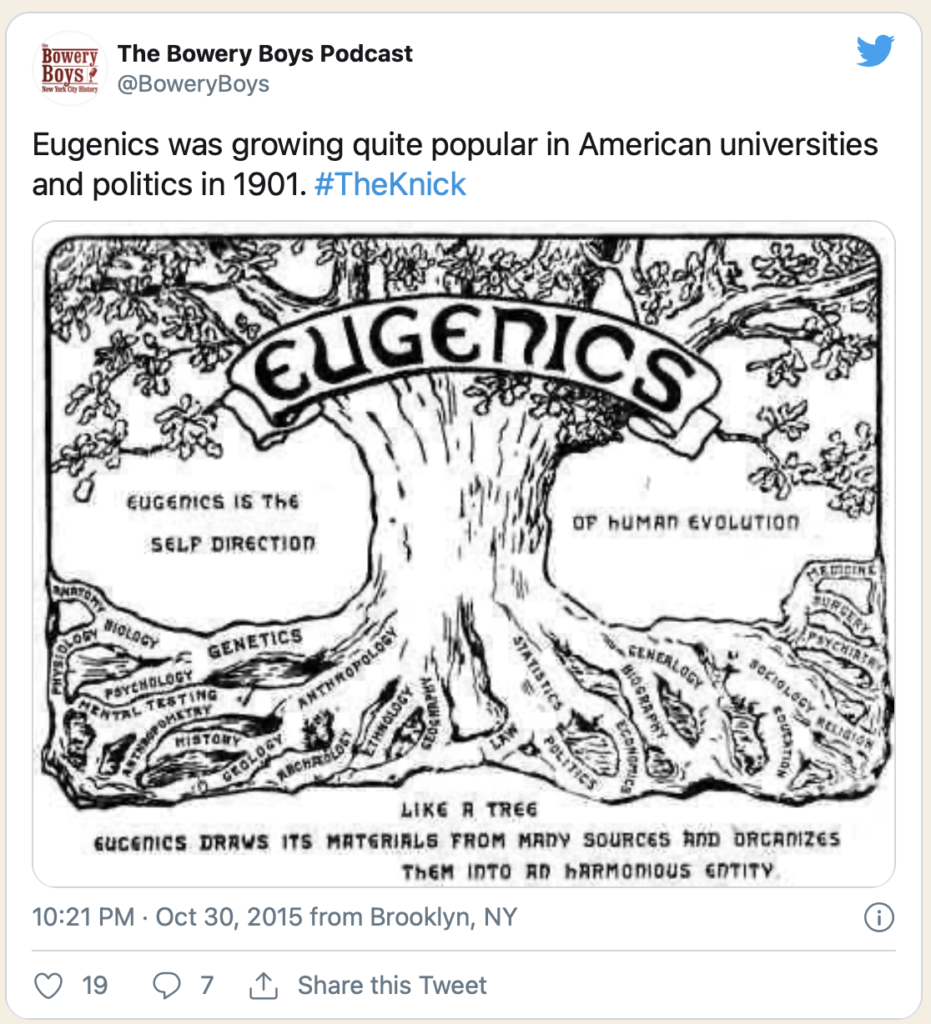
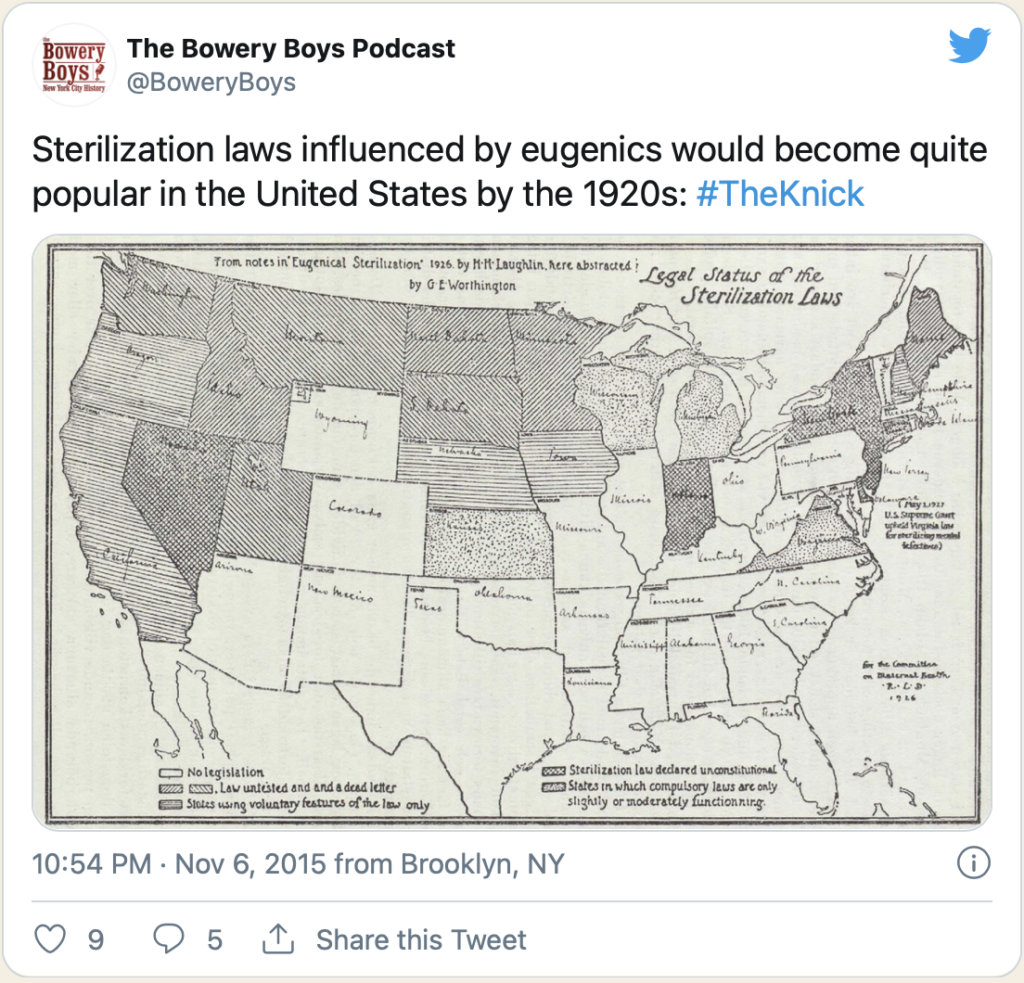
“EUGENICS Deteriorated or stunted moral character was also seen as endemic of new arriving immigrants especially those from southern Italy.
The study of eugenics — belief in the improvement of the human race through selective reproduction — rapidly grow in colleges and universities in the 1900s. Naturally the eugenics argument was also used against African-Americans and wielded as a threat against any who attempted to upend the status quo.”
Tweets Galore About The Knick
And finally, I tweeted along with the show during live broadcasts — remember those? You can find those tweets on the Bowery Boys Podcast Twitter page (@boweryboys) using the hashtag #TheKnick.
And finally — they may be bringing The Knick back for a Season Three (or would that be a ‘reboot’), now with Barry Jenkins at the helm. Returning to the show — André Holland as Dr. Algernon C. Edwards. In 2016, Holland starred in Jenkin’s Oscar-winning Moonlight.
PODCAST “If we were to offer a symbol of what Harlem has come to mean in a short span of twenty years, it would be another statue of liberty on the landward side of New York. Harlem represents the Negro’s latest thrust towards Democracy.” — Alain Locke
EPISODE 353 This is Part Two of our two-part look at the birth of Black Harlem, a look at the era before the 1920s, when the soul and spirit of this legendary neighborhood was just beginning to form.
The Harlem Renaissance is a cultural movement which describes the flowering of the arts and political thought which occurred mostly within the Black community of Harlem between 1920 and the 1940s.
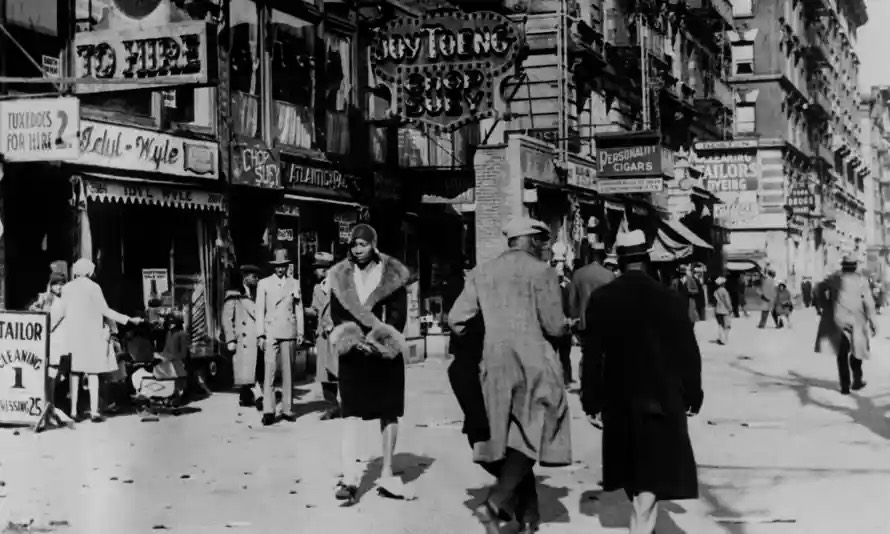
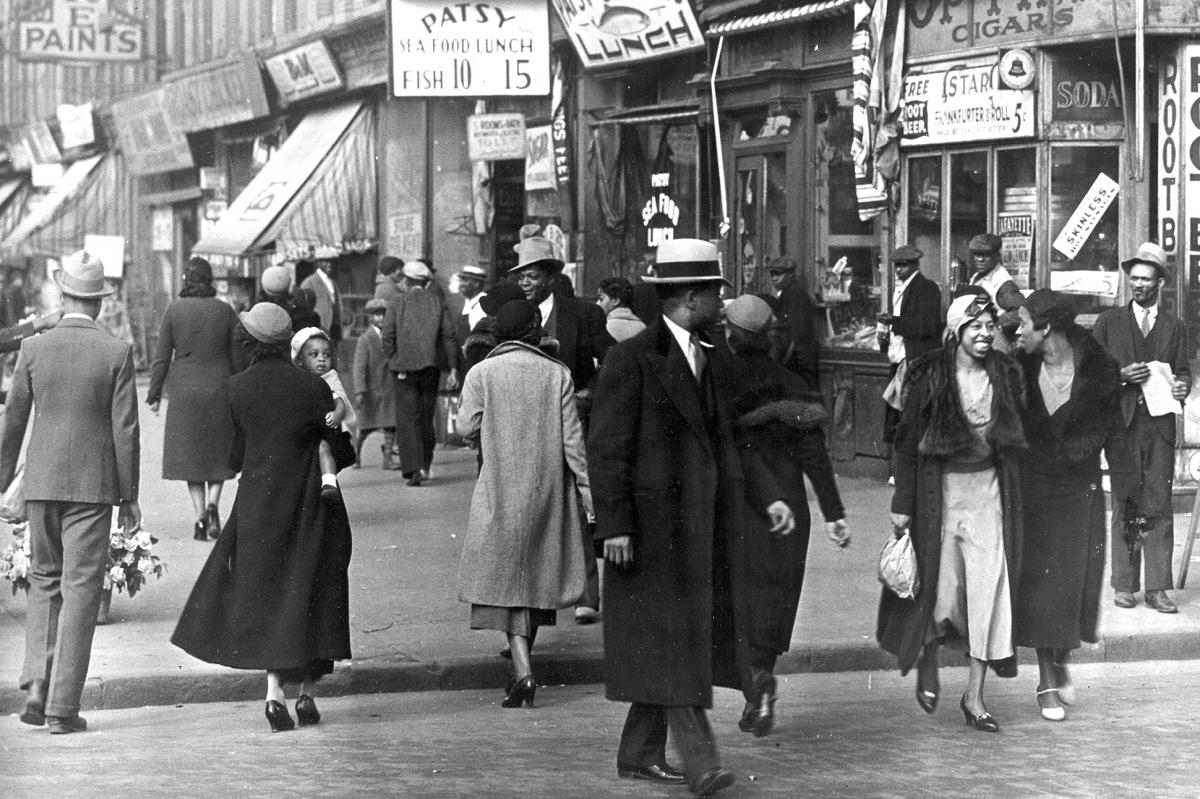
Seventh Avenue in Harlem in 1932. Photograph: Keystone-France/Gamma-Keystone via Getty Images
In particular the 1920s were described by writer Langston Hughes as “the period when the Negro was in vogue.” The moment when the white mainstream turned its attention to black culture.
But how Harlem become a mecca of Black culture and “the Capital of Black America”?
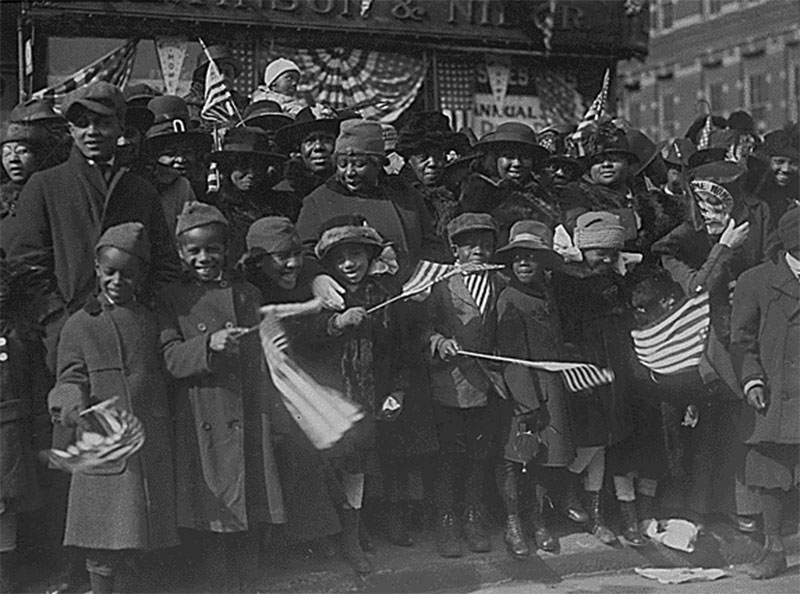
Reception for the Harlem Hellfighters
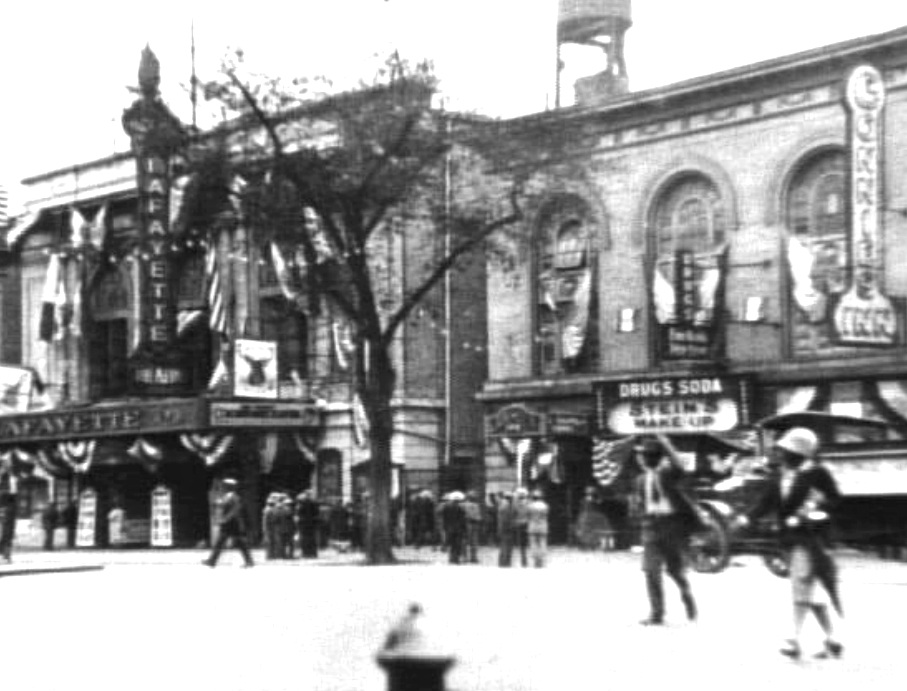
This is the story of constructing a cultural movement on the streets of Upper Manhattan in the 1910s. From the stages of the Lafayette Theater to the soapboxes of Speakers Corner. From the pulpits to the salons (both hair and literary)!
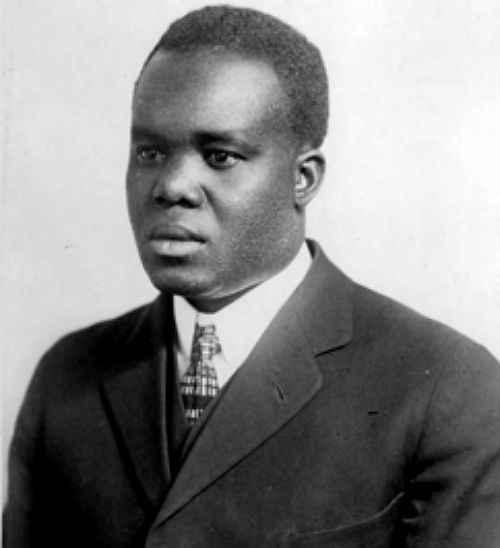
WITH stories of Marcus Garvey, Madam C.J. Walker, Arturo Schomberg and many more.
AND the origin of a beloved Harlem treasure, at home at the Apollo Theater.
Listen to HARLEM BEFORE THE RENAISSANCE on your favorite podcast player or from the player below:
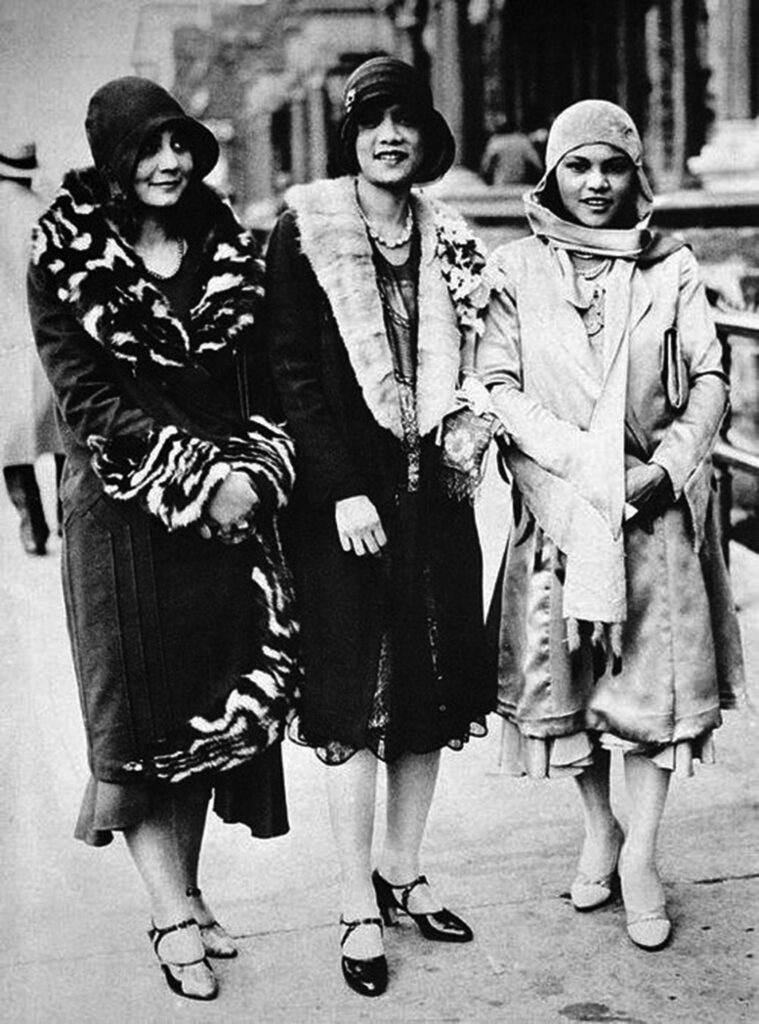
Three ladies in Harlem, 1925
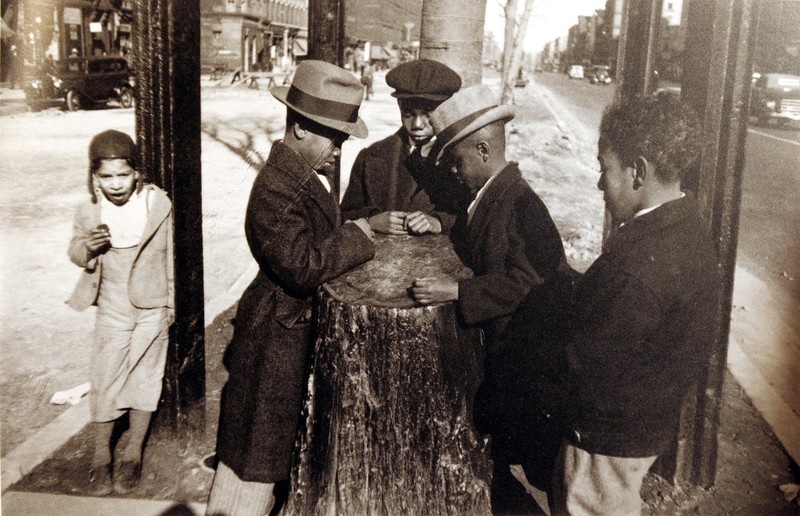
The Tree of Hope, sitting across from the Lafayette Theatre and Connie’s Inn.
The stump of the Tree of Hope still inspired hopefuls for many years before it was taken to the Apollo Theater.
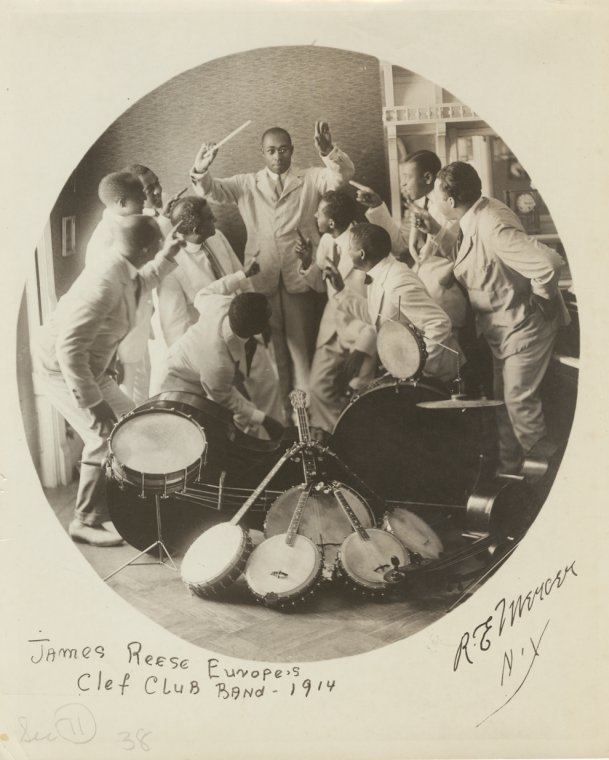
James Reese Europe and the Clef Club Band, 1914.
Courtesy the New York Public Library
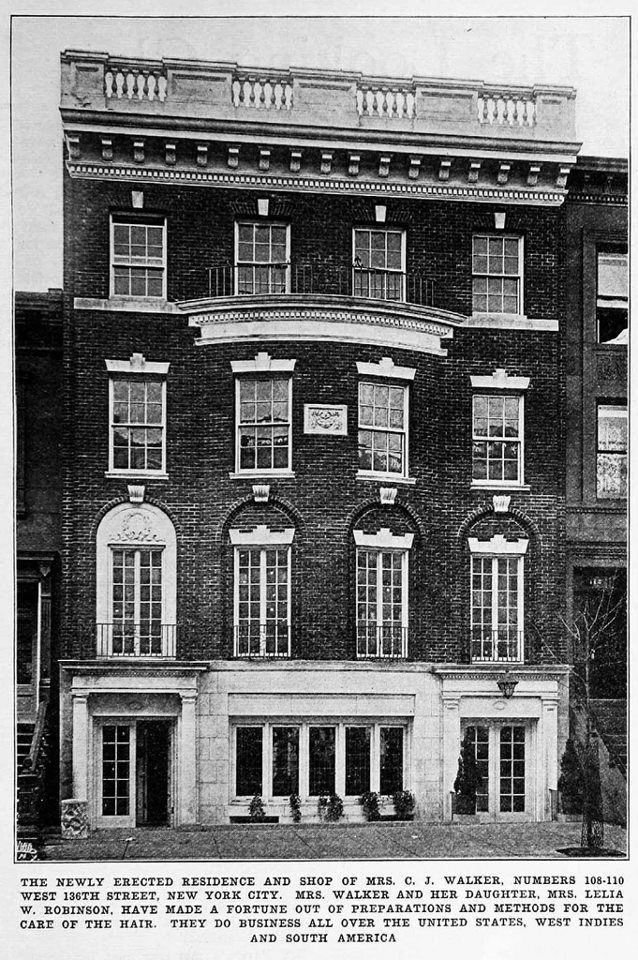
The home and salon of Madam C.J. Walker.
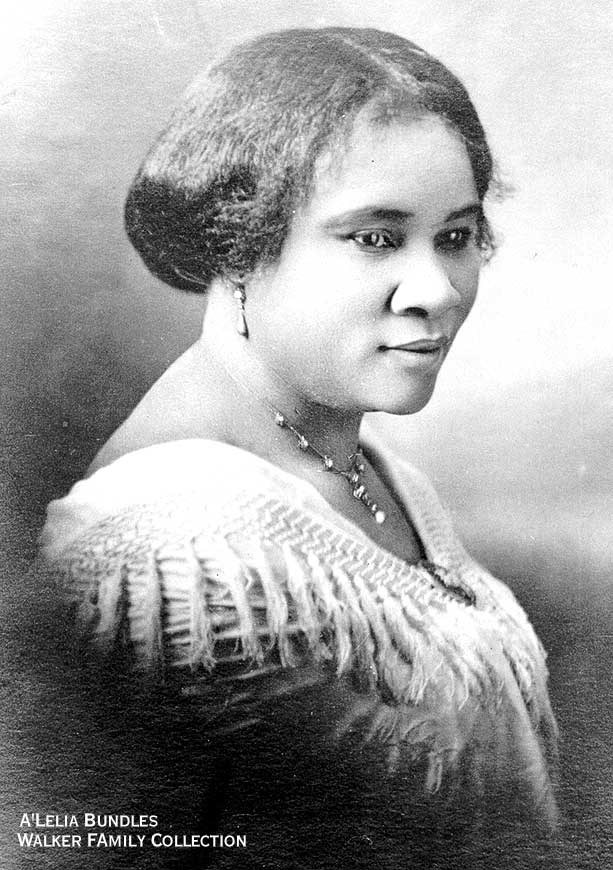
Madam C.J. Walker became one of Harlem’s most successful and prominent business owners.
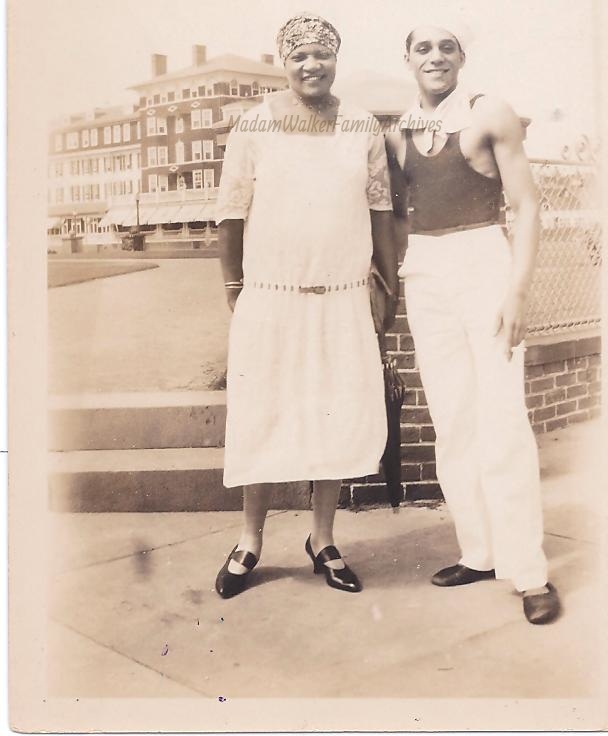
A’Lelia Walker with dancer Al Moore
Courtesy Madam Walker Family Archives
Hubert Harrison — the ‘Black Socrates’ — whose fiery speeches on Speakers Corner galvanized political activity in Harlem.
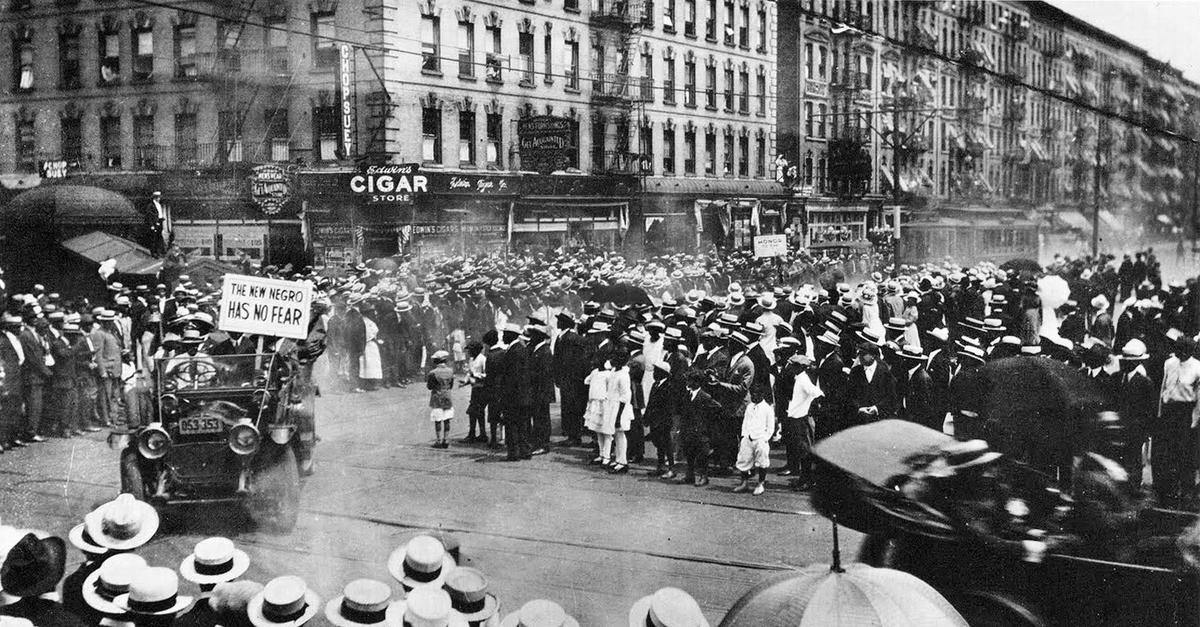
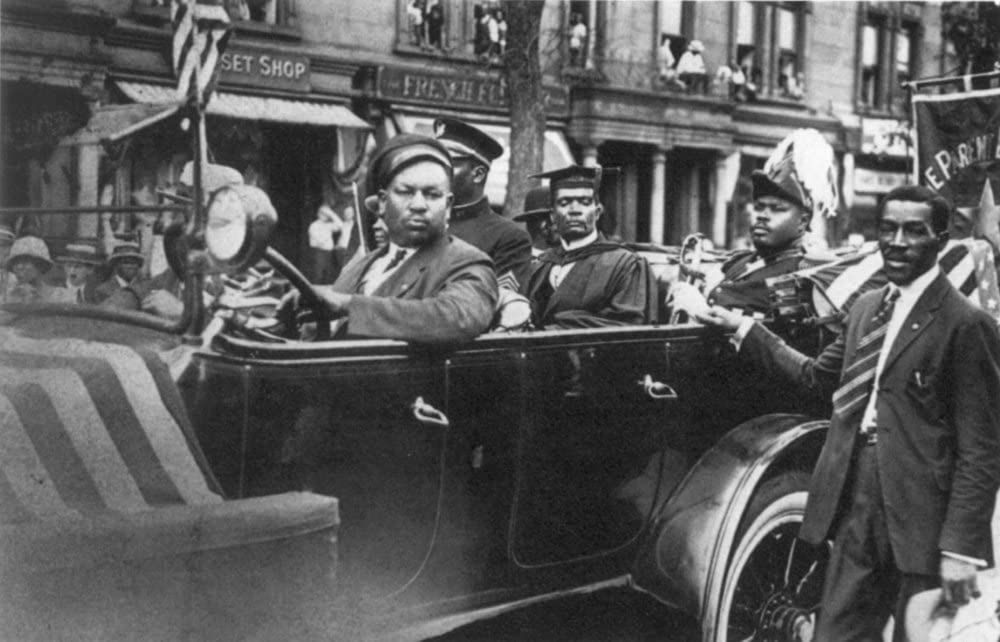
Marcus Garvey in a UNIA parade, 1924.
Photo by James Van Der Zee
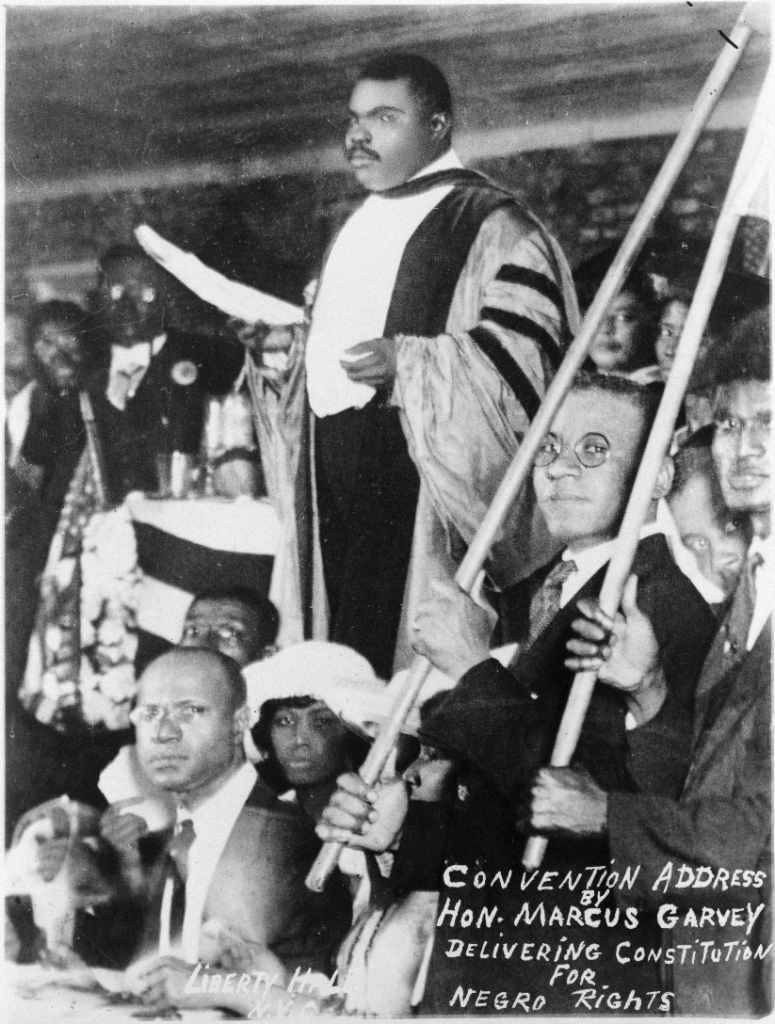
Garvey speaking at Liberty Hall, 1920
Library of Congress
FURTHER LISTENING:
The first part of the Birth of Black Harlem two-part series:
…and a newly produced version of our earlier show on the Hotel Theresa.
In addition, these people and events play a big role in this week’s show:
The Bowery Boys: New York City History podcast is brought to you …. by you!
We are now producing a new Bowery Boys podcast every other week. We’re also looking to improve and expand the show in other ways — publishing, social media, live events and other forms of media. But we can only do this with your help!
We are now a creator on Patreon, a patronage platform where you can support your favorite content creators.
Please visit our page on Patreon and watch a short video of us recording the show and talking about our expansion plans. If you’d like to help out, there are six different pledge levels. Check them out and consider being a sponsor.
We greatly appreciate our listeners and readers and thank you for joining us on this journey so far.
PODCAST How did Harlem become Harlem, the historic and spiritual center of Black culture, politics and identity in American life? This is the story of radical change — through radical real estate.
By the 1920s, Harlem had become the capital of Black America, where so many African-American thinkers, artists, writers, musicians and entrepreneurs would live and work that it would spawn — a Renaissance.
But in an era of so much institutional racism — the oppression of Jim Crow, an ever-present reality in New York — how did Black Harlem come to be?
The story of Harlem, the neighborhood in Upper Manhattan, begins more than three and a half centuries ago with the small Dutch village of Nieuw Haarlem (New Haarlem).
During the late 19th century Harlem became the home of many different immigrant groups — white immigrant groups, Irish and German, Italian and Eastern European Jews — staking their claim of the American dream in newly developed housing here.
But then an extraorindary shift occurs beginning in the first decade of the 20th century, a very specific set of circumstances that allowed, really for the very first time, African-American New Yorkers to stake out a piece of that same American dream for themselves.
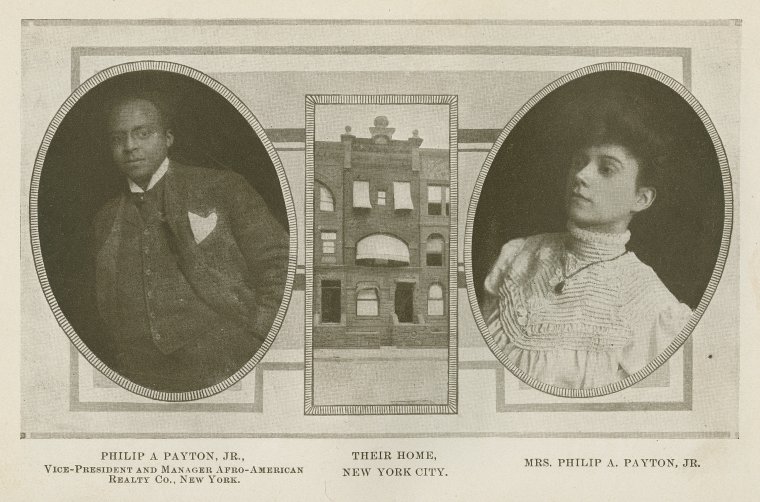
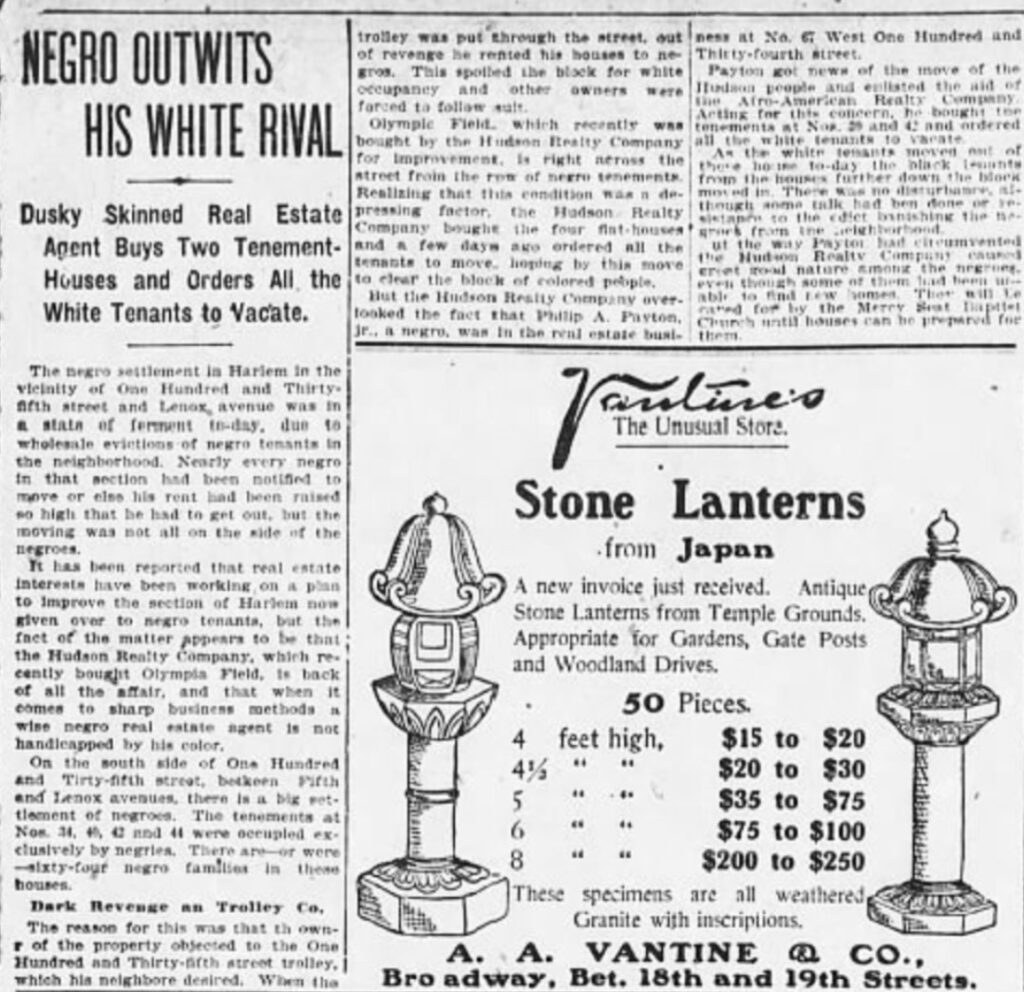
This is a story of radical real estate — and realtors! And not just any realtor, but the story of the man who earned the nickname the Father of Harlem — Philip A. PaytonJr.
Listen here or stream/download the episode from your favorite podcast player:
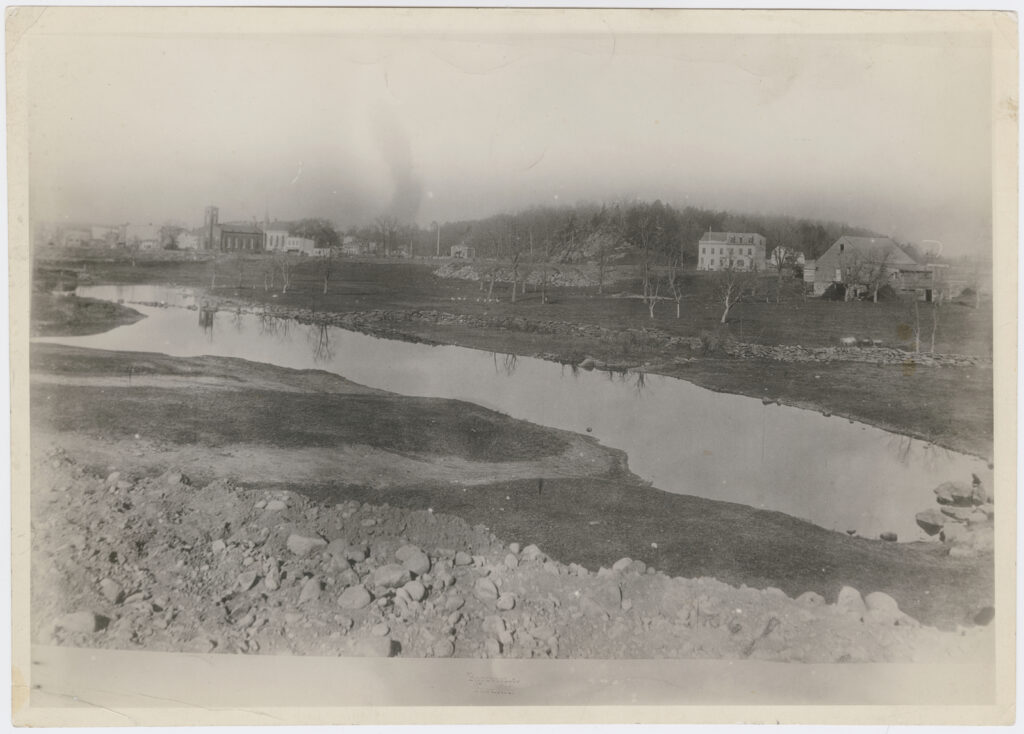
Harlem in 1870. West 125th Street in background, with St. James Roman Catholic Church on left and steeple of Manhattanville Presbyterian Church visible behind it.
New York Public Library
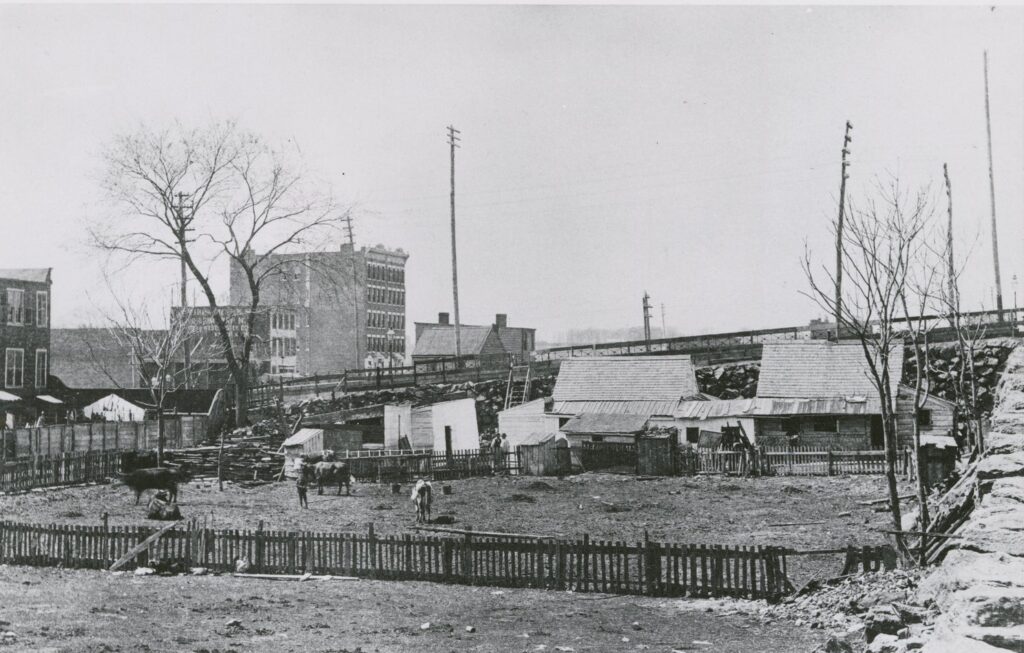
City Dairy at the southeast corner of East 116th Street and Fourth Avenue, in Harlem, New York City, 1889 (!)
New York Public Library
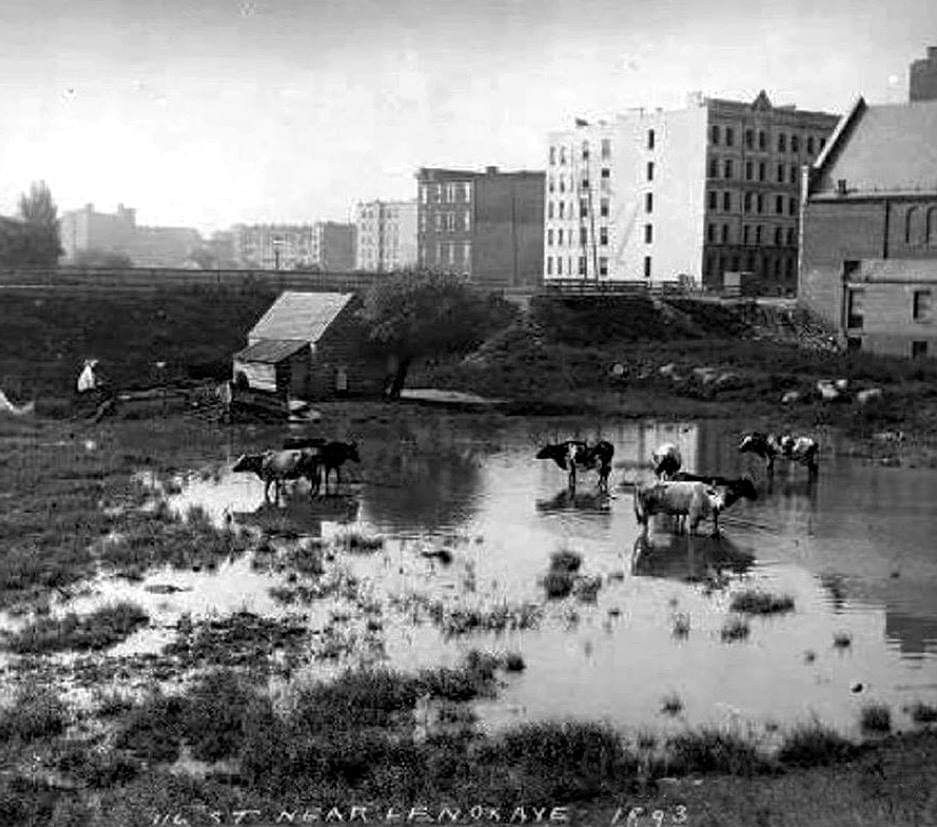
116th Street near Lenox Avenue, 1893, where tenement development rubs against the vestiges of rural Harlem.
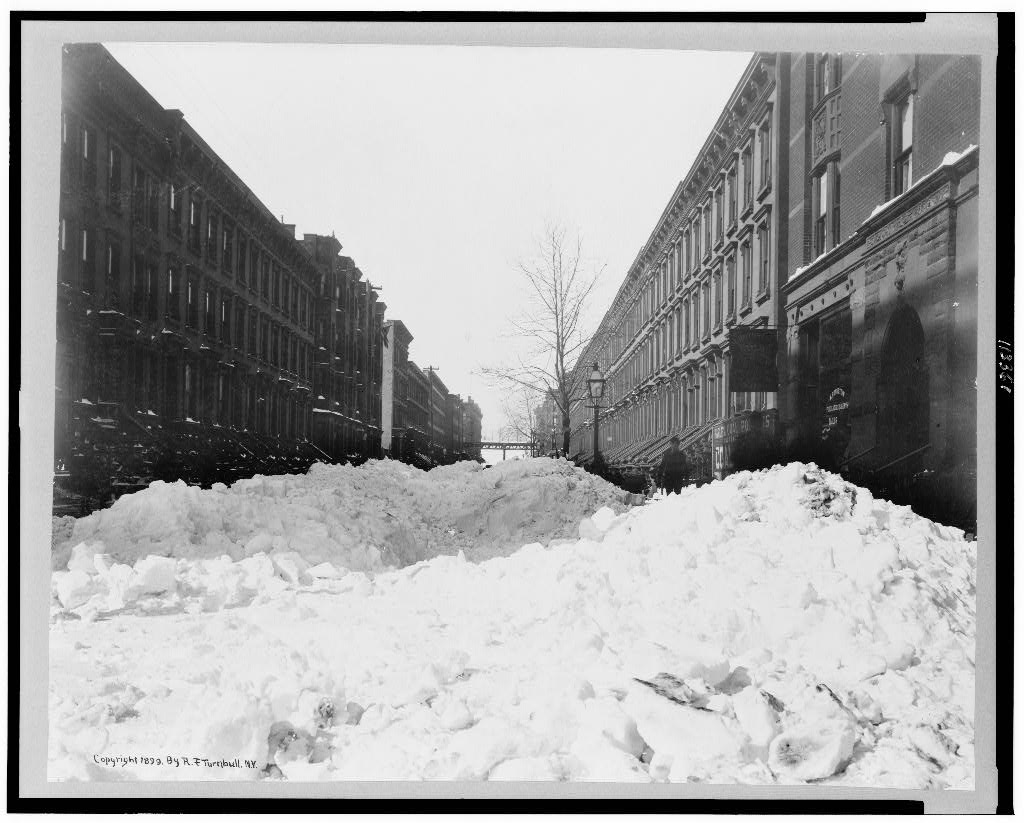
A street in Harlem after the blizzard of Feb. 13, 1899. Note the elevated railroad in the distance.
Library of Congress
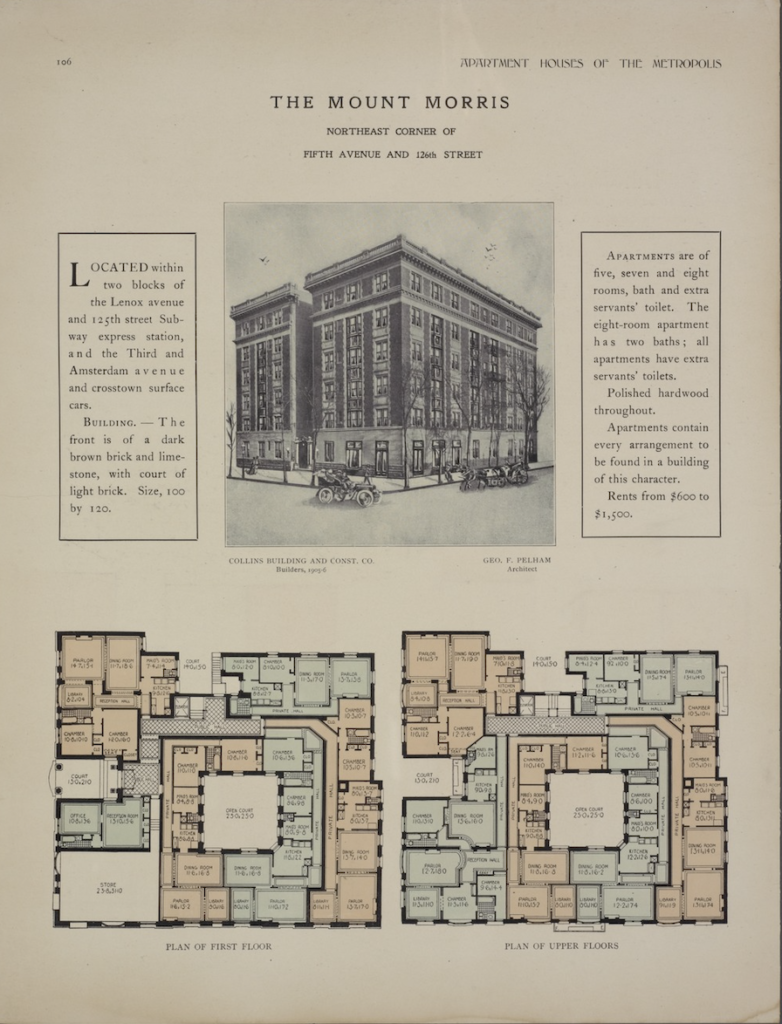
Plans for the Mount Morris, northeast corner of Fifth Avenue and 126th Street, 1908.
New York Public Library
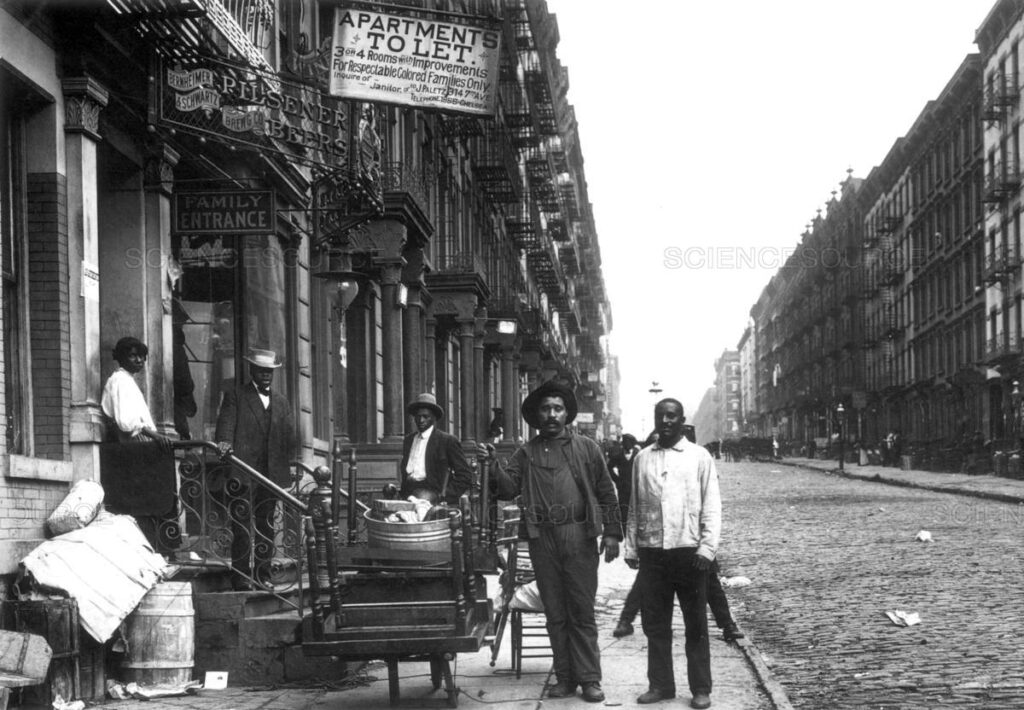
Men in front of an apartment that rented to Black tenants, 1915.
New York Public Library / Science Source
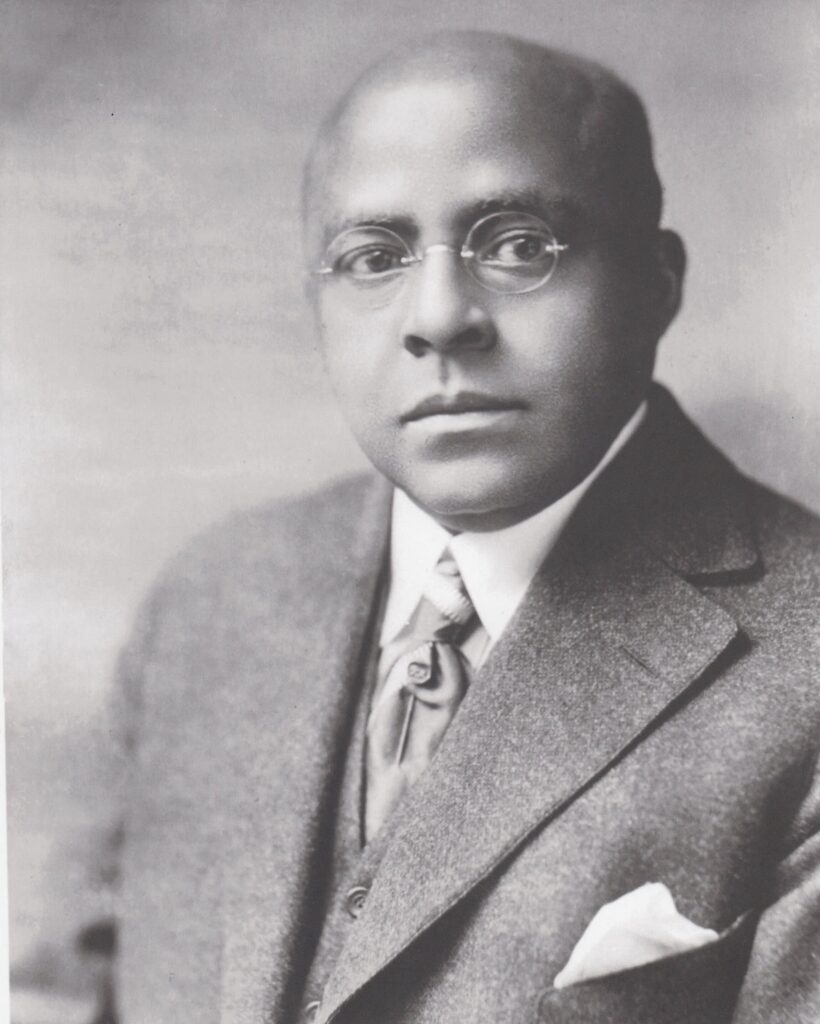
Philip A. Payton Jr. who used real estate savvy to introduce many African-Americans to Harlem.
From the New York Evening World, May 2, 1904 (courtesy Newspapers.com)
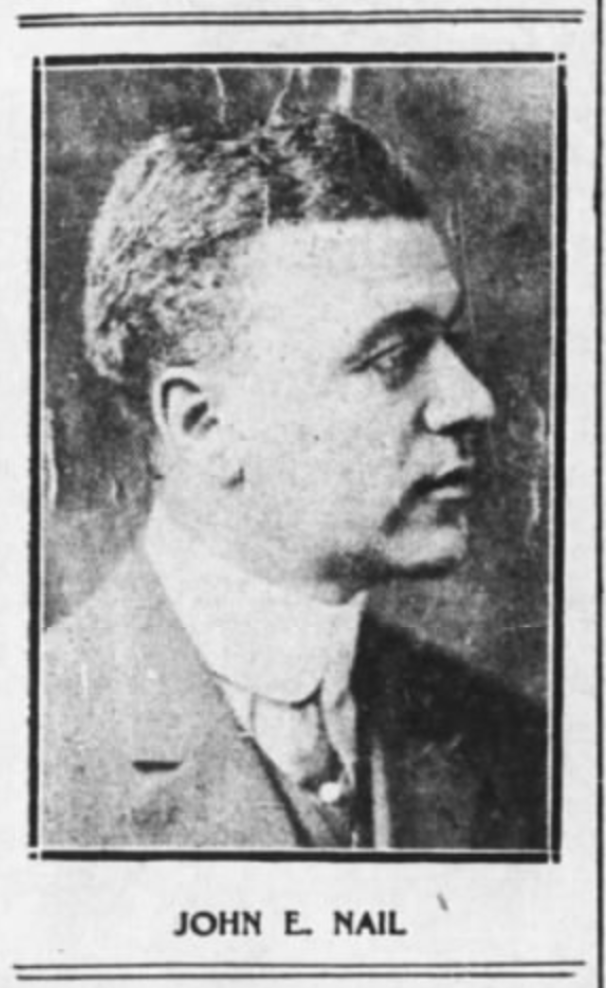
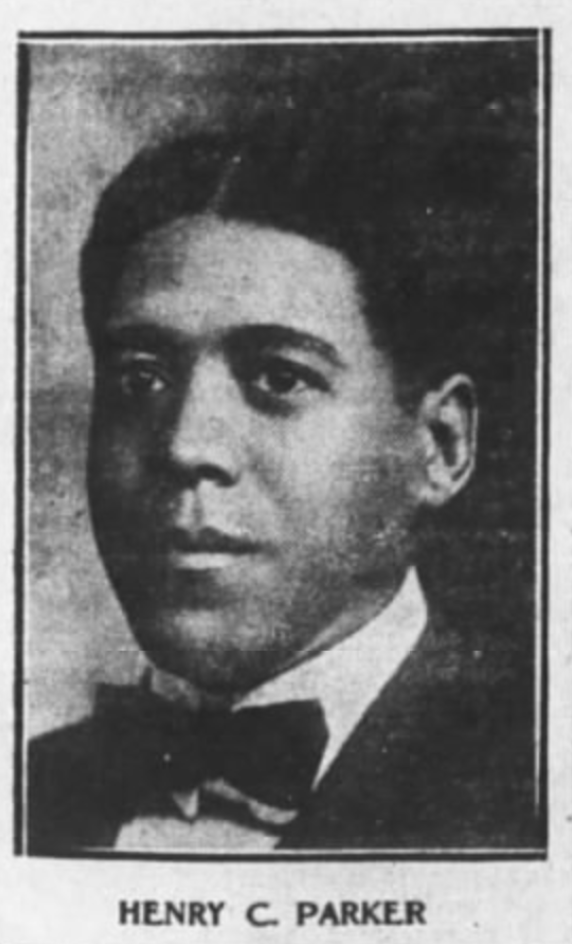
John E. Nail and Henry C. Parker, who left the Afro-American Realty Company to pursue even greater success, become the ‘little Fathers’ of Harlem.
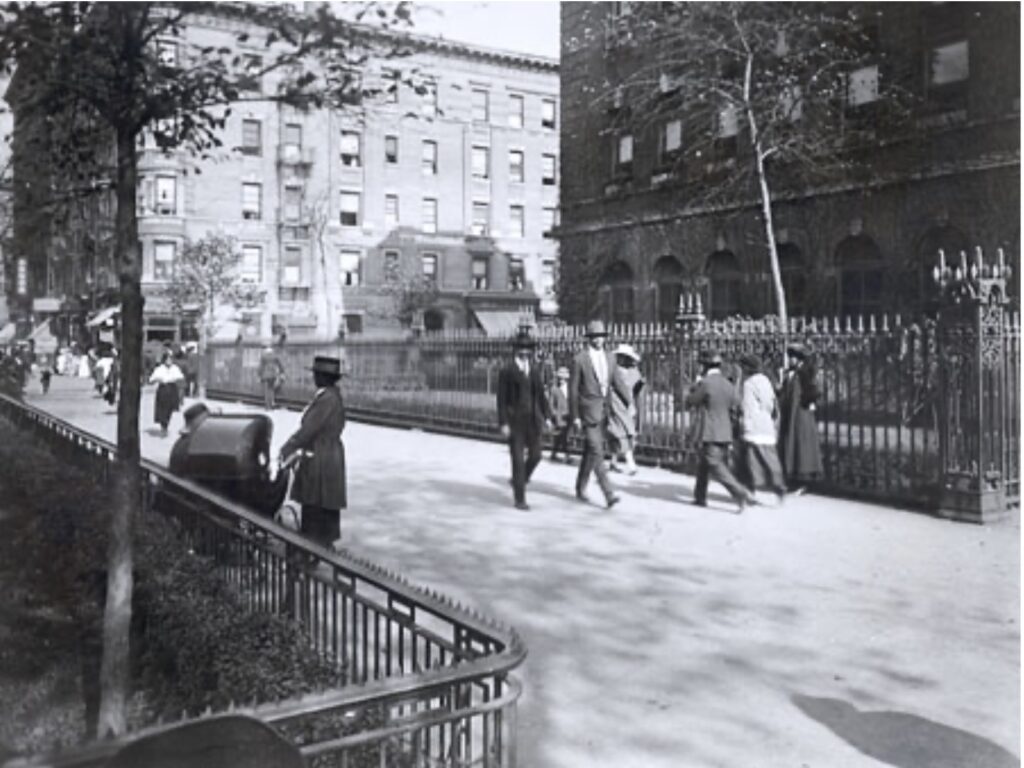
Harlem, late 1910s.
Courtesy Brown Brothers, Columbia University
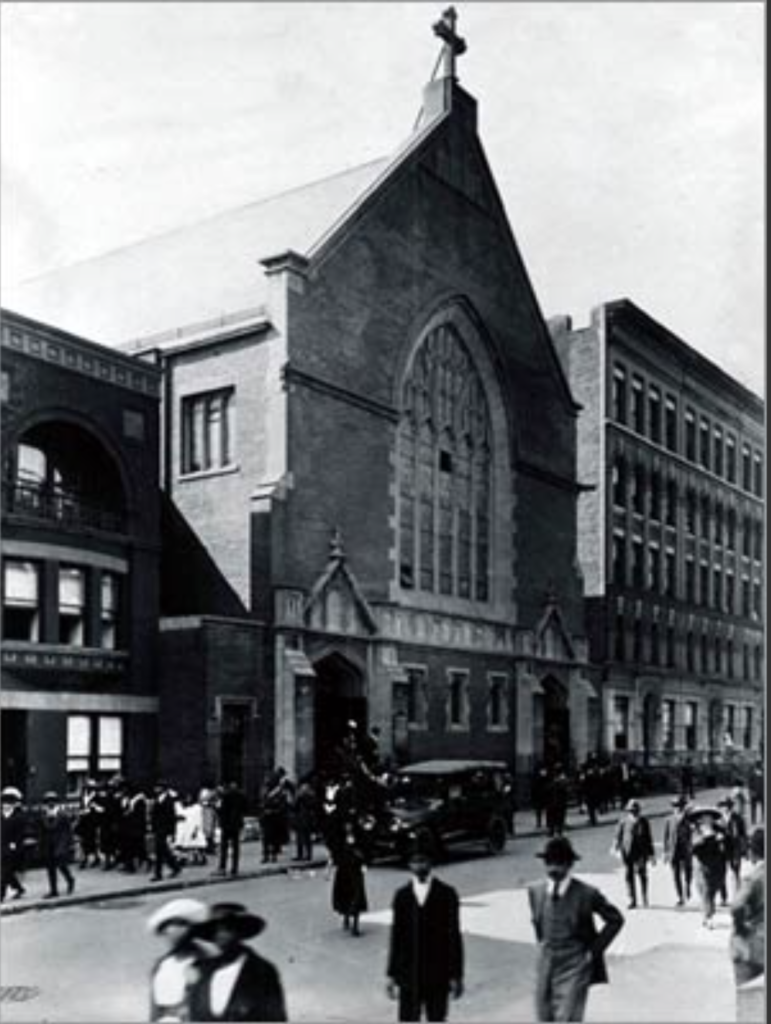
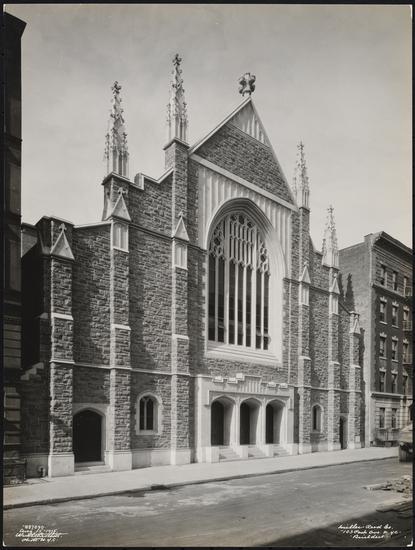
St. Philip’s Episcopal Church, 1920
Courtesy Columbia University
Mother Zion Church, West 137th Street, 1924
Wurts Brothers, Museum of the City of New York
FURTHER READING
Boss of the Grips: The Life of James H. Williams and the Red Caps of Grand Central Terminal by Eric K. Washington Greater Gotham by Mike Wallace Harlem Is Nowhere: A Journey to the Mecca of Black America by Sharifa Rhodes-Pitts Harlem: The Four Hundred Year History from Dutch Village to Capital of Black America by Jonathan Gill Harlem: The Making of a Ghetto by Gilbert Osofsky Race and Real Estate: Conflict and Cooperation in Harlem 1890-1920 by Kevin McGruder
FURTHER LISTENING
Check out these past Bowery Boys Podcasts with related themes to this week’s show
The Bowery Boys: New York City History podcast is brought to you …. by you!
We are now producing a new Bowery Boys podcast every other week. We’re also looking to improve and expand the show in other ways — publishing, social media, live events and other forms of media. But we can only do this with your help!
We are now a creator on Patreon, a patronage platform where you can support your favorite content creators.
Please visit our page on Patreon and watch a short video of us recording the show and talking about our expansion plans. If you’d like to help out, there are six different pledge levels. Check them out and consider being a sponsor.
We greatly appreciate our listeners and readers and thank you for joining us on this journey so far.
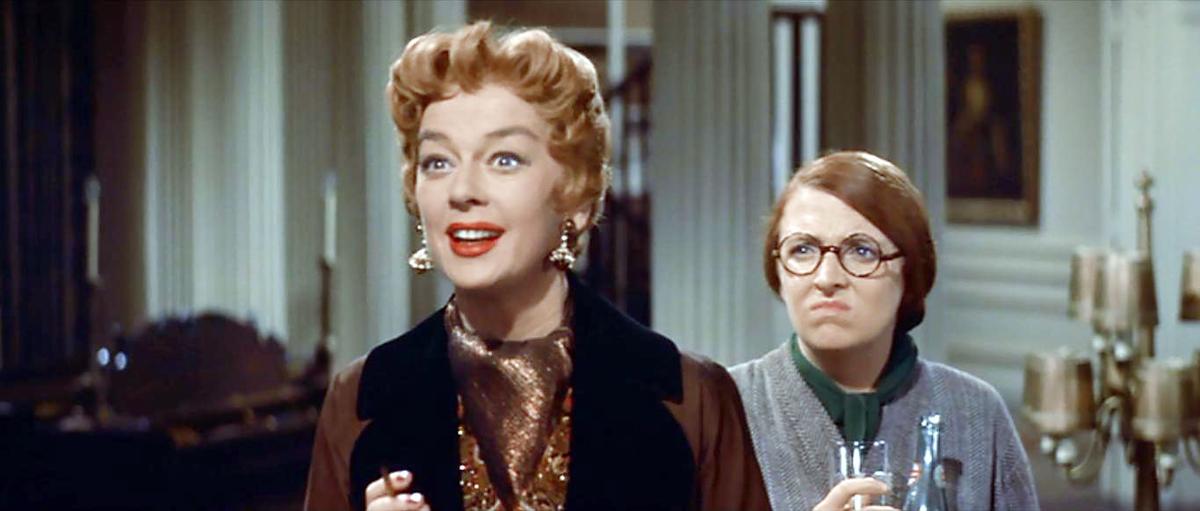
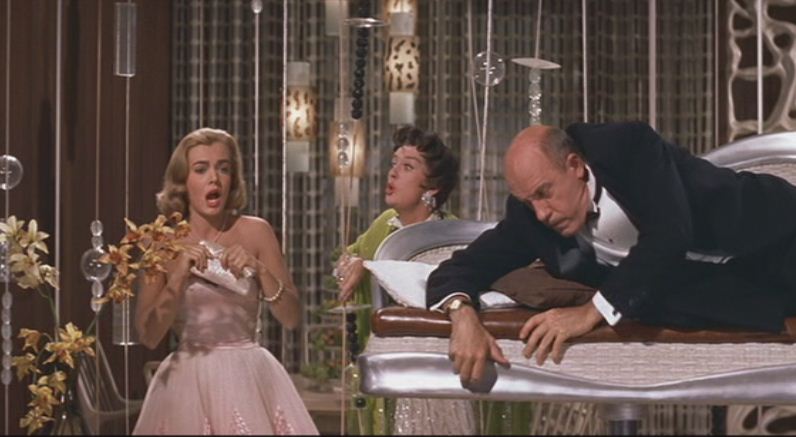
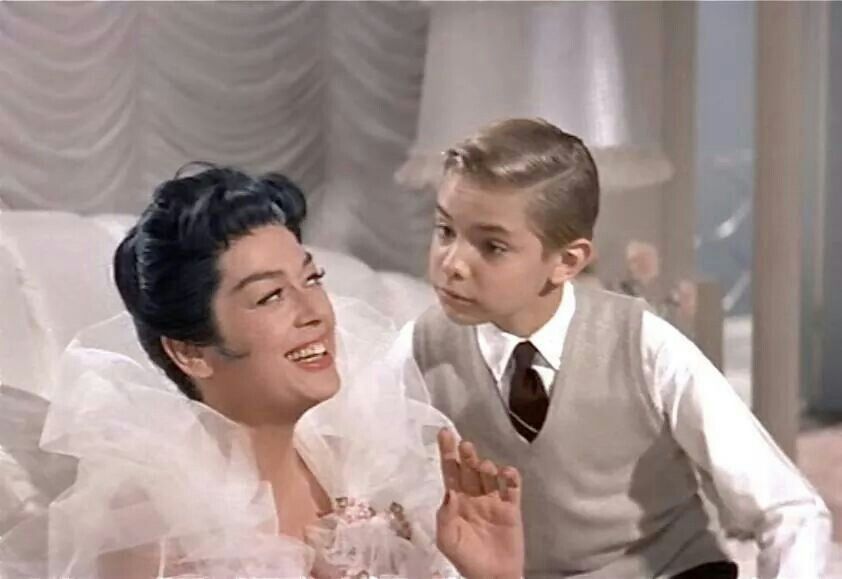
In a bit of Super Bowl counter programming, we’ve just released an unusually eccentric episode of Bowery Boys Movie Clubto the general Bowery Boys Podcast audience, exploring the 1958 comedy masterpiece Auntie Mame.
In the latest episode of the Bowery Boys Movie Club, Tom and Greg celebrate wild and fabulous Auntie Mame, the outrageous comedy masterpiece starring Rosalind Russell that’s mostly set on Beekman Place, the pocket enclave of New York wealth that transforms into a haven for oddballs and bohemian eccentrics.
Auntie Mame cleverly uses historical events — the Wall Street Crash of 1929, the Great Depression — as a backdrop to Mame’s own financial woes, and her progressive-minded care of nephew Patrick introduces some rather avant garde philosophies to movie-going audiences.
Listen in as the Bowery Boys set up the film’s history, then give a rollicking synopsis through the zany plot line.
Shouldyouwatchthemoviebeforeyoulistentothis episode? This podcast can be enjoyed both by those who have seen the film and those who’ve never even heard of it.
We think our take on Auntie Mame might inspire you to look for the film’s many fascinating (but easy to overlook) historical details, so if you don’t mind being spoiled on the plot, give it a listen first, then watch the movie! Otherwise, come back to the show after you’ve watched it.
Listen now: Auntie Mame (Bowery Boys Movie Club)
This episode of the Bowery Boys Movie Club was originally released on February 19, 2019, to those who support the Bowery Boys Podcast on Patreon.
Sign up and help support the show today to get the latest episodes of the Bowery Boys Movie Club.
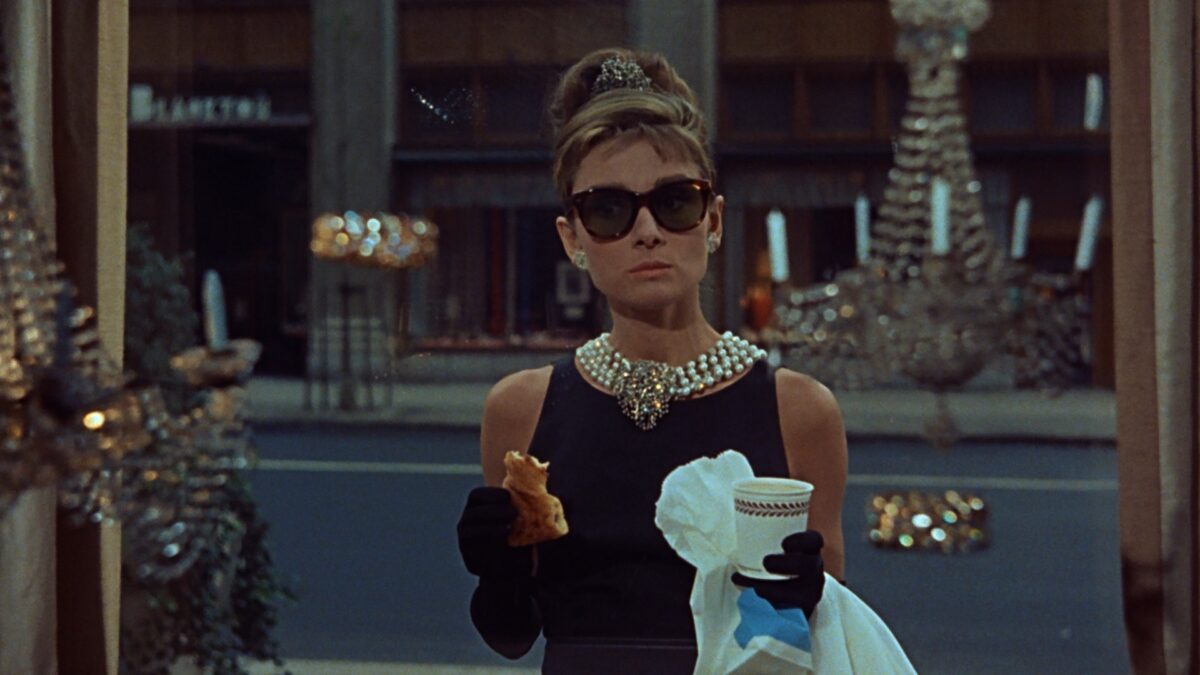
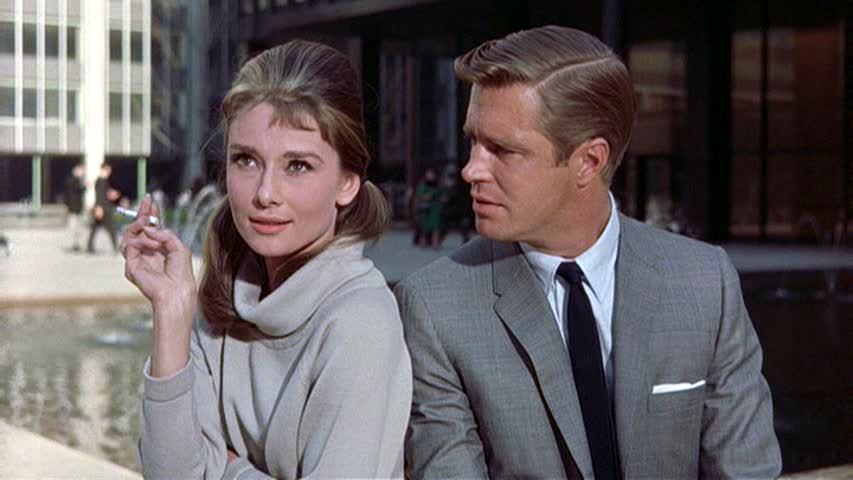
In the film version of Truman Capote‘s daring 1958 novella — starring Audrey Hepburn and George Peppard— New York City provides the elegant backdrop to a romantic fable dripping in diamonds and booze.
Holly Golightly lives in her own fantasy world, and from her Upper East Side apartment, she seduces wealthy strangers and entertains a roster of outcasts and oddballs. From glamorous dates at the 21 Club to visits with her mobster ‘friend’ in Sing Sing Prison, Holly paints for herself a glamorous life — even through bouts of the ‘mean reds’.
But when a handsome writer moves into the building — a man with his own complicated relationships (hello, Patricia Neal!) — will Holly find in him, as the song goes, a fellow ‘drifter, off to see the world’?
Listen in as Greg and Tom recap the story and explore some of the historical context for the film. Featuring a dreamy lineup of New York locations including the Central Park, the Seagram Building, theNew York Public Library and, of course, Tiffany and Co.
PLUS: What to do with Mickey Rooney.
HowdoIlistentheBoweryBoysMovieClub? Once you’re signed in on Patreon, you’ll see a private RSS link that can be put directly into your favorite podcast player. Even easier, it can also be played directly from the Patreonapp if you’re signed in.
Your support on Patreon assists us in producing our podcast and website and it helps as we endeavor to share our love of New York City history with the world.