Categories
Podcasts The Jazz Age Writers and Artists

The New Yorker Magazine: Talk of the Town for 100 Years

The New Yorker turns one century old — and hasn’t aged a day! The witty, cosmopolitan magazine published its first issue on February 21, 1925. And even though present-day issues are often quite contemporary in content, the magazine’s tone and style still recall its glamorous Jazz Age origins.

The New Yorker traces itself to members of that legendary group of wits known as the  Algonquin Round Table — renowned artists, critics and playwrights who met every day for lunch at the Algonquin Hotel.

And in particular, to two married journalists – Harold Ross and Jane Grant – who infused the magazine with a very distinct cosmopolitan zest. High fashion, martinis and Midtown Manhattan mixed with the droll wit of a worldly literati.

A new exhibition at the New York Public Library —  “A Century of the New Yorker” — chronicles the magazine’s history, from its origins and creation by Ross and Grant to its current era, under the editorship of David Remnick.
Greg and Tom interview the show’s two curators Julie Golia and Julie Carlsen about the treasures on display from the New Yorker’s glorious past — from the magazine’s first cover (featuring everybody’s favorite snob Eustace Tilly) to artifacts and manuscripts from the world’s greatest writers.
LISTEN NOW: THE NEW YORKER MAGAZINE


A Century of the New Yorker

Through February 21, 2026, third floor of the Stephen A. Schwarzman Building, 42nd Street and 5th Avenue

“The New York Public Library’s new major exhibition A Century of The New Yorker draws on NYPL’s collections, including the magazine’s voluminous archives and the papers of many of its contributors, to bring to life the people, stories, and ideas that made The New Yorker.”

FURTHER LISTENING

Categories
Film History Podcasts Side Streets

At The Movies with Meyers and Young: Celebrating New York City on the big screen

Greg and Tom have taken off their historian hats for a minute and have suddenly become — movie critics? Close but not quite!

This week we’re giving you a ‘sneak preview’ of their Patreon podcast called Side Streets, a conversational chat show about New York City and, well, whatever interests them that week.

In honor of the Academy Awards, the Bowery Boys hosts pay homage to the great Gene Siskel and Roger Ebert while looking at five award-worthy films with strong New York City connections:

— Anora with its captivating south Brooklyn locations

— A Complete Unknown, taking us back 1960s Greenwich Village 

— Wicked, a spritely interpretation of the Broadway musical

— The Brutalist, an epic about more than just architecture

— Saturday Night, a frenetic tribute to the comedy-show icon which turns 50 years old this year

NOTE There are light spoilers (especially to locations used in some of these films) but nothing that will ruin your enjoyment of these movies.

LISTEN NOW: AT THE MOVIES

To listen to all episodes of Side Streets, support the Bowery Boys on Patreon 

This episode was edited by Kieran Gannon


FURTHER READING

Scenes from

ANORA

A COMPLETE UNKNOWN

WICKED

THE BRUTALIST

SATURDAY NIGHT

Categories
Black History It's Showtime Neighborhoods Podcasts Writers and Artists

Harlem in the Jazz Age: A Renaissance in New York, a Revolution on Swing Street

For the Bowery Boys episode number 450, we’re looking at the glamour and mystery of Harlem during the 1920s, a decade when the predominantly black neighborhood, in the words of Langston Hughes, “was in vogue.”

This year marks the 100th anniversary of Alain Locke’s classic essay “The New Negro” and the literary anthology featuring the work of Langston Hughes, Zora Neale Hurston, Countee Cullen and other significant black writers of the day.

The rising artistic scene would soon be known as the Harlem Renaissance, one of the most important cultural movements in American history.

And centered within America’s largest black neighborhood — Harlem, the “great black city,” as described by Wallace Thurman, with a rising population and growing political and cultural influence.

The Survey Graphic, published in March 1925, focusing on “Harlem: Mecca of the New Negro” and featuring the writing of Alain Locke.

And during the 1920s, Harlem became even more. Along “Swing Street” and Lenox Avenue, nightclubs and speakeasies gave birth to American music and fostered great musical talents like Count Basie, Billie Holiday and Duke Ellington.

Ballrooms like the Savoy and the Alhambra helped turn Harlem into a destination for adventure and romance.

While Harlem was truly the largest and most prominent African-American neighborhood in America, it was still tied to — and even reliant upon — the white New Yorkers who became fascinated by black culture. Many Harlem nightclubs (notably The Cotton Club) were not open to the black residents who lived around them.

What were these two worlds like — the literary salons and the nightclubs? How removed were these spheres from the every day lives of regular Harlem residents? How did the neighborhood develop both an energetic and raucous music scene and a diverse number of churches — many (like the Abyssinian Baptist Church) still around today?

FEATURING the stories of Sugar Hill, the Dunbar Apartments, and Hamilton Club Lodge Ball

PLUS lots of great music!

LISTEN TODAY: HARLEM IN THE JAZZ AGE

Harlem Night Life map in 1933, Campbell, E. Simms (Elmer Simms), cartographer. Dell Publishing Company, publisher.

Get tickets to our March 31 City Vineyard event Bowery Boys HISTORY LIVE! here

And join us for our Gilded Age Weekend in New York, May 29-June 1, 2025. More info here.

Harlem scene, 1927, George Rinhart / Getty Images

FURTHER LISTENING

Categories
Events

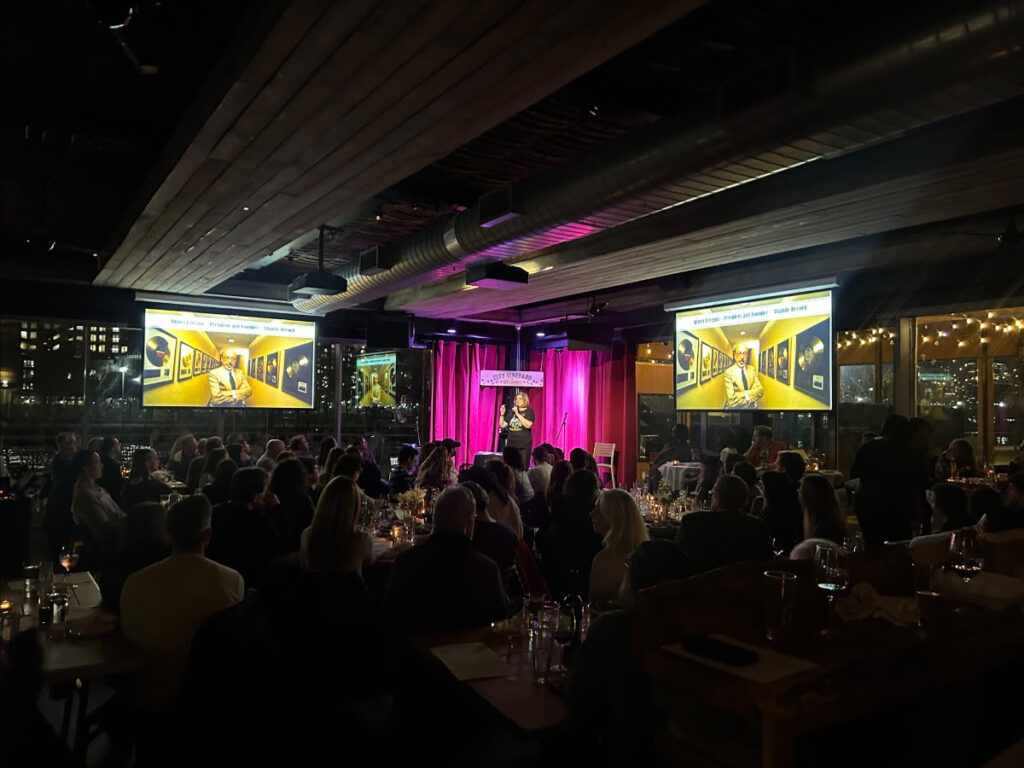
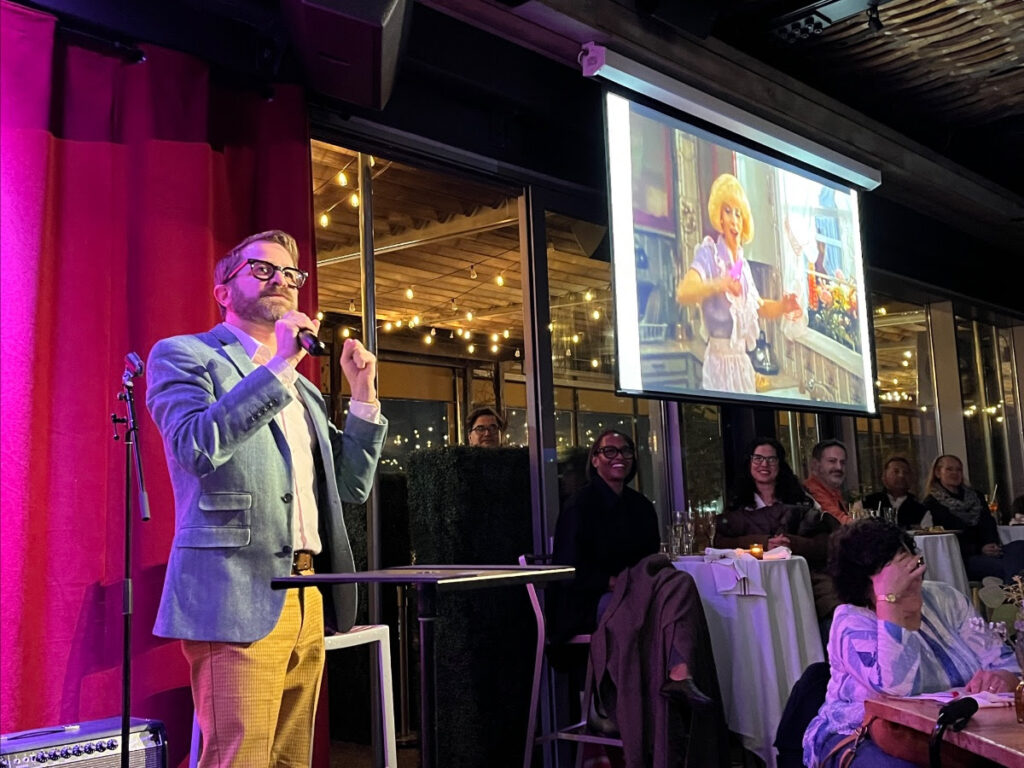
The Bowery Boys History LIVE: Get tickets to our new ongoing live event at City Vineyard

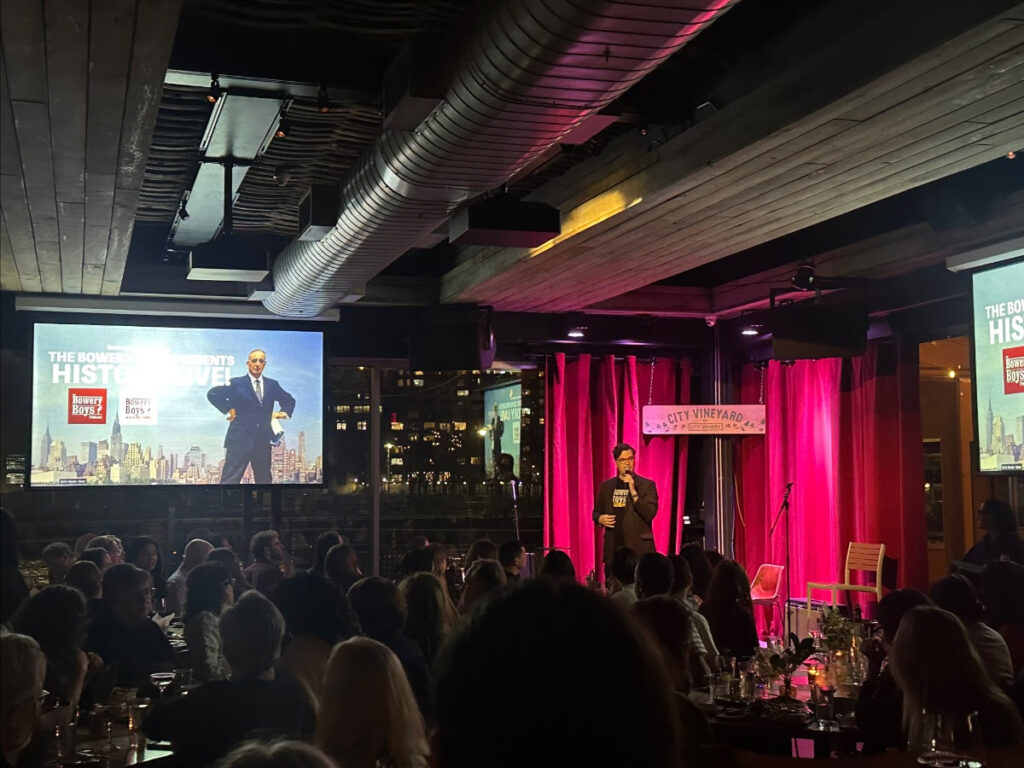
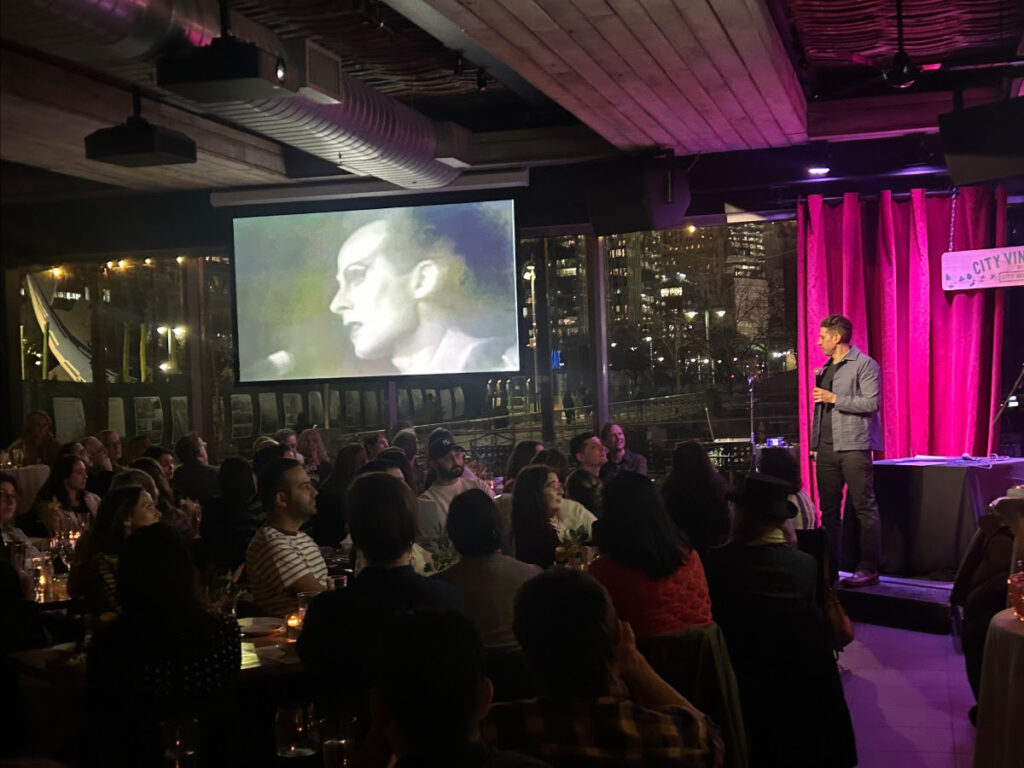
City Vineyard, the Tribeca sister location of City Winery, presents Bowery Boys History: Live!, a live storytelling cabaret event on Thursday, March 13th, 2025 at 7:30 PM! Tickets here

Calling all history geeks, New Yorkers, and lovers of great storytelling.

LIVE FROM 400 YEARS OF NEW YORK CITY HISTORY — it’s the Bowery Boys with an all-new, ongoing live event! Join Greg Young from the Bowery Boys Podcast and a rotating roster of the city’s greatest historians, tour guides and personalities for a fascinating evening of history, a storytelling cabaret of all-true tales and spellbinding secrets from the past.

Bowery Boys History Live is like a cabaret night for historians! Or a variety show for local history lovers. Featuring the histories of famous New York people, neighborhoods and landmarks. With some hilarious detours and maybe even a song or two. Sit back, grab a drink and a bite, and join us for a fun-filled tribute to New York City.

Greg will be joined on stage by three special guests, all former guests on the Bowery Boys podcast:

Krikor Daglian (truetalesnyc on Instagram) from the Bowery Boys episode Walking The East Village
Ann McDermott from the Bowery Boys episode The Ramones at CBGB
Kyle Supley from the Bowery Boys episode The Story of Flushing and Treasures from the World’s Fair

PLUS a few more surprises. Join us at City Vineyard!

THE BOWERY BOYS HISTORY LIVE! Greg Young with Krikor Daglian, Ann McDermott and Kyle Supley
CITY VINEYARD
233 West Street (Pier 26), on the Hudson River waterfront 
Thursday, March 13, 7:30 pm, doors open 6pm

Tickets $40, with a $25 per person minimum for food and drink

Tickets here

Greg with Ann McDermott on Extra Place near the old CBGB
Greg with Krikor Daglian in the East Village
Greg with Kyle Supley at Flushing Meadows Corona Park
Categories
Neighborhoods Podcasts Religious History The Immigrant Experience

The Story of Italian Harlem: New York’s Forgotten Little Italy

One of America’s first great Italian neighborhoods was once in East Harlem, populated with more southern Italians than Sicily itself, a neighborhood almost entirely gone today except for a couple restaurants, a church and a long-standing religious festival.

This is, of course, not New Yorks’ famous “Little Italy,” the festive tourist area in lower Manhattan built from another 19th-century Italian neighborhood on Mulberry Street. The bustling street life of old Italian Harlem exists mostly in memory now.

If you wander around any modern American neighborhood with a strong Italian presence, you’ll find yourself around people who can trace their lineage back through the streets of Italian Harlem. Perhaps that includes yourself.

But it’s not all warm nostalgia and fond recollections. Life could be quite hard in Italian Harlem, thanks to the nearby industrial environment, the deteriorating living conditions and the street crime, the early years of New York organized crime.

So who were these first Italian settlers who left their homes for what would become a hard urban life in upper Manhattan? What drew them to the city? What traditions did they bring? And in the end, what did they leave behind, when so many moved out to the four corners of the United States?

Find the episode wherever you listen to podcasts or listen right here:

LISTEN NOW Italian Harlem: New York’s Forgotten Little Italy

a street vendor with wares displayed, during a festival in Italian Harlem. 1915, Bain Services/Library of Congress

We’re not done with Harlem! In fact we’re building up to an epic new 450th episode for our next show.


FURTHER LISTENING:

Past Bowery Boys episodes with close links to this current show:

Categories
Bowery Boys Bookshelf Podcasting Podcasts

Inside the Memory Palace with Nate DiMeo

There were very few history podcasts around back in the year 2008, but the Bowery Boys Podcast was certainly here … and so was the Memory Palace, hosted by Nate DiMeo, presenting small, often forgotten vignettes from history in a descriptive narrative format.

In this special interview episode, Greg talks with Nate on the occasion of his new companion book The Memory Palace: True Short Stories of the Past which features many of his fable-like historical portraits, including many from New York City history — from revolutionary amusements on Coney Island to less frequented corridors within the Metropolitan Museum of Art.

And Greg and Nate go deep on the relationship between history and memory, on the reliability of memory to help us relive the past and how our own experiences can help fill in the gaps within histories that seem lost to us today.

Featuring a couple of elephants, the Wallendas, Parks and Recreation, the X-Men, a very large painting of Versailles, and the big secret about the monster hiding in your closet right now.

LISTEN NOW: THE MEMORY PALACE

John Vanderlyn/Panoramic view of the the Palace and Gardens of Versailles, courtesy the Metropolitan Museum of Art
A brand-new Zipper being factory tested at Chance Mfg, 1975, courtesy Ride Extravaganza
The Wallendas
Ken Allen, the escape artist. Photo by Kirk Bossen/Newsweek
Town Hall, Somers, NY, photo by Greg Young

Some selected episodes of the memory palace, including a couple personal favorites:

Categories
Podcasts The Gilded Gentleman Writers and Artists

The World of Tiffany Glass: Lighting the Gilded Age

Lets start the new year with something beautiful shall we?

The latest in the Bowery Boys podcast feed — join Carl Raymond, host of The Gilded Gentleman podcast, and Lindsy Parrott of the Neustadt Collection of Tiffany Glass at the Queens Museum, as the luxury and elegant behind the name — Tiffany. 

Just the name “Tiffany” evokes the glamour and elegance of the Gilded Age. But there is much more to the story than just the eponymous retailer who continues to sell fine jewelry and decorative objects today.

In this episode, Carl is joined by Lindsy Parrott, the Executive Director of The Neustadt Collection, one of the country’s most important collections of Tiffany glass and archival materials. 

Lindsy and Cal discuss the two Tiffanys — Charles Lewis Tiffany who began the original retail silver and jewelry and his son Louis Comfort Tiffany who created revolutionary designs in stained glass. 

Categories
It's Showtime Music History Neighborhoods Podcasts

Bob Dylan’s Greenwich Village: The Neighborhood Which Shaped American Music

Greenwich Village is one of America’s great music capitals, an extraordinary distinction for an old neighborhood of tenements, townhouses, dive bars and a college campus.

So many musical titans of jazz, folk, pop and rock and roll got their start in the Village’s many small nightclubs and coffeehouses, working alongside artists, writers, actors and comedians to create an American cultural mecca unlike any other.

And it was here, on January 24, 1961, that a nineteen-year-old young man from Minnesota entered the fray — Robert Zimmerman, otherwise known as Bob Dylan.

The Village completely transformed the young folk singer into the voice of a generation, working out his transformation on the minuscule stages of the Gaslight, Cafe Wha? and Gerde’s Folk City.

But this show isn’t strictly about Dylan’s ascent to greatness, but the neighborhood — the people, the streets, the basements! — which cultivated artists like Dylan (and Billie Holiday and Nina Simone and Pete Seeger and Barbra Streisand and Joan Baez and so on.)

PLUS: Bob Moses and Jane Jacobs stop by for a hootenanny (and a protest)

LISTEN NOW: BOB DYLAN’S GREENWICH VILLAGE


Jones Street, today a popular place for selfies thanks to the album cover
Photography by the legendary music photographer Don Huntstein
Ben’s Pizzeria on MacDougal Street
Bob and Suze’s apartment on West 4th Street
The former Gaslight and Kettle of Fish
Still hosting hootennanies at the Cafe Wha?

FEATURED READING

David Browne / Talkin’ Greenwich Village

Bob Dylan / Chronicles
Stephen Petrus and Ronald D Cohen / Folk City: New York and the American Folk Music Revival
Suze Rotolo / A Freewheelin’ Time: A Memoir of Greenwich Village in the Sixties
Howard Sounes/ Down the Highway: The Life of Bob Dylan
Sean Wilentz / Bob Dylan in America

FURTHER LISTENING

Music featured on this show:

“Talkin’ New York” by Bob Dylan (from his first album for Columbia Records)
Dylan Thomas reciting “Do Not Go Gentle Into That Good Night” from Dylan Thomas Reading A Child’s Christmas in Wales & Five Poems
“Strange Fruit” by Billie Holiday (Commodore)
“Little Girl Blue” by Nina Simone (Bethlehem/Verve)
“A Sleepin’ Bee” by Barbra Streisand (Columbia Records)
“Goodnight Irene” by the Weavers (Decca Records)
“This Land Is Your Land” by Woody Guthrie
“Talkin’ John Birch Paranoid Blues” by Bob Dylan
“Blowin’ In The Wind” by Bob Dylan
“Don’t Think Twice, It’s All Right” by Bob Dylan
Only A Pawn In Their Game” by Bob Dylan
The Times They Are A-Changin’” by Bob Dylan

Izzy Young discussing the early years of Bob Dylan (courtesy The Local)

Dylan’s infamous Newport Folk Festival performance, 1965


Categories
Gilded Age New York Landmarks Podcasts

Mr. Morgan and His Magnificent Library: A ‘Bookman’s Paradise’ on Madison Avenue

Does your personal library overwhelm your home? Are there too many books in your life — but you’ll never get rid of them? Then you have a lot in common with Gilded Age mogul J.P. Morgan!

Morgan was a defining figure of the late 19th century, engineering corporate mergers and crafting monopolies from the desk of his Wall Street office. His vast control over the steel and railroad industries paired with his connections in international banking granted him great power over American life and helped fuel the great economic disparities of the Gilded Age.

In the process Morgan became one of the wealthiest men in America — but he did not tread the traditional path through New York high society. He preferred yachts over ballrooms.

And books! For decades he collected thousands of rare books, letters, paintings and manuscripts from Gutenberg bibles to medieval illuminated tomes. So many books, in fact, that Morgan decided to start the new century with his own personal project — the construction of a library.

Morgan’s study

Today the Morgan Library and Museum is open to the public and, as an active and thriving institution, continues to highlight the world’s greatest examples of the printed word — from Charles Dickens manuscript for A Christmas Carol to past exhibitions on Beatrix Potter, James Joyce and even The Little Prince.

Tom and Greg explore the biography of J. Pierpont Morgan then head to the Morgan Library to speak with Jennifer Tonkovich, the Eugene and Clare Thaw Curator of Drawings and Prints.

And then they wander through the winding connections of buildings which comprise the Morgan Library & Museum — from Morgan’s study (and its ‘hidden’ vault of books) to the glorious main stacks, lined with triple tiers of bookcases fashioned of bronze and inlaid Circassian walnut.

LISTEN NOW: MR. MORGAN AND HIS MAGNIFICENT LIBRARY


Join us on Patreon for extra podcasts and lots of other goodies

Share your love of the city’s history with a Bowery Boys Walks gift certificate! Our digital gift cards let your loved ones choose their perfect tour and date.

Grab a Bowery Boys tee-shirt, mug or water bottle at our merchandise store.


1903 portrait by Fedor Encke
Saturday Globe, 1901
From the vaulted room in Morgan’s study
From the Franz Kafka show
The tapestry of gluttony

JP Morgan Jr’s brownstone which is today a part of the whole Morgan Library complex. In fact we recorded a portion of the show from its music room!

New York Public Library
The music room where we recorded a portion of the show.

The Morgan Library and Museum from above. The slender garden in the middle was replaced in 2006 by a lavish hall designed by Renzo Piano.

New York Public Library

FURTHER READING

J. Pierpont Morgan’s Library: Building the Bookman’s Paradise / The Morgan Library and Museum
The Hour of Fate: Theodore Roosevelt, JP Morgan and the Battle to Transform American Capitalism / Susan Berfield
The House of Morgan: An American Banking Dynasty and the Rise of Modern Finance/ Ron Chernow
J.P. Morgan – The Life and Deals of America’s Banker / J.R. MacGregor
Morgan: American Financier / Jean Strouse

From the website:
Edgar Allan Poe at the Morgan Library
JP Morgan Jr Rides The Subway
Remembering the Wall Street Bombing 1920
Terror Spree: Harvard Professor Bombs Capitol, Shoots JP Morgan

Categories
Bowery Boys Holidays Side Streets

A Creative Gift Idea: Membership to the Bowery Boys Patreon Page

Listeners have been asking us for years about ‘gift subscriptions’ to our Patreon page, where you can find hundreds of Patreon-only audio podcasts from the Bowery Boys — including our 40+ episodes of our new series Side Streets.

Well good news! Patreon has just come up with a new program to gift yearly memberships of the Bowery Boys Patreon page.

Depending on the membership level, you’ll also get access to exclusive Bowery Boys merchandice, ad-free early episodes (Gilded Age level and above), early ticket announcement and other cool stuff.

Visit this page to check out the gift options for all the membership tiers.

Here are the three most popular offerings on Patreon (however there are a couple more options as well:

Visit our Patreon gift page for more information

Categories
Adventures In Old New York Food History Neighborhoods Podcasts

Celebrating Classic New York Mom-and-Pop Shops (with New York Nico)

 The energy and personality of New York City runs through its local businesses — mom-and-pop shops, independently run stores and restaurants, often family run operations.

We live in a world of chain stores, franchises, corporate run operations and online retailers that have run many of these kinds of stores out of business. But what is New York without its diners, its small book shops, its curious antique stores and its historic delis?

These kinds of shops contribute to the health of a neighborhood. And today we’re celebrating them with Nicolas Heller, better known to his 1.4 million Instagram followers as New York Nico, “the unofficial talent scout of New York City.”

But he’s also helped lift up small businesses and even helped them survive through the pandemic and beyond.

And now Heller’s new book New York Nico’s Guide to NYC, he highlights 100 of his favorite small business from all five boroughs. So we thought we’d geek out with him for about an hour, talking about our favorite small places in the city.

FEATURING Astor Place Hairstylists, Pearl River Mart, Katz Deli, Fishs Eddy, DeFonte’s in Red Hook and many, many more

And remember to shop local this holiday season!

LISTEN NOW: NEW YORK’S CLASSIC MOM-AND-POP SHOPS


Please give a shout-out to your favorite local New York City business in the comments of this page or on social media — and tag us!

Local businesses featured in this week’s episode include:

Abracadabra
Anthony and Son Panini Shoppe
Army & Navy Bag
Astor Place Hairstylists
B&H Dairy
Books Are Magic
Casa Amadeo
DeFonte’s
Economy Candy
Fantasy Explosion
Fishs Eddy
Katz’s Deli
Mazzone Hardware
Monteleone’s Bakery and Cafe
Pearl River Mart
Porto Rico Importing Co.
Ray’s Candy Store
Russ and Daughters
Village Revival Records
Yesterday’s News Antiques and Collectables


Categories
Neighborhoods Podcasts

Nuyorican: The Great Puerto Rican Migration to New York

PODCAST This episode focuses on the special relationship between New York City and Puerto Rico, via the tales of pioneros, the first migrants to make the city their home and the many hundreds of thousands who came to the city during the great migration of the 1950s and 60s.

Today there are more Puerto Ricans and people of Puerto Rican descent in New York City than in any other city in the nation — save for San Juan, Puerto Rico.

And it has been so for decades. 

By the late 1960s, hundreds of thousands of Puerto Ricans lived in New York City, but in a metropolis of deteriorating infrastructure and financial woe, they often found themselves at the lowest rung of the socio-economic ladder, in poverty-stricken neighborhoods.

Photograph shows a group of Puerto Ricans, at Newark airport, who just arrived by plane from Puerto Rico waiting to be transported to New York / 1947, World Telegram & Sun photo by Dick DeMarsica, courtesy Library of Congress

Puerto Rican poets and artists associated with the Nuyorican Movement, activated by the needs of their communities, began looking back to their origins, asking questions.

In this special episode Greg in joined by several guests to look at the stories of Puerto Ricans from the 1890s until the early 1970s. With a focus on the origin stories of New York’s great barrios — including East Harlem (El Barrio), the Lower East Side and the South Bronx.

FEATURING The origin of the Puerto Rican flag and the first bodegas in New York City!

WITH Dr. Yarimar Bonilla and Carlos Vargas-Ramos of CUNY’s Center for Puerto Rican Studies at Hunter College (CENTRO), Pedro Garcia and Kat Lloyd of the Tenement Museum and Angel Hernandez of the Webby Award winning podcast Go Bronx.

LISTEN NOW: NUYORICAN — THE GREAT PUERTO RICAN MIGRATION


CENTRO, The Center for Puerto Rican Studies at Hunter College, is the largest university-based research institute, library, and archive dedicated to the Puerto Rican experience in the United States.

Visit the Tenement Museum and see the exhibition Under One Roof

And listen to Angel and Olga’s show — the Go Bronx podcast! Find them here or listen to these two selections below:


Isabel González. Courtesy of Belinda Torres-Mary
Victoria and Rafael Hernandez, East Harlem music revolutionaries.
Puerto Ricans demonstrate for civil rights at City Hall, New York City] 1967 / World Telegram & Sun photo by Al Ravenna. (Library of Congress)
Puerto Rican Wedding, East Harlem, 1970. Vergara, Camilo J., photographer (Library of Congress)
Puerto Rican family on the Lower East Side. Vergara, Camilo J., photographer (Library of Congress)

SONG CLIPS FEATURED IN THIS SHOW (AND OTHER VINTAGE GOODIES)

FURTHER READING

Almost Citizens: Puerto Rico, the U.S. Constitution and Empire / Sam Erman
Borderline Citizens: The United States, Puerto Rico, and the Politics of Colonial Migration / Robert C. McGreevey
From Colonia to Community: The History of Puerto Ricans in New York City / Virginia E. Sanchez Korrol
Harvest of Empire: A History of Latinos in America / Juan Gonzalez
Hispanic New York: A Sourcebook / Edited by Claudio Ivan Remeseira
How to Hide an Empire: A History of the Greater United States / Daniel Immerwahr
Latinos in New York: Communities in Transition / Edited by Sherrie Baver, Angelo Falcon and Gabriel Haslip-Viera
Loisaida as Urban Laboratory: Puerto Rican Community Activism in New York / Timo Schrader
My Music Is My Flag: Puerto Rican Musicians and Their New York Communities 1917-1940 / Ruth Glasser
Pioneros: Puerto Ricans in New York City 1892-1948 / Felix V. Matos-Rodriguez
Puerto Rican Citizen: History and Political Identity in Twentieth-Century New York City / Lorrin Thomas
Racial Migrations: New York City and the Revolutionary Politics of the Spanish Caribbean / Jesse Hoffnung-Garskof

FURTHER LISTENING

After listening to this week’s episode on the Great Puerto Rican Migration, dive back into past episodes which intersect with his story.

Categories
American History Amusements and Thrills Holidays Podcasts

The History of the Ticker-Tape Parade: A Very New York Way to Celebrate

In 1886, during a miles-long parade celebrating the dedication of the Statue of Liberty, office workers in lower Manhattan began heaving ticker tape out the windows, creating a magical, blizzard-like landscape.

That tradition stuck. Today that particular corridor of Broadway — connecting Battery Park to City Hall — is known as the “Canyon of Heroes” thanks to the popularity of the ticker-tape parade.

Ticker tape parade on Broadway for presidential candidate Richard M. Nixon, 1960 (Library of Congress)

While many cities with skyscrapers host ticker-tape parades today, New York was the place they originated in the late 19th century and for a very obvious reason — the ticker-tape itself, a byproduct of the Financial District which revolutionized the way stocks were traded.

New York has regularly honored athletes, politicians, pilots, kings and queens, astronauts and generals with ticker-tape parades for over 125 years. Today, they’re best known as a way to celebrate New York sports teams, the winners of the World Series, the Super Bowl or the Stanley Cup.

Charles A. Lindbergh renjoying his tickertape parade up Broadway,, June 13, 1927. Courtesy Smithsonian Institute

The story of the ticker-tape parade is also a story of modern American history in capsule form, celebrating technological achievements, victories in war, cultural milestones and international unity.

Greg and Tom are back in the studio to give you a rundown of New York’s greatest parades. And they also pay tribute to those other local heroes — the Department of Sanitation who cleans up after these festive but messy celebrations. 

LISTEN NOW: THE TICKER-TAPE PARADE


The ticker tape unfurling for the Statue of Liberty 1886 (Getty Images)

Parade for the 1924 Olympians, New York Times, August 7, 1924

Parade for the Statue of Liberty dedication, New York Times, October 29, 1886

Roosevelt’s return from safari, New York Tribune, June 19, 1910

The parade for Gertrude Ederle, Brooklyn Citizen, August 27, 1926

Ederle’s accomplishments and her ticker-tape parade are depicted in the Disney+ film The Young Woman and the Sea

A reimagined ticker-tape parade — for a celebration inspired by the Moon landing — recently appeared in the film Indiana Jones and the Dial of Destiny

https://youtu.be/-ThpSR44aUw?si=d7jJueXwZZHiryDS

FURTHER LISTENING

Categories
Mysterious Stories Neighborhoods Podcasts

Ghost Stories of the Five Boroughs: The Bowery Boys Halloween Special

 On January 1, 1898, Greater New York was formed from the union of two cities – New York and Brooklyn, along with other towns and villages of the region, creating the five boroughs we know and love today. 

But each of those five boroughs brings their own unique histories and personalities. And so for this year’s annual Bowery Boys Halloween Special, we thought we’d give each borough the spotlight – or rather the spooklight – to highlight the city’s haunted landscape, from rural escapes to densely populated urban centers.

And a special treat — every single one of these ghost stories was sourced from actual newspaper and magazine reporting of their respective eras. Journalists on a ghost beat, finding ghostly activity in every corner of the city.

courtesy the Bronx Zoo

The Bronx: The Reptile House at the Bronx Zoo doesn’t seem like a haunted house, but when a sudden ghost whistling disturbs both man and beast alike, zoo directors call a meeting …. and a medium.

Courtesy Brooklyn Public Library Digital

Brooklyn: When a former hospital in Flatbush converts into a luxury apartment tower, horrifying poltergeists stop by to spook the new tenants. Is it all a ruse — or something more sinister?

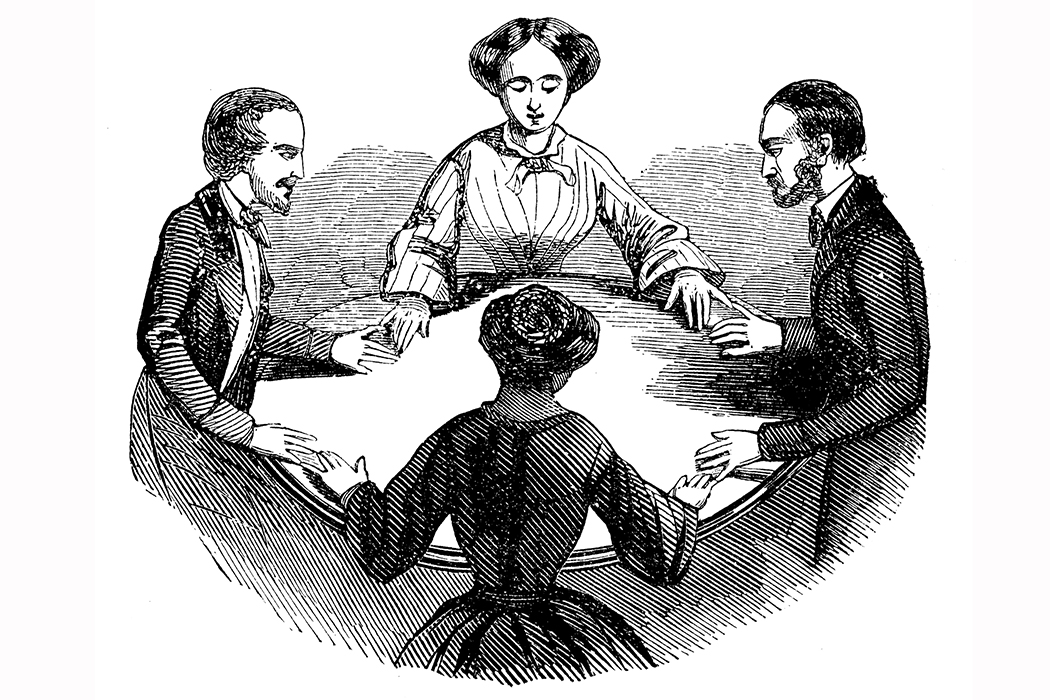
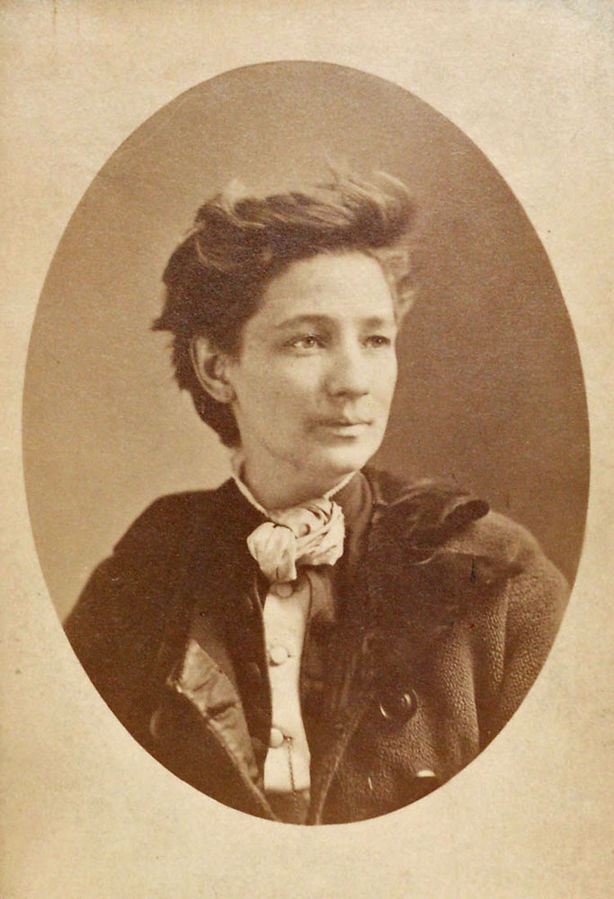
Manhattan: The Russian mystic Madame Blavatsky attempts to divine the identity of a spooky ghost orb along the East River waterfront. Is it the apparition of the beloved watchman Old Shep?

Queens: The 19th-century town of Flushing seemed overflowing with ghost stories! But none more notorious than the sight of three sword-wielding spirits at the Old Meeting House, the 17th-century house of worship with a few secrets under its foundations.

Photo by Tom Wrobleski/SI Advance

Staten Island: A tombstone-nabbing ghoul at the Old Clove Cemetery in Concord decides to ride a trolley.

LISTEN: GHOST STORIES OF THE FIVE BOROUGHS


Our LIVE edition of the Bowery Boys Ghost Stories of Old New York comes to Joe’s Pub at the Public Theater again this Oct 29, 30 and 31. Get your tickets today! Some performances have already sold out. Visit the Joe’s Pub website to get your seats.


FURTHER LISTENING:

“Ghost Stories of the Five Boroughs” is the 18th edition of the Bwoery Boys Halloween special. The first was recorded in October 2007! To listen to the entire series, visit our Gotham’s Greatest Ghosts home page.

Dive into the list with last year’s show — Ghost Stories by Gaslight: Hauntings in Old New York

But this episode references history that we’ve spoken about in many past podcasts. Take a break from the scary stories to dive into these episodes on New York City history:


New York Times, August 21, 1921
New York TImes, March 21, 1878
New York Times, January 2, 1885
NYT, March 22, 1878
The Old Flushing Meeting House and its burial ground, courtesy Library of Congress
The meeting house in 2024, from the street
Brooklyn Daily Eagle, April 20, 1884
Brooklyn Daily Times, Feb 15, 1888
Bronx Zoo Reptile House, courtesy NYPL
Categories
Mysterious Stories Podcasts

Urban Legends of New York City: Alligators, Maniacs and Aliens, Oh My!

New York City has its fair share of famous ‘urban legends’ — persistent rumors, too good to be true, often macabre and dark. 

No, we’re not talking about just about ghost stories. (Those arrive next episode.) We mean far fetched, reality defying fantasies sometimes rooted in science fiction and horror – with just enough bearing to the real world that many people believe them to be true.

Tom and Greg go deep into their favorite New York urban legends. breaking down their origins and revealing the hidden truths that live beneath the legends. This episode answers the questions:

Are there alligators in the sewer? Believe it or not, there are. Or at least, there were. Kinda. New York’s most famous urban legend has a fun and twisted origin.

Does the Cropsey Maniac stalk the corridors of a New York ruin? Campfire tales collide with genuine institutional breakdowns and real-life horrors in this somber story set in Staten Island.

Did somebody really sell the Brooklyn Bridge? The truth is even more surprising!

Have UFO’s landed in New York City? Sounds preposterous, but one incident in 1989 ignited a decade of conspiracies, entangling both the New York Post and the United Nations. You’ll never look at Pier 17 the same way again….

And more!

LISTEN NOW: URBAN LEGENDS OF NEW YORK CITY

From the New York Daily News, February 10, 1935

The Brooklyn Citizen, June 7, 1937

The Truth About Alligators in the Sewers of New York, New York Times, 2020

We want to thank Michael Miscione for his help with this week’s show and for keeping the spirit of the alligator urban legend alive.

Michael also made an appearance on the City Reliquary’s podcast Undiscarded, also speaking of the alligator legend.

NYC Legend by Alexander Klingspor, currently in Union Square

Haring, L. & Breselerman, M. (1977). The Cropsey ManiacNew York Folklore 

The Geraldo Rivera expose. Very disturbing to watch!

The 2009 documentary Cropsey goes further into the terrifying tale of Staten Island’s missing children and the secrets of the Farm Colony ruins.

A couple stops on the Willowbrook Mile on the campus of the College of Staten Island. Highly recommended! Not only informative but a lovely campus. And you’ll get a sense of how enormous the total facility was.


George C Parker, the man who “sold” the Brooklyn Bridge.


Did an Unidentified Flying Object abduct a woman from this building on Catherine Street?


FURTHER LISTENING

Of course check out our entire roster of Ghost Stories of Old New York shows. But a few others that pertain to details in this week’s show:

The UFO case in this week’s show takes place right around the spot of one of last year’s creepiest ghost stories….

… and near the place of an infamous Gilded Age murder!

It’s also fair to pair our stories this week with some of the most famous hoaxes in New York history: