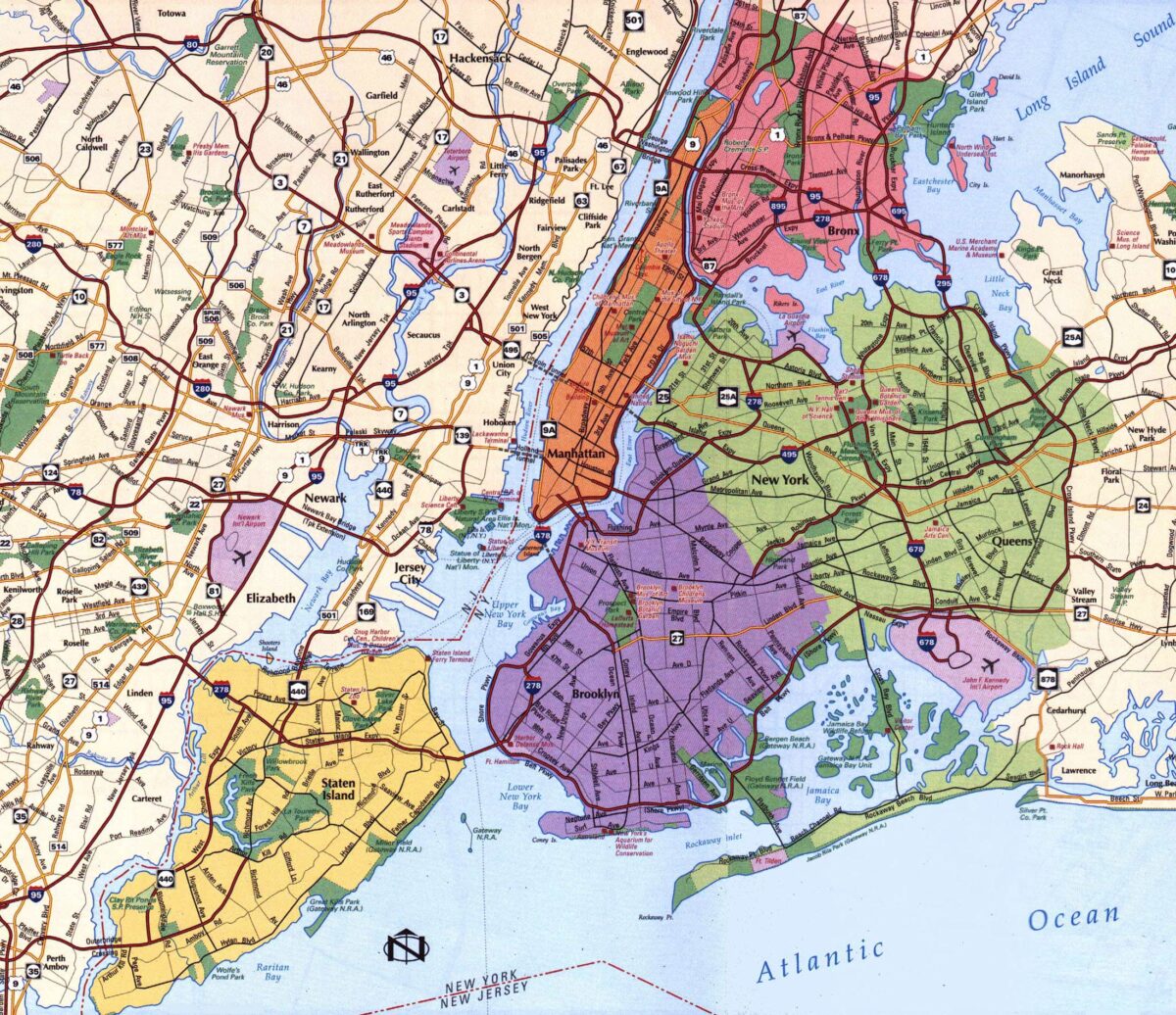
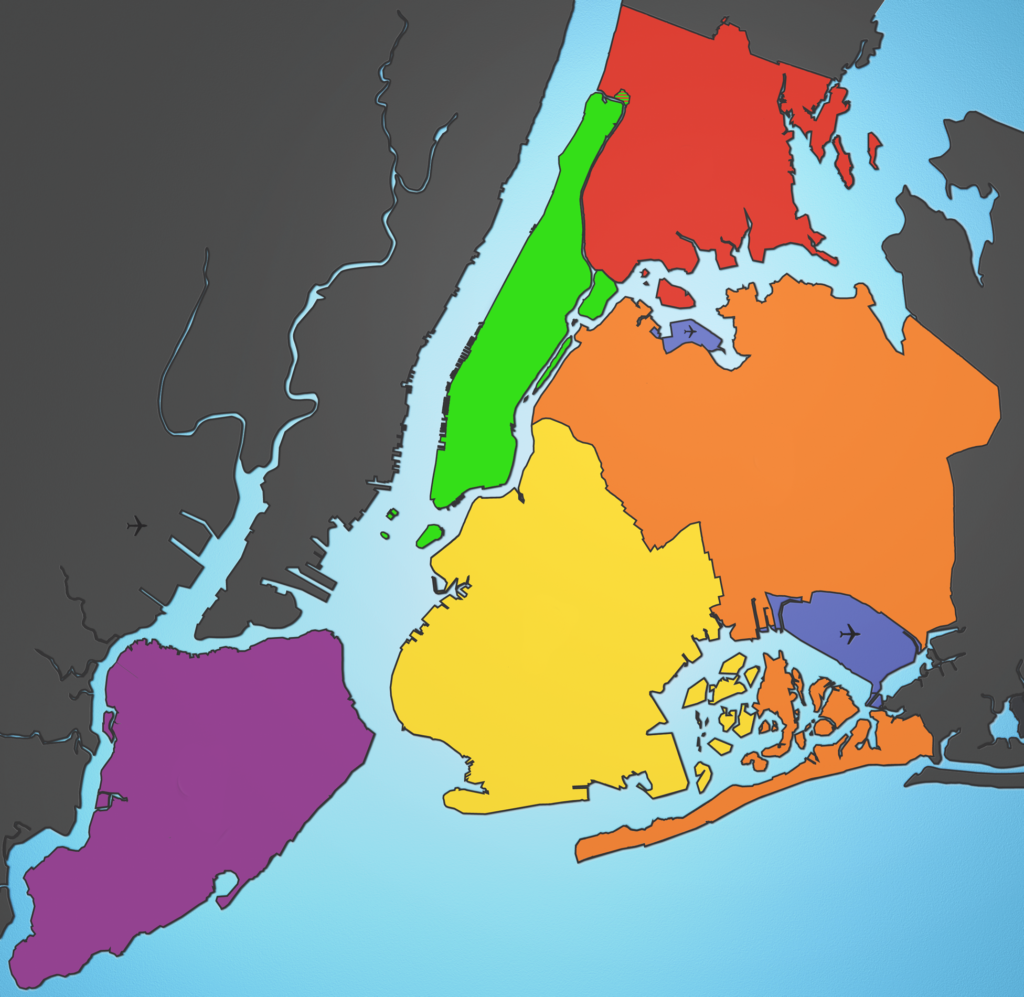
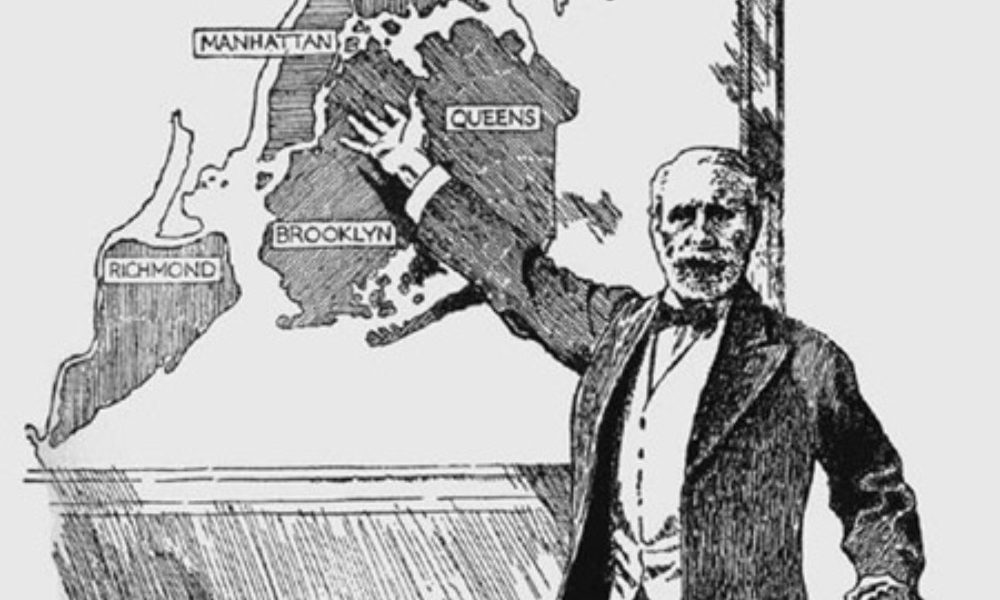
On January 1, 2023, New York City will celebrate a special moment, the 125th anniversary of the formation of Greater New York and the creation of the five boroughs — The Bronx, Brooklyn, Manhattan, Queens and Staten Island.
In honor of this special moment in New York City history, we are celebrating a bit early, reissuing our episode (originally #150) on the Consolidation and the formation of the boroughs, with a new introduction.
And stay tuned for new episodes of the Bowery Boys Podcast for the rest of the year!
Artwork Julius Schorzman; modified by Astuishin, courtesy Wikimedia Commons
Here’s the story of how two very big cities and a whole bunch of small towns and villages — completely different in nature, from farmland to skyscraper — became the greatest city in the world.
This is the tale of Greater New York, the forming of the five boroughs into one metropolis, a consolidation of massive civic interests which became official on January 1, 1898. But this is not a story of interested parties, united in a common goal.
In fact, Manhattan (comprising, with some areas north of the Harlem River, the city of New York) was in a bit of a battle with anti-consolidation forces, mostly in Brooklyn, who saw the merging of two biggest cities in America as the end of the noble autonomy for that former Dutch city on the western shore of Long Island. You’ll be stunned to hear how easily it could have all fallen apart!
In this podcast is the story of Manhattan, Brooklyn, the Bronx, Queens and Staten Island (or Richmond, if you will) and their journey to become one. And how, rather recently in fact, one of those boroughs would grow uncomfortable with the arrangement.
LISTEN NOW: BIRTH OF THE FIVE BOROUGHS
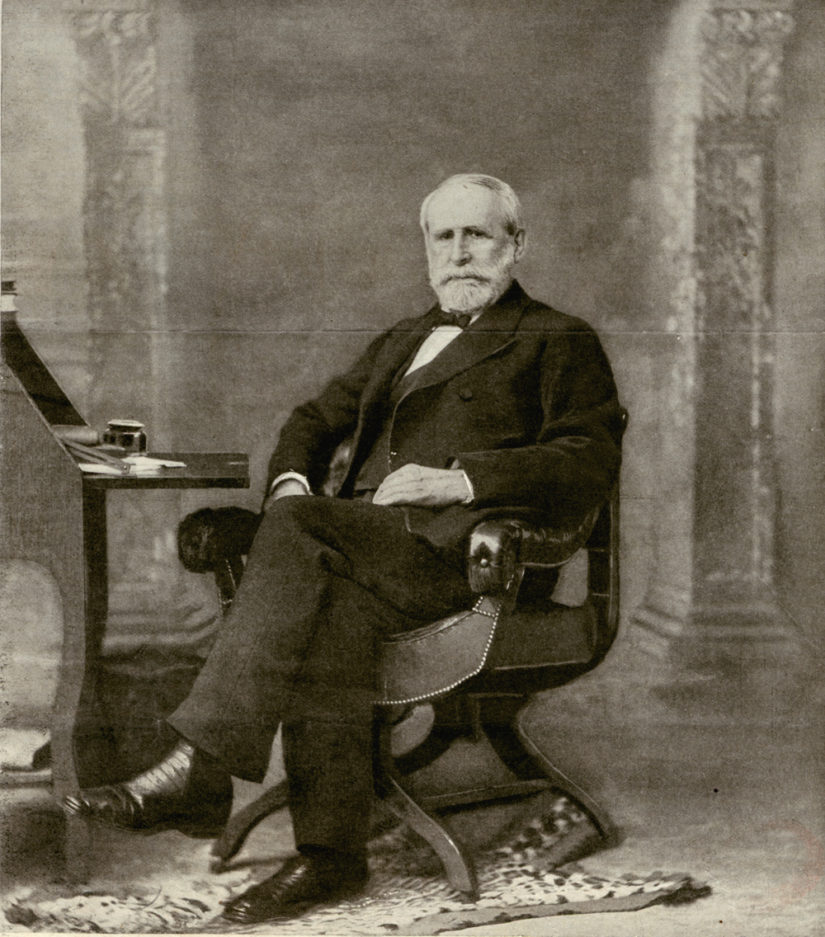
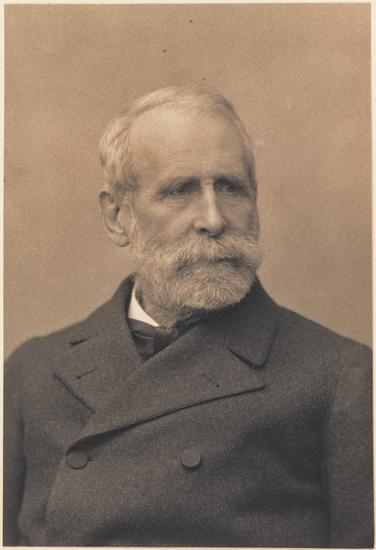
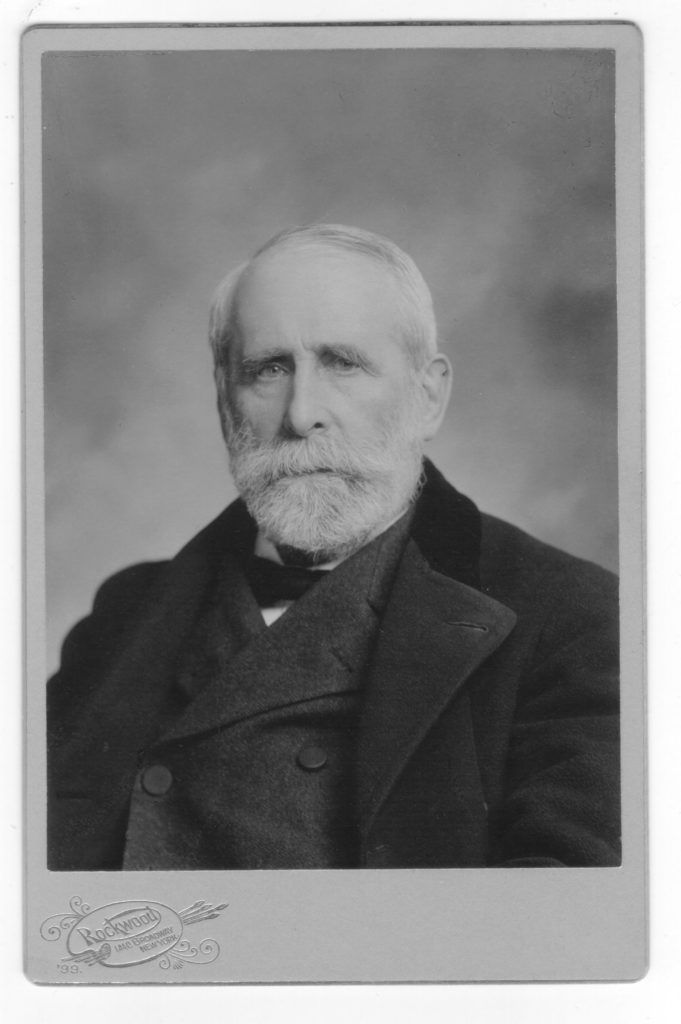
The hero of our story — Andrew Haswell Green
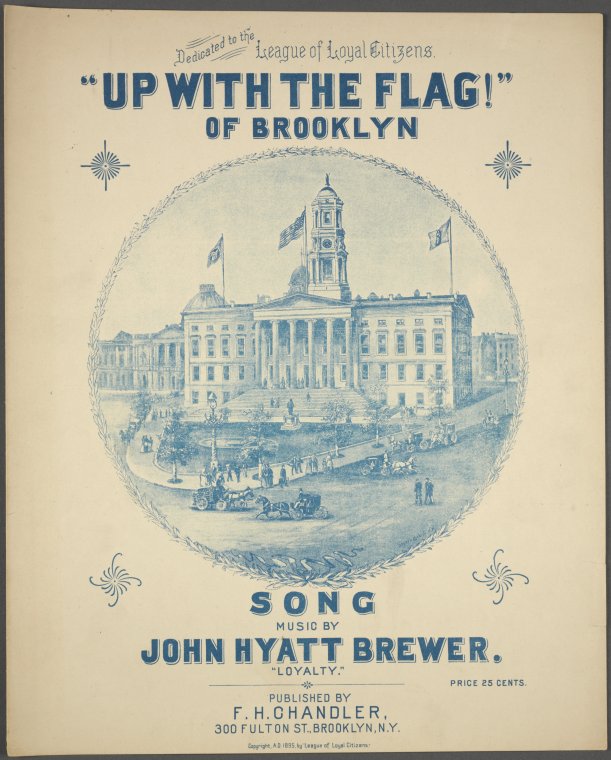
Below the prize-winning anti-Consolidation song mentioned in the podcast (courtesy NYPL):
Style: “Music_Sep4E”
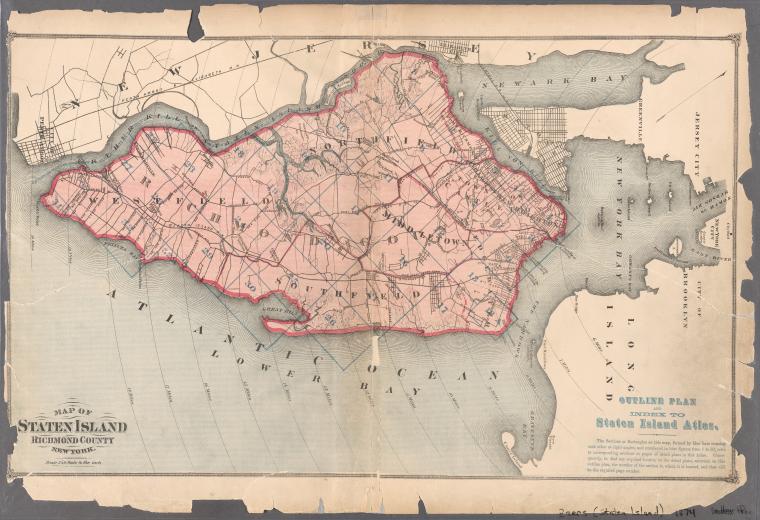
A map of Richmond from 1874
FURTHER LISTENING
This show was recorded in 2013 and since then, many aspects of this story have been turned into their own podcasts. After listening to this show, dive back into these episodes:
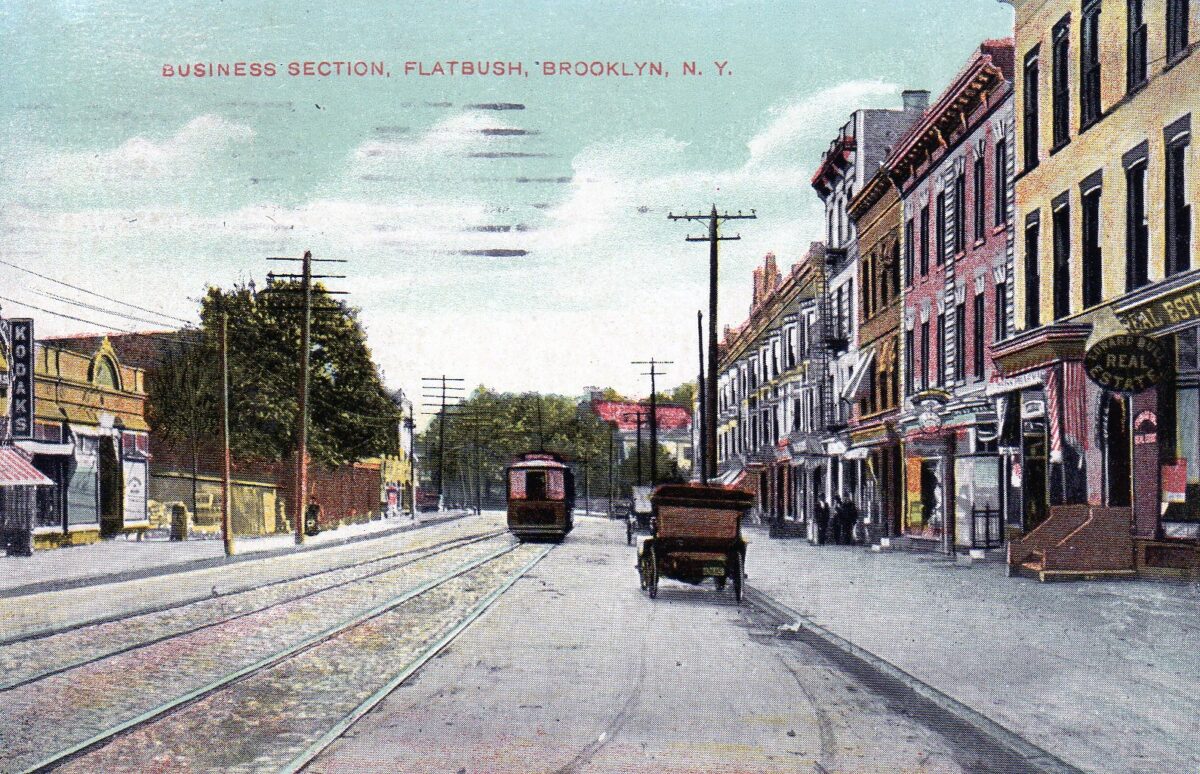
Over 350 years ago today’s Brooklyn neighborhood of Flatbush was an old Dutch village, the dirt path that would one day become Flatbush Avenue lined with wheat fields and farms.
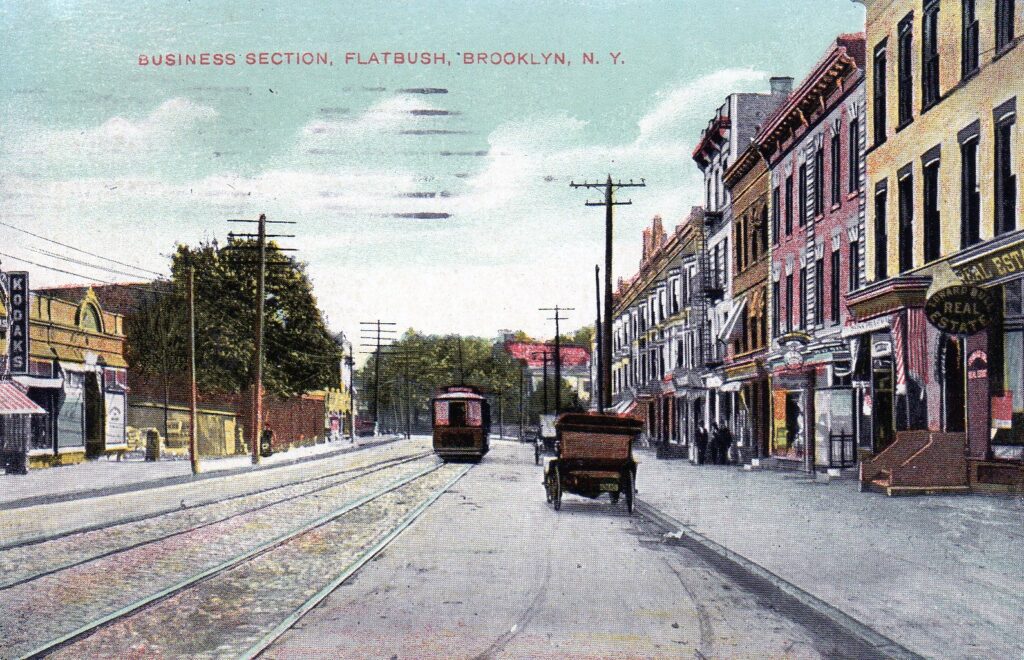
Contrast that with today’s Flatbush, a bustling urban destination diverse in both housing styles and commercial retail shops. It’s also an anchor of Brooklyn’s Caribbean community — Little Caribbean.
There have been many different Flatbushes — rural, suburban and urban. In today’s show we highlight several stories from these phases in this neighborhood’s life.
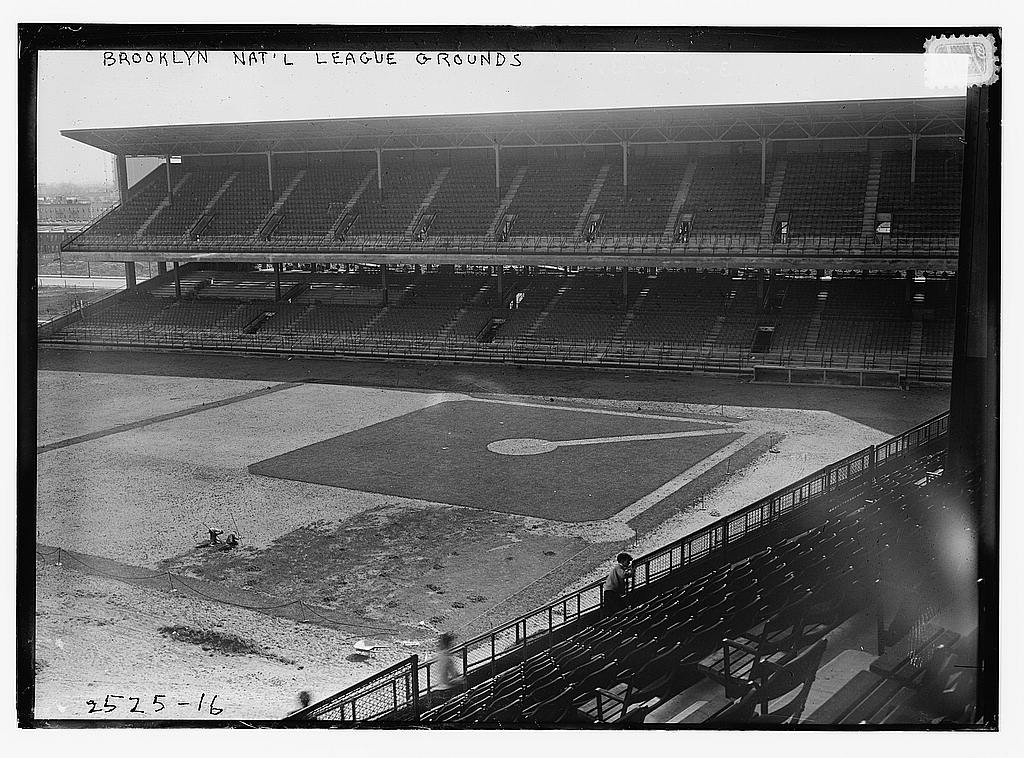
If you are a Brooklynite of a certain age, the first thing that might come to mind is maybe the Brooklyn Dodgers who once played baseball in Ebbets Field here. Or maybe you know of a famous person who was born or grew up there — Barbra Streisand, Norman Mailer or Bernie Sanders.
But the story of Flatbush reflects the many transformative changes of New York City itself. And it holds a special place in the identity of Brooklyn — so much so that it is often considered the heart of Brooklyn.
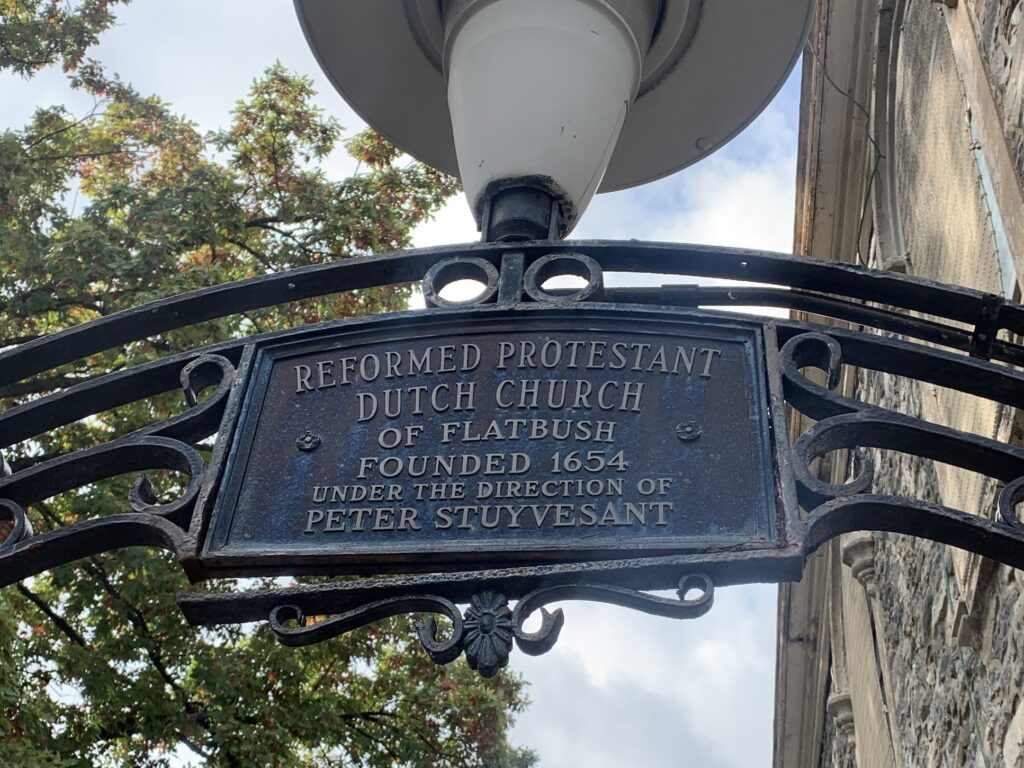
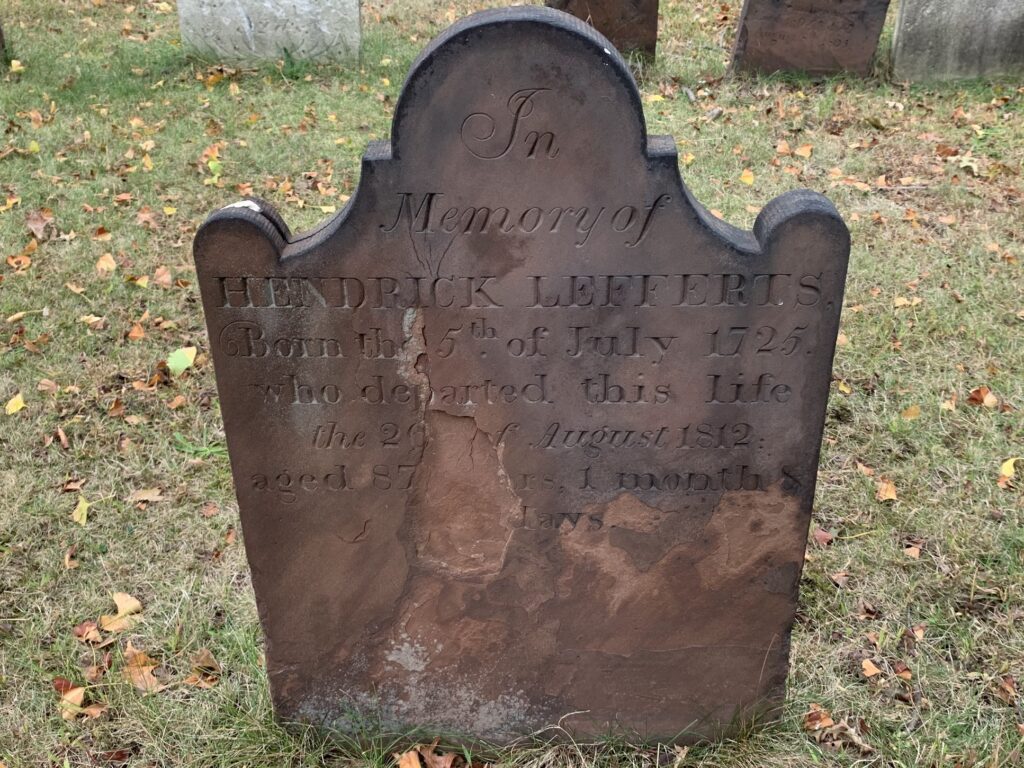
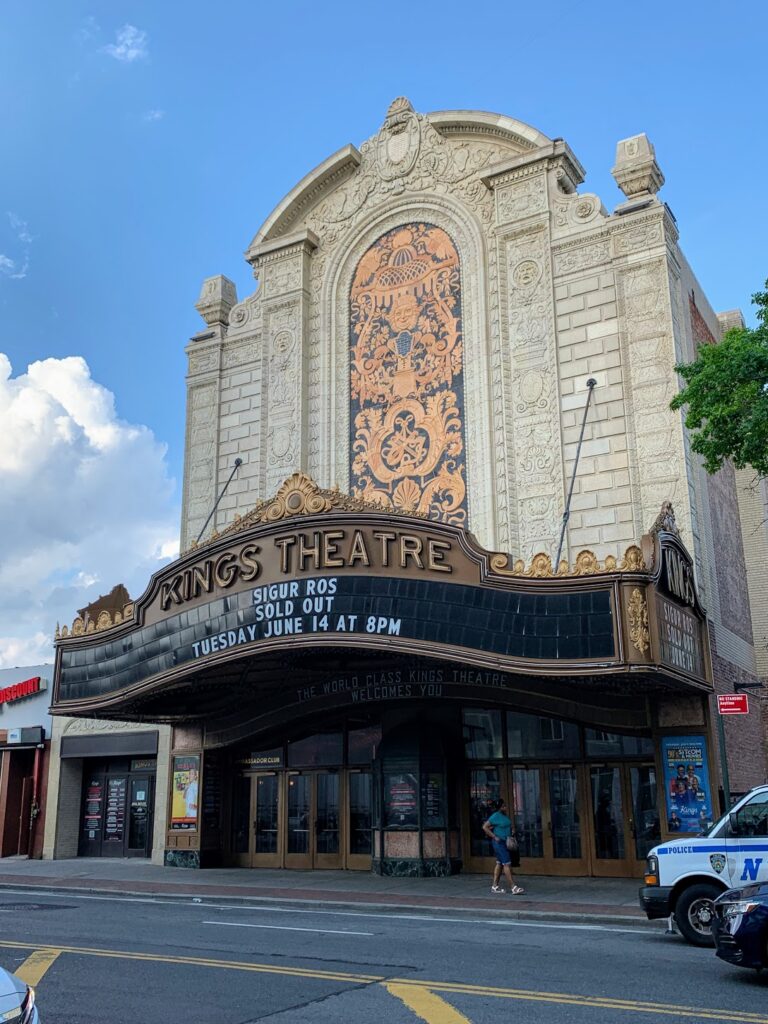
FEATURING STORIES OF Erasmus Hall, the Kings Theater, Lefferts Historic House, the Flatbush African Burial Ground and the Flatbush Dutch Reformed Church.
PLUS We chat with Shelley Worrell of I Am CaribBEING about her work preserving and celebrating the neighborhood’s Caribbean community.
Listen Now — The Story of Flatbush
Thank you to Shelley Worrell for being on the show. For more information on I am CaribBEING, visit their website.
Today (June 17) is One Love Little Caribbean Day, celebrating the Caribbean businesses of Flatbush, Prospect Lefferts Garden and East Flatbush.
And this Sunday (June 19) celebrate National Caribbean-American Heritage Month in Prospect Park with I AM CaribBeing and Prospect Park Alliance
A Juneteenth celebration with live performance by Grammy-Award winning Angela Hunte backed by Da Jerry Wonda Band, peer-to-peer gaming powered by Fun With Friends DJ sets by Gab Soul + Khalil and Little Caribbean artisan vendors.
This episode is brought to you by the Historic Districts Council. Funding for this episode is provided by public funds from the New York City Department of Cultural Affairs in partnership with the City Council and Council Member Benjamin Kallos.
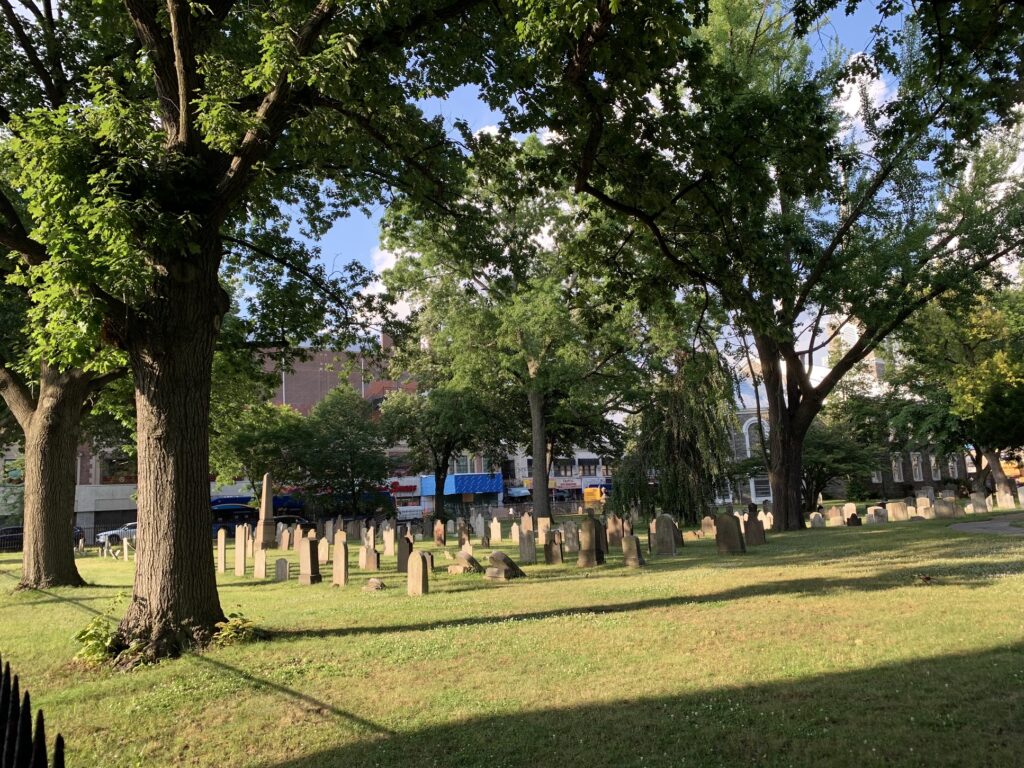
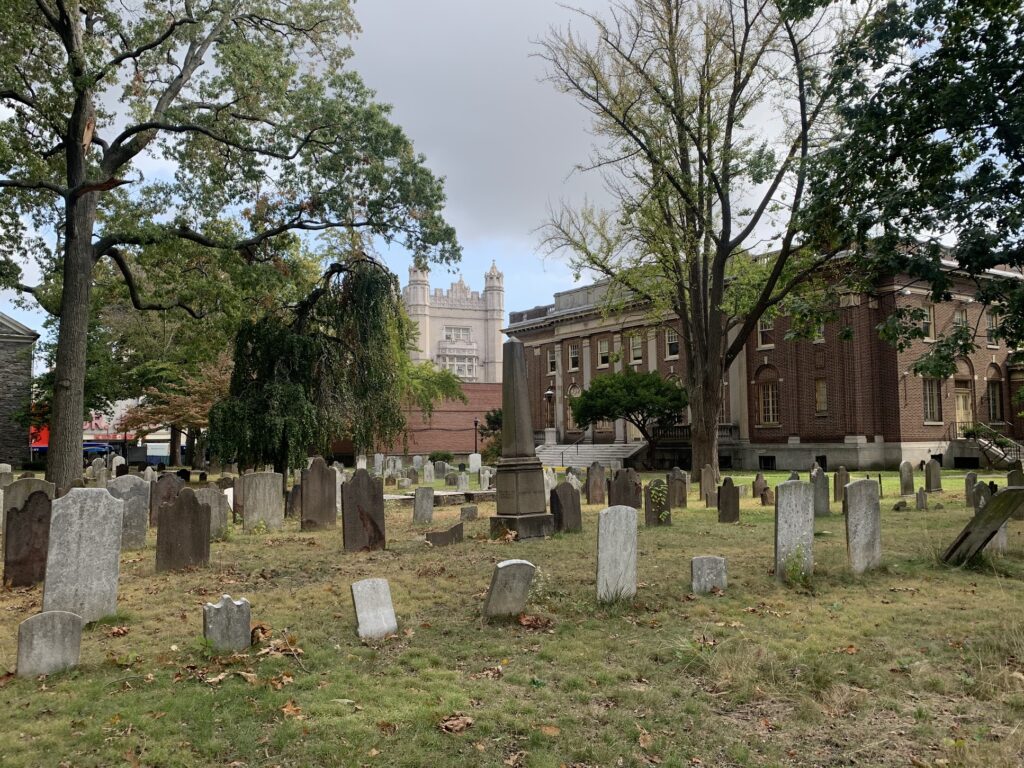
The historic cemetery at Flatbush Dutch Reformed Church
Erasmus Hall High School can be seen from the grounds of the cemetery.
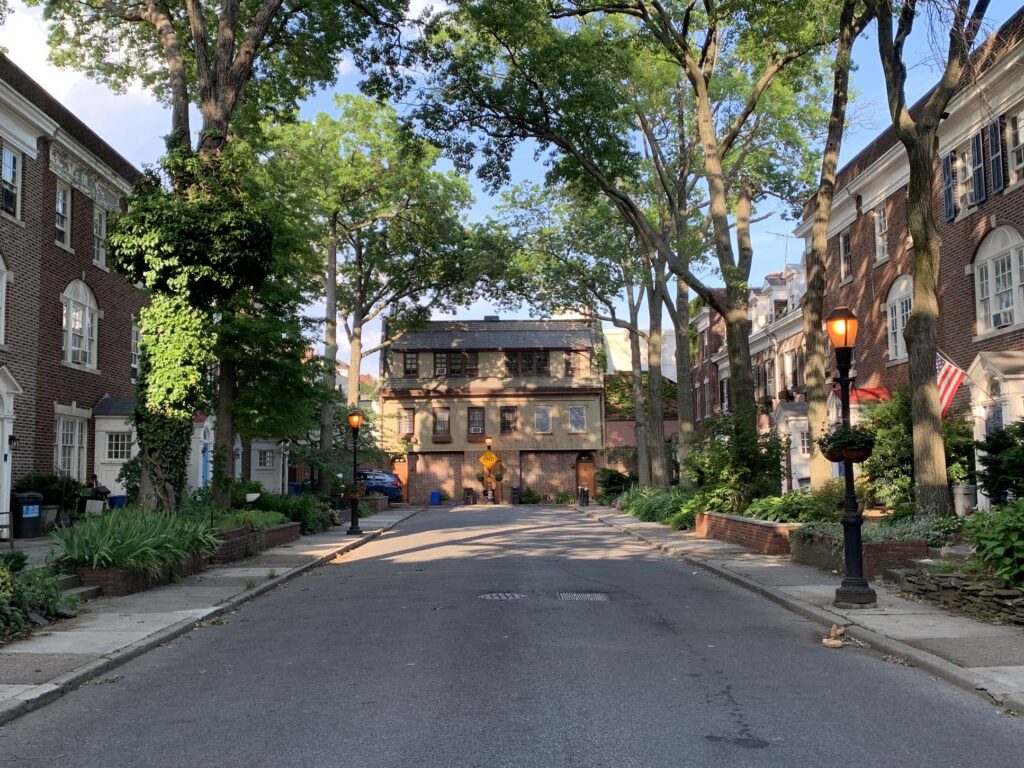
Albemarle–Kenmore Terraces Historic District
Kings Theatre, a Flatbush landmark since the 1920s
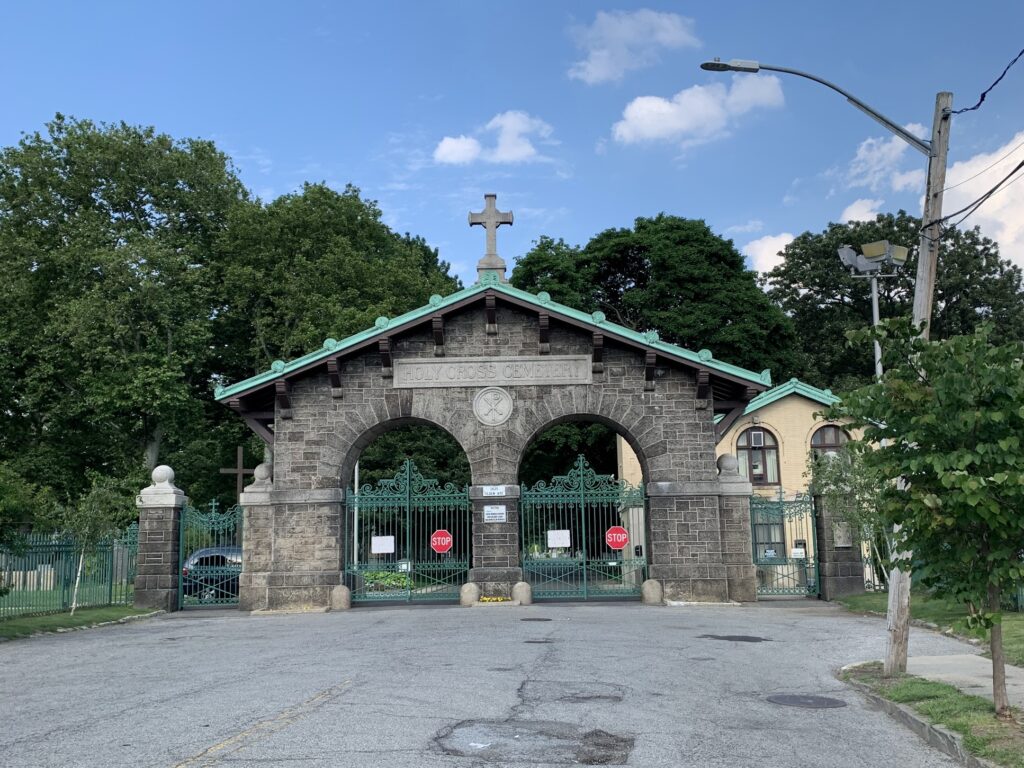
Holy Cross Cemetery in East Flatbush
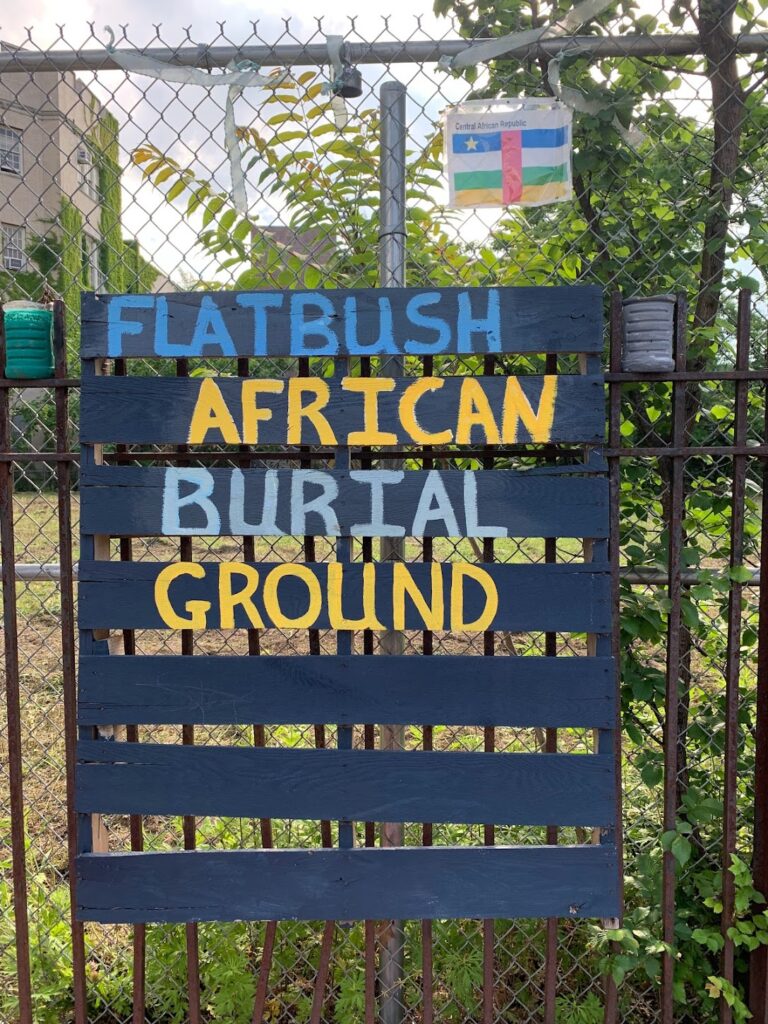
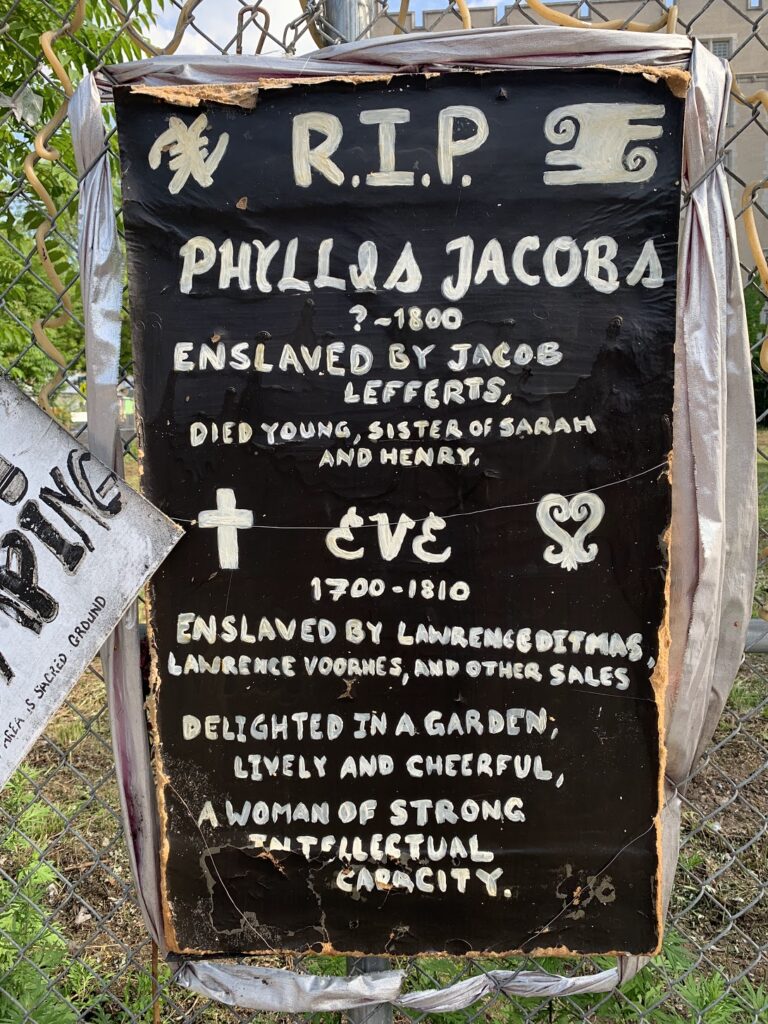
Marker for the Flatbush African Burial Ground and a makeshift tombstone for the two people who were known to be buried here.
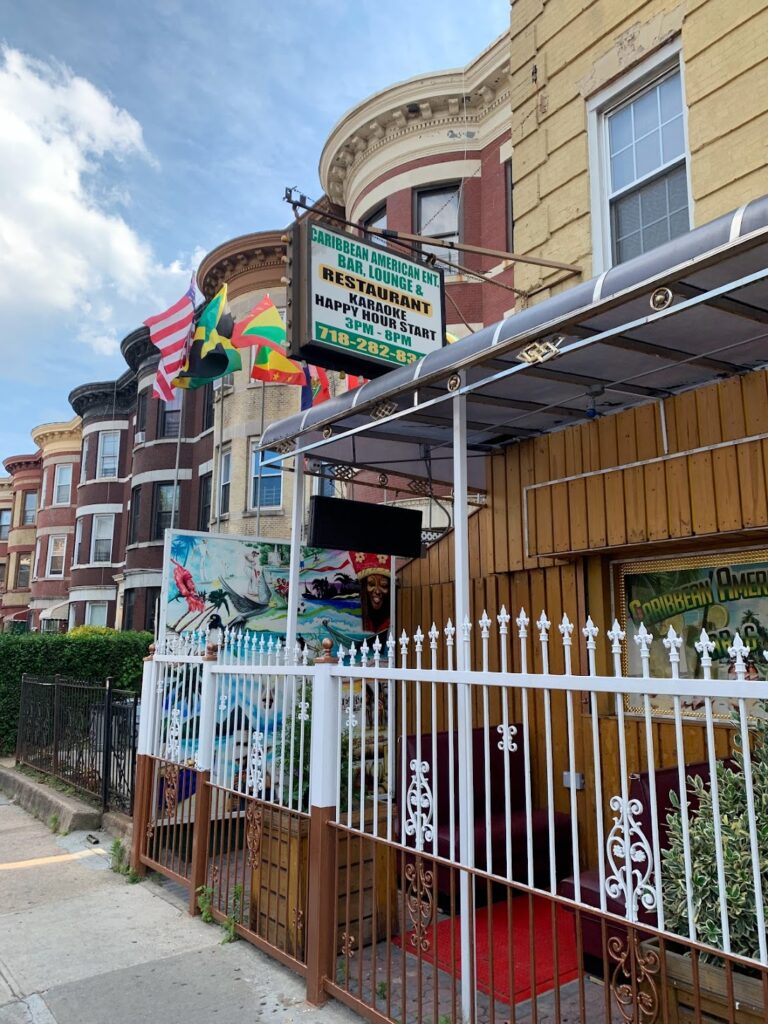
A Caribbean restaurant in East Flatbush amid some excellent examples of rowhouses that are scattered throughout the area.
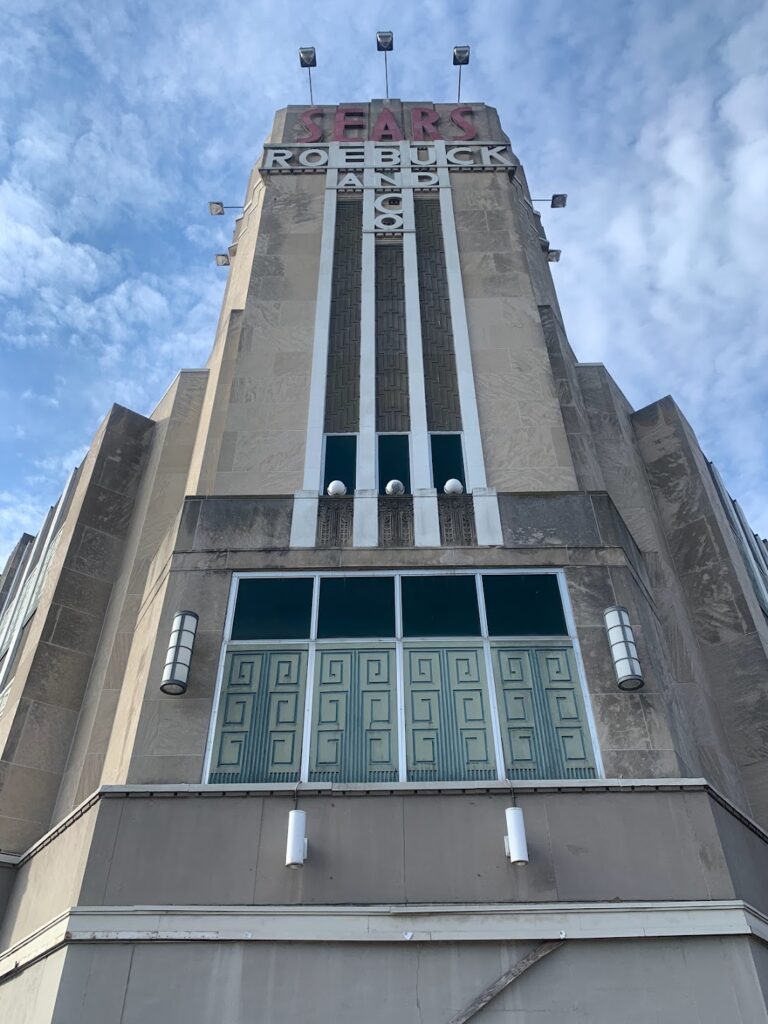
The landmarked Sears Roebuck building, one of the last reminders of the mid-century department stores of Flatbush
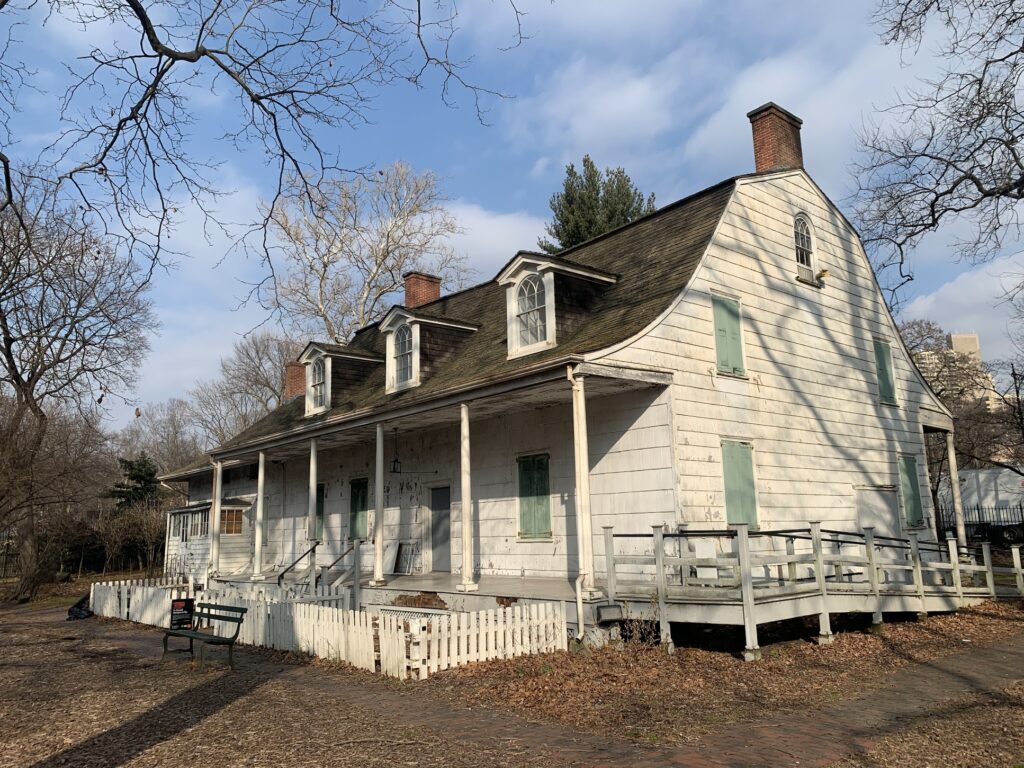
Lefferts Historic House in Prospect Park
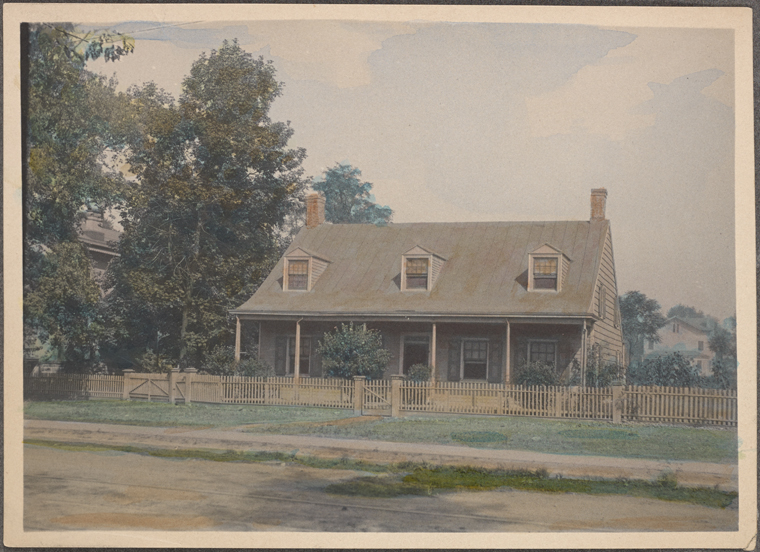
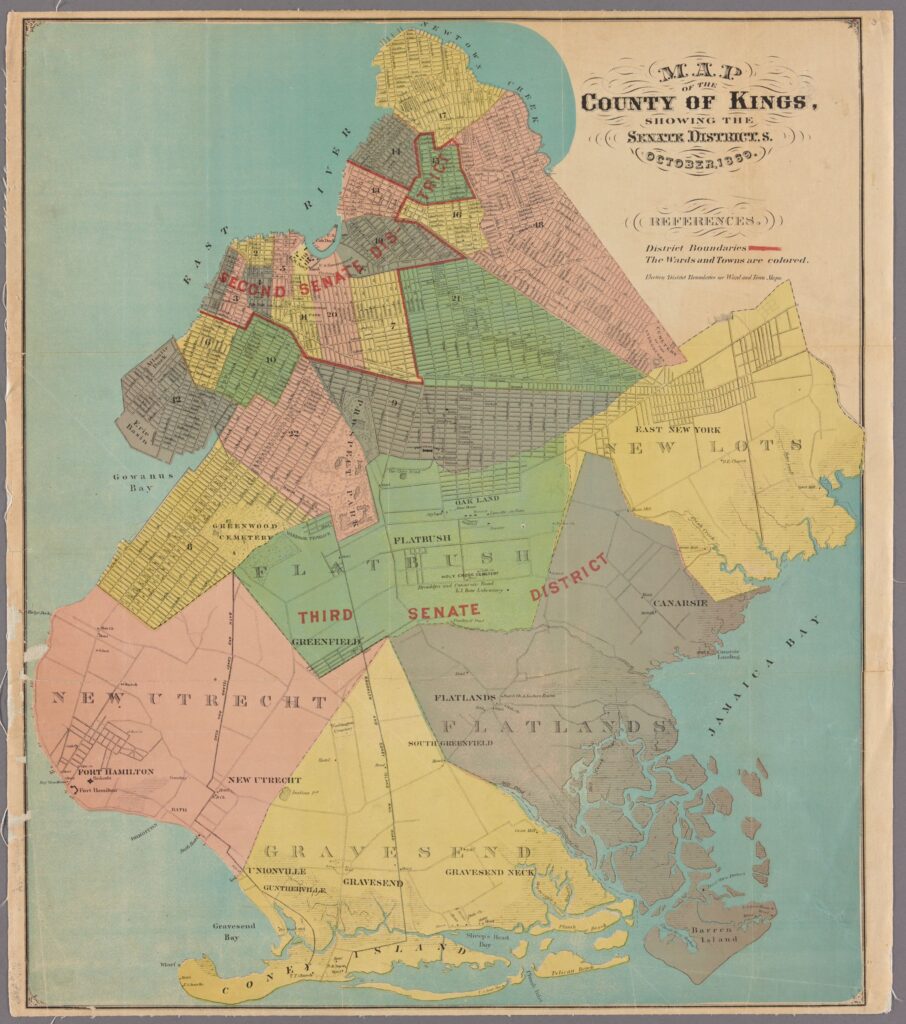
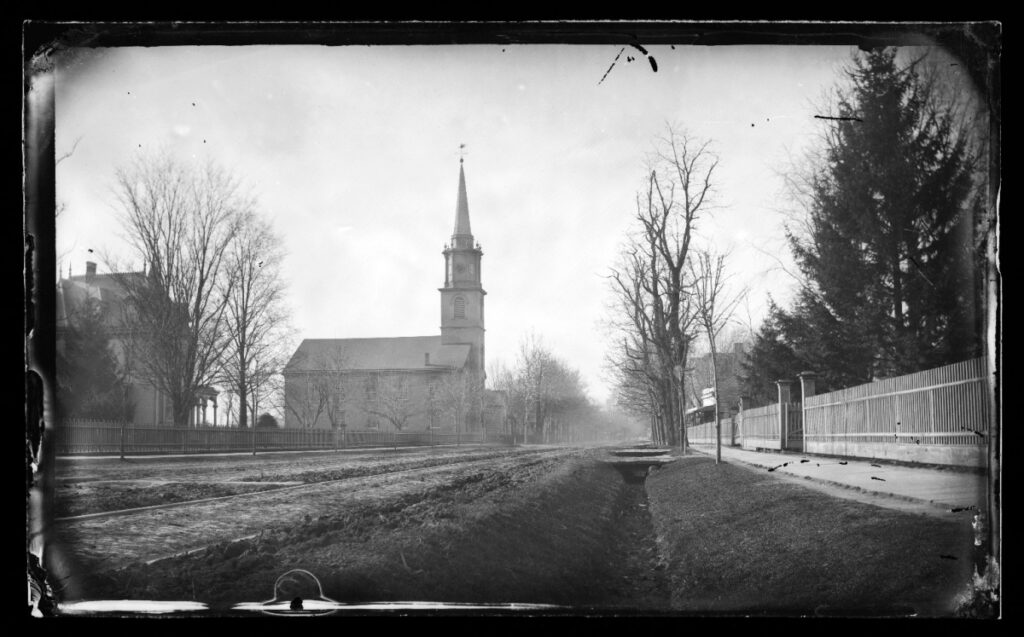
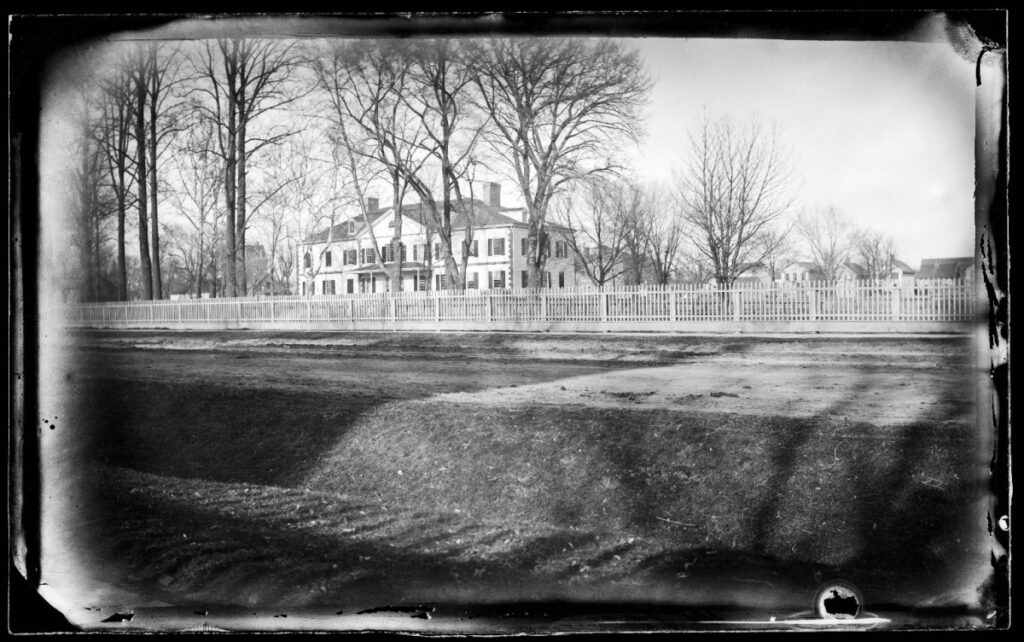
Historic image of the house at its original site (north of Church Avenue) Courtesy New York Public LibraryAn 1869 map of state senate districts in Kings County. (Courtesy New York Public Library)George Bradford Brainerd (American, 1845-1887). Steeple, Flatbush, Brooklyn, ca. 1872-1887. Wet-collodion negative. Prints, Drawings and Photographs. Brooklyn Museum/Brooklyn Public Library, Brooklyn Collection, 1996.164.2-384. (1996.164.2-384_glass_IMLS_SL2.jpg)George Bradford Brainerd (American, 1845-1887). Erasmus Hall, Flatbush, Brooklyn, 1879. Wet-collodion negative. Prints, Drawings and Photographs. Brooklyn Museum/Brooklyn Public Library, Brooklyn Collection, 1996.164.2-159. (1996.164.2-159_glass_IMLS_SL2.jpg)Inside Ebbets Field, 1913, Library of Congress. Here’s an article on their first regular game there.
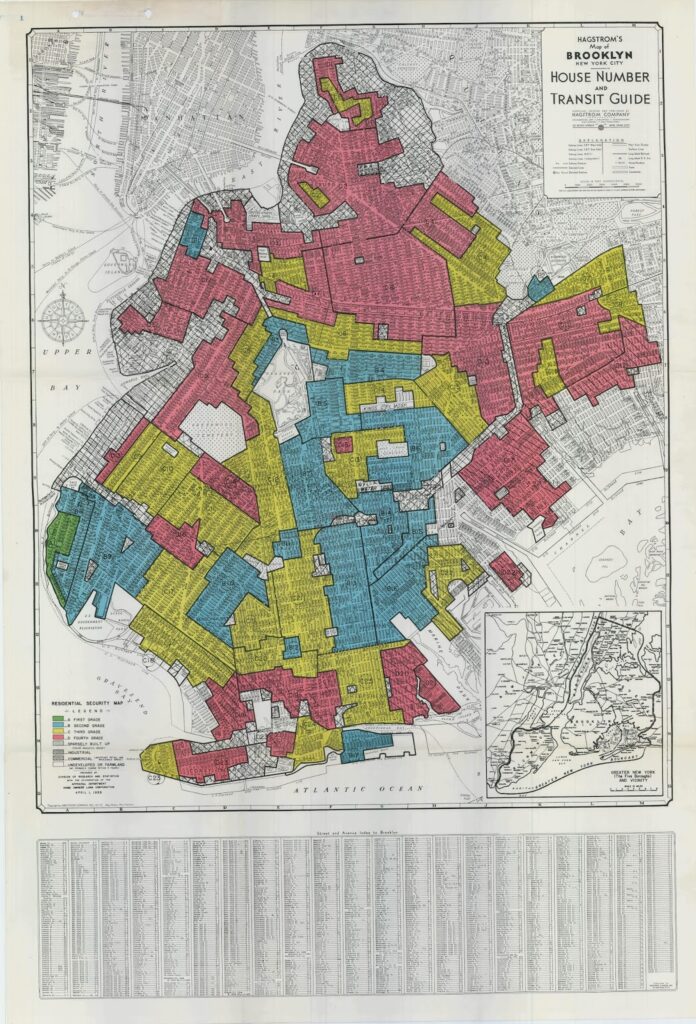
A map of redlined Brooklyn. Flatbush (seen below the Prospect Park white space) has sections in blue, yellow and red.
FURTHER LISTENING
After listening to the story of Flatbush, dive back into these podcasts which touch on some of the themes from this week’s show:
This smart, frugal and unassuming bachelor, an attorney and financial whiz, was critical in taking down William Tweedand the Tweed Ring during the early 1870s, helping to bail out a financially strapped government.
Kenneth T. Jackson, editor of the Encyclopedia of
New York, called Green “arguably the most important leader in Gotham’s
long history, more important than Peter Stuyvesant, Alexander Hamilton, Frederick Law Olmsted, Robert Moses and Fiorello La Guardia.”
So why is he virtually forgotten today?
“Today not one New York in 10,000 has heard of Andrew Haswell Green,” wrote the New York Daily News in 2003.
In our 300th episode, we’re delighted to bring you the story of Mr.
Green, a public servant who worked to improve the city for over five
decades. And we’ll be joined by an ardent Green advocate — former
Manhattan Borough Historian Michael Miscione.
LISTEN NOW — THE FORGOTTEN FATHER OF NEW YORK CITY
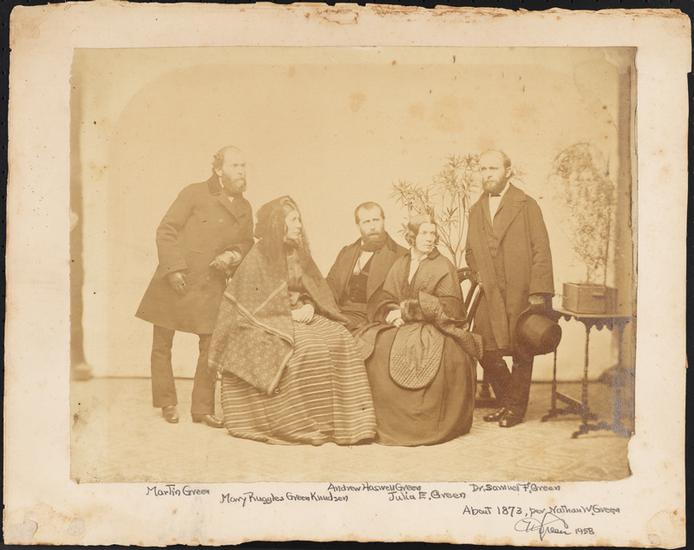
Andrew H. Green sits for a family photo, 1873. He would remain a bachelor his entire life.
Martin
Green, Mary Ruggles Green Knudsen, Andrew Haswell Green, Julia E.
Green, Dr. Samuel F. Green — courtesy Museum of the City of New York
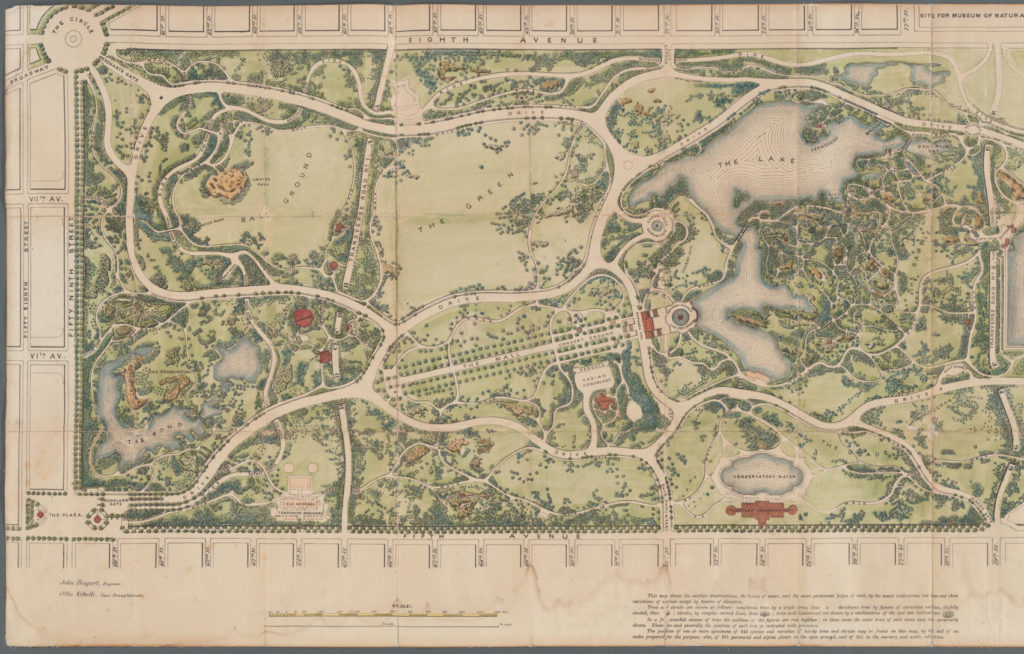
The Greensward plan, by Frederick Law Olmsted and Calvert Vaux, was
chosen as the winning design for the new ‘central park’ in 1857
New York Public Library
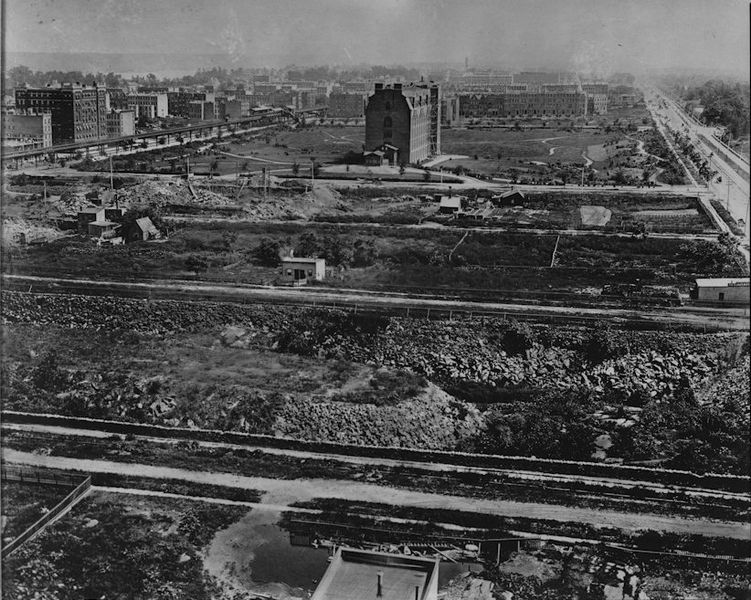
From the late 1870s, the solitary American Museum of Natural History building sits on the spot of Manhattan Square (land just to the west of Central Park granted to Green and the Central Park Commission).
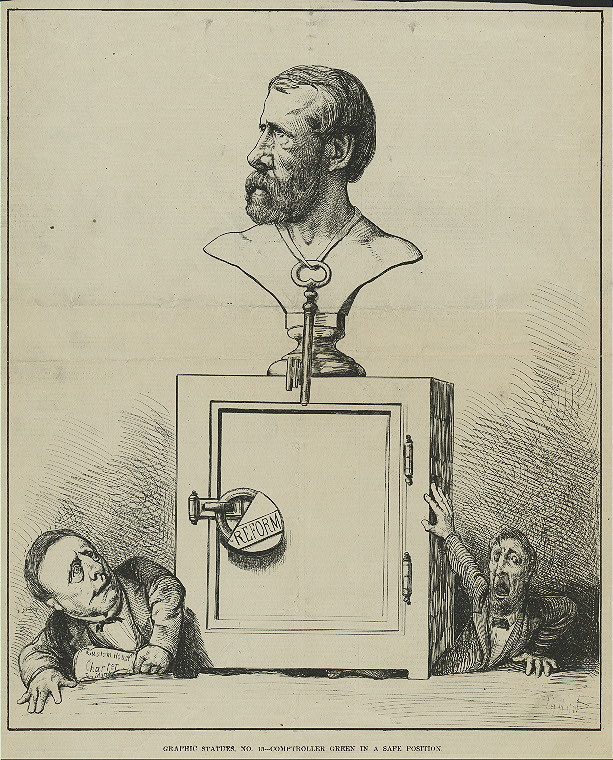
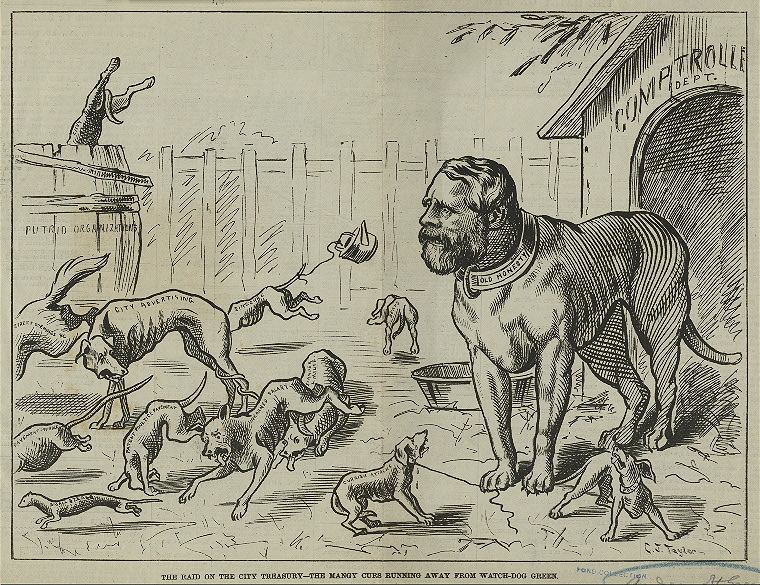
Green in a couple 1870s political cartoon, lampooning his honesty and
austerity — in comparison to Boss Tweed and his Tammany Hall cronies.
New York Public Library
“Not a dollar, not a cent, is got from under his paw that is not wet
with his blood and sweat.” — Olmstead on Green’s legendary
money-managing reputation.
New York Public Library
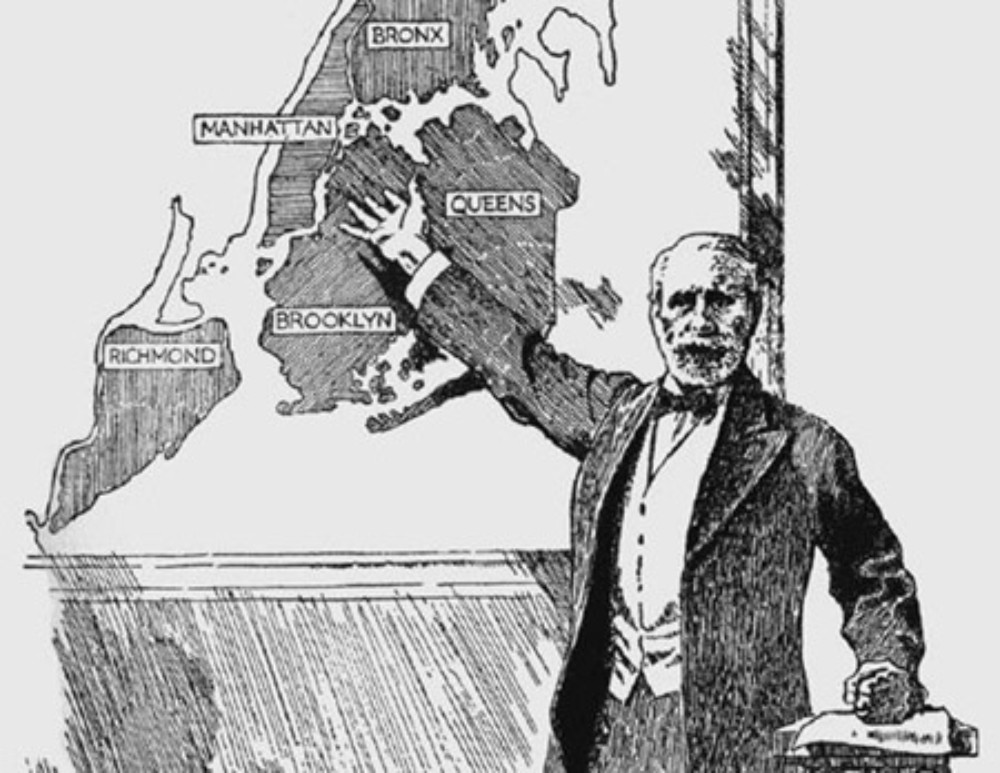
Green, the ardent salesman of a consolidated metropolis.
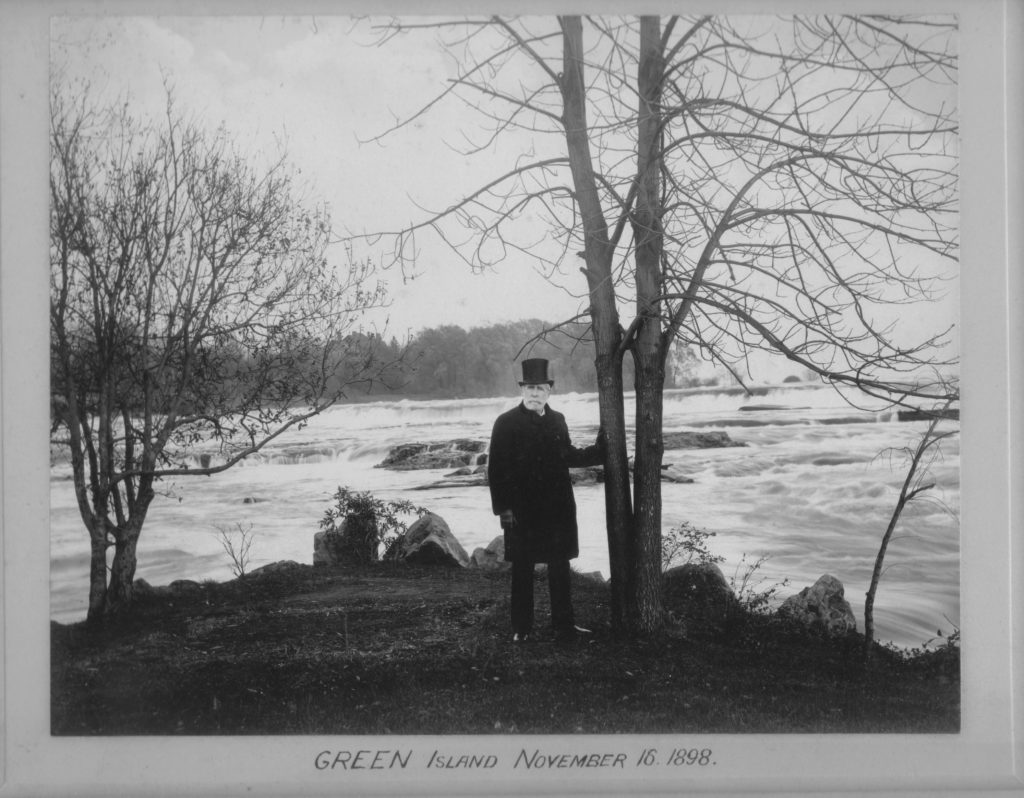
Green on the island that was named for him near Niagara Falls in
1898. He chaired the Niagara Falls State Reservation Commission for
decades, helping to create the park and preserve the falls.
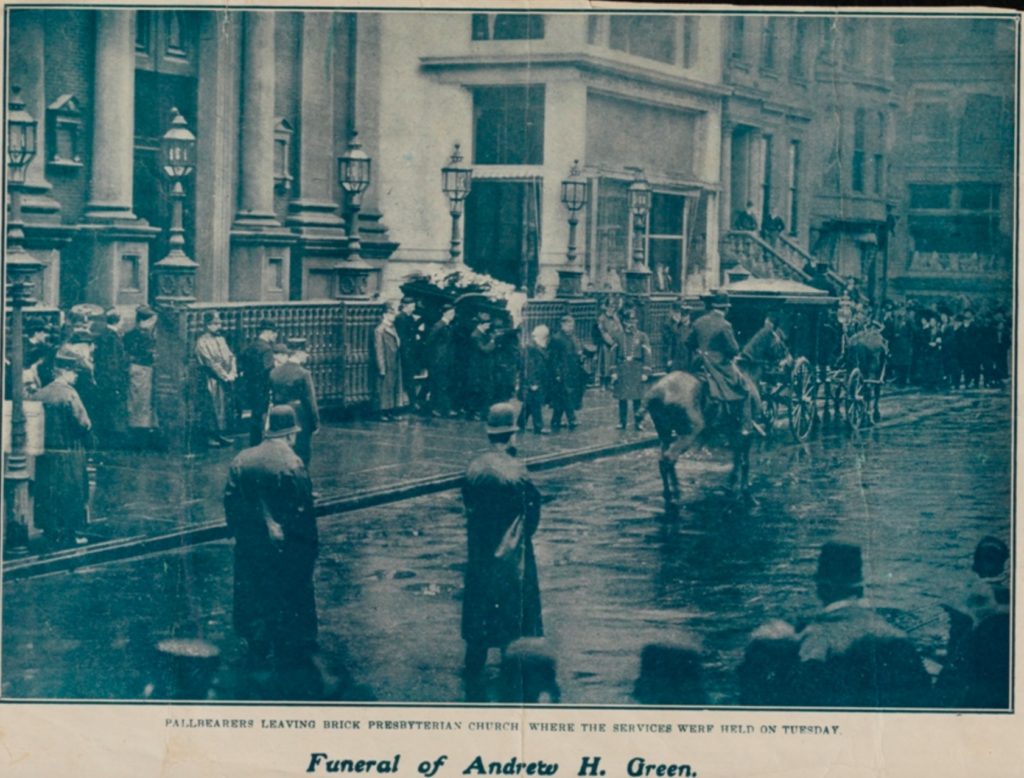
Andrew Haswell Green’s funeral procession leaving Brick Presbyterian Church, 1903
Museum of the City of New York
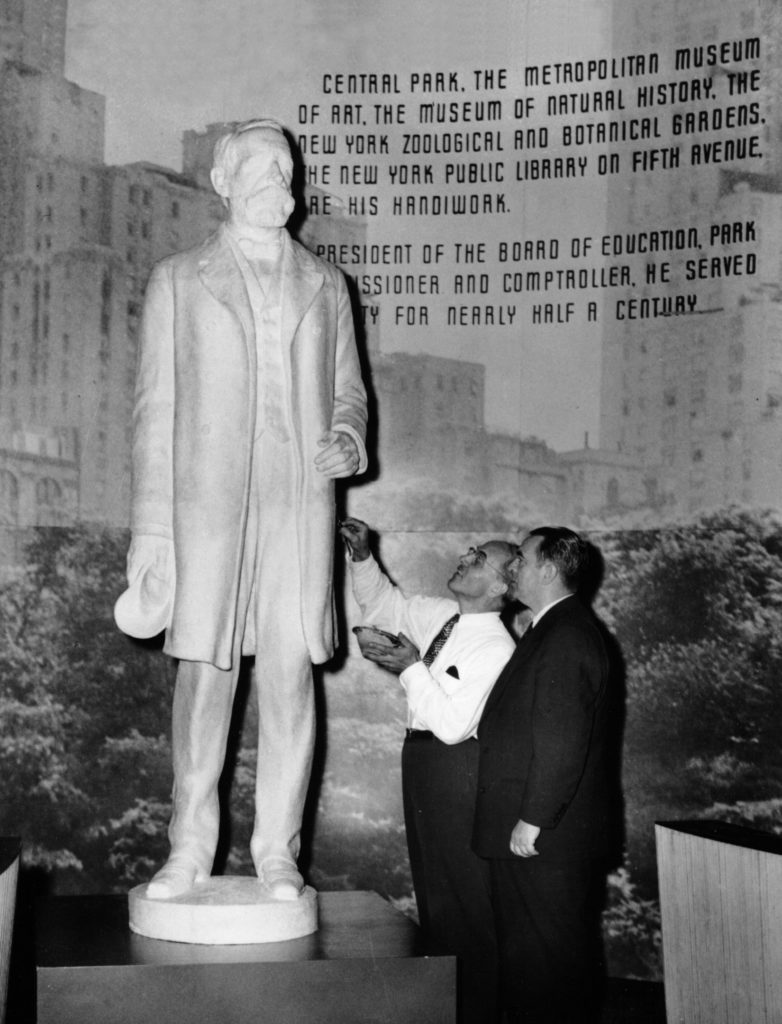
Temporary statue of Green created for the city’s Golden Jubilee
celebration in 1948, marking the 50-year anniversary of the consolidated
city. The men are sculptor Karl Gruppe and NYC Mayor William O’Dwyer.
Michael Miscione
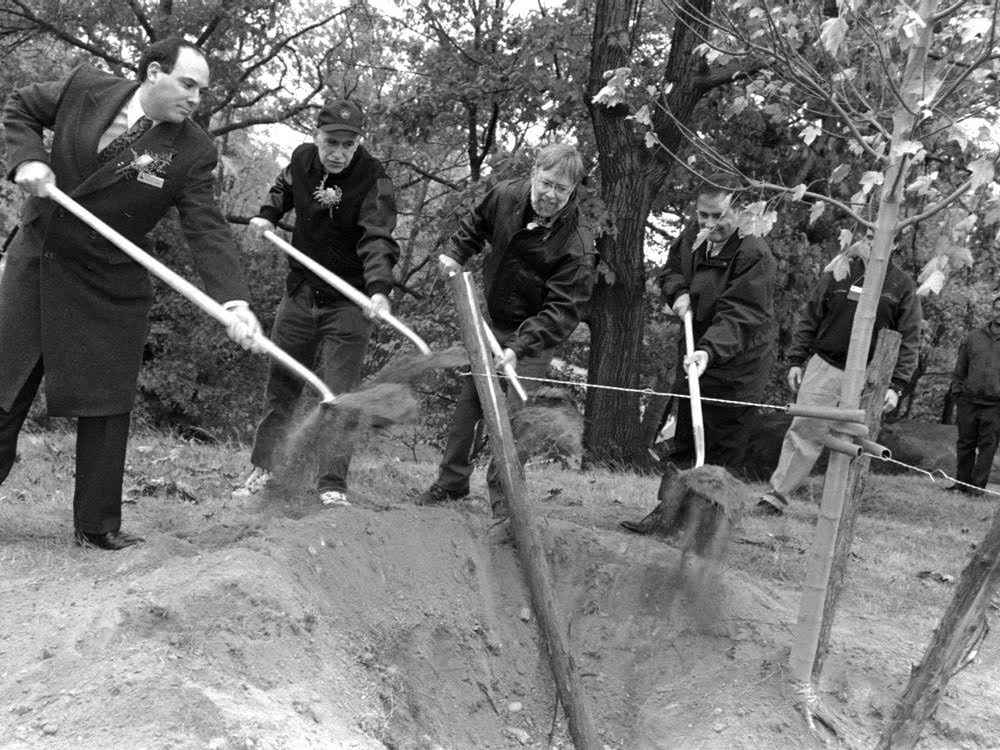
Michael Miscione, Parks Commissioner Henry Stern, Pulitzer
Prize-winning historian Mike Wallace, and MCNY President Robert
Macdonald (left to right) planting five new symbolic trees —
representing the boroughs — at the AHG Memorial Bench in Central park in
1998 to replace the original ones that had died decades years earlier.
Michael Miscione
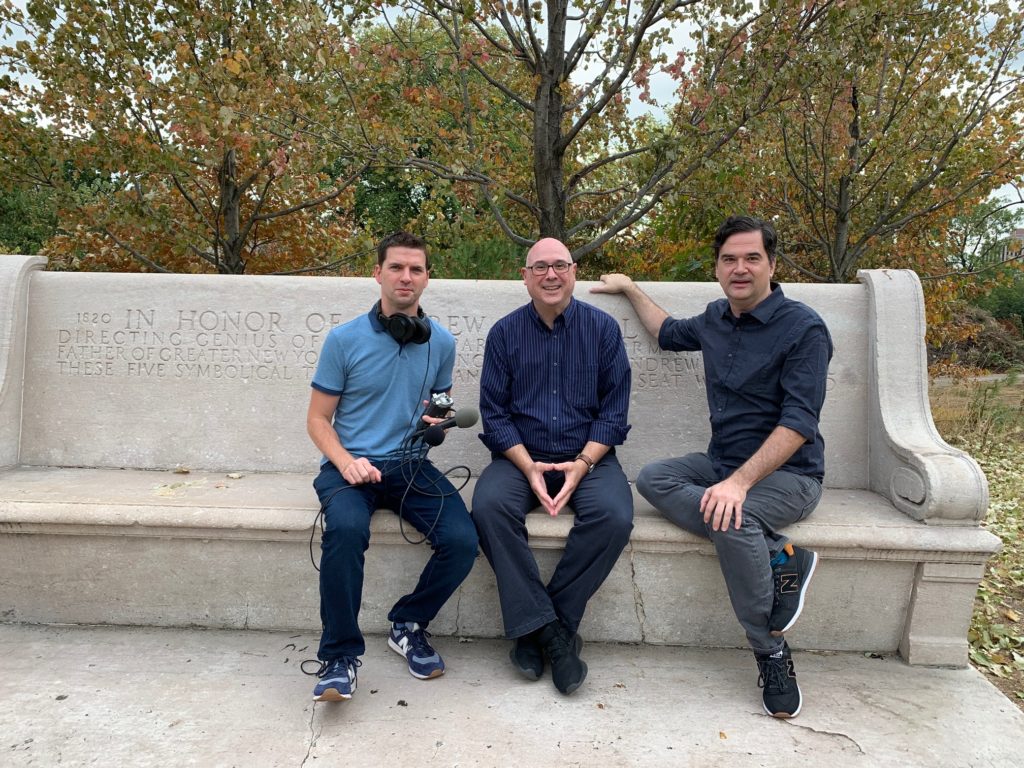
Tom and Greg with Michael Miscione at the Andrew Haswell Green Bench.
Courtesy Michael Miscione
FURTHER LISTENING:
So many of our past 299 shows touch upon landmarks and institutions mentioned in the show, but start with these five:
Andrew Haswell Green and Dorothy Catherine Draper courted for just a
few months and both would remain unmarried for their entire lives. Yet
both are critical figures in American history:
The Consolidation of Greater New York was Green’s grand vision, conceived of during his years on the Central Park Commission.
From way, way back in our back catalog, a two part show on the history of Central Park:
The Bronx Is Born: The magnificent idea of
consolidation was conceived from Green’s ideas of expansion into
Westchester County, into districts that would become known as the
Annexed District
FURTHER READING:
The American Museum of Natural History and How It Got That Way by Colin Davey
The Life and Public Services of Andrew Haswell Green by John Foord
The Greater New York Charter by Andrew Haswell Green
Capital City: New York City and the Men Behind America’s Rise to Economic Dominance, 1860-1900 by Thomas Kessner
The Once and Future New York: Historic Preservation and the Modern City by Randall Mason
Two Centuries of American Planning by Daniel Schaffer
The Father of Greater New York: Official Report of the
Presentation to Andrew Haswell Green of a Gold Medal Commemorating the
Creation of the Greater City of New York: with a Brief Biographical
Sketch
The Bowery Boys: New York City History podcast is brought to you …. by you!
We are now producing a new Bowery Boys podcast every other
week. We’re also looking to improve and expand the show in other ways —
publishing, social media, live events and other forms of media. But we
can only do this with your help!
We are now a member of Patreon, a patronage platform where you can support your favorite content creators.
Please visit our page on Patreon
and watch a short video of us recording the show and talking about our
expansion plans. If you’d like to help out, there are six different
pledge levels. Check them out and consider being a sponsor.
And join us for the next episode of the Bowery Boys Movie Club, an exclusive podcast provided to our supporters on Patreon.
We greatly appreciate our listeners and readers and thank you for joining us on this journey so far.
The exaltation of fat, plucky babies via beauty contests stems from a rather grim origin — American infant mortality rates of the 19th century. During the 1880s, as swelling immigrants and overcrowding in New York created harbors for disease and malnourishment, over one in five infants would die in America, with higher occurrence among poor or minority populations.
Although people have always adored looking at cute babies, the criteria for a ‘perfect baby’ in 1913 involved body form, fat and general disposition. Baby pageants were a common place feature in Coney Island parades, with stunned and perplexed infants laid in small floats and pulled along the avenue to great acclaim. (This second place winner from a 1923 parade doesn’t look too pleased.)
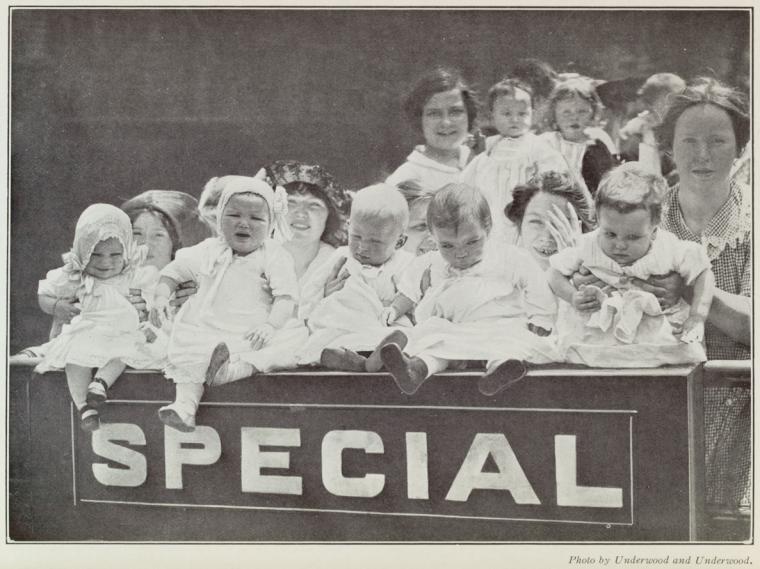
Below: Annoyed babies on display in a June 1914 Grand Automobile Baby Parade. (This is obviously a photo montage, and, by the way, the original caption for it is super depressing. Read it here if you want.)
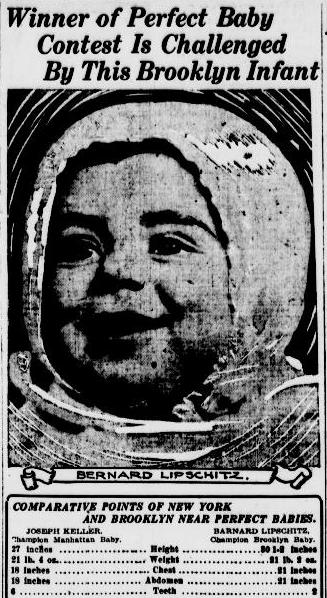
In 1913, with New York City relishing the results of two decades of City Beautiful architecture, so too did they honor the beauty of their offspring. It even offered an opportunity to rekindle the famous Manhattan-Brooklyn rivalry that so made the Consolidation of 1898 so contentious, when, on April 17, 1913, the New York World declared that the winner of a Manhattan Perfect Baby contest had been challenged by a Brooklyn tot.
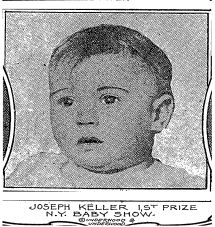
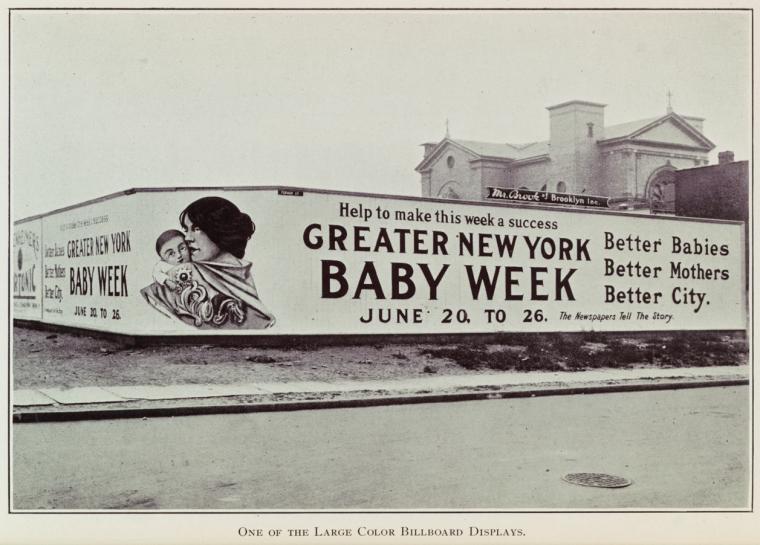
Youngnine-month-old Joseph Keller (at right), residing with his German-Irish family at West 136th Street in Manhattan, won a contest held by a local public school, in a culmination of the city’s Better Babies Week, an effort by public health advocates to promote infant health, providing ‘milk stations’ and doctor consultations throughout the city.
The unabashed celebration of gorgeous children — with a mind towards public education — electrified the city. The program was such a success that it was greatly expanded the following year. “Baby week has done to New York’s attitude towards babies what a large, active firecracker placed under the chair of a dozing grandfather might be expected to do,” said one journal in 1914.
Keller was chosen from dozens of babies whose mothers showed up at a milk station during Better Babies festivities. Babies were evaluated based on precise guidelines, almost as one judges an animal at the Westminster Dog Show.
According to the New York Times, the scorecard used to judge Keller and the other babies in 1913 included the following criteria: height, weight, circumference of chest, circumference of abdomen, symmetry, quality of skin and fat, quality of muscles, bones, length of head, shape and size of lips, shape and potency of nose, disposition, energy and attention.
Another article makes note, to the detriment of Mr. Keller, that “it was not the prettiest baby that got the prize” but rather one with the healthiest and most ideal physique.
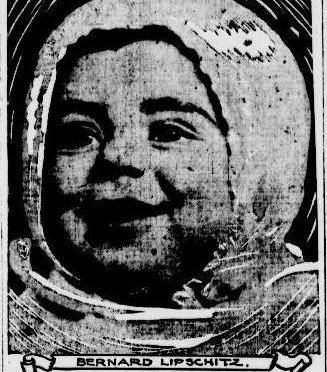
But the mother of Bernard Lipschitz, of 1526 Eastern Parkway in Brooklyn, begged to differ. “In Brooklyn, there are babies that can equal if not excel the record set by the prize winner Joseph Keller,” she said to the Evening World in an article on April 17, 1913.
“He certainly looks like a prize winner!” the Evening World remarked of Lipschitz, regaling his superior qualifications. In every aesthetic but one, baby Lipschitz was the superior candidate, with Keller’s only saving grace being his number of teeth — 6 to Bernard’s 2 . “Let Joseph hug that consolation to his soul.” [source]
And now, one hundred years later, what say you — Joseph vs. Bernard?
Below: From the 1914 baby drive, heavily supported by new mayor John Purroy Mitchel.
Pictures courtesy New York Public Library, except for images of Joseph and Bernard.
Our modest little series about some of the greatest, notorious, most important, even most useless, mayors of New York City. Other entrants in our mayoral survey can be found here.
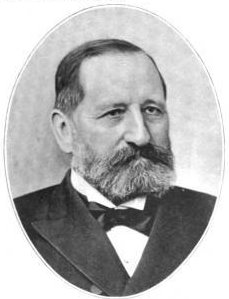
Democrats and Republicans in this year’s election who think they can roll into office on the mantel of “change” may want to look at the example of William Lafayette Strong (mayor 1895-97), a reformer who swept in, cleaned up the city … then watched it all fall apart again.
One of the great narratives of New York City in the late 19th century is the dominance of the Democratic Tammany Hall machine in controlling city politics, often seeped in deep corruption.
At key periods, however, Tammany Hall would be usurped from its perch. In the 1870s came the great reckoning to Boss Tweed and mayor A. Oakley Hall. However by the early 1890s, Tammany had regained control of local government and had installed mayors who exhibited various degrees of independence. (For instance, the topic of our last Know Your Mayors column, Hugh J. Grant, mayor from 1889–1892, was firmly in their pocket.)
By 1894, in the throes of a nationwide fiscal depression, outrage at open corruption in the police department prompted the New York State Senate, Republican-led and frequently at odds with city management, to clamp down. The Lexow Commission, named for its chairman Senator Charles Lexow, exposed deep veins of criminal negligence within the New York police department and issued a now-legendary 10,000 page report outlining the most grievous charges.
Republicans and reform-minded Democrats saw their chance to effectively wipe Tammany from the map. Forming a Committee of Seventy (a Biblical reference, as well as one to the group that helped expose Tweed’s malfeasance), they rallied their support in late 1894 with a fusion ticket backing a political novice, one William Lafayette Strong.
Like another reformer mayor before him (William Russell Grace), Strong was a businessman made good, an Ohio-born dry goods merchant turned banker whose efficiency and clean record (not to mention prominent position on the influential Union League Club) endeared him to those looking for a clean break from Tammany.
Still reeling the Lexow smackdown, Tammany Hall could only watch their ambitions fold. Against Strong they put up Nathan Straus of Macy’s Department Store as their candidate; within two weeks, he resigned, fearing business reprisals. They replaced him with former mayor Grant, but he was no match against the fusion ticket and alliance of German and Jewish voters, which easily swept Strong into office.
Strong went immediately to work, scouring City Hall of bureaucratic buildup and rebooting municipal agencies mired in Tammany cronyism. First on the agenda was a literal cleanup, hiring Civil War vet George Edwin Waring Jr. as the head of street cleaning, an absolutely key element to restoring the city’s psychological health. Within a few months, New York’s streets — clogged with garbage, manure and other detritus — were as clean as they had ever been.
Strong’s most electrifying appointment, however, would put a future president on the road to the Oval Office.
Lexow had exposed the police department’s weaknesses, and Strong sprung on this moment for a radical shakedown, hiring a new police commissioner known for his tenaciousness, an also-ran for mayor with roots in New York City — Theodore Roosevelt.
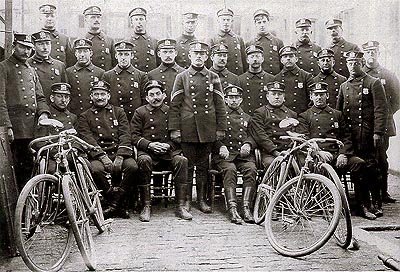
The new commissioner was a dominant force in transforming the city at this time, easily outshining Strong. Roosevelt eliminated anyone associated with prior corruption and installed new programs that would improve efficiency but also confidence among the ranks. Notably he mounted cops on bikes (see below), a quaint notion today, but one that at the time allowed a pervasive presence throughout the city.
Roosevelt’s key ally was not Strong but our old friend Jacob Riis. With Riis’ guidance, loathsome and unsafe police homeless shelters were shut down. It was the influence of Riis, through his close associate Roosevelt, that enabled Strong through recently passed state laws to finally tear down the tenements of Five Points.
The New York school system was also getting a thorough shake. In July 1896, Strong and an emboldened state legislature passed the School Reform Law, which for the first time created a centralized education system in the city. Previously, schools were governed by city wards, a practice allowing for uneven educational opportunities and fertile ground for all manner of dishonesty.
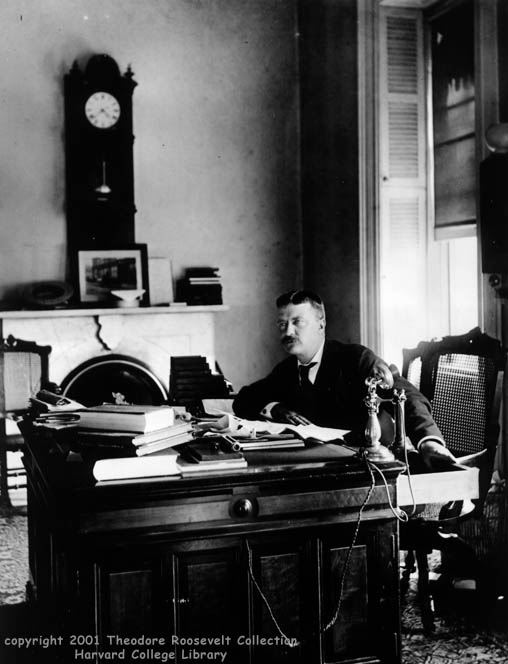
We benefit today from many of the vast reforms initiated under Strong’s administration. The effects on his own political fortunes, however, were far less beneficial. Roosevelt had become unwieldy, shutting down saloons popular with the German New Yorkers who had helped sweep Strong into office. The closures of these working class drinking holes were evidence that Strong spoke only for the rich, claimed activists, whose rallies and protests were harshly dealt with by Roosevelt’s newly determined police force. Above: Commissioner Roosevelt in his office
By the time the backlash began for Strong and Roosevelt, the commissioner had already resigned, on a naval appointment from William McKinley and a few years away from being president of the United States.
Part of the reason for so many pressing reforms through state government is because of the most important event in New York history — the consolidation of the boroughs, slated to take effect on January 1, 1898. William Strong is the last mayor of the unconsolidated borough of Manhattan, passing over the newly created city to new mayor Robert Van Wyck….handpicked and groomed by Tammany Hall.
Strong was vociferously opposed to the consolidation, thinking it a ridiculous burden to the city coffers, vetoing it even up to the very end. By that time, however, Strong was not seeking re-election, but for decidedly personal reasons. In cleaning up the city — getting it ready for the future — his own business had nearly gone bankrupt. He would die just two years later, in 1900.
Strong left a vastly changed city, newly expanded, and now in the hands of the very group whose prior machinations he had tried so very hard to reverse.