Categories
Gilded Age New York Podcasts

Boss Tweed’s House of Corruption: A Tale of Crooked Schemes and Unchecked Power

PODCAST: How the Tweed Courthouse became a symbol for everything rotten about 19th century American politics.

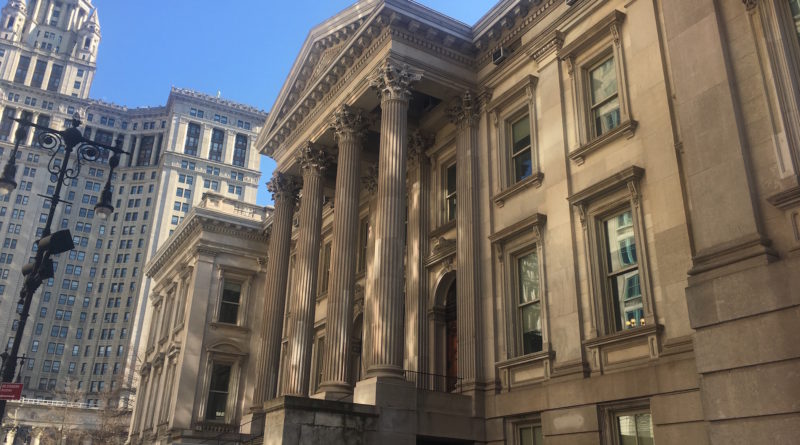
The roots of modern American corruption traces themselves back to a handsome — but not necessarily revolutionary — historic structure sitting behind New York City Hall.

The Tweed Courthouse is more than a mere landmark. Once called the New York County Courthouse, the Courthouse is better known for many traits that the concepts of law and order normally detest — greed, bribery, kickbacks and graft.

But Tammany Hall, the oft-maligned Democratic political machine, served a unique purpose in New York City in the 1850s and 60s, tending to the needs of newly arrived Irish immigrants who were being ignored by inadequate city services. But they required certain favors like the support of political candidates.

And that is how William ‘Boss’ Tweed rose through the ranks of city politics to become the most powerful man in New York City. And it was Tweed, through various government organizations and his trusty Tweed Ring, who transformed this new courthouse project into a cash cow for the greediest of the Gilded Age.

How did the graft function during the construction of the Tweed Courthouse? What led to Tweed’s downfall? And how did this literal temple to corruption become a beloved landmark in the 1980s?

Listen Now: Tweed Courthouse Podcast

_________________________________________________________

The Bowery Boys: New York City History podcast is brought to you …. by you!

We are now producing a new Bowery Boys podcast every other week. We’re also looking to improve the show in other ways and expand in other ways as well — through publishing, social media, live events and other forms of media. But we can only do this with your help!

We are now a member of Patreon, a patronage platform where you can support your favorite content creators for as little as a $1 a month.

Please visit our page on Patreon and watch a short video of us recording the show and talking about our expansion plans. If you’d like to help out, there are six different pledge levels (New Amsterdam, Five Points, Gilded Age, Jazz Age, Empire State and Greater New York). Check them out and consider being a sponsor.

And join us for the next episode of the Bowery Boys Movie Club, an exclusive podcast provided to our supporters on Patreon.

We greatly appreciate our listeners and readers and thank you for joining us on this journey so far.

_________________________________________________________

We’d like to thank Mary Beth Betts of the NYC Public Design Commission for giving us a tour of the Tweed Courthouse. Tours are not currently available of the courthouse, but Betts and her docents lead tours of New York City Hall next door. Visit their website to book a free tour.

Some images from our visit —
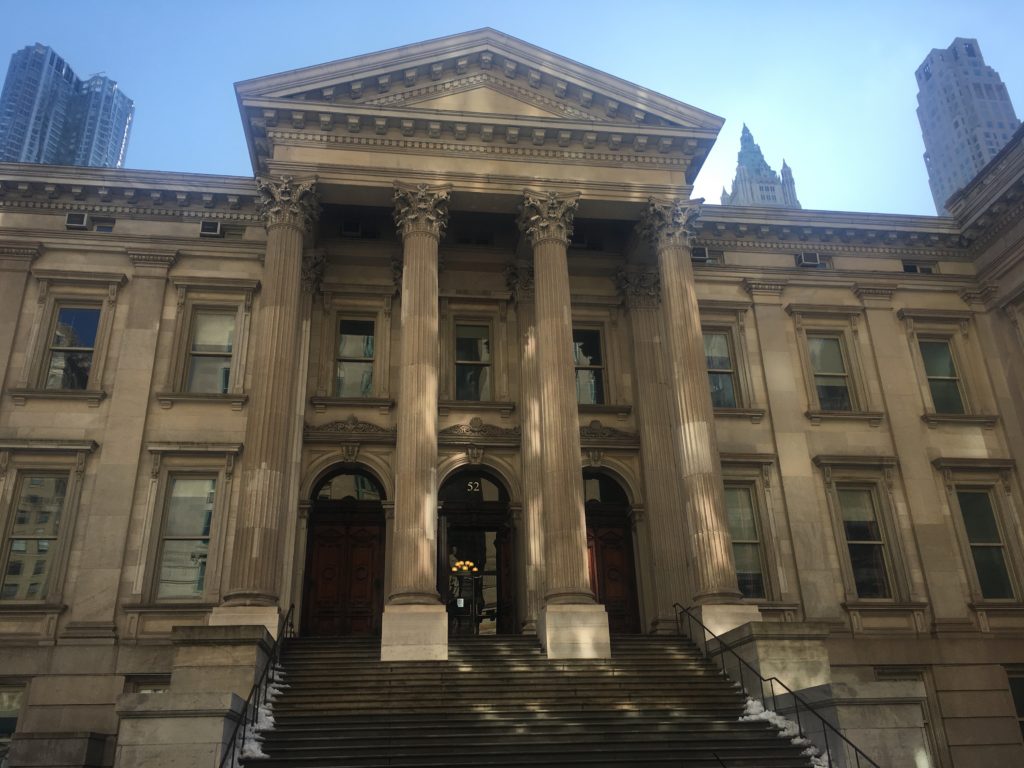
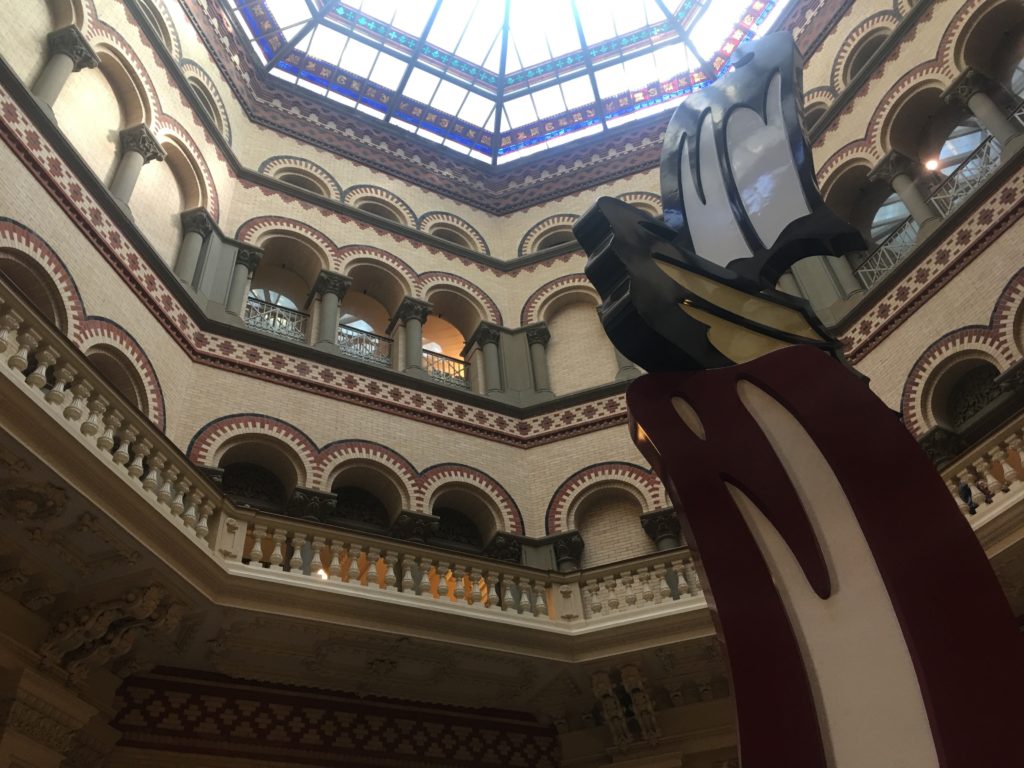
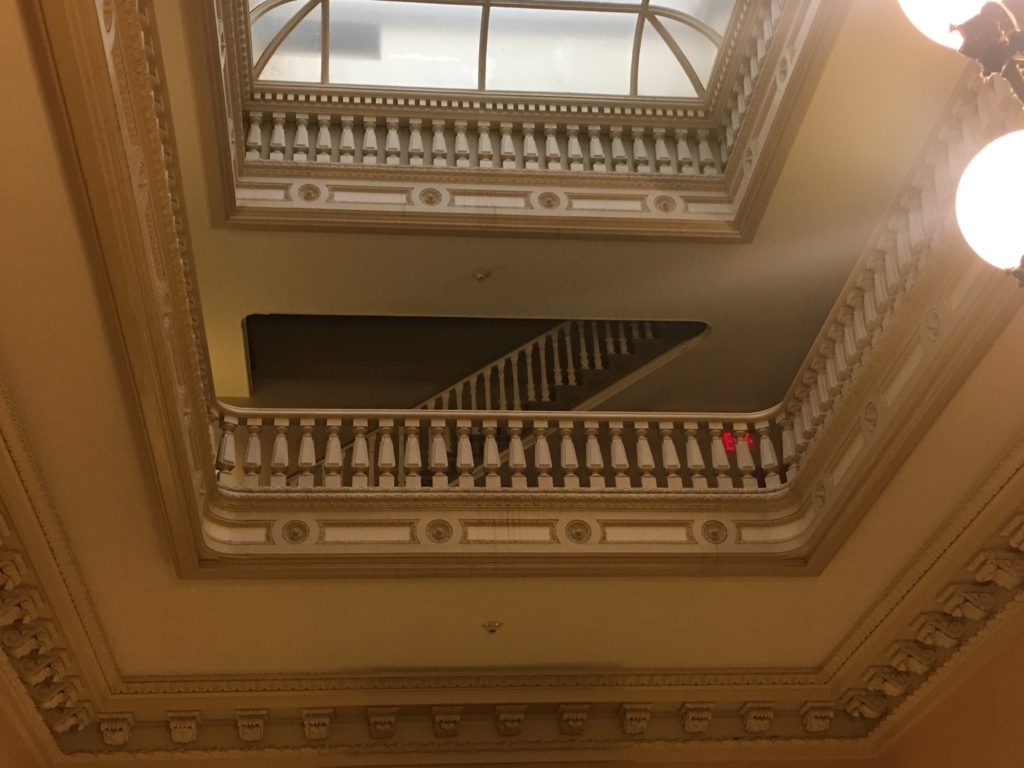
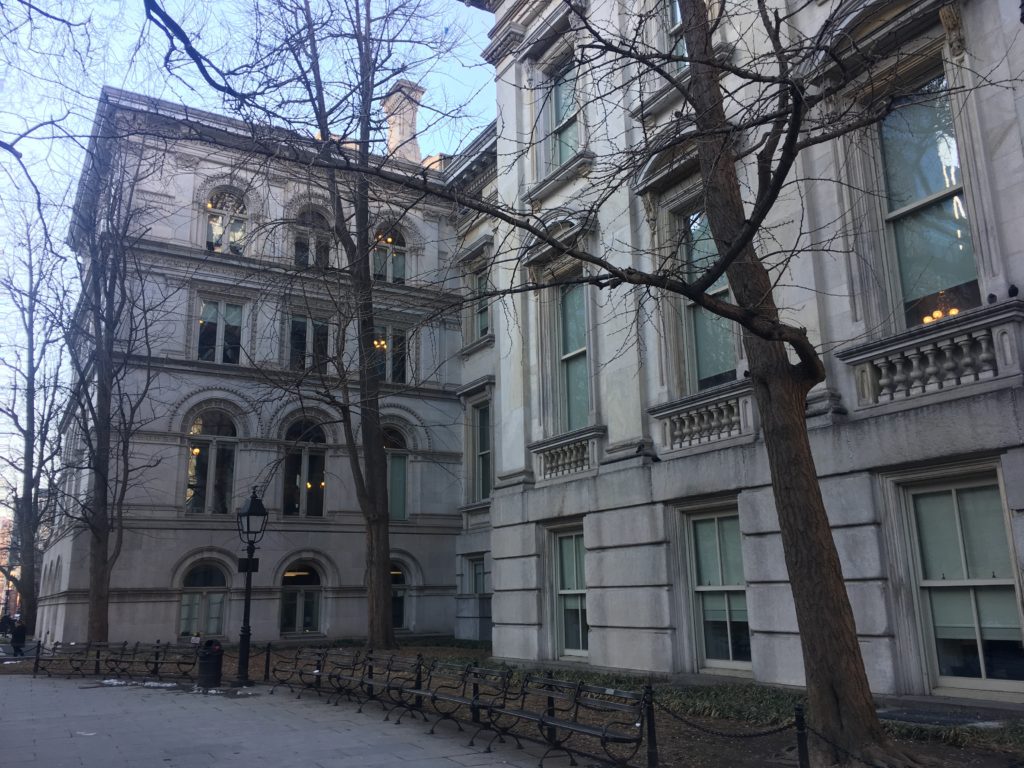
Leopold Eidlitz brought a million arches into the courthouse, his medieval inspirations playing an interesting contrast to the Romanesque Revival of architect John Kellum.
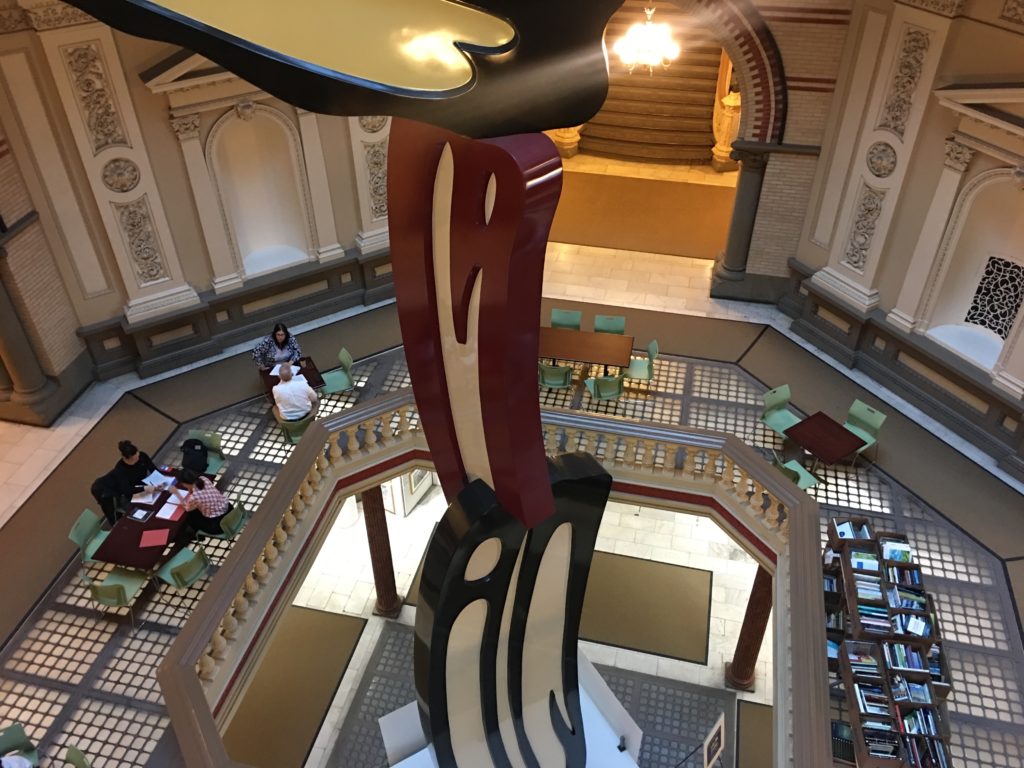
Roy Lichtenstein’s Element E now dominates the interior of the courthouse. Students, teachers and administrators work in the spaces surrounding the sculpture.
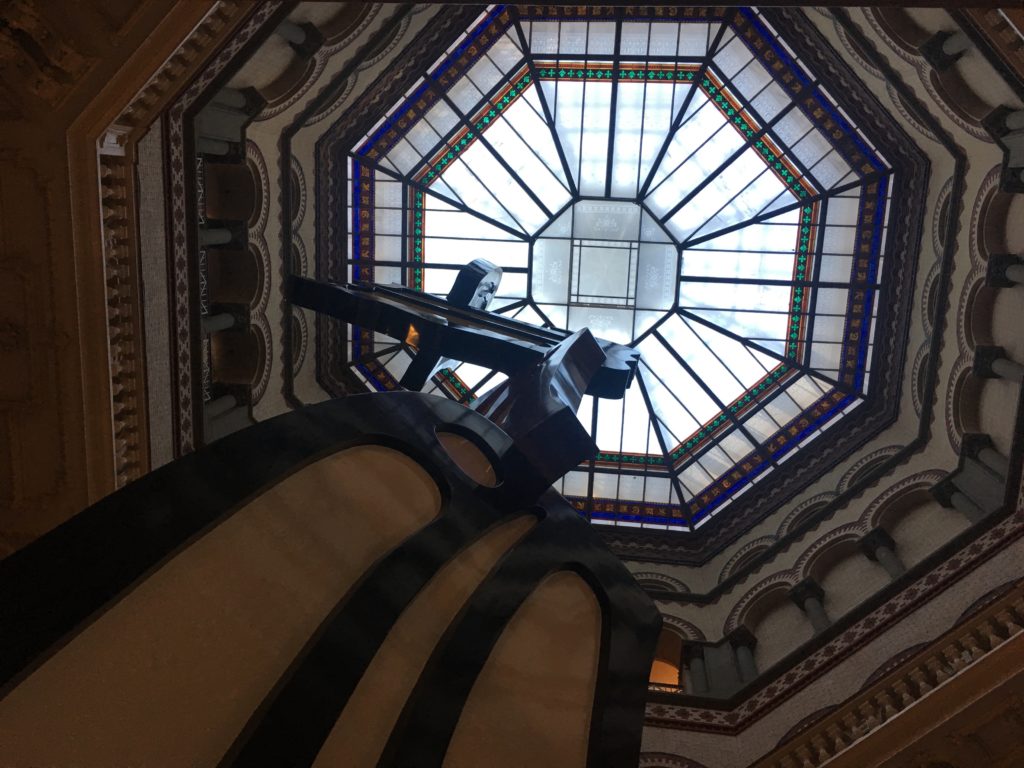
The infamous rotunda roof which remained incomplete even when courts began convening in the courthouse in the 1870s.
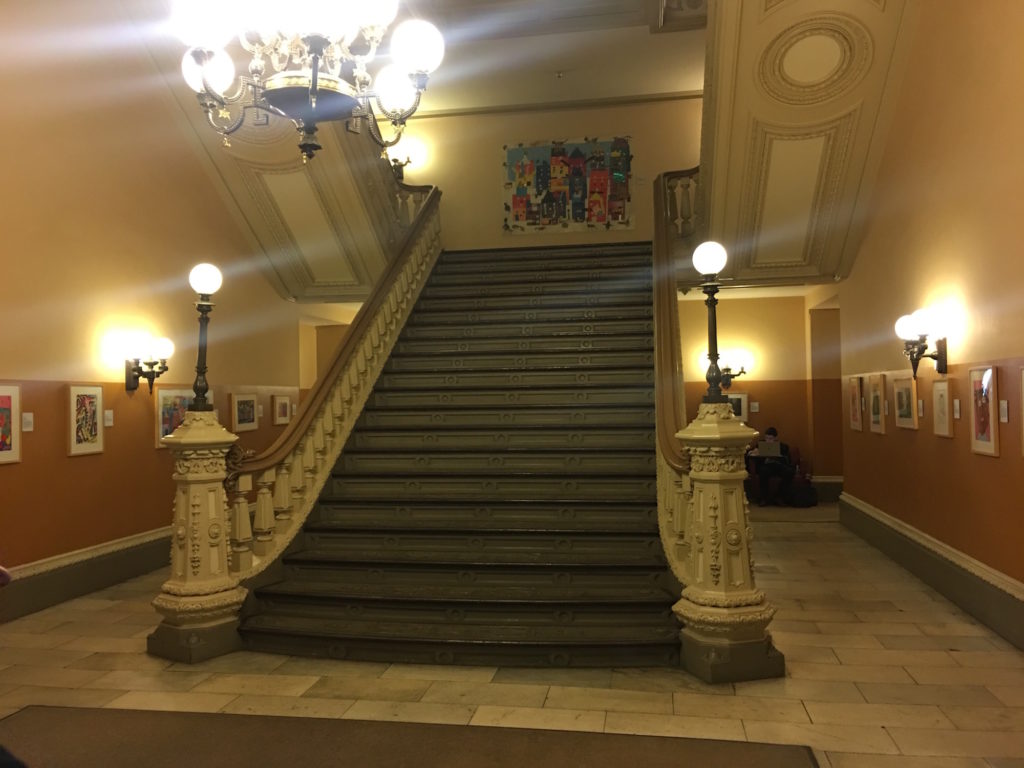
The sumptuous staircases are all made of cast iron.
The courthouse has many curious staircases, leading to smaller spaces on the upper floors.
You can actually view the two competing architectural styles on the exterior facades facing into City Hall Park. (Hint: Arches vs. no arches)

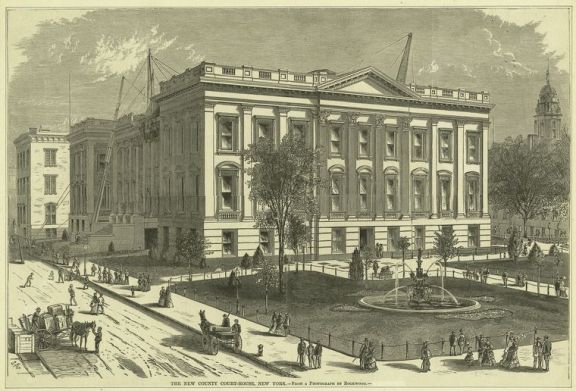
The Tweed Courthouse under construction, date unknown
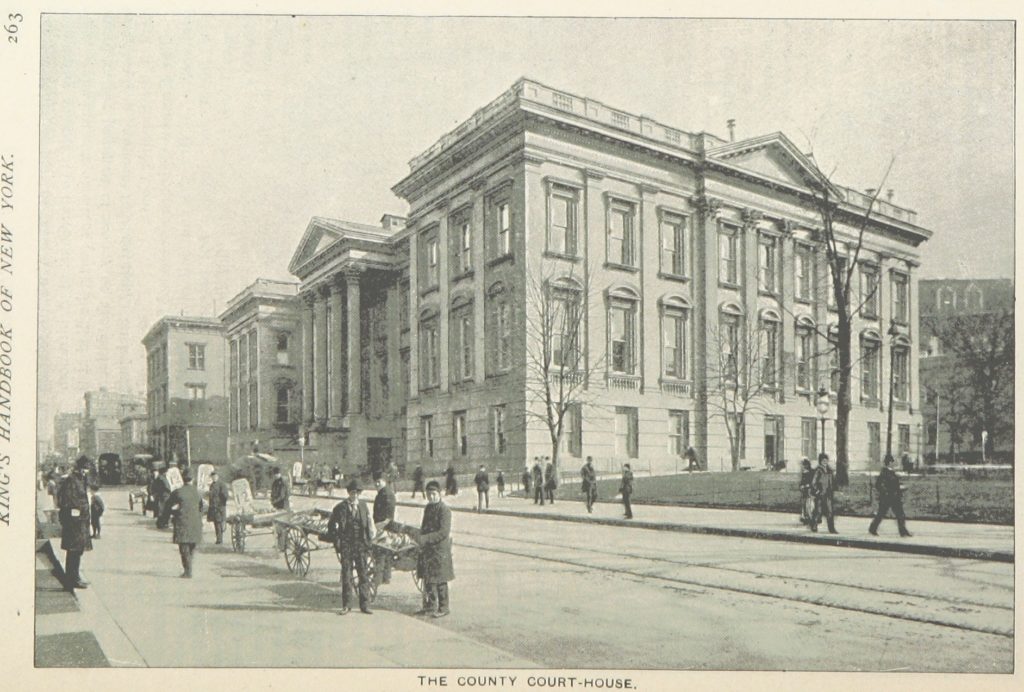
Image taken from page 269 of ‘King’s Handbook of New York City. An outline history and description of the American metropolis. With … illustrations, etc. (Second edition.)’ Courtesy the British Library
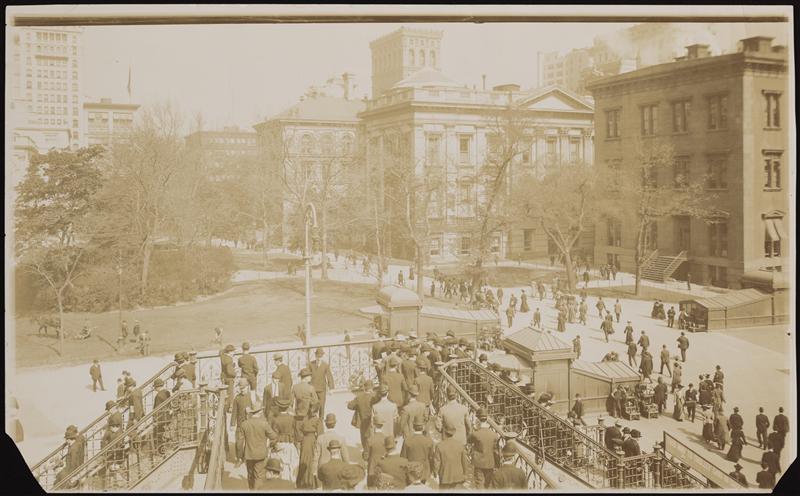
A view of the Tweed Courthouse as seen from the City Hall elevated train station, 1915. The brownstone structure to the right of the courthouse is no longer there.
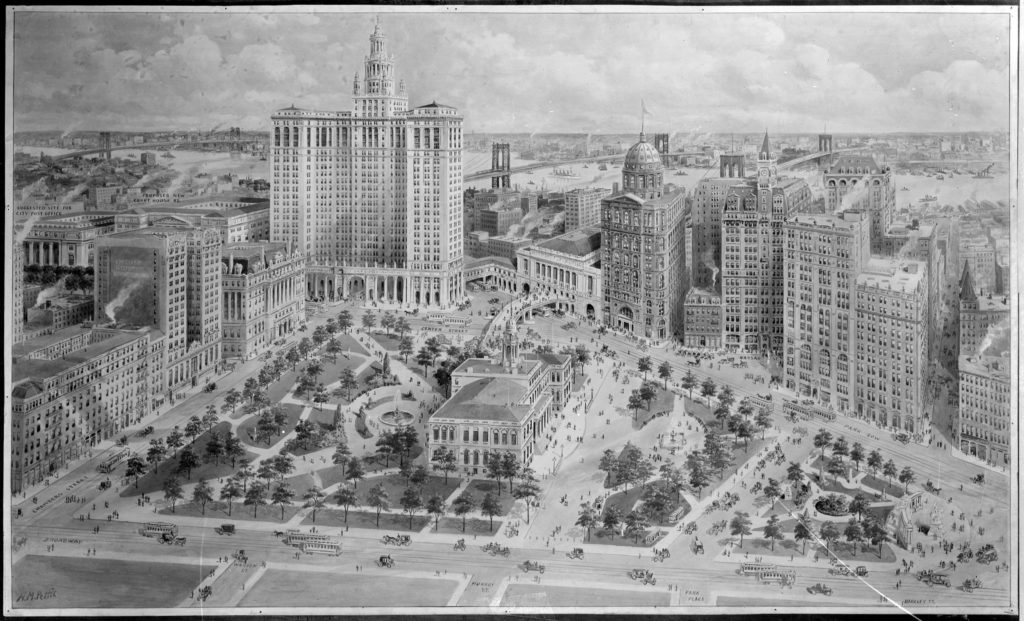
In 1915 the city planned to actually get rid of the Tweed Courthouse. This rendering creates a large park space surrounding City Hall.

H.M. Pettit. Department of Bridges/Plant & Structures collection, NYC Municipal Archives.

For an excellent look at Tweed’s 20th century fight for survival, read Kenneth R. Cobb’s excellent article (with tons of archival photography) on the Department of Records and Information Services website.
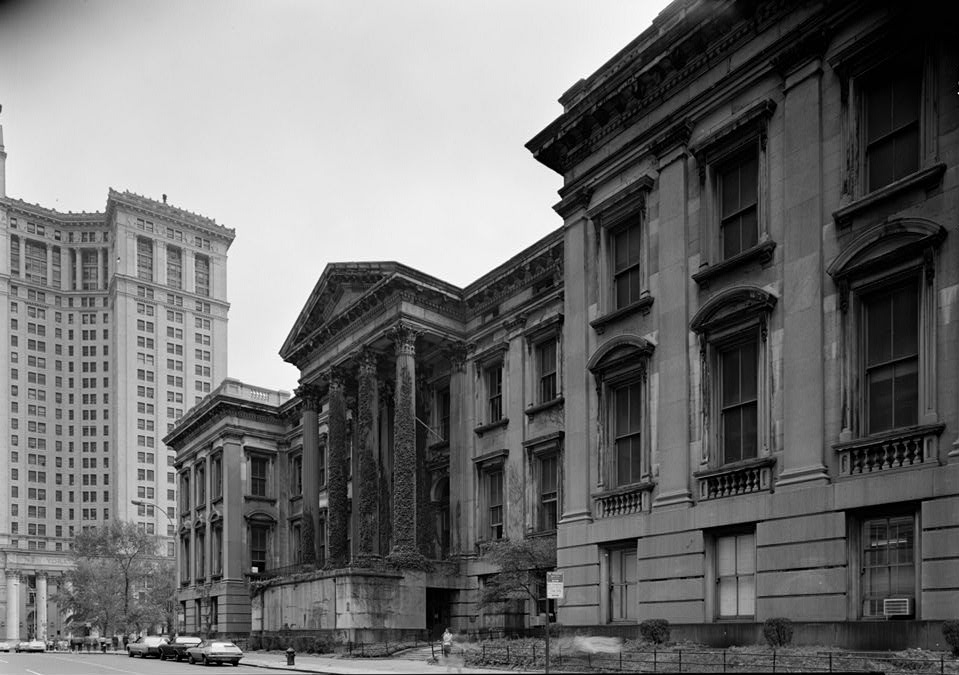
The courthouse in 1979 — in shoddy condition and without its famous staircase! Photo by Walter Snalling, Jr., Library of Congress
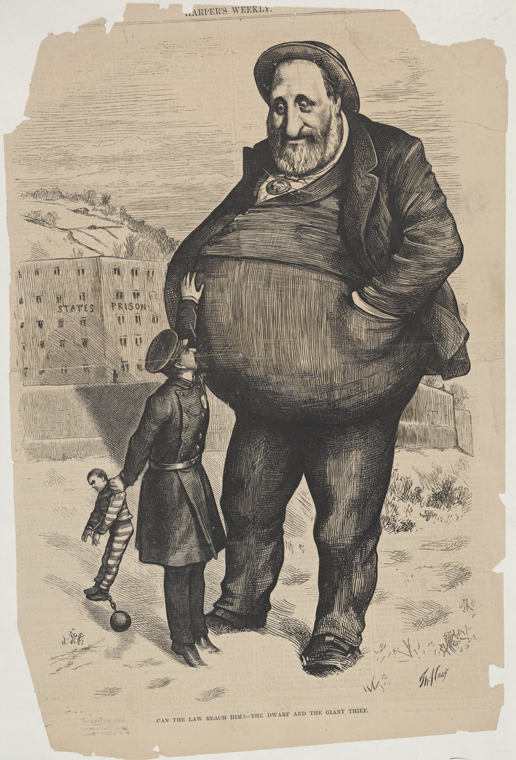
“Can the law reach him?–The dwarf and the giant thief.”
Thomas Nast/New York Public Library Digital Collection
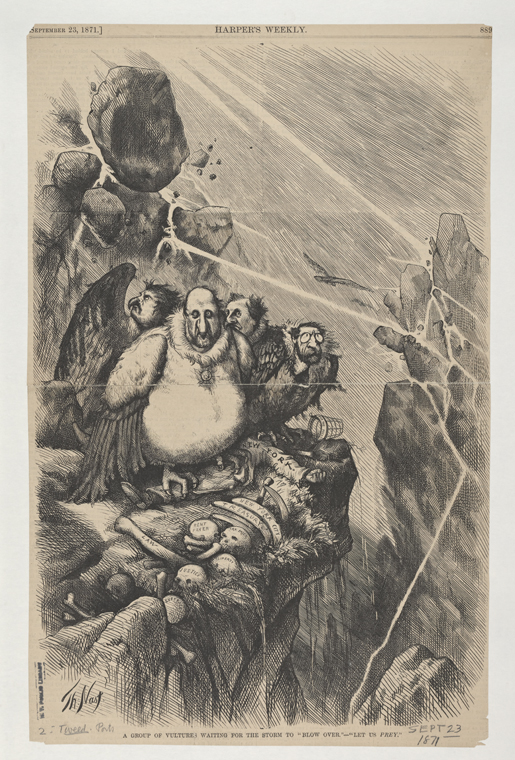
Agroup of vultures waiting for the storm to “blow over.”–“Let us prey.”
Thomas Nast/New York Public Library Digital Collection
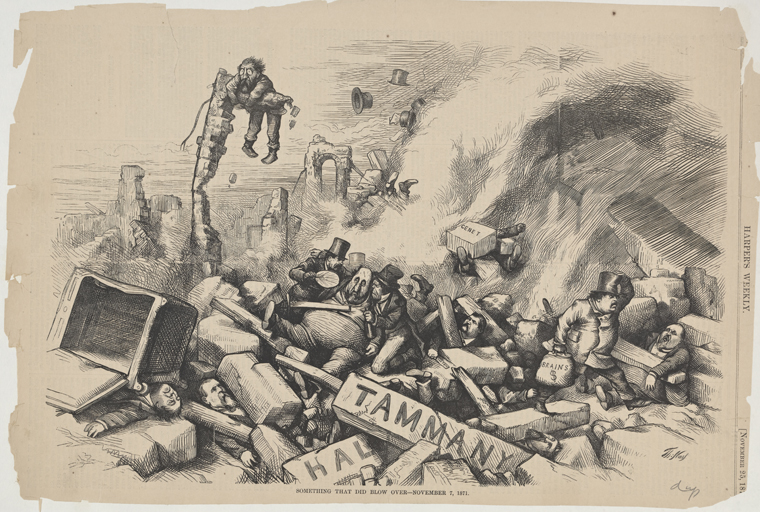
Something that did blow over–November 7, 1871.
Thomas Nast/New York Public Library Digital Collection

FURTHER READING:

Boss Tweed’s New York by Seymour J. Mandelbaum

Boss Tweed: The Rise and Fall of the Corrupt Pol Who Conceived the Soul of Modern New York by Kenneth D. Ackerman

Machine Made: Tammany Hall and the Creation of Modern American Politics by Terry Golway

The Tweed Ring by Alexander B. Callow Jr.

The Tiger: The Rise and Fall of Tammany Hall by Oliver E. Allen

FURTHER LISTENING:

Our original Boss Tweed show from 2009 — with a big news reference at the very beginning that echoes the story we’re about to tell

The massive waves of Irish immigrants who arrived in this country starting in the 1830s and 40s changed New York City forever. Here’s their story:

Fernando Wood was another major power broker in New York City politics in the 1860s.
Categories
Podcasts The Jazz Age

The Wall Street Crash of 1929: The sobering end of New York’s Jazz Age

This is the final part of our three-part NEW YORK IN THE JAZZ AGE podcast series. Check out our two prior episode #233 The Roaring ’20s: The King of the Jazz Age and #234 Queen of the Speakeasies: A Tale of Prohibition New York


Something so giddy and wild as New York City in the Jazz Age would have to burn out at some point. But nobody expected the double catastrophe of a paralyzing financial crash and a wide-ranging government corruption scandal.

Mayor Jimmy Walker, in a race for a second term against a rising congressman named Fiorello La Guardia, might have had a few cocktails at the Central Park Casino after hearing of the pandemonium on Wall Street in late October 1929.

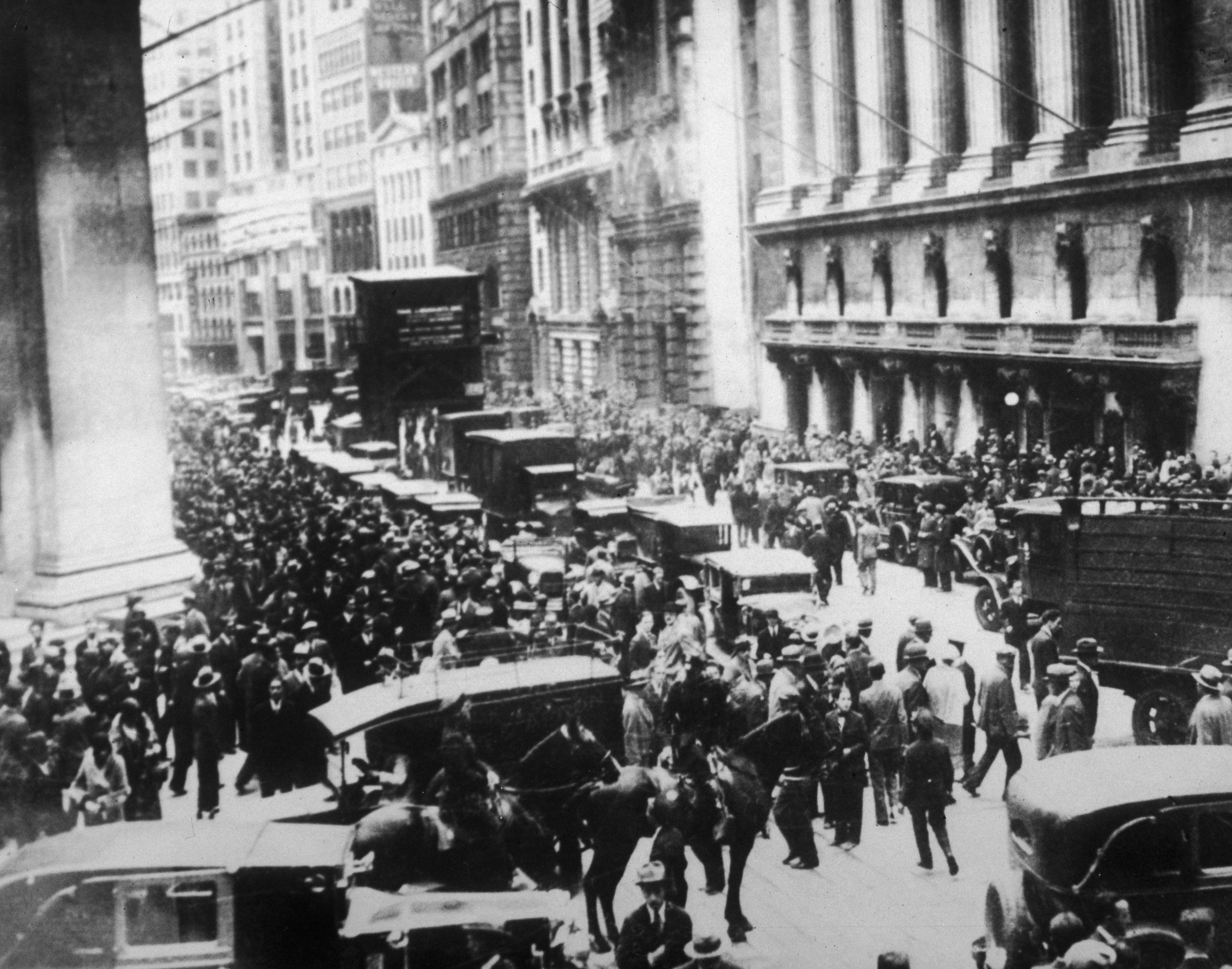
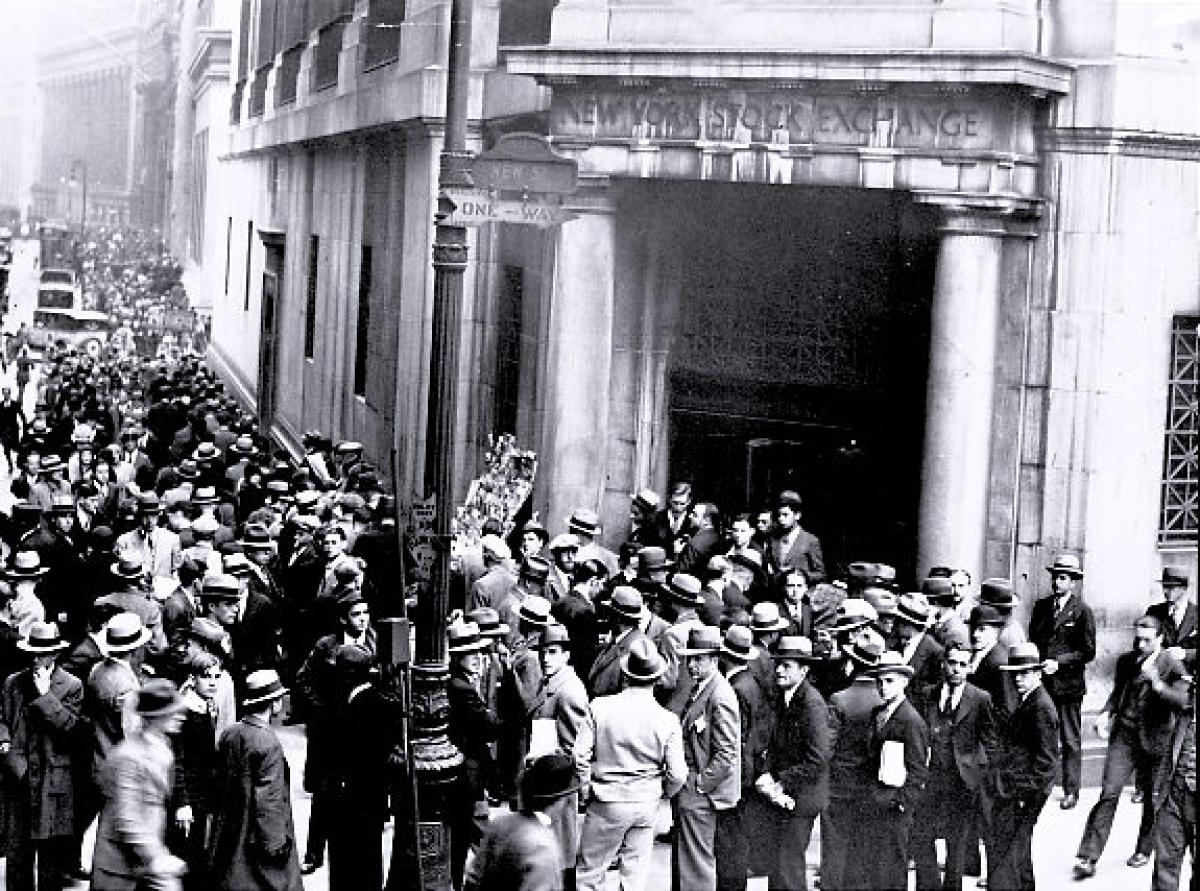
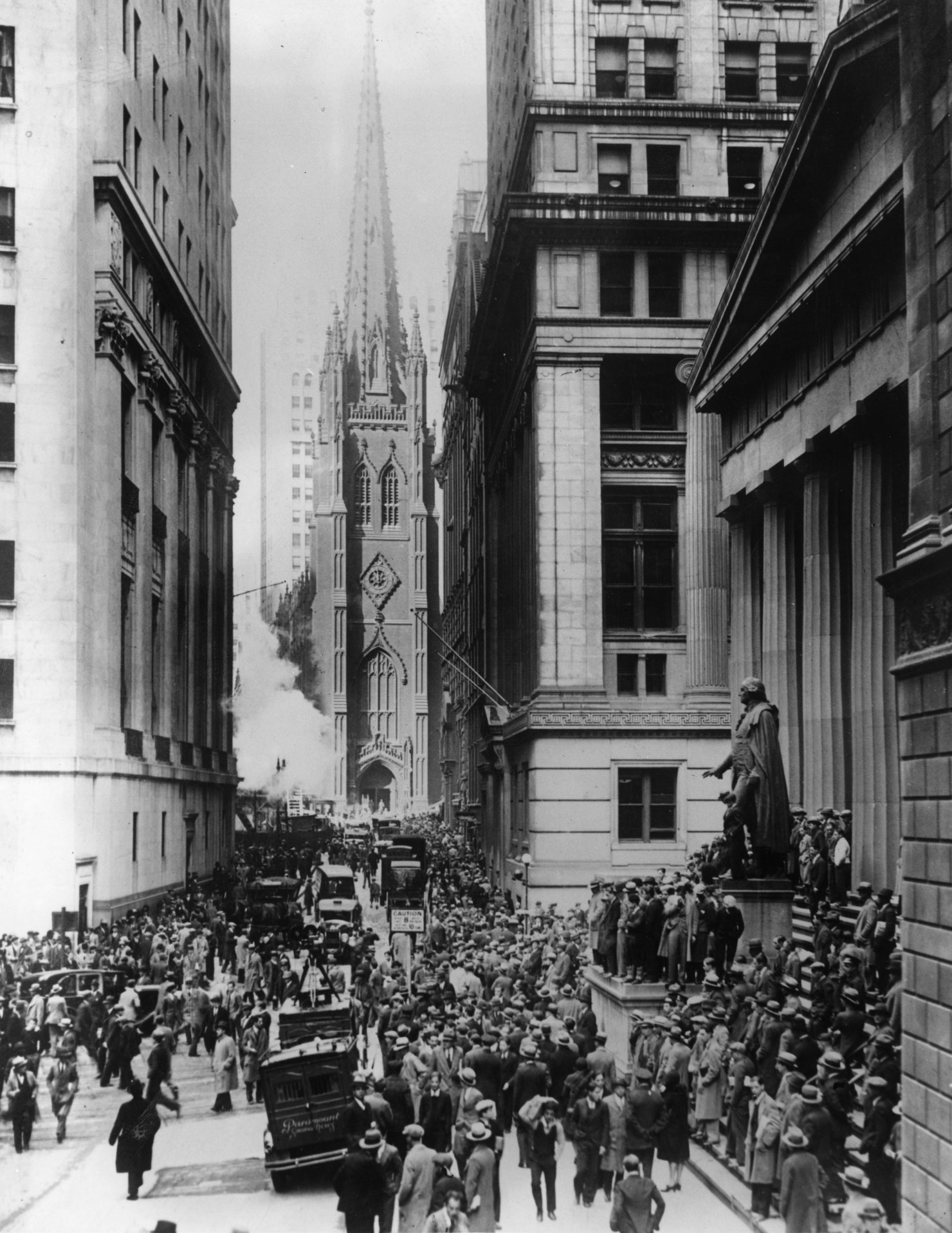
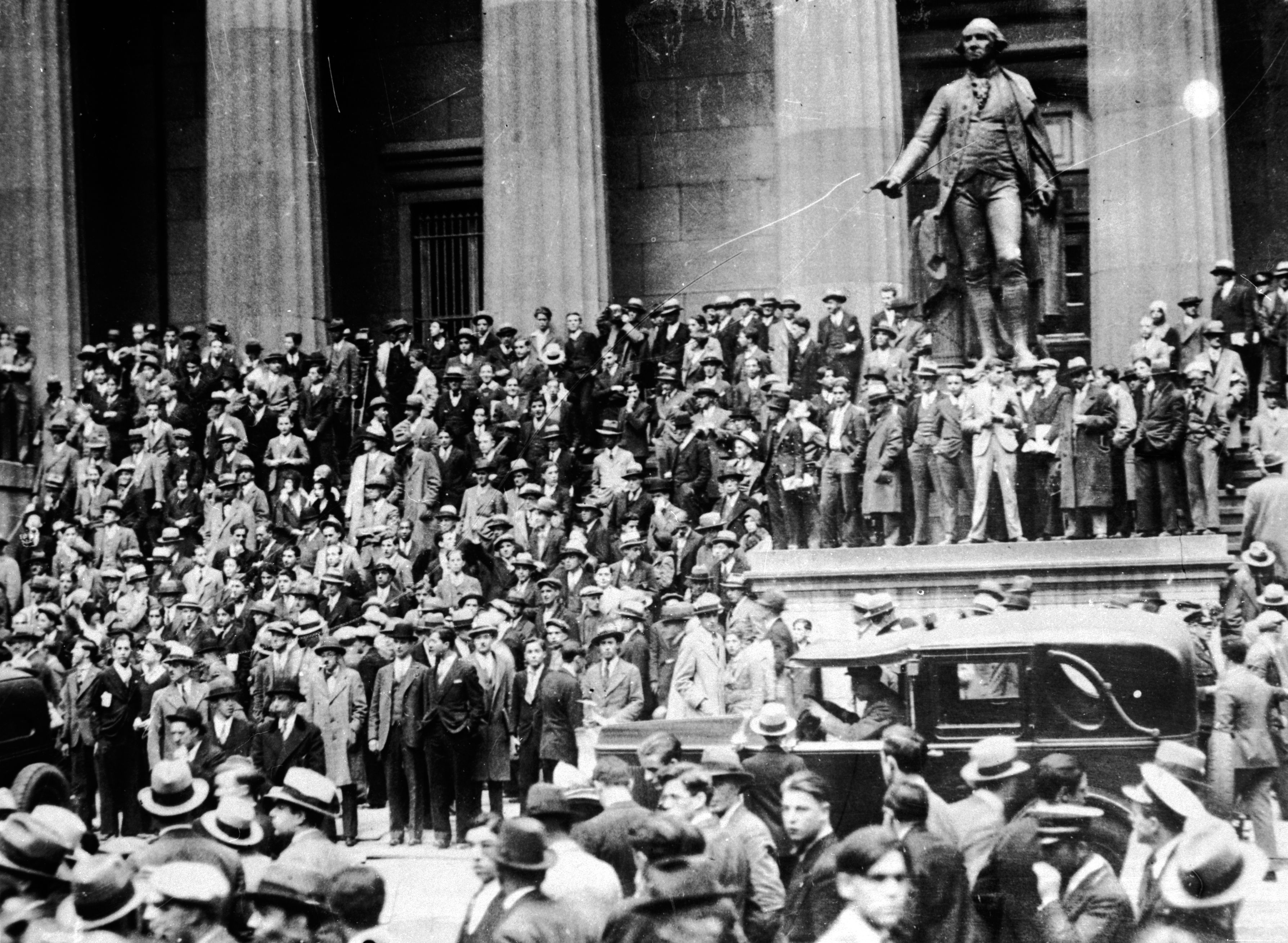
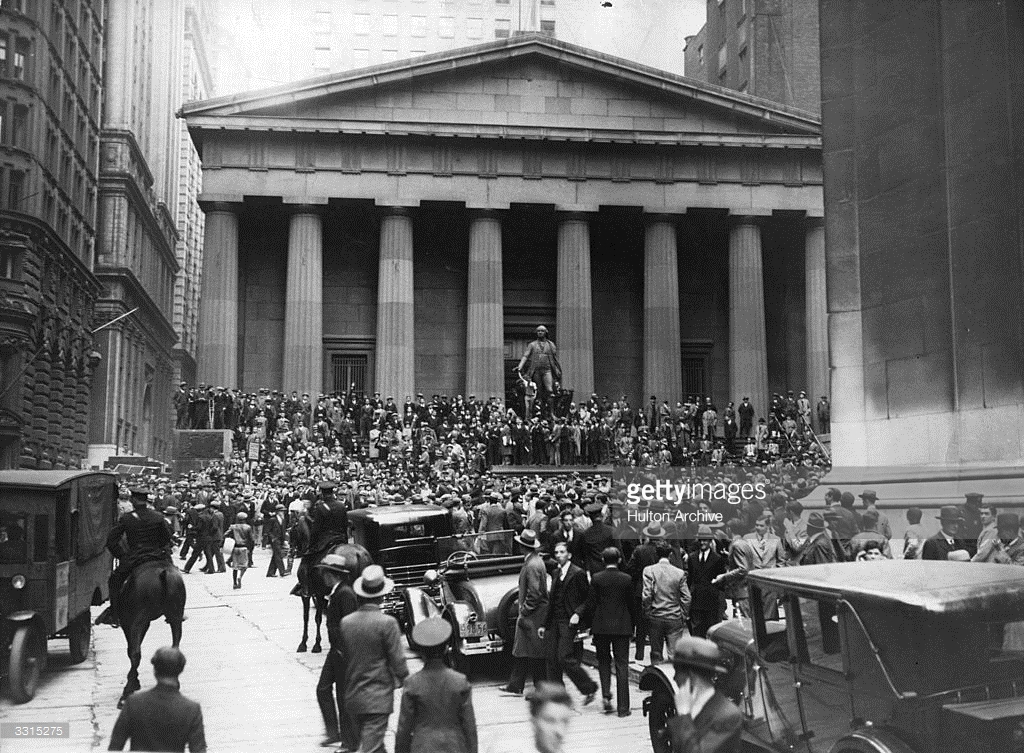
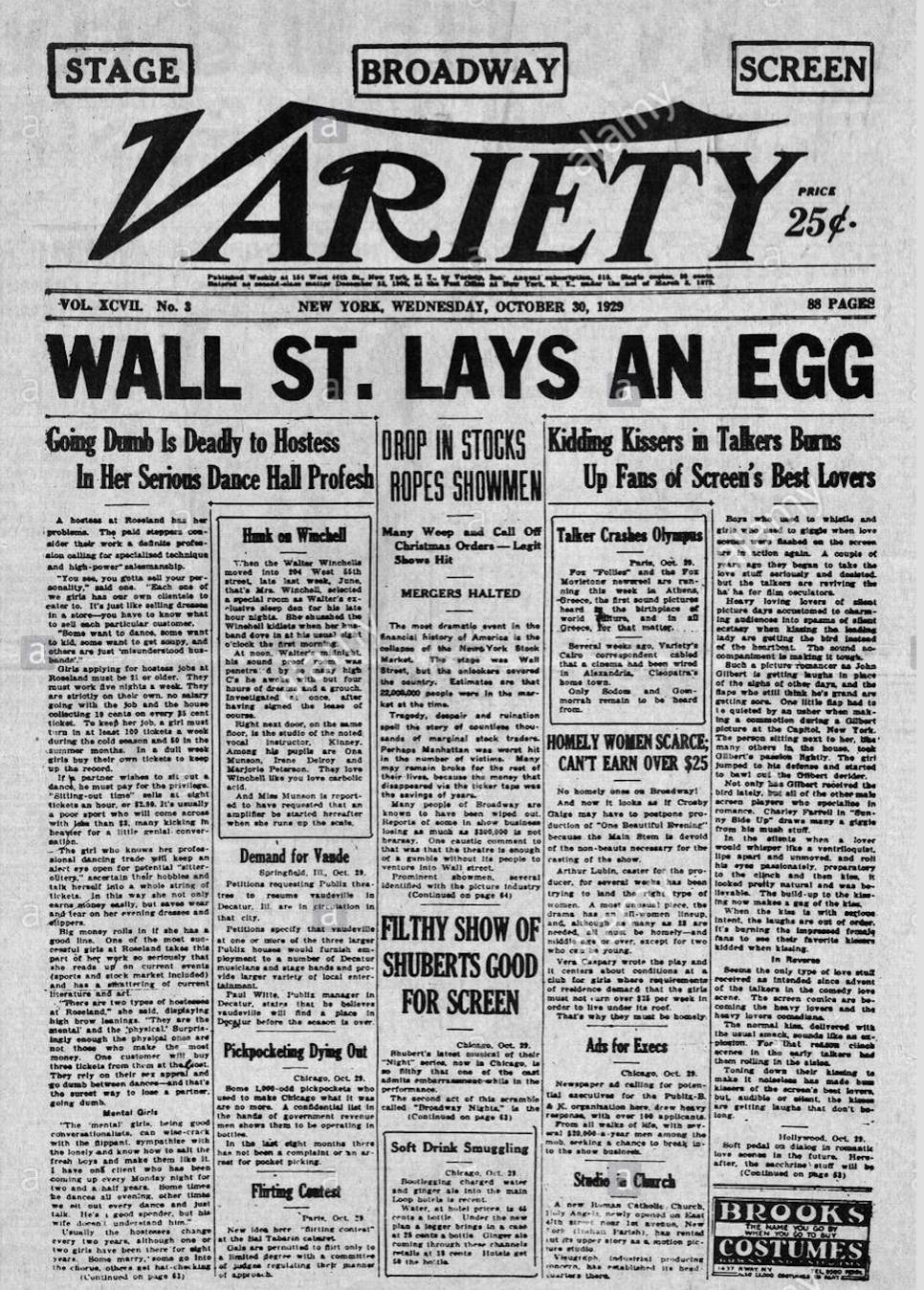
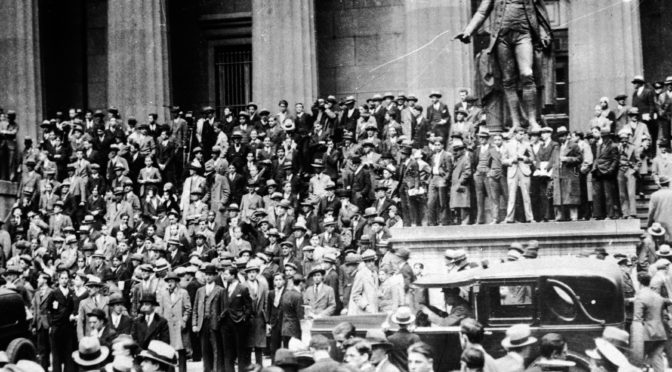
The irresponsible speculation fueling the stock market of the Roaring 20’s suddenly fell apart, turning princes into paupers overnight. Rumors spread among gathering crowds in front of the New York Stock Exchange of distraught traders throwing themselves out windows.

And yet a more immediate crisis was awaiting the Night Mayor of New York — the investigations of Judge Samuel Seabury, steering a crackdown authorized by governor Franklin Delano Roosevelt to rid New York City of its deeply embedded, Tammany Hall-fueled corruption.

With the American economy in free fall and hundreds of New York politicians, police officers and judges falling to corruption revelations, the world needed a drink! Counting down to the last days of Prohibition….

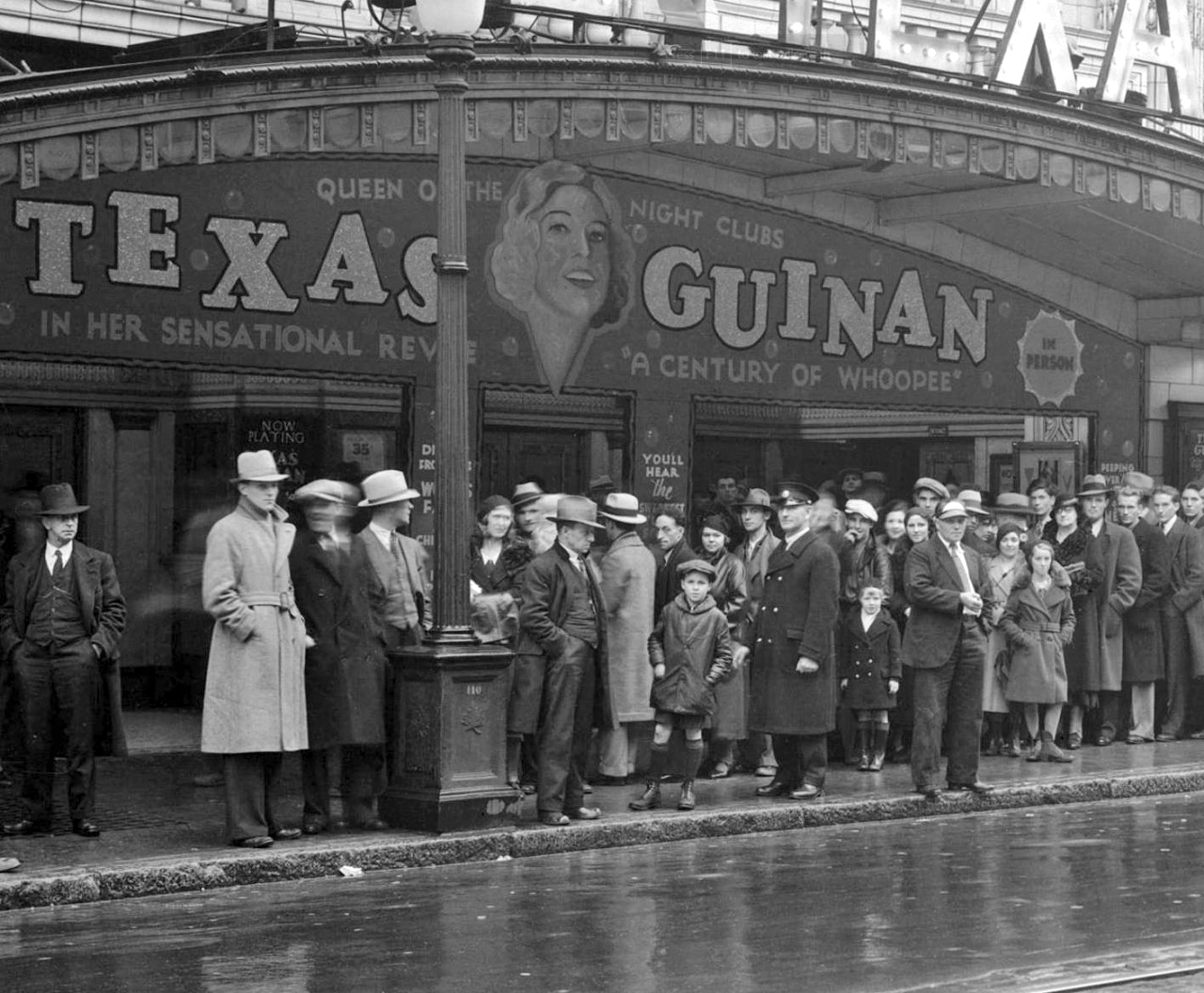
PLUS: The fate of Texas Guinan, the movie star turned Prohibition hostess who hit the road with a bawdy new burlesque — that led to a tragic end.

The song featured in this week’s episode was Bessie Smith’s “Nobody Knows You When You’re Down and Out”


The Bowery Boys: New York City History podcast is brought to you …. by you!

We are now producing a new Bowery Boys podcast every two weeks. We’re also looking to improve the show in other ways and expand in other ways as well — through publishing, social media, live events and other forms of media. But we can only do this with your help!

We are now a member of Patreon, a patronage platform where you can support your favorite content creators for as little as a $1 a month.

Please visit our page on Patreon and watch a short video of us recording the show and talking about our expansion plans.If you’d like to help out, there are five different pledge levels (and with clever names too — Mannahatta, New Amsterdam, Five Points, Gilded Age, Jazz Age and Empire State). Check them out and consider being a sponsor.

We greatly appreciate our listeners and readers and thank you for joining us on this journey so far. And the best is yet to come!


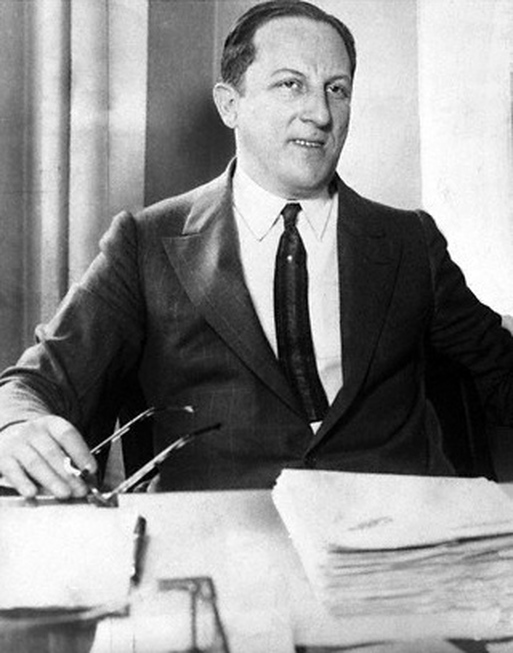
Arnold Rothstein — His murder would kick off a frenzy in New York’s organized crime syndicates and lead to an in-depth investigation into the police and local government

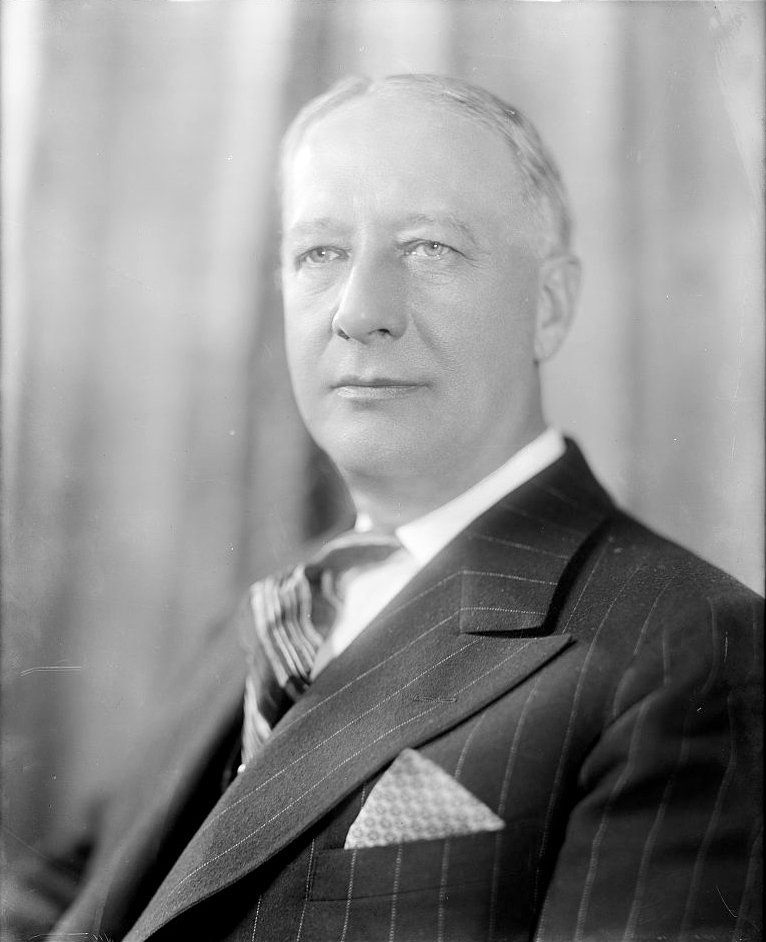
Al Smith — His unsuccessful bid for the presidency in 1928 led him to pursue more business-related projects, including the construction of the Empire State Building.

Harris & Ewing collection at the Library of Congress.

Mayor Jimmy Walker felt invincible at the start of his second term

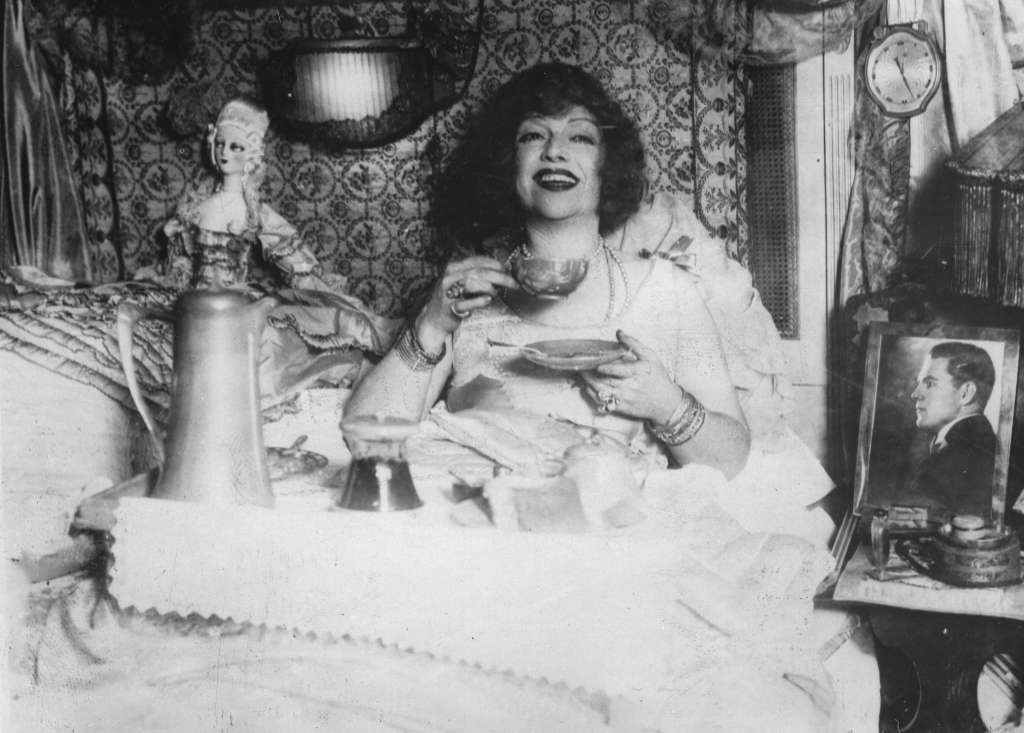
Texas Guinan eventually left the nightclub scene and returned to film and stage work. She’s pictured here in 1931 in Paris. She would later be denied entry into the country for her bawdy performances (at least, that’s what she claimed).

Getty Images

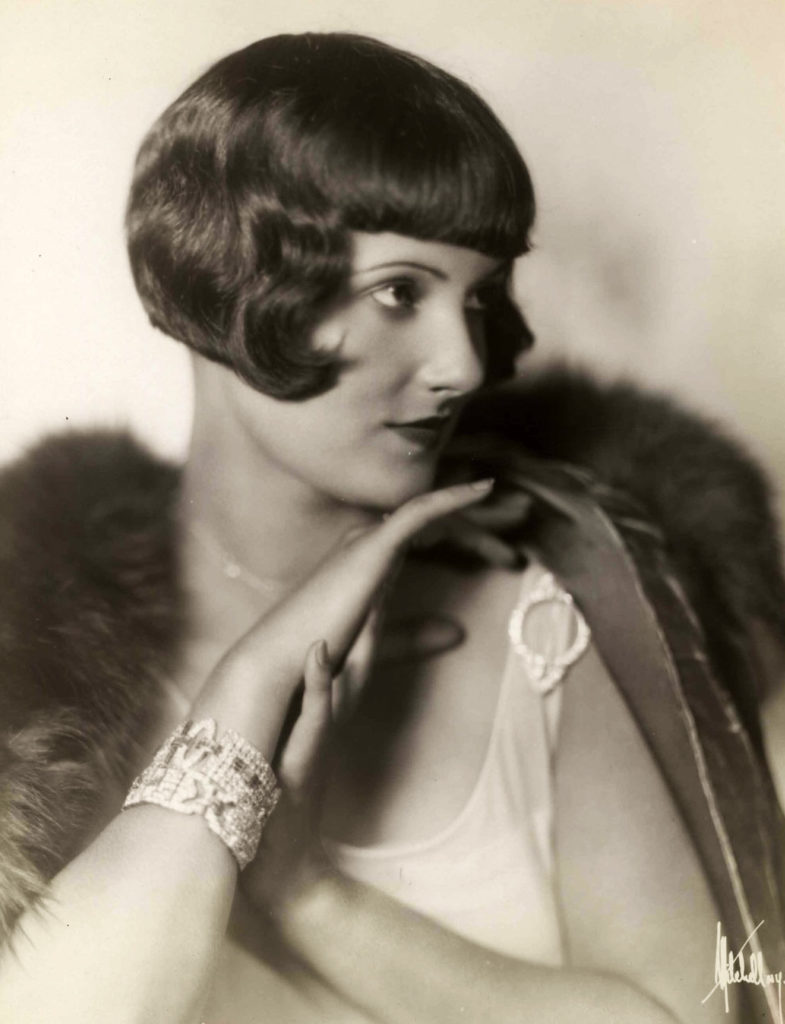
Betty Compton waited patiently for Walker from the sidelines, watching as his political fortunes collapsed in 1932.

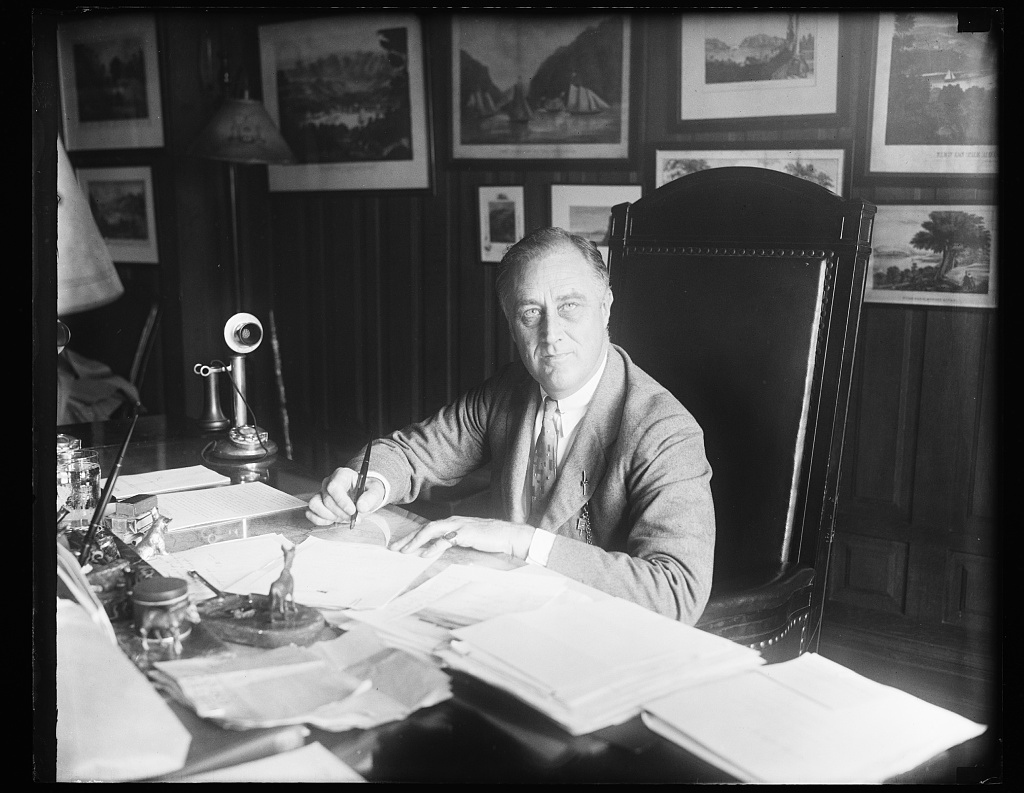
Franklin Delano Roosevelt — The governor of New York (and soon president of the United States) went after corruption during a busy campaign season.

Library of Congress

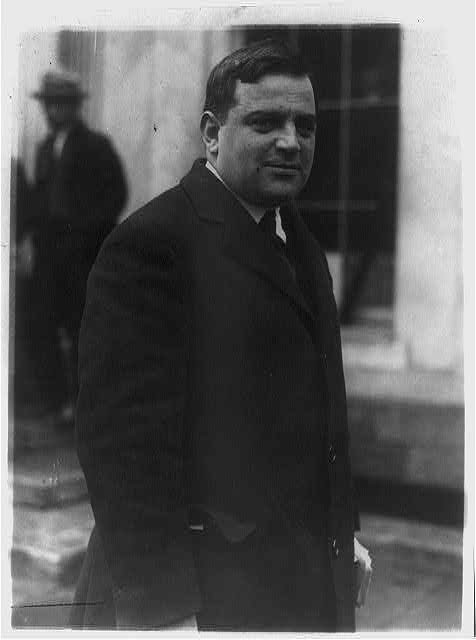
Fiorello La Guardia (pictured here in 1929) was an early supporter of Prohibition repeal and ran for mayor in 1929, losing to Walker.

Library of Congress

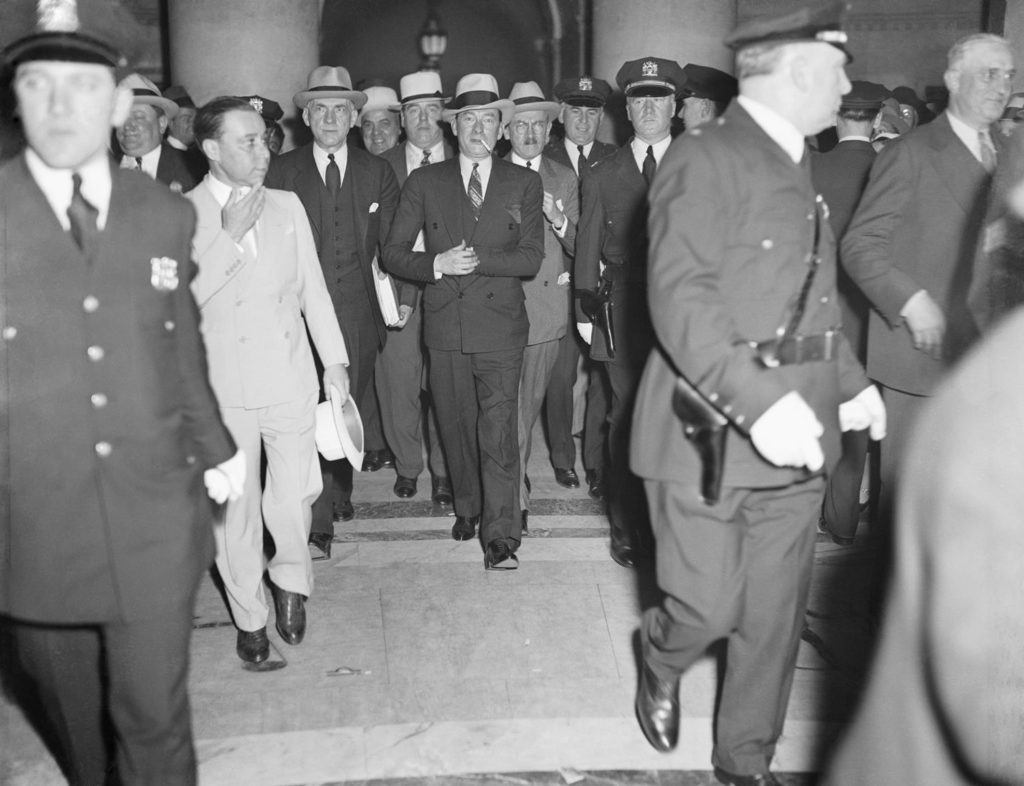
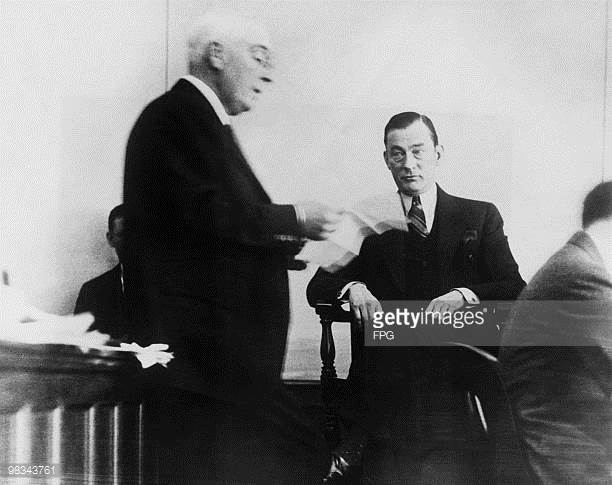
Samuel Seabury, questioning a nonplussed Jimmy Walker on the stand, succeeded in rooting out corrupt officials in public offices. With Roosevelt’s help, he even brought down the Night Mayor himself.

Getty Images

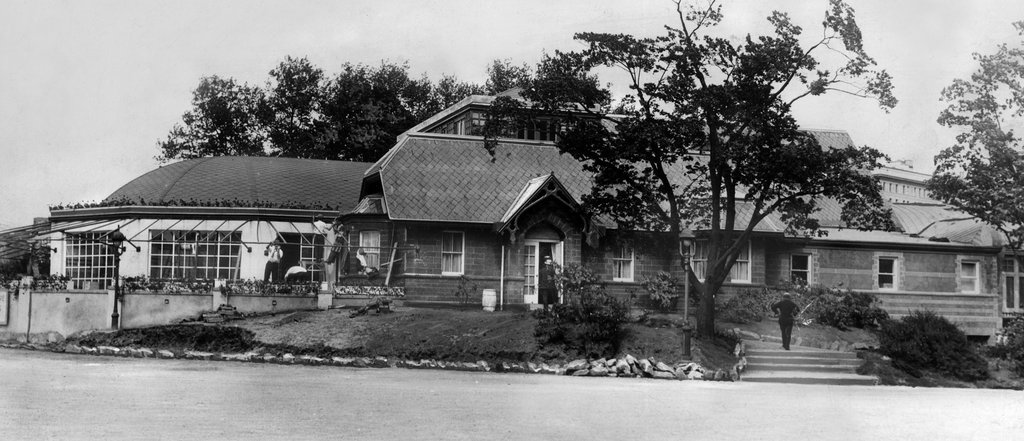
The Central Park Casino transformed into a swanky nightclub in 1929, a favored spot for Jimmy Walker

Courtesy New York Times

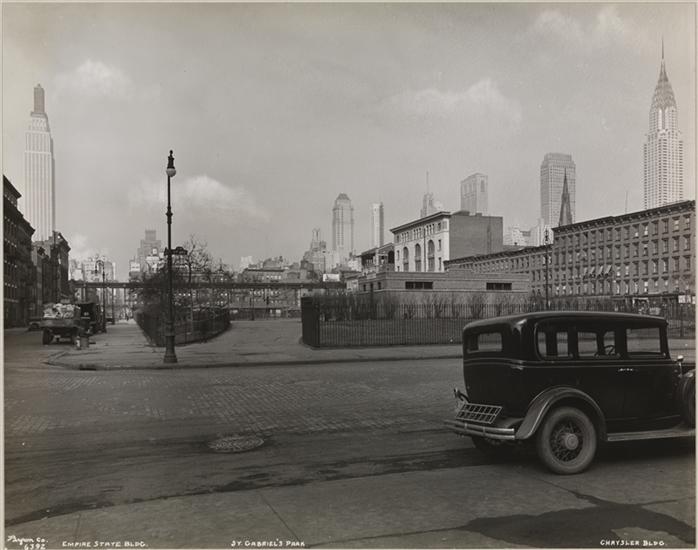
An interesting view of mid-Manhattan in 1931 (from St. Gabriel’s Park at First Avenue and 35th Street) with the newly completed Chrysler Building and the Empire State Building nearly completed.

MCNY/Byron Company

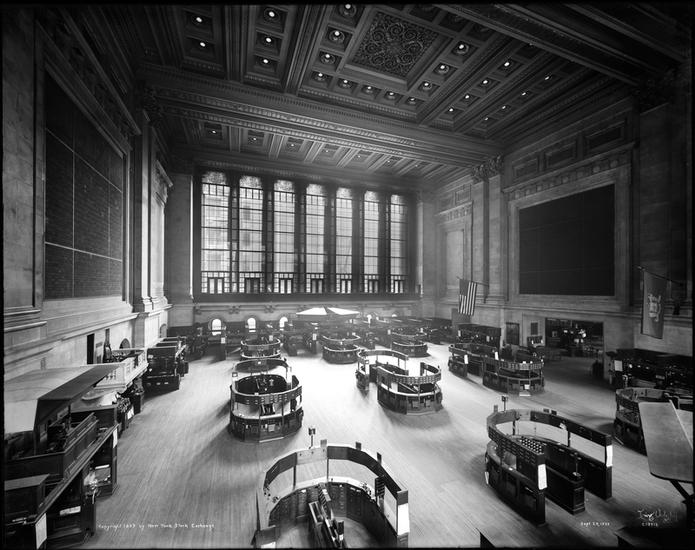
An ominous image of the New York Stock Exchange from September 1929, weeks before the crash.

Irving Underhill/MCNY

The streets outside the New York Stock Exchange were clogged with people for days, frantic scenes of anger, panic and heartbreak.

29th October 1929. (Photo by Hulton Archive/Getty Images)
New York Daily News
(Photo by Keystone/Getty Images)

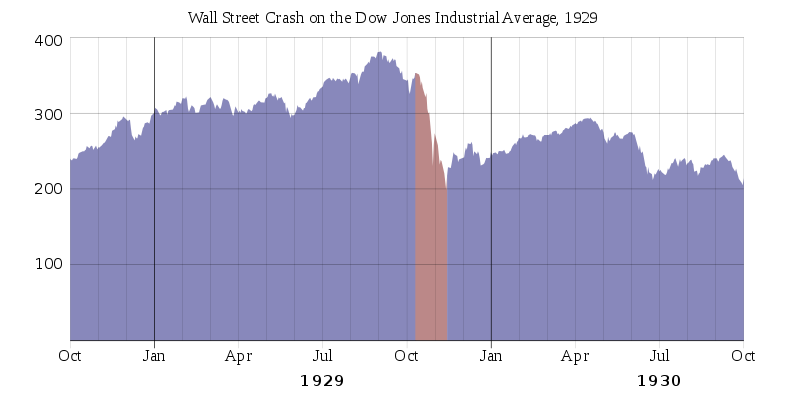
A graphic look at the Wall Street Crash of 1929.

Wikicommons

Outside Vancouver’s Beacon Theatre on October 28, 1933, just a week before her death here in this city.


CORRECTION: Jimmy Walker’s second term began on January 1, not January 3.

For more information, check out the following books:

Dry Manhattan: Prohibition in New York City by Michael A. Lerner

The Great Crash by John Kenneth Galbraith

Once Upon A Time In New York by Herbert Mitgang

The Man Who Rode The Tiger: The Life and Times of Judge Samuel Seabury by Herbert Mitgang

Rothstein: The Life, Times, and Murder of the Criminal Genius Who Fixed the 1919 World Series by David Pietrusza

Other Bowery Boys podcasts related to this one:

The Tallest Building In New York: A Short History (#169)

Battle For The Skyline: How High Can It Go? (#199)

The Chrysler Building (#11)

Robert Moses (#100)