Categories
Know Your Mayors Revolutionary History

Meet James Duane, New York’s first mayor after the American Revolution

With a new mayoral race on the horizon in New York City we think its time that you Know Your Mayors! Become familiar with other men who’ve held the job, from the ultra-powerful to the political puppets, the most effective to the most useless leaders in New York City history.

This longtime feature of this website is being rebooted with new articles and newly researched and refreshed earlier entries in this series. Check back each week for a new installment.
James Duane
Term: 1784-1789
The First Post-War Mayor

New York officially had 44 men prior to James Duane filling the seat of city mayor in 1784. So why do I consider Duane New York City’s official first mayor?

Although America declared its independence from England in 1776, England did not declare its independence from New York City until 1783, when they were driven out at the end of the Revolutionary War.

British appointed mayor David Mathews governed Manhattan throughout the entire war until he and other Loyalists fled to Canada in the conflict’s waning days. Which is probably a good thing since he was implicated in a specific attempt to kidnap and murder the commander of the Continental Army George Washington.

Duane is the first American New York mayor, the first to lead the city newly broken from its colonial shackles.

However, it should be noted that he is not New York’s first elected mayor. Like the many mayors of the Colonial era before him — and the many men who would hold this office well into the 19th century — James Duane was appointed to the job.
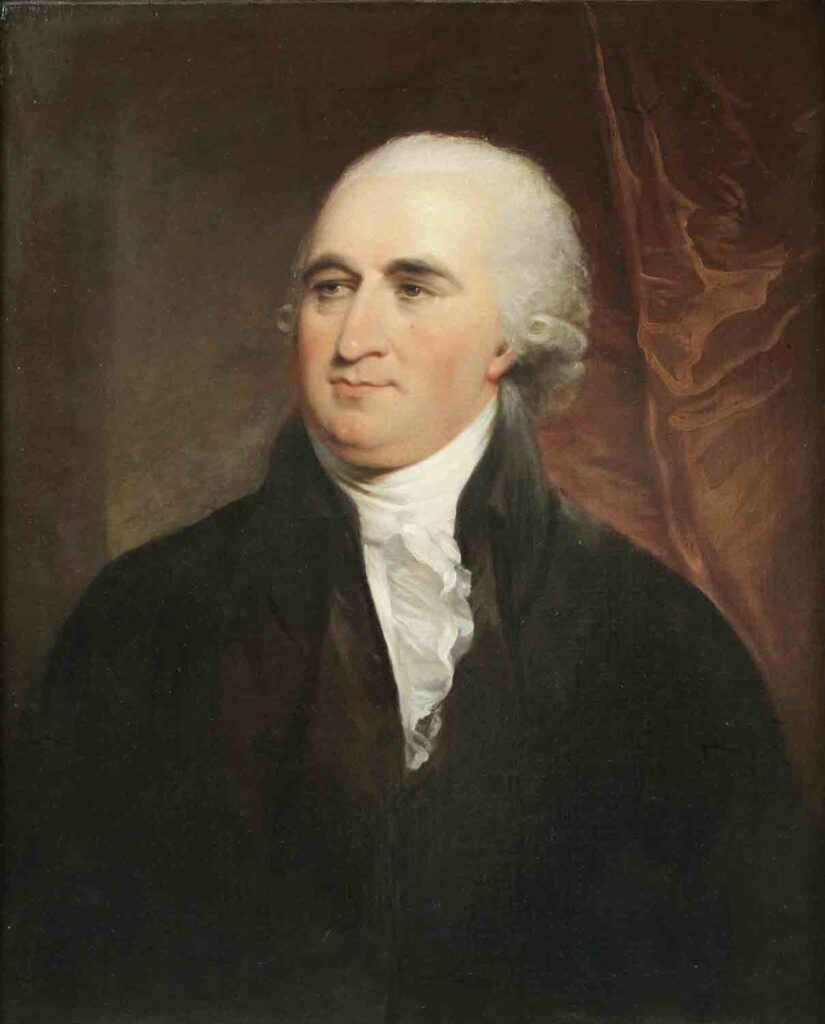

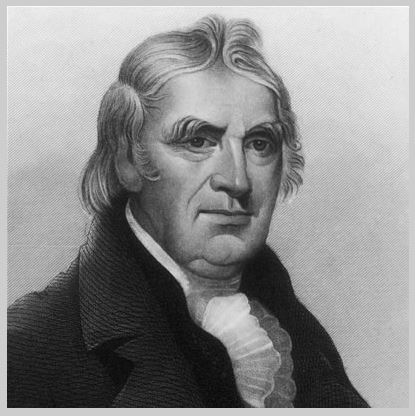
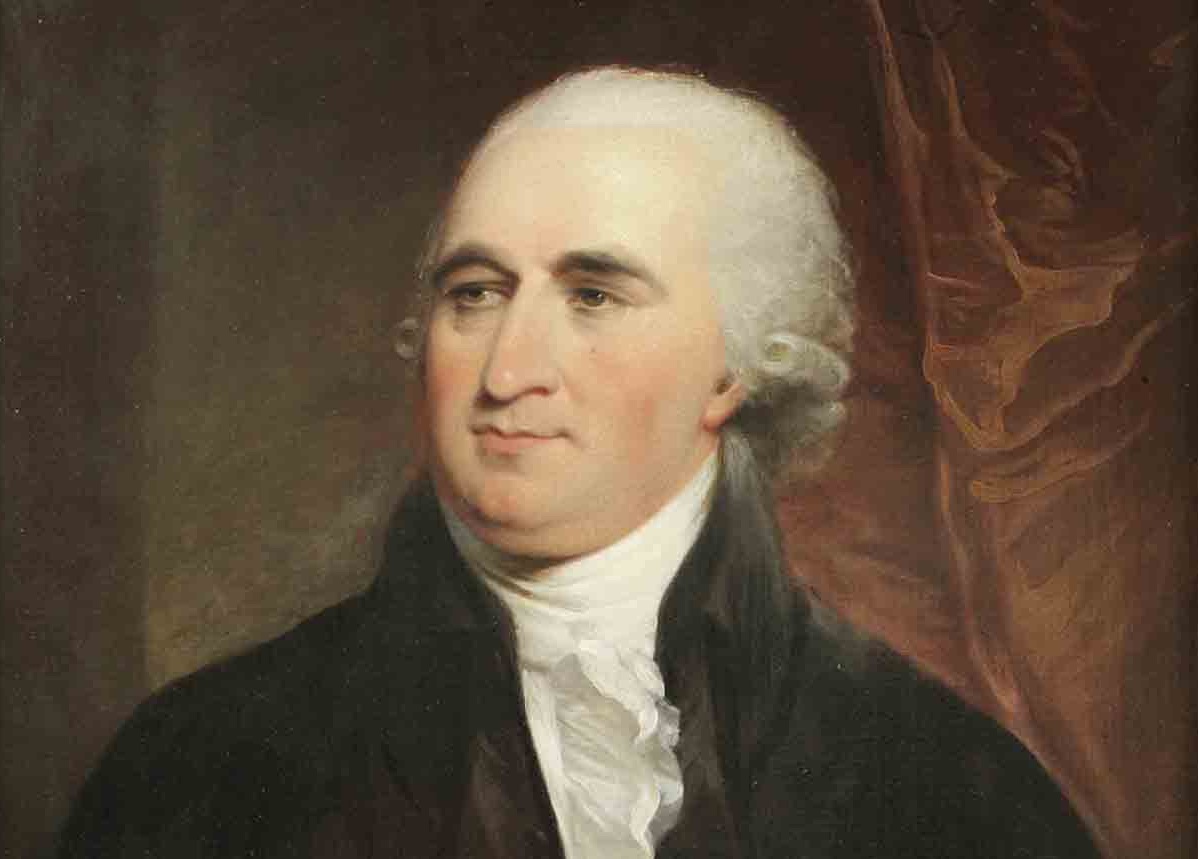
As painted by John Trumbull in 1805, long after his death.

James Duane, born in New York in 1733, was destined for great things, a respected attorney and statesman who would become what we might call a minor Founding Father.

Orphaned as a teen, young Duane became the charge of Robert Livingston, a prominent lawyer in a socially important New York family. Naturally he pursued a career in law as well, his natural skills bolstered by his social privilege.

In 1759 Duane married Robert’s daughter Mary Livingston and would grow up alongside Robert Jr. who would go on to draft the Declaration of Independence. Through tenacity, family wealth and de facto family influence through the Livingstons, Duane became New York state attorney general at age 34.
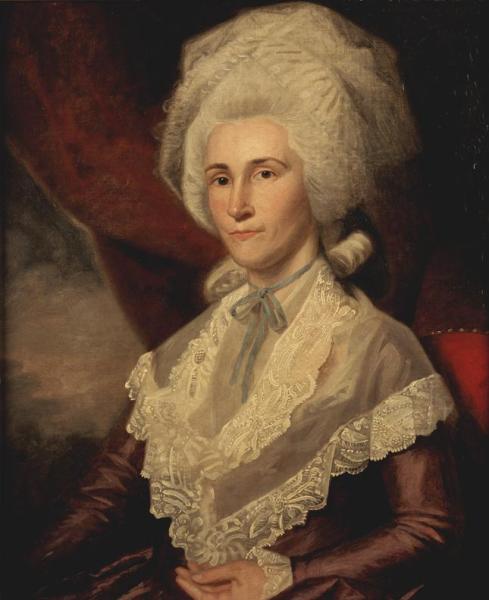
Mary Livingston in a painting by Ralph Earl. Original image courtesy the New-York Historical Society

Duane was also part of New York’s delegation to the First Congressional Congress in 1774, alongside John Jay and another Livingston, Philip, who would eventually sign the Declaration of Independence. (Duane, alas, was serving in New York’s Provincial Congress in the summer of 1776 or else he too would have John Hancock’d the founding document.)

Duane had originally agreed with general notions of appeasement with the British, not favoring a separation from England.

In fact author Edward P. Alexander calls him a ‘moderate rebel‘. “Duane strove with common sense and moderation to cling to the golden mean which would protect gentlemen of his station from both British taxation and domestic social upheaval.”

In other words he was for the cause of American liberty but not all that rabblerousing.
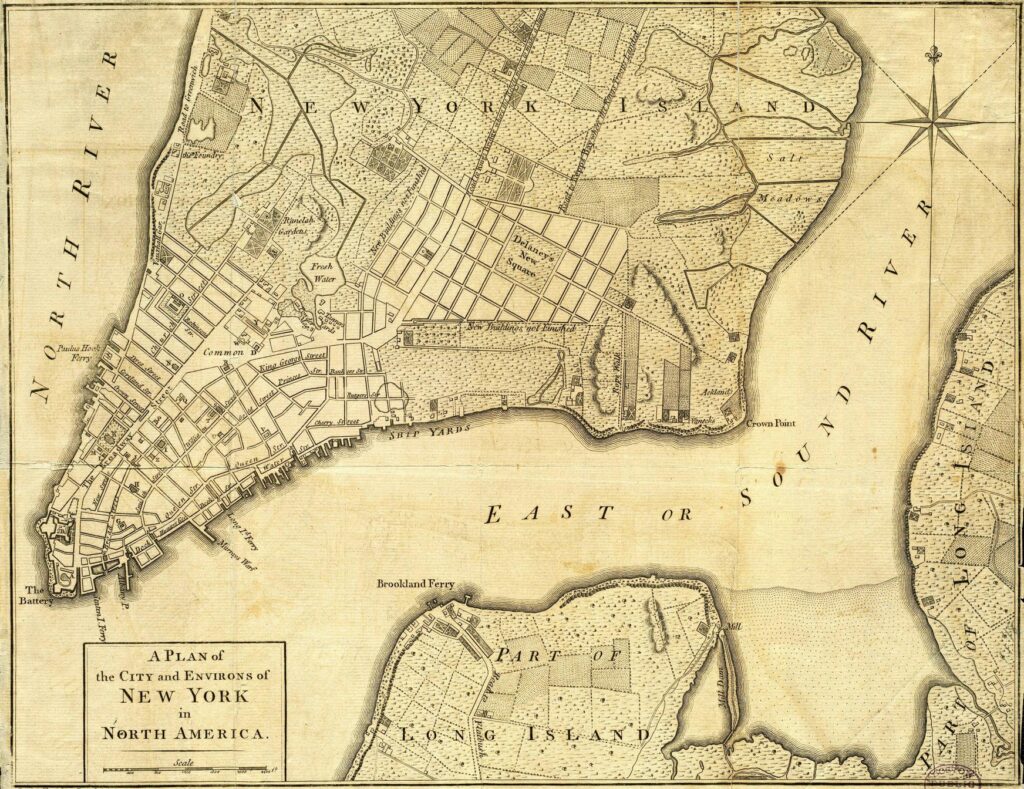
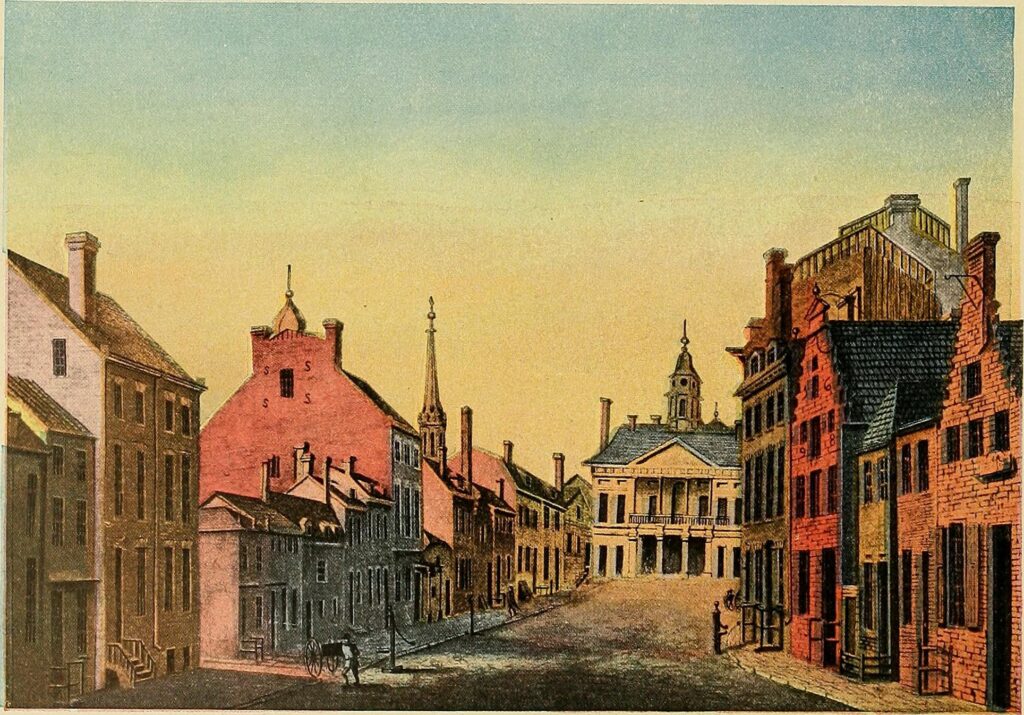
James Duane’s New York City, 1776

Regardless, he would be a member of Second Continental Congress all the way through the end of the war and on behalf of New York would even be a signer of the Articles of Confederation, precursor to the Constitution.

During the British occupation of New York, Duane lived at Livingston Manor, a vast estate which today includes modern-day Livingston, New York.
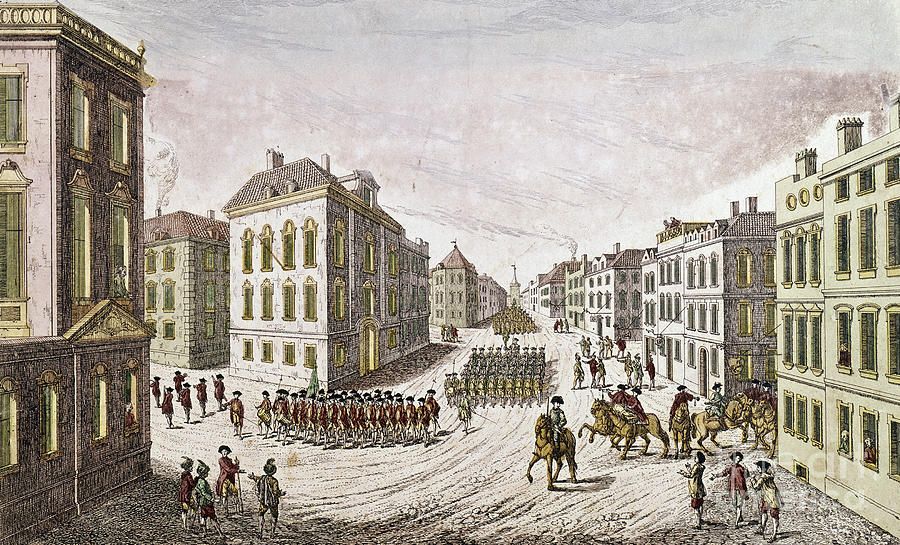

New York during British occupation 1776

Its Loyalists freshly evacuated, the city needed a new leader.

In 1784 Duane was appointed Mayor of New York by a slate of state officials called the Council of Appointment, led by Governor George Clinton.

This council didn’t just select the city’s mayors; it selected every office in the state. It would be decades before mayors were actually elected into office by the people.

Duane moved his family to a family estate right outside the city — a farm that would become Gramercy Park thirty years after his death.

According to A Godchild of Washington by Katherine Schuyler Baxter (written in 1897):

In a letter of James Duane to his wife, after the Revolution, he alludes to this farm and the beautiful grounds with the fish pond and fountains. The house having been occupied by British officers during the War the letter says ‘you will find the cellars in most excellent condition and the wine bins in good repair, the house has suffered but little.’

City Hall became Federal Hall.

The new mayor oversaw a massive shift in Manhattan’s well-being; while the evacuation of the British and their sympathizers left a serious economic vacuum, the city also took its first steps win defining its urban character.

For Duane’s entire tenure, New York would be the new country’s seat of federal government — first as home of the Confederation Congress, then as the location of the new government under the U.S. Constitution.

In fact Duane’s legacy as mayor would be largely overshadowed as the foundations of the United States were built around him.

City Hall would become Federal Hall in these years and the overcrowded government building — over 75 years old already by the time Duane took office — was hastily enlarged in 1788 to accommodate these extra politicians.
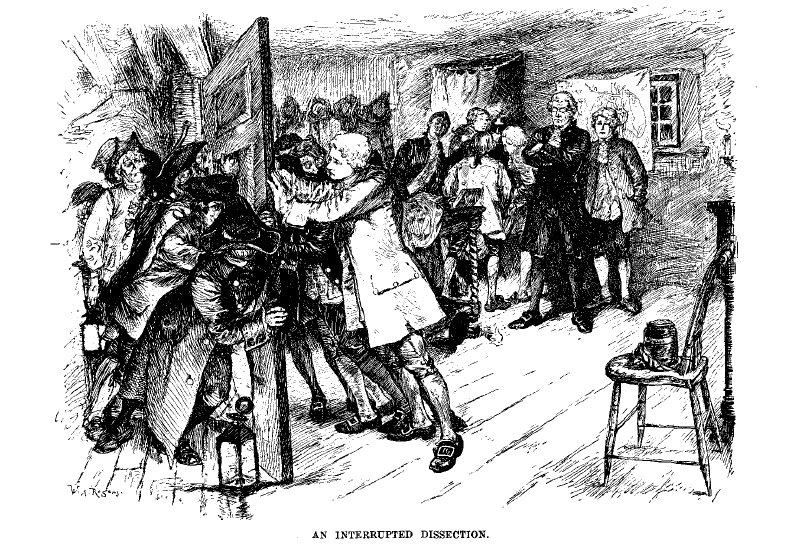
Angry New Yorkers storm the hospital. Wood engraving by William Allen Rogers

Meanwhile in the spring of that year, Duane intervened in one chilling incident involving grave robbers and medical students at New York Hospital, an incident today known as the Doctor’s Riot.

An angry mob, enraged that the local cemetery had been pillaged for cadavers, stormed the hospital and, eventually, Columbia College. Several officials, including Duane, urged restraint. When the mob attacked the officials — injuring John Jay in the process — Duane took action.

According to Gotham by Edwin G. Burrows and Mike Wallace, “Duane summoned a troop of militia to disperse the crowd and was met with another shower of missiles. Baron von Steuben, also struck in the head and bleeding profusely, shouted, ‘Fire, Duane! Fire!’ Duane, or perhaps [Governor] Clinton, gave the order. The first volley killed three rioters outright and wounded many others. Before a second could be fired, the crowd had scattered.

Governor George Clinton who possessed most of the power in post-Colonial New York.

While Duane threw himself into the job — he was praised by his critics for his charity and “good judgement” — his power was limited. Governor Clinton and his Common Council (an early version of City Council) controlled his salary and could veto his decisions on a whim.

In 1785 he was also a founding member of the New-York Manumission Society, an abolition organization headed by John Jay that eventually included Alexander Hamilton and Governor Clinton.

This despite the fact that Duane would own at least one enslaved person after this date:

His 1790 census record, in New York City, shows his family consisting of 2 Free White Males aged 16 and older, 2 FWM under 16, 6 Free White Females, and 1 slave.” [wiki]

(Most of the members were slaveholders including Jay and Clinton. In 1799, Jay, as governor of New York, would sign the Act for the Gradual Abolition of Slavery into law.)
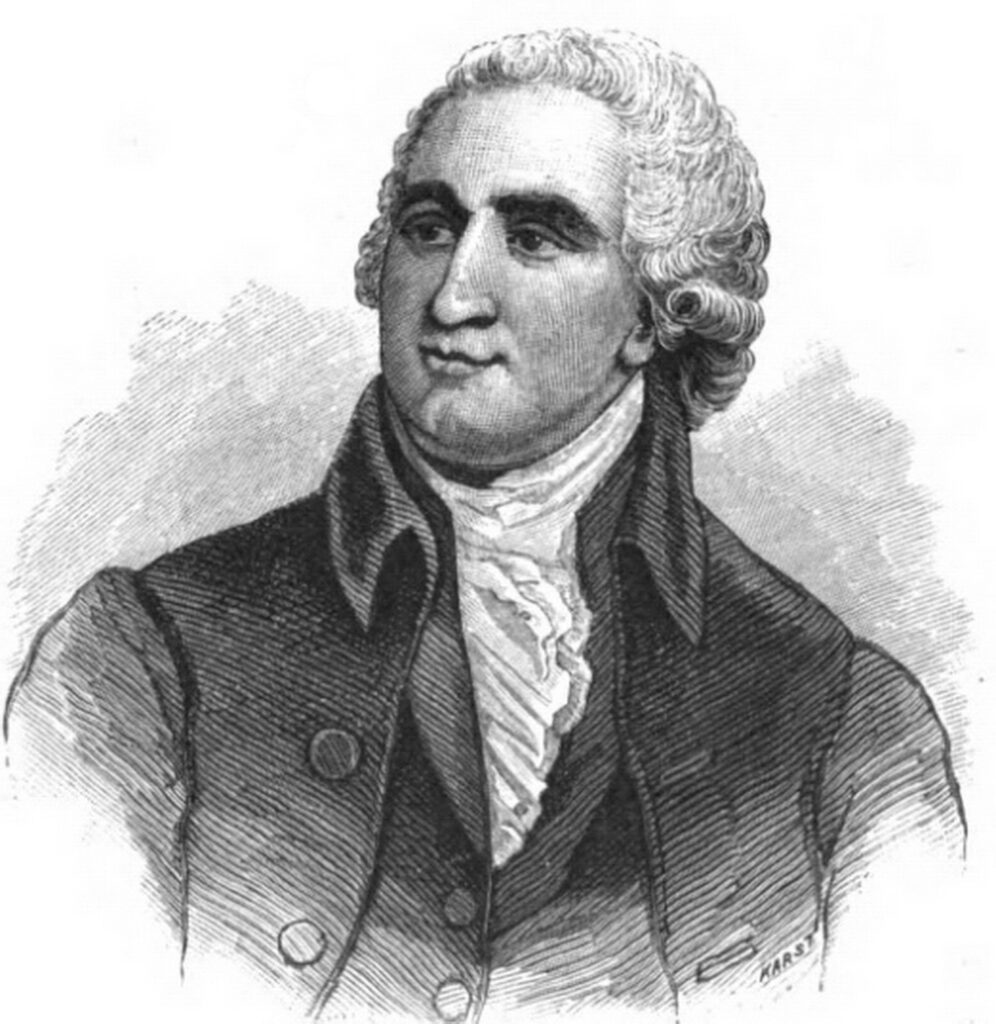
James Duane — February 6, 1773 – February 1, 1797

By the end of administration in 1789, Duane was governing over a city of 25,000 citizens. After the wounds of war, New York was at last recovering.

After Duane’s five one-year terms, the mayor’s seat went to another attorney with even greater ties to the Revolutionary War — Richard Varick.

Duane’s next appointment was more prestigious — one of the nation’s first federal judges on US Circuit Court in New York, nominated for the position by President George Washington himself. (It helped to rub elbows with the new president in the cramped quarters of Federal Hall.)

Duane died on February 1, 1797, on an inherited land grant in upstate New York that he had developed into a township and where he spent his final years. Its name, appropriately, is Duanesburg.

Most New Yorkers are familiar with James Duane today — not for his accomplishments but for the street named after him. Duane Street runs through lower Manhattan today just a couple blocks north of today’s City Hall.

The drug store Duane Reade takes its name from Duane Street.

This article is based on an original post from December 2007.
Categories
Know Your Mayors

A short history of New York City mayors who ran for President of the United States

Last week former mayor Michael Bloomberg very unofficially — and somewhat belatedly — entered the 2020 presidential race by filing paperwork for next year’s Alabama primary. This over a month after current New York City Mayor Bill De Blasio entered and dropped out of the race this year, never catching fire with the Democratic electorate.

Is Bloomberg really running? If so, this would make David Dinkins the only previous living mayor of New York City never to have run for the highest office in the land.

And it begs the question — is it even possible for the leader of the biggest city in America to step up to the role of Commander In Chief?

Precedent tells us no. Not one New York City mayor in history who ever actively tried or hinted at being interested in the job ever got it. Indeed it’s difficult — especially in recent years — to even identify any genuine enthusiasm for such presidential runs.

The Road to the Presidency

This is rather unusual as the mayor of New York City has certain responsibilities akin to running an actual country. Our city has a diverse population the size of Austria with immense financial and cultural power. One might expect the job to be a natural stepping stone to the White House.

Mayors of American cities and towns have become president in the past although that biographical detail is usually not a defining aspect of that candidate’s résumé. For instance, Calvin Coolidge tenure as mayor of Northhampton, Massachusetts, was but one of several offices the lawyer achieved on his way to the presidency.

Grover Cleveland was also a mayor (of Buffalo), but it’s his experience as Governor of New York which recommended him for the Office of the President.

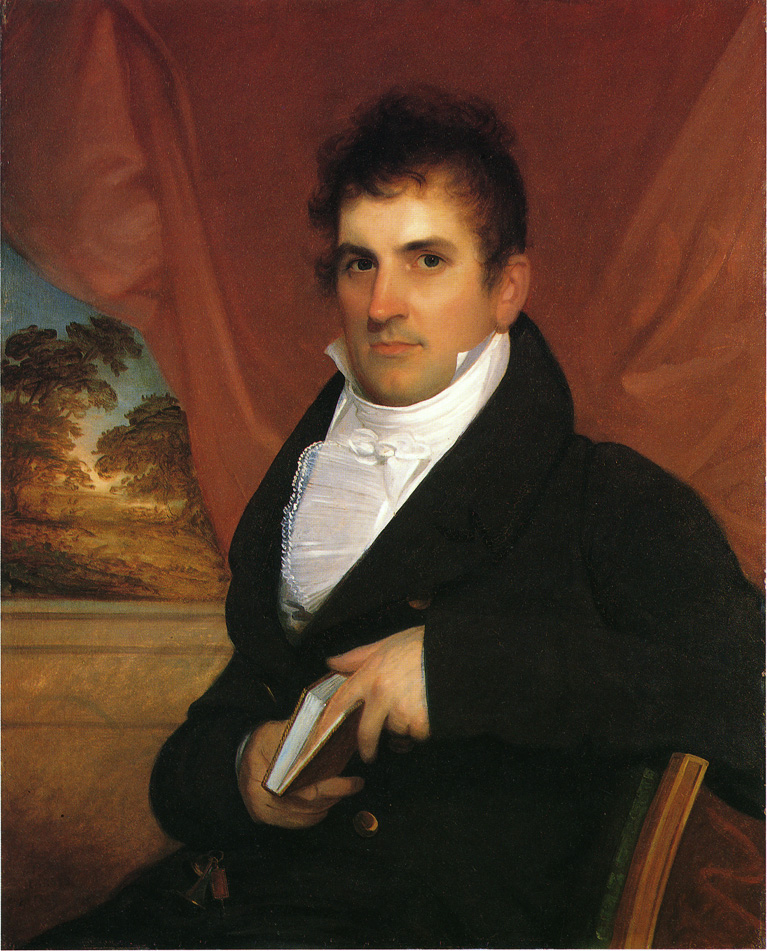
Mayor Philip Hone, in a painting by John Wesley Jarvis, never ran for President but ‘the party mayor’ was close friends with several of them.

Indeed the real road to power is through the office of New York state governor. Four former governors have become president (Cleveland, as well as Martin Van Buren, Theodore and Franklin Delano Roosevelt), four more were vice president (George Clinton, Daniel Tompkins, Levi P. Morton and Nelson Rockefeller) and two have even become chief justice of the Supreme Court (John Jay and Charles Evans Hughes).

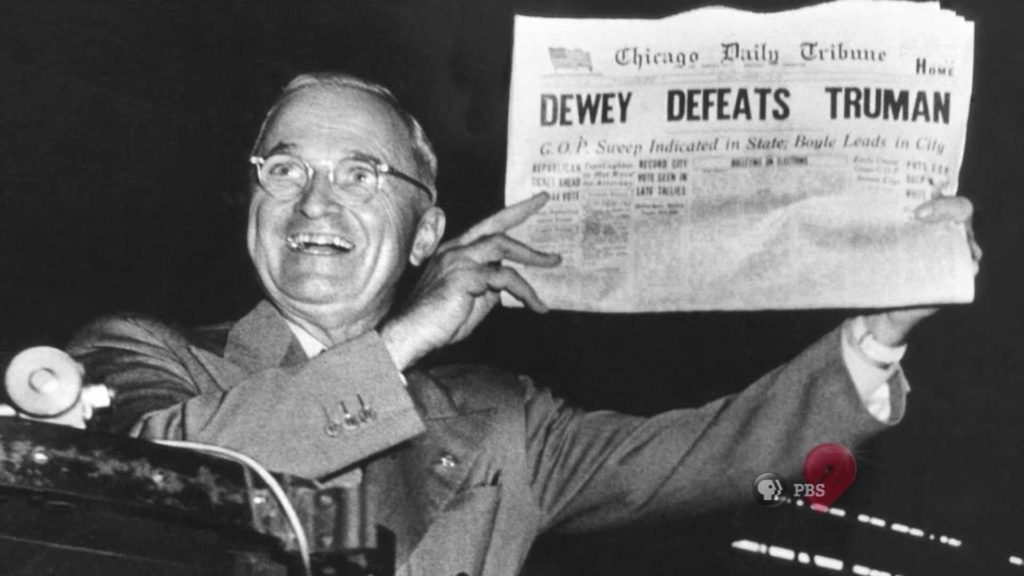
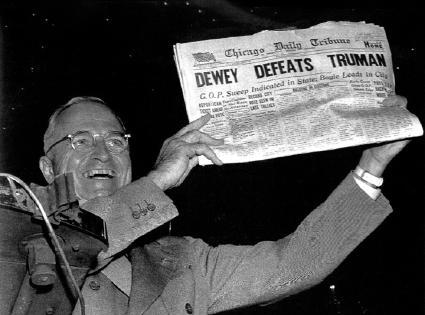
Even those governors who failed to become president did so in a dramatic and historic fashion, such as former governors Al Smith, Samuel Tilden and Thomas Dewey (of the particularly famous photo below).

New York governors often have very interesting failed presidential runs!

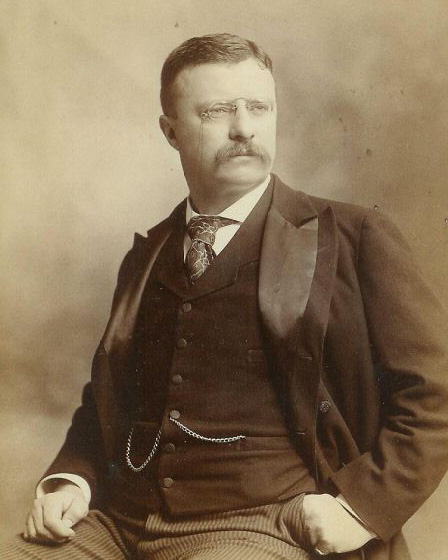
Then you have Theodore Roosevelt who was the New York City police commissioner and eventual New York governor who became the Vice President and then the President of the United States — all in the span of less than seven years.

Courtesy US Navy

But Mayor of New York City? No.

New York City Mayors and the White House

The list of what-ifs and also-rans is long indeed:

Michael Bloomberg — The mayor from 2002-2013 has flirted many times with a presidential run but has never made the leap — until now. Since his first flirtation with a presidential bid, the political world has shifted greatly. The three-term Republican mayor changed his party affiliation to Democrat last year although he seems forever poised to run as a fiscally-minded centrist.

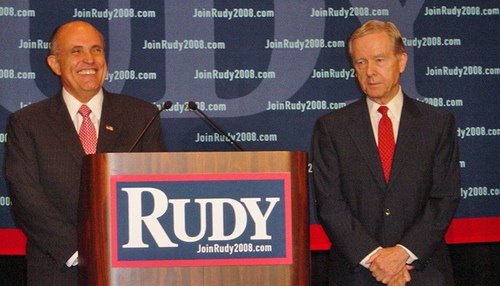
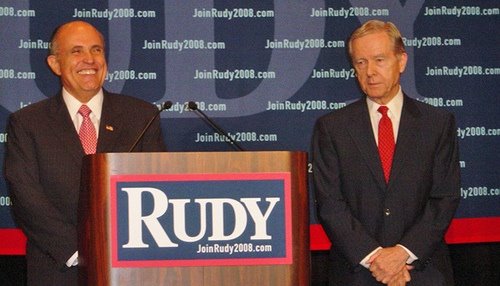
Rudy Giuliani — The mayor from 1994-2001 did run for President in 2008 but stumbled almost immediately after a major Florida miscalculation and never recovered, withdrawing on January 30, 2008.

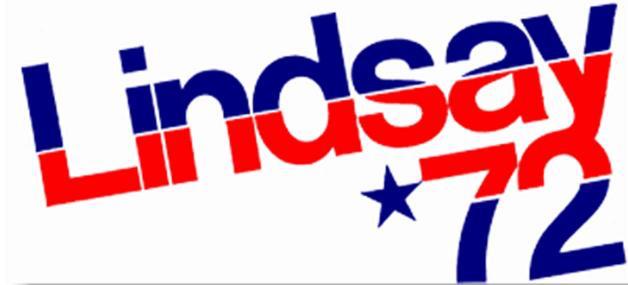
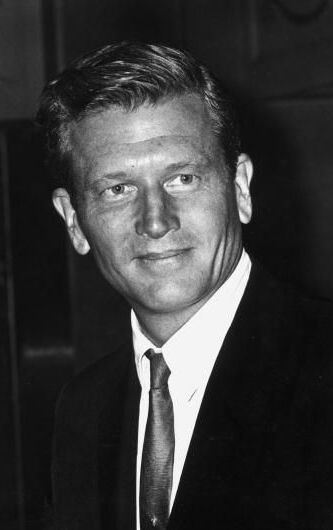
John Lindsay didn’t fare much better than Rudy in his quest for the 1972 Democratic nomination. Starting out of the gate strong, like Rudy he stalled in Florida and eventually dropped out. Given the catastrophic changes to the city in the 1960s ad 70s, it’s not surprising that having ‘mayor of New York City’ on their political resume proved a stumbling block.

Robert F. Wagner (1954 to 1965) never ran for president but was short-listed to be Adlai Stevenson‘s vice president in 1956. Wagner was eventually beaten in balloting by Al Gore Sr. and John F Kennedy Jr. But, in the end, they were ALL beat for the spot by the clearly more popular, always reliable Estes Kefauver.

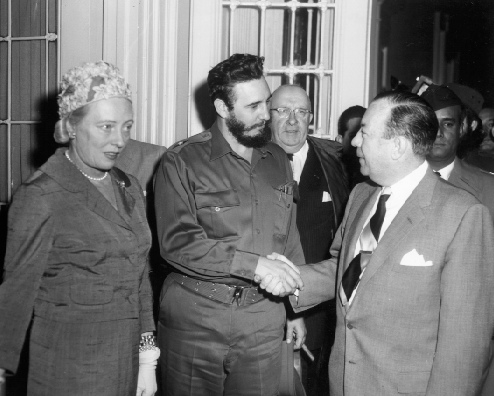
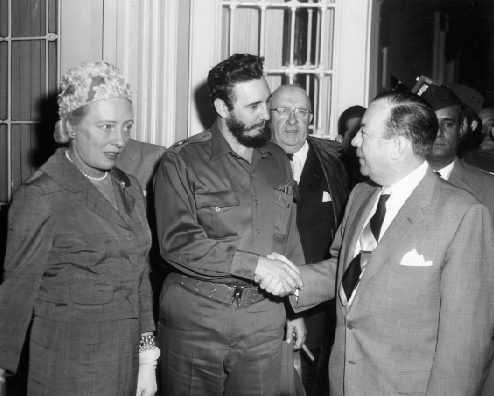
Below: Robert Wagner meets Fidel Castro during his visit to New York in 1959.

Courtesy La Guardia and Wagner Archives

Courtesy La Guardia and Wagner Archives

New York City mayors before World War One were generally considered second tier, even props for political machines. Only a few were politically influential and that was often because of prior connections. You can read all our coverage of past New York City mayors here.

William Jay Gaynor (mayor 1910-1913) was widely considered a potential presidential hopeful, even with an assassin’s bullet lodged in his neck. Had he actually lived through his term as mayor, who knows?

George Brinton McClellan Jr (mayor 1904-1909) was never a presidential candidate but his father and Civil War icon George B. McClellan Sr most certainly was. The Union Army general ran in 1864 against Lincoln during his second term, promising to end the war in the South.

f2012-58-813

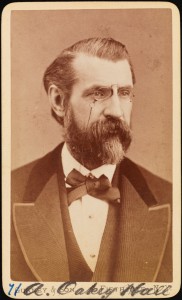
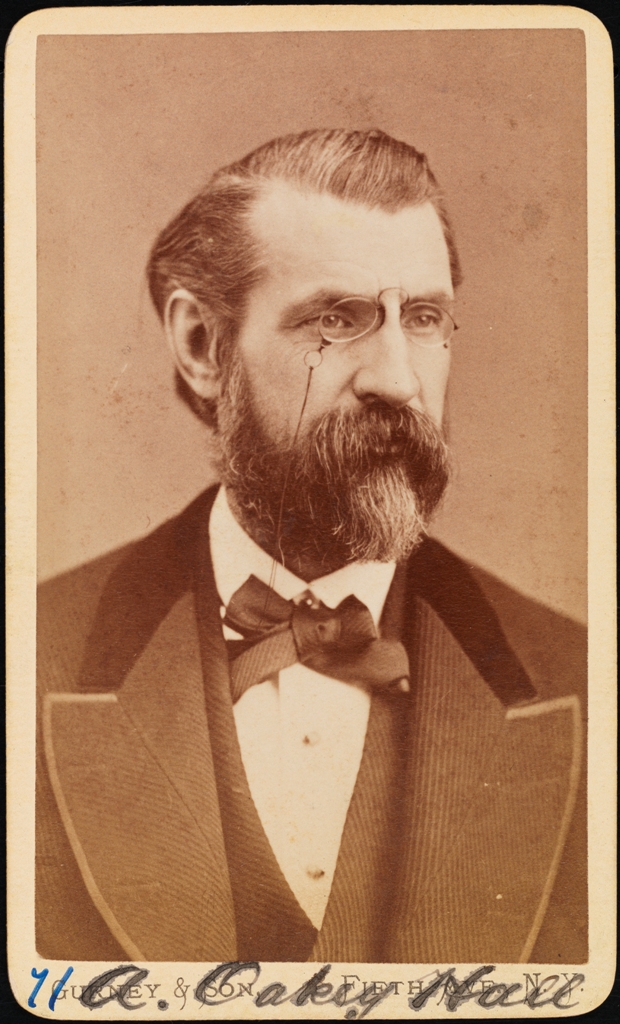
A Oakley Hall (mayor 1869 from 1872) (pictured at left) was as closely tied to the Boss Tweed Ring as a politico could be, but even he harbored presidential hopes. Considering he had to temporarily resign from mayor due to the Tweed scandal, I can’t imagine how much luck he would have had.

DeWitt Clinton (mayor for ten non-consecutive annual terms starting in 1803 ending 1815) collected political positions like postage stamps, but the one he could never lick was the presidency, defeated by incumbent James Madison in 1812. By June, Madison had declared war on England and later fled the White House when the Brits torched it.

How a Mayor gets to the White House

The closest a mayor ever got to a top federal job was Edward Livingston, who became Secretary of State to Andrew Jackson. Which is interesting, as Livingston was literally ran out of Manhattan after his stint as mayor several years previous due to debts and scandals.

For the most part, most politicians who become the mayor of New York City rarely achieve higher elected office. John T. Hoffman is the last individual to be both New York City mayor and then a higher elected position (New York governor in 1869)

John T. Hoffman, a Boss Tweed favorite

This story has been revised from an article which ran on June 25, 2008. Because there’s always a chance, fellow mayors!

Categories
Know Your Mayors

Hey kids! Wanna be president? Don’t be New York mayor.

(This story was originally published in June 25, 2008)

Yesterday was the opening of Campaigning For President at the Museum of the City of New York, a look at the city’s participation in some of the most famous and contentious presidential elections in history. The exhibit will focus on the city’s role in deciding the outcomes, as well as some of the famous New Yorkers who once coveted the White House.

It got me thinking about the recent phantom campaign of Michael Bloomberg and colossally failed one of former mayor Rudy Giuliani. Is it possible for the leader of the biggest city in America to step up to the role of Commander In Chief?

The answer is a big, fat NO, at least so far. Not one New York mayor who ever actively tried or hinted at being interested in the job ever got it. And the list of also-rans is long indeed:

Michael Bloomberg – Excessive hints to the contrary, Bloomberg never officially threw his hat in the ring.

Rudy Giuliani — He did run for President in 2008 but stumbled almost immediately after a major Florida miscalculation and never recovered, withdrawing on January 30, 2008.

John Lindsay (mayor from 1966 to 1973, pictured at right) didn’t fare much better than Rudy in the quest for the 1972 Democratic nomination. Starting out of the gate strong, like Rudy he stalled in Florida and eventually dropped out. Given the catastrophic changes to the city in the 1970s, I’m surprised anybody thought having ‘mayor of New York’ on their political resume would have garnered national favor.

Robert F. Wagner (1954 to 1965) never ran for president but was short-listed to be Adlai Stevenson’s vice president in 1956. Wagner was eventually beaten in balloting by Al Gore Sr. and John F Kennedy Jr. But, in the end, they were ALL beat for the spot by the clearly more popular, always reliable Estes Kefauver.)

Below: Robert Wagner meets Fidel Castro during his visit to New York in 1959.

Courtesy La Guardia and Wagner Archives

William Jay Gaynor (mayor 1910-1913) was widely considered a potential presidential hopeful, even with an assassin’s bullet lodged in his neck. Had he actually lived through his term as mayor, who knows?

George Brinton McClellan Jr (mayor 1904-1909) was never a presidential candidate but his father and Civil War icon George B. McClellan Sr certainly was. Dad ran in 1864 against Lincoln in his second term, promising to end the war in the South.

f2012-58-813

A Oakley Hall (mayor 1869 from 1872) (pictured at left) was as closely tied to the Boss Tweed Ring as a politico could be, but even he harbored presidential hopes. Considering he had to temporarily resign from mayor due to the Tweed scandal, I can’t imagine how much luck he would have had.

DeWitt Clinton (mayor for ten non-consecutive annual terms starting in 1803 ending 1815) collected political positions like butterflies, but the one he could never catch was the presidency, defeated by incumbent James Madison in 1812. By June, Madison had declared war on England and later fled the White House when the Brits torched it.

The closest a mayor ever got to the top job was Edward Livingston, who became Secretary of State to Andrew Jackson. Which is interesting, as Livingston was literally ran out of Manhattan after his stint as mayor several years previous due to debts and scandals.

The real road to power is through the office of New York state governor. Four former governors have become president (Martin Van Buren, Grover Cleveland, Theodore and Franklin Delano Roosevelt), four more were vice president (George Clinton, Daniel Tompkins, Levi P. Morton and Nelson Rockefeller) and two have even become chief justice of the Supreme Court (John Jay and Charles Evans Hughes).

Heck, even those governors who failed to become president did so in a dramatic and historic fashion, such as former governors Al Smith, Samuel Tilden and Thomas Dewey (of the particularly famous photo below).