Categories
Amusements and Thrills Podcasts

The Jersey Shore Shark Attacks of 1916

TERROR ON THE BEACH! Seaside resorts from Cape May, New Jersey, to Montauk, Long Island, were paralyzed in fear during the summer of 1916.

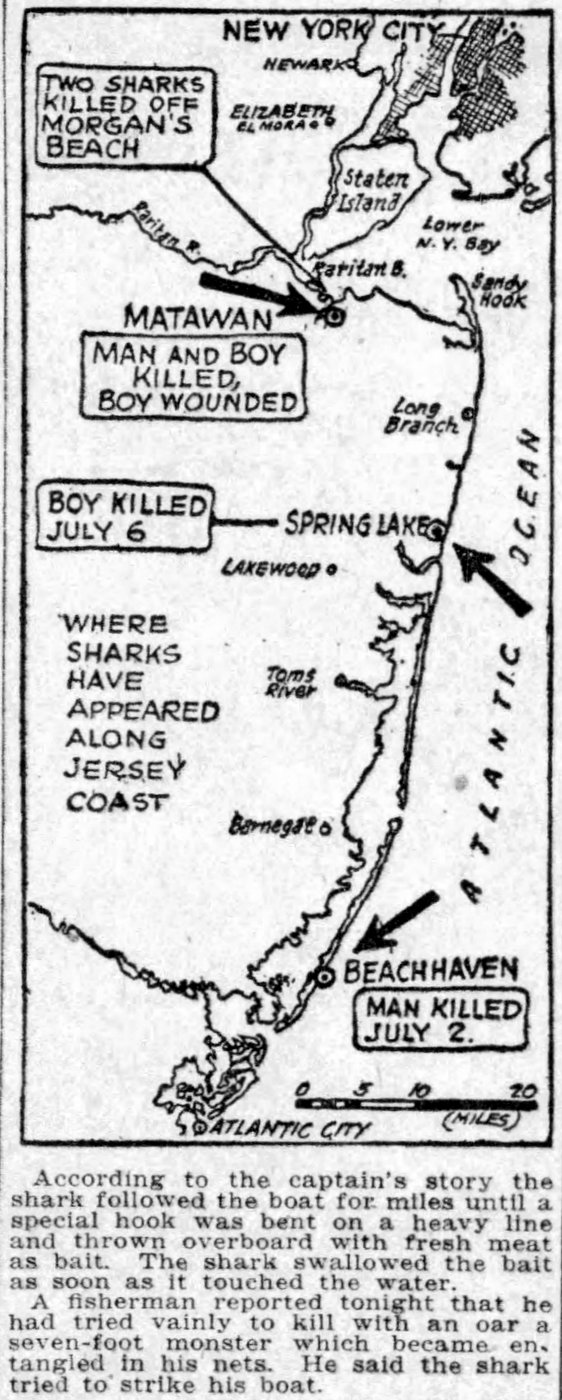
Not because of the threat of lurking German U-boats and saboteurs. But because of sharks.On July 1, 1916, Charles Epting Vansant was killed by a shark while swimming at a resort in Beach Haven, a popular destination on the Jersey Shore.

At first, this terrible tragedy received only limited attention. After all, millions were flocking to the beaches along the Jersey Shore and throughout the New York region — Coney Island, the Rockaways and Staten Island’s South Beach.

Shark attacks were the stuff of pirate legends and dramatic works of art. Most experts were skeptical that sharks were dangerous at all; the Maryland mogul Hermann Oelrichs offered $500 to any person with proof that sharks were dangerous to humans. Nobody claimed the reward.

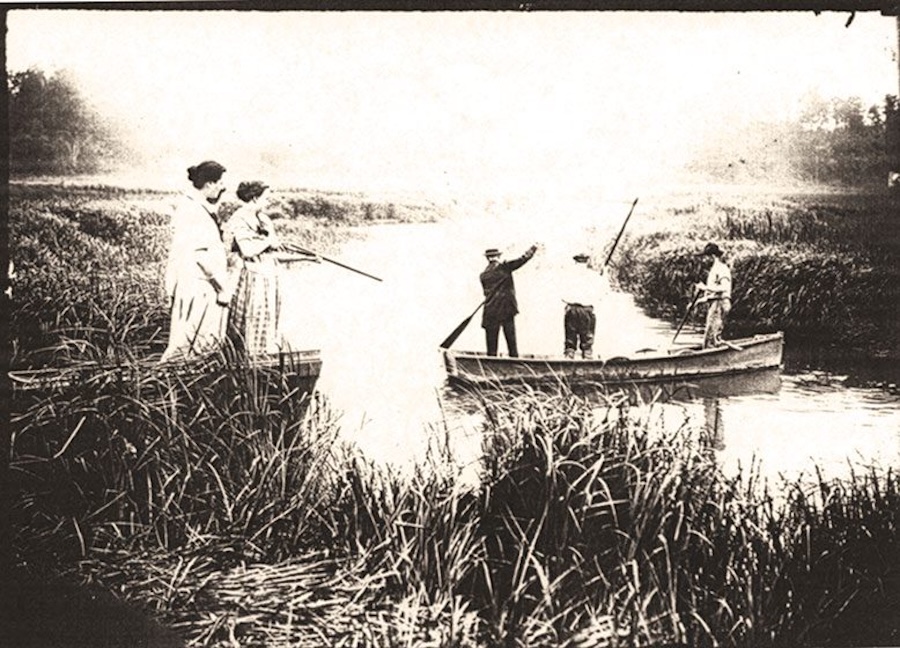
But during that July, sharks did threaten the lives of humans — not only on sandy beaches, but even in tranquil watering holes, several miles inland. What was in the water in July of 1916?

This show contains descriptions of violence related to shark attacks. You’ve been warned.

This episode was brilliantly edited and produced by Kieran Gannon.


The Bowery Boys Podcast is proud to be sponsored by FOUNDED BY NYC, celebrating New York City’s 400th anniversary in 2025 and the 250th anniversary of the United States in 2026. Read about all the exciting events and world class institutions commemorating the five boroughs legacy of groundbreaking achievements, and find ways to celebrate the city that’s always making history.  foundedbynyc.com

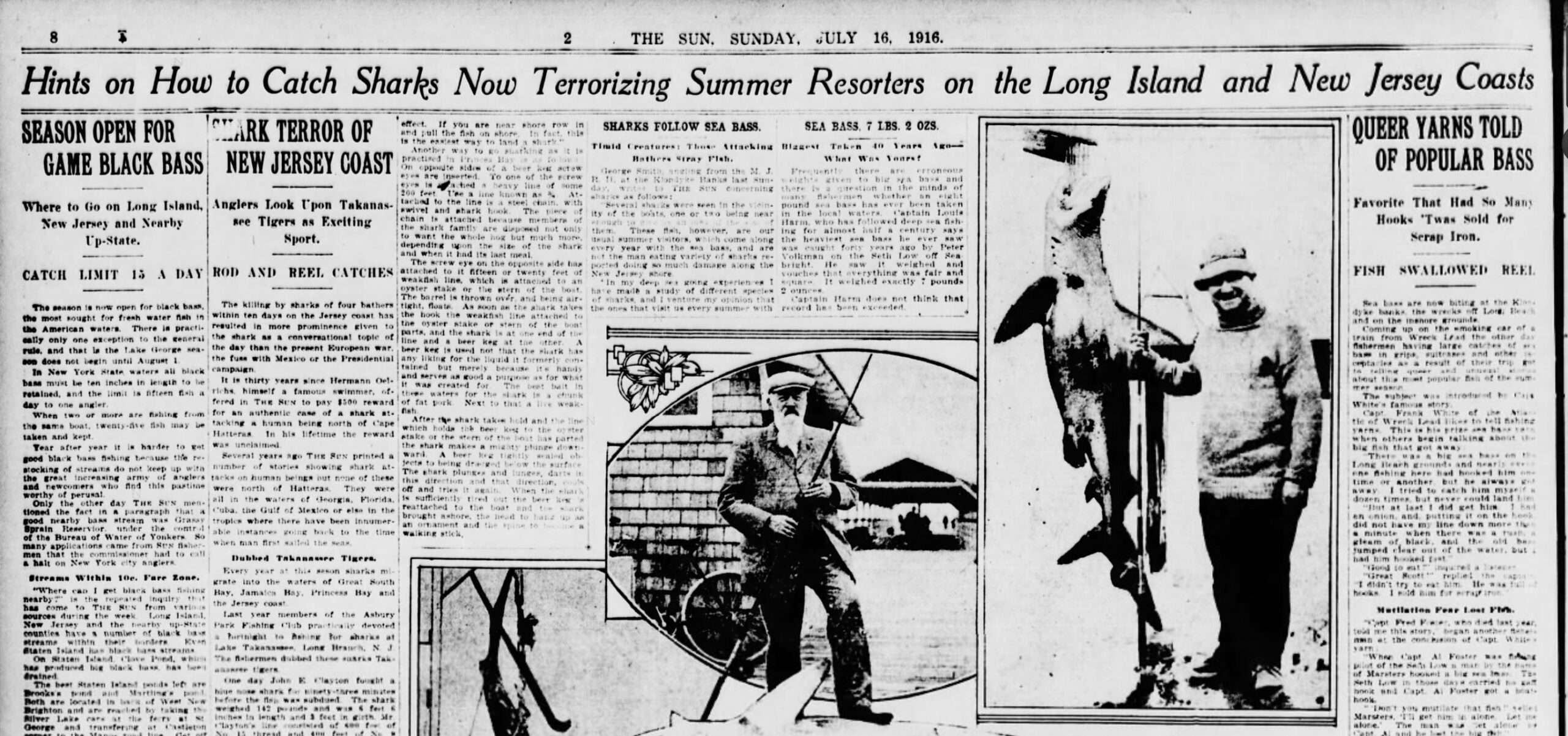
New York Herald, July 16, 1916
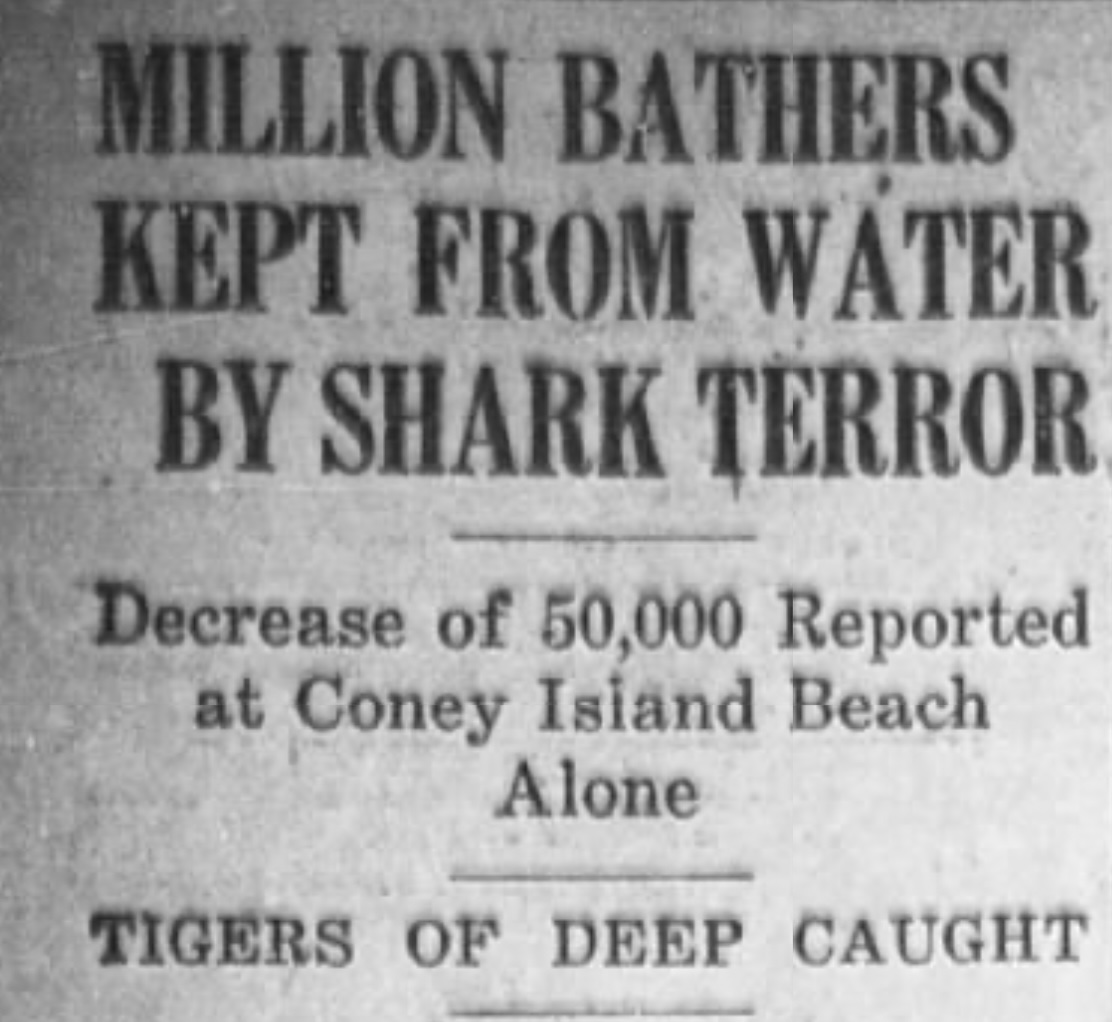
Evening Public Ledger, July 17, 1916
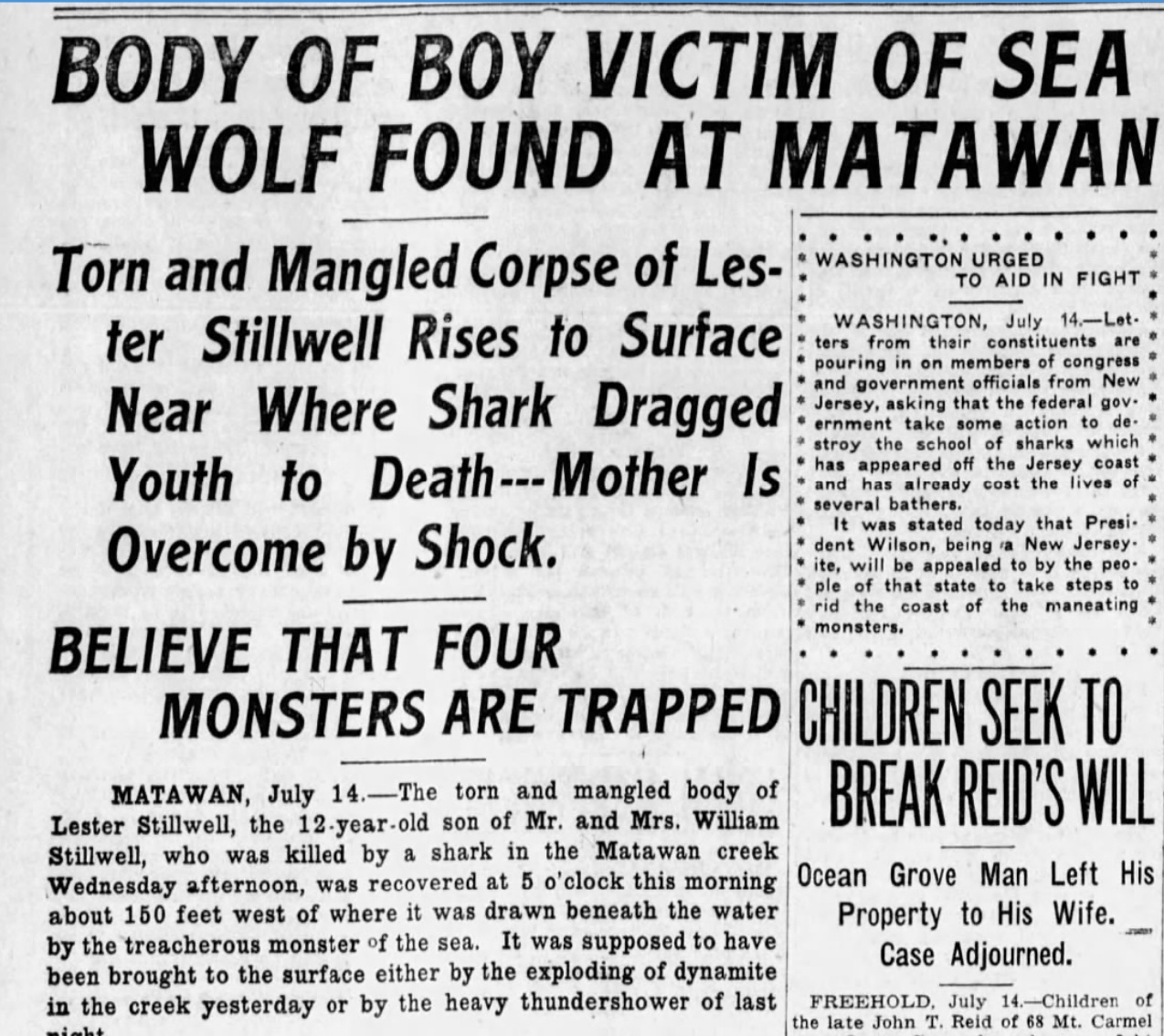
Asbury Park Press, July 14, 1916

FURTHER LISTENING

After you listen to this show, check out these episodes of the Bowery Boys podcast with similar themes.
Categories
Brooklyn History Neighborhoods

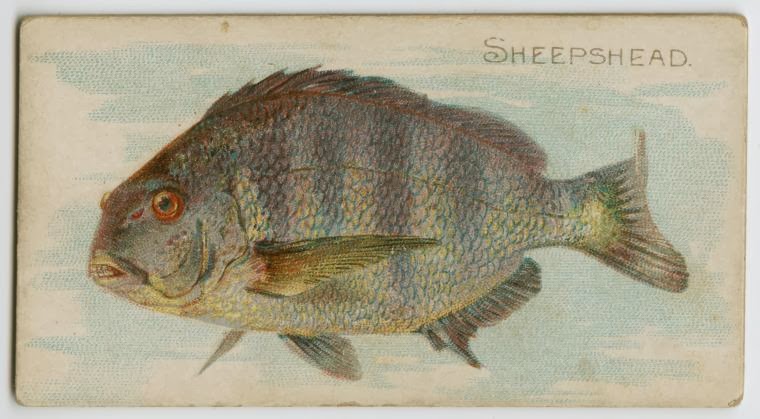
No sheep in Sheepshead Bay, but lots of fish with human teeth

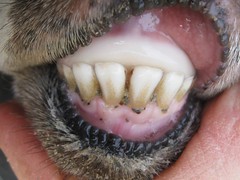
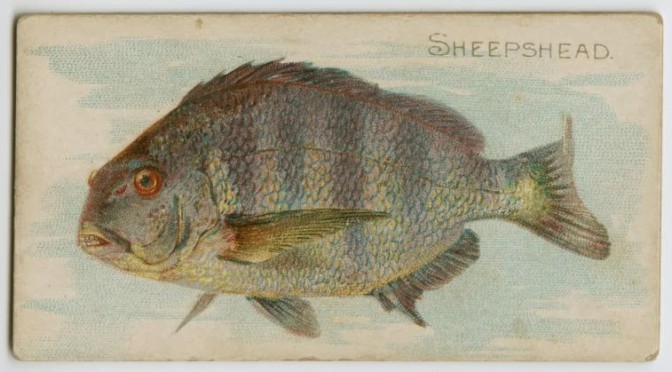
The sheepshead is a common variety marine fish known for its distinctive black stripes and a very scary looking set of teeth.  If you look too long at it, you will have nightmares tonight.  Some believe the fish’s unusual name comes from the notion that its teeth actually look like those of adult sheep.  I personally don’t see it, but you can compare here and here.

What we do know, however, is that the Sheepshead lends its name to one of Brooklyn’s loveliest places — Sheepshead Bay and the adjoining neighborhood.of the same name.

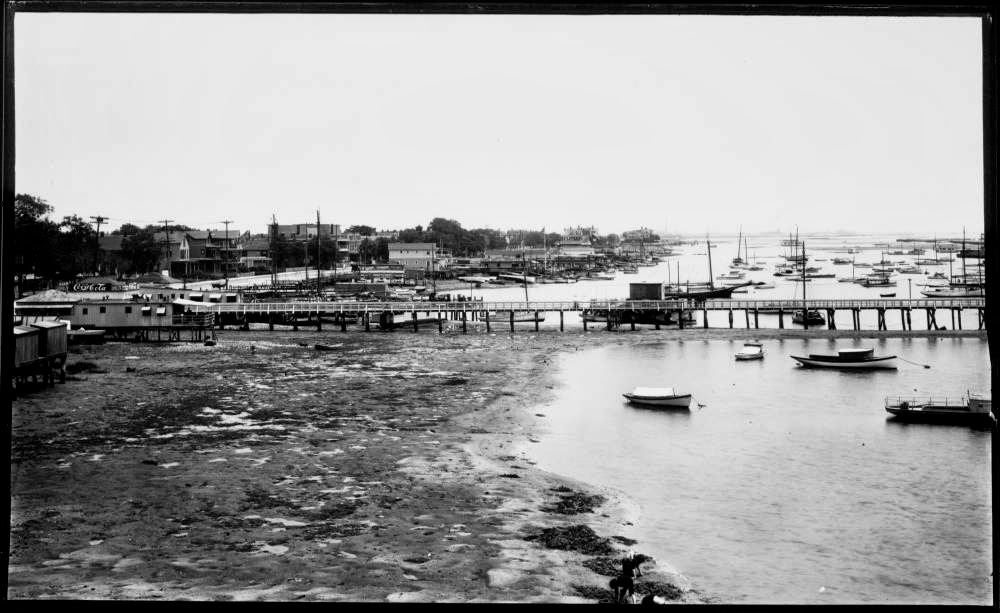
Below: Sheepshead Bay in 1905 (courtesy George Eastman House)

But who thought to name the area after one of its common aquatic residents?  We can probably bestow that honor onto Benjamin Freeman, who owned much of the land around the bay and became one of the first entrepreneurs to open a hotel here in 1844.  He called his establishment The Sheepshead, adorning the front with a large picture of a sheepshead.  This decision by Freeman would forever give the area its unusual name.

During the mid and late 19th century, the bay area would never hold the same luxurious reputation as Brighton Beach and Manhattan Beach to the south.  Its hotels and recreation spots had a less respectable appeal, though not without certain charms.

 A 1870 roundup in the Brooklyn Daily Eagle of Sheepshead Bay offering sings the praises of  the Union, “the largest hotel in the bay,” owned by a Brooklyn congressman Patrick Burns, a place of rambunctious entertainments.  From an 1873 report in the New York Tribune:  “[N]umerous roughs from New York and the Fifth Ward of Brooklyn were leaving in coaches to Burns Hotel in Sheepshead Bay to witness a prize-fight.”

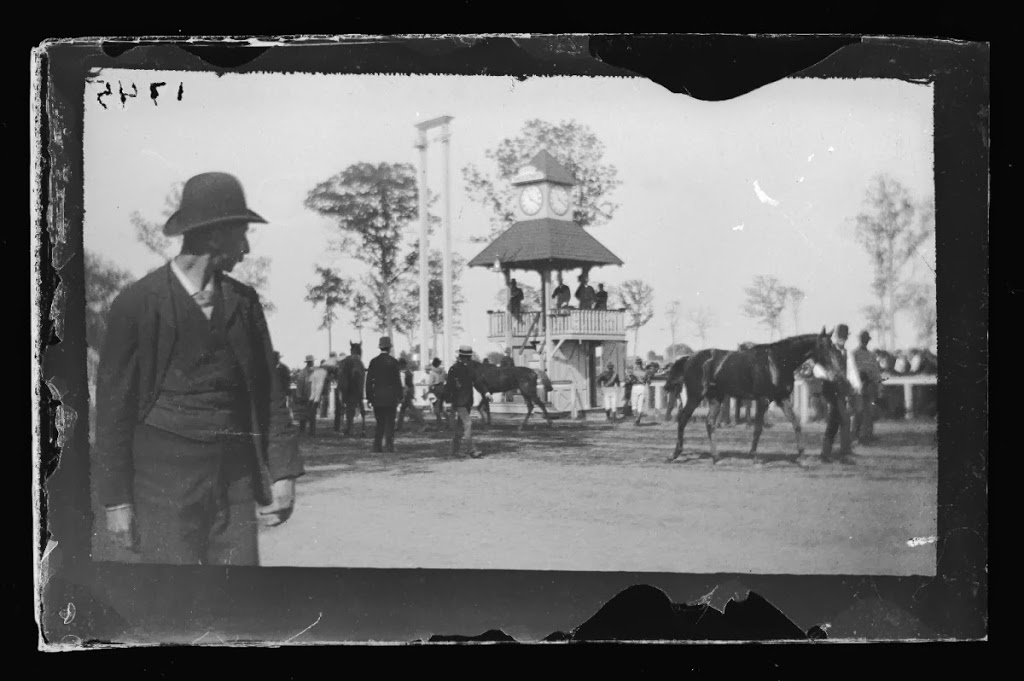
Below: The Sheepshead Bay racetrack, taken by George Bradford Brainard, courtesy the Brooklyn Museum

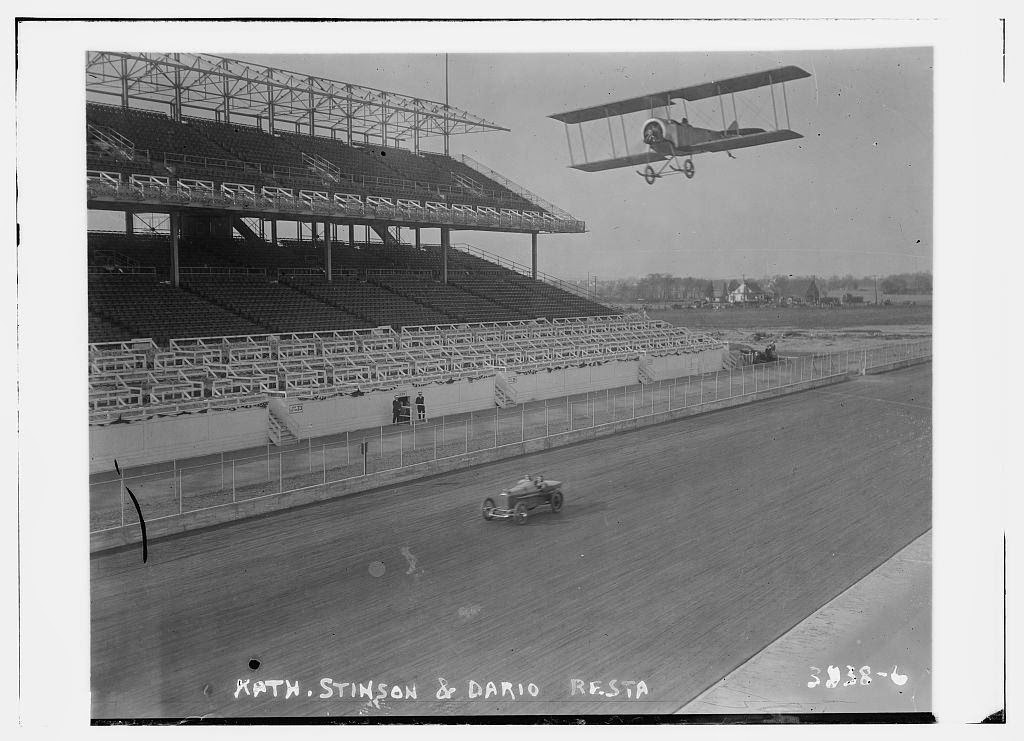
Sports would always define the early recreations of Sheepshead Bay, and not just fishing and boating pleasures.  In 1880, one of America’s great horse-racing tracks was constructed here, a popular draw due to the Gilded Age moguls who funded the venture, including the godfather of horse racing August Belmont Jr.  When racetrack betting became illegal in the 1910s, the track was refitted for auto racing.

And, as you can see below, sometimes stunt airplane acrobatics!  This image, from the Library of Congress, shows a Sheepshead Bay ‘race’ between two very modern devices — an automobile driven by Italian racing legend Dario Resta and an airplane steered by pioneering pilot Katherine Stinson.

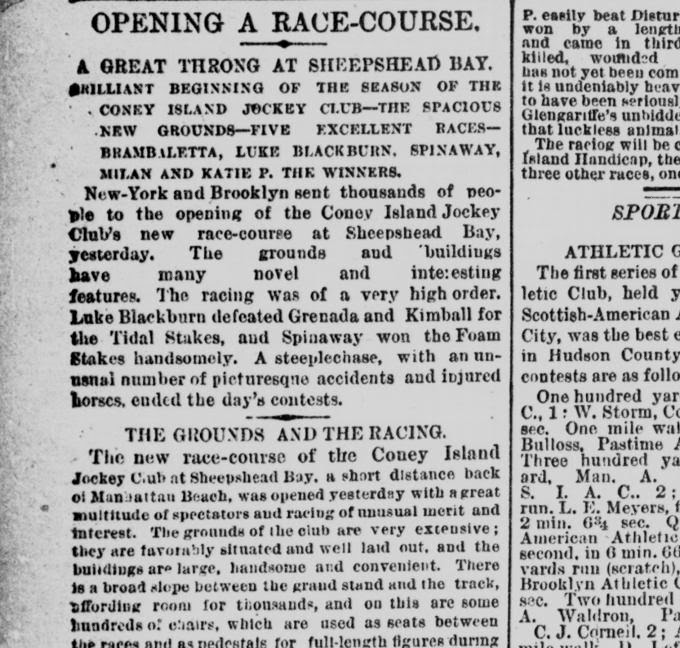
Below: From the June 1880 opening of the Sheepsead Bay Race Track.  Note this disturbing sentence: “A steeplechase, with an unusual number of picturesque accidents and injured horses, ended the days contests.”

Fish picture at top from a cigarette card, courtesy NYPL