Categories
Podcasts

PODCAST: Staten Island: A Brief History

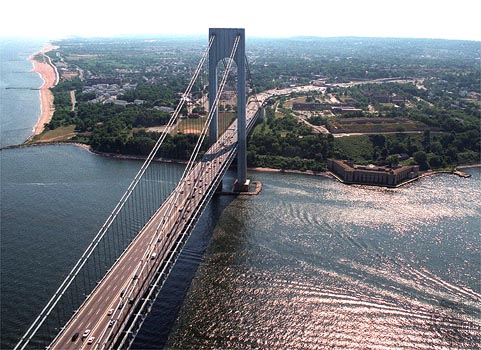
(flying over the Verrazano-Narrows Bridge)

The Bowery Boys take on the history of New York City’s most ‘forgotten’ borough, from its beginnings as a British outpost during the Revolutionary War to the controversy over that big stinky landfill. And we do it all in exactly the time it takes the Staten Island ferry to take you across the New York harbor! (No really, try it!)

Listen to it for free on iTunes or other podcasting services. Or you can download or listen to it HERE

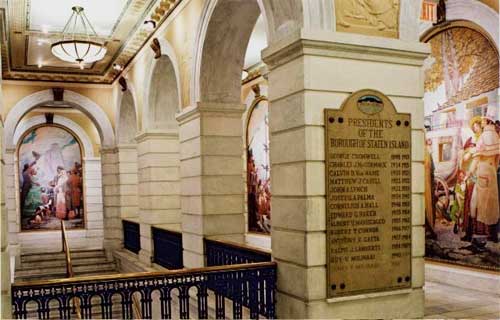
Take a look at the list of top 100 historical moments in Staten Island history that we mention in our podcast. By the way, here’s a peek inside Staten Island Borough Hall, which we mentioned was designed by Carrere & Hastings, best known for the New York Public Library.
And on to the final part in our Staten Island Snug Harbor series (other parts can be found here):

(A Neptune fountain on the front lawn, which would not look out of place in Rome)

Modern Snug Harbor offers the community a wide variety of cultural functions. In fact, the afternoon I was there, Snug Harbor was host to a regional American Girl Fashion Show. I would have taken some photographs of this unusual event — you can get the general idea of what an American Girl Fashion Show is like here — however it might have been a bit odd for a single man with a camera to be walking around taking pictures of young girls with their dolls.

The most dynamic of Snug’s new additions is the Staten Island Botanical Garden, sprouting up on the vast Snug Harbor campus in 1977, first as a traditional English garden, but quickly diversifying. I took a stroll last weekend, which was an odd time for a garden. Most of the budding flowers had disappeared, and the leaves were only beginning to change. I would recommend hitting Snug Harbor over the next couple weekends to experience the fall colors.

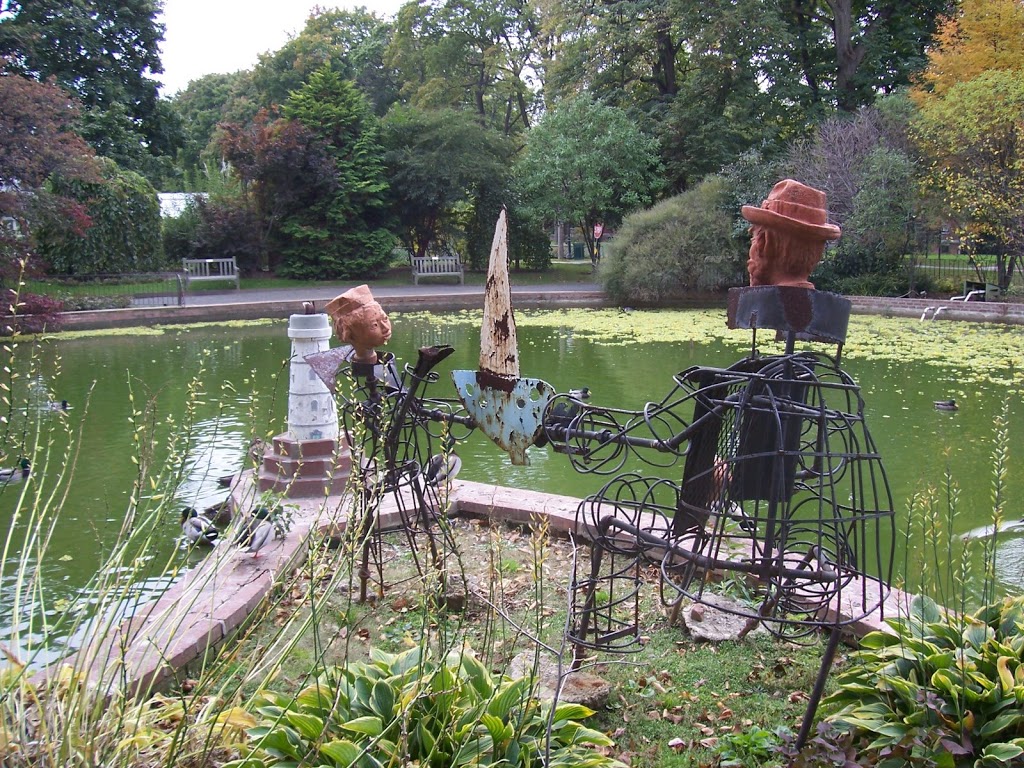
The Pond Garden was actually overrun with ducks, more than I could count actually, all encircling this curious sculpture:
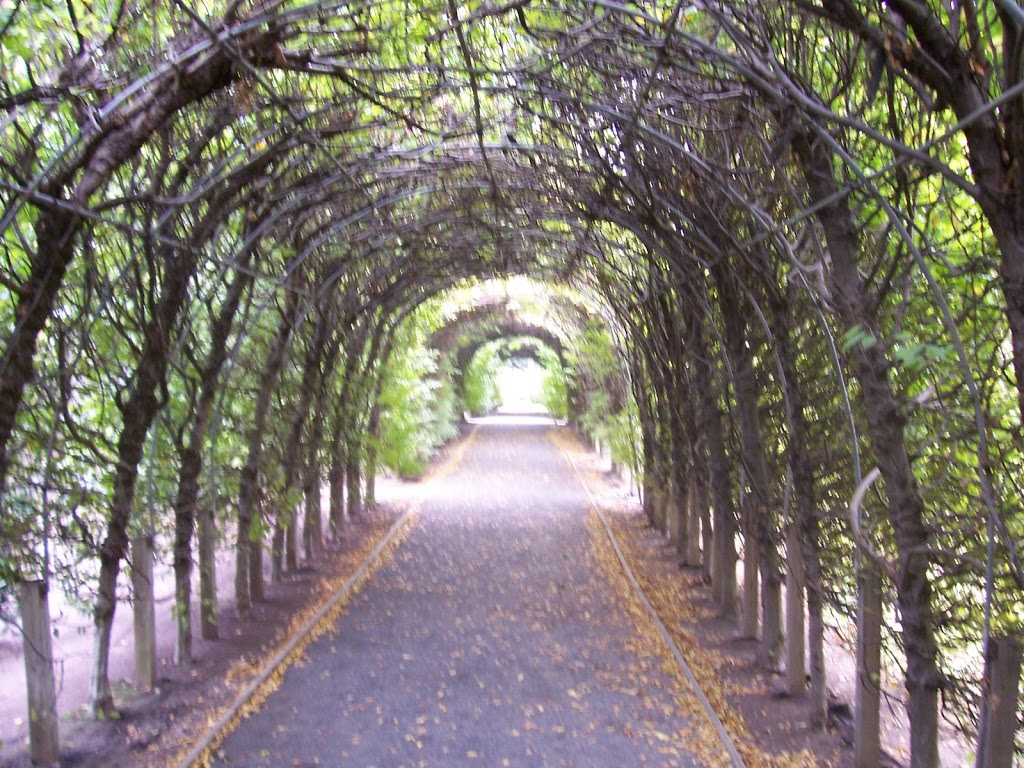
The canopied allie, planted in 1997, is created by the conjoining 120 European hornbeams, creating a disorienting path.
The path leads to the most sobering part of the entire center, the World Trade Center Educational Tribute. Created in 2003 to honor the residents of Staten Island killed in the 9/11 attacks, this small museum features a wall of victims and biographies, some eyeopening photos and artifacts from the tragedy. A very kind member of the fire department awaits inside to answer your questions. Its very intense inside, as you can imagine.

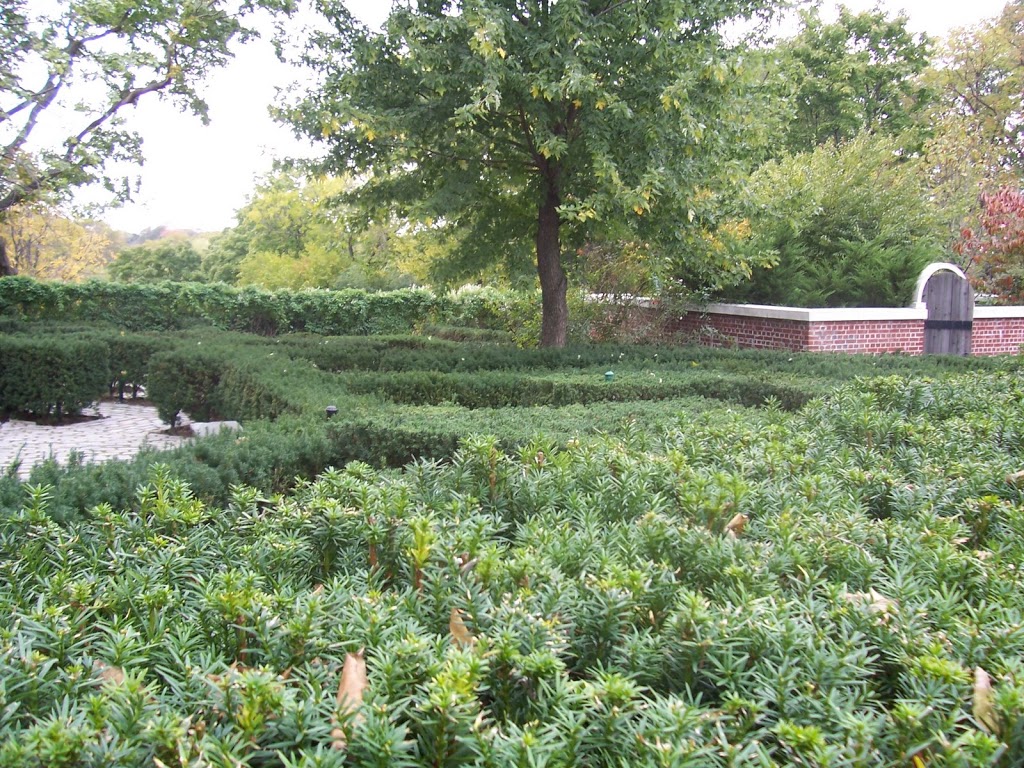
You might need to weave yourself through this hedge maze to take your mind off of some of the disrupting images. Although clearly designed for children — i.e. I didnt exactly get lost through it — it’s apparently the only maze of its type in New England. Who knew?
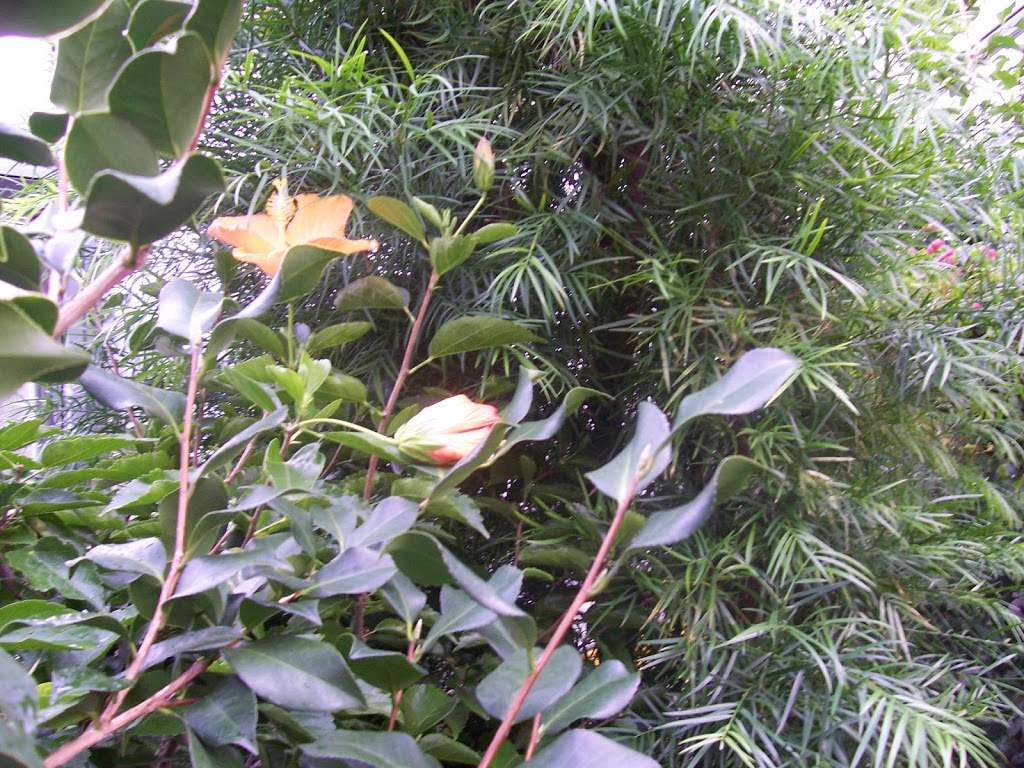
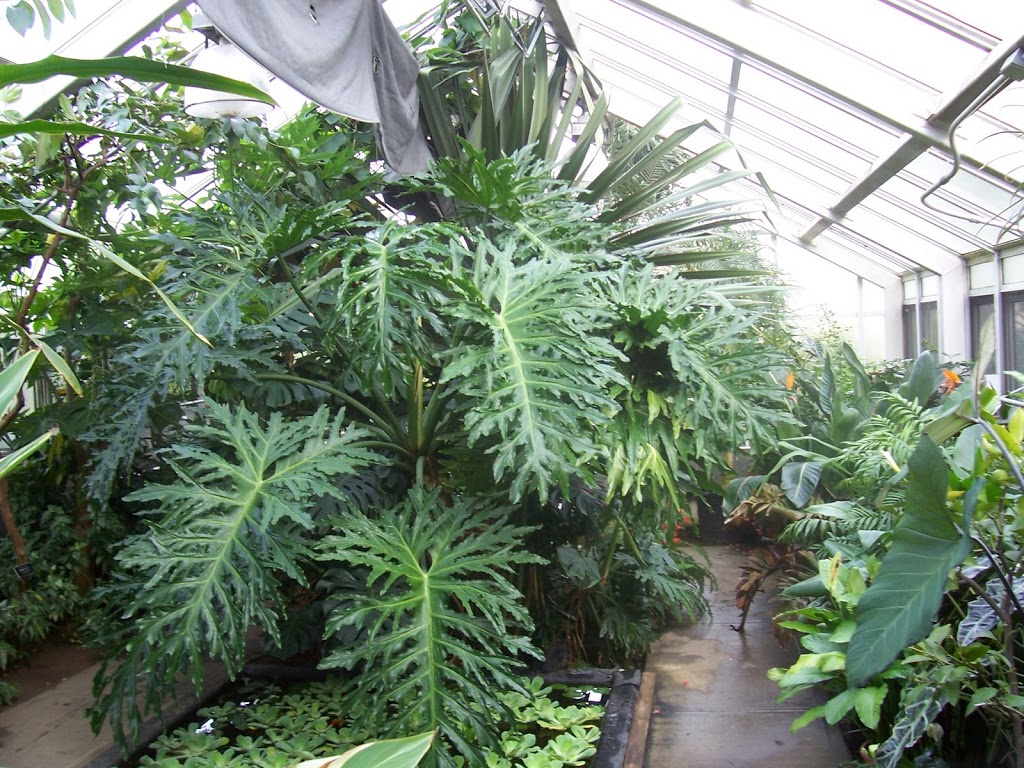
As it was slightly chilly when I strolled around, I obviously welcomed the Carl Grillo Glass House, with its three heated zones for arid, tropical and temperate vegetation, as well as a healthy selection of orchids.
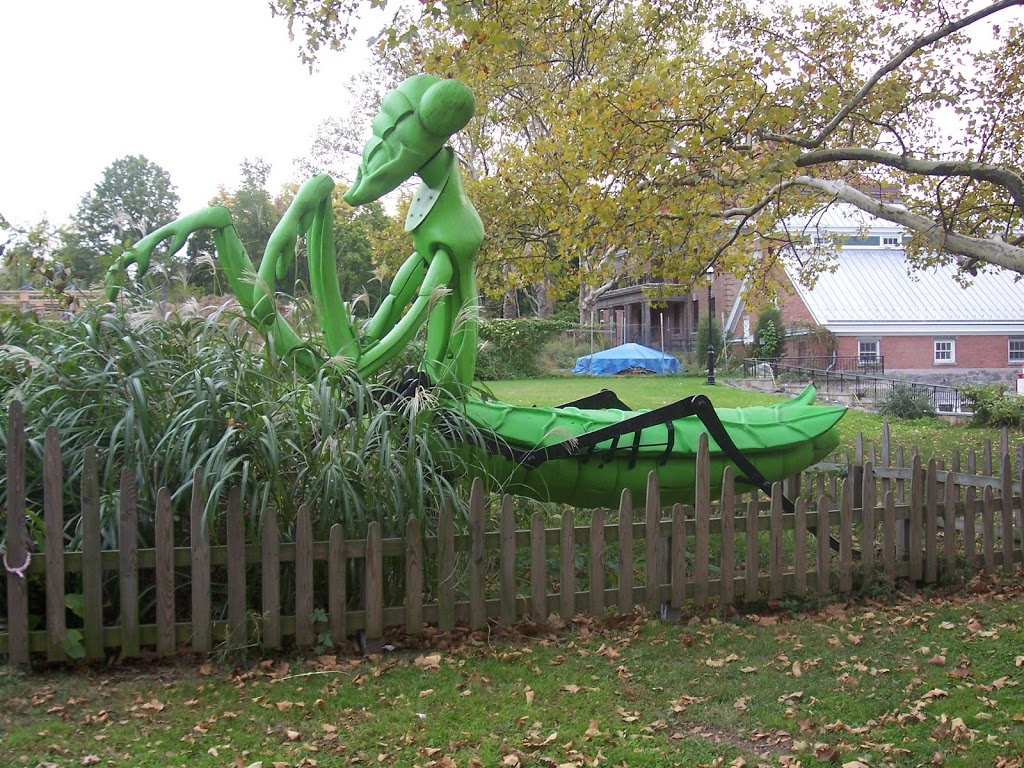
Some of the more modern additions include a childrens museum, guarded by this startling creature:
Along the eastern end are a row of identical former homes, one of which serves as the entrance to the newly built Chinese Scholar Garden. (Unfortunately I was not able to enter this on my visit; however you can view a map of its particular grounds.)
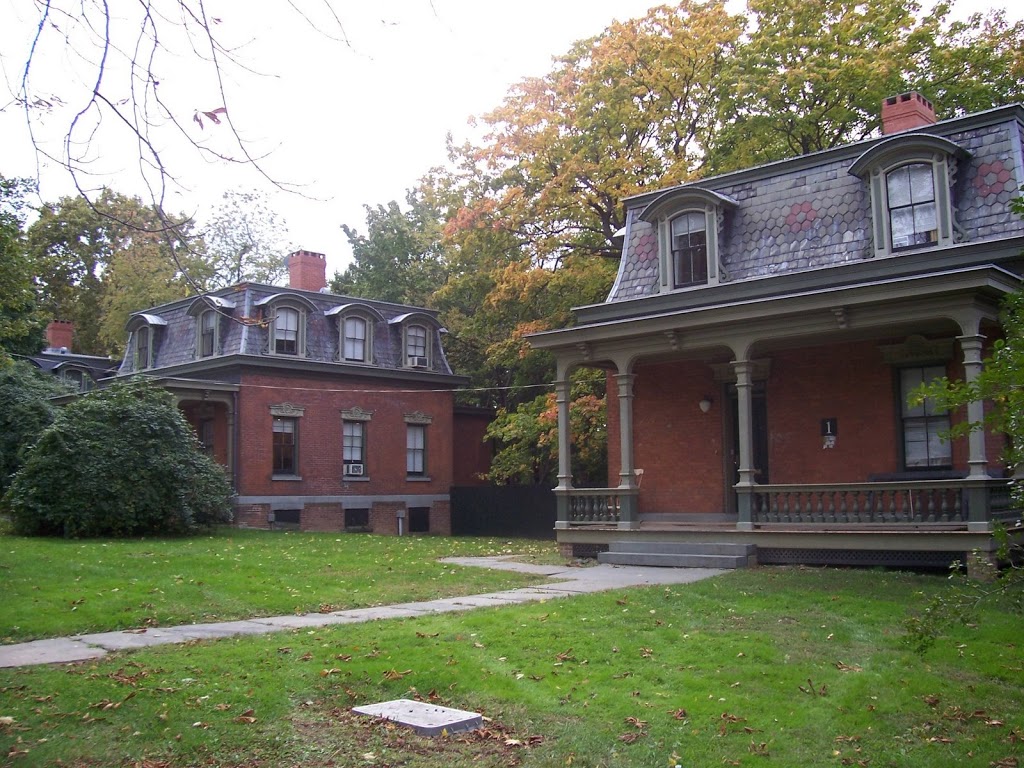
Another of the houses has been converted into a restaurant, Cafe Botanica. Its surreal to eat brunch on a big friendly porch. Inside there’s dining by a cozy fireplace:
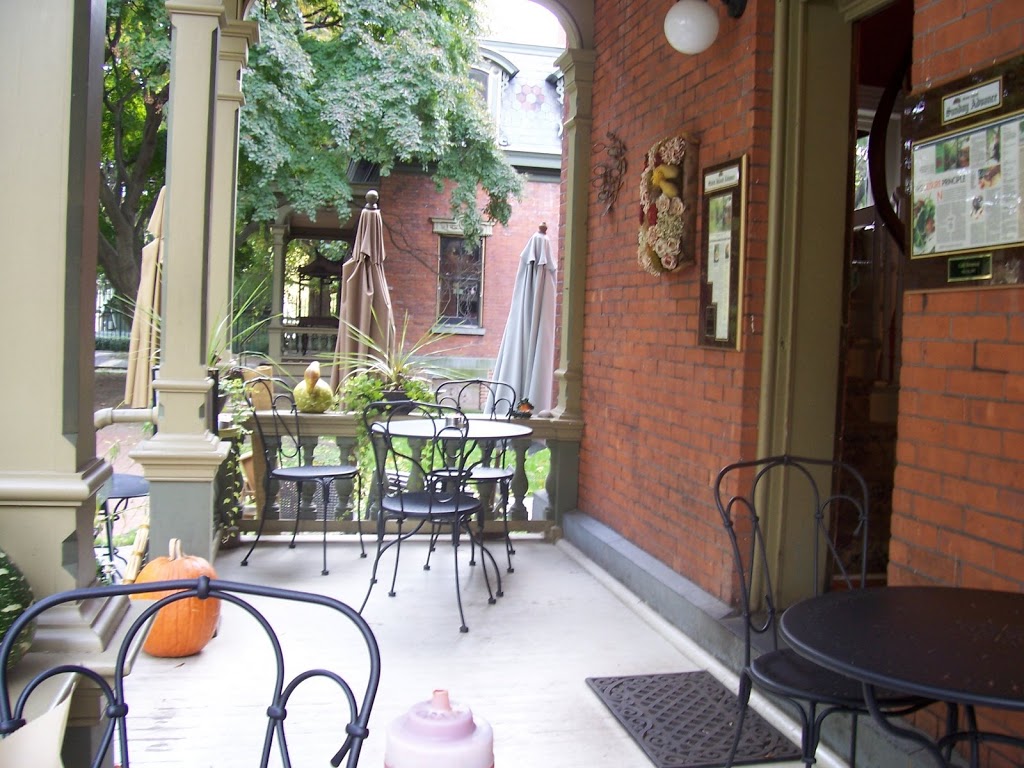
Some parts of Snug Harbor are not currently open, including the healing garden, which is going through an extensive renovation, as is the Italian garden and vineyard. That’s right, a virtual vineyard is on the way!

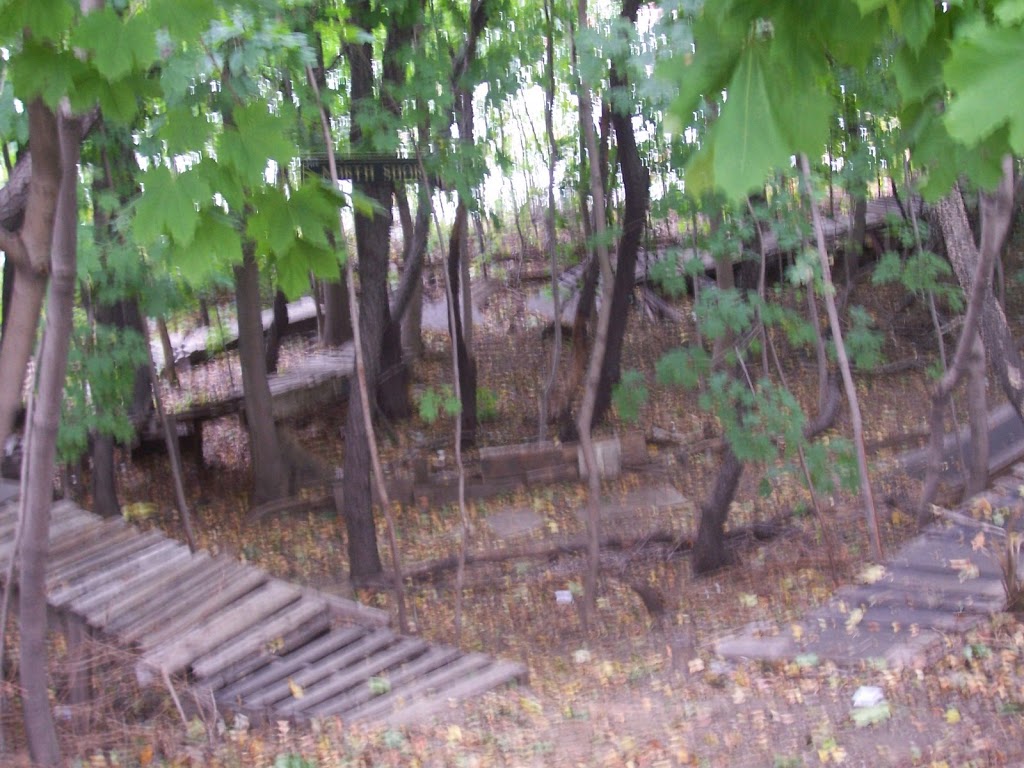
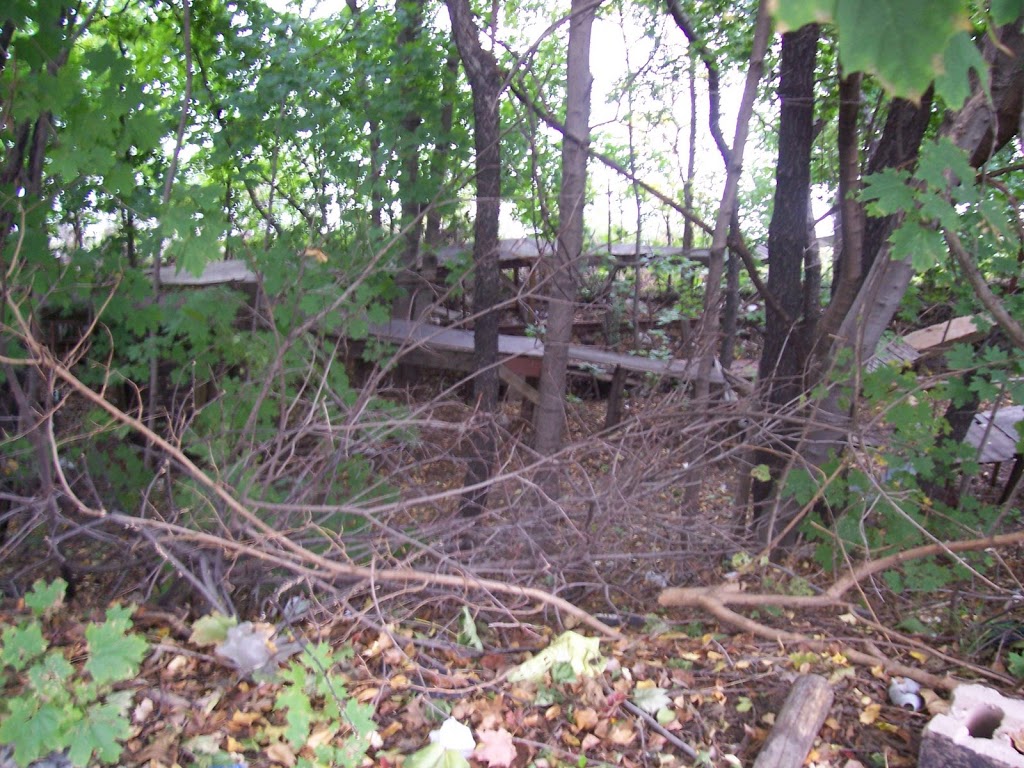
Extra: when leaving Snug Harbor, just take a look in the trees across the street, right in front of the Kill Van Kull. What’s this mysterious thatch of boardwalks that runs along the side of the waterfront?
Snug Harbor: a port in the storm (Part 2)


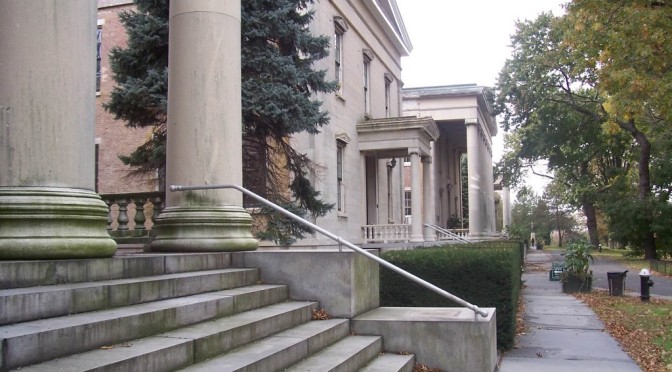
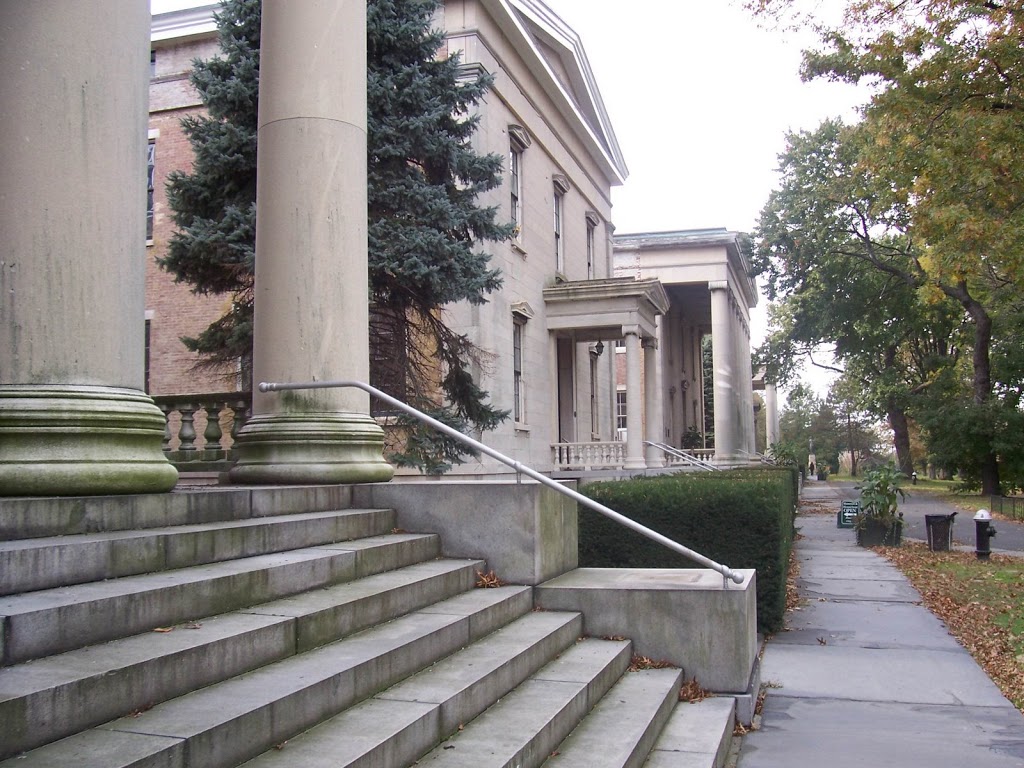
(The imposing Front Five, a wall of Greek revival madness, faces the Kill van Kull and Richmond Terrace almost like a fort.)

Although the sailors home that eventually became Snug Harbor was not in the location its founder Robert Richard Randall would have preferred, it quickly became as tranquil and as restful a place as any rest home might in the 19th century. Fortunately many of the buildings have been completely restored to their original charm, and in some cases (see below) even more so.

You might be asking about now — why would I want to walk around an old rest home? Its all about that mix between careful preservation and vibrancy. Snug Harbor is both a throwback and a modern facility that very rarely feels stodgy. Many similar landmarks would do well to take some lessons from here.

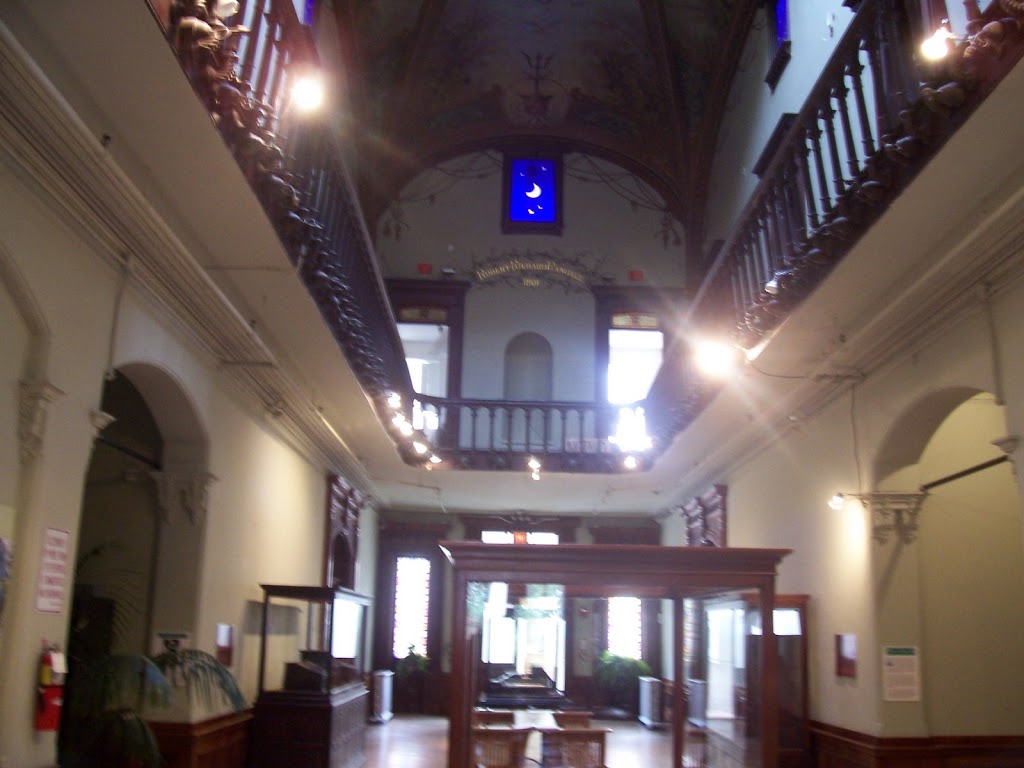
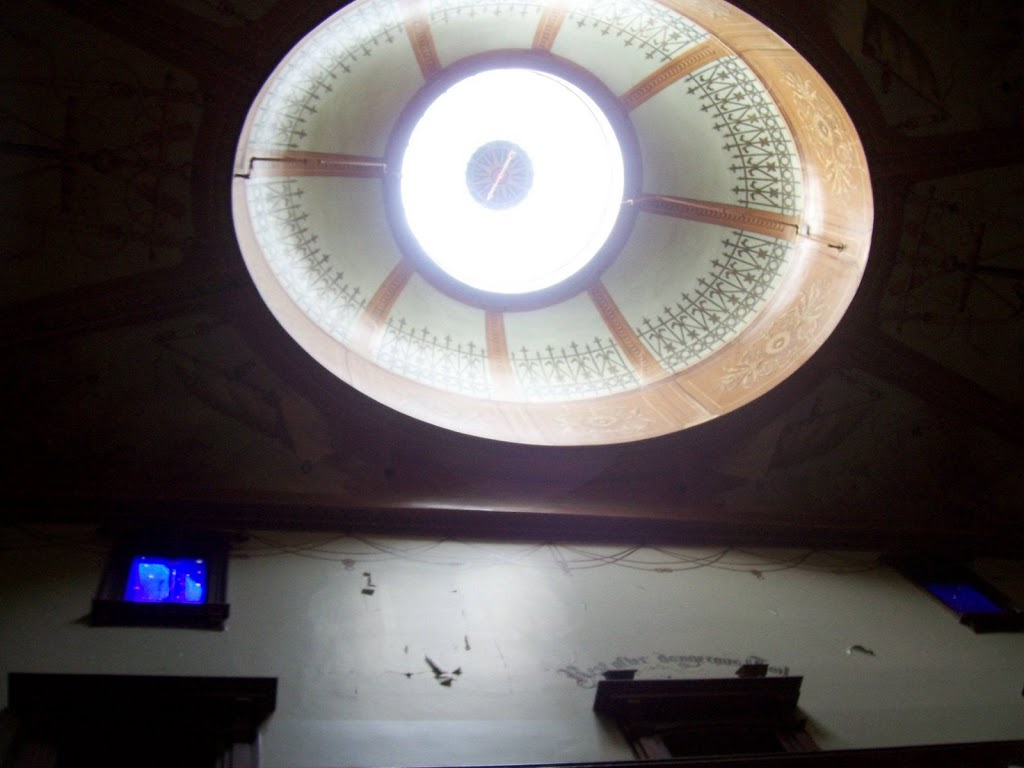
The Minard Lafever-designed hall “Building C”, housed in the the center structure of the Front Five, is the most dazzling architecturally, built in 1830-1, with a wide Victorian entrance way and blue glass windows on the second floor. Building C is generally considered Lafever’s greatest still-existent building.

Unfortunately the building is darker than the rest, so my sad little digital cam can’t begin to capture the beauty. On top of well preserved rooms with historical displays, the building also hosts the Newhouse Gallery, featuring contemporary art displays.

(You can click on any photo to see detailing)


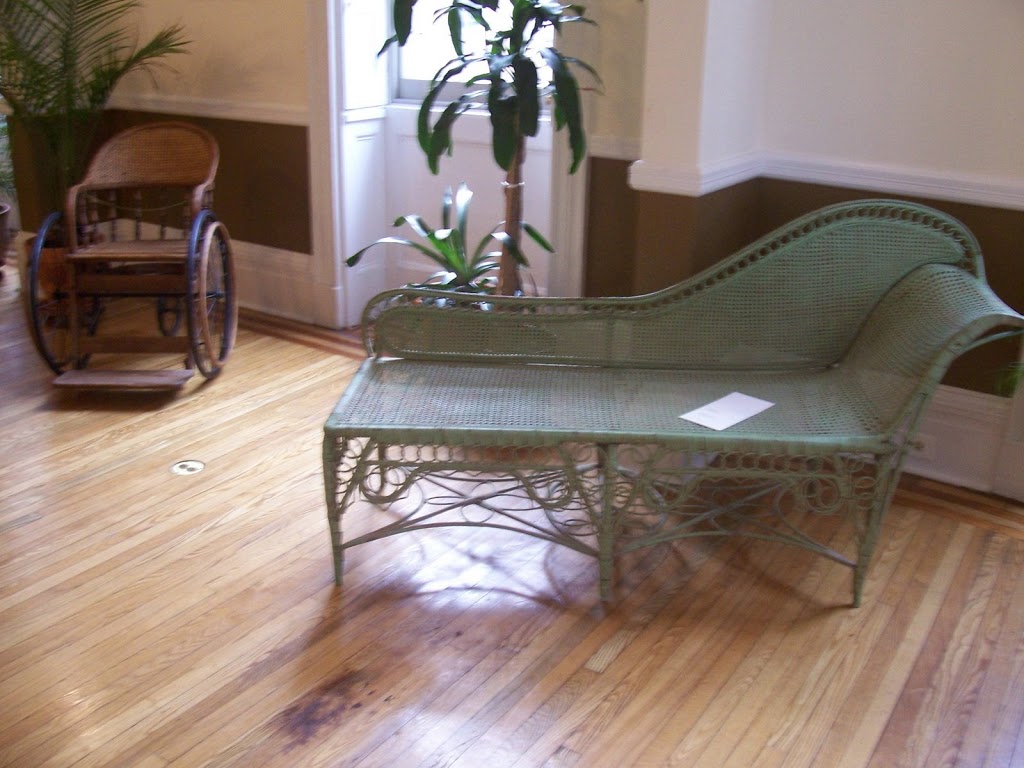
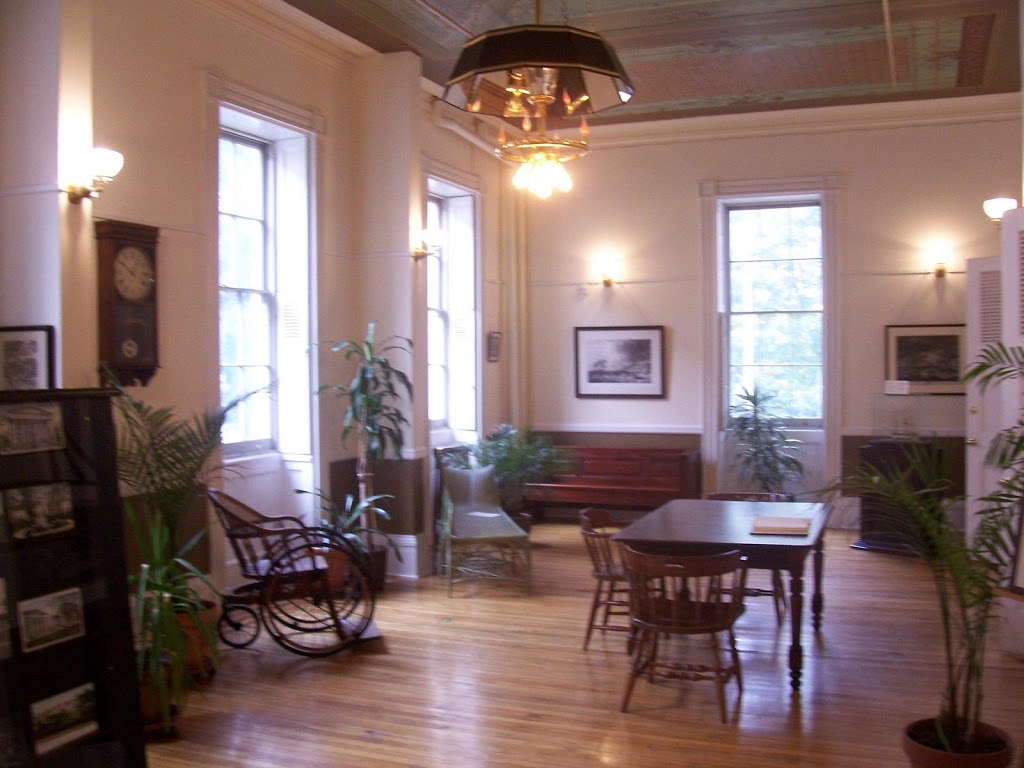
The smaller but no less impressive Building D (can’t they come up with more nautical names?) next door is of more interest to history lovers. With its white wood floors and flawless well-lit restorations of rooms and stairwells, the building is virtually laminated. It’s here that you can get a taste of what living at Snug Harbor might have been like.

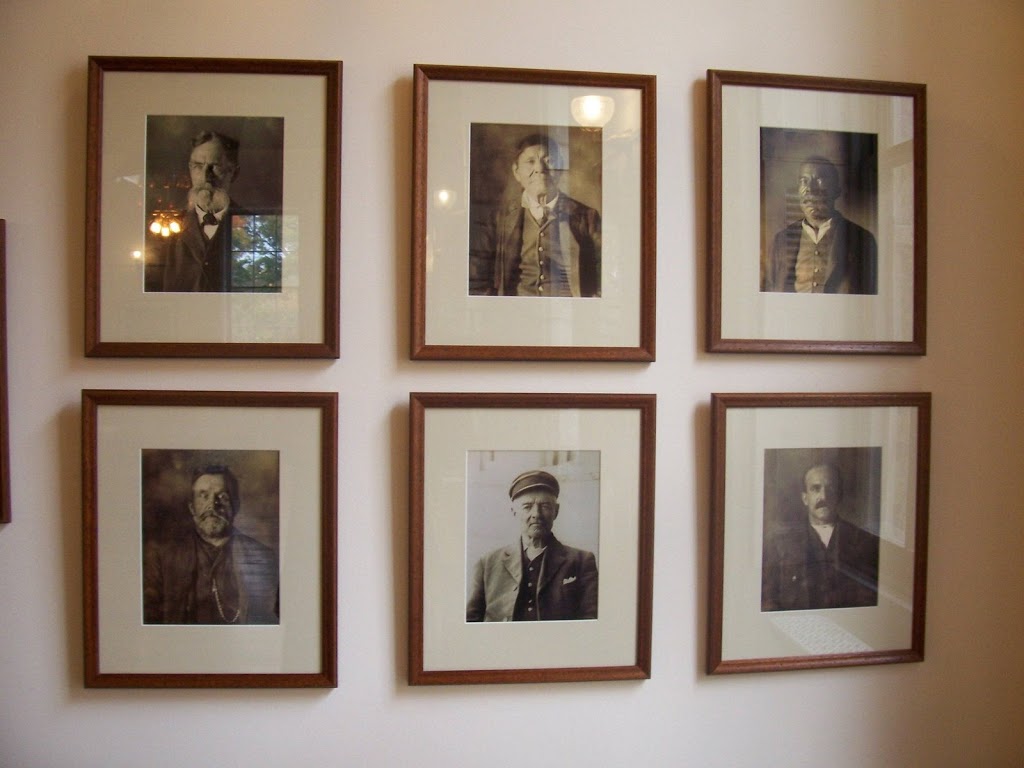
Here were some of the former residents of Sailors Snug Harbor, world weary faces that survived decades at sea to spend their final days at Snug Harbor. One of the earliest governors of Snug Harbor was no less than Herman Melville’s brother Thomas, who was reputed to be a bit of a hardass with his aged charges.

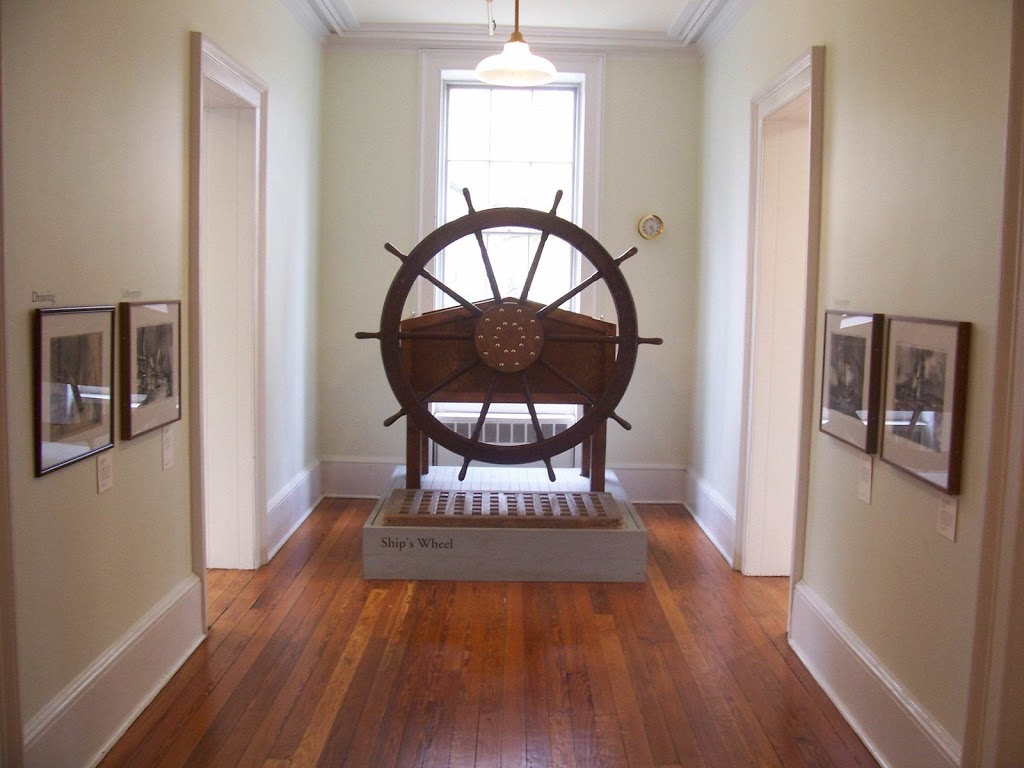
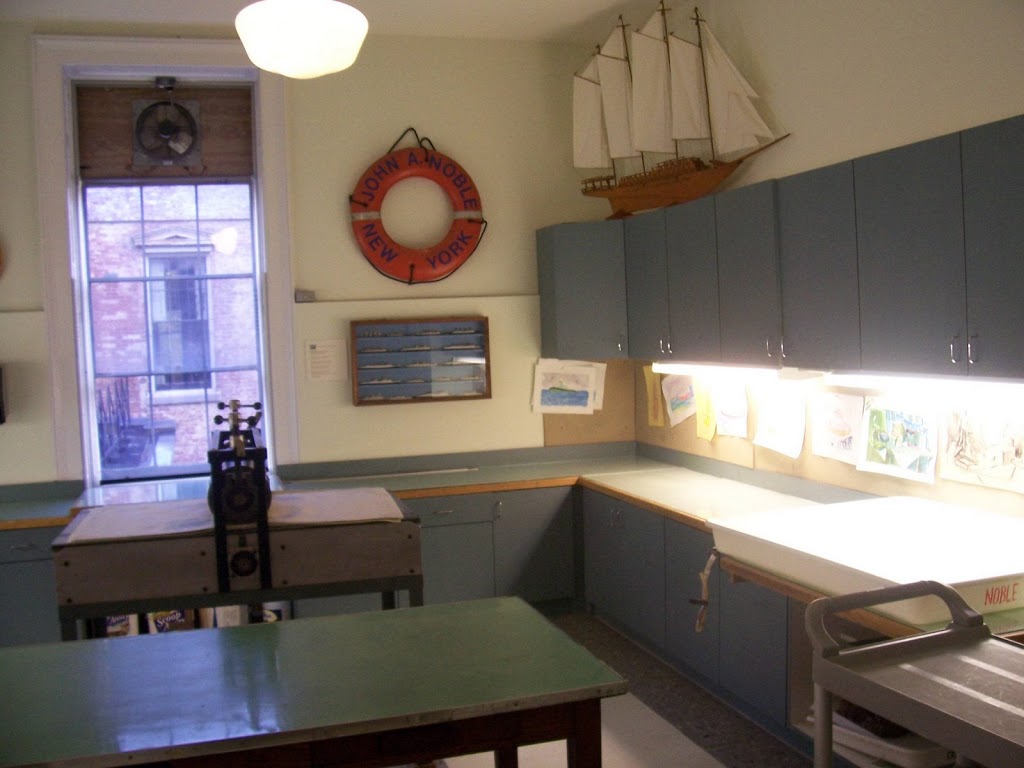
Building D, built in 1841, serves as the Noble Maritime Collection as well and features artifacts from ships that frequented New York harbor and Staten Island.

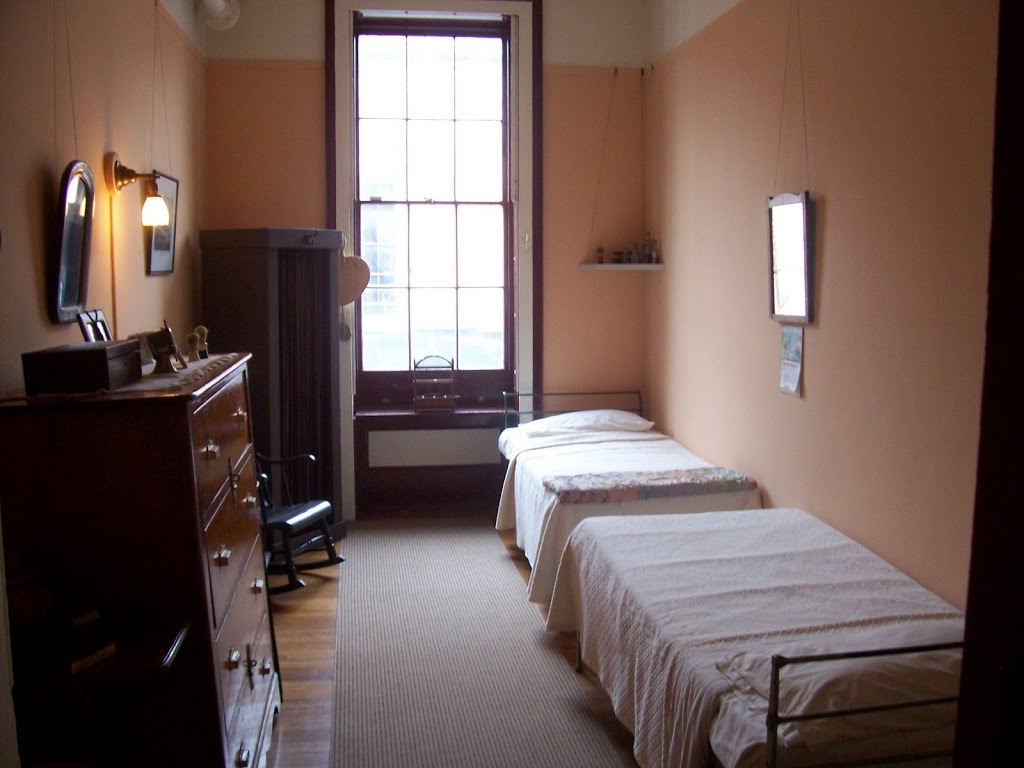
Okay, so its not exactly four star accommodations, but given that the men housed here were used to cramped sea quarters for most of their lives, rooms like this must have looked spacious. The skillful design of the building allows for natural light to spill in everywhere.

The Maritime collection is named for John Alexander Noble, one of America’s foremost nautical painters. It was in part to his efforts that Snug Harbor was saved from the wrecking ball in the early 70s. Restoration of the building actually started as a space for his artwork.

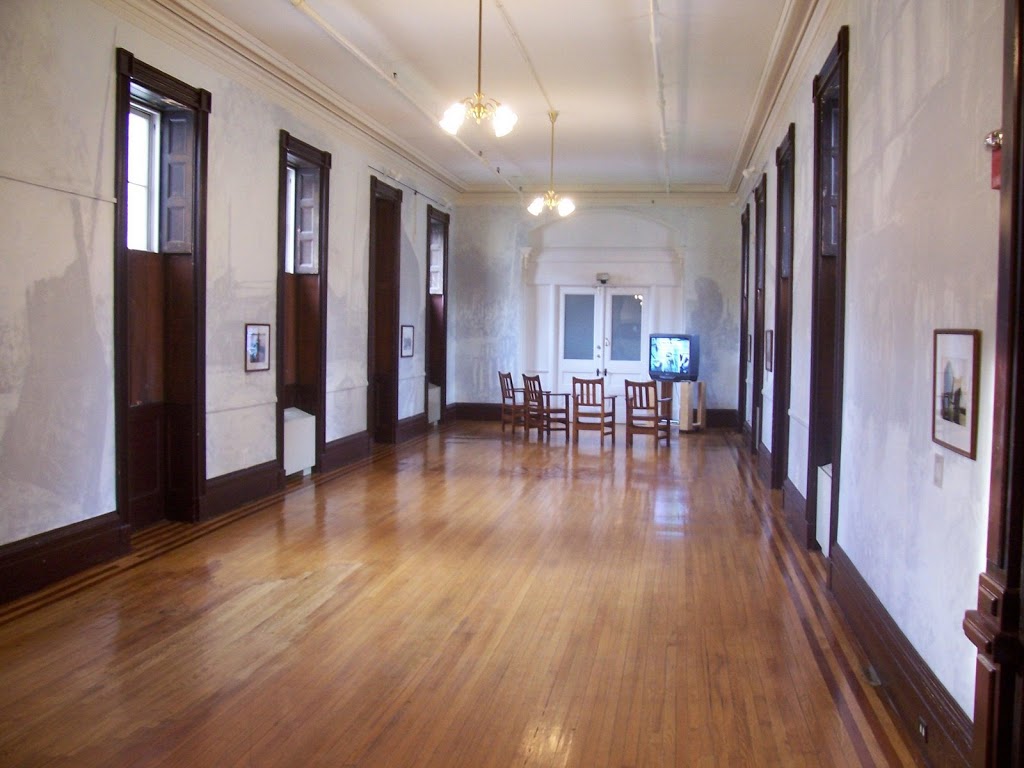
Down this beautiful (and, let’s face it, Shining-like) hallway lay a presentation of Noble’s life and work:

Born in Paris in 1913, Noble spent his life in New York working on schooners, and became particularly entranced with a boatyard of docked and abandoned vessels at Port Johnston, at Bergen Point, New Jersey. His father was an accomplished painter and apparently passed on his talents to his curious and contemplative son. Enamored of sea life and particularly those used, beaten ships, Noble built a houseboat out of salvaged pieces and made himself an artists studio there, become a full time artist in 1946.

Many of the works displayed in Building D are Noble’s inspirations from taking a rowboat and touring the shores of Staten Island, taking in the activity of the ports and visiting ships.

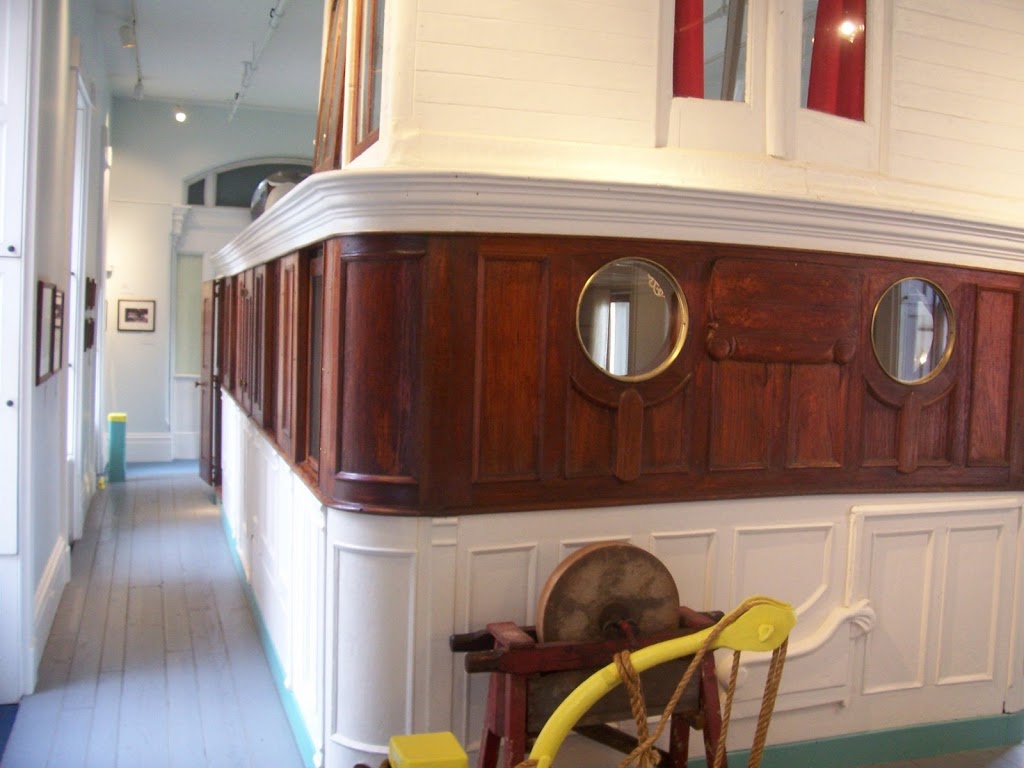
Snug Harbor is as complete a monument to a single artist as you’ll be likely to find. Noble’s houseboat has been meticulously transferred to one of the building’s hallways:

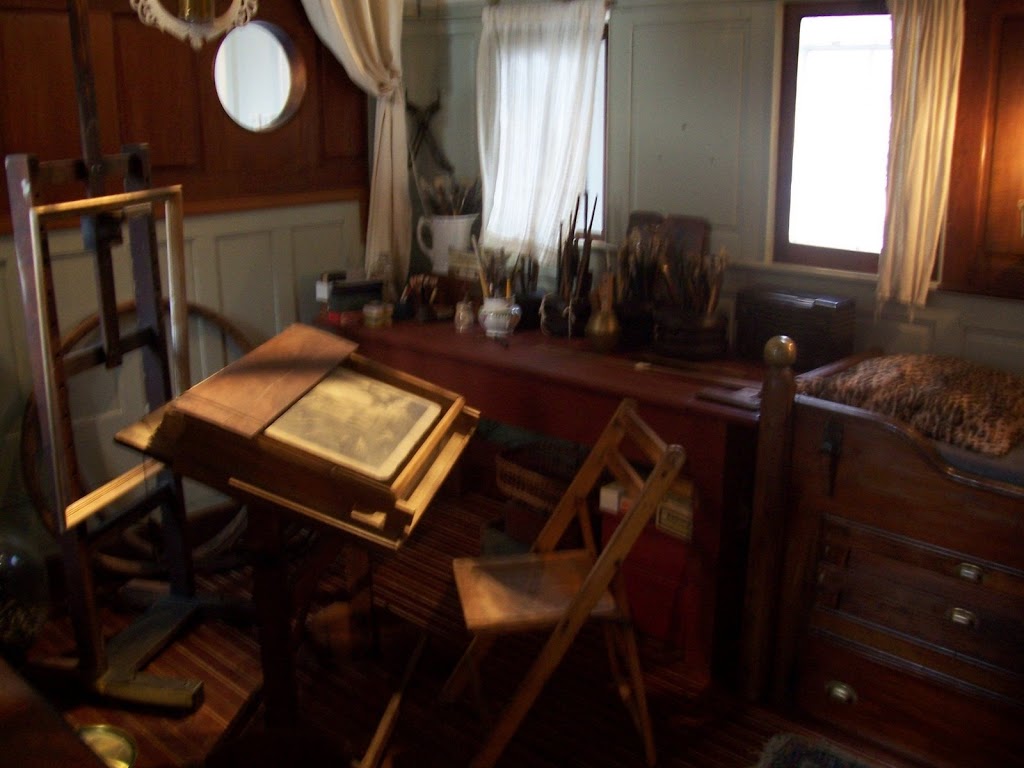
Inside the houseboat, his studio has been dutifully recreated:

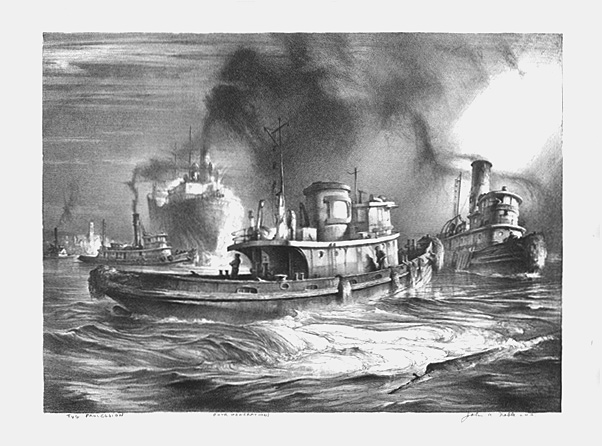
A haunting example of Noble’s work:

The 20th century saw a drastic improvement in social security and health benefits for the elderly, opening options for retired seamen. Enrollment into the home fell from 1,000 men in 1900 to just 110 by the 70s. The firm in Washington DC has actually proposed demolishing all of Snug Harbor’s “obsolete” buildings but Building C. Vicious battled ensued between the city and trustees (who wished to demolish and build new facilities) before landmark status was finally granted in 1976. The sailors (and St Gauden’s statue of Robert Randal) were shipped to North Carolina, and Snug Harbor Cultural Center was opened to the public in 1976.

Modern Snug Harbor can give some thanks to an unlikely source: Jacqueline Kennedy Onassis, who became an early supporter of preserving the grounds as is. “Attention should be brought to a place like this. There’s no place in all the five boroughs where there is such a sanctuary as this…it must be preserved.” She would certainly be pleased with its modern incarnation.

Tomorrow: modern Snug Harbor, home of art, gardens, massively gigantic bugs and, yes, that killer brunch