Need an escape from the world for just a little while? A place where you can be by yourself? We’ve got the keys.
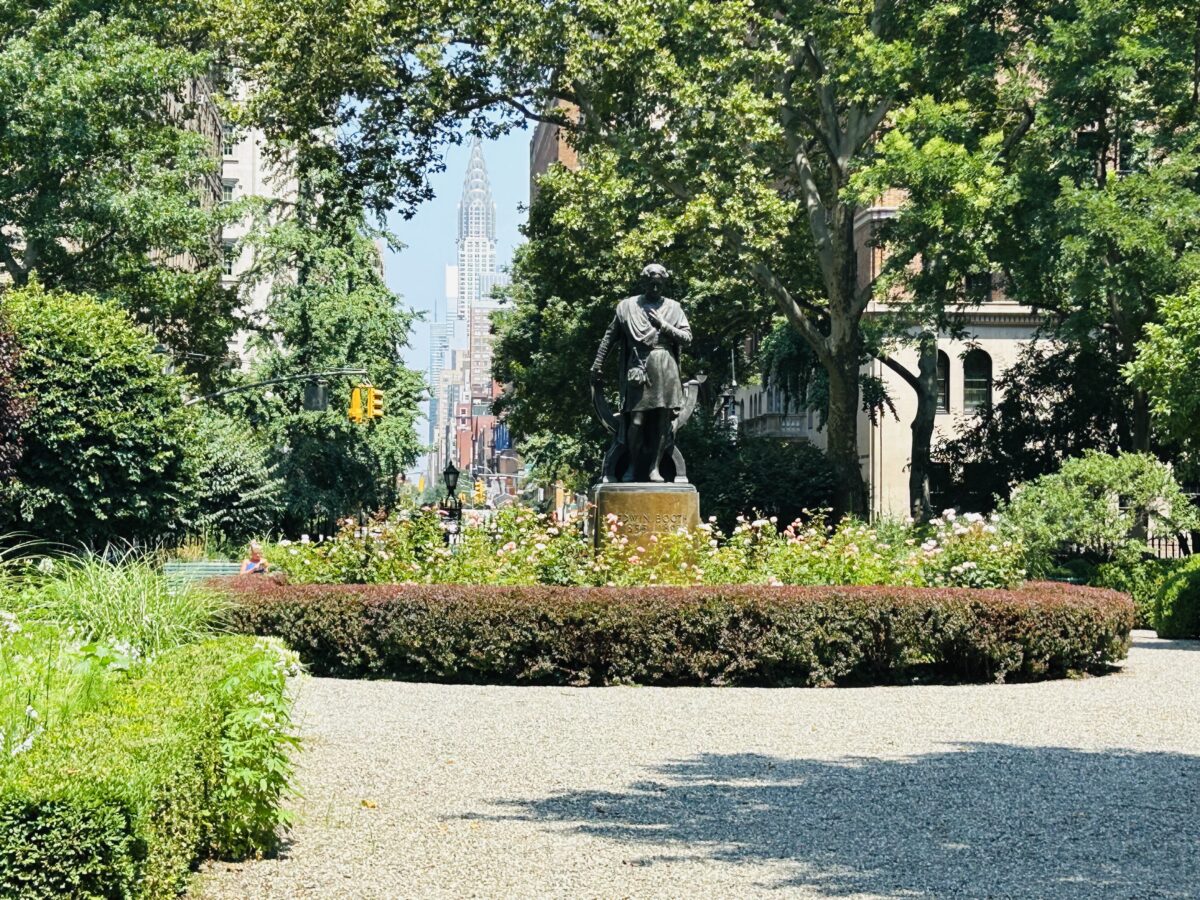
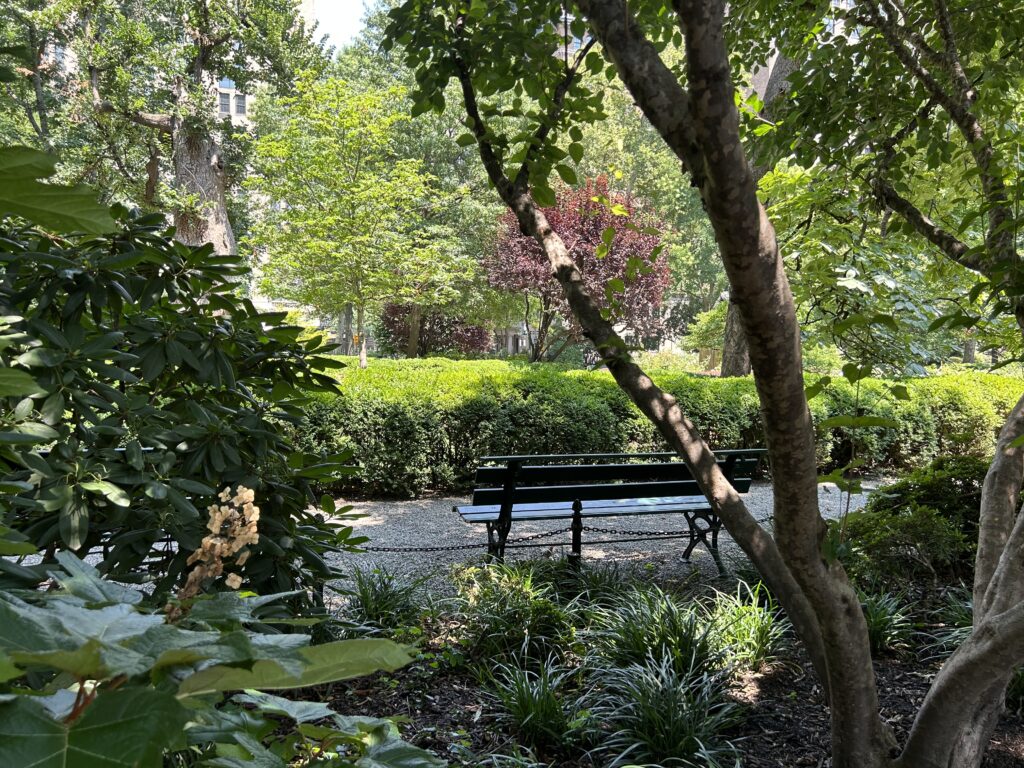
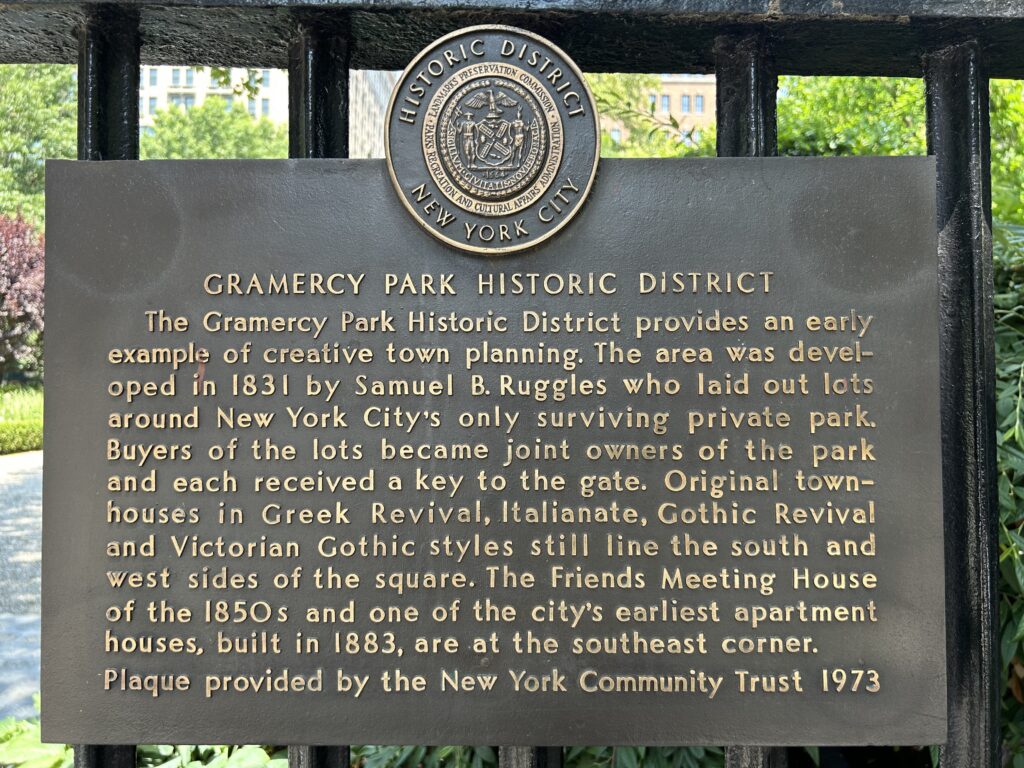
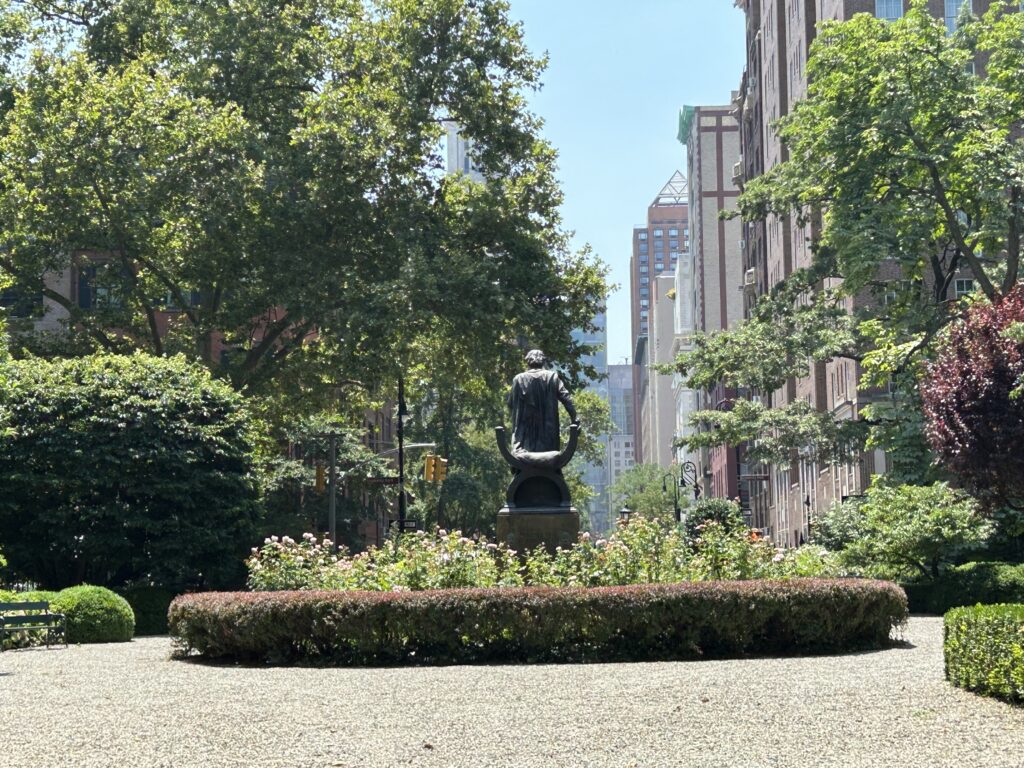
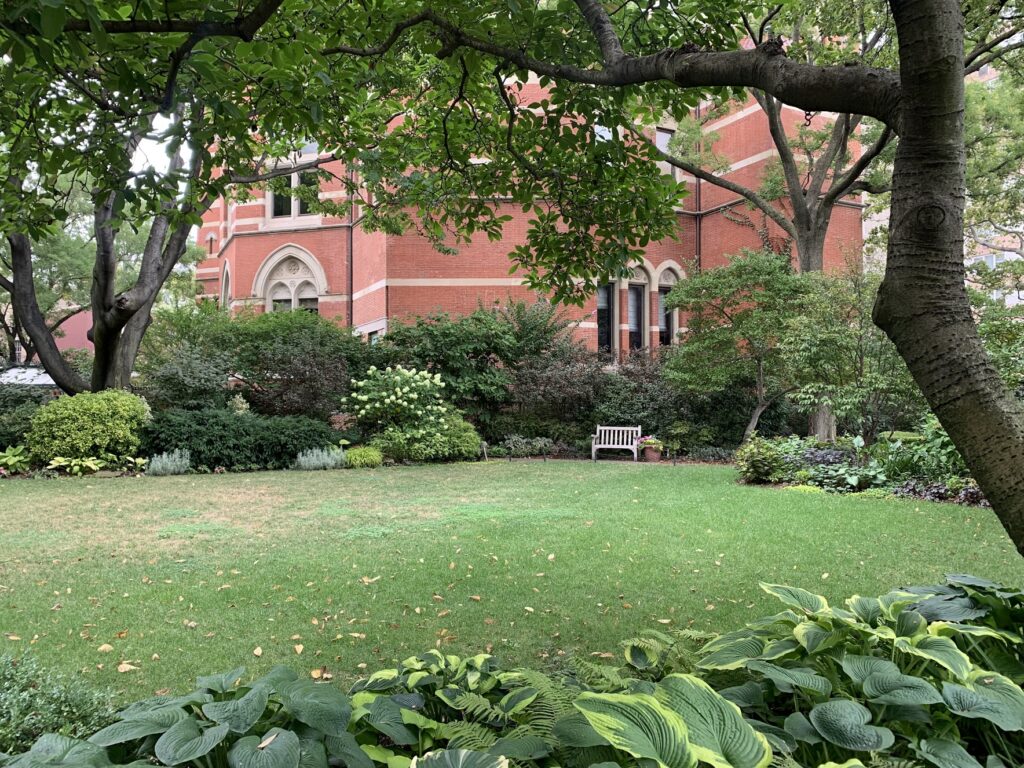
Carl Raymond of The Gilded Gentleman podcast and his guest Keith Taillon invite you into one of the most historically exclusive spaces in New York City — the romantic and peaceful escape known as Gramercy Park.
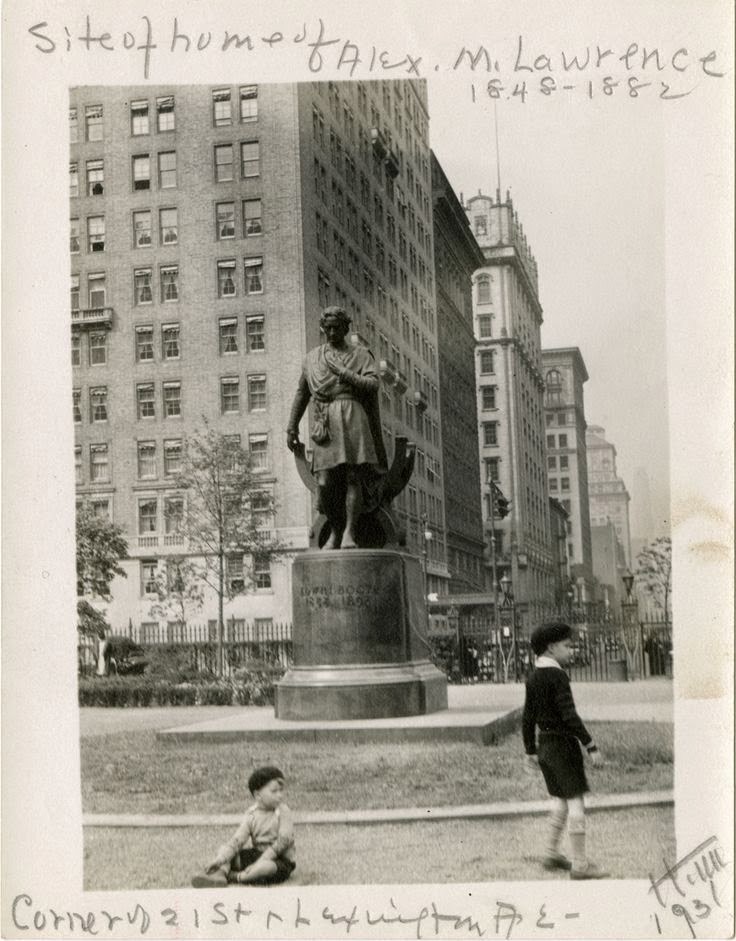
This small two-acre square, constructed in the 1830s, has been called “America’s Bloomsbury”. Taking the reference from London’s famous neighborhood once home to many great writers and artists, New York’s Gramercy Park has similarly included noted cultural icons as architect Stanford White, actor Edwin Booth and the great politician Samuel Tilden.
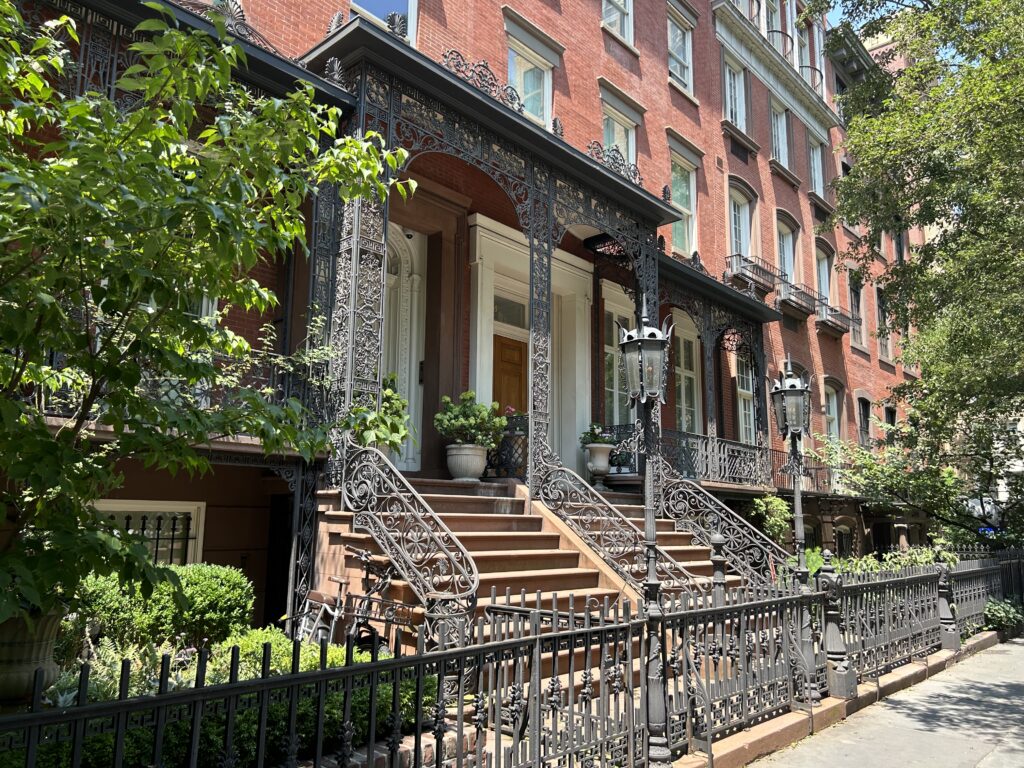
Wandering along the park today it’s easy to gain a view back into the past — many of the original Greek Revival brick townhouses and brownstone mansions remain, some still in private hands.
The park in the center is one of the most unique places in America — it is a private park, not a city property and its upkeep has been managed since its inception in the early 19th century by the property owners around the park itself.
Writer and historian Keith Taillon joins Carl for this episode to look back into this hidden pocket of New York City’s past and unlock its history.
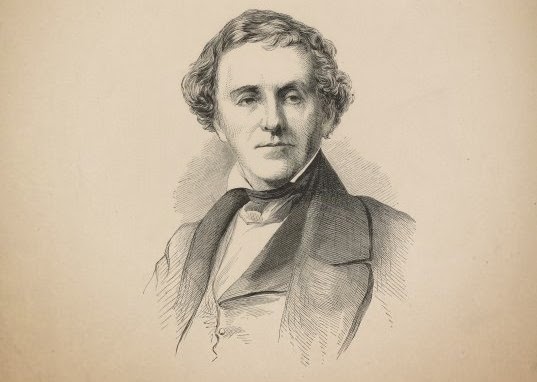
Samuel Ruggles, New York Public LibraryNew York Public Library
This summer Carl Raymond of the Gilded Gentleman Podcast and some very special guests are taking you to some of the most glamorous and relaxing places from the Gilded Age.
Take in the breathtaking views at the Vanderbilt Mansion in Hyde Park….
Retreat to the natural world of the Adirondaks and Great Camp Sagamore:
Gallivant through the lush Berkshire Mountains to visit a few grand 19th century estates
EPISODE ARRIVING JULY 22
Or vacation like Queen Victoria did, with a vist to her rural retreet Osborne House on the Isle of Wight
EPISODE ARRIVING AUGUST 6
FURTHER LISTENING
We have visited Gramercy Park (and other themes from this week’s show) in various Bowery Boys Podcasts over the years. If you’d like to spend a little more time with these topics, dive into one of these favorites:
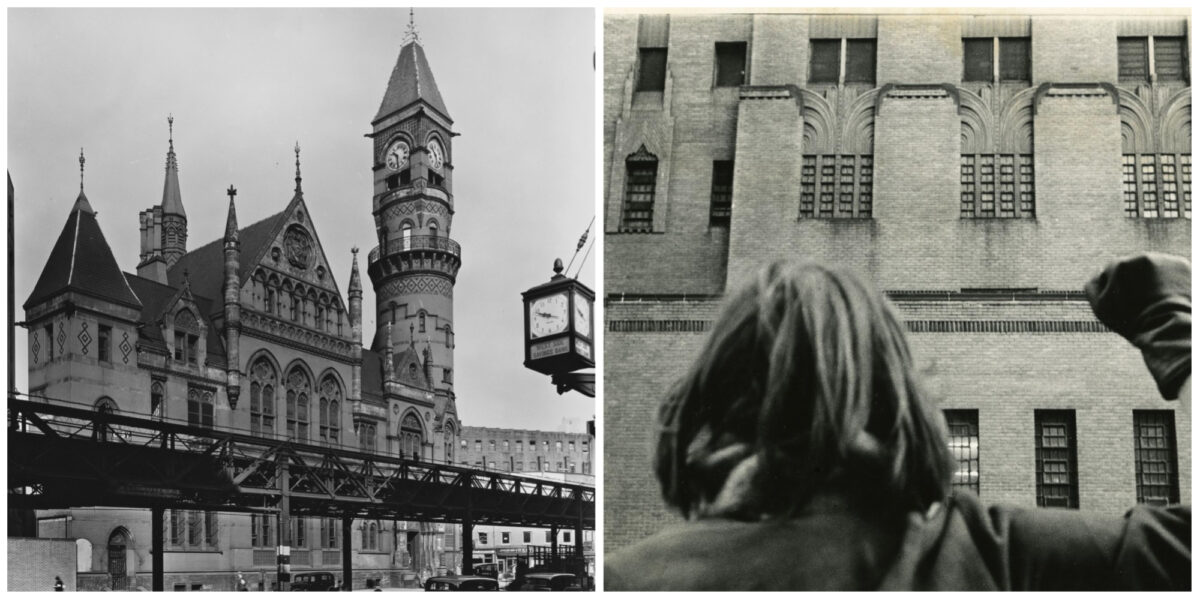
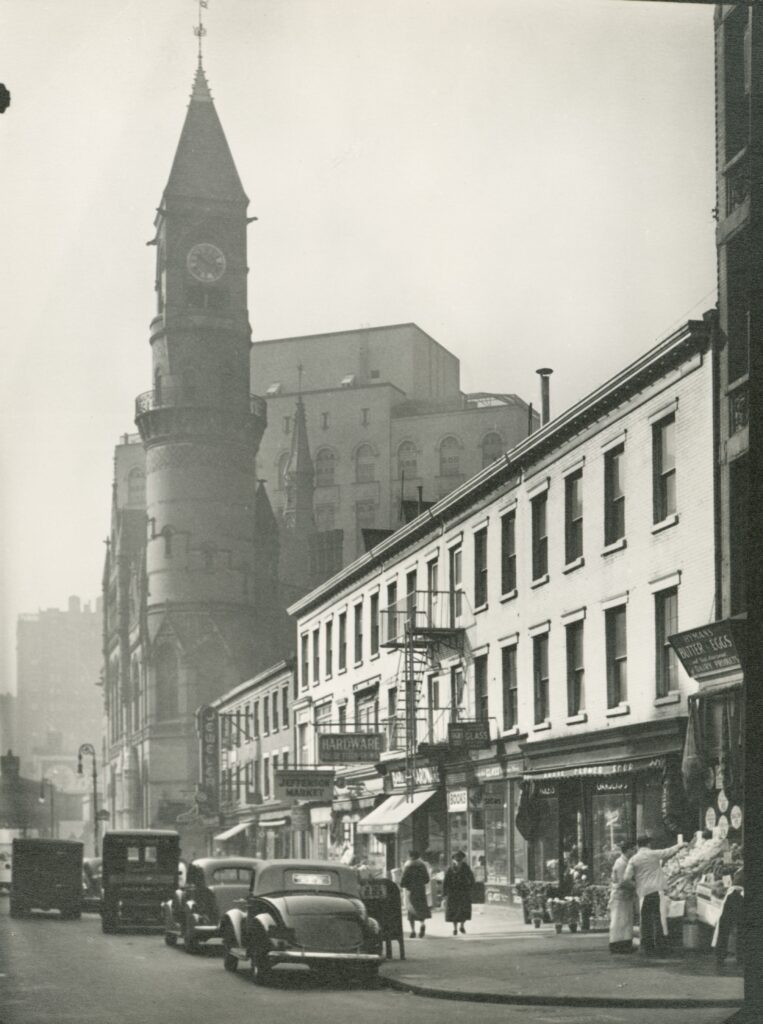
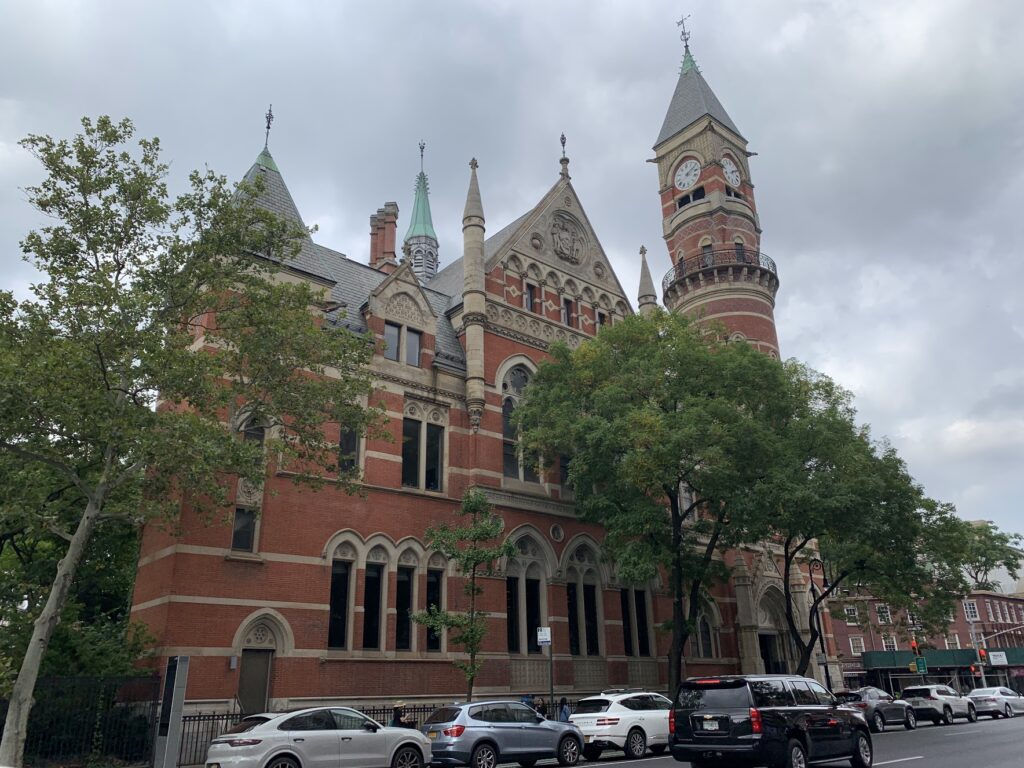
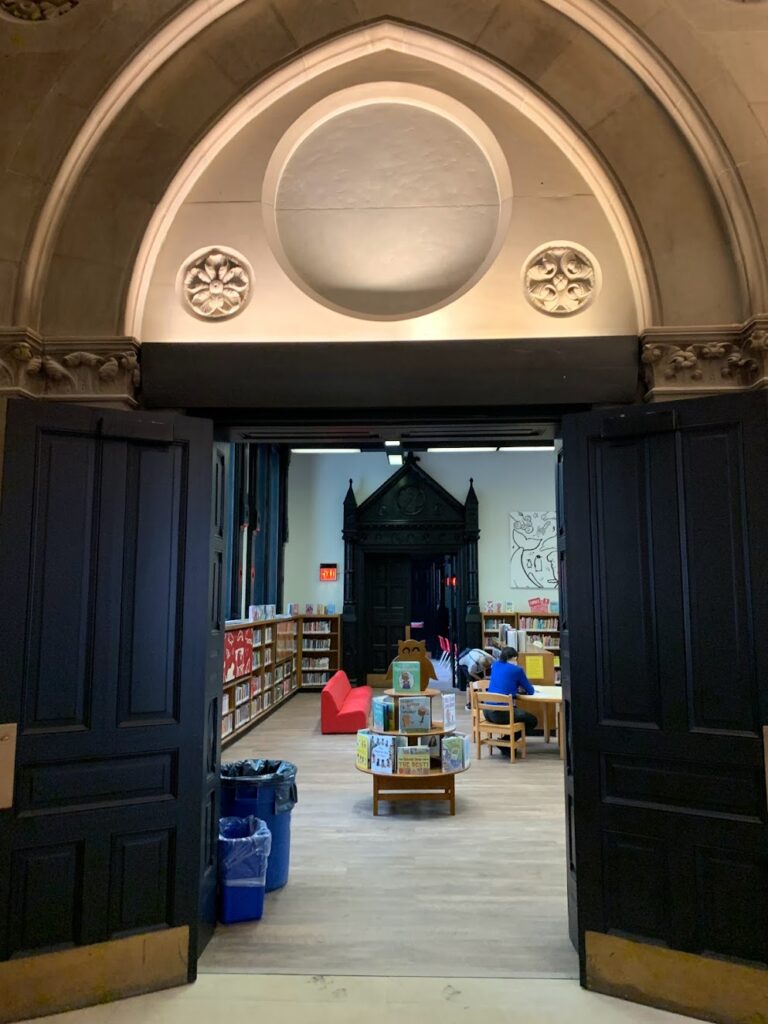
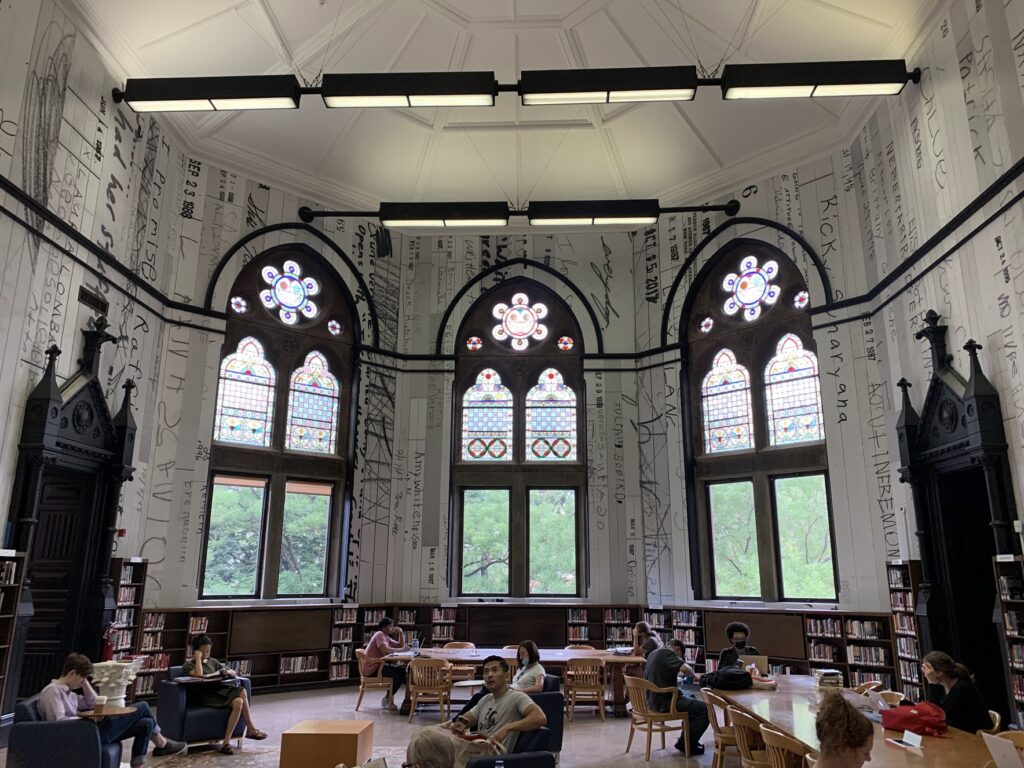
In the heart of Greenwich Village sits the Jefferson Market Library, a branch of the New York Public Library, and a beautiful garden which offers a relaxing respite from the busy neighborhood.
But a prison once rose from this very spot — more than one in fact.
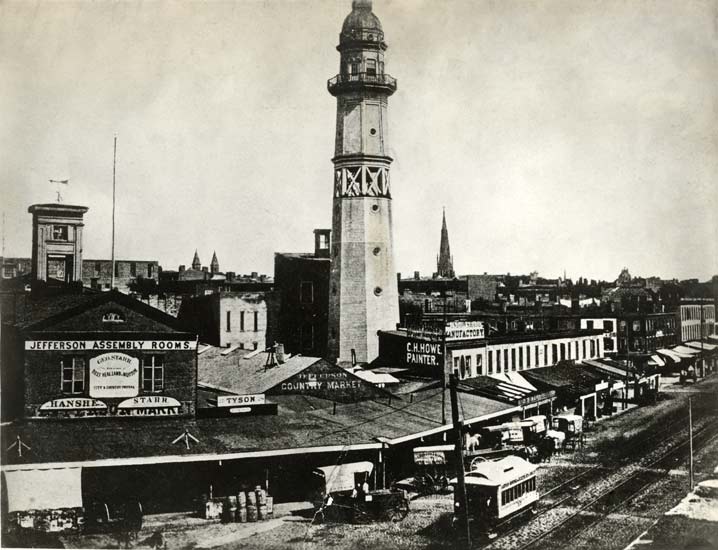
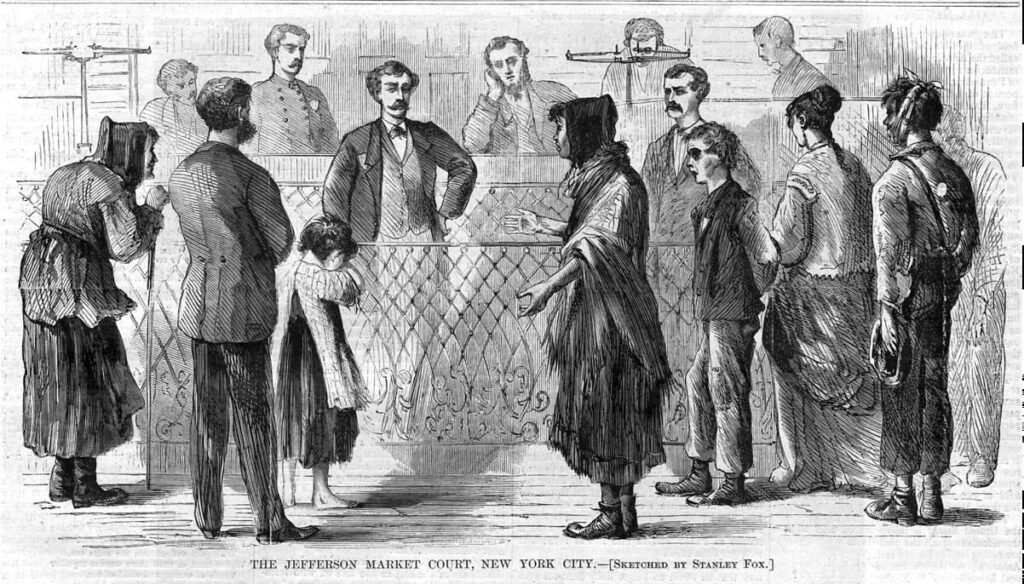
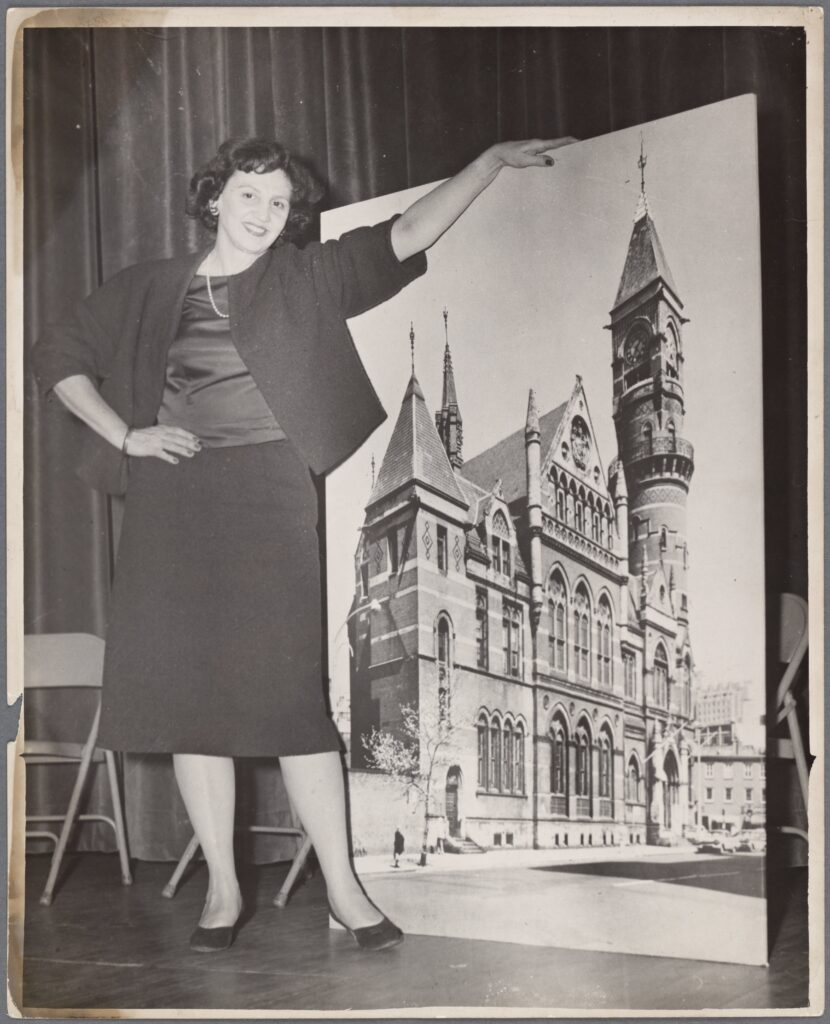
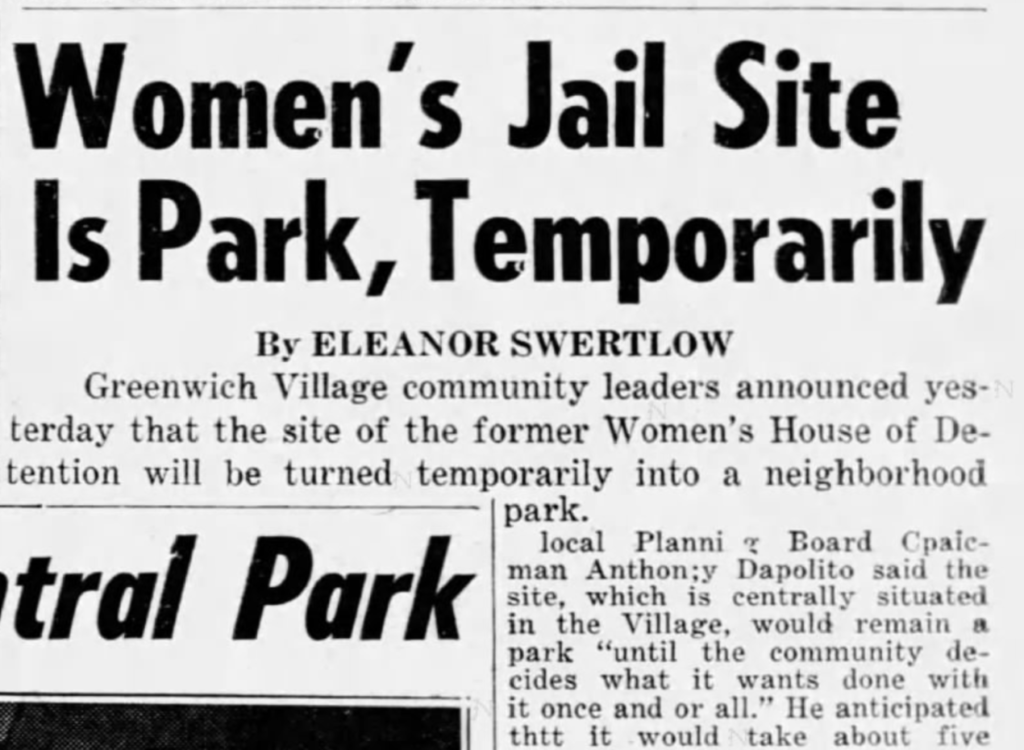
While there was indeed a market at Jefferson Market — dating back to the 1830s — this space is more notoriously known for America’s first night court (at the Jefferson Market Courthouse, site of today’s library) and the Women’s House of Detention, a facility which cast a gloom over the Village for over 40 years.
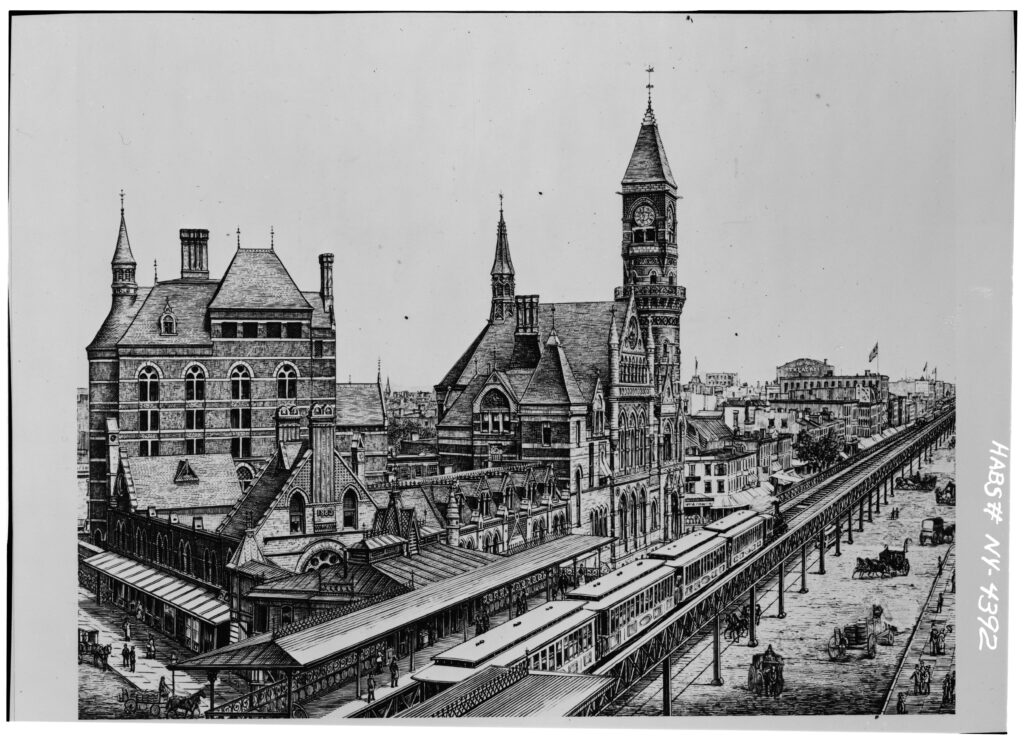
Almost immediately after the original courthouse (designed by Frederick Clarke Withers and Calvert Vaux) opened in 1877, it was quickly overburdened with people arrested in the Tenderloin district. By 1910 a women’s court opened here, and by the Jazz Age, the adjacent confinement was known as “the women’s jail.”
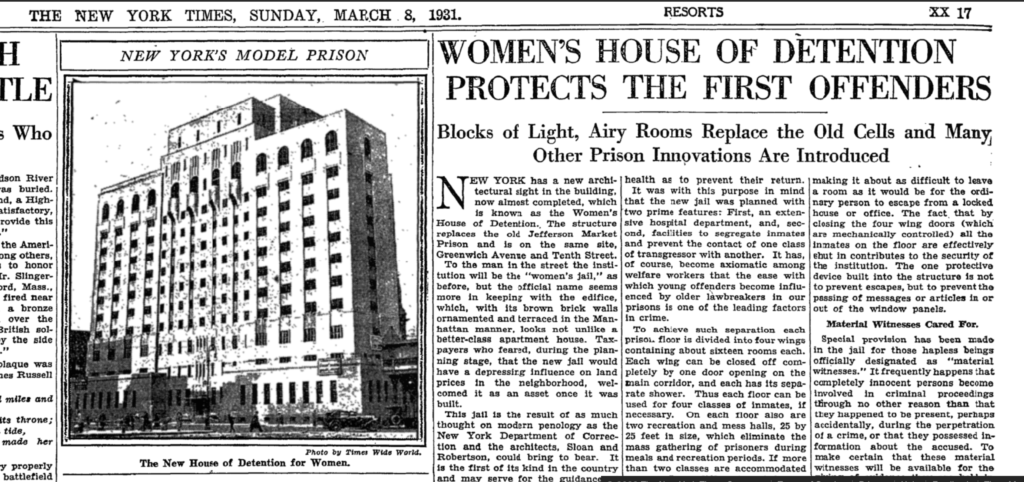
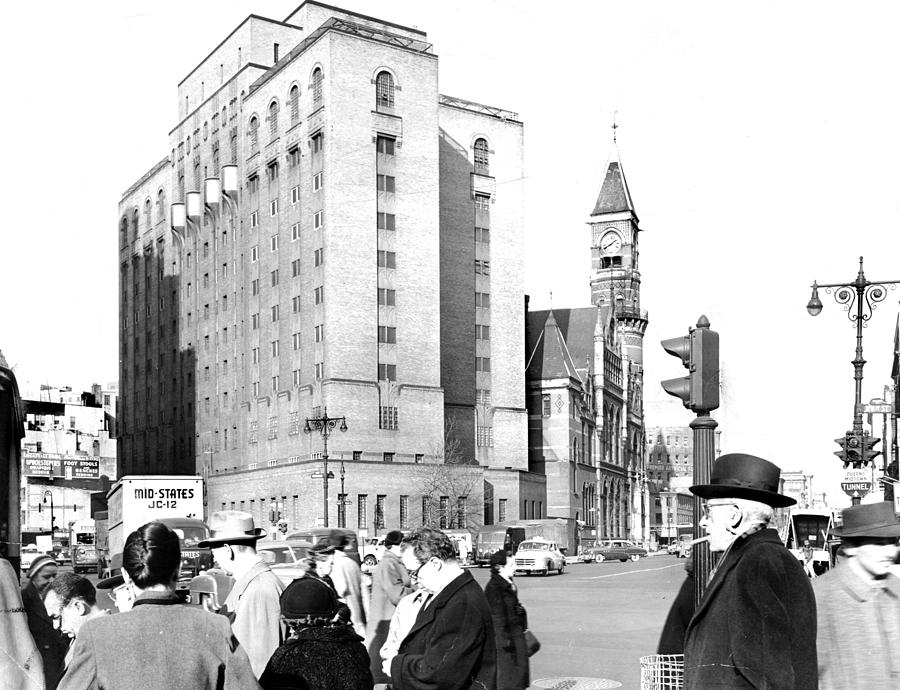
When the Women’s House of Detention opened in 1931 — sometimes referred to as the world’s only Art Deco prison — it was meant to improve the conditions for women who were held there. But the dank and inadequate containment soon became symbol of abuse and injustice.
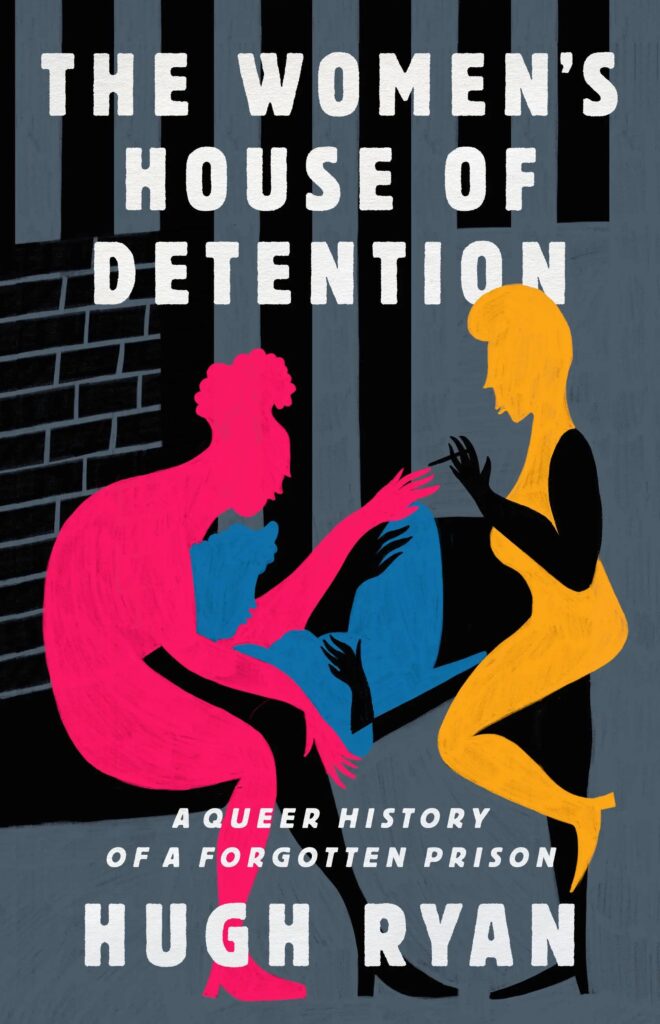
In this special episode — recorded live at Caveat on the Lower East Side — Tom and Greg are joined by Hugh Ryan, author of The Women’s House of Detention: A Queer History of a Forgotten Prison to explore the detention center’s place in both New York City history and LGBT history.
How did the “House of D” figure into the Stonewall Uprising of 1969? And what were the disturbing circumstances surrounding its eventual closure?
FEATURING: Stories of Mae West, Stanford White, Alva Belmont, Mayor Jimmy Walker, Angela Davis, Andrea Dworkin and — Tupac Shakur?
LISTEN NOW: THE HISTORY OF JEFFERSON MARKET AND THE WOMEN’S HOUSE OF DETENTION
Historic American Buildings Survey, Photocopy, c. 1880, Courtesy of New-York Historical Society, New. York Public LibraryThe courtroom and House of Detention, 1938, New York Public LibraryThe Women’s House of Detention. Courtesy the New York Daily News ArchivesMargot Gayle with an image of the building she would help save. New York Public Library Digital Collections
Photos of the current Jefferson Market Library
Photo by Greg YoungPhoto by Greg YoungPhoto by Greg Young
FURTHER LISTENING
The subjects of these episodes are featured on this week’s episode. So check them out after listening to the current show:
The Bowery Boys: New York City History podcast is brought to you …. by you!
We are producing a new Bowery Boys podcast every other week. We’re also looking to improve and expand the show in other ways — publishing, social media, live events and other forms of media. But we can only do this with your help!
We are creators on Patreon, a patronage platform where you can support your favorite content creators.
Please visit our page on Patreon and watch a short video of us recording the show and talking about our expansion plans. If you’d like to help out, there are several different pledge levels. Check them out and consider being a sponsor.
We greatly appreciate our listeners and readers and thank you for joining us on this journey so far.
It’s one thing to study facts in a book or read the depictions of events in an old newspaper. It’s quite another to get close up to the historical figures themselves through their actual correspondence, not so much for the information, but for the tone and character of their voices. Â Even though these papers are all mostly business-related, you can really get a sense of Tesla’s personality and how he viewed others. He was ambitious and creative. He was anxious and protective.
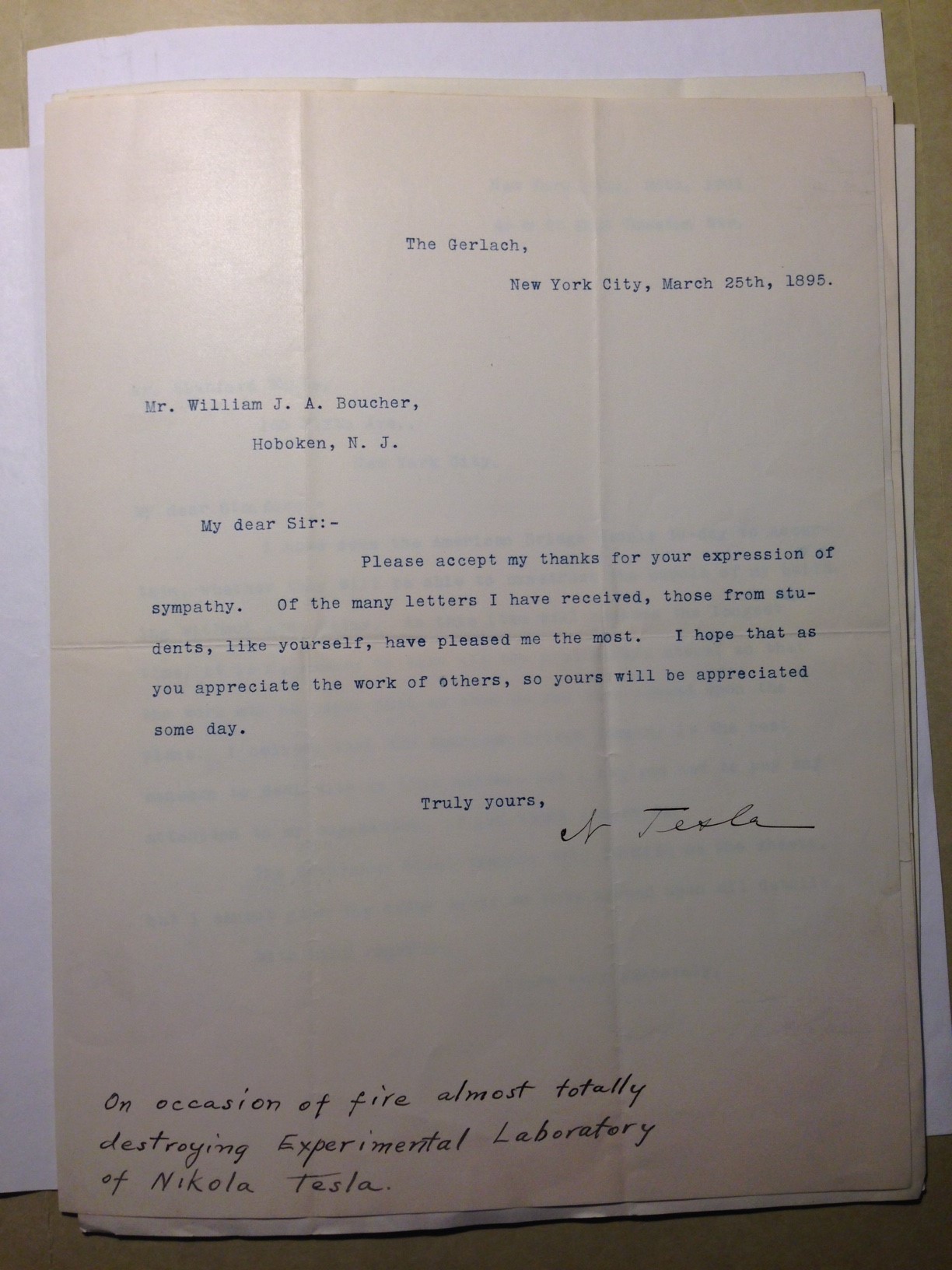
As we mentioned in our podcast on Nikola Tesla, his South Fifth Avenue laboratory was destroyed in a fire on March 13, 1895. It was a well publicized event, especially in scientific journals. Tesla most likely received many letters like the one below at his home at the Gerlach Hotel (today’s Radio Wave Building, named so in his honor).
Courtesy New York Public Library
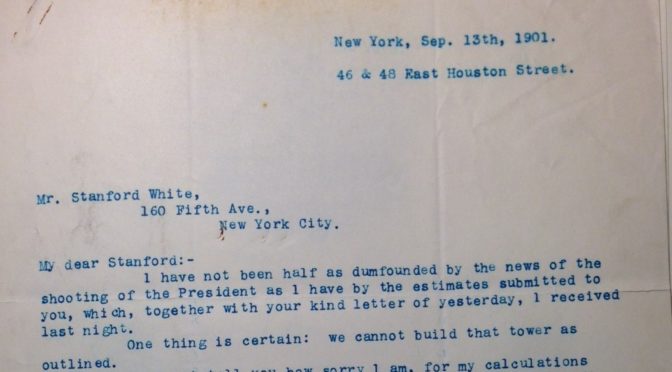
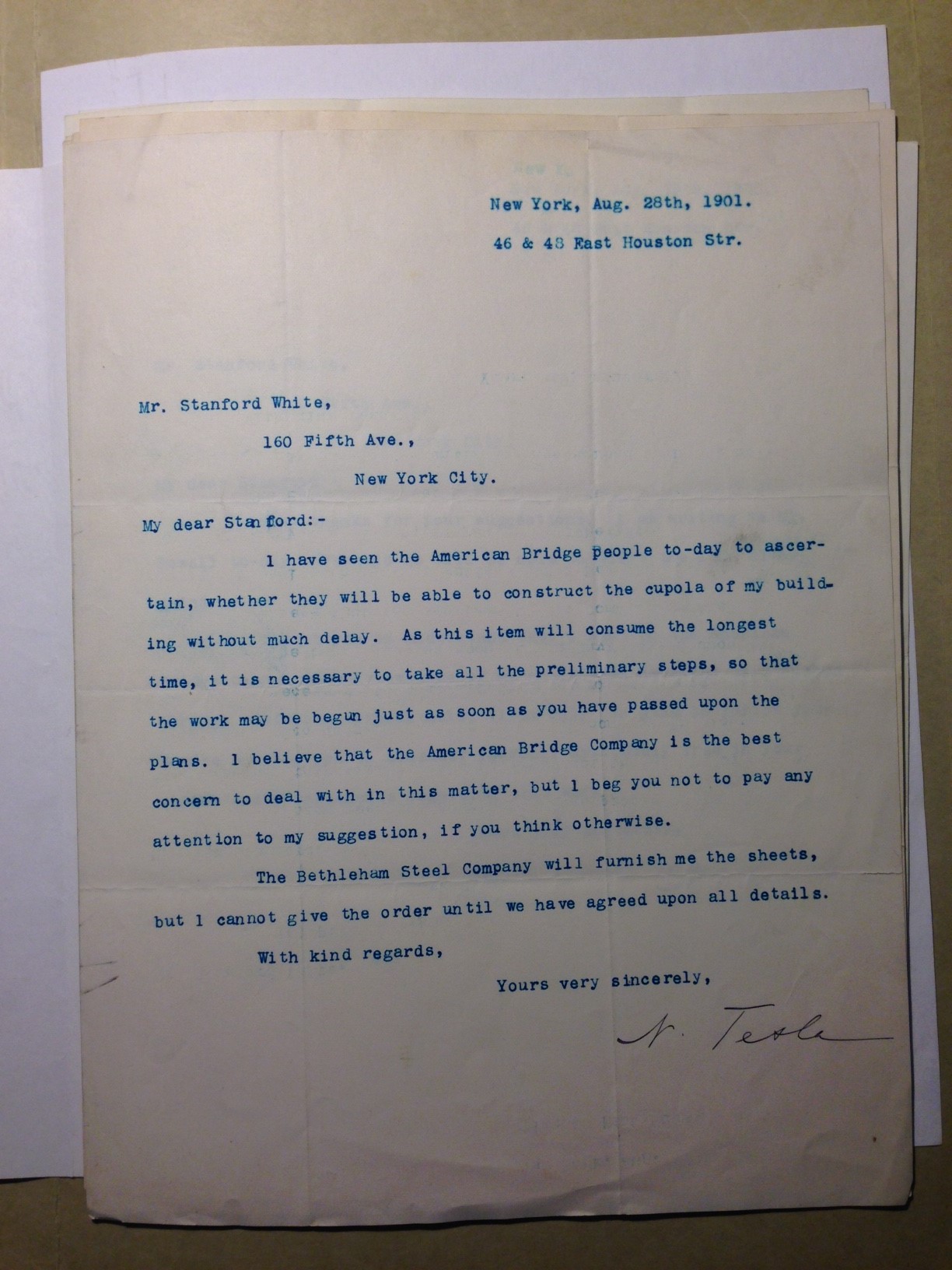
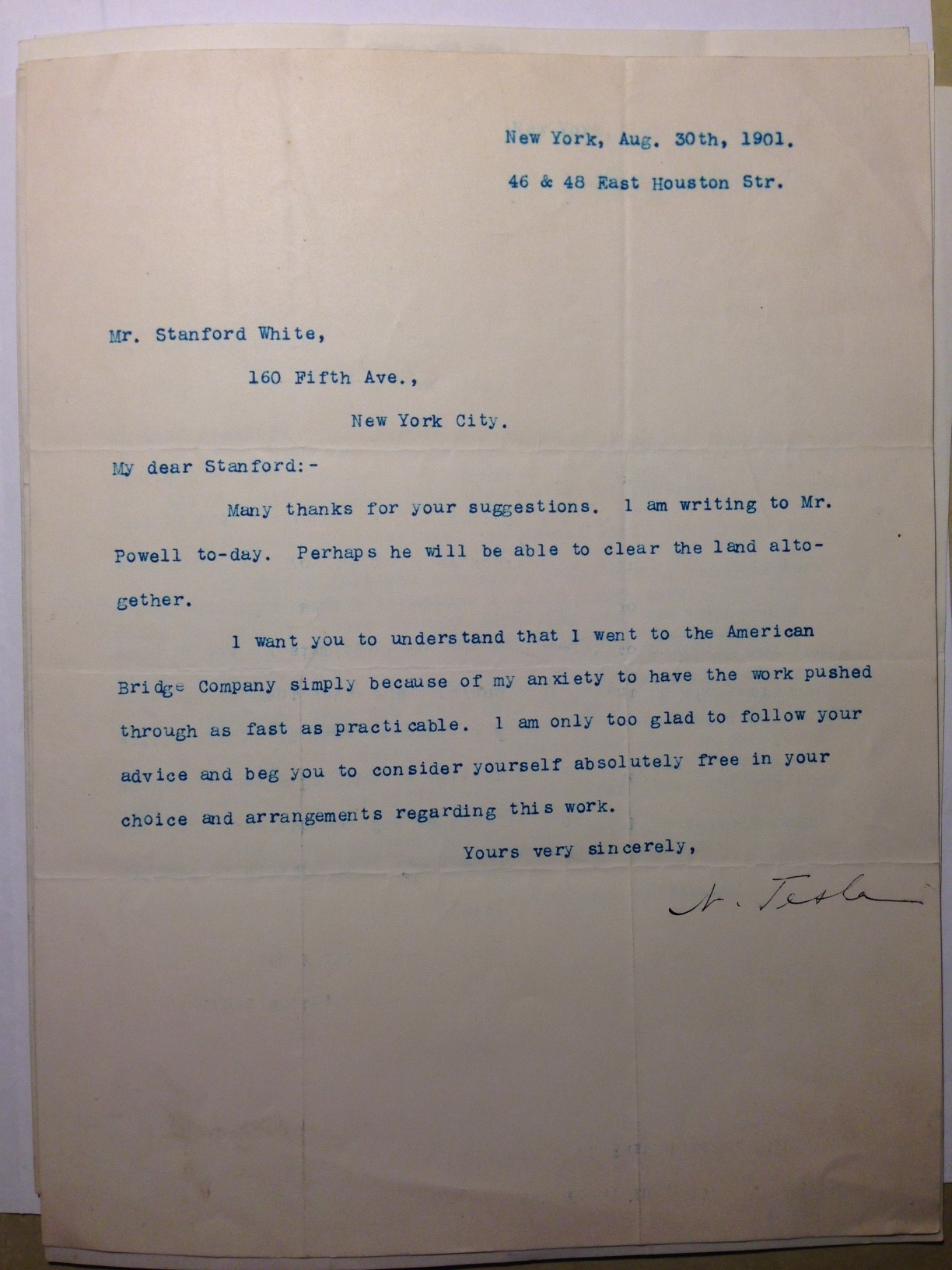
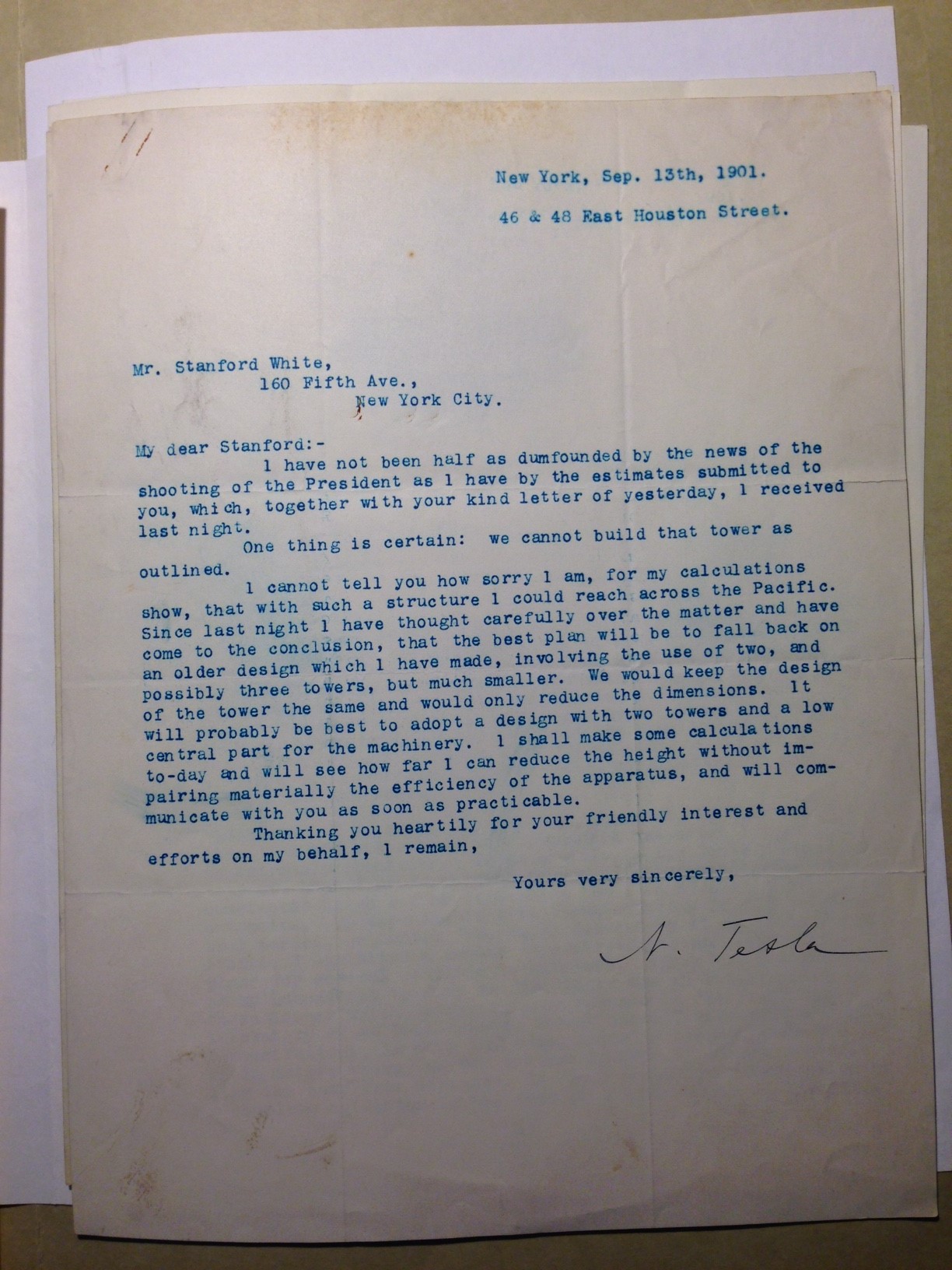
The next three are letters to friend and architect (and scaliwag) Stanford White, outlining the constructionn of Wardenclyffe Tower in Long Island.  The third letter is by far the most intriguing, sent days after the shooting of William McKinley.  The president died the day after Tesla’s letter was sent, and White’s friend Theodore Roosevelt would then ascend to the presidency.
The American Bridge Company was newly formed in 1901 but traces itself to the civil engineering firm that built the Eads Bridge in St. Louis, the longest arch bridge in the world at the time. New York projects for the firm in the 20th century would include the Empire State Building, the Chrysler Building, the Woolworth Building and the Verrazano-Narrows Bridge. They’re still in operation; in fact they’re finishing up work on a project at the George Washington Bridge.
Pennsylvania’s Bethlehem Steel Company was a giant of steel manufacturing in the Gilded Age. Just as Tesla and George Westinghouse got to display the marvels of alternating current at the World’s Fair of 1893 in Chicago, so to did Bethlehem Steel get to employ their wares; the world’s first Ferris Wheel, the grand attraction of the fair, was held together in Bethlehem Steel.
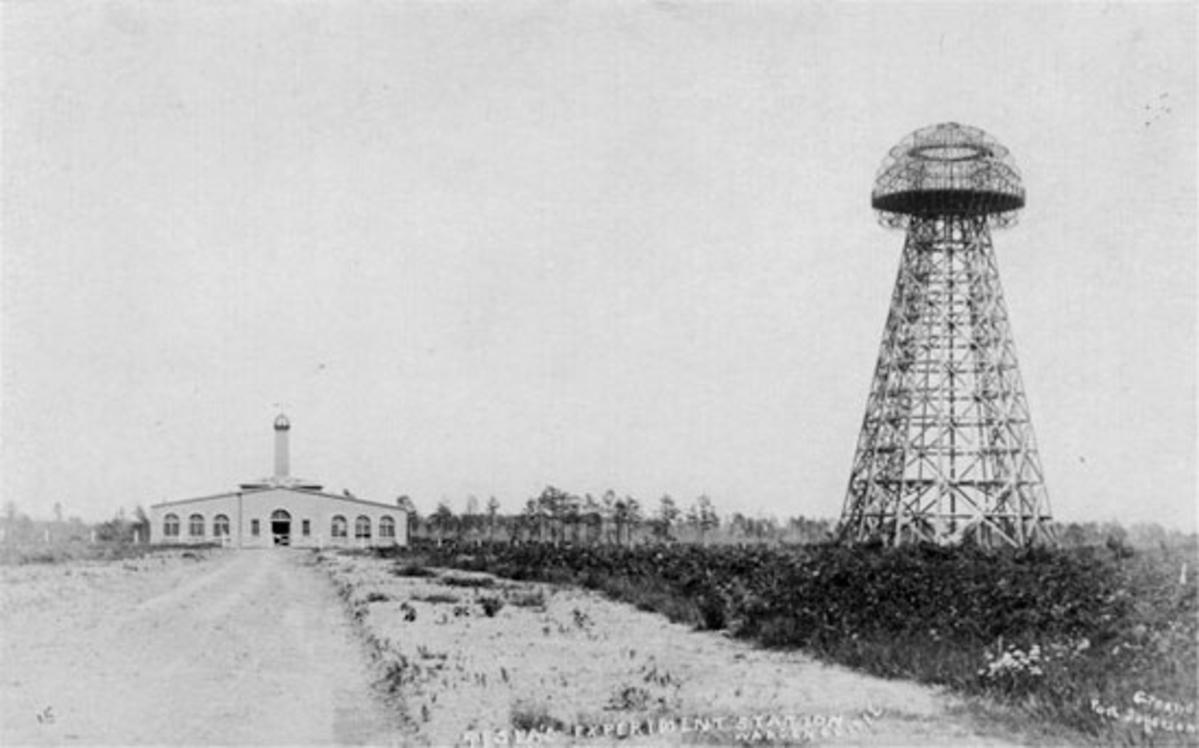
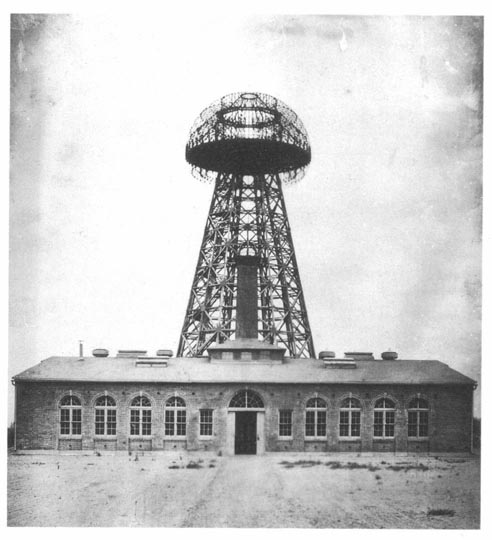
And here was the final result of their labor — the Wardenclyffe Tower in Shoreham, Long Island.
Courtesy Daniel C. Elton
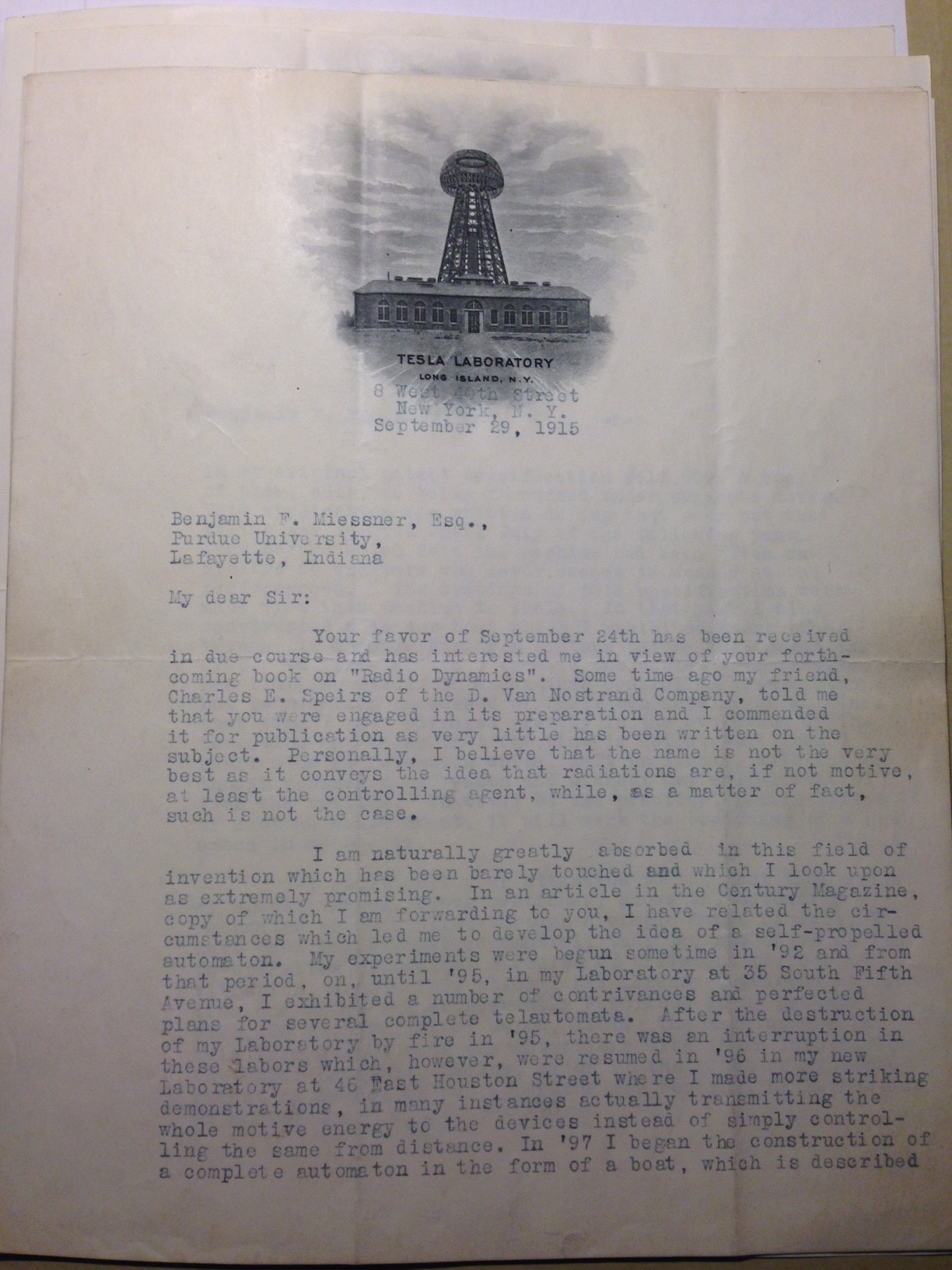
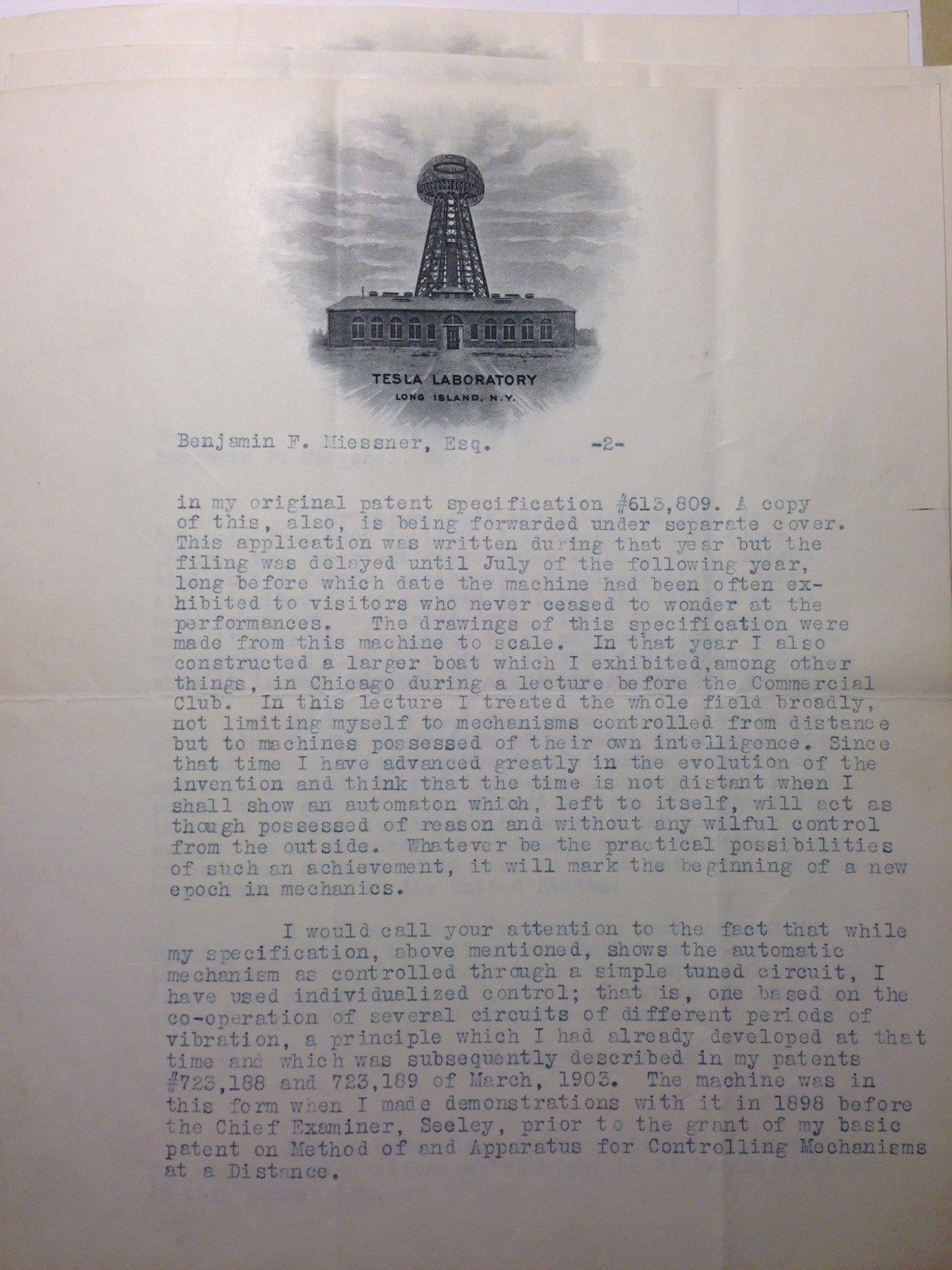
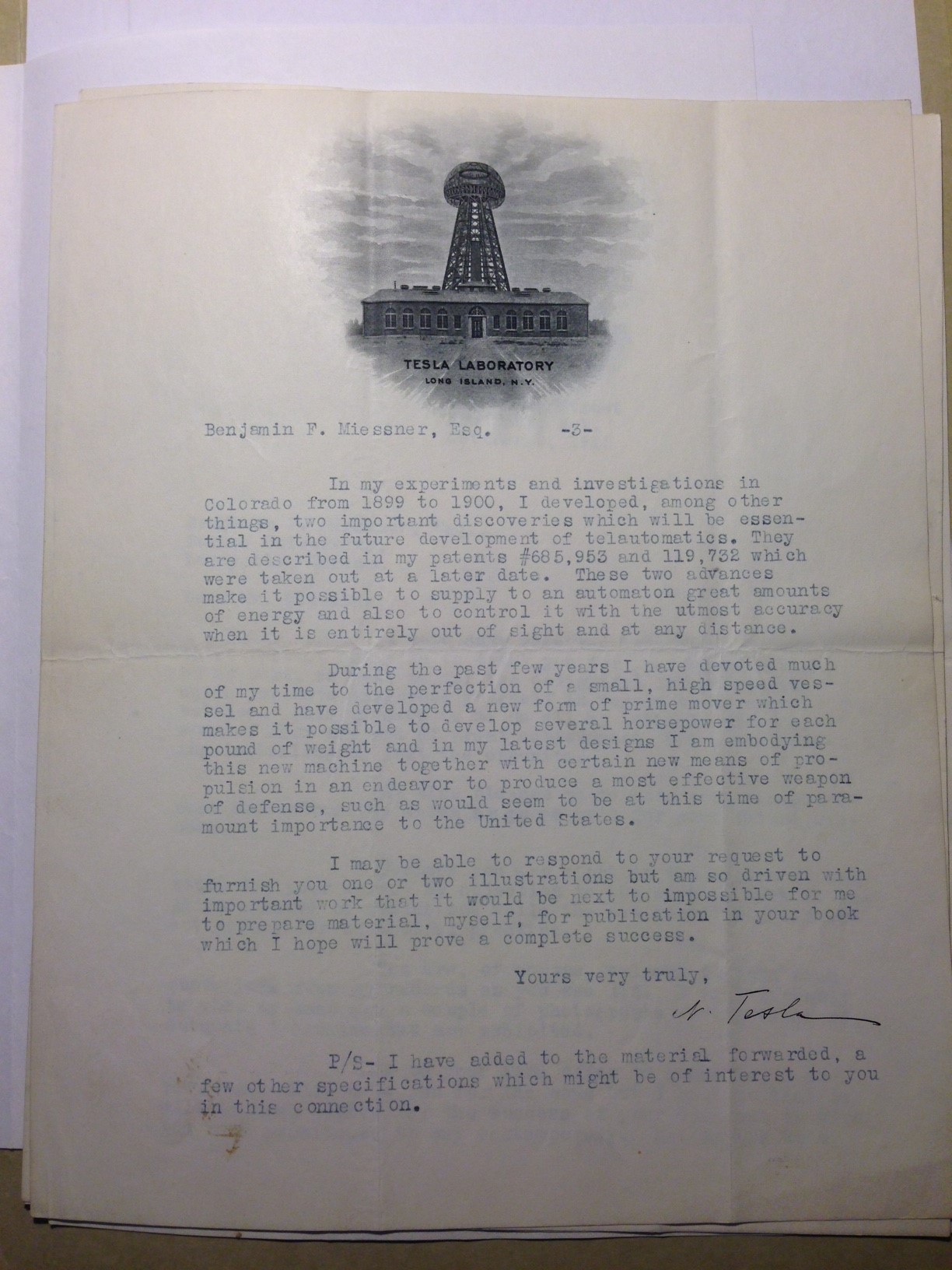
The final letter is intriguing for being written on the official Wardenclyffe Tower letterhead! Of course, in 1915, the tower had been long shut down, and Tesla was racking up the bills at the Waldorf-Astoria Hotel.
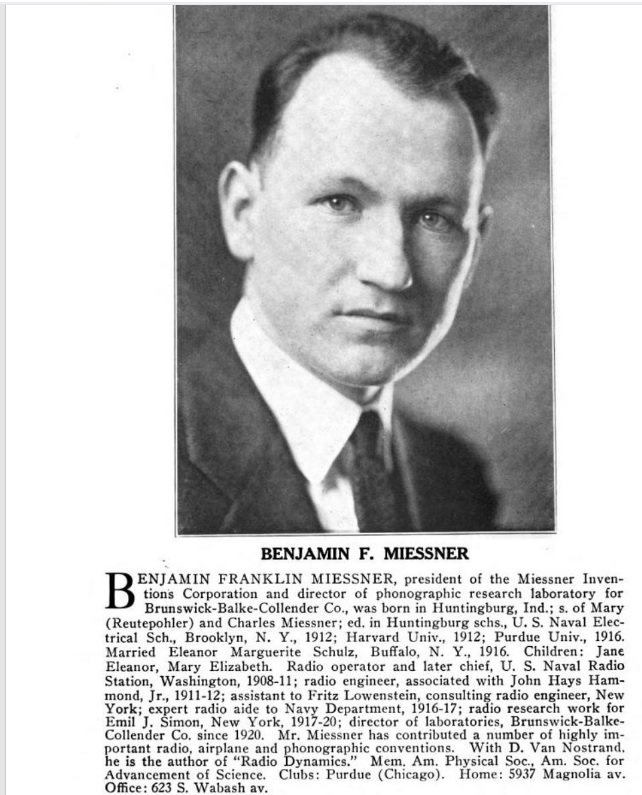
His correspondence is with young inventor Benjamin Miessner who was studying at Perdue University on this date.  Miessner eventually went into acoustical research; he later innovated technologies in sound recording. A picture and biography of Mr. Miessner appear below this letter from thePress Club of Chicago’s Official Reference Book.
In the letter, Tesla references the fire of 1895 and his automaton experiment which was revealed at Madison Square Garden. You can also see a real preoccupation with keeping and protecting patents for his work (and a subtext of preservation of those patents). After all, in 1915, Tesla was out of money!
His correspondence partner Benjamin Miessner in 1922:
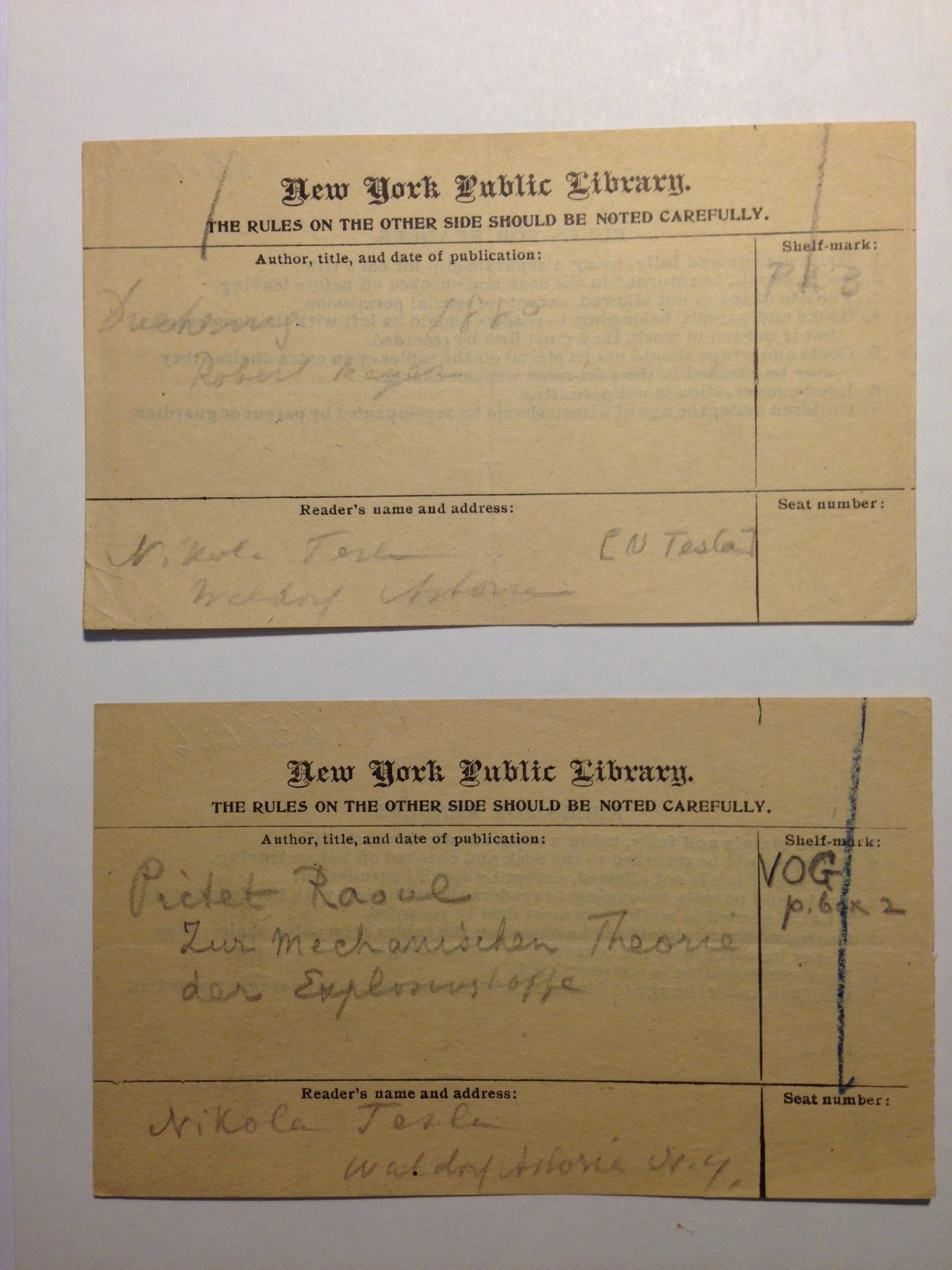
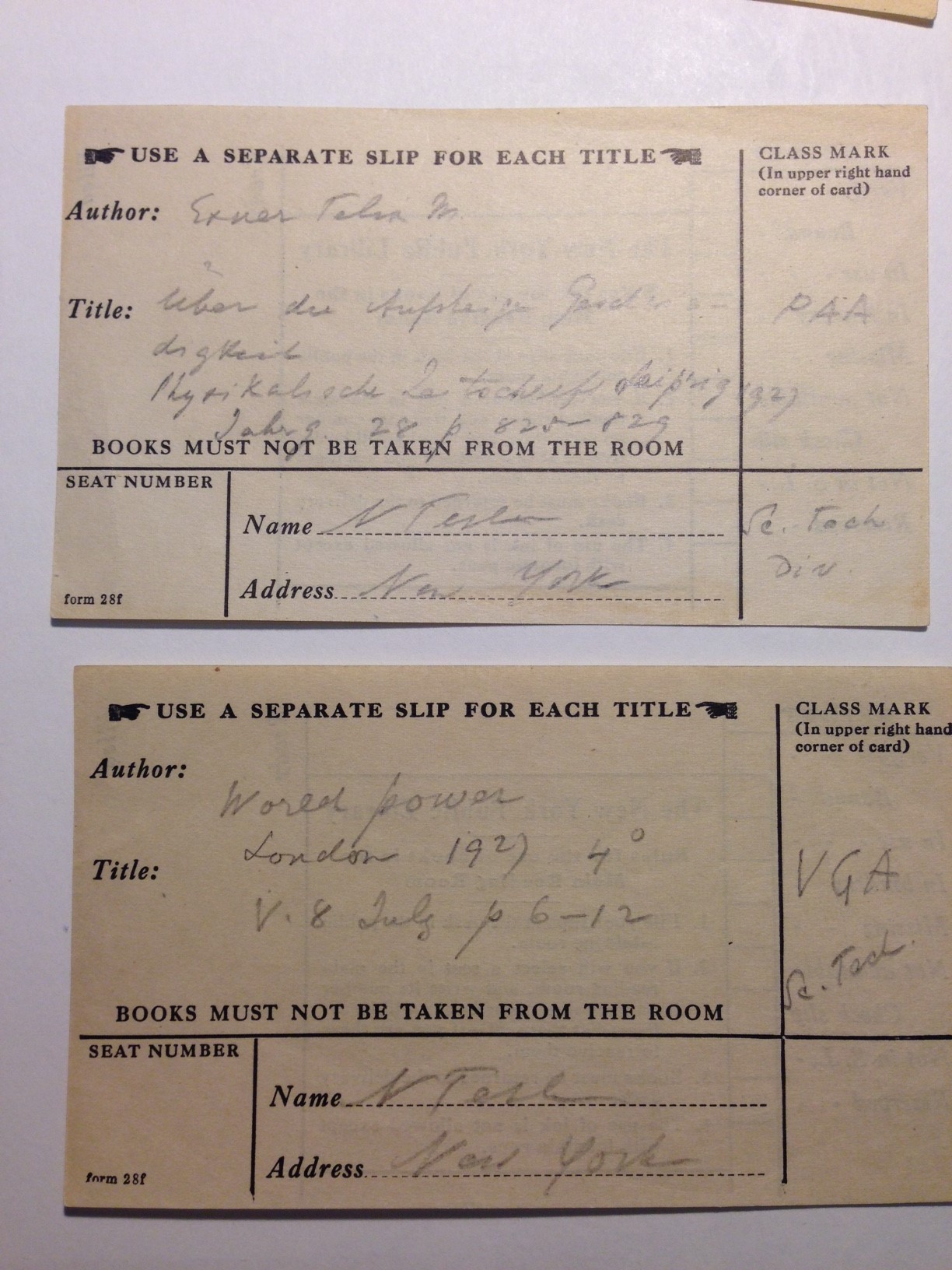
And finally, some library cards that Tesla check out himself, with an address of the Waldorf Astoria (which needed no address):
Documents from the Nikola Tesla letters. Manuscripts and Archives Division. The New York Public Library. Astor, Lenox, and Tilden Foundations. We thank the library for their help with this podcast and with all other things!
PODCASTThe tale behind the brutal murder of renown architect Stanford White on the roof garden of Madison Square Garden, the building that was one of his greatest achievements.
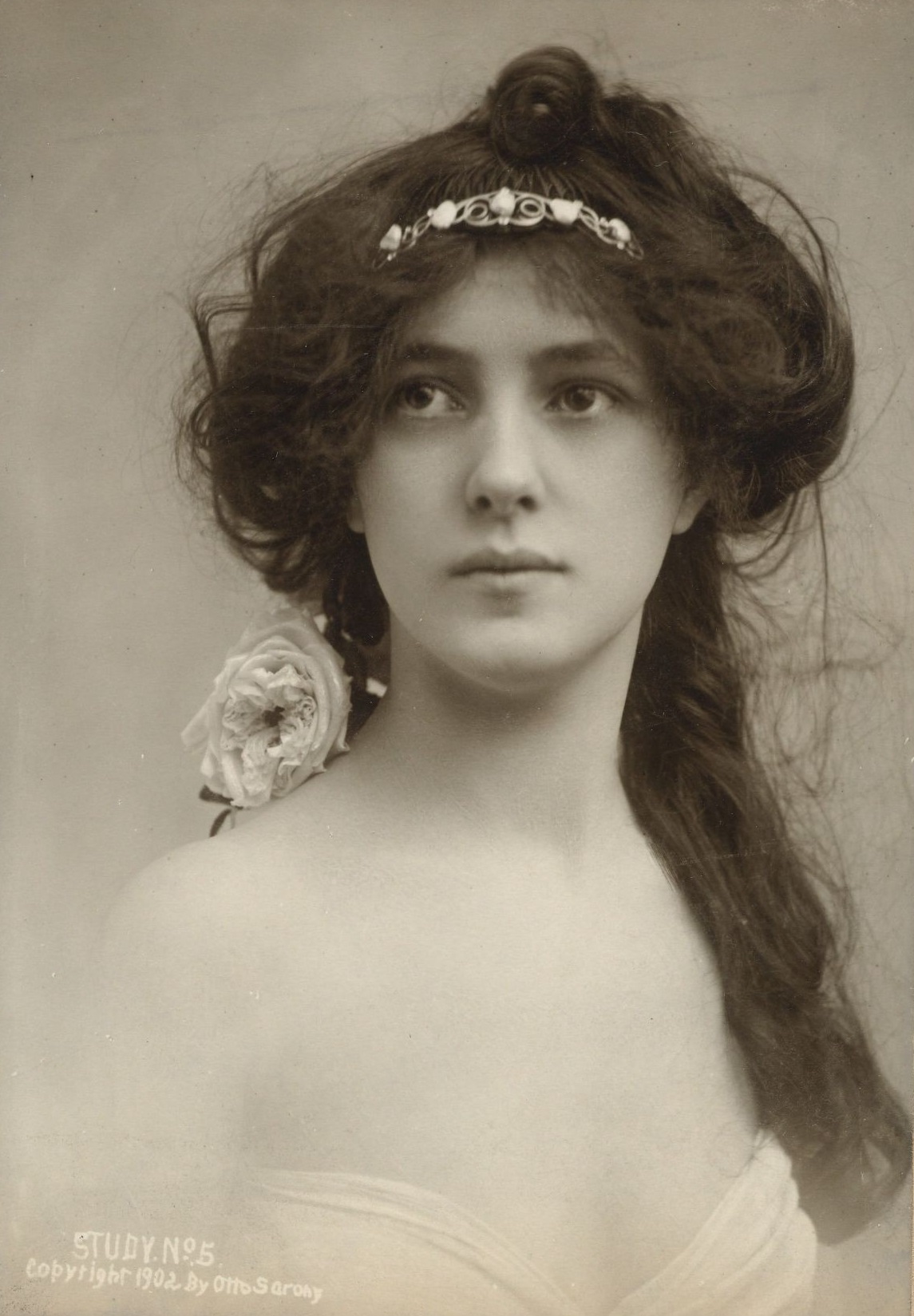
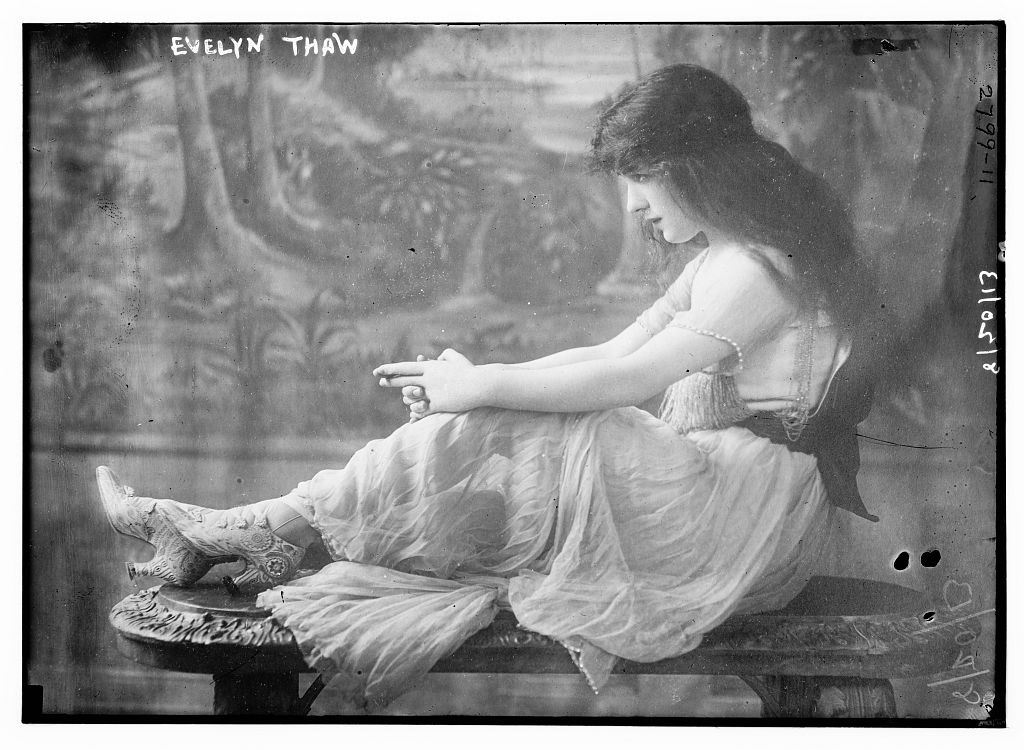
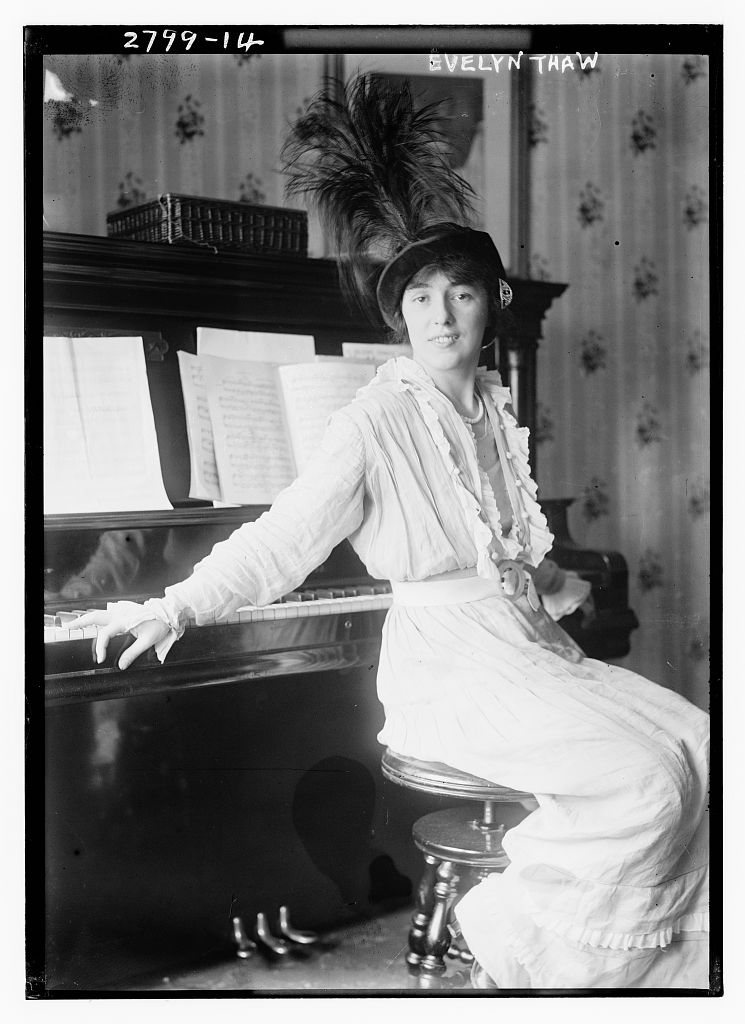
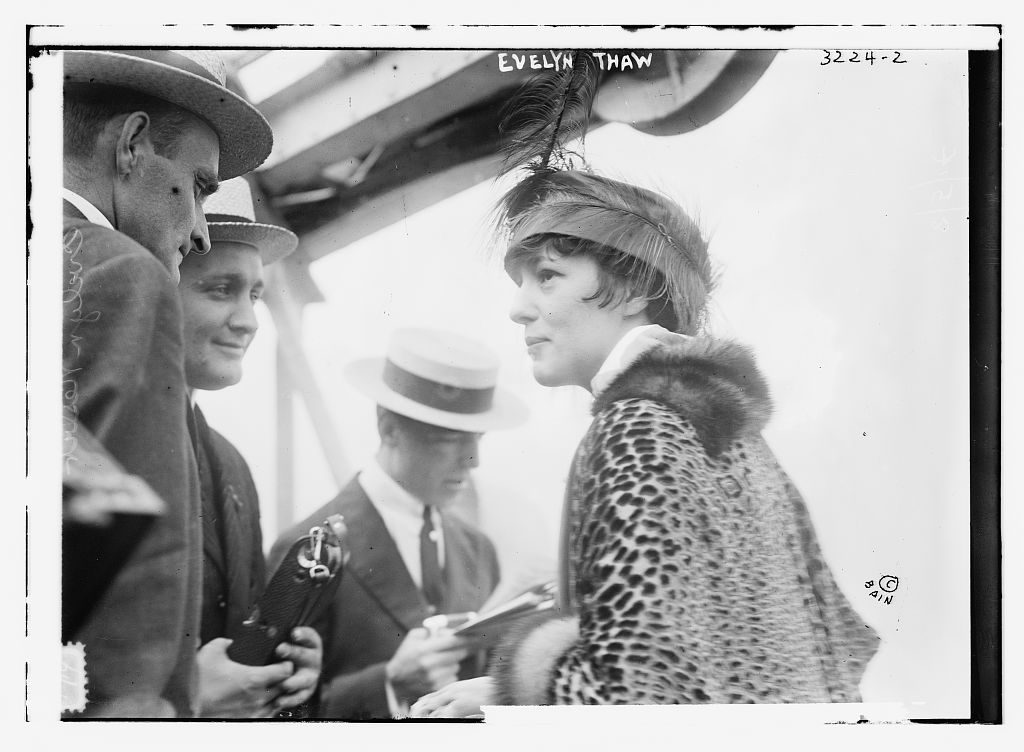
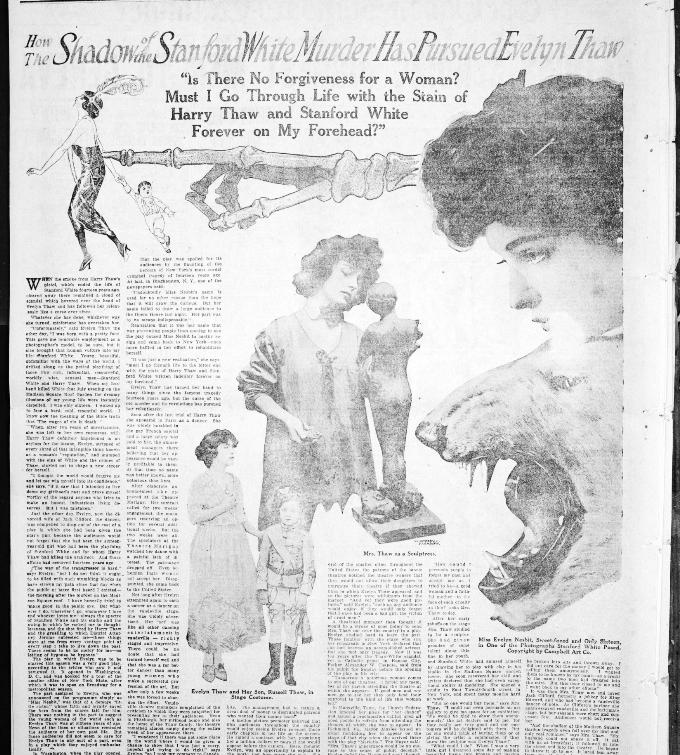
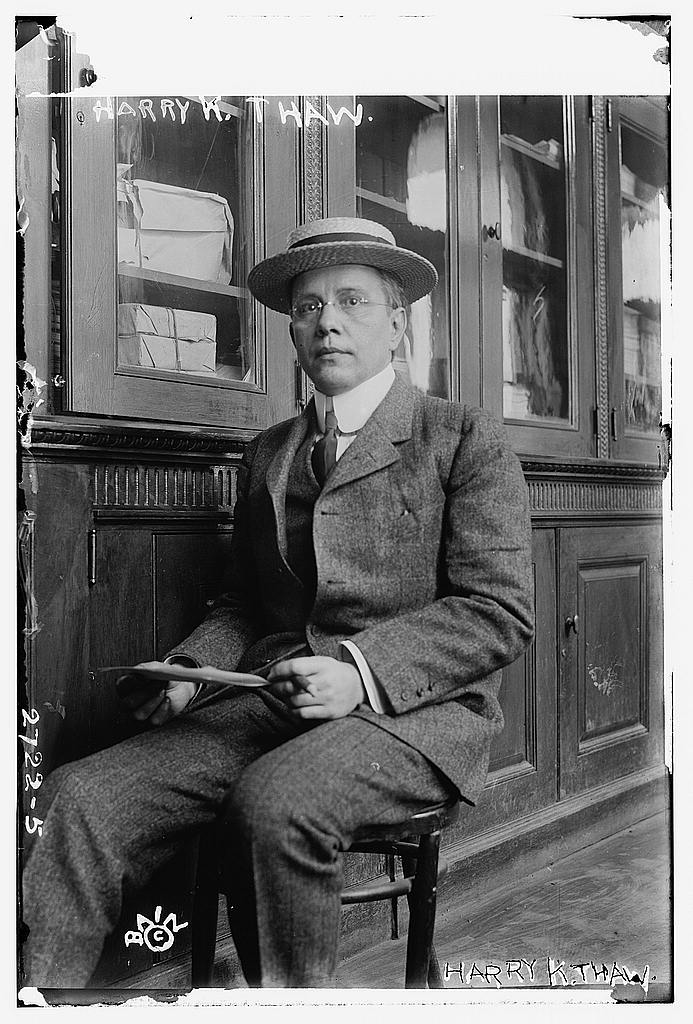
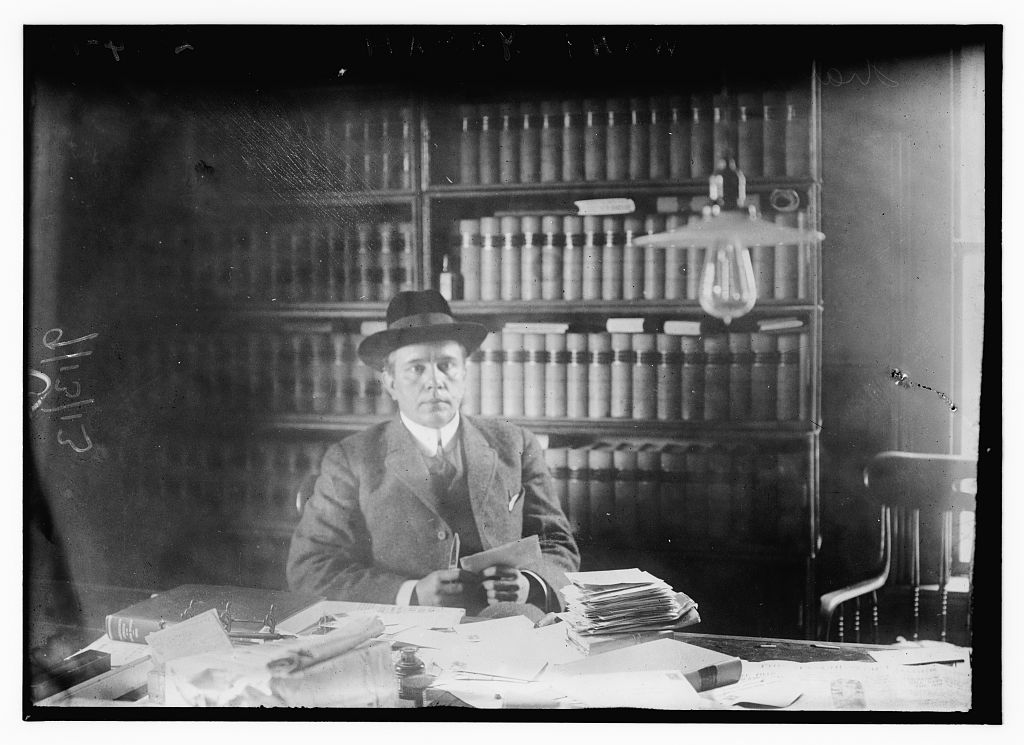
On the evening of June 25, 1906, during a performance of Mam’zelle Champagne on the rooftop of Madison Square Garden, the architect Stanford White was brutally murdered by Harry Kendall Thaw. The renown of White’s professional career — he was one of New York’s leading social figures — and the public nature of the assassination led newspapers to call it the Crime of the Century. But many of the most shocking details would only be revealed in a courtroom, exposing the sexual and moral perversities of some of the city’s wealthiest citizens.
White, as a member of the prestigious firm McKim, Meade and White, was responsible for some of New York’s most iconic structures including Pennsylvania Station, the Washington Square Arch and Madison Square Garden, where he was slain. But his gracious public persona disguised a personal taste for young chorus girls, often seduced at his 24th Street studio, famed for its ‘red velvet swing’.
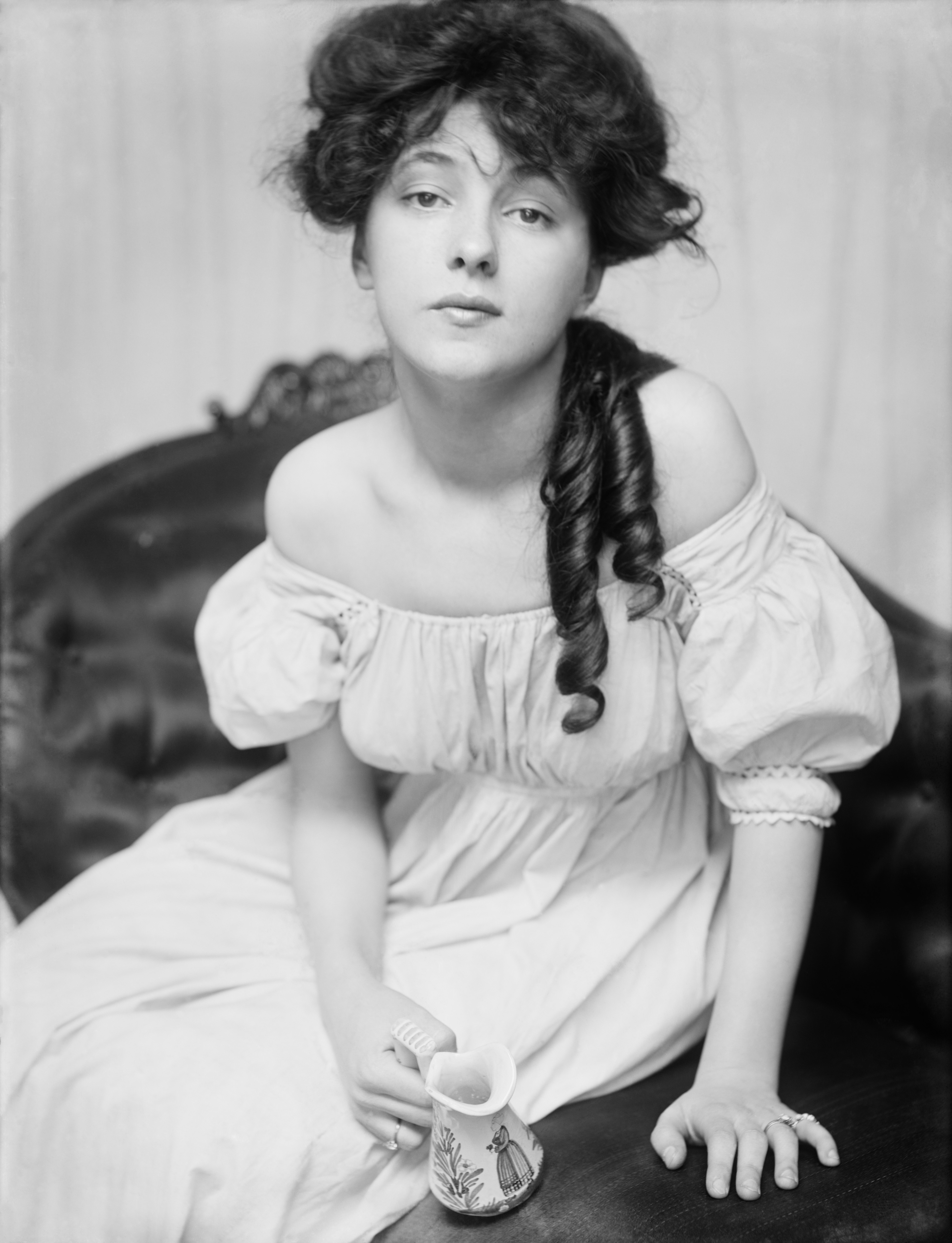
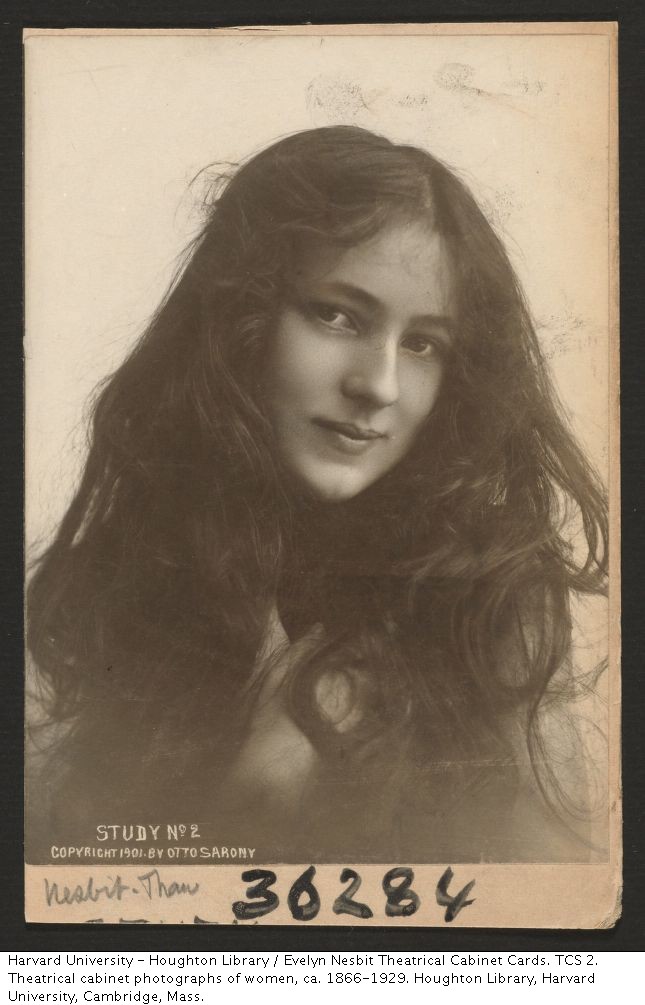
Evelyn Nesbit was only a teenager when she became a popular artist’s model and a cast member in Broadway’s hottest musical comedy. White wooed her with the trappings of luxury and subsequently took advantage of her. The wealthy playboy Harry Thaw also fell for Nesbit — and grew insanely jealous of White. Soon his hatred would envelop him, leading to the unfortunate events of that tragic summer night.
The Bowery Boys: New York City History podcast is brought to you …. by you!
We are now producing a new Bowery Boys podcast every two weeks. We’re also looking to improve the show in other ways and expand in other ways as well — through publishing, social media, live events and other forms of media. But we can only do this with your help!
We are now a member of Patreon, a patronage platform where you can support your favorite content creators for as little as a $1 a month.
Please visitour page on Patreon and watch a short video of us recording the show and talking about our expansion plans. If you’d like to help out, there are five different pledge levels (and with clever names too — Mannahatta, New Amsterdam, Five Points, Gilded Age, Jazz Age and Empire State). Check them out and consider being a sponsor.
We greatly appreciate our listeners and readers and thank you for joining us on this journey so far. And the best is yet to come!
THE UNFORTUNATE TRIO
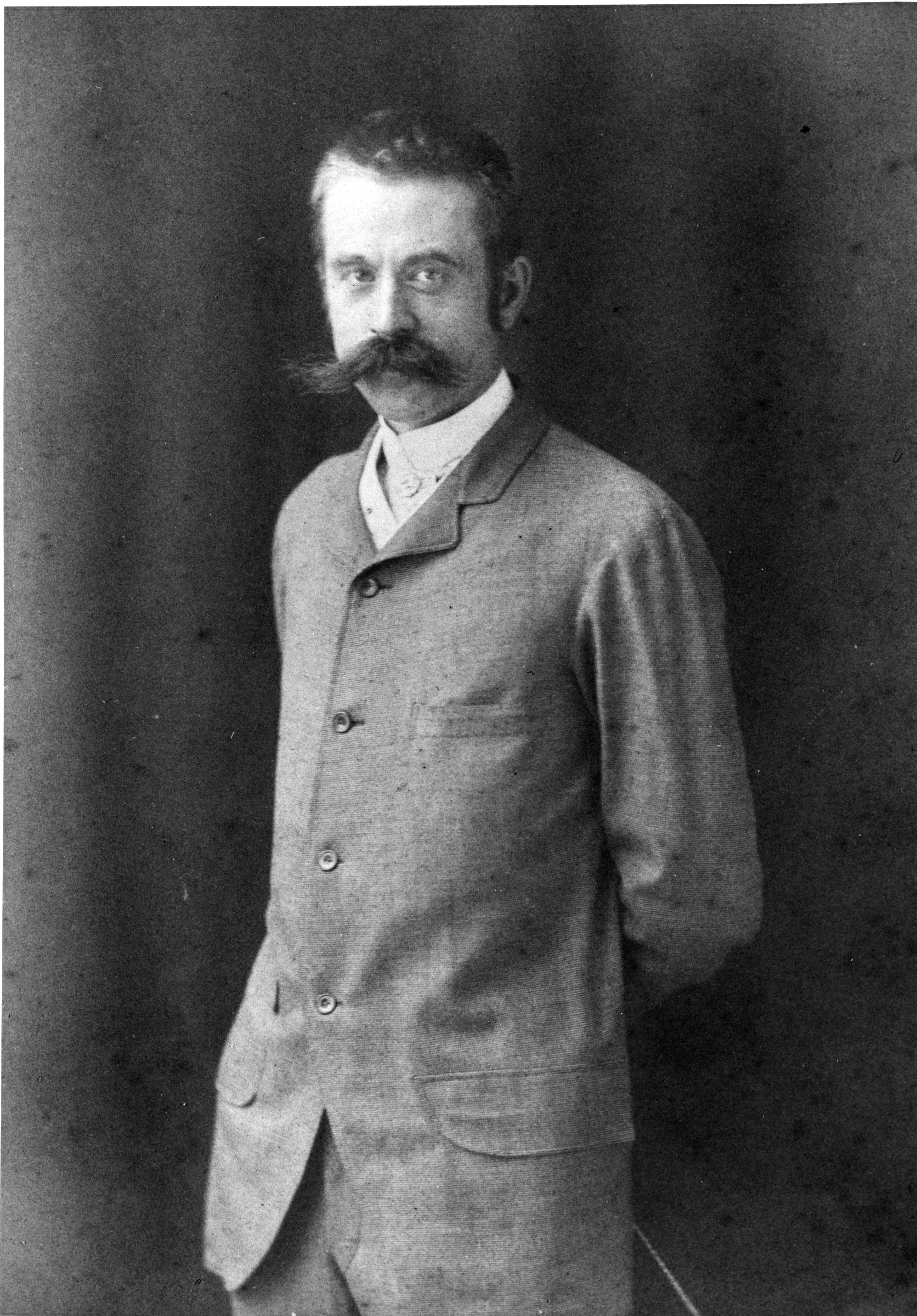
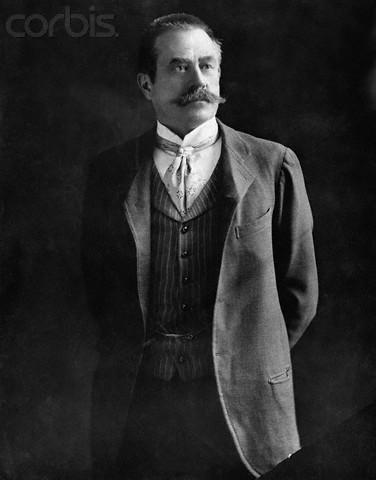
Stanford White
White as a young man (with an enormous mustache!)
Stanford White — date unknown but presumed to be 1906, the year he died.
in September 1913, Thaw escaped from the institution to Canada. He was eventually captured and brought back to the states. Here he is in New Hampshire, awaiting transportation back to Matteawan.
Library of Congress
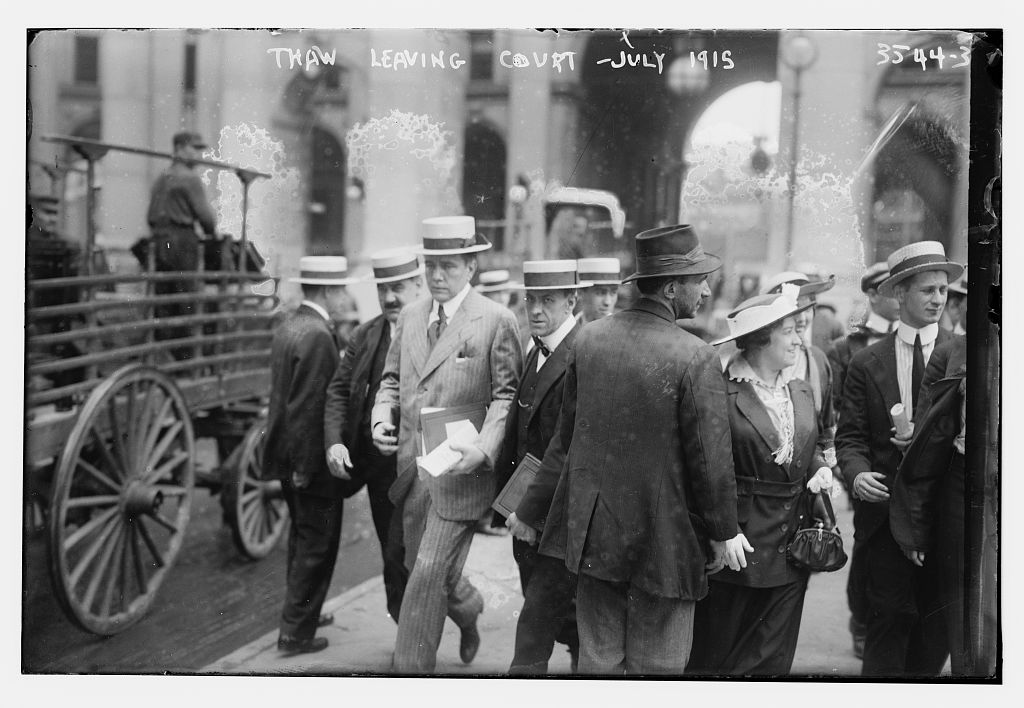
Thaw leaving court in July 1915 after he was declared mentally sane.
Library of Congress
SCENE OF THE CRIME
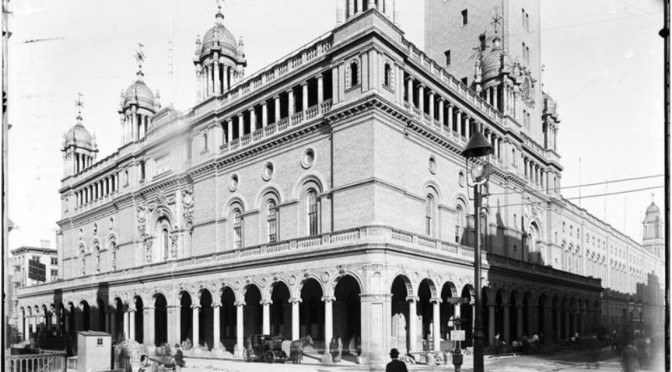
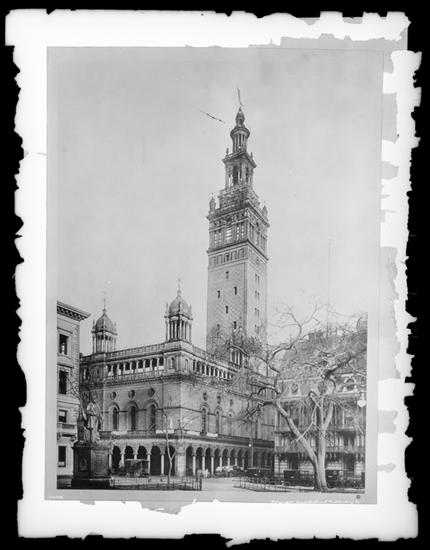
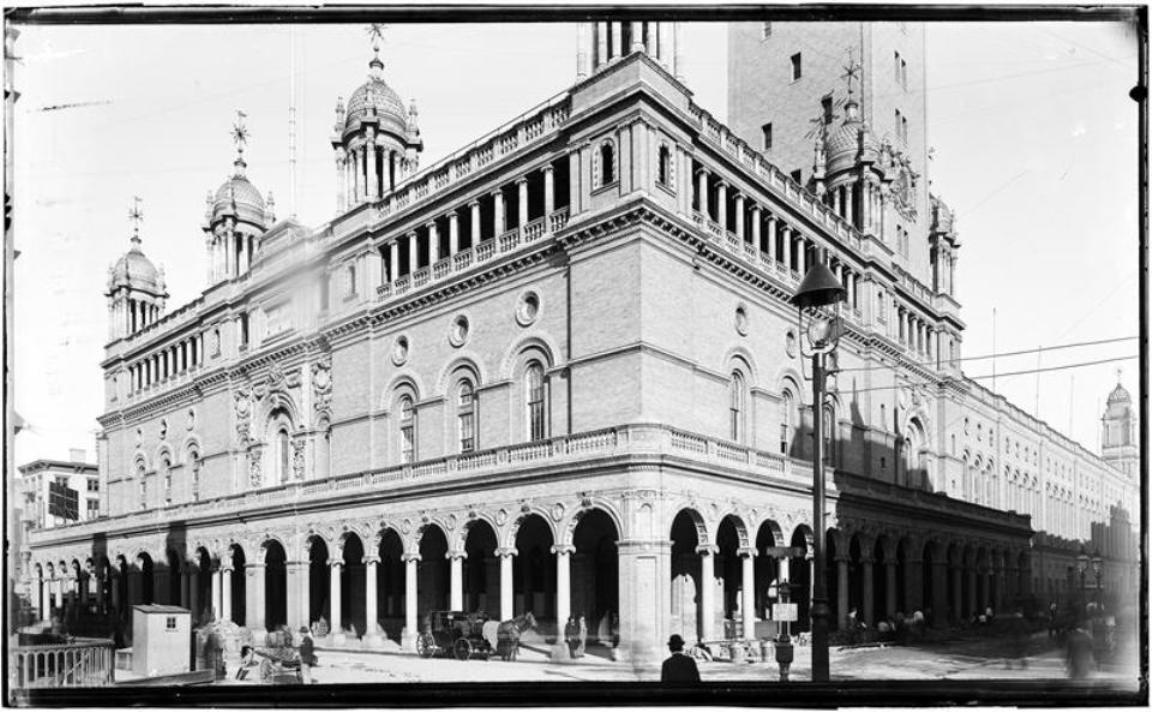
Madison Square Garden, taken in 1905 from inside the park
Museum of the City of New York
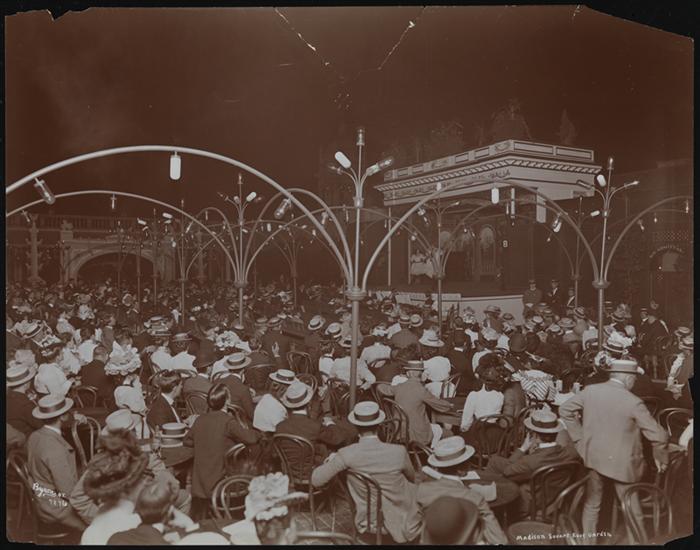
The rooftop theater at Madison Square Garden, pictured here circa 1900
Courtesy the Museum of the City of New York
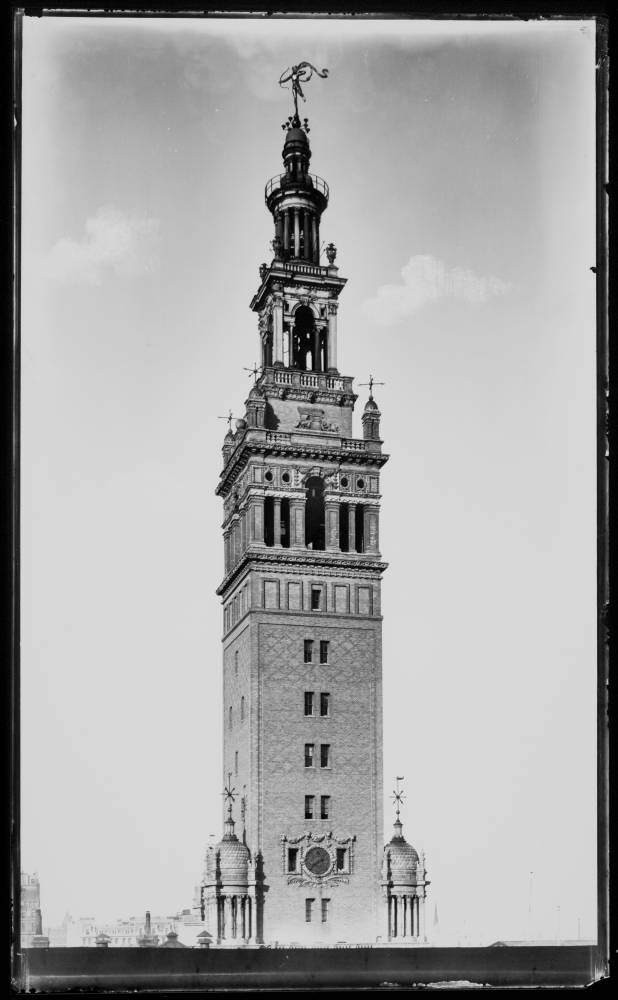
The tower at Madison Square Garden, topped with the scandalous Diana weather vane.
Courtesy George Eastman House
OTHER SETTINGS
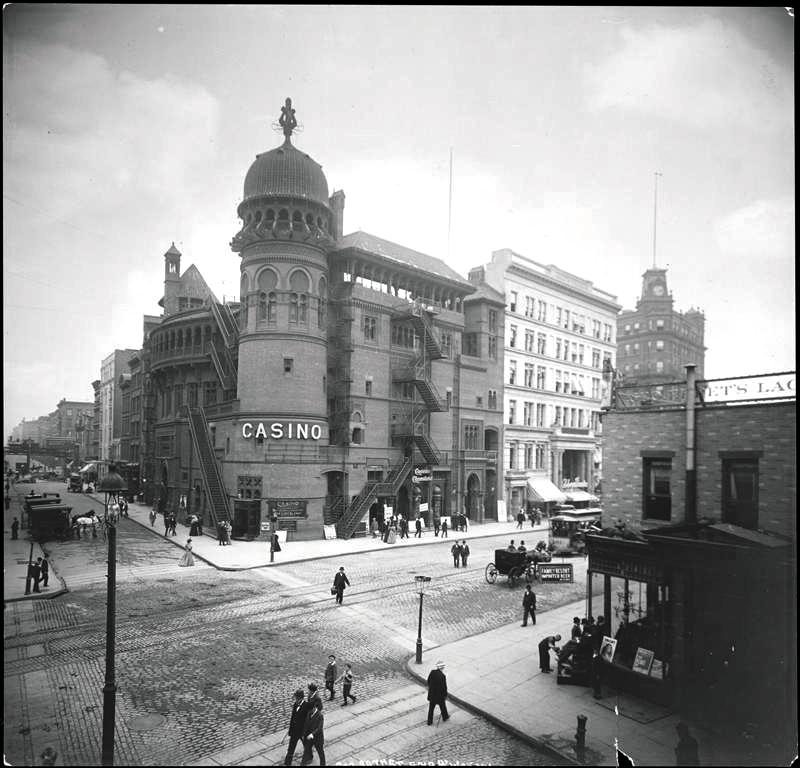
The Casino Theatre, home of the show Florodora, where Evelyn Nesbit was featured, despite her young age
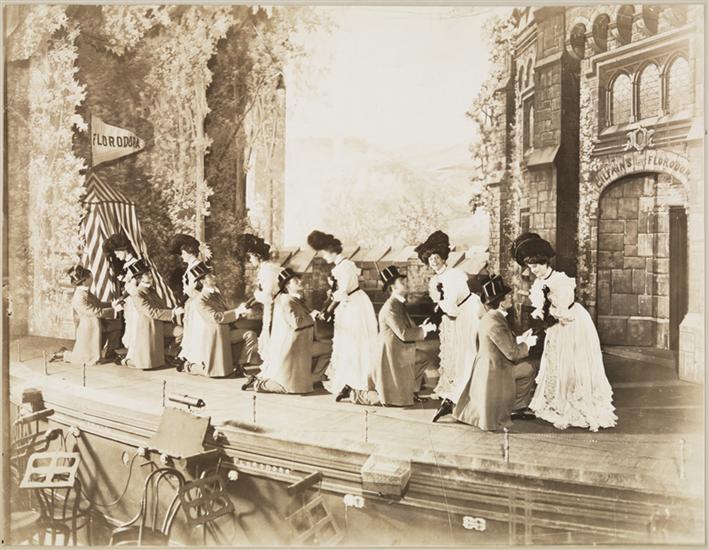
A scene from Florodora in 1900
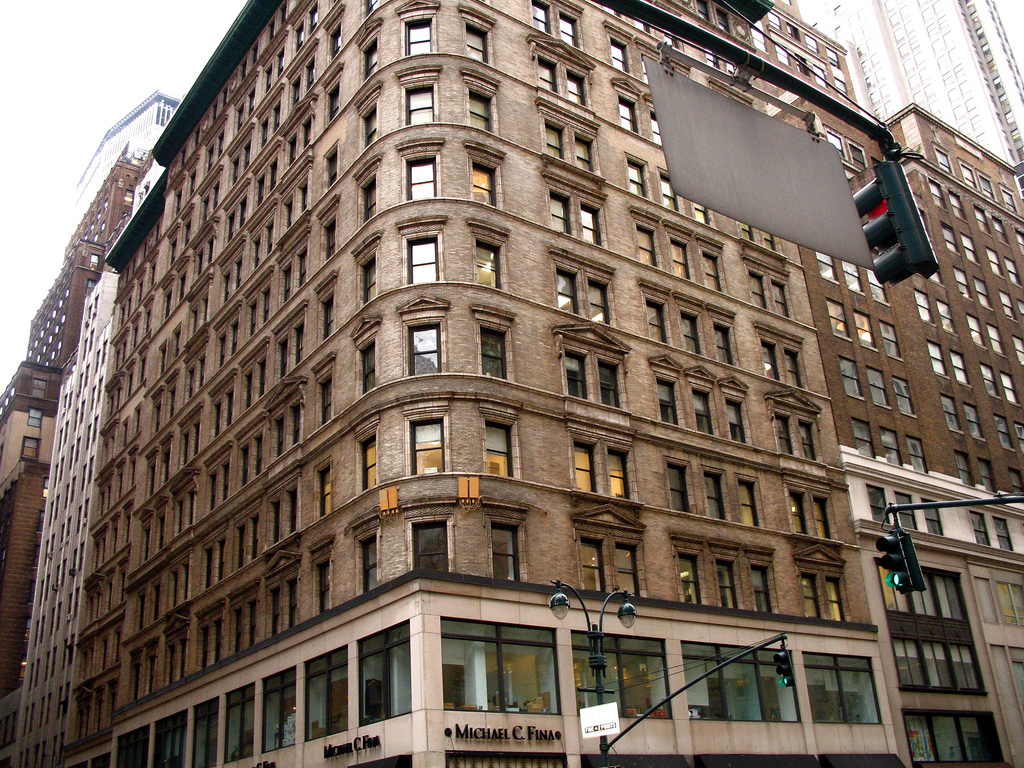
The former Hotel Lorraine, where Nesbit and Thaw were staying on the night of the murder. The address is 545 Fifth Avenue.
Courtesy Flickr/Anonymous A
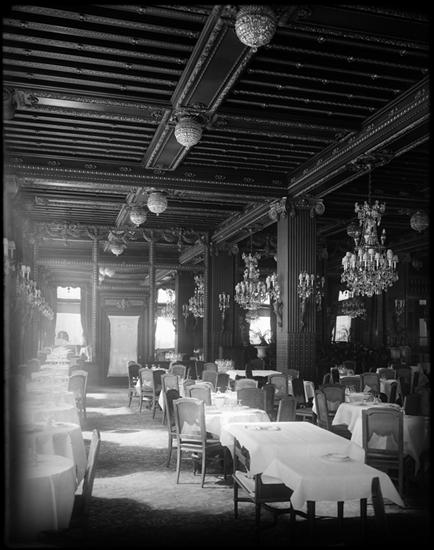
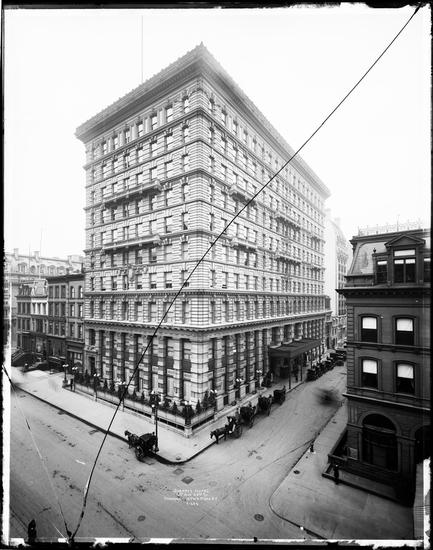
Inside the dining room of Sherry’s Restaurant (44th and 5th Avenue), where Harry Thaw got boozed up before meeting with Evelyn.
Sherry’s in 1905 — 44th Street and 5th Avenue
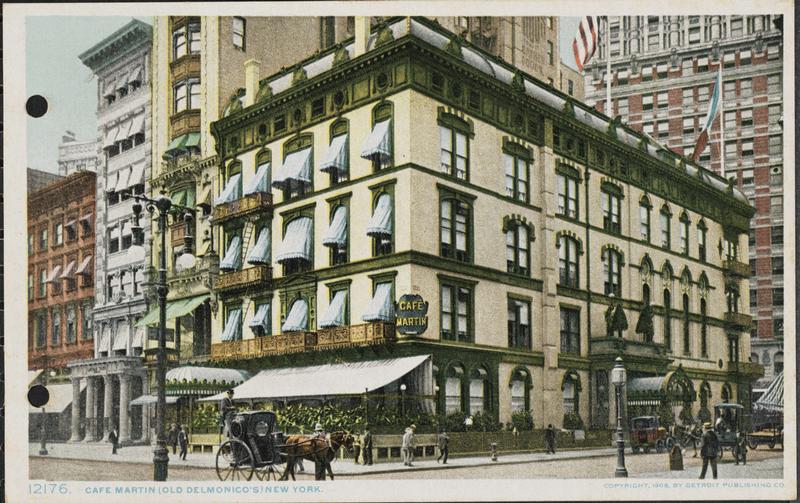
Cafe Martin in 1908, where Evelyn and Harry had dinner before the show
Museum of the City of New York
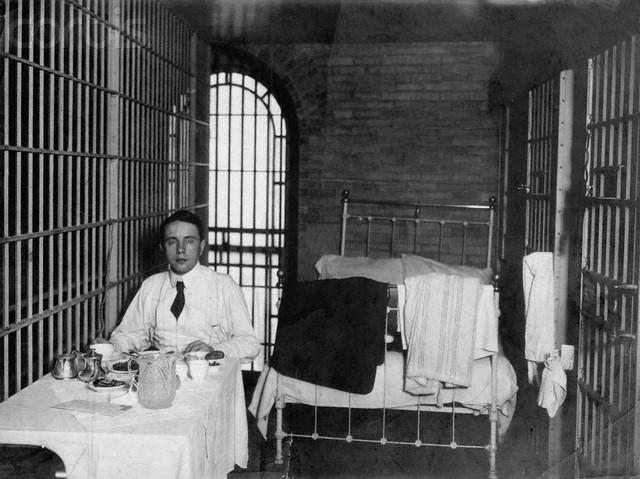
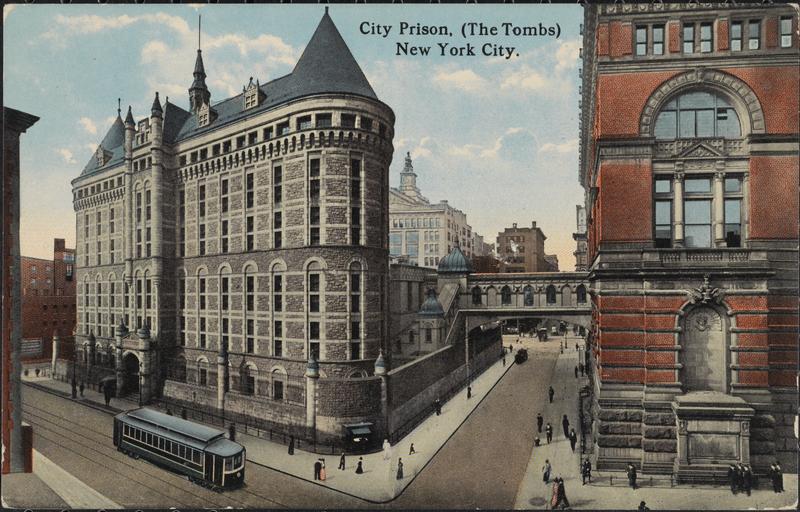
The Tombs — Where Harry Thaw was imprisoned during the original trial
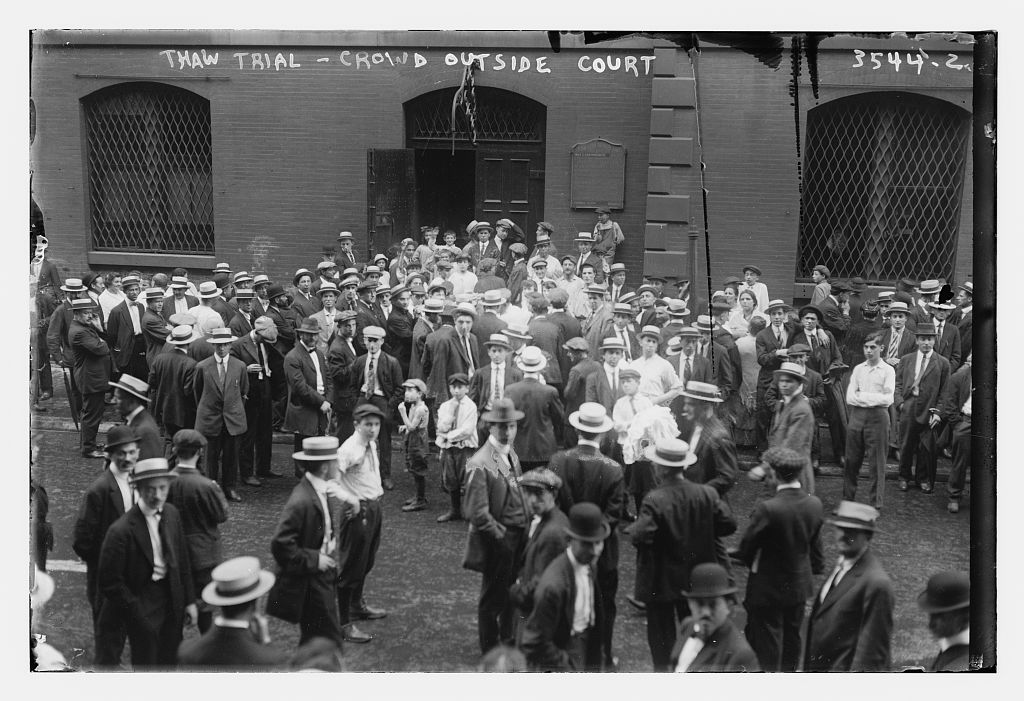
Ludlow Street Jail — Crowds linger outside during the last of the many Thaw trials. For most of his jail time, he was held in the Tombs. According to a Library of Congress commenter: “His lawyers successfully asked the court to move him from The Tombs to the Ludlow Street Jail, on the basis that he was not charged in a criminal matter, but that he was to have a jury trial only as to his present sanity.”
Library of Congress
A 1907 nickelodeon film called The Unwritten Law about the crime.
https://www.youtube.com/watch?v=6rE2WjXqf7U
Newsreel footage from 1915 of Thaw’s release.
Evelyn Nesbit performing in a nightclub in the 1930s (not sure of the club). Start the video at around 2:15:
The trailer to The Girl In The Red Velvet Swing, a highly fictionalized account of the crime. Nesbit was a consultant for the film.
A Welcome Debut: Our podcast this week was on the history of New York University, an institution which spent decades in the Bronx neighborhood today called University Heights. When they returned downtown to Greenwich Village, the campus passed into the hands of Bronx Community College, a part of the City University of New York system.
From that moment, the students of Bronx Community College have been essentially educated in second-hand properties, a collection of storied structures designed by Stanford White and a couple kooky Brutalist additions. But no longer! The New York Times reports on the opening of North Hall and Library, the first new building for the college since they moved in.
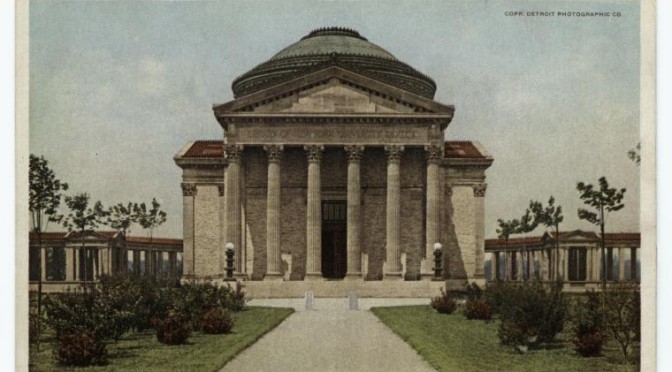
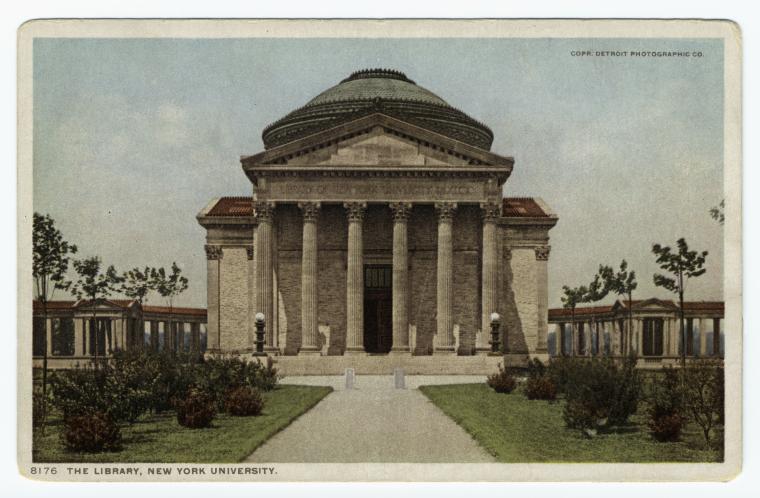
And what of the fate the Stanford White-designed Gould Library (pictured above), home to the Hall of Fame For Great Americans? Read about it in the Times article here.
What The World Needs Now: Songwriter, NYU graduate and New Yorker Hal David, known for his collaborations with Burt Bacharach, passed away over the weekend. David was a student at the NYU journalism school, although he would quickly find his calling in the world of pop music, and specifically at Brill Building, the venerable songwriting factory in midtown.
I shall now use this occasion to honor Mr. David by presenting the one of his greatest collaborations with Bacharach. When do I ever get the opportunity to post a video by the Carpenters?
Most small community colleges feature a statue or two honoring somebody specifically related to the campus. Even massive schools could invite their monuments over for a small dinner and have room for you and your friend from out of town.
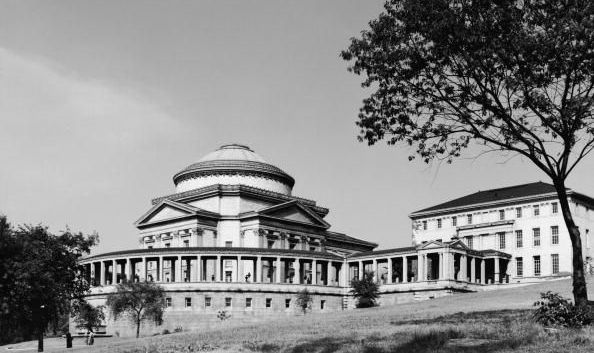
Bronx Community College would need a fairly large banquet hall. This school in University Heights, the Bronx, is a kooky mix of classical Stanford White-designed buildings (from the days when New York University camped here) to some rather awkward concrete classrooms typical of schools that flourished in the 1970s.
One of the stranger acquisitions BCC received when it took over the NYU campus in 1973 was a prestigious hall of fame featuring the biggest names in American history. Let me clarify. They don’t own a hall of fame. They have THE Hall of Fame.
Tucked on a scenic cliff overlooking the Harlem River (and with the Cloisters well in sight), the Hall of Fame for Great Americans was an ambitious project constructed in 1900 with the idea of immortalizing the Americans with significant contributions to science, the arts, politics and the military. Spearheaded by then-chancellor Henry Mitchell MacCracken, the project is the first real memorial ‘hall of fame’ concept to be executed in the United States.
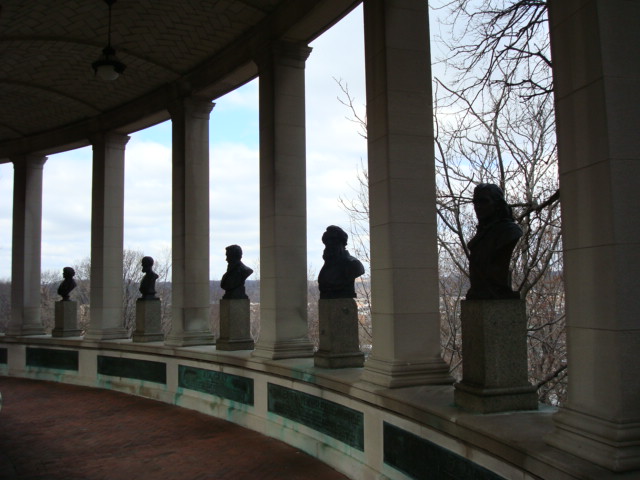
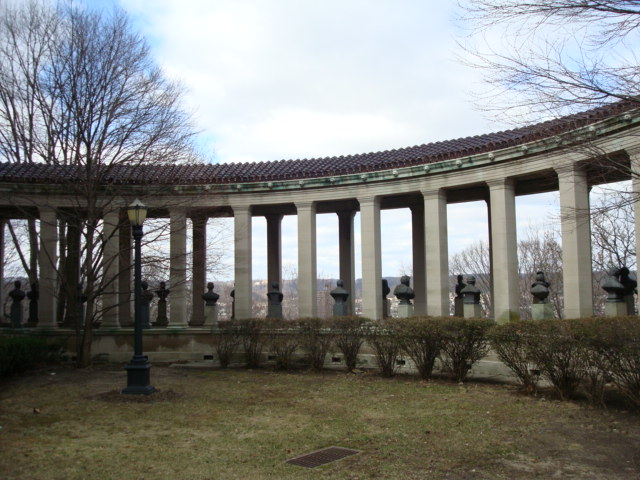
The spacious colonnade tucked behind the White-designed Hall of Philosophy, you are thrown back into a mix of turn-of-the century scholarly aesthetic and the belief of equating the American movement with ancient Roman and Greek forefathers.
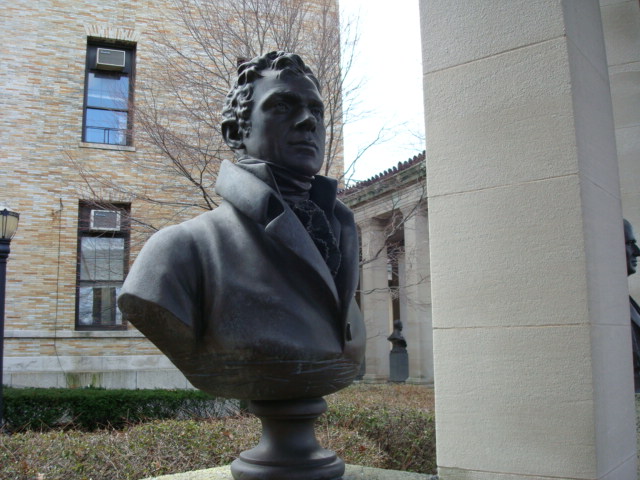
With room for 102 sizable busts (although there are only 98), the colonnade winds around the contours of the hill, spotlighting American icons. John Marshall sits astride Henry Clay. Harriet Beecher Stowe is a few busts down from brother Henry. George Washington AND George Washington Carver are close enough, they could play catch (if they had arms).
The Hall of Fame is a true curiosity in the ‘roadside attraction’ sense. Once a fabled hall with prestige enough that newspapers would lobby for nominees, there haven’t been any new inclusions since the 1960s. (Three more ‘American icons’ — Clara Barton, Andrew Carnegie and Luther Burbank — were elected in 1976, but nobody ever made busts for them!) Once NYU sold the campus, the colonnade was neglected, the hall of fame virtually forgotten.
It has been recently renovated, and the BCC keeps this well-preserved secret maintained. I went this weekend, stayed for about an hour, and didn’t see a soul. It’s worth a visit for the view, although you might want to wait until spring to appreciate the foliage.
Fun Hall of Fame trivia:
— One bust sits apart from the others, partially because he’s the only non-American — the Marquis de Lafayette
— The bust of Stephen Foster in inscribed with the music and lyrics to ‘Swanee River’
— Actor Edwin Booth sits serenely looking out at the river, while the man his younger brother assassinated, Abraham Lincoln, has a less interesting view
Lovely Herald Square once again becomes the center of manic activity next week for next week’s Macy’s Thanksgiving Day Parade. Few realize that Santa Claus, the Rockettes, and a throng of tourists share the square with a Roman goddess and two fellows named after Hebrew demons. Or that this year, said goddess and demons will probably be the best looking partygoers there.
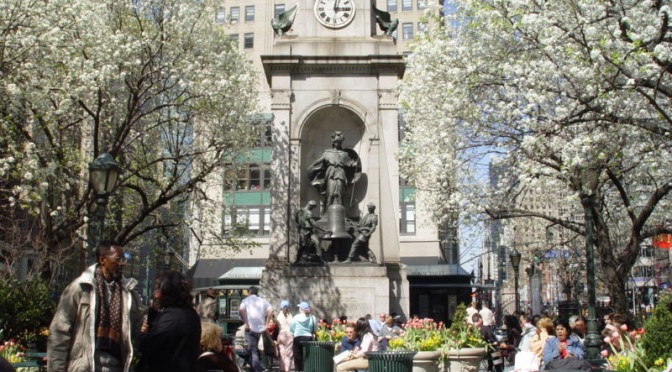
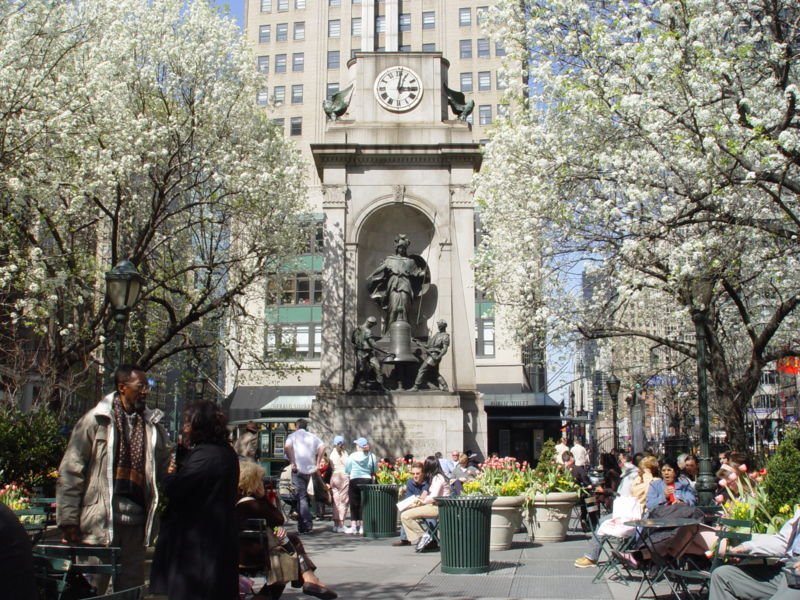
The James Gordon Bennett monument, or Bell Ringer’s Monument as it’s often called, with illuminated clock, friendly bell that chimes on the hour and owls with glowing eyes, has been a solid fixture of Herald Square since November 1940.
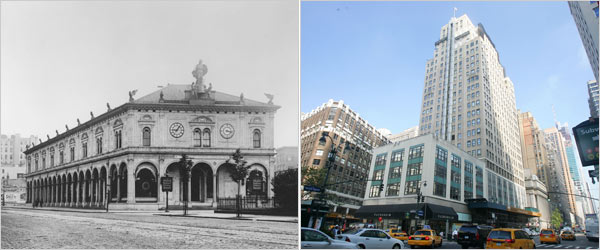
Bennett Jr. was the publisher of the New York Herald in 1894 — Bennett Sr. actually founded the paper in 1835 — when they moved from downtown Park Row up to 35th Street, immediately north to where the monument now stands. The two story Herald building, in an Italian palazzo style by the great McKim, Mead & White, was topped by the sculpture designed by French sculptor Jean-Antonin Carles. The Herald later merged with another newspaper the New York Tribune, and the Herald building was torn down in 1921. But the monument, popular with New Yorkers due to its glowing timepiece, was reinstalled in the park below.
The primary figure is the goddess Minerva, Roman deity of poetry and music, often analogous to the Greek goddess Athena. More curiously are the bell ringer’s below her, who have two sets of names. Stuff and Guff are the cutesy names; Gog and Magog, also known as early demonic beings from the Old Testement, are rather less cute. Minerva’s companions in classical literature are owls, which explain the birds with eyes that glow upon the hour, as though lasers are about to incinerate passers-by below.
The monument has always been a mystery for some. A mysterious door on the 35th side is inscribed with the phrase “La Nuit Porte Conseil(‘Nighttime Brings Advice’ or ‘Let’s Sleep On It’)” which has never been adequetely explained. A website on magic maintains the Herald Square statuary is loaded with mystical, even demonic iconography.
The bell ringers don’t actually ring the bell but merely go through the motions, with a mallet inside timed to make the hourly chime. That is, the ringers never did until a few years ago. The condition of the monument had deteriorated to an extent that one of the ringer’s mechanisms were beginning to actually scrape the side of the bell. The overall condition of the monument was pitiful, covered in bird droppings and weakened by the elements. Its granite base has even begun to crack.
So just this year, the Municipal Arts Society funded an impressive $200,000 restoration, encasing the monument in scaffolding for four months to repair it in time for its annual showcase to the world during the parade. It was unveiled in September, and Minerva and her pals look as good as new.
Below: The Herald building (with Minerva on top) and how it looks today, photo from the New York Times