Know Your Mayors: William Russell Grace

Our modest little series about some of the greatest, notorious, most important, even most useless, mayors of New York City. Other entrants in our mayoral survey can be found here.

You can divide the mayors of New York into at least five different groups, with some obvious overlapping into one or more groupings:

1) Ladder climbers who use the mayor’s seat as a mere spoke to greater political power

2) Puppet mayors of Tammany Hall, driven by corruption, though occasionally by sudden late-day resistance against the powerful Democratic machine that put them into power

3) Idealistic one-shots, who rise to power during flashes of mass community unrest, then often disappear shortly afterwards

4) City workhorses, who spend their lives rising through the ranks to achieve the mayor’s seat almost as a finish line to their careers

Then there is the fifth kind, one that our current Michael Bloomberg embodies, as does this week’s Know Your Mayor topic, William R. Grace — the mogul mayor, a powerful businessman with astute vision who pursue civic leadership almost like a hobby.

Like Bloomberg, Grace entered New York politics only after establishing a business empire that spanned the globe. In fact, Grace’s resume hardly seems to foretell a future in local politics at all.

Born on May 10, 1832, in Cork, Ireland, young William and his family fled the potato famine in 1846 and eventually found themselves in Peru. Grace became a successful merchant to the shipping and delivery vessels mining South America’s natural resources, particularly bat guano, whose flexible chemical properties made it as desirable as precious metals.
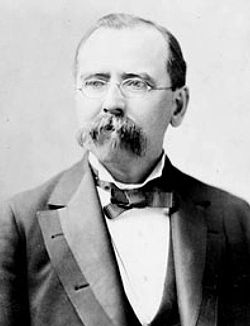
By 1854, Grace and his brothers had their own operation — W.R. Grace and Company — which initiated steamship lines traveling between North and South America. By the time the young entrepreneur decided to relocate to his North American office in New York City in 1866, he had become independently wealthy and one of the most powerful men navagating the Atlantic Ocean.

Like many of the nouveau riche, Grace lived in Brooklyn Heights with his wife where he could observe his burgeoning shipping empire in New York harbor, his vessels traveling between Latin America and Europe. His office was at 47 Exchange Place and, later, the India House.

His new financial powers granted him avenues into New York’s political scene. At first entirely uninterested in civic matters, he ran for mayor in 1880, and won, incredibly as a Democrat who also happened to be foe to the Tammany Hall forces. (If you’re going to fight Tammany Hall, it helps to have money and influence already in the bank.)

If that wasn’t enough, Grace become the first Irish-American and Catholic mayor in an age where when many city residents still distrusted Catholics. In fact, Republican opponents had claimed that Grace would “make this City subordinate to the Holy Father in Rome.

Grace was mayor for two non-consecutive terms. From 1880-1882, his battles were with Tammany’s ‘Honest’ John Kelly and the city’s deteriorating infrastructure. Although Boss Tweed had been dead for two years, and Tammany’s corrosive readily exposed, Grace still devoted most of his first term battling his fellow Democrats over such things as street cleaning.

After returning to business for a couple years, he was brought back into the mayoral world in 1884 (until 1886) after the Republican and traditional Tammany candidates proved too divisive. Less dramatic years in terms of political battles, Grace would be involved with ensuring New York two of its most famous monuments.

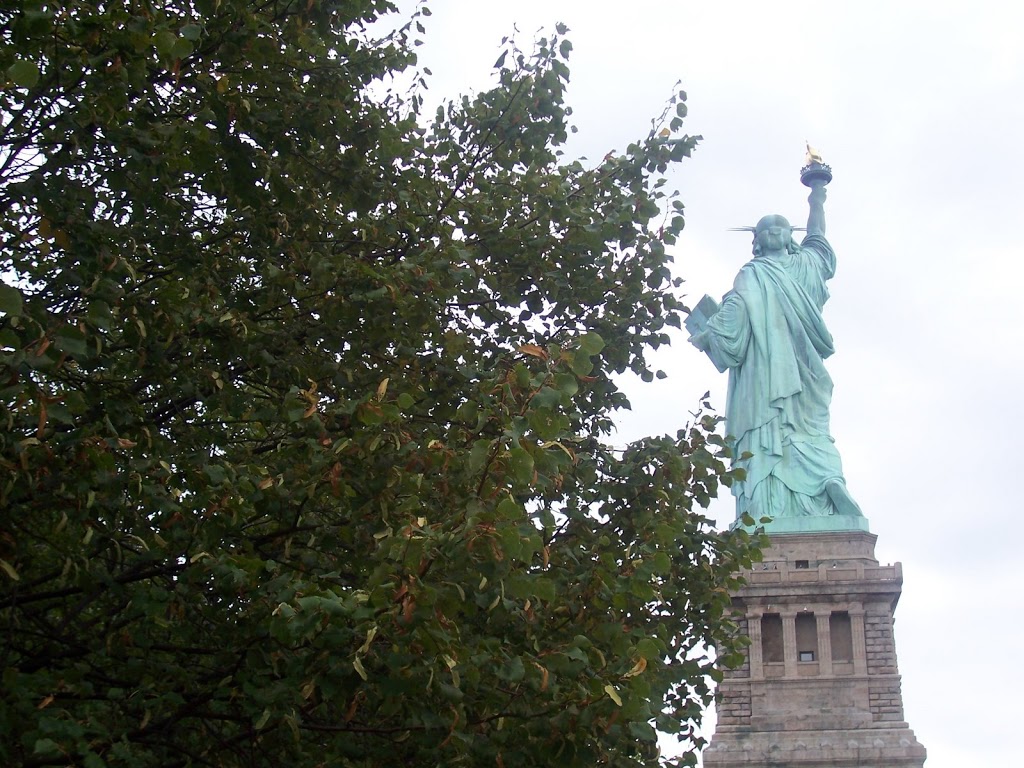
He was mayor when the Statue of Liberty came to town, officially accepting the gift from the French in 1885. That same year he successfully secured the permission to have the body of Ulysses S. Grant buried in the city, in the ostentatious mausoleum that would be known as Grant’s Tomb.

According to the Catholic Encyclopedia, Grace went to Mass every morning before heading to City Hall. Grace’s latter days were devoted to philanthopical gestures, including the Grace Institute, which educated immigrant women, in 1897. He died in 1904.

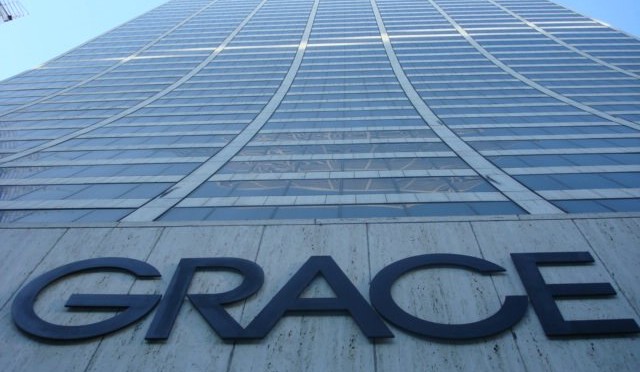
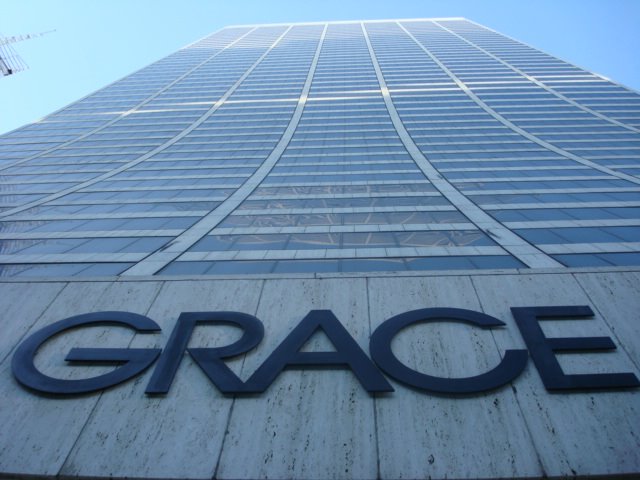
However, his company W.R. Grace and Company would grow, from its salad days in bat guano, to become one of the world’s biggest chemical conglomerates. Their New York corporate headquarters was built in 1971 on the north side of Bryant Park and is generally known for its white sloping facade. At present it is the 61st tallest building in New York City.
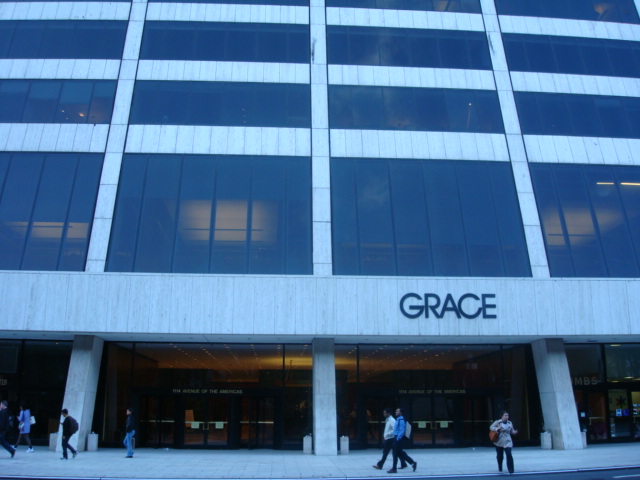
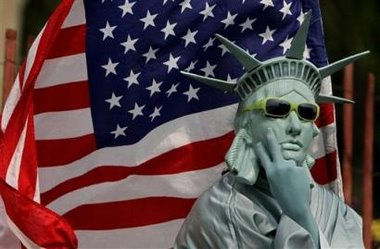
Spawn of the Statue of Liberty

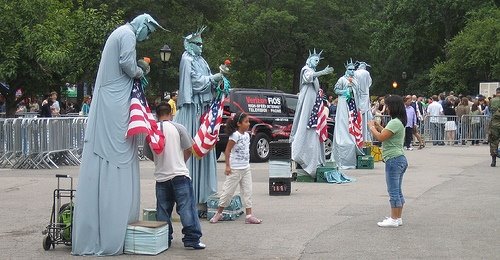
You know an area of New York has achieved tourist saturation when the first ten people you see are all identically dressed as the Statue of Liberty.

Performance artists regularly delight audiences near the city’s marquee tourist attractions — South Street Seaport, Central Park, Times Square. Most are truly worthy of the attention: the charismatic juggler, the dance troupe, even (though I hate to admit it) that person who acts like a robot making hydraulic noises.

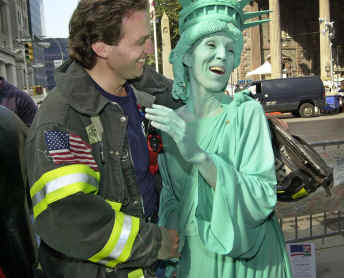
But the army of Liberty impersonators are different. First of all, there’s usually a group of them, the largest number collecting themselves outside Castle Clinton, greeting visitors who are awaiting to see the real Liberty. Seeing four or five Lady Libertys is startling, surreal, even nauseating. It’s even exhausting looking at so many people draped in green wearing masks or face paint on a hot spring day.

Bonnie, a New York blogger, pinpoints exactly what it is that’s so ominous about them:

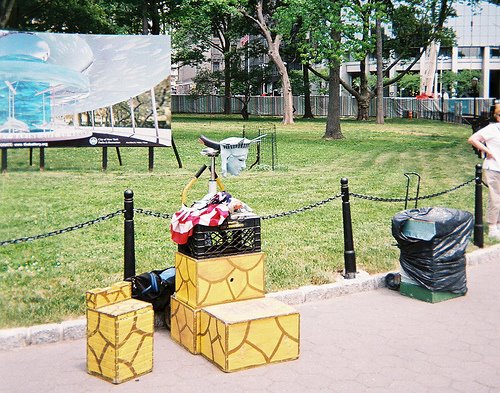
“The effect is actually rather eerily reminiscent of the killer from the “Scream” movies (actually I think somebody needs to make a horror movie set in NY and featuring one of these guys) …. on a dreary day like today you get the even weirder scenes of a busker who’ve gone on break leaving a small heap of folded green robe, and a Statue of Liberty heads (wearing shades) stuck on a pole”

Of course, Statue of Liberty replication is not a new phenomenon. In fact, you could say the replicates came before the real thing.


France’s gift to the United States — probably the best gift ever — was wholly funded by French citizens. Creator Frédéric Auguste Bartholdi devised a host of creative fund-raising ideas, including a concert series and a Liberty themed lottery. But he also created Lady Liberty souvenirs, miniatures of his design, as a way to boost enthusiasm and raise money. By 1889, Liberty was in New York harbor, but she had already started to spawn.

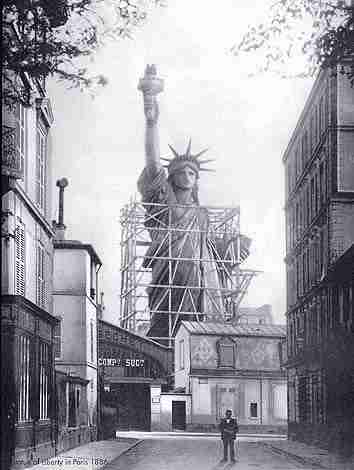
The French have their own Liberty which stands a little under 38 feet tall (or about the combined length of all the Statue of Liberty impersonators you can find in Battery Park at one time) within sight of the Eiffel Tower, planted near the Granille Bridge on the same date as New York’s. Later, her original formative model, a bronze Bartholdi had used to impress investors and demonstrate the statue’s scale, was donated to the Jardin du Luxembourg in 1900. Since then various other versions have been spotted through France, including Bartholdi’s hometown.

The Statue’s first and perhaps only legitimate American sister sat for decades atop the former Liberty Warehouse at 43 West 64th Street. Mini Liberty, close in design to one of Bartholdi’s actual fund-raising miniatures, sat overlooking the Upper West Side from 1891 to 2002, when she removed and given an honorific spot at the Brooklyn Museum.

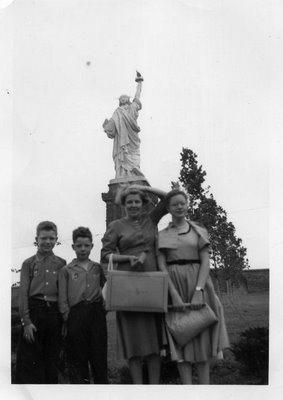
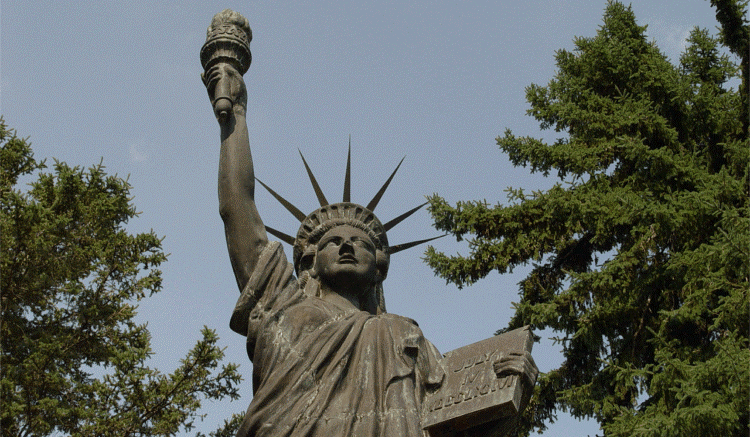
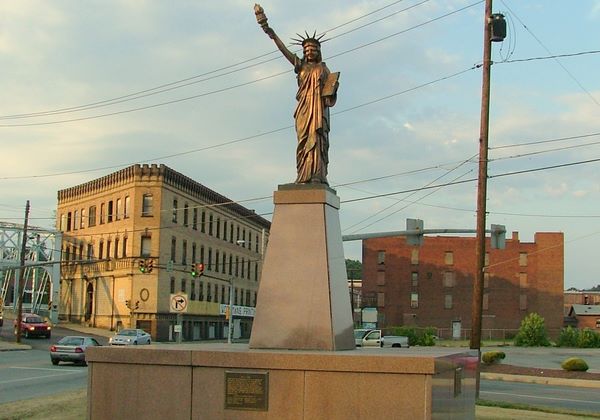
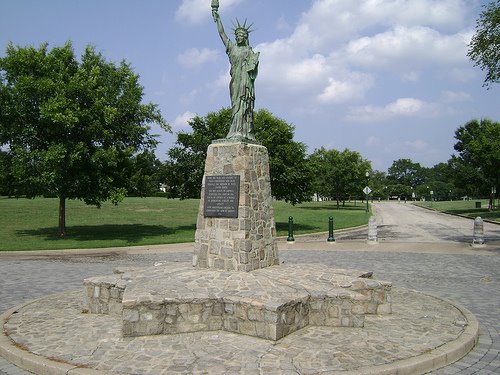
You can thank the American proliferation of Libertys on the Boy Scouts. During the 1950s, the Scouts donated over 200 ‘little sisters of Liberty’ to towns across 39 states and several territories. Kansas alone allegedly received 26 Liberty statues, possibly because the whole initiative was started by a Scout volunteer in Kansas City, Mo.

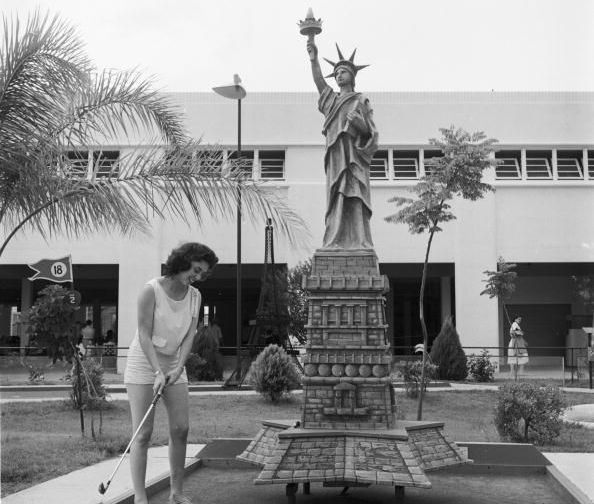
These replicas were usually not sculpted with the same care that Bartholdi brought to his replicas, with haphazard faces, odd scale and imprecise detailing on the 8’4″ copper statues. Of the dozens dispersed across the nation, at least a 100 have been identified today. After Sept. 11, many communities have taken great pride in restoring their li’l Libertys.

Here’s Liberty in Columbus, Nebraska:

In New Castle, Pennsylvania:

And Richmond, Virginia:

Liberty is a victim of her own symbolic nature. As small town America now had their copies, Liberty was spawning herself on Liberty Island in the form of souvenirs that allowed you to become the Statue of Liberty, using foam crowns and torches. Once, immigrants sailing into New York harbor could hope to take advantage of the values that Liberty embodied; now, people could simply embody Liberty herself as a way of taking advantage of some of those values.

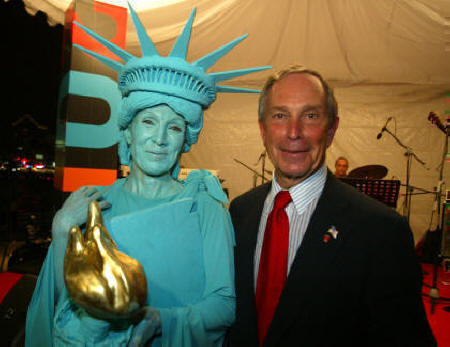
It may be impossible to truly identify the first Statue of Liberty impersonator, but I think there’s little argument about who is the best: Jennifer Stewart.

Stewart began donning Liberty drag in 1989. One clue that she might be one of the very first is her feelings to donning the green in public for the first time: ”I felt stupid. I thought, ‘The only consolation is that no one will recognize me.’

Stewart seems to be the ‘official’ Liberty impersonator, meeting with Rudy Guiliani, Michael Bloomberg and Hillary Clinton and appearing on national magazine covers. But it was that success that brought on the wave of imitators.

Photo credit: Kristen Artz / Office of the Mayor, 2005

Ms. Stewart may disagree, but one enticement to impersonating a statue is the ability to do so without any real displays of traditional talent. You don’t have to do backflips or breathe fire or pretend you’re Robbie the Robot. She’s stoic in her static. Although I would chime in here and ask, have you ever stood in one place for a really long time with your arm in the air?

And thus came the horde of Statue of Liberty impersonators, at first in performance make-up and stylized robes, later just in masks and sprayed-green sheets. Often she is given sunglasses or any number of patriotic embellishments.

Does repetition dilute meaning, or reinforce it? Interestingly, knowing who is behind the robes might give this borderline annoying trend a bit of resonance. According to an article in the Tribeca Tribune last year, the group of Libertys on a given day at Castle Clinton were all immigrants –“four Colombians, an Ecuadorian, a Honduran and a woman from China.” They were also mostly male performers. Who can’t appreciate a man who stands in a park dressed in drag all day to make a few bucks?

The Statue of Liberty has been duplicated in other, less disturbing ways. Check out our previous history of Lady Liberty on album covers. Or dive back into our older podcast on the Statue of Liberty from last September, with accompanying photo gallery.

And finally, this is just right on so many levels:

Categories
Podcasts

PODCAST: Henry Ward Beecher and Plymouth Church

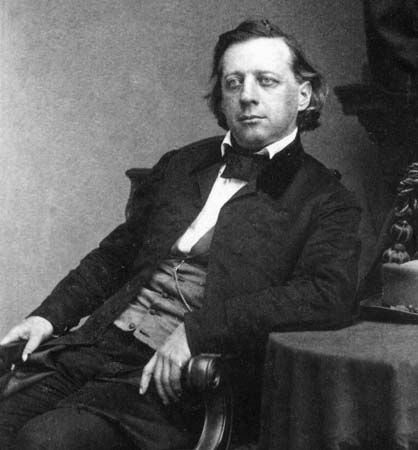
We’ve never done such a saucy show — full of sex, lies, and petticoats. Meet Henry Ward Beecher, Brooklyn Heights’ most notorious resident, and find out about the fascinating and provocative history of the church that turned him into a national celebrity.
Listen to it for free on iTunes or other podcasting services. Or you can download or listen to it HERE

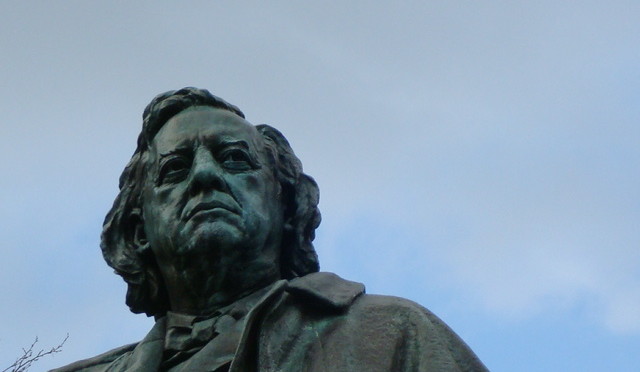
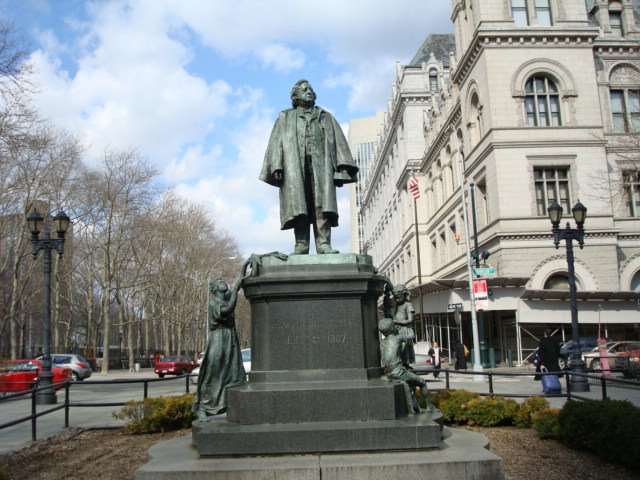
This statue of Beecher sits in Columbus Park in front of Brooklyn Borough Hall. The figure was designed by John Quincy Adams Ward (best known for his George Washington in front of Federal Hall) and dedicated in 1891, just four years after Beecher’s death. The pedestal here is no less austere; it was designed by Ward’s frequent collaborator Richard Morris Hunt, who had recently worked on a significantly bigger pedestal — for the Statue of Liberty.
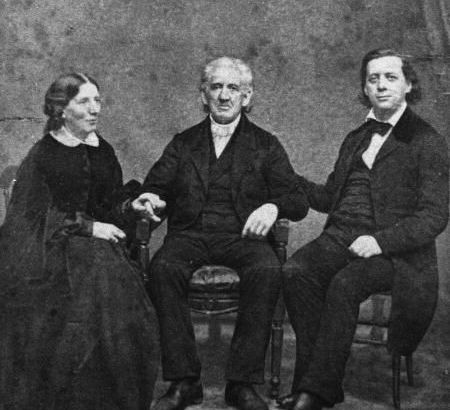
Beecher with sister Harriet Beecher Stowe and patriarch Lyman Beecher:

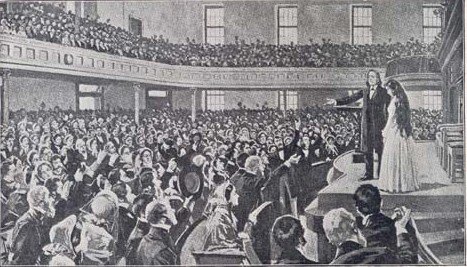
A depiction of one of Plymouth Church’s ‘slave auctions’.

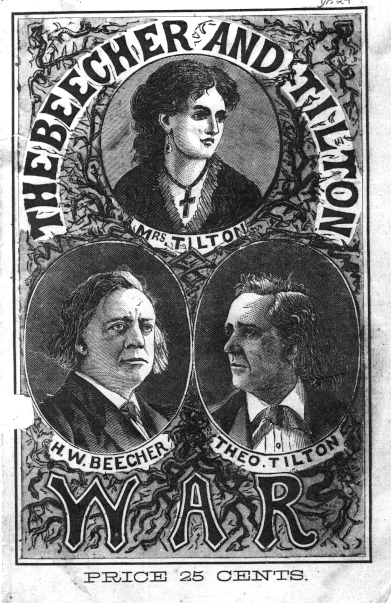
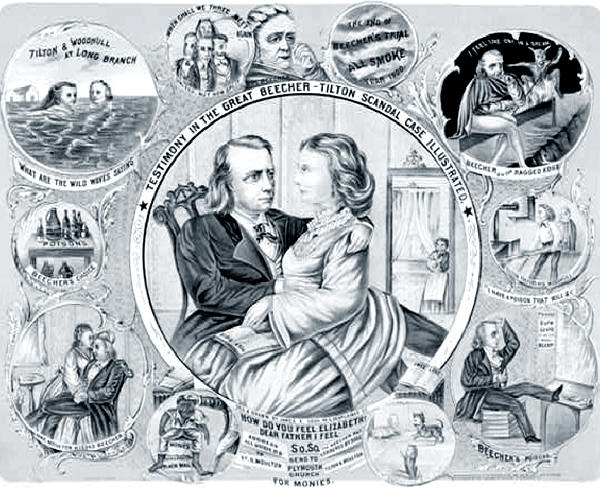
The Beecher-Tilton sex scandal electrified the public’s curiousity and filled newspapers with illustrations such as these:

The bold and provocative Victoria Woodhull:

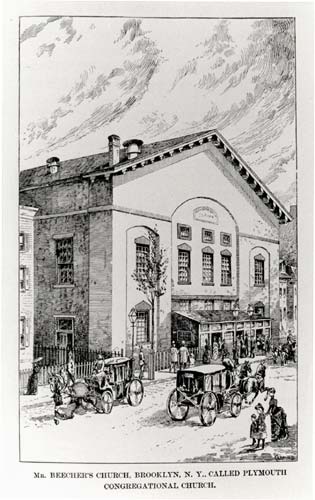
Plymouth Church then:

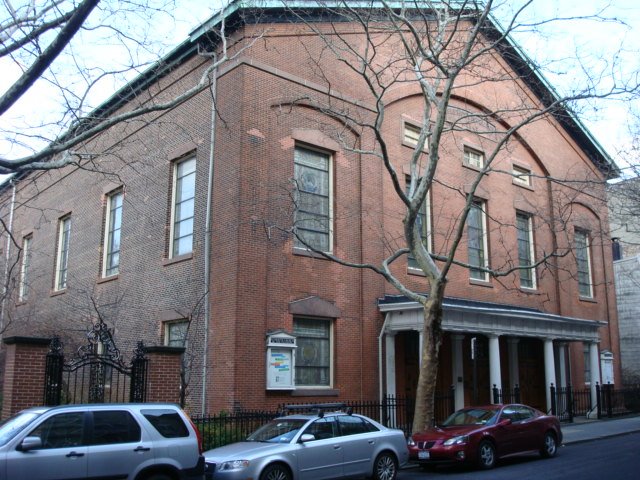
Plymouth Church today:

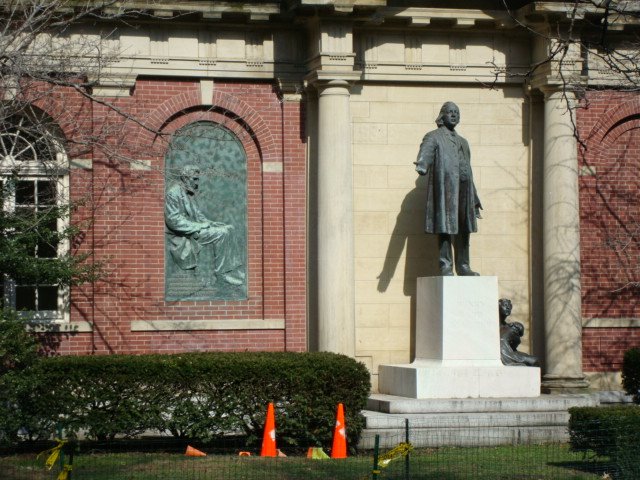
Compare the Beecher statue above with the one that sits on the grounds of Plymouth Church. This one was created by Gutzon Borglum — you might know him for that little rock carving he did called Mount Rushmore. The copper bas-relief nearby of Lincoln is also by Borglum.

The History of (Destroying) New York City


I apologize for the second post in a row about films, but I had to ask the question, when did destroying New York become hot again?

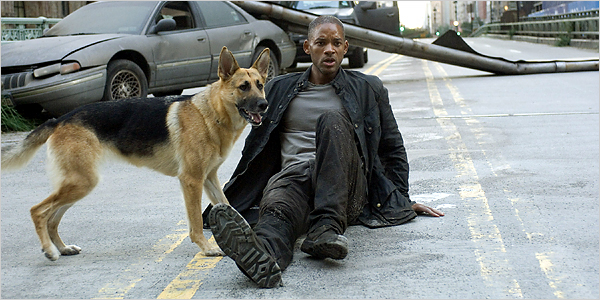
This Friday is the opening of I Am Legend, an adaptation of Richard Matheson’s classic thriller about the last non-zombiefied human being alive. In this case, he resides in New York City, the population wiped out by a virus. Nice to know that the last representative of the human race is charming, witty, and a former rapper.

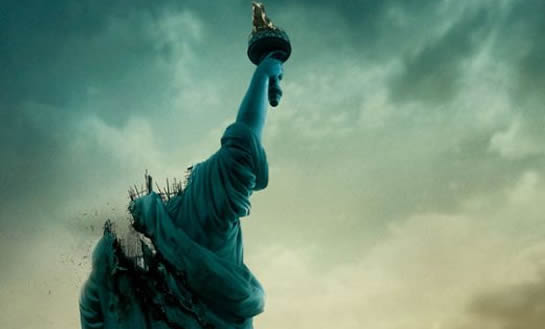
If that’s not enough doomsday for you, JJ Abrams brings us Cloverfield next month, about a sea monster ‘the size of a skyscraper’ ravaging New York. I almost breathed a sigh of relief when I found out that M. Night Shyamalan’s The Happening releasing next spring, takes out Philadelphia.

Tokyo may be the one with the most movie monsters attacking it in film history, but New York has taken it pretty hard from a variety of fictional sources. Here’s the top ten (I left out films that actually destroy the whole earth):

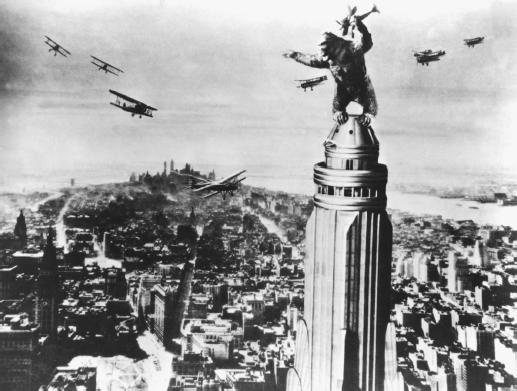
1. King Kong (1933)
Sure, they destroy more in a run-of-the-mill Fantastic Four or Spider-man movie these days than ole Kong does here, but the sheer novelty at the time of urban carnage was enough to petrify audiences. His attack on the elevated train is still terrifying. Thank God he merely climbs the Empire State Building.

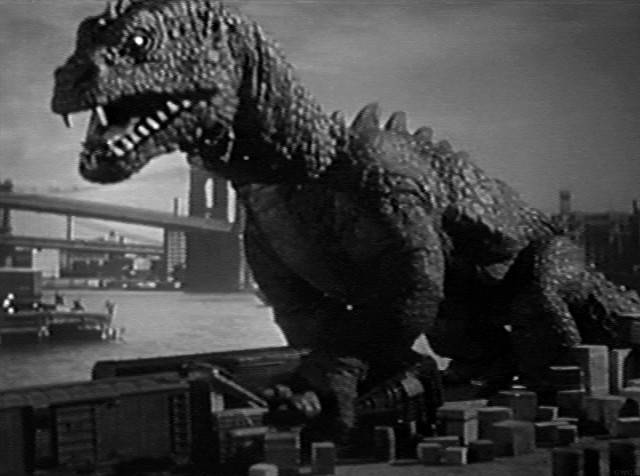
2. Beast From 20,000 Fathoms (1953)
Atomicly-woken prehistoric beastie with germ-infested blood plays tourist in Manhattan, eventually finding a suitable lodging at a roller-coaster in Coney Island. The movie is flat and plotless, but love that Ray Harryhousen stop-motion monster. If it wasn’t so destructive, the monster might be a little lovable.

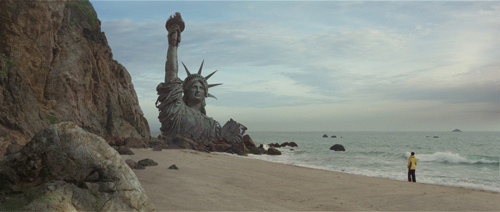
3. Planet of the Apes (1968)
By placing it on this list, I suppose I’ve spoiled the ending for you.

4. Escape From New York (1981)
John Carpenter takes a different approach to the Manhattan destruction theme — turning it into a gigantic prison — and along the way, makes a potent comment about New York in the late 70s.

5. Ghostbusters (1984)
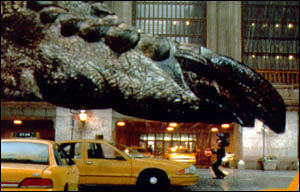
New York City has seen its share of monsters. From the skies, we’ve had Q: the Winged Serpent. From below, C.H.U.D. And in our elevators, those damned Gremlins! Even Godzilla‘s taken a snack by the Flatiron Building, years before the opening of the Shake Shack. But no big baddie comes closer to the hearts of New Yorkers than the sugary goodness of this sweet ectoplasmic ogre, successfully dispatched by Dan Ackroyd and Bill Murray.
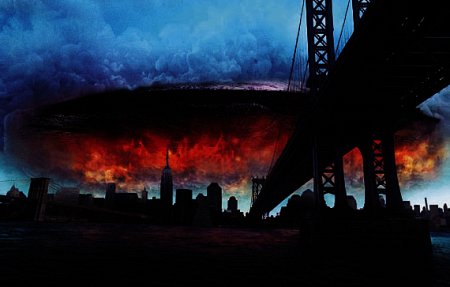
6.Independence Day (1996)
Destroying New York City really came into its own cinematically in the 90s. The unease at seeing our fair city blown to smithereens by alien blasts is offset by the cries of joy of future architects and city planners at the alien’s first target — the Pan Am/Met Life building. It is sort of awful seeing Park Avenue South wiped away by flames. Some great restaurants, gone in a flash!
7. The Siege (1998)
Technically the only movie on the list that really ‘could’ happen, however the filmmakers glee is killing off mass groups of New Yorkers is just plain sadistic. The bombing of a Broadway theater — look, that rich woman is missing her arm! — is of particular poor taste. Maybe it would have been easier to swallow had the movie been actually, you know, good.


8. AI: Artificial Intelligence (2001)
Steven Spielberg creates some graceful carnage — waterfalls and flocks of birds among toppled buildings — and includes a vision of a destroyed Twin Towers in a rather unfortunate year of release. Don’t get too depressed however; his recollection of the city is hardly too accurate. One of the buildings is literally just a Apple computer subwoofer dressed up to look like a building.

9. Deep Impact (1998) and Day After Tomorrow(2004)
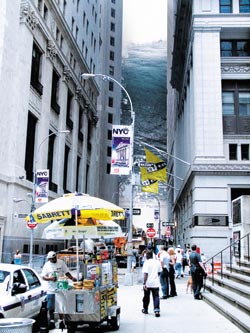
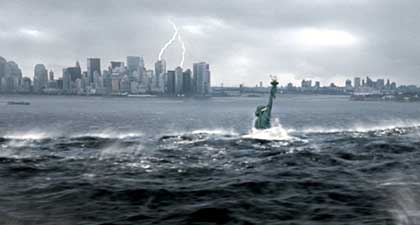
These two films are pretty abysmal, but the creative ways in which they treat New York City like children’s toys in the hands of natural catastrophe is at least notable. Heck, and even I’ll throw in the meteor madness of Armageddon (1998), which dares to take specific note to flatten the Chrysler Building along with everything else. And for the sheer cheese factor, I cant forget to mention the 1999 made for TV Aftershock: Earthquake in New York.

*sigh* Lady Liberty, just can’t catch a break…

10. King Kong (2005)
In the rather campy remake from 1976, Kong tackles the World Trade Center. By the time Peter Jackson got around to remaking it, he’s back on top of the Empire State and wrecking a bit more havoc than his prior incarnation.

Honorable Mention: New Yorkers should be honored to know that in the Japanese monster classic Destroy All Monsters (1968) set in the future (aka 1999), New York City is in fact destroyed by Godzilla before he gets to Tokyo.

Categories
Podcasts

PODCAST: The Statue of Liberty

Her torch may shine bright, but what story is she hiding under that copper-toned skin? The Bowery Boys bring you the story of the dinner party that created an American icon.


Her official name is the Statue of Liberty Enlightening The World. You can find a full survey of her measures here. Two facts of interest to me: her copper plating is only the width of a couple pennies. Incredible that something so relatively thin has been able to weather 121 years.
Especially considering fact no. 2: during 50 mph winds, the Statue of Liberty moves approximately three inches. Bartholdi and Eiffel managed to create a structure that could conform to sea winds and temperature changes without causing serious damage to the overall structure.

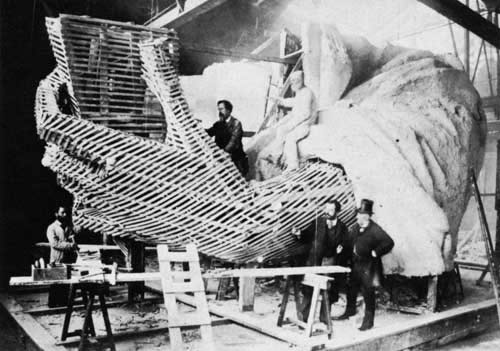
Seen here, one hand, clutching a book with the date July 4, 1776 written upon it, awaits its copper skin at the foundry of Gaget, Gauthier et Companie.

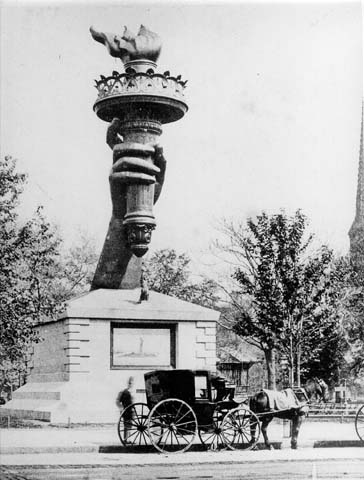
Her other hand meanwhile was busy taking a tour of America. The completed right arm and torch stopped first at the Philadelphia Centennial Exposition in 1876, the 100th year of America’s birth (and technically the date the gift of Liberty was celebrating). It then travelled back to New York, where it became a comfortable fixture of Madison Square Park in 1884.

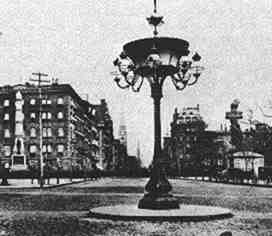
My blog entry from Monday was about the gravesite of Gen. William Worth, which seems peculiarly placed in middle of a traffic island. To get a better sense of how it was situated, here’s a picture (which I got from Forgotten NY) with Worth on the left, Fifth Avenue cutting through, and the arm of Ms. Liberty to the right.

And to think today, just a few feet to the right, out of frame, now stands the Shake Shack.

Eventually the arm and torch was returned to France, where the entire structure was put back together in the foundry, to the delight of 300,000 visitors, including one Victor Hugo, who said, “To the sculptor form is everything and is nothing. It is nothing without the spirit – with the idea it is everything.”

The designer of the pedestal was Richard Morris Hunt, best known for designing the Metropolitan Museum of Art as well as the sumptuous mansions for the Vanderbilt family. (CNN’s Anderson Cooper probably ran around in one when he was little.) Hunt trained at the Paris’ École des Beaux-Arts which would later see William Van Alen, the architect of the Chrysler Building.

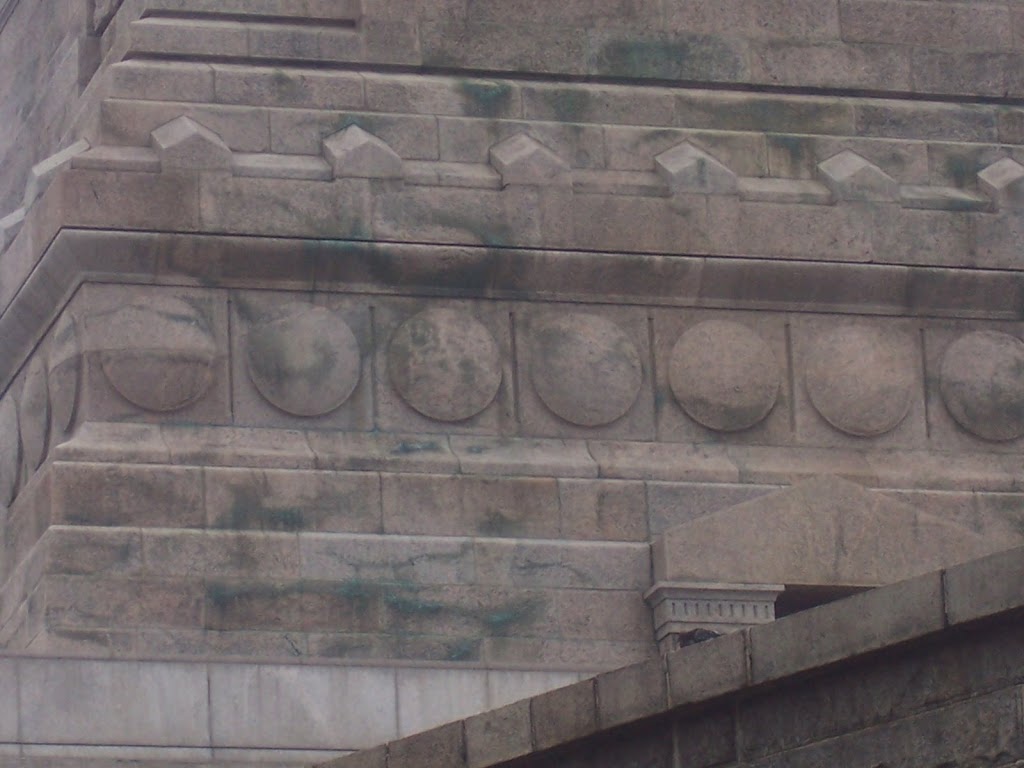
My harangue against my fellow Americans in their rather feeble attempts at fund-raising to build the pedestal obscured my general admiration for the design of the pedestal itself, which had to be understated but reflect some of the statues general themes. For instance, the shield pattern that runs along the side — click to see the detailing more closely — creates a dialogue with Liberty’s classical features and underscoring of strength and protection.

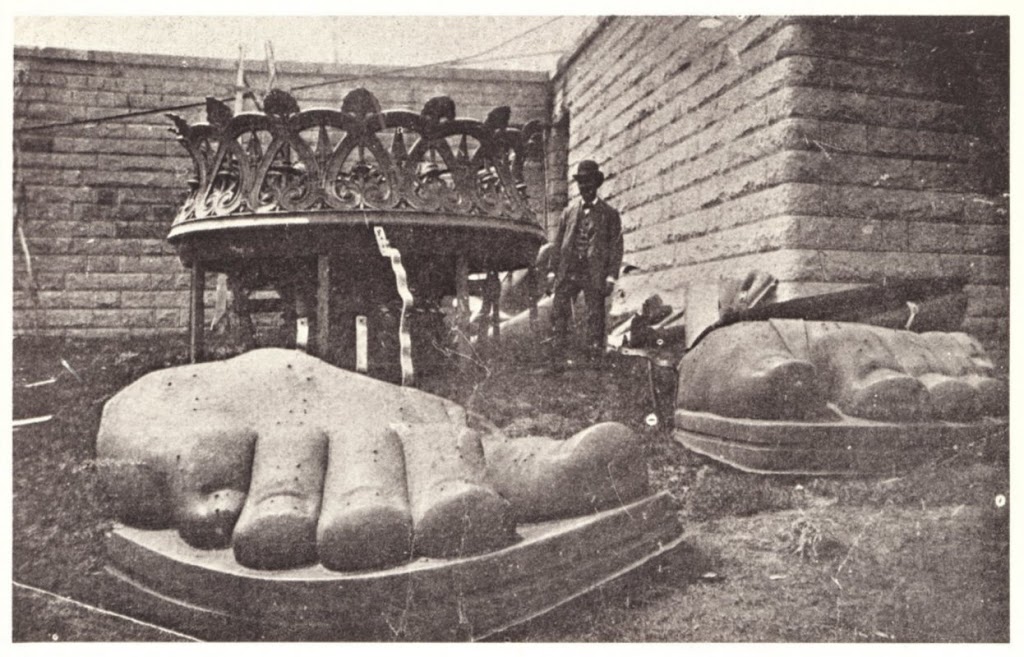
Even as the pedestal was still being constructed, the Statue arrived in New York harbor. Here, some workers unpack her feet at the base of the foundation, what was once a star-like fort:

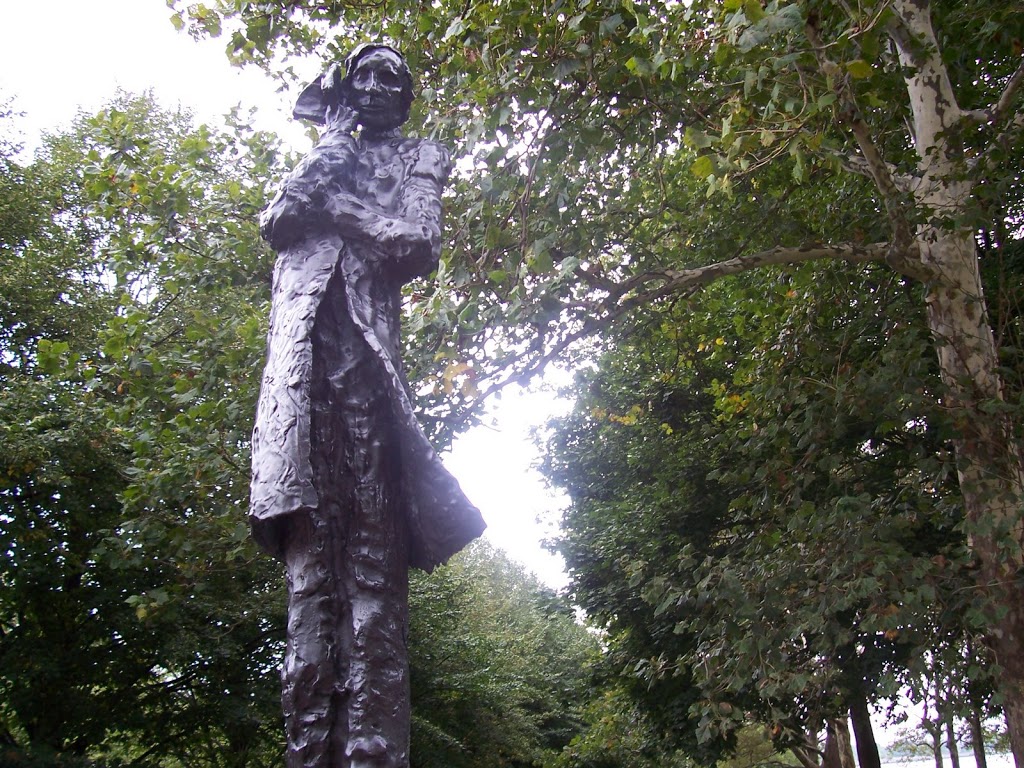
A stroll around the base of Lady Liberty grants you a terrific view of Manhattan, Brooklyn and parts of New Jersey. Along the path are some contemporary sculptures of five pivotal figures of Liberty’s legacy (all detailed in our podcast) — Bartholdi, Gustave Eiffel, Édouard René Lefèvre de Laboulaye (pictured below), Joseph Pulitzer and Emma Lazarus.

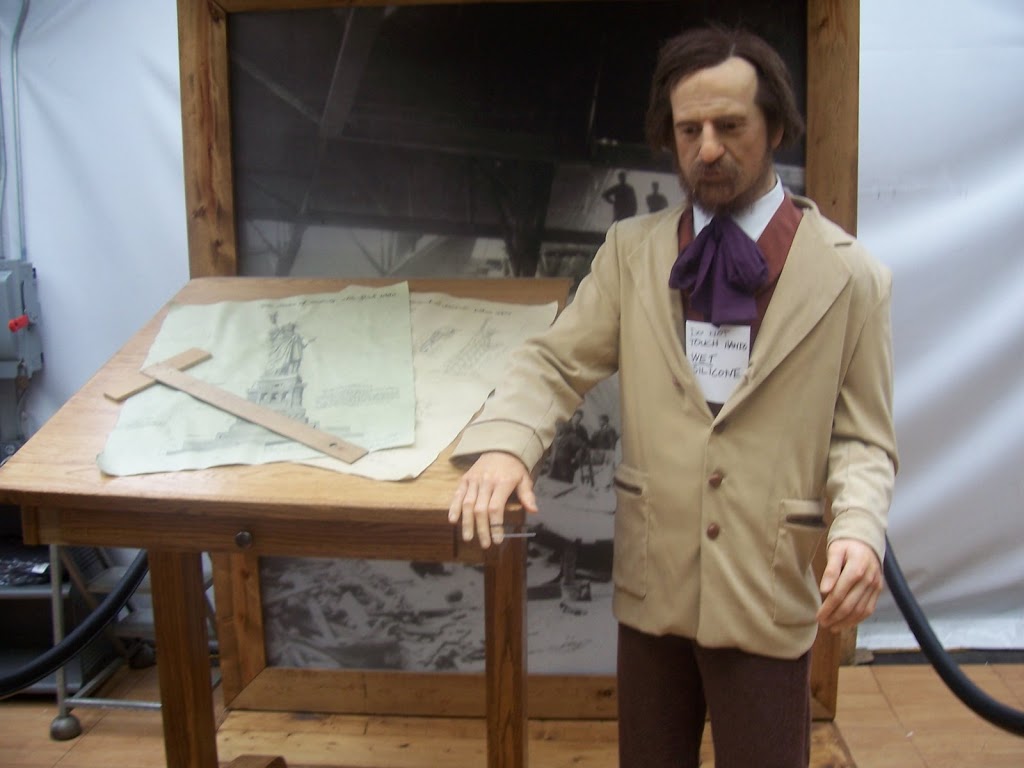
This strangely creepy depiction of Bertholdi also greets visitors. (Click the pic to see what the curious sign says tucked in his jacket.)

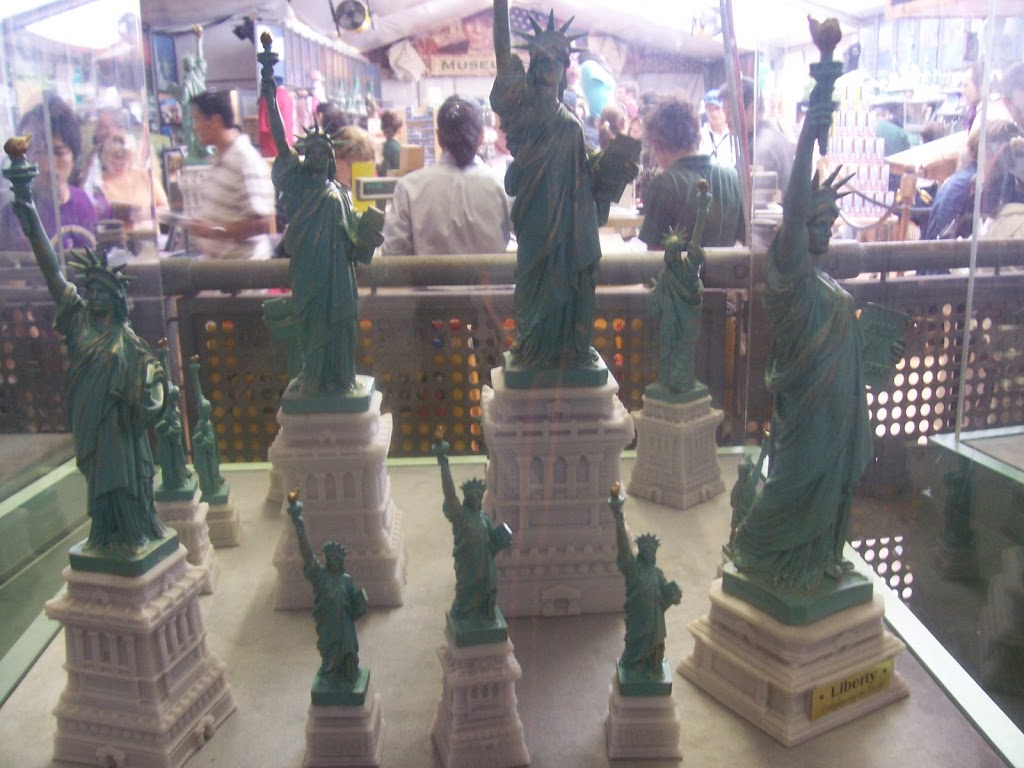
In a prescient bit of fund-raising, Bartholdi sold miniature versions of Lady Liberty before it was even constructed. That honored tradition of capitalism still holds strong throughout every tourist zone in New York City, Liberty Island itself certainly no exception.

By the way, the Statue of Liberty, for many years was actually a deep brown color. When copper oxidizes, however, it turns that rich green color, which prevents it from eroding through rust. The copper used in the construction was so durable that during the extensive 1986 renovation and clean-up of the statue, none of it needed to be replaced. Although Eiffel’s contributions overshadowed those of the original architect Eugène Viollet-le-Duc (who died before the statue was completed), Eugene chose the copper, mined from copper ore obtained in Karmøy, Norway.

Click here to see our history of the Statue of Liberty … as she appears on album covers.

Ms. Liberty: Album model?

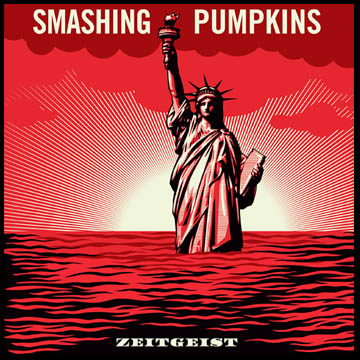
We cant help but be impressed by the striking new album cover for the Smashing Pumpkins’ new release Zeitgeist. In fact, it’s the best thing about the whole album.

So we decided to investigate whether the Statue of Liberty has graced the cover of other albums.

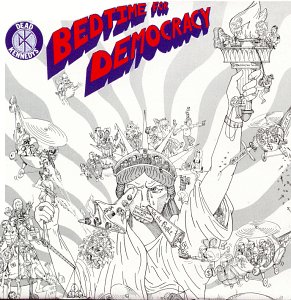
Like Billy Corgan and crew, the Dead Kennedys use the Lady in a rather ribald, political manner.

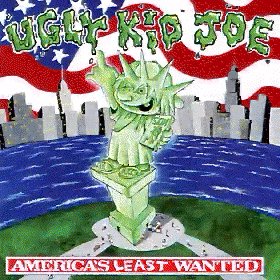
There’s this, um, amateurish model, so rockin’, so daring:

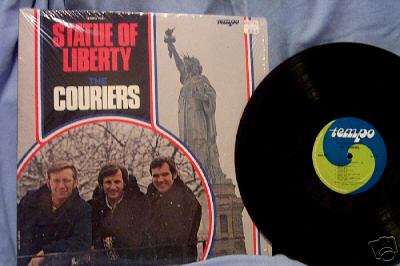
On the opposite scale of things, taste-wise, here’s a rather straightforward usage by some rather jaunty fellows:

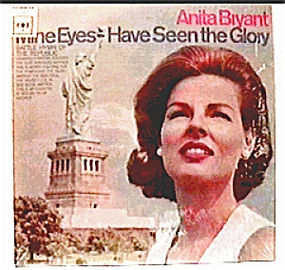
Anita Bryant looks like she drank about ten gallons of Florida orange juice in this image:

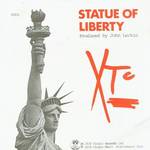
The great 80s band XTC had a single named ‘Statue of Liberty’, well worth searching out if you havent heard it:

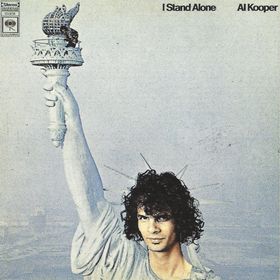
Meanwhile, we don’t know what to say about this one:

Sanjaya Malakar, is that you?

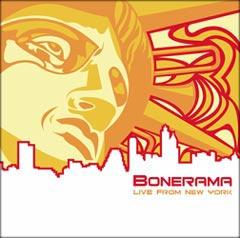
We would actually love to plaster our wall with this groovy cover from the New Orleans rock band Bonerama:

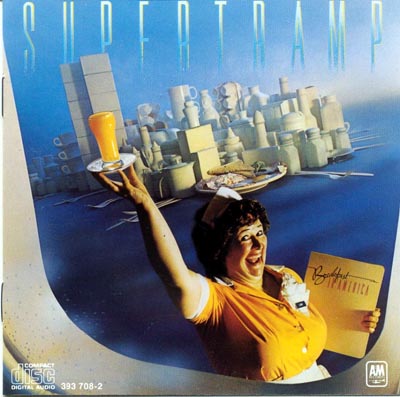
But our favorite Lady Liberty depiction, although abstract, obviously belongs to Supertramp. And not just because we’re a sucker for ‘Dreamer, you know you are a dreamer…”

Are we missing any other Lady Liberty album covers? Let us know in the comments section!